William Wade
William Wade
@oralmolecol.bsky.social

Professor of Oral Microbiology, King’s College London. Microbiome.

Medicine 49%
Public Health 27%

Species-level un-named taxa?
thanks! What is the right term when you are talking about multiple of them, tho? Current text: "many of the detected species are anonymous GTDB species that contain only MAGs and have no cultivated members."

Reposted by William G. Wade

thanks! What is the right term when you are talking about multiple of them, tho? Current text: "many of the detected species are anonymous GTDB species that contain only MAGs and have no cultivated members."
#NewResearch

While oral bacteria rarely colonize the healthy gut, they dominate the gut microbiome of patients with chronic liver disease. Here a bacterial gene encoded by microbial translocators is linked to gut barrier disruption and fibrosis

#MicroSky 🦠

www.nature.com/articles/s41...
Microbial collagenase activity is linked to oral–gut translocation in advanced chronic liver disease - Nature Microbiology
While oral bacteria rarely colonize the healthy gut, they dominate the gut microbiome of patients with chronic liver disease. Here a bacterial gene encoded by microbial translocators is linked to gut ...
www.nature.com

Reposted by William G. Wade

FEMS @femsmicro.org · Dec 30
The final edition of our “New Microbes Discovered in 2025” series is here. After exploring new viruses, bacteria, and fungi, this last #FEMSmicroBlog highlights the archaea identified in 2025: buff.ly/pJpA0Ax #NewMicrobes
Still reeling from the Stanford report on Brexit. Reduced GDP by up to 8% and investment by as much as 18%. The UK Treasury would have £40 billion more each year if Britain had remained in the EU. Devastating self-immolation.
The Economic Impact of Brexit
Other
siepr.stanford.edu
Our latest paper is out with @adiop.bsky.social and @gmdouglas.bsky.social. We analyzed the extent of homologous recombination between bacterial species (introgression) and how it affects species borders (it can vary a lot depending on the approach used to classify species!). rdcu.be/eQAMf
Introgression impacts the evolution of bacteria, but species borders are rarely fuzzy
Nature Communications - It is commonly thought that bacterial species borders tend to be fuzzy, due to frequent exchange of DNA. Here, Diop et al. quantify the patterns of gene flow between core...
rdcu.be

Reposted by William G. Wade

Reposted by William G. Wade
Reposted by William G. Wade

Reposted by William G. Wade

Don’t think much of the standard of English at that school if they say “heart-wrenching”. It’s “heart-rending” or “gut-wrenching”!
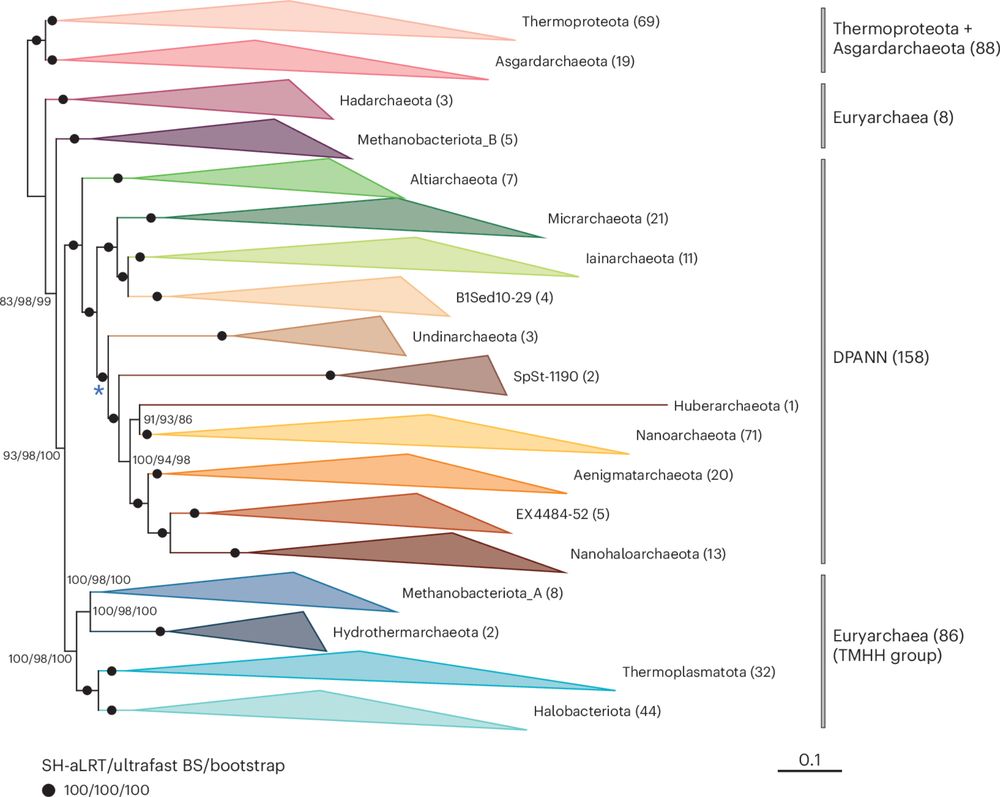
📣 We are proud of the publication of the second paper of @bbaker24.bsky.social PhD thesis. In collaboration with friends in Halifax we have studied the difficult question of the phylogeny of the DPANN archaea, composed of several phyla of highly reduced, fast-evolving epiparasites 🧵

rdcu.be/erkkU
Phylogenomic analyses indicate the archaeal superphylum DPANN originated from free-living euryarchaeal-like ancestors
Nature Microbiology - Phylogenetic reconstructions with conserved protein markers from the 11 known DPANN phyla reveal their monophyletic placement within the Euryarchaeota.
rdcu.be
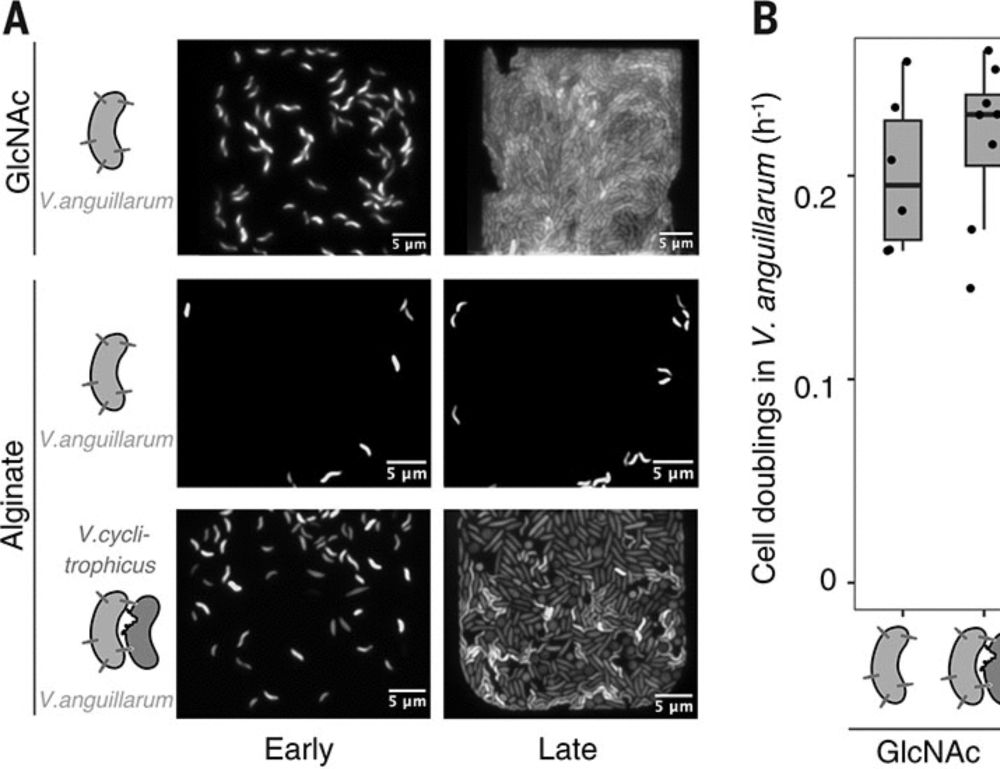
Thrilled to share our new paper in @science.org describing our discovery that bacteria can switch from competitors to bonafide predators when resources run dry—arming nanoscale “spears” (T6SS) to stab & consume neighbours.

www.science.org/doi/10.1126/...

#MicroSKy #Microbiology
Antagonism as a foraging strategy in microbial communities
In natural habitats, nutrient availability limits bacterial growth. We discovered that bacteria can overcome this limitation by acquiring nutrients by lysing neighboring cells through contact-dependen...
www.science.org
📢 Big day for archaeal microbiology!

Today, we jointly shed light on the mysterious world of archaeal extracellular vesicles from human gut archaea - published in @natcomms.nature.com ‬ in parallel with our precious colleagues around @mkrupovic.bsky.social 🇦🇹🤝🇫🇷.

Reposted by William G. Wade
Exciting progress! In our new preprint, we show that episymbiont Saccharibacteria can directly modulate epithelial immunity—a big step in understanding how these elusive microbes interact with the human host. Kudos to Deepak Chouhan and our amazing collaborators! www.biorxiv.org/content/10.1...
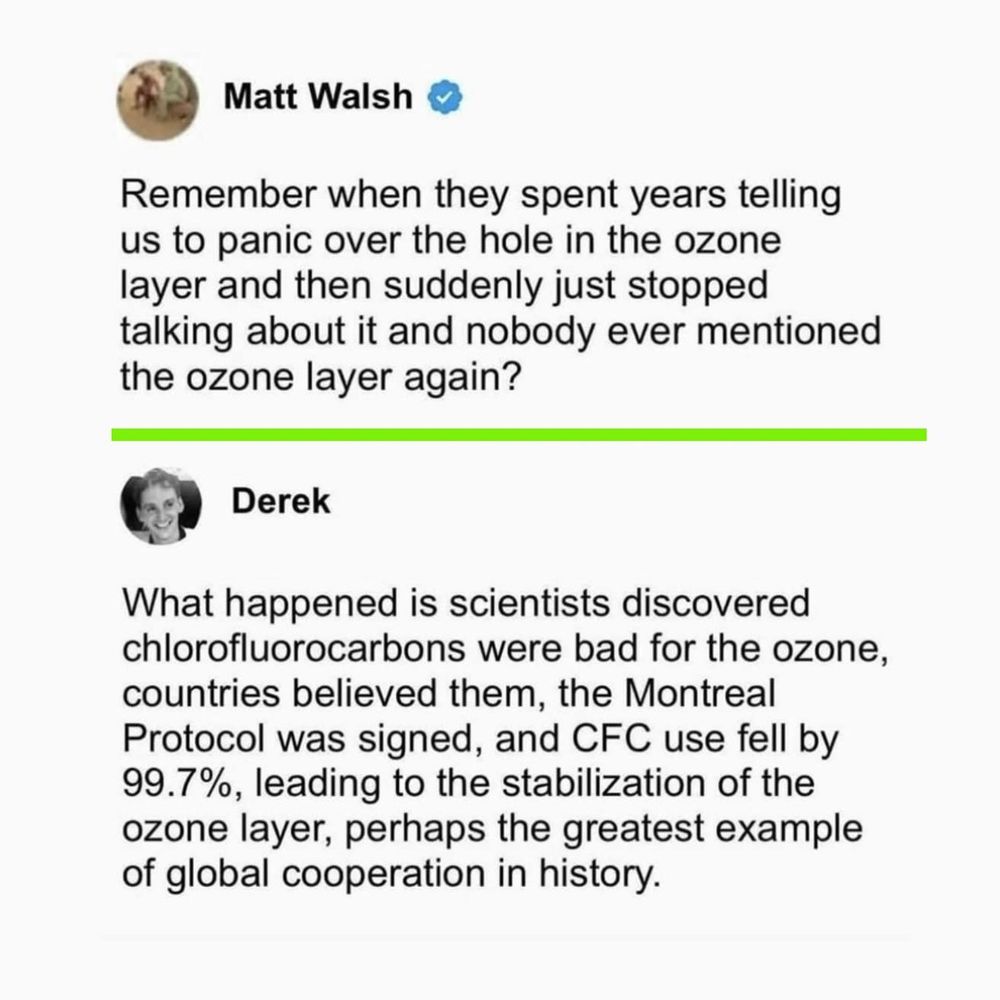
In a world of Matts, be a Derek.
President Zelenskyy has been one of the greatest leaders of our time, guiding Ukraine through the darkest period of its recent history, rising up to Russia’s unwarranted aggression, being an inspiration to the Ukrainian people and ensuring that Ukraine’s voice is heard on the world stage.

Currant bun

Reposted by William G. Wade

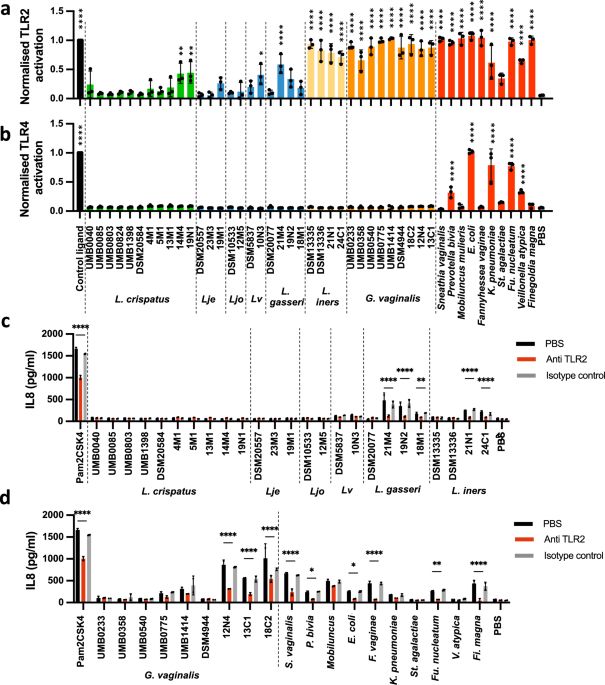
London study finds L. crispatus in the vaginal microbiome reduces inflammation by blocking harmful signals and activating anti-inflammatory pathways.

May protect against infections and preterm birth.

www.nature.com/articles/s41...
Lactobacillus crispatus S-layer proteins modulate innate immune response and inflammation in the lower female reproductive tract - Nature Communications
Here, the authors show that vaginal lactobacilli associated with optimal health interact selectively with a restricted subset of anti-inflammatory receptors through their Surface Layer Proteins, both ...
www.nature.com

Reposted by William G. Wade

The Porphyromonas gingivalis lipid A 1-phosphatase LpxE has unique features and requires a functional type IX secretion system for its activity https://www.biorxiv.org/content/10.1101/2024.12.20.629629v1

Reposted by William G. Wade


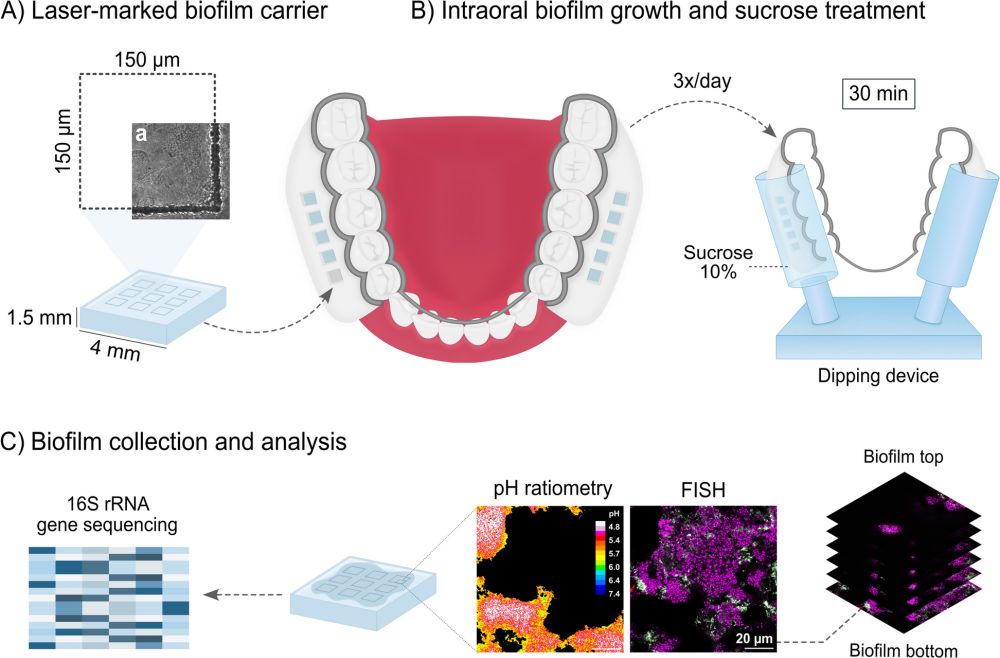
🌟 Exciting news! Our latest collaborative research with team @aarhusuni.bsky.social introduces pH-FISH, a novel technique combining pH ratiometry and FISH to simultaneously unravel microbial identity and local biofilm pH. 🔬 🧪 #MicroSky

link.springer.com/article/10.1...

#Microbiome #Biofilms
pH-FISH: coupled microscale analysis of microbial identity and acid–base metabolism in complex biofilm samples - Microbiome
Background Correlative structural and chemical imaging of biofilms allows for the combined analysis of microbial identity and metabolism at the microscale. Here, we developed pH-FISH, a method that co...
link.springer.com

Reposted by William G. Wade

Big news from Finnish publication forum. Almost all MDPI and Frontiers journals will be downgraded to level 0 and thus are not considered as properly peer reviewed trustworthy scientific journals.
julkaisufoorumi.fi/en/news/chan...
Changes to the classification
julkaisufoorumi.fi

One of my favourite nerdy facts!

Reposted by William G. Wade

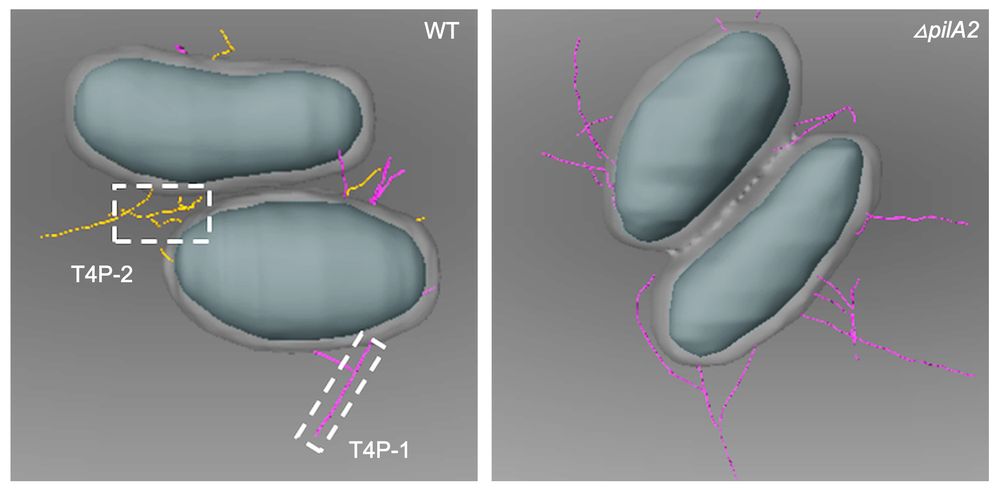
Excited to share our new preprint on the detailed investigation of Type 4 pili in epibiont oral Saccharibacteria! Led by Alex Grossman from our lab, and with Jun Liu (Yale), Jeff McLean (UW) and Xuesong He. Check it out: biorxiv.org/content/10.1...
The final chapter of my PhD thesis is finally out! Led by the brilliant Irina Velsko, we investigated if we can study past migrations in Oceania using #aDNA from archaeological dental calculus: www.nature.com/articles/s41...
Exploring the potential of dental calculus to shed light on past human migrations in Oceania - Nature Communications
Preservation of oral microbiome ancient DNA from Oceania is much better than human ancient DNA. The authors leverage this to demonstrate that oral microbial community composition in Oceania is not onl...
www.nature.com

Reposted by William G. Wade

This Perspective was a fun one to work on recently, examining the characteristics & role of small intestinal #microbiota, somewhat overlooked (tech difficulties in sampling, low microbial biomass) but important to health

www.nature.com/articles/s41...
🔓 rdcu.be/d0hBg

#GastroSky #Microsky

Reposted by William G. Wade

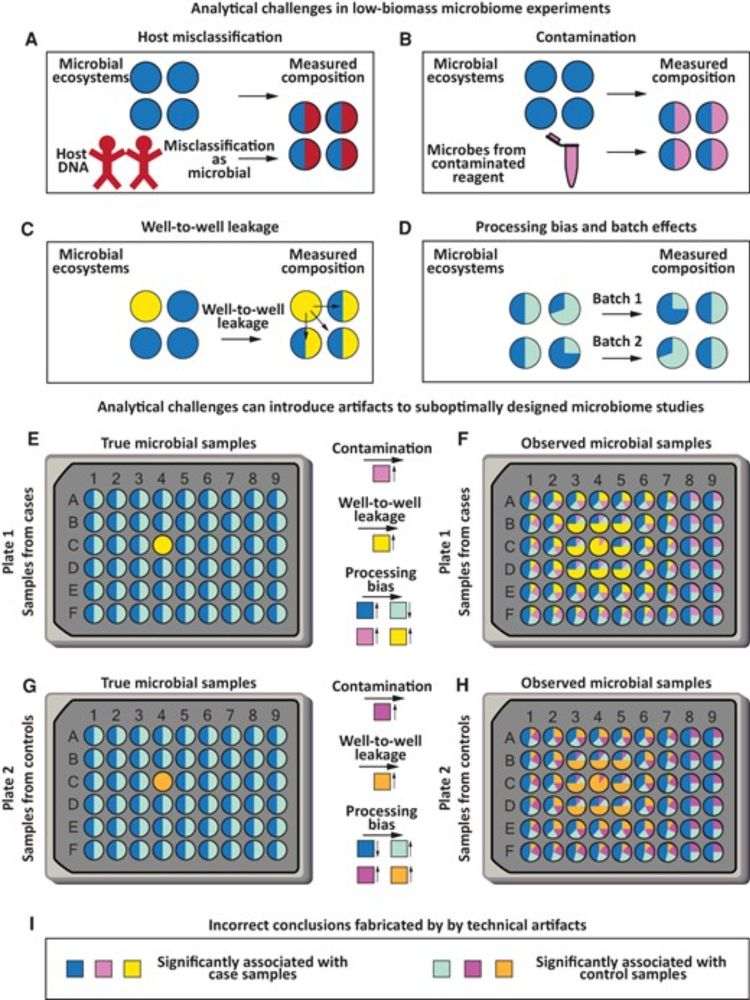
Planning and Analyzing a Low-Biomass Microbiome Study: A Data Analysis Perspective academic.oup.com/jid/advance-... paging @faecalmatters.bsky.social
Planning and Analyzing a Low-Biomass Microbiome Study: A Data Analysis Perspective
Low-biomass microbiome studies show great potential alongside major controversies. This review surveys key methodological challenges and discusses experime
academic.oup.com

Reposted by William G. Wade

Spatial mapping of mobile genetic elements and their bacterial hosts in complex microbiomes (June 2024)

www.nature.com/articles/s41...
Spatial mapping of mobile genetic elements and their bacterial hosts in complex microbiomes - Nature Microbiology
Simultaneous DNA-FISH and multiplexed rRNA-FISH spatially map antimicrobial resistance plasmids and phage with their host taxa in polyspecies human oral biofilm samples, revealing hotspots of genetic ...
www.nature.com