




Ben Morehouse
@benmorehouse.bsky.social
Assistant Professor at UCIrvine. Biochemistry and structural biology enthusiast. Dabbling in innate immunity and microbiology. Phage defense, cyclic nucleotides, and cool enzymes. (he/him/his) https://faculty.sites.uci.edu/morehouselab/
Pinned

The Panoptes system uses decoy cyclic nucleotides to defend against phage - Nature
The Panoptes antiphage system defends bacteria by detecting phage-encoded counter-defences that sequester cyclic nucleotide signals, triggering membrane disruption and highlighting a broader strategy of sensing immune evasion through second-messenger surveillance.
www.nature.com
Our story describing the Panoptes bacterial immune defense system is now finally peer-reviewed and published today! www.nature.com/articles/s41...
Reposted by Ben Morehouse

Congratulations to Sonomi Yamaguchi for her paper at @nature.com. Sonomi discovered Clover defense and explained how nucleotide signals control each step of viral sensing, immune regulation, and viral restriction – named for her beautiful "four-leaf" structures 🍀
www.nature.com/articles/s41...
www.nature.com/articles/s41...

February 18, 2026 at 5:11 PM
Congratulations to Sonomi Yamaguchi for her paper at @nature.com. Sonomi discovered Clover defense and explained how nucleotide signals control each step of viral sensing, immune regulation, and viral restriction – named for her beautiful "four-leaf" structures 🍀
www.nature.com/articles/s41...
www.nature.com/articles/s41...
Reposted by Ben Morehouse
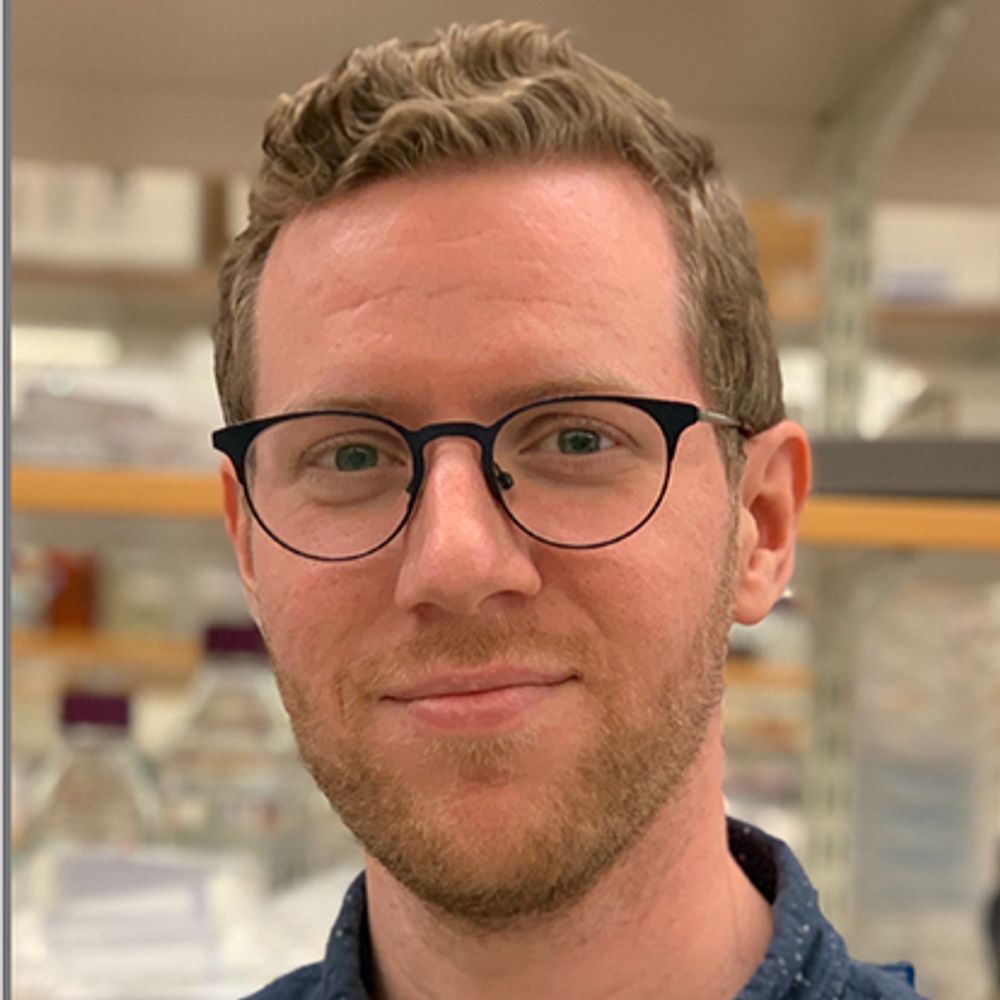
The giant viruses surprised us at almost every turn of this project, but ultimately led us down a very rewarding path. Happy to share this work is now available online 🧪

Now online! Giant DNA viruses encode a hallmark translation initiation complex of eukaryotic life

Giant DNA viruses encode a hallmark translation initiation complex of eukaryotic life
Giant DNA viruses encode a cap-binding complex homologous to eIF4F, the defining translation-initiation complex of eukaryotes. The viral cap-binding complex is required for viral protein synthesis and enables an unusual degree of replication plasticity under altered host conditions.
dlvr.it
February 17, 2026 at 5:07 PM
The giant viruses surprised us at almost every turn of this project, but ultimately led us down a very rewarding path. Happy to share this work is now available online 🧪
Reposted by Ben Morehouse

A huge congratulations to Brenda Bass @bbass.bsky.social for her Lifetime Achievement Award from the RNA Society @rnasociety.bsky.social! She is being recognized for her "groundbreaking discovery of A-to-I editing and outstanding contributions to this field."

February 13, 2026 at 1:48 PM
A huge congratulations to Brenda Bass @bbass.bsky.social for her Lifetime Achievement Award from the RNA Society @rnasociety.bsky.social! She is being recognized for her "groundbreaking discovery of A-to-I editing and outstanding contributions to this field."
Reposted by Ben Morehouse
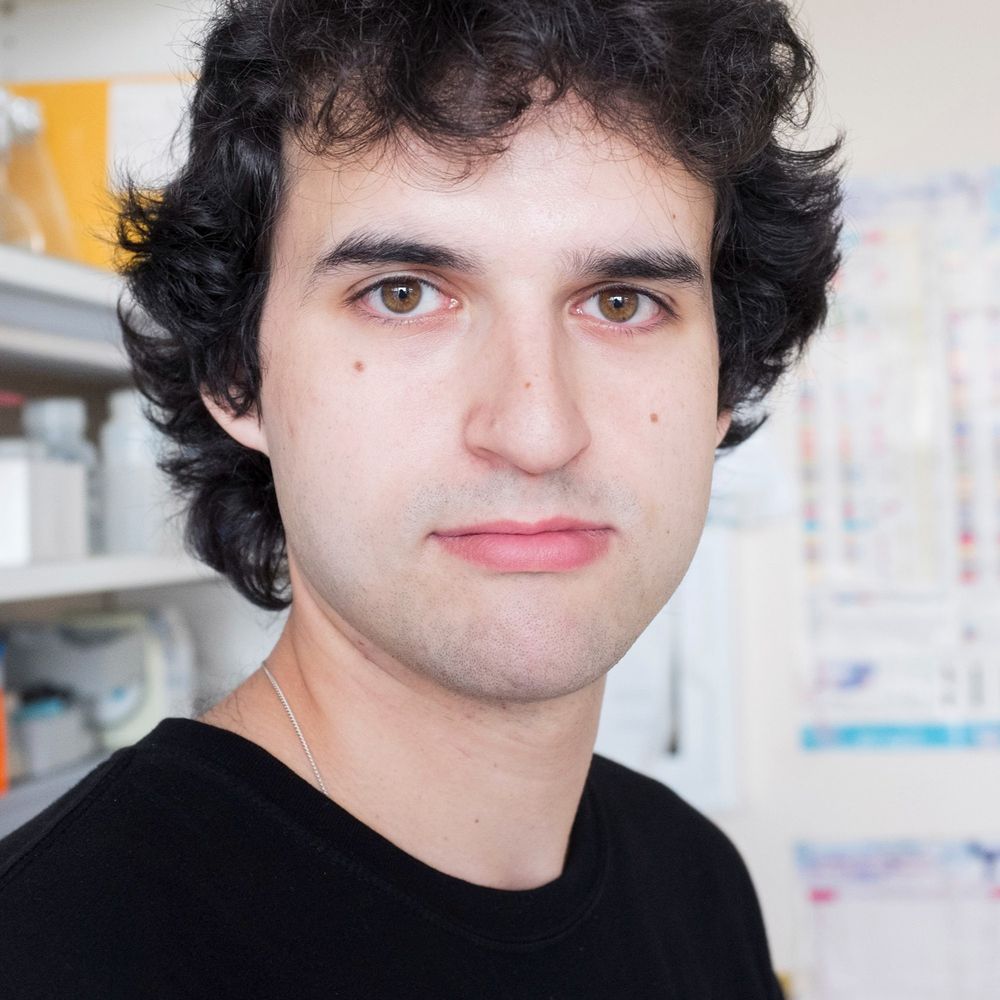
🧬 Metabolic arms race continues!
We discovered a new NAD⁺-depleting bacterial immune system aRES and phage enzymes that overcome it.
Our preprint is out: www.biorxiv.org/content/10.6...
We discovered a new NAD⁺-depleting bacterial immune system aRES and phage enzymes that overcome it.
Our preprint is out: www.biorxiv.org/content/10.6...
Bacterial defense via RES-mediated NAD+ depletion is countered by phage phosphatases
Many bacterial defense systems restrict phage infection by breaking the molecule NAD+ to its constituents, adenosine diphosphate ribose (ADPR) and nicotinamide (Nam). To counter NAD+ depletion-mediated defense, phages evolved NAD+ reconstitution pathway 1 (NARP1), which uses ADPR and Nam to rebuild NAD+. Here we report a bacterial defense system called aRES, involving RES-domain proteins that degrade NAD+ into Nam and ADPR-1″-phosphate (ADPR-1P). This molecule cannot serve as a substrate for NARP1, so that NAD+ depletion by aRES defends against phages even if they encode NARP1. We further discover that some phages evolved an extended NARP1 pathway capable of overcoming aRES defense. In these phages, the NARP1 operon also includes a specialized phosphatase, which dephosphorylates ADPR-1P to form ADPR, a substrate from which NARP1 then reconstitutes NAD+. Other phages encode inhibitors that directly bind aRES proteins and physically block their active sites. Our study describes new layers in the NAD+-centric arms race between bacteria and phages and highlights the centrality of the NAD+ pool in cellular battles between viruses and their hosts. ### Competing Interest Statement The authors have declared no competing interest. European Research Council, ERC-AdG GA 101018520 Israel Science Foundation, MAPATS grant 2720/22 Deutsche Forschungsgemeinschaft, SPP 2330, grant 464312965 Minerva Foundation with funding from the Federal German Ministry for Education and Research research grant from Magnus Konow in honor of his mother Olga Konow Rappaport Ministry of Aliyah and Immigrant Absorption, https://ror.org/05aycsg86 Clore Scholars Program
www.biorxiv.org
January 29, 2026 at 11:20 AM
🧬 Metabolic arms race continues!
We discovered a new NAD⁺-depleting bacterial immune system aRES and phage enzymes that overcome it.
Our preprint is out: www.biorxiv.org/content/10.6...
We discovered a new NAD⁺-depleting bacterial immune system aRES and phage enzymes that overcome it.
Our preprint is out: www.biorxiv.org/content/10.6...
Reposted by Ben Morehouse

Hello world! I am excited to announce my lab is open at the University of Utah in the Department of Biochemistry. We are looking for scientists at all levels interested in studying host-virus interactions in both bacteria and animals. Come join us in beautiful Utah! (photo is 10 steps from lab)

January 22, 2026 at 10:06 PM
Hello world! I am excited to announce my lab is open at the University of Utah in the Department of Biochemistry. We are looking for scientists at all levels interested in studying host-virus interactions in both bacteria and animals. Come join us in beautiful Utah! (photo is 10 steps from lab)
Reposted by Ben Morehouse
Excited to help share that Sam Hobbs @hobbslabutah.bsky.social from our group has launched his independent lab at the University of Utah studying host-virus interactions. Congratulations Sam, we can't wait to see the new discoveries your lab will make!
hobbs.biochem.utah.edu
hobbs.biochem.utah.edu

January 22, 2026 at 5:43 PM
Excited to help share that Sam Hobbs @hobbslabutah.bsky.social from our group has launched his independent lab at the University of Utah studying host-virus interactions. Congratulations Sam, we can't wait to see the new discoveries your lab will make!
hobbs.biochem.utah.edu
hobbs.biochem.utah.edu
Reposted by Ben Morehouse
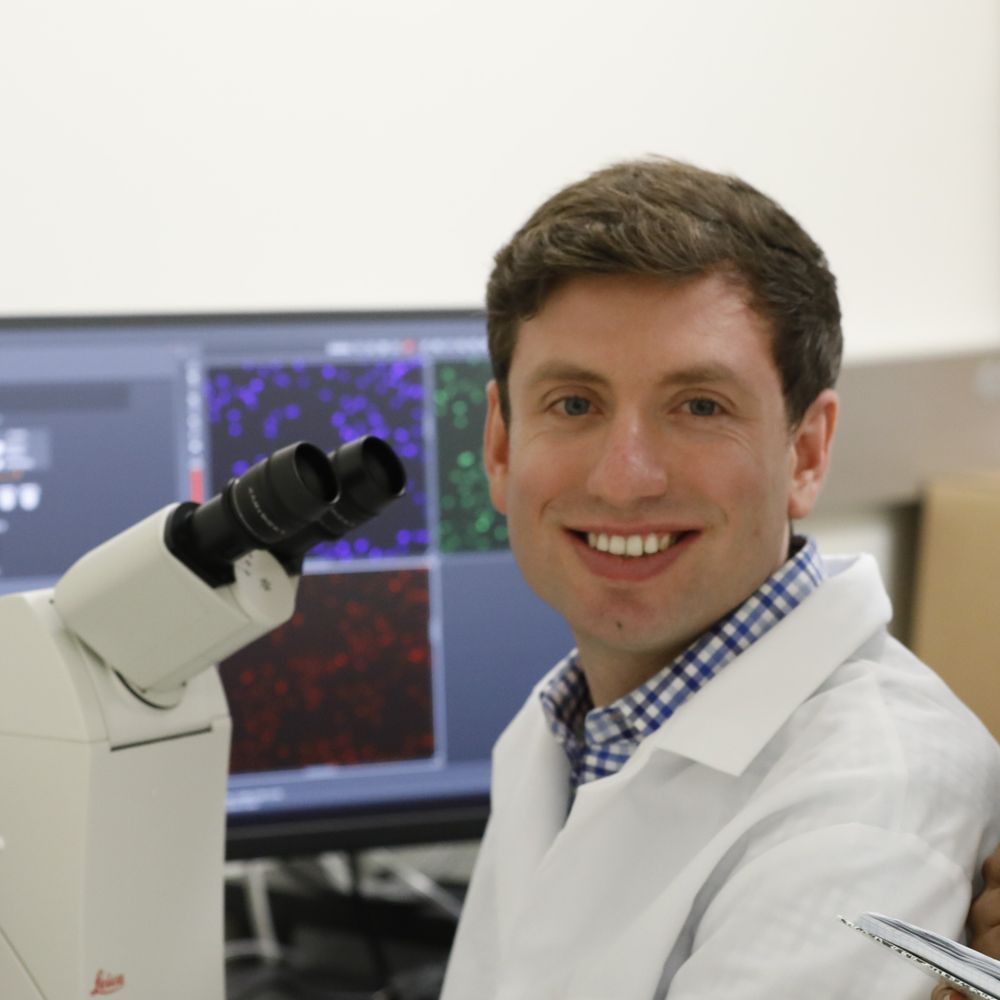
We are seeking a motivated postdoctoral fellow to investigate mechanisms of DNA damage response, APOBEC-mediated mutagenesis, innate immunity, and double-stranded RNA sensing. Located in Southern California, UCI offers an outstanding scientific environment and exceptional quality of life.

January 21, 2026 at 3:50 AM
We are seeking a motivated postdoctoral fellow to investigate mechanisms of DNA damage response, APOBEC-mediated mutagenesis, innate immunity, and double-stranded RNA sensing. Located in Southern California, UCI offers an outstanding scientific environment and exceptional quality of life.
Reposted by Ben Morehouse

Rhinoviruses cause common cold & asthma attacks but are also often benign. Using nasal organoids, we learned how the community of cells in the lining the nasal passages coordinates to respond to rhinovirus and which responses lead to excess mucus & inflammation. www.cell.com/cell-press-b...

Rhinovirus triggers distinct host responses through differential engagement of epithelial innate immune signaling
Rhinoviruses are the most frequent cause of common colds and also a major cause of
respiratory distress in high-risk groups. Using single-cell sequencing of rhinovirus-infected
nasal epithelial organo...
www.cell.com
January 20, 2026 at 9:23 PM
Rhinoviruses cause common cold & asthma attacks but are also often benign. Using nasal organoids, we learned how the community of cells in the lining the nasal passages coordinates to respond to rhinovirus and which responses lead to excess mucus & inflammation. www.cell.com/cell-press-b...
Reposted by Ben Morehouse
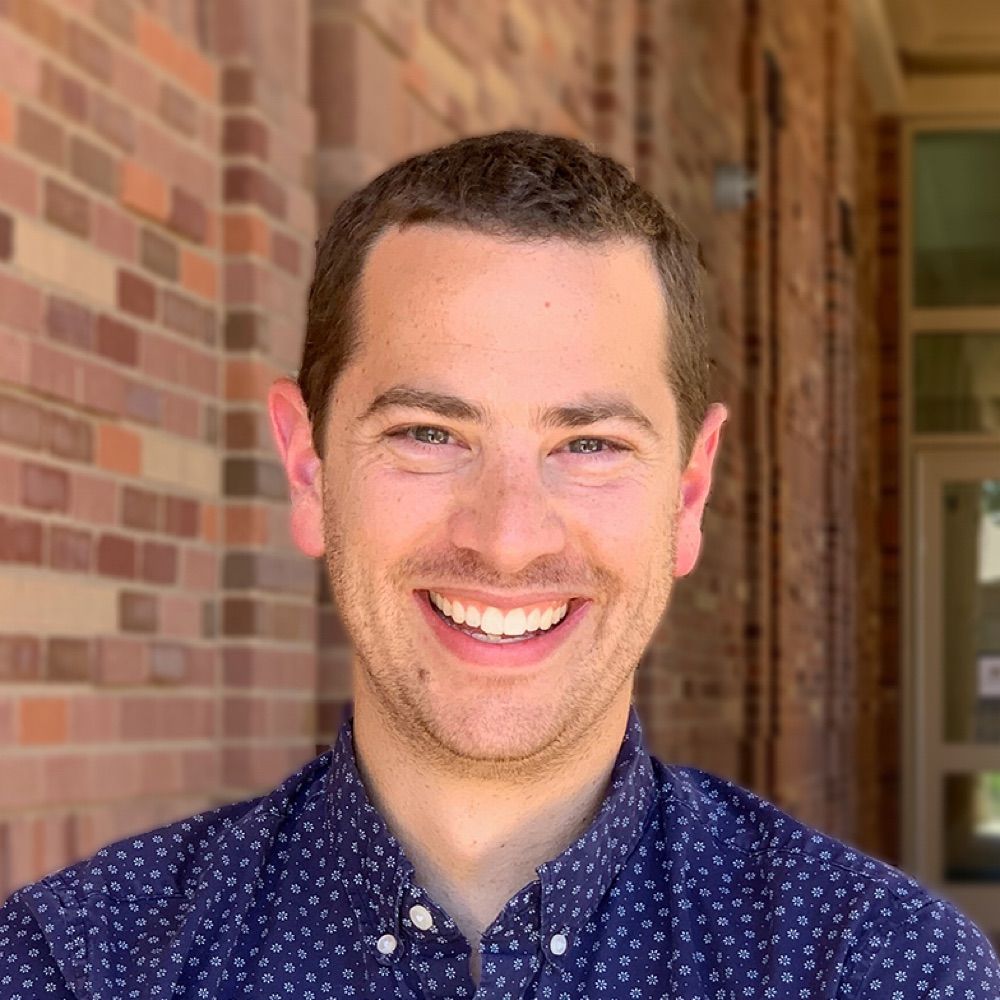
I’m thrilled to share our work on phage triggers of the bacterial immune system in its final form @natmicrobiol.nature.com www.nature.com/articles/s41...

A phage protein screen identifies triggers of the bacterial innate immune system - Nature Microbiology
A library of 400 phage protein-coding genes is used to find a trove of antiphage systems, revealing systems that target tail fibre and major capsid proteins.
www.nature.com
January 18, 2026 at 10:45 PM
I’m thrilled to share our work on phage triggers of the bacterial immune system in its final form @natmicrobiol.nature.com www.nature.com/articles/s41...
Reposted by Ben Morehouse

Preprint out: We characterise PUA-Cal-HAD, a widespread bacterial antiphage defence family. An infection cue switches a preassembled complex into an immune filament that drains dNTPs via a coupled two-enzyme cascade, and phage DNA mimics can block filament assembly (anti-polymerisation).
A methylome-derived m6-dAMP trigger assembles a PUA-Cal-HAD immune filament that depletes dNTPs to abort phage infection
Bacteria must distinguish phage attack from normal homeostatic processes, yet the danger signals that trigger many defence systems remain unknown. Here, we show that a PUA-Calcineurin-CE-HAD module from Escherichia coli ECOR28 confers broad anti-phage protection by binding Dam-methylated deoxyadenosine monophosphate (m6-dAMP) generated during phage-induced chromosome degradation. Ligand binding converts a preassembled PUA-Calcineurin-CE hexamer loaded with six HAD phosphatases into a polymerising filament. The filament acts as a high-flux dNTP sink through a two-enzyme cascade: HAD first dephosphorylates dATP to dADP, and Calcineurin-CE then converts dADP to dAMP. dNTP collapse halts phage replication and enforces abortive infection. Multiple mobile-element DNA mimic proteins block filament assembly, revealing a direct phage counter-defence. More broadly, our findings extend a conserved, cross-kingdom paradigm of immune filament assembly to nucleotide-depletion antiviral defence and suggest modified-nucleotide sensing by related PUA-Calcineurin-CE modules as a widespread, underappreciated bacterial strategy. ### Competing Interest Statement The authors have declared no competing interest. NIHR Southampton Biomedical Research Centre, https://ror.org/01qqpzg67, Postdoctoral Bridging Fellowship F.L.N. is supported by a Wessex Health Partners (WHP) and National Institute for Health and Care Research Wessex Experimental Medicine Network (NIHR WEMN), Seed fund National Institutes of Health, GM145888, U24 GM129539) Maloris Foundation Memorial Sloan Kettering Cancer Center, P30-CA008748 Simons Foundation, SF349247 New York State Assembly
www.biorxiv.org
January 17, 2026 at 2:52 PM
Preprint out: We characterise PUA-Cal-HAD, a widespread bacterial antiphage defence family. An infection cue switches a preassembled complex into an immune filament that drains dNTPs via a coupled two-enzyme cascade, and phage DNA mimics can block filament assembly (anti-polymerisation).
Reposted by Ben Morehouse
I’m happy to share our new preprint! We uncovered the full diversity of bacterial TIR-based antiviral immune signaling, massively expanded the known diversity of Thoeris systems, and revealed conservation of TIR-derived immune signals across the tree of life.
www.biorxiv.org/content/10.6...
www.biorxiv.org/content/10.6...

Systematic discovery of TIR-based immune signaling systems in bacteria
Toll/interleukin-1 receptor (TIR) domains are important for immune signaling across humans, plants and bacteria. These domains were recently found to produce immune signaling molecules in plant immuni...
www.biorxiv.org
December 4, 2025 at 9:25 AM
I’m happy to share our new preprint! We uncovered the full diversity of bacterial TIR-based antiviral immune signaling, massively expanded the known diversity of Thoeris systems, and revealed conservation of TIR-derived immune signals across the tree of life.
www.biorxiv.org/content/10.6...
www.biorxiv.org/content/10.6...
Reposted by Ben Morehouse

🧬🛡️How are new immune mechanisms created?
We show how Lamassu antiphage system, originated from a DNA-repair complex and evolved into a compact and modular immune machine, wt Dinshaw Patel lab in @pnas.org.
👏 @matthieu-haudiquet.bsky.social, Arpita Chakravarti & all authors!
doi.org/10.1073/pnas...
We show how Lamassu antiphage system, originated from a DNA-repair complex and evolved into a compact and modular immune machine, wt Dinshaw Patel lab in @pnas.org.
👏 @matthieu-haudiquet.bsky.social, Arpita Chakravarti & all authors!
doi.org/10.1073/pnas...


November 27, 2025 at 9:35 AM
🧬🛡️How are new immune mechanisms created?
We show how Lamassu antiphage system, originated from a DNA-repair complex and evolved into a compact and modular immune machine, wt Dinshaw Patel lab in @pnas.org.
👏 @matthieu-haudiquet.bsky.social, Arpita Chakravarti & all authors!
doi.org/10.1073/pnas...
We show how Lamassu antiphage system, originated from a DNA-repair complex and evolved into a compact and modular immune machine, wt Dinshaw Patel lab in @pnas.org.
👏 @matthieu-haudiquet.bsky.social, Arpita Chakravarti & all authors!
doi.org/10.1073/pnas...
Reposted by Ben Morehouse

What is the best strategy to win any contest?
Eliminate your opponents of course.
Recently, my friend @fernpizza.bsky.social showed how plasmids compete intracellularly (check out his paper published in Science today!). With @baym.lol, we now know they can fight.
www.biorxiv.org/content/10.1...
Eliminate your opponents of course.
Recently, my friend @fernpizza.bsky.social showed how plasmids compete intracellularly (check out his paper published in Science today!). With @baym.lol, we now know they can fight.
www.biorxiv.org/content/10.1...

November 20, 2025 at 10:12 PM
What is the best strategy to win any contest?
Eliminate your opponents of course.
Recently, my friend @fernpizza.bsky.social showed how plasmids compete intracellularly (check out his paper published in Science today!). With @baym.lol, we now know they can fight.
www.biorxiv.org/content/10.1...
Eliminate your opponents of course.
Recently, my friend @fernpizza.bsky.social showed how plasmids compete intracellularly (check out his paper published in Science today!). With @baym.lol, we now know they can fight.
www.biorxiv.org/content/10.1...
Reposted by Ben Morehouse

Very happy to share our collaborative project on FAM118 proteins - noncanonical sirtuins that form filaments and process NAD in human and other vertebrate cells.

Filament formation and NAD processing by noncanonical human FAM118 sirtuins
Nature Structural & Molecular Biology - Baretić and Missoury et al. identify vertebrate proteins FAM118B and FAM118A as sirtuins similar to bacterial antiphage enzymes and show that...
rdcu.be
November 17, 2025 at 11:37 AM
Very happy to share our collaborative project on FAM118 proteins - noncanonical sirtuins that form filaments and process NAD in human and other vertebrate cells.
Reposted by Ben Morehouse
I'd also like to highlight a recent publication by @audeber.bsky.social, @enzopoirier.bsky.social, and colleagues showing FAM118B, which they term "SIRal", is essential for innate immune response in mammalian cellular models; they also have great phylogenetic analysis and insights into biochemistry.

A human homolog of SIR2 antiphage proteins mediates immunity via the Toll-like receptor pathway
Key actors of mammalian immunity originated from bacterial antiphage systems. The full extent of immune system conservation between bacteria and eukaryotes is unknown. Here, we show that the silent in...
www.science.org
November 17, 2025 at 2:16 PM
I'd also like to highlight a recent publication by @audeber.bsky.social, @enzopoirier.bsky.social, and colleagues showing FAM118B, which they term "SIRal", is essential for innate immune response in mammalian cellular models; they also have great phylogenetic analysis and insights into biochemistry.
Reposted by Ben Morehouse
Thrilled to share that the final piece of my PhD work is now on bioRxiv! biorxiv.org/content/10.1... With support from @nvidia and the @NSF, we used AlphaFold to screen 1.6M+ protein pairs, revealing thousands of potential novel PPIs. All data can be viewed at predictomes.org/hp

Proteome-wide in silico screening for human protein-protein interactions
Protein-protein interactions (PPIs) drive virtually all biological processes, yet most PPIs have not been identified and even more remain structurally unresolved. We developed a two-step computational...
biorxiv.org
November 12, 2025 at 9:26 PM
Thrilled to share that the final piece of my PhD work is now on bioRxiv! biorxiv.org/content/10.1... With support from @nvidia and the @NSF, we used AlphaFold to screen 1.6M+ protein pairs, revealing thousands of potential novel PPIs. All data can be viewed at predictomes.org/hp
Reposted by Ben Morehouse
Bacteria can sense when a virus starts shredding their genome — by detecting methylated mononucleotides.
Here’s the story of how we discovered the Metis defense system 👇
www.biorxiv.org/content/10.1...
Here’s the story of how we discovered the Metis defense system 👇
www.biorxiv.org/content/10.1...

November 6, 2025 at 5:00 AM
Bacteria can sense when a virus starts shredding their genome — by detecting methylated mononucleotides.
Here’s the story of how we discovered the Metis defense system 👇
www.biorxiv.org/content/10.1...
Here’s the story of how we discovered the Metis defense system 👇
www.biorxiv.org/content/10.1...
Reposted by Ben Morehouse

Preprint: Bacteria sense virus-induced genome degradation via methylated mononucleotides
tinyurl.com/ch3damp
We show how molecular byproducts released during virus-induced cell exploitation are used as signals to trigger host immunity
Revealed by the amazing Ilya Osterman. See his thread below👇
tinyurl.com/ch3damp
We show how molecular byproducts released during virus-induced cell exploitation are used as signals to trigger host immunity
Revealed by the amazing Ilya Osterman. See his thread below👇

November 6, 2025 at 10:39 AM
Preprint: Bacteria sense virus-induced genome degradation via methylated mononucleotides
tinyurl.com/ch3damp
We show how molecular byproducts released during virus-induced cell exploitation are used as signals to trigger host immunity
Revealed by the amazing Ilya Osterman. See his thread below👇
tinyurl.com/ch3damp
We show how molecular byproducts released during virus-induced cell exploitation are used as signals to trigger host immunity
Revealed by the amazing Ilya Osterman. See his thread below👇
Reposted by Ben Morehouse
Hi everyone, a few years ago, we started a list of labs studying bacterial immunty for students, editors, conference organizers... (currently n=79).
Update time ! Send me a message to 1) add your lab or others 2) Correct info
docs.google.com/spreadsheets...
#Phagesky #Microsky
Update time ! Send me a message to 1) add your lab or others 2) Correct info
docs.google.com/spreadsheets...
#Phagesky #Microsky

Labs in bacterial immunity
docs.google.com
November 4, 2025 at 3:06 PM
Hi everyone, a few years ago, we started a list of labs studying bacterial immunty for students, editors, conference organizers... (currently n=79).
Update time ! Send me a message to 1) add your lab or others 2) Correct info
docs.google.com/spreadsheets...
#Phagesky #Microsky
Update time ! Send me a message to 1) add your lab or others 2) Correct info
docs.google.com/spreadsheets...
#Phagesky #Microsky
Reposted by Ben Morehouse

Check out our latest work led by two talented postdocs, Madhura @mkulkarni.bsky.social and Chris. We find that CASP4/5 can cleave and activate CASP3/7, acting as initiators of both pyroptosis and apoptosis. Notably, both are needed for full pathogen defense!
www.biorxiv.org/content/10.1...
www.biorxiv.org/content/10.1...

Human non-canonical inflammasomes activate CASP3 to limit intracellular Salmonella replication in macrophages.
Inflammasomes are multiprotein signaling platforms that activate inflammatory caspases to induce pyroptosis. In humans, canonical inflammasomes activate CASP1, which cleaves the pore-forming protein g...
www.biorxiv.org
November 3, 2025 at 10:09 PM
Check out our latest work led by two talented postdocs, Madhura @mkulkarni.bsky.social and Chris. We find that CASP4/5 can cleave and activate CASP3/7, acting as initiators of both pyroptosis and apoptosis. Notably, both are needed for full pathogen defense!
www.biorxiv.org/content/10.1...
www.biorxiv.org/content/10.1...
Reposted by Ben Morehouse
Our new preprint is out 🥳🥳🥳
Henipaviruses, like Nipah and Hendra, package their genomes inside helical shells built by thousands of nucleoproteins. These nucleocapsids are essential to protect the viral RNA, but how do they ever let the polymerase in to read the sequence?
👇
Henipaviruses, like Nipah and Hendra, package their genomes inside helical shells built by thousands of nucleoproteins. These nucleocapsids are essential to protect the viral RNA, but how do they ever let the polymerase in to read the sequence?
👇

November 3, 2025 at 12:26 PM
Our new preprint is out 🥳🥳🥳
Henipaviruses, like Nipah and Hendra, package their genomes inside helical shells built by thousands of nucleoproteins. These nucleocapsids are essential to protect the viral RNA, but how do they ever let the polymerase in to read the sequence?
👇
Henipaviruses, like Nipah and Hendra, package their genomes inside helical shells built by thousands of nucleoproteins. These nucleocapsids are essential to protect the viral RNA, but how do they ever let the polymerase in to read the sequence?
👇
Reposted by Ben Morehouse

The Wilkinson Lab is open for science! @mskcancercenter.bsky.social
🧬We'll be finding funky new RNA biology, mainly by looking at reverse transcriptases (i.e. the Best Enzymes In The World)🧬
annnd: I'm hiring - come join! Especially postdocs and PhD students - please get in touch (NYC is great)
🧬We'll be finding funky new RNA biology, mainly by looking at reverse transcriptases (i.e. the Best Enzymes In The World)🧬
annnd: I'm hiring - come join! Especially postdocs and PhD students - please get in touch (NYC is great)

Wilkinson Lab
We discover and study reverse transcriptases
wilkinsonlab.bio
October 31, 2025 at 7:00 PM
The Wilkinson Lab is open for science! @mskcancercenter.bsky.social
🧬We'll be finding funky new RNA biology, mainly by looking at reverse transcriptases (i.e. the Best Enzymes In The World)🧬
annnd: I'm hiring - come join! Especially postdocs and PhD students - please get in touch (NYC is great)
🧬We'll be finding funky new RNA biology, mainly by looking at reverse transcriptases (i.e. the Best Enzymes In The World)🧬
annnd: I'm hiring - come join! Especially postdocs and PhD students - please get in touch (NYC is great)
Reposted by Ben Morehouse

Excited to share: DNA glycosylases are diverse antiviral effectors. They recognize phage base modifications and initiate genome destruction. A structure‑guided approach made the scope of this discovery possible! 🧪 #phagesky doi.org/10.1101/2025... #phage #microbiology

Antiviral Defence is a Conserved Function of Diverse DNA Glycosylases
Bacteria are frequently attacked by viruses, known as phages, and rely on diverse defence systems like restriction endonucleases and CRISPR-Cas to survive. While phages can evade these defences by cov...
doi.org
October 30, 2025 at 12:16 PM
Excited to share: DNA glycosylases are diverse antiviral effectors. They recognize phage base modifications and initiate genome destruction. A structure‑guided approach made the scope of this discovery possible! 🧪 #phagesky doi.org/10.1101/2025... #phage #microbiology
Reposted by Ben Morehouse
I’m thrilled to share our Retron Eco8 paper published in Molecular Cell today. Thanks all Fu lab members and our collaborators.
👉Phage SSB detection by retron Eco8 msDNA unleashes nuclease-mediated immunity. www.cell.com/molecular-ce...
👉Phage SSB detection by retron Eco8 msDNA unleashes nuclease-mediated immunity. www.cell.com/molecular-ce...

Phage SSB detection by retron Eco8 msDNA unleashes nuclease-mediated immunity
The cryo-EM structure of the retron Eco8 system reveals an autoinhibited 4:4:4 complex
of RT, msDNA, and OLD nuclease. Phage SSB binding to msdDNA unleashes non-specific
nuclease activity to restrict ...
www.cell.com
October 30, 2025 at 3:06 PM
I’m thrilled to share our Retron Eco8 paper published in Molecular Cell today. Thanks all Fu lab members and our collaborators.
👉Phage SSB detection by retron Eco8 msDNA unleashes nuclease-mediated immunity. www.cell.com/molecular-ce...
👉Phage SSB detection by retron Eco8 msDNA unleashes nuclease-mediated immunity. www.cell.com/molecular-ce...
Reposted by Ben Morehouse

The Kim Lab (sskimlab.org) at UC Irvine is recruiting motivated grad students interested in uncovering how transcriptional regulators direct cell fates. We accept students through the CMB (cmb.uci.edu) and MCSB (ccbs.uci.edu/education/mcsb/) PhD programs. Please share with prospective grad students!

Kim Lab at UC Irvine
Visit the post for more.
sskimlab.org
October 30, 2025 at 3:37 PM
The Kim Lab (sskimlab.org) at UC Irvine is recruiting motivated grad students interested in uncovering how transcriptional regulators direct cell fates. We accept students through the CMB (cmb.uci.edu) and MCSB (ccbs.uci.edu/education/mcsb/) PhD programs. Please share with prospective grad students!