




Landon Getz
@landongetz.bsky.social
PostDoc in The Maxwell Lab at the University of Toronto. PhD. CIHR and EPIC-GSK Postdoctoral Fellow. | He/Him 🏳️🌈 Co-Founder of Pride in Microbiology | Saamis(Prairies) ➡️ Kjipuktuk(Halifax) ➡️ Tkaronto(Toronto).
Reposted by Landon Getz
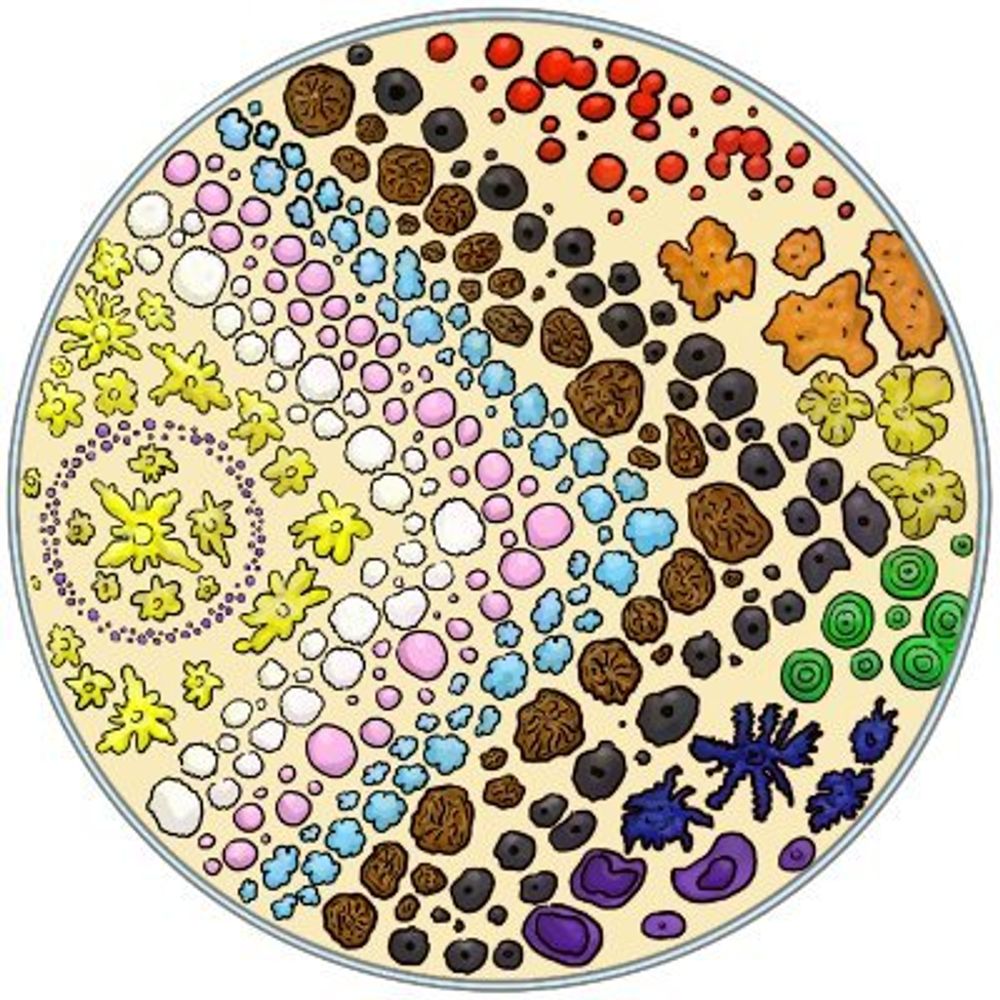
Let's celebrate this wonderful achievement by our member, Dr. Joseph Rouse! 🧪 🏳️🌈 👨🔬
Want to be featured too? Access tinyurl.com/bdch6mkf for more information!
#LGBTQSTEM #Microbiology #EmoryUniversity
Want to be featured too? Access tinyurl.com/bdch6mkf for more information!
#LGBTQSTEM #Microbiology #EmoryUniversity

February 16, 2026 at 1:00 AM
Let's celebrate this wonderful achievement by our member, Dr. Joseph Rouse! 🧪 🏳️🌈 👨🔬
Want to be featured too? Access tinyurl.com/bdch6mkf for more information!
#LGBTQSTEM #Microbiology #EmoryUniversity
Want to be featured too? Access tinyurl.com/bdch6mkf for more information!
#LGBTQSTEM #Microbiology #EmoryUniversity
Reposted by Landon Getz
Happy International Day for Women and Girls in Science! @mcmasteriidr.bsky.social @mcmasternexus.bsky.social @mcmasteruniversity.bsky.social

February 11, 2026 at 4:23 PM
Happy International Day for Women and Girls in Science! @mcmasteriidr.bsky.social @mcmasternexus.bsky.social @mcmasteruniversity.bsky.social
Reposted by Landon Getz
Looking for a place to chill, vent, or hang out with fun queer microbiologists?
Look no further! Join us at one of our virtual Coffee Hour events and make new friends!
🏳️🌈 🦠 ☕️
Look no further! Join us at one of our virtual Coffee Hour events and make new friends!
🏳️🌈 🦠 ☕️

February 6, 2026 at 4:00 AM
Looking for a place to chill, vent, or hang out with fun queer microbiologists?
Look no further! Join us at one of our virtual Coffee Hour events and make new friends!
🏳️🌈 🦠 ☕️
Look no further! Join us at one of our virtual Coffee Hour events and make new friends!
🏳️🌈 🦠 ☕️
Reposted by Landon Getz

BackToBack #PhageSky in @nature.com
A pore-forming antiphage defence is activated by oligomeric phage proteins
-from Maxwell & Norris
www.nature.com/articles/s41...
Bacterial immune activation via supramolecular assembly with phage triggers
-from Laub & Ghanbarpour
www.nature.com/articles/s41...
A pore-forming antiphage defence is activated by oligomeric phage proteins
-from Maxwell & Norris
www.nature.com/articles/s41...
Bacterial immune activation via supramolecular assembly with phage triggers
-from Laub & Ghanbarpour
www.nature.com/articles/s41...
February 4, 2026 at 10:42 PM
BackToBack #PhageSky in @nature.com
A pore-forming antiphage defence is activated by oligomeric phage proteins
-from Maxwell & Norris
www.nature.com/articles/s41...
Bacterial immune activation via supramolecular assembly with phage triggers
-from Laub & Ghanbarpour
www.nature.com/articles/s41...
A pore-forming antiphage defence is activated by oligomeric phage proteins
-from Maxwell & Norris
www.nature.com/articles/s41...
Bacterial immune activation via supramolecular assembly with phage triggers
-from Laub & Ghanbarpour
www.nature.com/articles/s41...
Congratulations Pramal, @paramyxologist.bsky.social, and @themaxwelllab.bsky.social on this incredible story! Glad I got to help, even if it was just a little bit :)
www.nature.com/articles/s41...
www.nature.com/articles/s41...

A pore-forming antiphage defence is activated by oligomeric phage proteins - Nature
Bacteria use diverse defence systems against phages, including a 164-residue prophage-encoded protein, Rip1, which senses conserved phage assembly rings to form membrane pores that block virion matura...
www.nature.com
February 5, 2026 at 2:30 AM
Congratulations Pramal, @paramyxologist.bsky.social, and @themaxwelllab.bsky.social on this incredible story! Glad I got to help, even if it was just a little bit :)
www.nature.com/articles/s41...
www.nature.com/articles/s41...
Reposted by Landon Getz

Amazing findings in geometry-based immune activation! Two bacterial defence systems detect phage-encoded ring oligomers, assemble high-order molecular complexes, and trigger abortive infection.
www.nature.com/articles/s41...
www.nature.com/articles/s41...
www.nature.com/articles/s41...
www.nature.com/articles/s41...


February 4, 2026 at 6:25 PM
Amazing findings in geometry-based immune activation! Two bacterial defence systems detect phage-encoded ring oligomers, assemble high-order molecular complexes, and trigger abortive infection.
www.nature.com/articles/s41...
www.nature.com/articles/s41...
www.nature.com/articles/s41...
www.nature.com/articles/s41...
Chemical inhibition of a bacterial immune system: Cell Host & Microbe www.cell.com/cell-host-mi...

Chemical inhibition of a bacterial immune system
Bacteriophages are promising alternatives to antibiotics for treating bacterial infections.
However, bacteria possess immune systems that neutralize bacteriophages. Zang et al.
discover small molecule...
www.cell.com
February 4, 2026 at 4:20 AM
Chemical inhibition of a bacterial immune system: Cell Host & Microbe www.cell.com/cell-host-mi...
Reposted by Landon Getz

A DNA recognition-mimicry switch governs induction in arbitrium phages: Cell Host & Microbe https://www.cell.com/cell-host-microbe/fulltext/S1931-3128(26)00037-5

A DNA recognition-mimicry switch governs induction in arbitrium phages
Chmielowska et al. reveal how arbitrium phages coordinate host stress and viral communication to control induction. An SOS-regulated antirepressor disables an unusual phage repressor by DNA mimicry, while quorum sensing prevents prophage activation when related lysogens are abundant.
www.cell.com
February 3, 2026 at 10:52 PM
A DNA recognition-mimicry switch governs induction in arbitrium phages: Cell Host & Microbe https://www.cell.com/cell-host-microbe/fulltext/S1931-3128(26)00037-5
Reposted by Landon Getz
🧬 Metabolic arms race continues!
We discovered a new NAD⁺-depleting bacterial immune system aRES and phage enzymes that overcome it.
Our preprint is out: www.biorxiv.org/content/10.6...
We discovered a new NAD⁺-depleting bacterial immune system aRES and phage enzymes that overcome it.
Our preprint is out: www.biorxiv.org/content/10.6...
Bacterial defense via RES-mediated NAD+ depletion is countered by phage phosphatases
Many bacterial defense systems restrict phage infection by breaking the molecule NAD+ to its constituents, adenosine diphosphate ribose (ADPR) and nicotinamide (Nam). To counter NAD+ depletion-mediated defense, phages evolved NAD+ reconstitution pathway 1 (NARP1), which uses ADPR and Nam to rebuild NAD+. Here we report a bacterial defense system called aRES, involving RES-domain proteins that degrade NAD+ into Nam and ADPR-1″-phosphate (ADPR-1P). This molecule cannot serve as a substrate for NARP1, so that NAD+ depletion by aRES defends against phages even if they encode NARP1. We further discover that some phages evolved an extended NARP1 pathway capable of overcoming aRES defense. In these phages, the NARP1 operon also includes a specialized phosphatase, which dephosphorylates ADPR-1P to form ADPR, a substrate from which NARP1 then reconstitutes NAD+. Other phages encode inhibitors that directly bind aRES proteins and physically block their active sites. Our study describes new layers in the NAD+-centric arms race between bacteria and phages and highlights the centrality of the NAD+ pool in cellular battles between viruses and their hosts. ### Competing Interest Statement The authors have declared no competing interest. European Research Council, ERC-AdG GA 101018520 Israel Science Foundation, MAPATS grant 2720/22 Deutsche Forschungsgemeinschaft, SPP 2330, grant 464312965 Minerva Foundation with funding from the Federal German Ministry for Education and Research research grant from Magnus Konow in honor of his mother Olga Konow Rappaport Ministry of Aliyah and Immigrant Absorption, https://ror.org/05aycsg86 Clore Scholars Program
www.biorxiv.org
January 29, 2026 at 11:20 AM
🧬 Metabolic arms race continues!
We discovered a new NAD⁺-depleting bacterial immune system aRES and phage enzymes that overcome it.
Our preprint is out: www.biorxiv.org/content/10.6...
We discovered a new NAD⁺-depleting bacterial immune system aRES and phage enzymes that overcome it.
Our preprint is out: www.biorxiv.org/content/10.6...
Reposted by Landon Getz

We found a new mode by which bacteria deplete NAD+ to protect from phages. And then we found how phages overcome this defense
Discovered by talented biochemist Dr Ilya Osterman, read the preprint: tinyurl.com/Narp-ap
A thread 🧵
Discovered by talented biochemist Dr Ilya Osterman, read the preprint: tinyurl.com/Narp-ap
A thread 🧵
Bacterial defense via RES-mediated NAD+ depletion is countered by phage phosphatases
Many bacterial defense systems restrict phage infection by breaking the molecule NAD+ to its constituents, adenosine diphosphate ribose (ADPR) and nicotinamide (Nam). To counter NAD+ depletion-mediated defense, phages evolved NAD+ reconstitution pathway 1 (NARP1), which uses ADPR and Nam to rebuild NAD+. Here we report a bacterial defense system called aRES, involving RES-domain proteins that degrade NAD+ into Nam and ADPR-1″-phosphate (ADPR-1P). This molecule cannot serve as a substrate for NARP1, so that NAD+ depletion by aRES defends against phages even if they encode NARP1. We further discover that some phages evolved an extended NARP1 pathway capable of overcoming aRES defense. In these phages, the NARP1 operon also includes a specialized phosphatase, which dephosphorylates ADPR-1P to form ADPR, a substrate from which NARP1 then reconstitutes NAD+. Other phages encode inhibitors that directly bind aRES proteins and physically block their active sites. Our study describes new layers in the NAD+-centric arms race between bacteria and phages and highlights the centrality of the NAD+ pool in cellular battles between viruses and their hosts. ### Competing Interest Statement The authors have declared no competing interest. European Research Council, ERC-AdG GA 101018520 Israel Science Foundation, MAPATS grant 2720/22 Deutsche Forschungsgemeinschaft, SPP 2330, grant 464312965 Minerva Foundation with funding from the Federal German Ministry for Education and Research research grant from Magnus Konow in honor of his mother Olga Konow Rappaport Ministry of Aliyah and Immigrant Absorption, https://ror.org/05aycsg86 Clore Scholars Program
tinyurl.com
January 29, 2026 at 3:34 PM
We found a new mode by which bacteria deplete NAD+ to protect from phages. And then we found how phages overcome this defense
Discovered by talented biochemist Dr Ilya Osterman, read the preprint: tinyurl.com/Narp-ap
A thread 🧵
Discovered by talented biochemist Dr Ilya Osterman, read the preprint: tinyurl.com/Narp-ap
A thread 🧵
Reposted by Landon Getz

This amazing woman worked so hard for science and sport in Canada. She set up the Standing Committee on Science and Research, was a powerful voice for science in parliament and after being diagnosed with two cancers continued to advocate for good. Proud to have known the Rt Hon Kirsty Duncan. RIP 💔


January 26, 2026 at 10:45 PM
This amazing woman worked so hard for science and sport in Canada. She set up the Standing Committee on Science and Research, was a powerful voice for science in parliament and after being diagnosed with two cancers continued to advocate for good. Proud to have known the Rt Hon Kirsty Duncan. RIP 💔
Reposted by Landon Getz

Our latest CRISPR ring nuclease paper focusses on Csx15 - which seems to act as of a sponge as well as a canonical phosphodiesterase. Great work led by @haotianchi.bsky.social
www.biorxiv.org/content/10.6...
www.biorxiv.org/content/10.6...
www.biorxiv.org
January 22, 2026 at 8:57 AM
Our latest CRISPR ring nuclease paper focusses on Csx15 - which seems to act as of a sponge as well as a canonical phosphodiesterase. Great work led by @haotianchi.bsky.social
www.biorxiv.org/content/10.6...
www.biorxiv.org/content/10.6...
Reposted by Landon Getz

Phold's manuscript is now available @narjournal.bsky.social thanks to @susiegriggo.bsky.social @npbhavya.bsky.social @vijinim.bsky.social @linsalrob.bsky.social @martinsteinegger.bsky.social @milot.bsky.social @eunbelivable.bsky.social & others not on bsky #phagesky academic.oup.com/nar/article/...
January 14, 2026 at 5:10 AM
Phold's manuscript is now available @narjournal.bsky.social thanks to @susiegriggo.bsky.social @npbhavya.bsky.social @vijinim.bsky.social @linsalrob.bsky.social @martinsteinegger.bsky.social @milot.bsky.social @eunbelivable.bsky.social & others not on bsky #phagesky academic.oup.com/nar/article/...
Me, before and after having the flu for the first week of January


January 10, 2026 at 5:34 PM
Me, before and after having the flu for the first week of January
Reposted by Landon Getz
During my postdoc in @therubinlab.bsky.social, @leosong.bsky.social and I aimed to make CRISPR-associated transposons more efficient for editing bacteria.
Couldn’t have done it w/o a CAST of characters at IGI and beyond @innovativegenomics.bsky.social, @cresslab.bsky.social, @doudna-lab.bsky.social
Couldn’t have done it w/o a CAST of characters at IGI and beyond @innovativegenomics.bsky.social, @cresslab.bsky.social, @doudna-lab.bsky.social

Happy New Year from the Rubin Lab! 🎇
We're excited to start 2026 off with a fresh publication at @science.org Advances. Here, we identified a cast (😉) of host factors affecting VchCAST using genome-wide screens and validated their improvement or inhibition of CAST activity. (1/2)
We're excited to start 2026 off with a fresh publication at @science.org Advances. Here, we identified a cast (😉) of host factors affecting VchCAST using genome-wide screens and validated their improvement or inhibition of CAST activity. (1/2)

Identification of proteins influencing CRISPR-associated transposases for enhanced genome editing
Whole-genome screening reveals strategies to boost CRISPR-associated transposase genome editing efficiency.
www.science.org
January 5, 2026 at 9:39 PM
During my postdoc in @therubinlab.bsky.social, @leosong.bsky.social and I aimed to make CRISPR-associated transposons more efficient for editing bacteria.
Couldn’t have done it w/o a CAST of characters at IGI and beyond @innovativegenomics.bsky.social, @cresslab.bsky.social, @doudna-lab.bsky.social
Couldn’t have done it w/o a CAST of characters at IGI and beyond @innovativegenomics.bsky.social, @cresslab.bsky.social, @doudna-lab.bsky.social
Reposted by Landon Getz

Registration is open for September’s Vibrio2026 conference in Berlin! event.fourwaves.com/vibrio2026/p...

Vibrio2026: The International Meeting on the Biology of Vibrios
Join Vibrio2026: The International Meeting on the Biology of Vibrios, September 13-16, 2026. Learn more on Fourwaves.
event.fourwaves.com
January 5, 2026 at 10:02 PM
Registration is open for September’s Vibrio2026 conference in Berlin! event.fourwaves.com/vibrio2026/p...
Reposted by Landon Getz
NLR-like immunity in bacteria
A new study from the Alex Gao lab. The scope of this work is incredible!!!
www.biorxiv.org/content/10.6...
A new study from the Alex Gao lab. The scope of this work is incredible!!!
www.biorxiv.org/content/10.6...

Diverse bacterial pattern recognition receptors sense the conserved phage proteome
Recognition of foreign molecules inside cells is critical for immunity in all domains of life. Proteins of the STAND NTPase superfamily, including eukaryotic nucleotide-binding oligomerization domain ...
www.biorxiv.org
January 5, 2026 at 1:59 PM
NLR-like immunity in bacteria
A new study from the Alex Gao lab. The scope of this work is incredible!!!
www.biorxiv.org/content/10.6...
A new study from the Alex Gao lab. The scope of this work is incredible!!!
www.biorxiv.org/content/10.6...


Reposted by Landon Getz


Reposted by Landon Getz
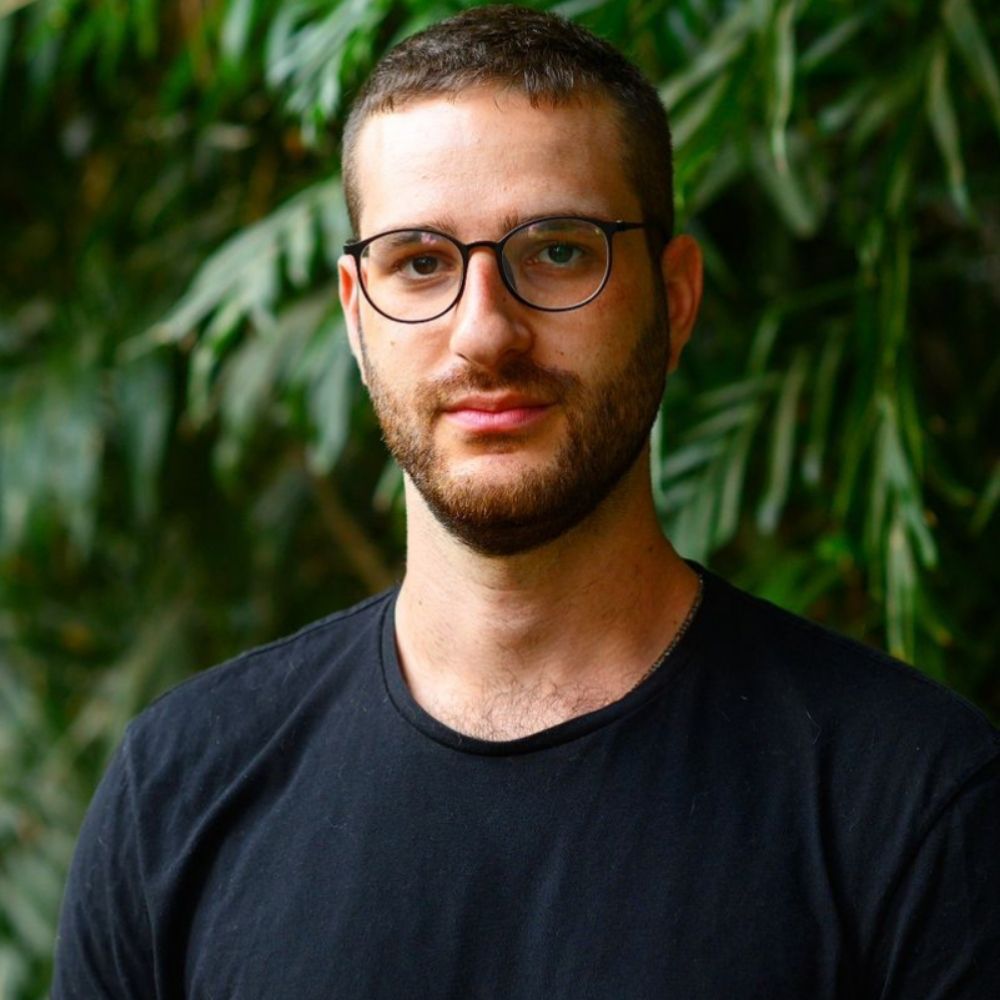
I’m happy to share our new preprint! We uncovered the full diversity of bacterial TIR-based antiviral immune signaling, massively expanded the known diversity of Thoeris systems, and revealed conservation of TIR-derived immune signals across the tree of life.
www.biorxiv.org/content/10.6...
www.biorxiv.org/content/10.6...

Systematic discovery of TIR-based immune signaling systems in bacteria
Toll/interleukin-1 receptor (TIR) domains are important for immune signaling across humans, plants and bacteria. These domains were recently found to produce immune signaling molecules in plant immuni...
www.biorxiv.org
December 4, 2025 at 9:25 AM
I’m happy to share our new preprint! We uncovered the full diversity of bacterial TIR-based antiviral immune signaling, massively expanded the known diversity of Thoeris systems, and revealed conservation of TIR-derived immune signals across the tree of life.
www.biorxiv.org/content/10.6...
www.biorxiv.org/content/10.6...
Reposted by Landon Getz

Systematic discovery of TIR-based immune signaling systems in bacteria https://www.biorxiv.org/content/10.64898/2025.12.03.692087v1
December 4, 2025 at 1:16 AM
Systematic discovery of TIR-based immune signaling systems in bacteria https://www.biorxiv.org/content/10.64898/2025.12.03.692087v1
Reposted by Landon Getz
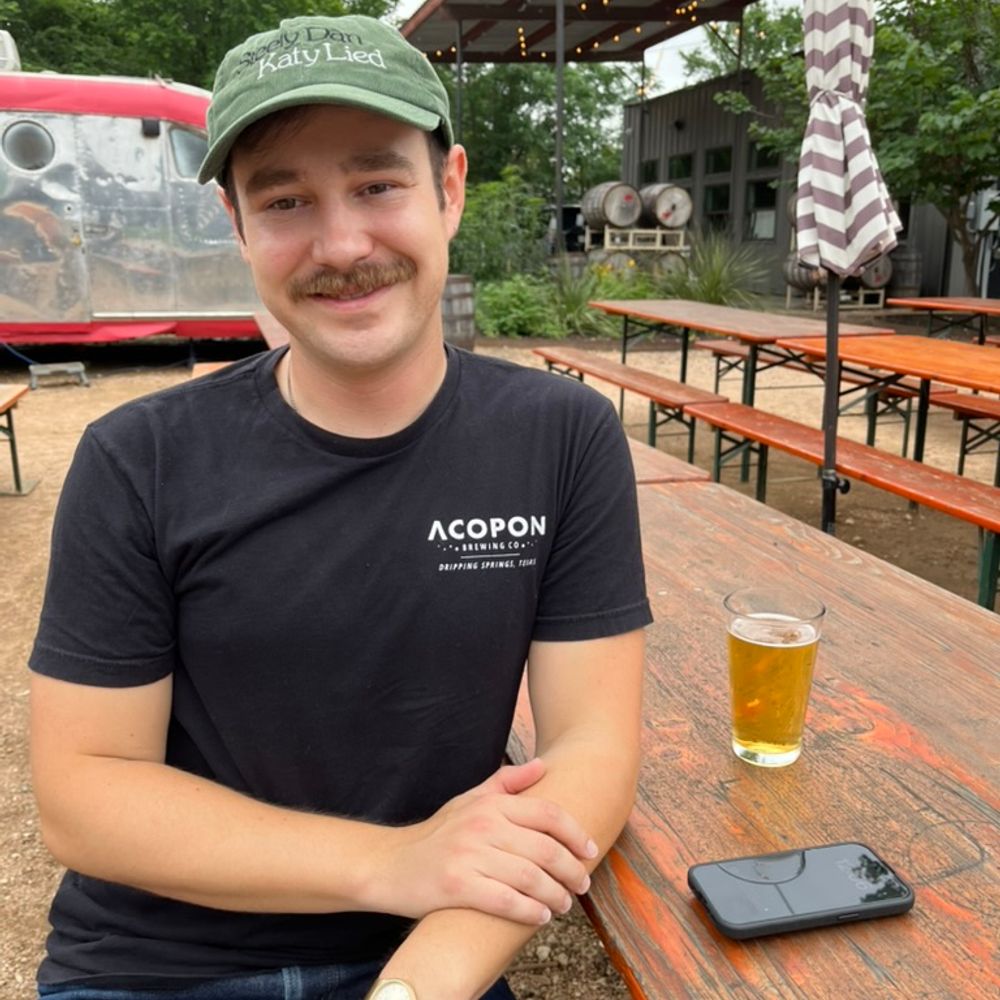
📢 We have multiple open PhD positions to study bacterial immune systems using cutting-edge cryo-EM, microbiology, and biochemistry in our group! Join us and uncover how bacterial defenses eliminate predators and engineer next-gen biotech tools.
🔥 Apply by Jan 8, 2026
Details: phd.pages.ista.ac.at
🔥 Apply by Jan 8, 2026
Details: phd.pages.ista.ac.at
phd.pages.ista.ac.at
December 2, 2025 at 8:44 AM
📢 We have multiple open PhD positions to study bacterial immune systems using cutting-edge cryo-EM, microbiology, and biochemistry in our group! Join us and uncover how bacterial defenses eliminate predators and engineer next-gen biotech tools.
🔥 Apply by Jan 8, 2026
Details: phd.pages.ista.ac.at
🔥 Apply by Jan 8, 2026
Details: phd.pages.ista.ac.at
Reposted by Landon Getz
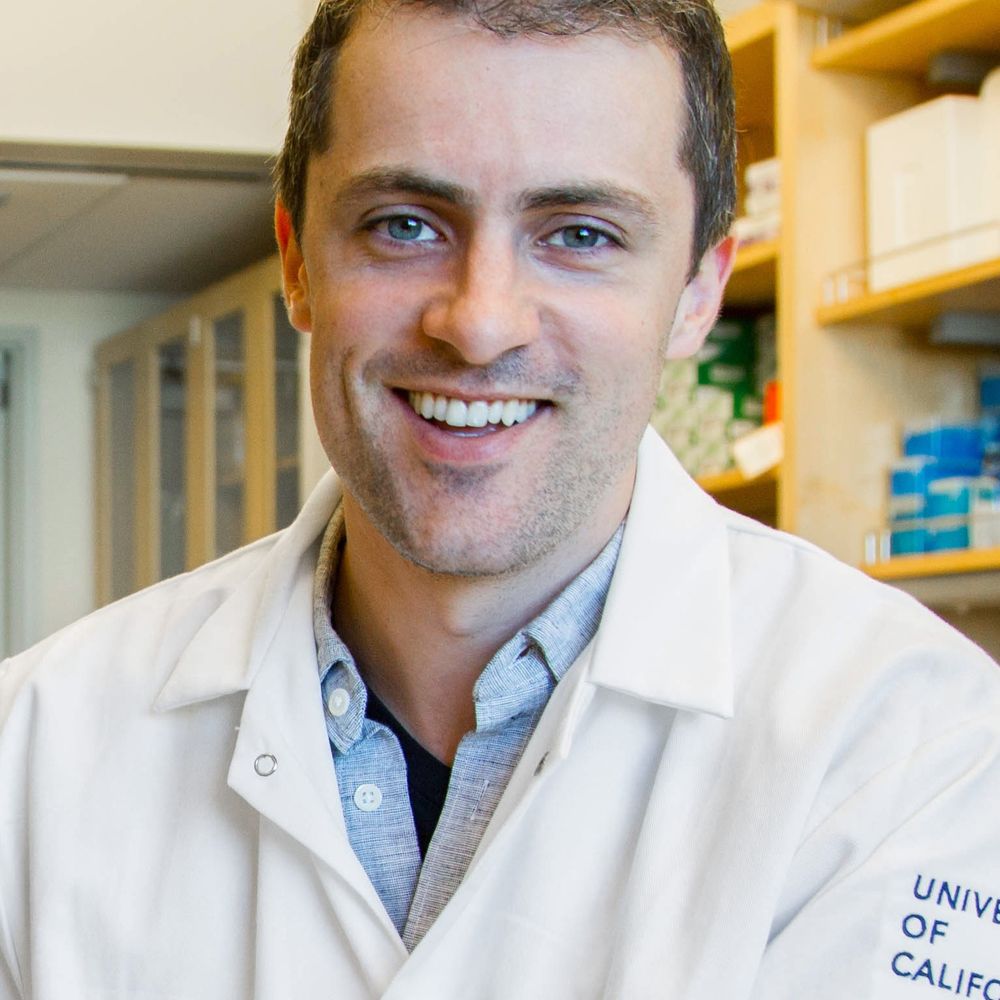
Check this out for the 2026 SISB (phage defense) meeting in NYC. Mark your calendar! (and note the Zoom option, if needed)
sisb2026.rockefeller.edu
sisb2026.rockefeller.edu
SISB2026
sisb2026.rockefeller.edu
December 1, 2025 at 11:44 PM
Check this out for the 2026 SISB (phage defense) meeting in NYC. Mark your calendar! (and note the Zoom option, if needed)
sisb2026.rockefeller.edu
sisb2026.rockefeller.edu
Reposted by Landon Getz

#OpenCloning is a an Open Source alternative to SnapGene/Benchling that supports automation and integration with other software
✅ Free
🔓 Open Source
🧬 More cloning methods than SnapGene
🤖 Can be automated with python
👨🔬 Built by a researcher — for researchers!
👉 Check it out at opencloning.org
✅ Free
🔓 Open Source
🧬 More cloning methods than SnapGene
🤖 Can be automated with python
👨🔬 Built by a researcher — for researchers!
👉 Check it out at opencloning.org

November 24, 2025 at 4:57 PM
#OpenCloning is a an Open Source alternative to SnapGene/Benchling that supports automation and integration with other software
✅ Free
🔓 Open Source
🧬 More cloning methods than SnapGene
🤖 Can be automated with python
👨🔬 Built by a researcher — for researchers!
👉 Check it out at opencloning.org
✅ Free
🔓 Open Source
🧬 More cloning methods than SnapGene
🤖 Can be automated with python
👨🔬 Built by a researcher — for researchers!
👉 Check it out at opencloning.org
Reposted by Landon Getz

🚀New preprint from our lab!
I am very excited to finally share what has been the main focus of my PhD for the past almost 3 years! It is about viral dark matter and a powerful tool we built to shed light on it. 🧬💡
Continue reading (🧵)
I am very excited to finally share what has been the main focus of my PhD for the past almost 3 years! It is about viral dark matter and a powerful tool we built to shed light on it. 🧬💡
Continue reading (🧵)

November 20, 2025 at 6:52 PM
🚀New preprint from our lab!
I am very excited to finally share what has been the main focus of my PhD for the past almost 3 years! It is about viral dark matter and a powerful tool we built to shed light on it. 🧬💡
Continue reading (🧵)
I am very excited to finally share what has been the main focus of my PhD for the past almost 3 years! It is about viral dark matter and a powerful tool we built to shed light on it. 🧬💡
Continue reading (🧵)