


Hirotaka Toh
@hiro-toh-rna.bsky.social
Postdoctoral fellow at RIKEN in Japan
Translation in bacteria, mammal| Ribosome | Host-Microbe |
Translation in bacteria, mammal| Ribosome | Host-Microbe |
Reposted by Hirotaka Toh

Online Now: GCN2 monitors mRNA translation termination Online now:
GCN2 monitors mRNA translation termination
Worner et al. show that GCN2 monitors mRNA translation termination. When translation termination is compromised, GCN2 is activated to prevent ribosome collisions and translation readthrough.
dlvr.it
December 9, 2025 at 8:15 PM
Online Now: GCN2 monitors mRNA translation termination Online now:
Reposted by Hirotaka Toh

Colliding ribosomes are potent signals of cellular stress. But do cells use ‘programmed’ ribosome collisions to regulate gene expression? I’m excited to present a new story from my lab led by Frederick Rehfeld(@fred-rehfeld.bsky.social) which revealed that the answer is YES! Read on to find out how👇

Oxidative stress sensing by the translation elongation machinery promotes production of detoxifying selenoproteins
Selenocysteine, incorporated into polypeptides at recoded termination codons, plays an essential role in redox biology. Using GPX1 and GPX4, selenoenzymes that mitigate oxidative stress, as reporters,...
www.biorxiv.org
October 14, 2025 at 10:28 PM
Colliding ribosomes are potent signals of cellular stress. But do cells use ‘programmed’ ribosome collisions to regulate gene expression? I’m excited to present a new story from my lab led by Frederick Rehfeld(@fred-rehfeld.bsky.social) which revealed that the answer is YES! Read on to find out how👇
Reposted by Hirotaka Toh
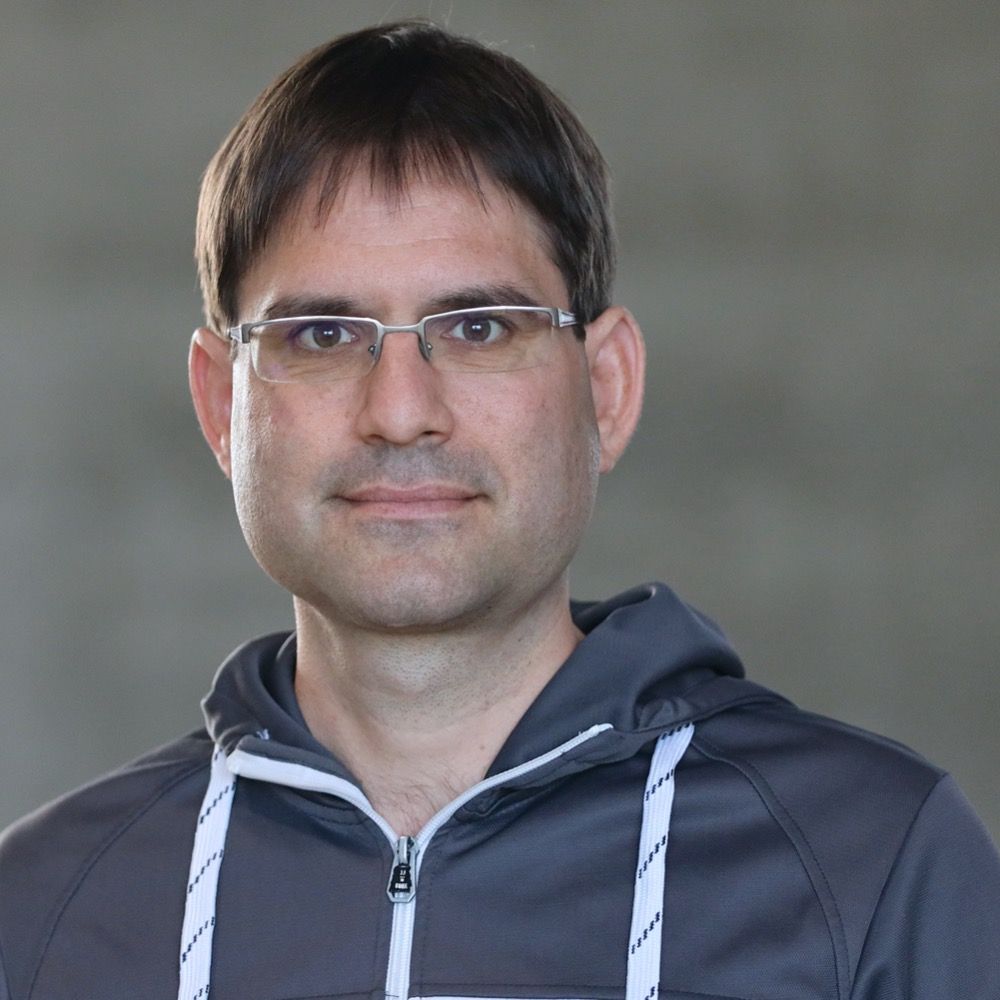
Lipid imaging on the cover of @nature.com! Great times for lipid cell biology indeed. And a fantastic recognition of all the hard work by the team, especially Juan M. Iglesias-Artola and Kristin Böhlig (who made the cover). Link to article: www.nature.com/articles/s41...

October 9, 2025 at 9:01 AM
Lipid imaging on the cover of @nature.com! Great times for lipid cell biology indeed. And a fantastic recognition of all the hard work by the team, especially Juan M. Iglesias-Artola and Kristin Böhlig (who made the cover). Link to article: www.nature.com/articles/s41...
Reposted by Hirotaka Toh

Many transcriptome regions are translated but not known to encode proteins. They remain poorly annotated and thus under studied, partly due to the lack of terminology for these features.
In @natmethods.nature.com we propose using "Translon" for any region decoded by the ribosome
In @natmethods.nature.com we propose using "Translon" for any region decoded by the ribosome

September 1, 2025 at 3:37 PM
Many transcriptome regions are translated but not known to encode proteins. They remain poorly annotated and thus under studied, partly due to the lack of terminology for these features.
In @natmethods.nature.com we propose using "Translon" for any region decoded by the ribosome
In @natmethods.nature.com we propose using "Translon" for any region decoded by the ribosome
Reposted by Hirotaka Toh

Nature research paper: Quantitative imaging of lipid transport in mammalian cells
go.nature.com/4mmSygd
go.nature.com/4mmSygd

Quantitative imaging of lipid transport in mammalian cells - Nature
Directional, non-vesicular lipid transport is responsible for fast, species-selective lipid sorting into organelle membranes.
go.nature.com
August 21, 2025 at 12:58 PM
Nature research paper: Quantitative imaging of lipid transport in mammalian cells
go.nature.com/4mmSygd
go.nature.com/4mmSygd
Reposted by Hirotaka Toh
Quite a week for #lipidtime: phenomenal study using bifunctional lipid probes to quantify intracellular lipid transport from @nadlerlab.bsky.social and colleagues is now out @nature.com! www.nature.com/articles/s41...

Quantitative imaging of lipid transport in mammalian cells - Nature
Directional, non-vesicular lipid transport is responsible for fast, species-selective lipid sorting into organelle membranes.
www.nature.com
August 20, 2025 at 10:01 PM
Quite a week for #lipidtime: phenomenal study using bifunctional lipid probes to quantify intracellular lipid transport from @nadlerlab.bsky.social and colleagues is now out @nature.com! www.nature.com/articles/s41...
Reposted by Hirotaka Toh
What drives cytoplasmic mRNA organization? We created unbiased, genome-wide maps of mesoscale RNA-RNA spatial proximity, revealing impact of encoded protein function. Fantastic work from @lindsayabecker.bsky.social @sofiquinodoz.bsky.social @davidaknowles.bsky.social www.biorxiv.org/content/10.1...

Genome-wide mapping of mesoscale neuronal RNA organization and condensation
Subcellular RNA organization can affect critical cellular functions. However, our understanding of RNA microenvironments, particularly biomolecular condensates, remains limited, largely due to a lack ...
www.biorxiv.org
April 21, 2025 at 1:48 PM
What drives cytoplasmic mRNA organization? We created unbiased, genome-wide maps of mesoscale RNA-RNA spatial proximity, revealing impact of encoded protein function. Fantastic work from @lindsayabecker.bsky.social @sofiquinodoz.bsky.social @davidaknowles.bsky.social www.biorxiv.org/content/10.1...
Reposted by Hirotaka Toh
New paper:
More than 2700 human 3′UTRs are highly conserved. These 3′UTRs are essential components in mRNA templates, as their deletion decreases protein activity without changing protein abundance. Highly conserved 3′UTRs help the folding of proteins with long IDRs.
www.biorxiv.org/content/10.1...
More than 2700 human 3′UTRs are highly conserved. These 3′UTRs are essential components in mRNA templates, as their deletion decreases protein activity without changing protein abundance. Highly conserved 3′UTRs help the folding of proteins with long IDRs.
www.biorxiv.org/content/10.1...
mRNA 3′UTRs chaperone intrinsically disordered regions to control protein activity
More than 2,700 human mRNA 3′UTRs have hundreds of highly conserved (HC) nucleotides, but their biological roles are unclear. Here, we show that mRNAs with HC 3′UTRs mostly encode proteins with long intrinsically disordered regions (IDRs), including MYC, UTX, and JMJD3. These proteins are only fully active when translated from mRNA templates that include their 3′UTRs, raising the possibility of functional interactions between 3′UTRs and IDRs. Rather than affecting protein abundance or localization, we find that HC 3′UTRs control transcriptional or histone demethylase activity through co-translationally determined protein oligomerization states that are kinetically stable. 3′UTR-dependent changes in protein folding require mRNA-IDR interactions, suggesting that mRNAs act as IDR chaperones. These mRNAs are multivalent, a biophysical RNA feature that enables their translation in network-like condensates, which provide favorable folding environments for proteins with long IDRs. These data indicate that the coding sequence is insufficient for the biogenesis of biologically active conformations of IDR-containing proteins and that RNA can catalyze protein folding. ### Competing Interest Statement The authors have declared no competing interest. Pershing Square Foundation, https://ror.org/04tce9s05 G. Harold & Leila Y. Mathers Foundation National Institutes of Health, DP1GM123454, R35GM144046 Memorial Sloan Kettering Cancer Center, https://ror.org/02yrq0923, P30 CA008748
www.biorxiv.org
July 7, 2025 at 2:28 PM
New paper:
More than 2700 human 3′UTRs are highly conserved. These 3′UTRs are essential components in mRNA templates, as their deletion decreases protein activity without changing protein abundance. Highly conserved 3′UTRs help the folding of proteins with long IDRs.
www.biorxiv.org/content/10.1...
More than 2700 human 3′UTRs are highly conserved. These 3′UTRs are essential components in mRNA templates, as their deletion decreases protein activity without changing protein abundance. Highly conserved 3′UTRs help the folding of proteins with long IDRs.
www.biorxiv.org/content/10.1...
Reposted by Hirotaka Toh
I am thrilled to share this new preprint from our lab!
We find (>800!) 30S binding sites in hundreds of 5'UTRs, but also new dynamic steps of translation initiation.
www.biorxiv.org/content/10.1...
Congrats to all co-authors at the RNA control of gene expression lab, IBPC CNRS
(Thread, 1/6)
We find (>800!) 30S binding sites in hundreds of 5'UTRs, but also new dynamic steps of translation initiation.
www.biorxiv.org/content/10.1...
Congrats to all co-authors at the RNA control of gene expression lab, IBPC CNRS
(Thread, 1/6)

30S-seq redefines the bacterial Ribosome Binding Site
The translation initiation step is rate limiting for the efficiency of gene expression in all organisms. However, the mechanism of ribosome recruitment to mRNA start sites strikingly differs between e...
www.biorxiv.org
April 6, 2025 at 7:53 AM
I am thrilled to share this new preprint from our lab!
We find (>800!) 30S binding sites in hundreds of 5'UTRs, but also new dynamic steps of translation initiation.
www.biorxiv.org/content/10.1...
Congrats to all co-authors at the RNA control of gene expression lab, IBPC CNRS
(Thread, 1/6)
We find (>800!) 30S binding sites in hundreds of 5'UTRs, but also new dynamic steps of translation initiation.
www.biorxiv.org/content/10.1...
Congrats to all co-authors at the RNA control of gene expression lab, IBPC CNRS
(Thread, 1/6)
Reposted by Hirotaka Toh
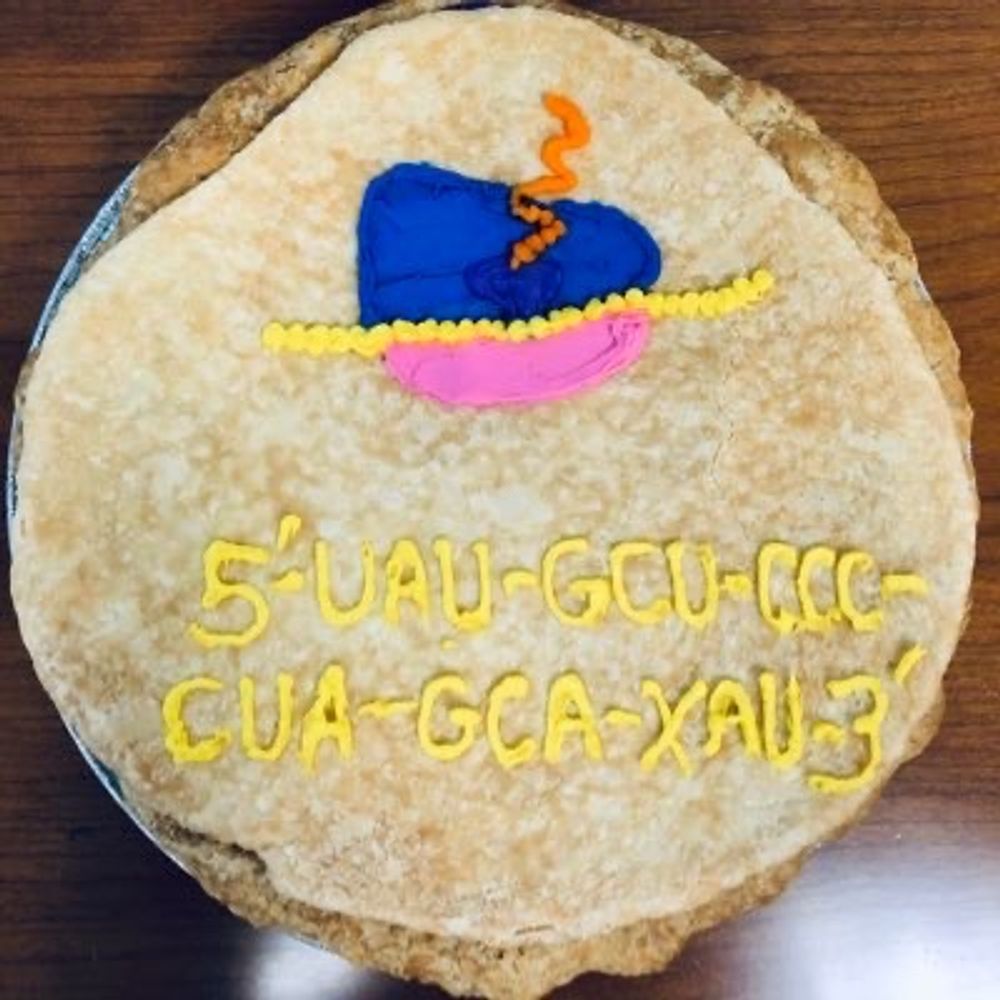
E. coli HrpA RNA helicase rescue collided ribosomes. From Buskirk-Beckmann-Green labs #RNASky #Ribosome 🧪 #MicroSky www.cell.com/molecular-ce...

The RNA helicase HrpA rescues collided ribosomes in E. coli
Antibiotics that inhibit ribosomes lead to collisions on mRNAs when upstream ribosomes
catch up with stalled ones. Campbell et al. show that the HrpA protein in E. coli
senses ribosome collisions and ...
www.cell.com
February 8, 2025 at 11:44 AM
E. coli HrpA RNA helicase rescue collided ribosomes. From Buskirk-Beckmann-Green labs #RNASky #Ribosome 🧪 #MicroSky www.cell.com/molecular-ce...
Reposted by Hirotaka Toh
Very happy to share our preprint on visualizing the life cycle of Influenza viruses using single-molecule imaging! 🥳 We developed two techniques to visualize infections of unmodified influenza viruses in live cells from endosomal release to budding of new viruses. For more details&videos see below ⬇️
January 21, 2025 at 10:16 AM
Very happy to share our preprint on visualizing the life cycle of Influenza viruses using single-molecule imaging! 🥳 We developed two techniques to visualize infections of unmodified influenza viruses in live cells from endosomal release to budding of new viruses. For more details&videos see below ⬇️
Reposted by Hirotaka Toh

Our paper on Stopless-ORF Circular RNAs (socRNAs) is now out in Cell. By high-res tracking and comparing translation by either single or multiple ribosomes, we find that ribosomes cooperate to overcome pausing to ensure fast and efficient translation
www.cell.com/cell/fulltex...
www.cell.com/cell/fulltex...
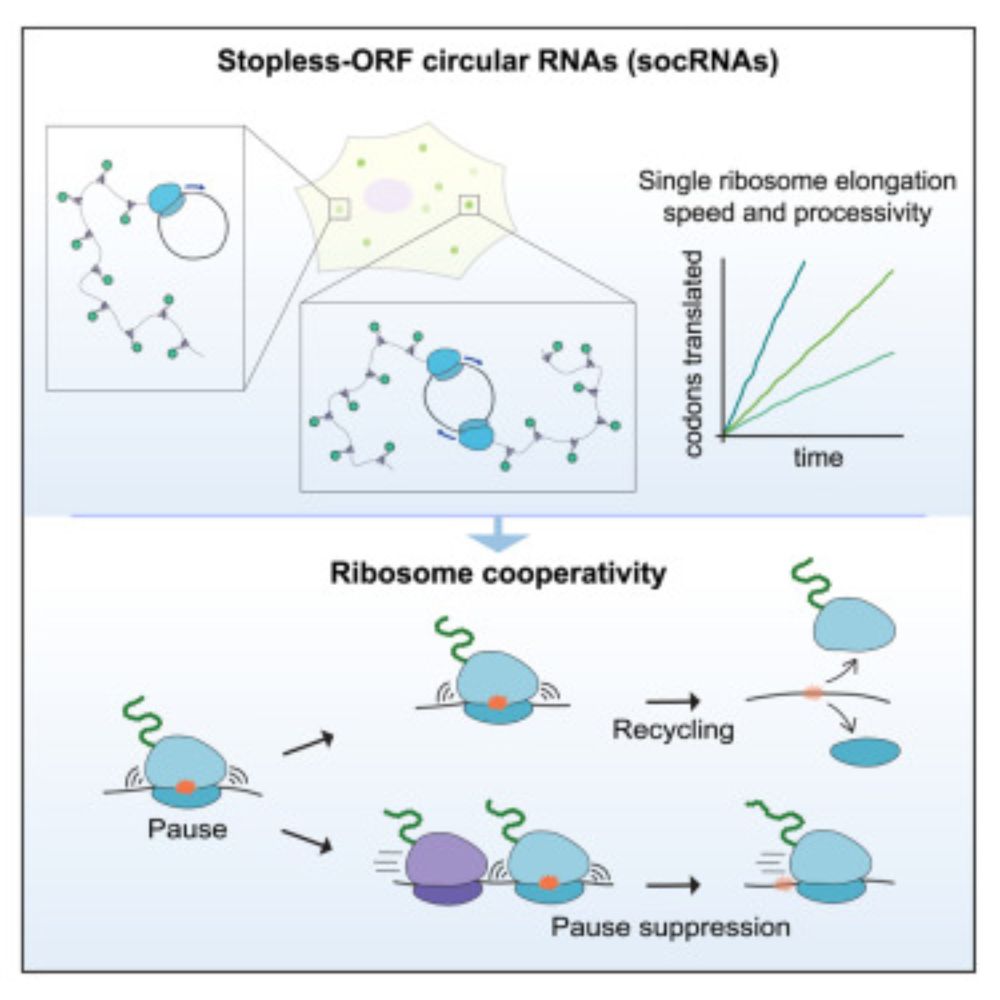
Long-term imaging of individual ribosomes reveals ribosome cooperativity in mRNA translation
Ribosomes cooperate through transient collisions to ensure efficient translation.
www.cell.com
February 3, 2025 at 7:38 AM
Our paper on Stopless-ORF Circular RNAs (socRNAs) is now out in Cell. By high-res tracking and comparing translation by either single or multiple ribosomes, we find that ribosomes cooperate to overcome pausing to ensure fast and efficient translation
www.cell.com/cell/fulltex...
www.cell.com/cell/fulltex...
Reposted by Hirotaka Toh

This week @science.org Sarfatis, Moffitt et al. from @bostonchildrens.bsky.social @harvardmed.bsky.social @broadinstitute.org
Highly multiplexed spatial transcriptomics in bacteria | Science www.science.org/doi/10.1126/...
#microsky #microbial #microbiology #genomics
#transcriptomic 🦠🧫
Highly multiplexed spatial transcriptomics in bacteria | Science www.science.org/doi/10.1126/...
#microsky #microbial #microbiology #genomics
#transcriptomic 🦠🧫

Highly multiplexed spatial transcriptomics in bacteria
Single-cell decisions made in complex environments underlie many bacterial phenomena. Image-based transcriptomics approaches offer an avenue to study such behaviors, yet these approaches have been hin...
www.science.org
January 24, 2025 at 4:30 AM
This week @science.org Sarfatis, Moffitt et al. from @bostonchildrens.bsky.social @harvardmed.bsky.social @broadinstitute.org
Highly multiplexed spatial transcriptomics in bacteria | Science www.science.org/doi/10.1126/...
#microsky #microbial #microbiology #genomics
#transcriptomic 🦠🧫
Highly multiplexed spatial transcriptomics in bacteria | Science www.science.org/doi/10.1126/...
#microsky #microbial #microbiology #genomics
#transcriptomic 🦠🧫
Reposted by Hirotaka Toh

💥Finally out!
Answering a two-centuries old question about a membraneless organelle that forms in #oocytes from insects to humans: the Balbiani body (Bb).
Now in
@currentbiology.bsky.social
:
cell.com/current-biol...
>
Answering a two-centuries old question about a membraneless organelle that forms in #oocytes from insects to humans: the Balbiani body (Bb).
Now in
@currentbiology.bsky.social
:
cell.com/current-biol...
>
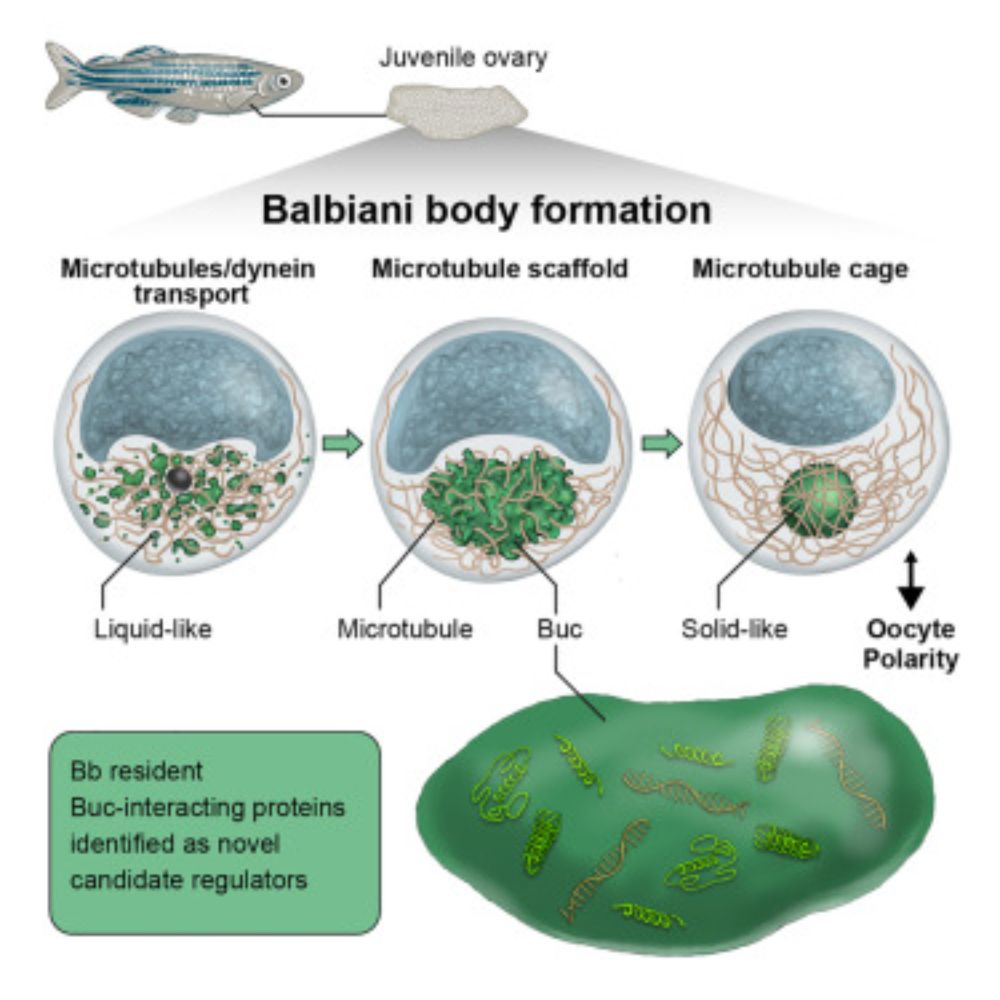
The Balbiani body is formed by microtubule-controlled molecular condensation of Buc in early oogenesis
Kar et al. demonstrate that Balbiani body (Bb) formation is achieved via developmental condensation in zebrafish oogenesis, driven by Buc phase separation and evolving from a dynamic liquid-like state into a solid-like stable compartment. Multistep regulation by microtubules controls condensation, ensuring proper Bb formation and oocyte polarity.
cell.com
January 9, 2025 at 5:24 PM
💥Finally out!
Answering a two-centuries old question about a membraneless organelle that forms in #oocytes from insects to humans: the Balbiani body (Bb).
Now in
@currentbiology.bsky.social
:
cell.com/current-biol...
>
Answering a two-centuries old question about a membraneless organelle that forms in #oocytes from insects to humans: the Balbiani body (Bb).
Now in
@currentbiology.bsky.social
:
cell.com/current-biol...
>
Reposted by Hirotaka Toh

de novo遺伝子を生成するセマンティックマイニング
遺伝子間の共起パターンを使用した言語モデルによって目的の機能を持つ新規配列を生成する手法(Evo)を開発。既知のタンパク質と相同性の低い全く新しい毒素やantiCRISPRを作ることができるらしい。AI生成ゲノム配列も作成
すごすぎて、、
遺伝子間の共起パターンを使用した言語モデルによって目的の機能を持つ新規配列を生成する手法(Evo)を開発。既知のタンパク質と相同性の低い全く新しい毒素やantiCRISPRを作ることができるらしい。AI生成ゲノム配列も作成
すごすぎて、、

Semantic mining of functional de novo genes from a genomic language model
Generative genomics models can design increasingly complex biological systems. However, effectively controlling these models to generate novel sequences with desired functions remains a major…
www.biorxiv.org
January 6, 2025 at 10:00 AM
de novo遺伝子を生成するセマンティックマイニング
遺伝子間の共起パターンを使用した言語モデルによって目的の機能を持つ新規配列を生成する手法(Evo)を開発。既知のタンパク質と相同性の低い全く新しい毒素やantiCRISPRを作ることができるらしい。AI生成ゲノム配列も作成
すごすぎて、、
遺伝子間の共起パターンを使用した言語モデルによって目的の機能を持つ新規配列を生成する手法(Evo)を開発。既知のタンパク質と相同性の低い全く新しい毒素やantiCRISPRを作ることができるらしい。AI生成ゲノム配列も作成
すごすぎて、、
Reposted by Hirotaka Toh
The first preprint of 2025! Together with Matvei, @halfacrocodile.bsky.social, & our amazing team, we are excited to share PARADE: an AI framework for designing mRNA UTRs with enhanced cell-type specificity & stability. www.biorxiv.org/content/10.1...

A generative framework for enhanced cell-type specificity in rationally designed mRNAs
mRNA delivery offers new opportunities for disease treatment by directing cells to produce therapeutic proteins. However, designing highly stable mRNAs with programmable cell type-specificity remains ...
www.biorxiv.org
January 2, 2025 at 1:10 PM
The first preprint of 2025! Together with Matvei, @halfacrocodile.bsky.social, & our amazing team, we are excited to share PARADE: an AI framework for designing mRNA UTRs with enhanced cell-type specificity & stability. www.biorxiv.org/content/10.1...