



Christophe Tanguay-Sabourin
@ctanguay-sabourin.bsky.social
MD-PhD Student at uMontreal. Research at Alan Edwards Centre for Research on Pain, McGill University.
Reposted by Christophe Tanguay-Sabourin

Nature research paper: Shared and language-specific phonological processing in the human temporal lobe
go.nature.com/4r9HExe
go.nature.com/4r9HExe

Shared and language-specific phonological processing in the human temporal lobe - Nature
The human superior temporal gyrus processes acoustic–phonetic properties of speech regardless of whether the language is familiar to the listener, but only encodes word boundaries and language-specific sound sequences if the language is known.
go.nature.com
November 19, 2025 at 5:32 PM
Nature research paper: Shared and language-specific phonological processing in the human temporal lobe
go.nature.com/4r9HExe
go.nature.com/4r9HExe
Reposted by Christophe Tanguay-Sabourin

Our lab is hiring! We're lookgin for an MSc trainee and a PhD trainee to investigate the neural underpinnings of pain. If you are interested in pain and brain imaging, please reach out!
Informal enquiries are encouraged.
Informal enquiries are encouraged.

November 13, 2025 at 3:56 PM
Our lab is hiring! We're lookgin for an MSc trainee and a PhD trainee to investigate the neural underpinnings of pain. If you are interested in pain and brain imaging, please reach out!
Informal enquiries are encouraged.
Informal enquiries are encouraged.
Reposted by Christophe Tanguay-Sabourin
Nature research paper: Specificity, length and luck drive gene rankings in association studies
go.nature.com/47Fsqax
go.nature.com/47Fsqax

Specificity, length and luck drive gene rankings in association studies - Nature
Genetic association tests prioritize candidate genes based on different criteria.
go.nature.com
November 10, 2025 at 11:36 AM
Nature research paper: Specificity, length and luck drive gene rankings in association studies
go.nature.com/47Fsqax
go.nature.com/47Fsqax
Reposted by Christophe Tanguay-Sabourin

New human DRG atlas just dropped! 🌟

The BIG DRG paper is now up on @biorxiv-neursci.bsky.social www.biorxiv.org/content/10.1... so many people worked so hard to make this happen. Props to the whole PRECISION Human Pain Network.

A Reference Atlas of the Human Dorsal Root Ganglion
Somatosensory perception largely emerges from diverse peripheral sensory neurons whose cell bodies reside in dorsal root ganglia (DRG). Damage or dysfunction of DRG neurons is a major cause of chronic...
www.biorxiv.org
November 7, 2025 at 11:26 AM
New human DRG atlas just dropped! 🌟
Reposted by Christophe Tanguay-Sabourin

Opioid deprescribing is advised when risks of opioid use outweigh benefits. A tailored, patient-centered plan with gradual dose reduction, monitoring, and support can improve outcomes and reduce harm. Learn more: nej.md/4oL3fu2
#MedSky @sydney.edu.au
#MedSky @sydney.edu.au

November 5, 2025 at 11:01 PM
Opioid deprescribing is advised when risks of opioid use outweigh benefits. A tailored, patient-centered plan with gradual dose reduction, monitoring, and support can improve outcomes and reduce harm. Learn more: nej.md/4oL3fu2
#MedSky @sydney.edu.au
#MedSky @sydney.edu.au
Reposted by Christophe Tanguay-Sabourin
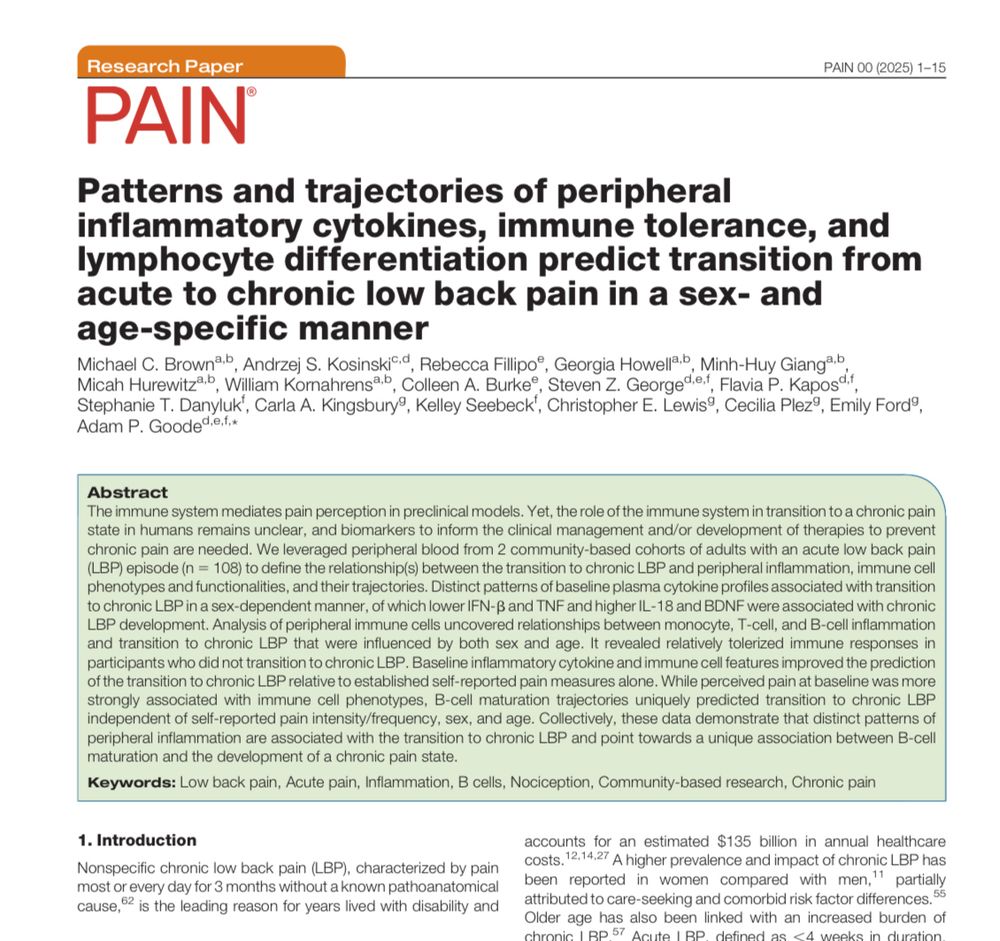
This new prospective study followed 108 individuals with acute low back pain. Their immune profiles predicted transition from acute to chronic low back pain in a sex- and age-specific manner with some pretty impressive AUCs.
journals.lww.com/pain/abstrac...
#neuroskyence #painresearch #physio
journals.lww.com/pain/abstrac...
#neuroskyence #painresearch #physio

October 20, 2025 at 1:00 PM
This new prospective study followed 108 individuals with acute low back pain. Their immune profiles predicted transition from acute to chronic low back pain in a sex- and age-specific manner with some pretty impressive AUCs.
journals.lww.com/pain/abstrac...
#neuroskyence #painresearch #physio
journals.lww.com/pain/abstrac...
#neuroskyence #painresearch #physio
Reposted by Christophe Tanguay-Sabourin

🧠Pioneered study: Hypnosis Enhances the Effects of Pain Education in Patients With Chronic Back Pain: A Randomized Controlled Trial. Open access paper: pubmed.ncbi.nlm.nih.gov/29654980/
#mind-body #pain #chronicpain #hypnosis #PainResearch
#mind-body #pain #chronicpain #hypnosis #PainResearch

October 21, 2025 at 11:46 AM
🧠Pioneered study: Hypnosis Enhances the Effects of Pain Education in Patients With Chronic Back Pain: A Randomized Controlled Trial. Open access paper: pubmed.ncbi.nlm.nih.gov/29654980/
#mind-body #pain #chronicpain #hypnosis #PainResearch
#mind-body #pain #chronicpain #hypnosis #PainResearch
Reposted by Christophe Tanguay-Sabourin

Galosi et al. find that cold and warm detection thresholds by QST, combined with small-fiber-related clinical abnormalities, achieve high sensitivity and specificity in diagnosing small fiber neuropathy. Learn more in #PAIN bit.ly/42blyjc

October 21, 2025 at 12:00 PM
Galosi et al. find that cold and warm detection thresholds by QST, combined with small-fiber-related clinical abnormalities, achieve high sensitivity and specificity in diagnosing small fiber neuropathy. Learn more in #PAIN bit.ly/42blyjc
Reposted by Christophe Tanguay-Sabourin
Beisswanger et al. use microneurography to reveal C-nociceptor dysfunction beyond conventional testing, offering insights into the role of C-nociceptors in ongoing neuropathic pain. Learn more in #PAIN bit.ly/4nqvWMG

October 23, 2025 at 12:00 PM
Beisswanger et al. use microneurography to reveal C-nociceptor dysfunction beyond conventional testing, offering insights into the role of C-nociceptors in ongoing neuropathic pain. Learn more in #PAIN bit.ly/4nqvWMG
Reposted by Christophe Tanguay-Sabourin
A new review focuses on the ways in which clinicians recognize and manage in-the-moment experiences of uncertainty in practice and provides practical strategies that teachers can use to help trainees build confidence in managing uncertainty. Read the full review: nej.md/43xKSQX
#MedSky #MedEd
#MedSky #MedEd

October 27, 2025 at 4:03 PM
A new review focuses on the ways in which clinicians recognize and manage in-the-moment experiences of uncertainty in practice and provides practical strategies that teachers can use to help trainees build confidence in managing uncertainty. Read the full review: nej.md/43xKSQX
#MedSky #MedEd
#MedSky #MedEd
Reposted by Christophe Tanguay-Sabourin

Precision Functional Mapping of Imagined and Experienced Pain https://www.biorxiv.org/content/10.1101/2025.08.06.668906v1
August 10, 2025 at 4:15 AM
Precision Functional Mapping of Imagined and Experienced Pain https://www.biorxiv.org/content/10.1101/2025.08.06.668906v1
Thrilled to share our new paper in Nature Human Behaviour!
nature.com/articles/s41...
We show that combining biological 🧬 and psychosocial 📋 data offers a much stronger, more reliable path to predicting pain and diagnosis. 🧵
nature.com/articles/s41...
We show that combining biological 🧬 and psychosocial 📋 data offers a much stronger, more reliable path to predicting pain and diagnosis. 🧵
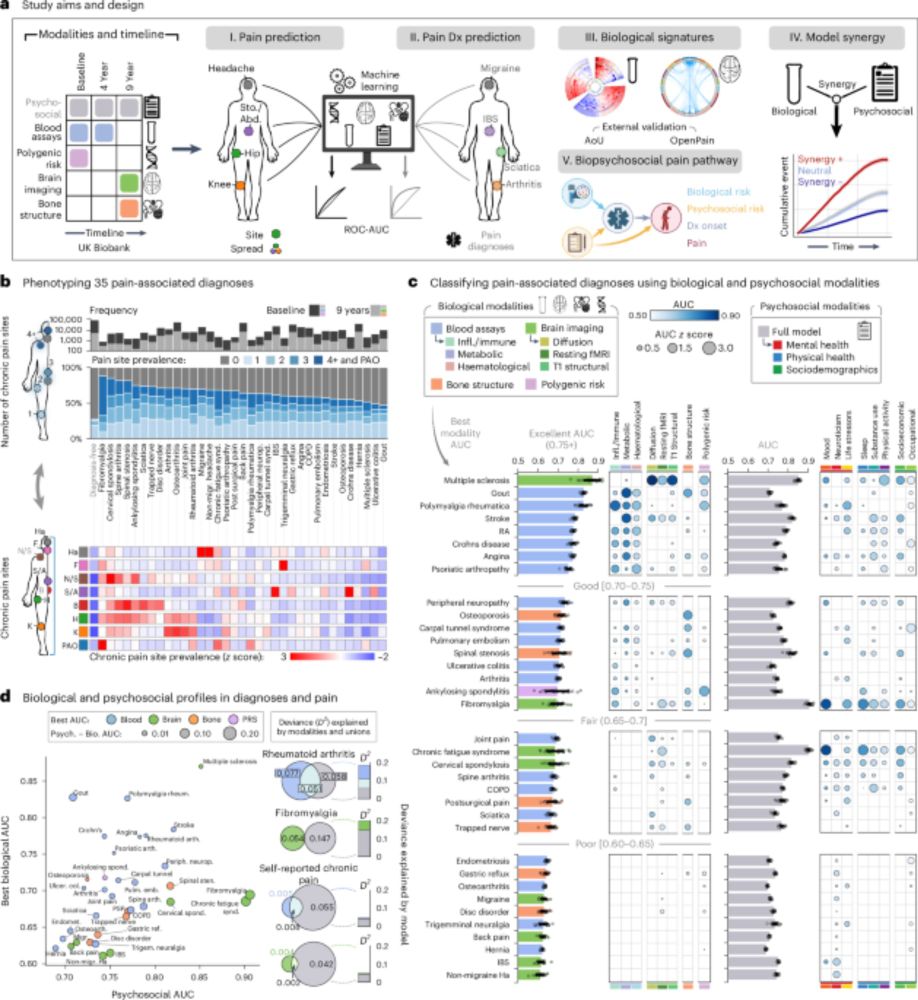
Biological markers and psychosocial factors predict chronic pain conditions - Nature Human Behaviour
Fillingim et al. show that biological and psychosocial factors jointly predict conditions associated with chronic pain.
nature.com
May 20, 2025 at 2:27 AM
Reposted by Christophe Tanguay-Sabourin

Beautiful paper on #biomarkers, #neuromarkers, and psychosocial predictors of chronic pain and associated #chronicdiseases. A tour de force. @mfilling.bsky.social @evp82.bsky.social
www.nature.com/articles/s41...
www.nature.com/articles/s41...
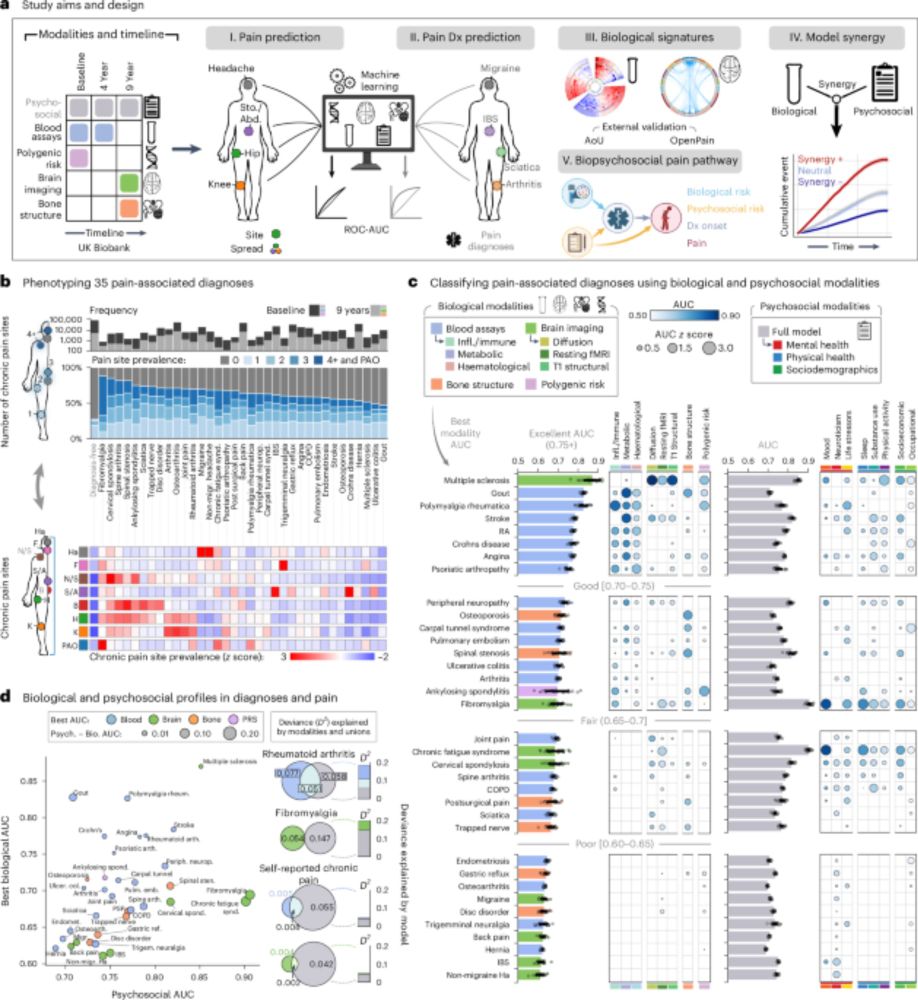
Biological markers and psychosocial factors predict chronic pain conditions - Nature Human Behaviour
Fillingim et al. show that biological and psychosocial factors jointly predict conditions associated with chronic pain.
www.nature.com
May 16, 2025 at 4:00 PM
Beautiful paper on #biomarkers, #neuromarkers, and psychosocial predictors of chronic pain and associated #chronicdiseases. A tour de force. @mfilling.bsky.social @evp82.bsky.social
www.nature.com/articles/s41...
www.nature.com/articles/s41...
Reposted by Christophe Tanguay-Sabourin
🔥 Most important paper I've read all year🔥
👉 Injury/disease doesn't reliably predict pain
👉 Biomarkers alone can't explain pain
👉 PSYCHOSOCIAL factors reliably determine chronic pain
👉 Painful conditions can be predicted from the SYNERGY btwn bio + psychosocial factors
www.nature.com/articles/s41...
👉 Injury/disease doesn't reliably predict pain
👉 Biomarkers alone can't explain pain
👉 PSYCHOSOCIAL factors reliably determine chronic pain
👉 Painful conditions can be predicted from the SYNERGY btwn bio + psychosocial factors
www.nature.com/articles/s41...
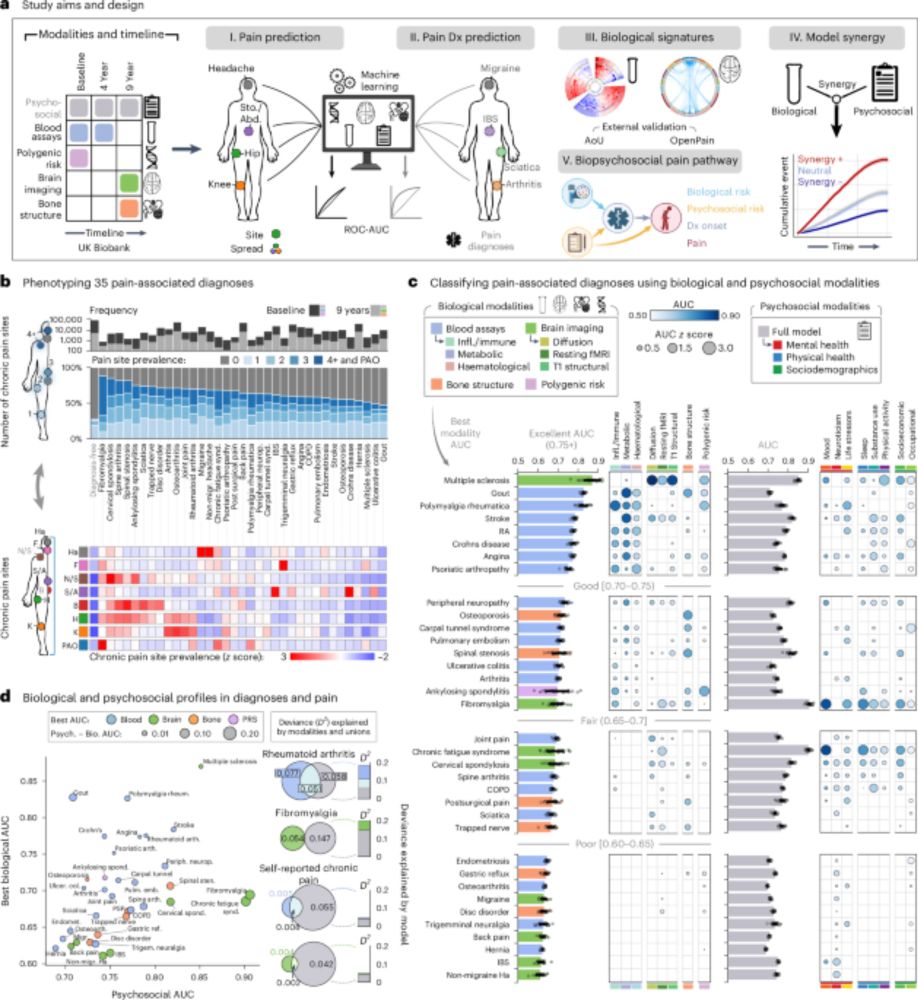
Biological markers and psychosocial factors predict chronic pain conditions - Nature Human Behaviour
Fillingim et al. show that biological and psychosocial factors jointly predict conditions associated with chronic pain.
www.nature.com
May 14, 2025 at 3:18 AM
🔥 Most important paper I've read all year🔥
👉 Injury/disease doesn't reliably predict pain
👉 Biomarkers alone can't explain pain
👉 PSYCHOSOCIAL factors reliably determine chronic pain
👉 Painful conditions can be predicted from the SYNERGY btwn bio + psychosocial factors
www.nature.com/articles/s41...
👉 Injury/disease doesn't reliably predict pain
👉 Biomarkers alone can't explain pain
👉 PSYCHOSOCIAL factors reliably determine chronic pain
👉 Painful conditions can be predicted from the SYNERGY btwn bio + psychosocial factors
www.nature.com/articles/s41...
Reposted by Christophe Tanguay-Sabourin

#NAPster publication
If you're trying to predict pain, worth a look !
Thrilled to share our new paper in Nature Human Behaviour!
nature.com/articles/s41...
We show that combining biological 🧬 and psychosocial 📋 data offers a much stronger, more reliable path to predicting pain and diagnosis. 🧵
nature.com/articles/s41...
We show that combining biological 🧬 and psychosocial 📋 data offers a much stronger, more reliable path to predicting pain and diagnosis. 🧵
May 13, 2025 at 2:25 PM
#NAPster publication
Reposted by Christophe Tanguay-Sabourin

A drug to treat migraine, ubrogepant, is also found to reduce common non-headache symptoms that occur in the hours preceding a migraine headache, according to the results of a large phase three clinical trial published in Nature Medicine. go.nature.com/4dkxBPE #medsky 🧪

May 12, 2025 at 7:37 PM
A drug to treat migraine, ubrogepant, is also found to reduce common non-headache symptoms that occur in the hours preceding a migraine headache, according to the results of a large phase three clinical trial published in Nature Medicine. go.nature.com/4dkxBPE #medsky 🧪
Reposted by Christophe Tanguay-Sabourin

Thrilled to share our new paper in Nature Human Behaviour!
nature.com/articles/s41...
We show that combining biological 🧬 and psychosocial 📋 data offers a much stronger, more reliable path to predicting pain and diagnosis. 🧵
nature.com/articles/s41...
We show that combining biological 🧬 and psychosocial 📋 data offers a much stronger, more reliable path to predicting pain and diagnosis. 🧵
Biological markers and psychosocial factors predict chronic pain conditions - Nature Human Behaviour
Fillingim et al. show that biological and psychosocial factors jointly predict conditions associated with chronic pain.
nature.com
May 12, 2025 at 4:18 PM
Thrilled to share our new paper in Nature Human Behaviour!
nature.com/articles/s41...
We show that combining biological 🧬 and psychosocial 📋 data offers a much stronger, more reliable path to predicting pain and diagnosis. 🧵
nature.com/articles/s41...
We show that combining biological 🧬 and psychosocial 📋 data offers a much stronger, more reliable path to predicting pain and diagnosis. 🧵
If you're trying to predict pain, worth a look !
Thrilled to share our new paper in Nature Human Behaviour!
nature.com/articles/s41...
We show that combining biological 🧬 and psychosocial 📋 data offers a much stronger, more reliable path to predicting pain and diagnosis. 🧵
nature.com/articles/s41...
We show that combining biological 🧬 and psychosocial 📋 data offers a much stronger, more reliable path to predicting pain and diagnosis. 🧵
Biological markers and psychosocial factors predict chronic pain conditions - Nature Human Behaviour
Fillingim et al. show that biological and psychosocial factors jointly predict conditions associated with chronic pain.
nature.com
May 12, 2025 at 5:02 PM
If you're trying to predict pain, worth a look !
Reposted by Christophe Tanguay-Sabourin

Our new @NatureHumBehav paper shows why we need a holistic pain biomarker framework. ML on blood tests, brain/bone imaging & genetics predicts clinical diagnoses but falls short on subjective pain. Adding psychosocial (mood, sleep, stress) boosts both. shorturl.at/vxxeO
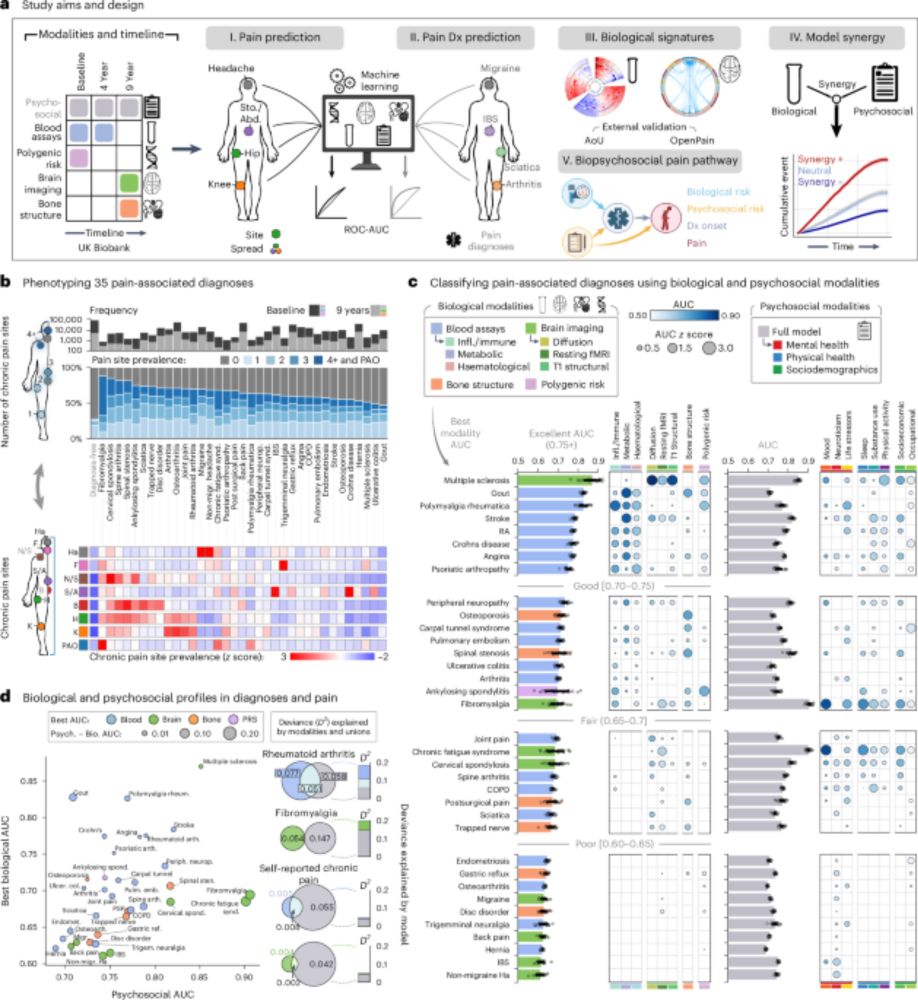
Biological markers and psychosocial factors predict chronic pain conditions - Nature Human Behaviour
Fillingim et al. show that biological and psychosocial factors jointly predict conditions associated with chronic pain.
shorturl.at
May 12, 2025 at 3:51 PM
Our new @NatureHumBehav paper shows why we need a holistic pain biomarker framework. ML on blood tests, brain/bone imaging & genetics predicts clinical diagnoses but falls short on subjective pain. Adding psychosocial (mood, sleep, stress) boosts both. shorturl.at/vxxeO
Different risk factors predict the occurrence vs. the severity of tinnitus. Hearing health drives whether you get it, but mood, neuroticism & sleep influence how bothersome it becomes.
Our new @NatureComms paper: We used UK Biobank data (n≈193K) to build ML models predicting tinnitus presence (driven by hearing health) and severity (influenced by mood, neuroticism & sleep). A simple 6-item POST questionnaire forecasts 9-yr outcomes. shorturl.at/4AF4P
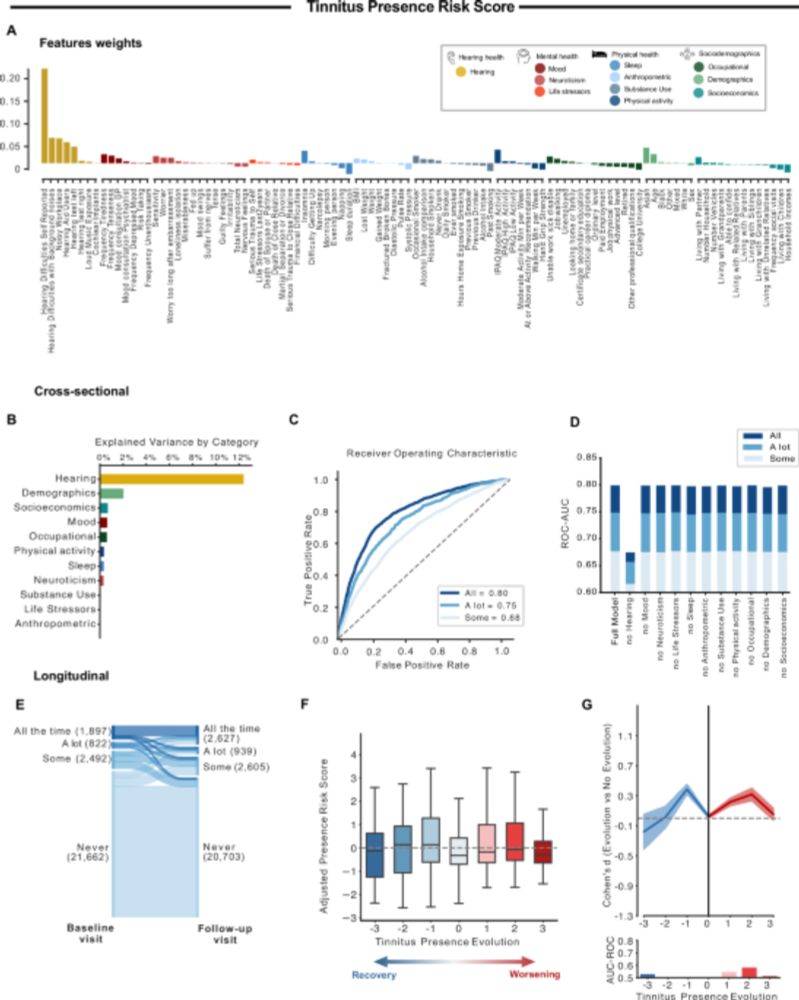
Tinnitus risk factors and its evolution over time - Nature Communications
Improving tinnitus prevention and clinical management by identifying key associated risk factors is crucial. Here, the authors use machine learning in a large cohort to identify key predictors of tinn...
shorturl.at
May 9, 2025 at 6:05 PM
Different risk factors predict the occurrence vs. the severity of tinnitus. Hearing health drives whether you get it, but mood, neuroticism & sleep influence how bothersome it becomes.
Reposted by Christophe Tanguay-Sabourin

How will you use A2CPS data to answer questions about pain, health and disease? Baseline data available now. More at a2cps.org/researchers/

April 26, 2025 at 12:00 AM
How will you use A2CPS data to answer questions about pain, health and disease? Baseline data available now. More at a2cps.org/researchers/
Reposted by Christophe Tanguay-Sabourin
A trial has drawn links between fibromyalgia and alterations of the gut microbiome
https://go.nature.com/3GpJRSs
https://go.nature.com/3GpJRSs
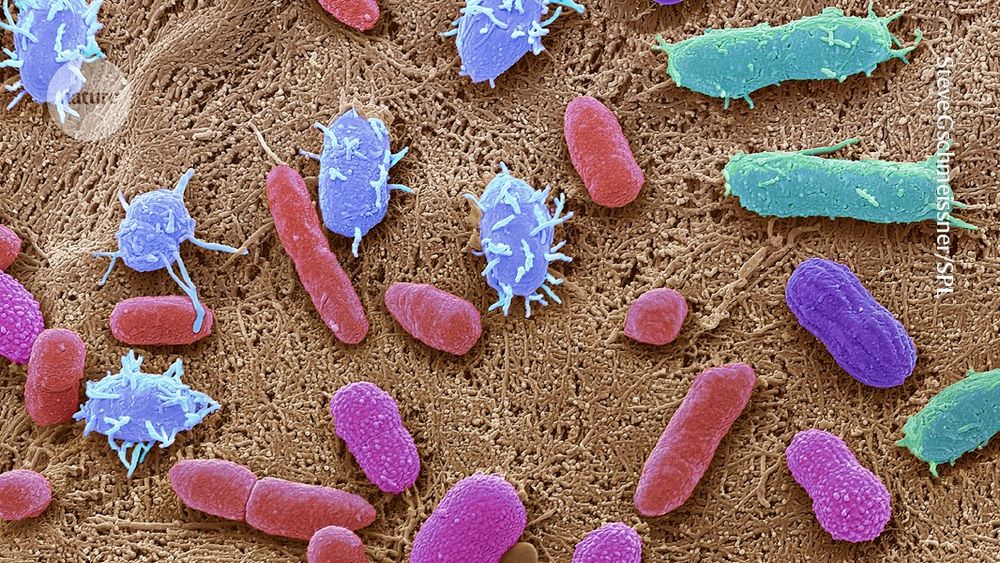
Baffling chronic pain eases after doses of gut microbes
Nature - A small, preliminary trial and studies in mice draw links between fibromyalgia and alterations of the gut microbiome.
go.nature.com
April 26, 2025 at 1:47 PM
A trial has drawn links between fibromyalgia and alterations of the gut microbiome
https://go.nature.com/3GpJRSs
https://go.nature.com/3GpJRSs
Reposted by Christophe Tanguay-Sabourin
Brain network dynamics determine tau presence while regional vulnerability governs tau load in Alzheimer's disease https://www.biorxiv.org/content/10.1101/2025.04.17.648358v1
April 23, 2025 at 5:15 PM
Brain network dynamics determine tau presence while regional vulnerability governs tau load in Alzheimer's disease https://www.biorxiv.org/content/10.1101/2025.04.17.648358v1
Reposted by Christophe Tanguay-Sabourin
Our partnership with @glaucomflecken.bsky.social continues as he summarizes new research into fracture prevention with infrequent zoledronate in women 50 to 60 years of age. Access the article for free: nej.md/DrG15
#MedSky
#MedSky
April 22, 2025 at 7:03 PM
Our partnership with @glaucomflecken.bsky.social continues as he summarizes new research into fracture prevention with infrequent zoledronate in women 50 to 60 years of age. Access the article for free: nej.md/DrG15
#MedSky
#MedSky
Reposted by Christophe Tanguay-Sabourin

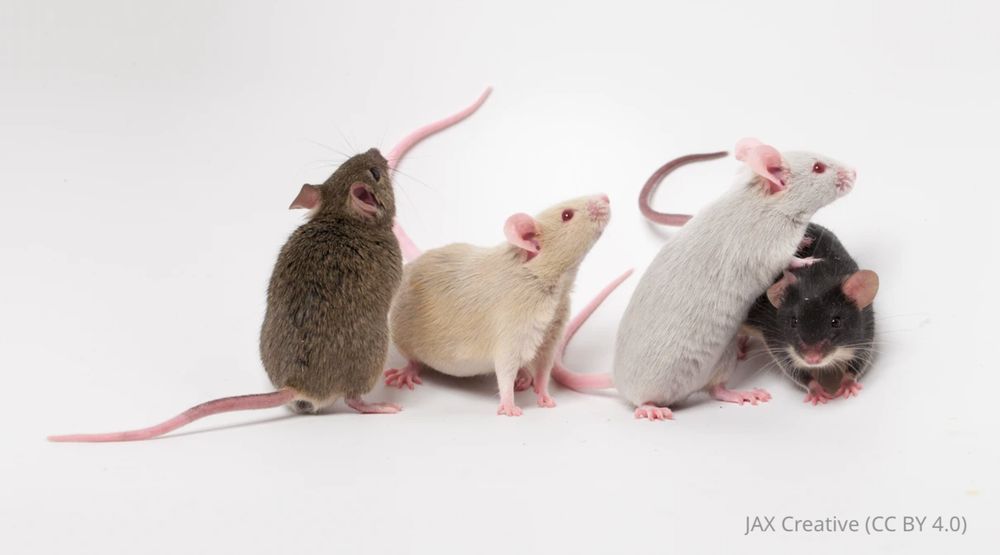
Not shocking, but important: nociceptors fire → glutamate is released — with or without neuropeptides like SP or CGRP. This paper pushes the field past the idea that pain = peripheral neuropeptide release. Time to stop oversimplifying pain circuits and behaviors to single-molecule targets

Turns out, two of pain’s most famous messengers — Substance P and CGRPα — might not be so essential after all. Mice missing both still felt pain just fine, challenging decades of assumptions about how pain signals travel.
buff.ly/ypISrtx
buff.ly/ypISrtx
April 20, 2025 at 5:37 PM
Not shocking, but important: nociceptors fire → glutamate is released — with or without neuropeptides like SP or CGRP. This paper pushes the field past the idea that pain = peripheral neuropeptide release. Time to stop oversimplifying pain circuits and behaviors to single-molecule targets