


astrakhan.bsky.social
@astrakhan.bsky.social
Reposted by astrakhan.bsky.social
🚨New paper alert! 🚨 Our latest work in
@cp-immunity.bsky.social shows that Ark313, an evolved AAV variant enables in vivo genetic engineering of murine T cells! 🧵👇
sciencedirect.com/science/arti...
@cp-immunity.bsky.social shows that Ark313, an evolved AAV variant enables in vivo genetic engineering of murine T cells! 🧵👇
sciencedirect.com/science/arti...
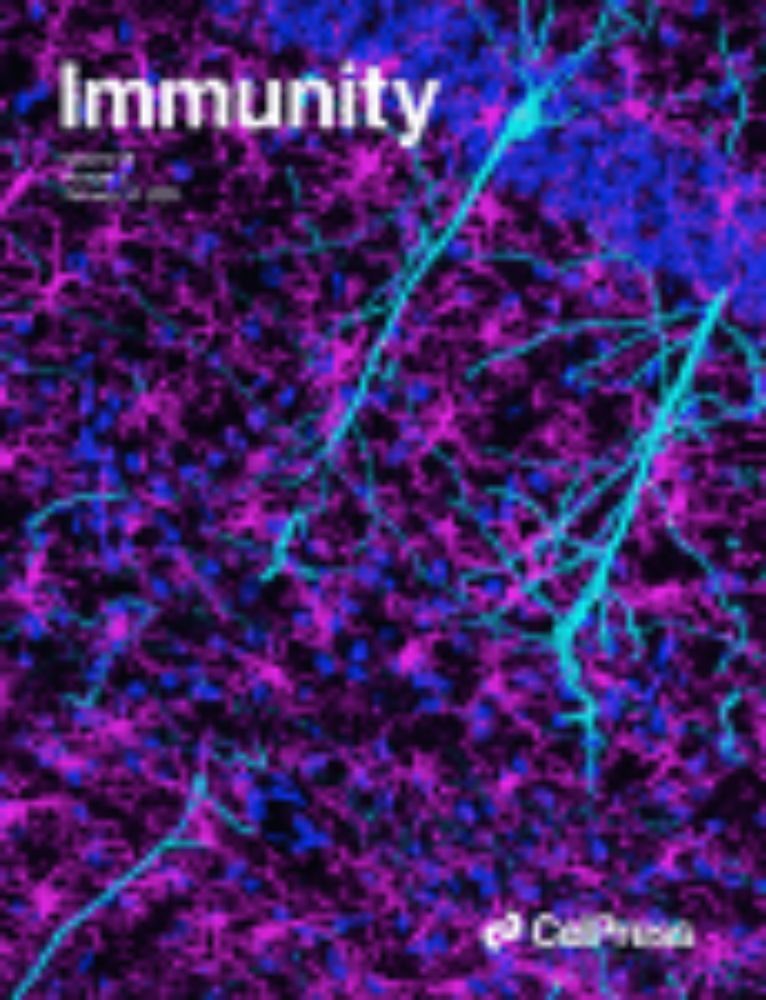
In vivo engineering of murine T cells using the evolved adeno-associated virus variant Ark313
Genetic engineering of T cells in mouse models is essential for investigating immune mechanisms. We aimed to develop an approach to manipulate T cells…
sciencedirect.com
February 4, 2025 at 8:50 PM
🚨New paper alert! 🚨 Our latest work in
@cp-immunity.bsky.social shows that Ark313, an evolved AAV variant enables in vivo genetic engineering of murine T cells! 🧵👇
sciencedirect.com/science/arti...
@cp-immunity.bsky.social shows that Ark313, an evolved AAV variant enables in vivo genetic engineering of murine T cells! 🧵👇
sciencedirect.com/science/arti...
Reposted by astrakhan.bsky.social
US biotechs need to ensure they are spending $$ innovating in highly novel and differentiated biology, as it is going to be near impossible to outcompete China head-on. Their growing prominence was clear in ADC deal boom 2 yrs ago, obesity and multispecifics last yr - where next?

Chinese drug developers are pursuing novel drug targets and hot therapeutic areas like obesity. The exploding trend has sent shocks through the biotech industry and its center of gravity, which has long been anchored in a handful of cities in the US.
endpts.com/chinas-drug-...
endpts.com/chinas-drug-...

China's biotech boom is threatening US drugmakers' dominance
In 2019, Stanford University professor Irv Weissman and a colleague published a paper that represented a new way to target some aggressive cancers. Shortly after, they did what many researchers ...
endpts.com
January 21, 2025 at 8:32 PM
US biotechs need to ensure they are spending $$ innovating in highly novel and differentiated biology, as it is going to be near impossible to outcompete China head-on. Their growing prominence was clear in ADC deal boom 2 yrs ago, obesity and multispecifics last yr - where next?
Reposted by astrakhan.bsky.social
Sana Biotechnology, Inc. shows promising results from their investigational allogeneic cell therapy for patients with Type I diabetes.
www.fiercebiotech.com/biotech/sana...
www.fiercebiotech.com/biotech/sana...

Sana’s cell therapy may be ‘transformative cure’ for type 1 diabetes: analysts
Sana Biotechnology has shared early data for its investigational allogeneic cell therapy being studied in one patient with type 1 diabetes, sending the company’s share price up by about 200%. | Sana B...
www.fiercebiotech.com
January 13, 2025 at 1:38 AM
Sana Biotechnology, Inc. shows promising results from their investigational allogeneic cell therapy for patients with Type I diabetes.
www.fiercebiotech.com/biotech/sana...
www.fiercebiotech.com/biotech/sana...


Reposted by astrakhan.bsky.social

I think you're describing science, IMO. Everything is atop a foundation of basic research. An example: at a previous company, I worked on a series of small-molecule inhibitors of Hormone-Sensitive Lipase, a possible target for Type II diabetes and related conditions. (1/10)
January 5, 2025 at 10:04 PM
I think you're describing science, IMO. Everything is atop a foundation of basic research. An example: at a previous company, I worked on a series of small-molecule inhibitors of Hormone-Sensitive Lipase, a possible target for Type II diabetes and related conditions. (1/10)
Reposted by astrakhan.bsky.social
I am thrilled to share my first-ever first author publication in Nature Immunology as my first post on Bluesky! Huge thanks to everyone who contributed to this work! See comments for more.
#celltherapy #immunology #immunotherapy #CARTcells
www.nature.com/articles/s41...
#celltherapy #immunology #immunotherapy #CARTcells
www.nature.com/articles/s41...

Antigen experience history directs distinct functional states of CD8+ CAR T cells during the antileukemia response - Nature Immunology
Here, Fry and colleagues examine the impact of antigen experience on subsequent CD8+ CAR T cell activity during the antileukemia response and show that RUNX2 overexpression enhances antitumor activity...
www.nature.com
January 2, 2025 at 10:45 PM
I am thrilled to share my first-ever first author publication in Nature Immunology as my first post on Bluesky! Huge thanks to everyone who contributed to this work! See comments for more.
#celltherapy #immunology #immunotherapy #CARTcells
www.nature.com/articles/s41...
#celltherapy #immunology #immunotherapy #CARTcells
www.nature.com/articles/s41...
Reposted by astrakhan.bsky.social

🧪 🧬 - proof of concept gene therapy for mitochondrial disease Deoxyguanosine kinase deficiency. Neonatal liver failure. Transplant is the only option - but doesn't help the brain disease. This is preliminary data showing gene therapy could treat both. (www.cell.com/molecular-th... )
www.cell.com
December 18, 2024 at 7:35 AM
🧪 🧬 - proof of concept gene therapy for mitochondrial disease Deoxyguanosine kinase deficiency. Neonatal liver failure. Transplant is the only option - but doesn't help the brain disease. This is preliminary data showing gene therapy could treat both. (www.cell.com/molecular-th... )
Reposted by astrakhan.bsky.social
Calling all cell therapists!
The SITC Spring Scientific on Cellular Therapy for Solid Tumors takes place March 12-14 2025 in sunny San Diego. Fantastic speaker lineup, and slots for abstract talks
www.sitcancer.org/education/sp...
Early registration deadline is THIS FRIDAY. Abstracts due Jan 8th.
The SITC Spring Scientific on Cellular Therapy for Solid Tumors takes place March 12-14 2025 in sunny San Diego. Fantastic speaker lineup, and slots for abstract talks
www.sitcancer.org/education/sp...
Early registration deadline is THIS FRIDAY. Abstracts due Jan 8th.
2025 Spring Scientific
The 2025 SITC Spring Scientific, Cellular Therapy for Solid Tumors, will address the recent advances in adoptive cellular therapy for solid tumors and rate-limiting challenges that impede bringing the...
www.sitcancer.org
December 17, 2024 at 6:52 PM
Calling all cell therapists!
The SITC Spring Scientific on Cellular Therapy for Solid Tumors takes place March 12-14 2025 in sunny San Diego. Fantastic speaker lineup, and slots for abstract talks
www.sitcancer.org/education/sp...
Early registration deadline is THIS FRIDAY. Abstracts due Jan 8th.
The SITC Spring Scientific on Cellular Therapy for Solid Tumors takes place March 12-14 2025 in sunny San Diego. Fantastic speaker lineup, and slots for abstract talks
www.sitcancer.org/education/sp...
Early registration deadline is THIS FRIDAY. Abstracts due Jan 8th.
Reposted by astrakhan.bsky.social
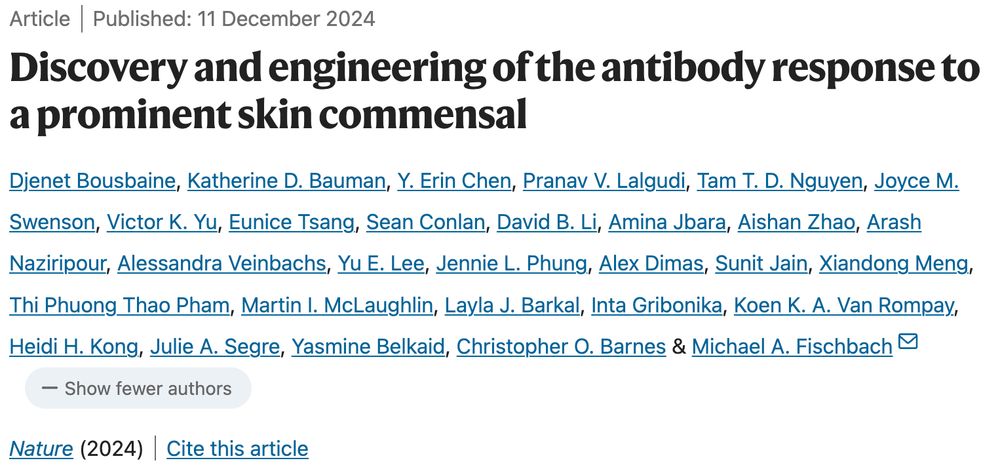
Today we report that an engineered skin bacterium, swabbed gently on the head of a mouse, can unleash a potent antibody response against a pathogen. Could lead to topical vaccines that are applied in a cream. @djenetbousbaine.bsky.social led the charge... @natureportfolio.bsky.social 1/55
December 11, 2024 at 4:29 PM
Today we report that an engineered skin bacterium, swabbed gently on the head of a mouse, can unleash a potent antibody response against a pathogen. Could lead to topical vaccines that are applied in a cream. @djenetbousbaine.bsky.social led the charge... @natureportfolio.bsky.social 1/55
Reposted by astrakhan.bsky.social
We have seen a number of trials with non-significant findings at #CCRdownunder. There is often debate then about what next? This paper by Pocock & Stone is a useful discussion piece to inform this type of discussion
www.nejm.org/doi/full/10....
www.nejm.org/doi/full/10....

The Primary Outcome Fails — What Next? | NEJM
When the primary outcome of a clinical trial fails to reach its prespecified end point, can any clinically meaningful information still be derived from it? This review article addresses that question.
www.nejm.org
December 10, 2024 at 11:20 PM
We have seen a number of trials with non-significant findings at #CCRdownunder. There is often debate then about what next? This paper by Pocock & Stone is a useful discussion piece to inform this type of discussion
www.nejm.org/doi/full/10....
www.nejm.org/doi/full/10....
Reposted by astrakhan.bsky.social
Take Away from Keynote 522 biomarker analysis. We still don’t know why people benefit from pembro. Even people we expect not to benefit (LAR) surprisingly do… . Unfortunately this biomarker analysis did not help us narrow down the groups that don’t need it. #bcsm #SABCS24
December 11, 2024 at 12:54 AM
Reposted by astrakhan.bsky.social
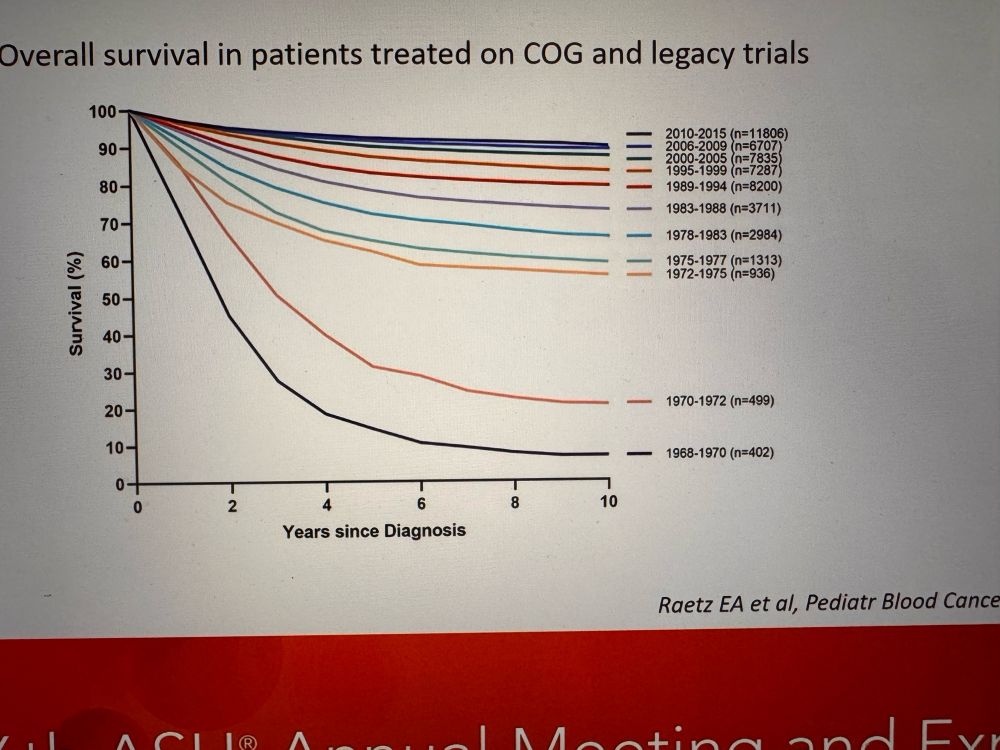
I never tire of seeing these progressively improved pediatric ALL survival curves, which represent one of the most remarkable achievements in all of medicine.
Amazing to see even more improvement with bispecific antibody #immunotherapy presented in the #ASH24 Plenary session. #hematology #leukemia
Amazing to see even more improvement with bispecific antibody #immunotherapy presented in the #ASH24 Plenary session. #hematology #leukemia
December 8, 2024 at 10:16 PM
I never tire of seeing these progressively improved pediatric ALL survival curves, which represent one of the most remarkable achievements in all of medicine.
Amazing to see even more improvement with bispecific antibody #immunotherapy presented in the #ASH24 Plenary session. #hematology #leukemia
Amazing to see even more improvement with bispecific antibody #immunotherapy presented in the #ASH24 Plenary session. #hematology #leukemia
Reposted by astrakhan.bsky.social
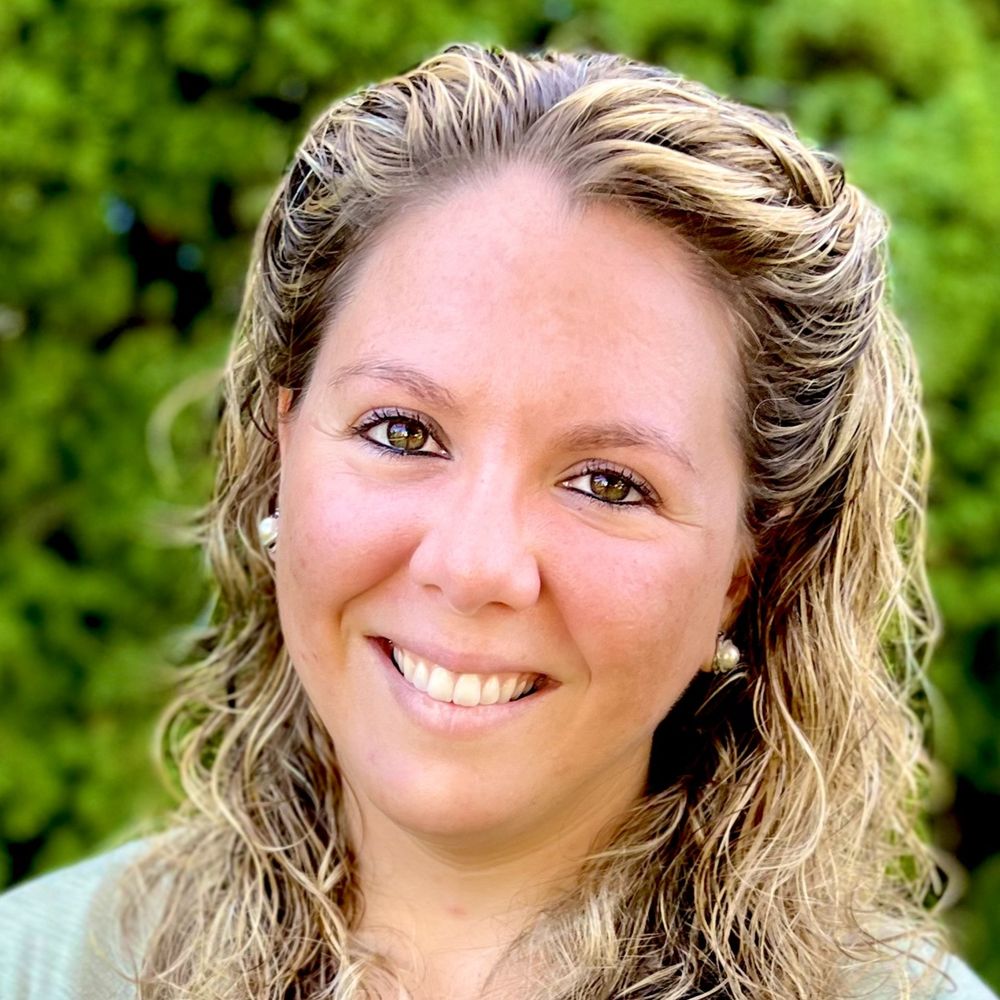
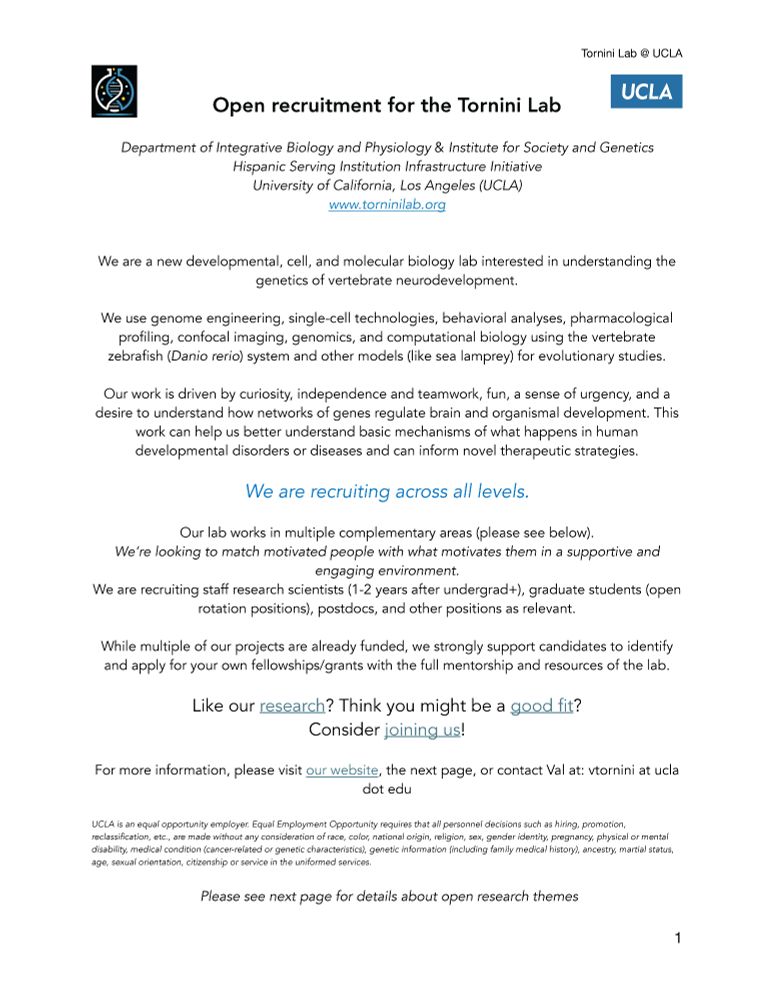
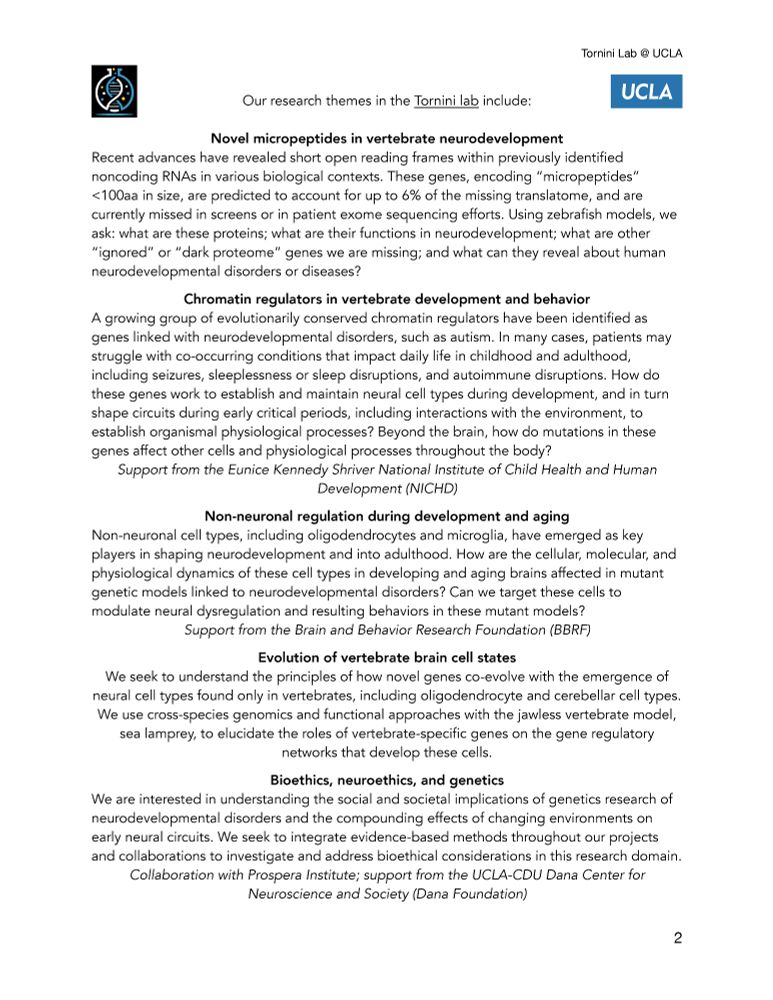
We are openly recruiting at all levels at the Tornini Lab at the University of California, Los Angeles (UCLA)!
Please share with your networks. For more information, please check the info below, visit www.torninilab.org, or email me directly at vtornini at ucla dot edu. Thank you in advance!
Please share with your networks. For more information, please check the info below, visit www.torninilab.org, or email me directly at vtornini at ucla dot edu. Thank you in advance!
December 9, 2024 at 8:48 PM
We are openly recruiting at all levels at the Tornini Lab at the University of California, Los Angeles (UCLA)!
Please share with your networks. For more information, please check the info below, visit www.torninilab.org, or email me directly at vtornini at ucla dot edu. Thank you in advance!
Please share with your networks. For more information, please check the info below, visit www.torninilab.org, or email me directly at vtornini at ucla dot edu. Thank you in advance!
Reposted by astrakhan.bsky.social

Presented at #ASH24:
The addition of blinatumomab after induction chemotherapy in children with standard-risk disease of average or high risk of relapse significantly improved disease-free survival.
Full AALL1731 trial results: nej.md/49CVkc1
#medsky
The addition of blinatumomab after induction chemotherapy in children with standard-risk disease of average or high risk of relapse significantly improved disease-free survival.
Full AALL1731 trial results: nej.md/49CVkc1
#medsky

December 7, 2024 at 3:34 PM
Presented at #ASH24:
The addition of blinatumomab after induction chemotherapy in children with standard-risk disease of average or high risk of relapse significantly improved disease-free survival.
Full AALL1731 trial results: nej.md/49CVkc1
#medsky
The addition of blinatumomab after induction chemotherapy in children with standard-risk disease of average or high risk of relapse significantly improved disease-free survival.
Full AALL1731 trial results: nej.md/49CVkc1
#medsky
Reposted by astrakhan.bsky.social
Kausik Maiti from Parexel presents on secondary T-cell lymphoma (STCL) post-CAR T-cells. Risk of STCL post-BCMA/CD19 CAR T-cells reported by FDA in Nov 2023. Presented analysis examined RW data from pts treated w/ axi-cel or tisa-cel to examine STCL w/in 1 year of CAR T-cells. 1/x #ASH24 #cart


December 8, 2024 at 8:57 PM
Reposted by astrakhan.bsky.social
This just confirms that Bluesky is much more friendly to posting lynx.

If you're cold, they're cold, let them in.
(This is how I die.)
(This is how I die.)

December 7, 2024 at 2:47 AM
This just confirms that Bluesky is much more friendly to posting lynx.
Reposted by astrakhan.bsky.social

New paper:
We show that population exposure to colibactin producing E. coli lineages ST95 and ST73 largely explains global variation in colorectal cancer incidence. Same STs are also major causes of UTIs and may be similarly involved in urinary tract cancers.
www.sciencedirect.com/science/arti...
We show that population exposure to colibactin producing E. coli lineages ST95 and ST73 largely explains global variation in colorectal cancer incidence. Same STs are also major causes of UTIs and may be similarly involved in urinary tract cancers.
www.sciencedirect.com/science/arti...
Geographical variation in the incidence of colorectal cancer and urinary tract cancer is associated with population exposure to colibactin-producing Escherichia coli
Biomedical research has implicated the bacterial metabolite colibactin as a causal risk factor for several cancer types, in particular, colorectal can…
www.sciencedirect.com
December 5, 2024 at 9:04 AM
New paper:
We show that population exposure to colibactin producing E. coli lineages ST95 and ST73 largely explains global variation in colorectal cancer incidence. Same STs are also major causes of UTIs and may be similarly involved in urinary tract cancers.
www.sciencedirect.com/science/arti...
We show that population exposure to colibactin producing E. coli lineages ST95 and ST73 largely explains global variation in colorectal cancer incidence. Same STs are also major causes of UTIs and may be similarly involved in urinary tract cancers.
www.sciencedirect.com/science/arti...
Reposted by astrakhan.bsky.social
Could one envision a synthetic receptor technology that is fully programmable, able to detect diverse extracellular antigens – both soluble and cell-attached – and convert that recognition into a wide range of intracellular responses, from gene expression and real-time fluorescence to modulation..
December 4, 2024 at 4:05 PM
Could one envision a synthetic receptor technology that is fully programmable, able to detect diverse extracellular antigens – both soluble and cell-attached – and convert that recognition into a wide range of intracellular responses, from gene expression and real-time fluorescence to modulation..
Reposted by astrakhan.bsky.social
Not checking nuclear markers like MALAT1 or intronic reads in your scRNA-seq data?🚨
We show their power to flag low-quality cells—even in top public datasets. It’s time to prioritize better QC for cleaner, more reliable genomics research!
Read more: bmcgenomics.biomedcentral.com/articles/10....
1/8
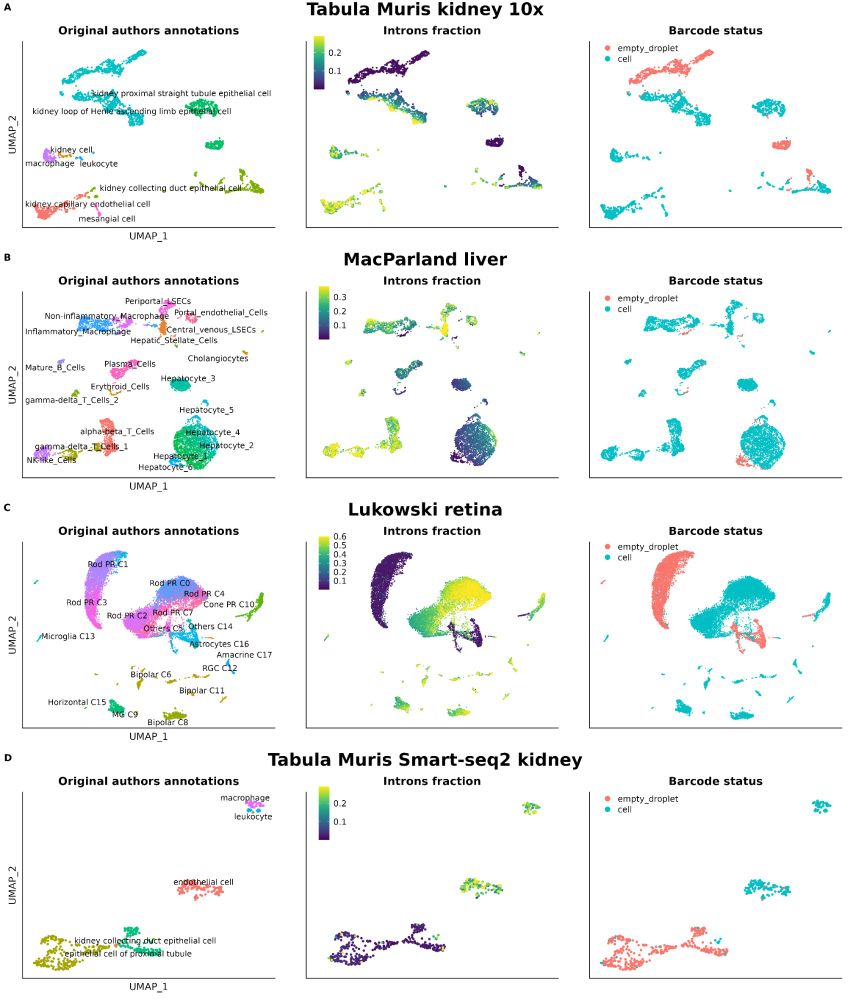
High content of nuclei-free low-quality cells in reference single-cell atlases: a call for more stringent quality control using nuclear fraction - BMC Genomics
The advent of droplet-based single-cell RNA-sequencing (scRNA-seq) has dramatically increased data throughput, enabling the release of a diverse array of tissue cell atlases to the public. However, we...
bmcgenomics.biomedcentral.com
December 3, 2024 at 8:38 AM
Not checking nuclear markers like MALAT1 or intronic reads in your scRNA-seq data?🚨
We show their power to flag low-quality cells—even in top public datasets. It’s time to prioritize better QC for cleaner, more reliable genomics research!
Read more: bmcgenomics.biomedcentral.com/articles/10....
1/8
Reposted by astrakhan.bsky.social

In one of the strangest chapters of my life, I spent several months in the trenches of Big Headlight, looking to understand just how and why headlights became brighter than the sun. Answers, graphs, penis sketches—it's all here, on the brand new Ringer site:
www.theringer.com/2024/12/03/t...
www.theringer.com/2024/12/03/t...

Asleep at the Wheel in the Headlight Brightness Wars
The crusade against bright headlights has picked up speed in recent years, in large part due to a couple of Reddit nerds. Could they know what’s best for the auto industry better than the auto industr...
www.theringer.com
December 3, 2024 at 6:37 PM
In one of the strangest chapters of my life, I spent several months in the trenches of Big Headlight, looking to understand just how and why headlights became brighter than the sun. Answers, graphs, penis sketches—it's all here, on the brand new Ringer site:
www.theringer.com/2024/12/03/t...
www.theringer.com/2024/12/03/t...
Reposted by astrakhan.bsky.social
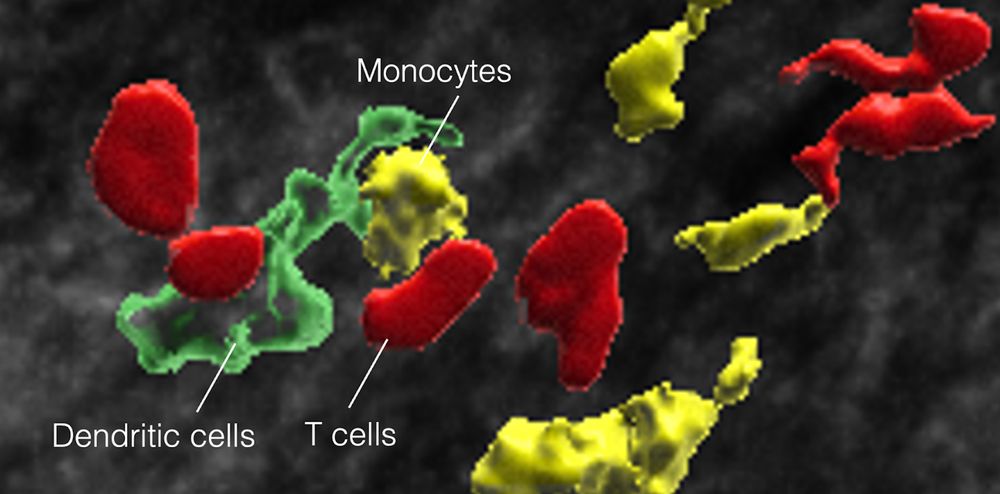
1/23 Big news for the #ObenaufLab! So excited to finally share our new study providing another puzzle piece, why immunotherapy fails in many tumors, now out in @Nature 🧵👇 www.nature.com/articles/s41...
November 27, 2024 at 5:58 PM
1/23 Big news for the #ObenaufLab! So excited to finally share our new study providing another puzzle piece, why immunotherapy fails in many tumors, now out in @Nature 🧵👇 www.nature.com/articles/s41...
Reposted by astrakhan.bsky.social

[sign in the Terminator's kitchen]
come with me if you want to live, laugh, love
come with me if you want to live, laugh, love
November 26, 2024 at 5:47 AM
[sign in the Terminator's kitchen]
come with me if you want to live, laugh, love
come with me if you want to live, laugh, love
Reposted by astrakhan.bsky.social
www.nature.com/articles/s41...
Sharing our latest review article to highlight the importance of appropriately developing combination strategies for immune checkpoint therapy. Grateful for working with 3 brilliant scientists: Sangeeta Goswami, Kristen Pauken & Linghua Wang
Sharing our latest review article to highlight the importance of appropriately developing combination strategies for immune checkpoint therapy. Grateful for working with 3 brilliant scientists: Sangeeta Goswami, Kristen Pauken & Linghua Wang
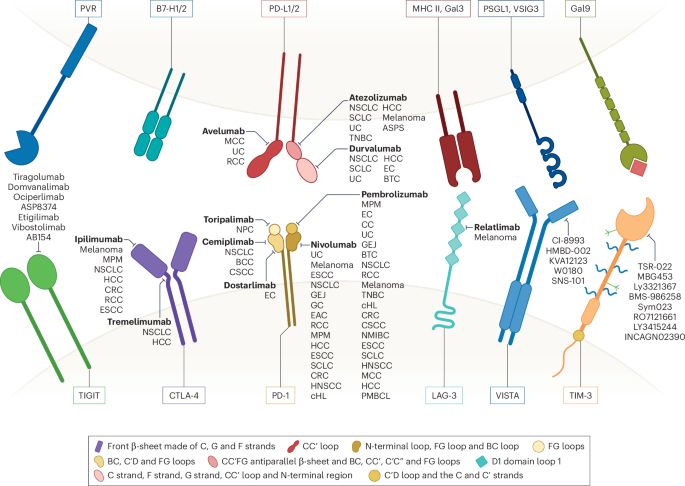
Next-generation combination approaches for immune checkpoint therapy - Nature Immunology
In this Review, Sharma and colleagues describe the current landscape of combination therapies and discuss requirements for the development of effective combination strategies.
www.nature.com
November 25, 2024 at 8:43 PM
www.nature.com/articles/s41...
Sharing our latest review article to highlight the importance of appropriately developing combination strategies for immune checkpoint therapy. Grateful for working with 3 brilliant scientists: Sangeeta Goswami, Kristen Pauken & Linghua Wang
Sharing our latest review article to highlight the importance of appropriately developing combination strategies for immune checkpoint therapy. Grateful for working with 3 brilliant scientists: Sangeeta Goswami, Kristen Pauken & Linghua Wang
Reposted by astrakhan.bsky.social
🎨 In case anyone need…
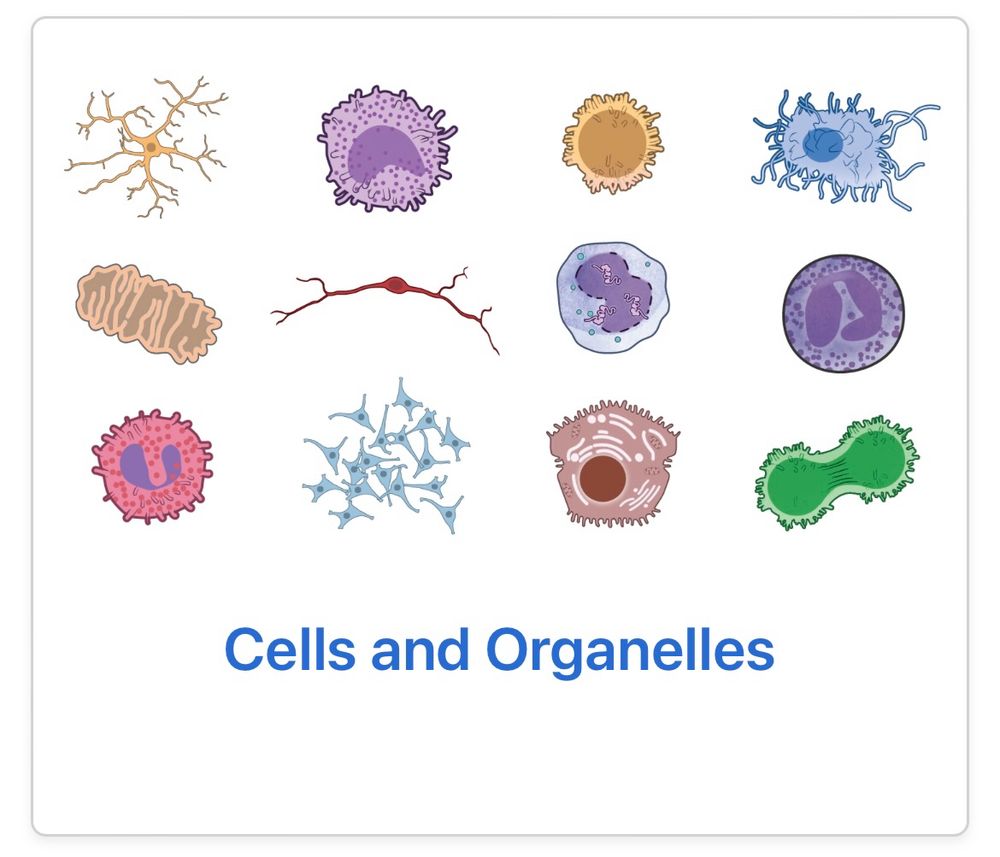
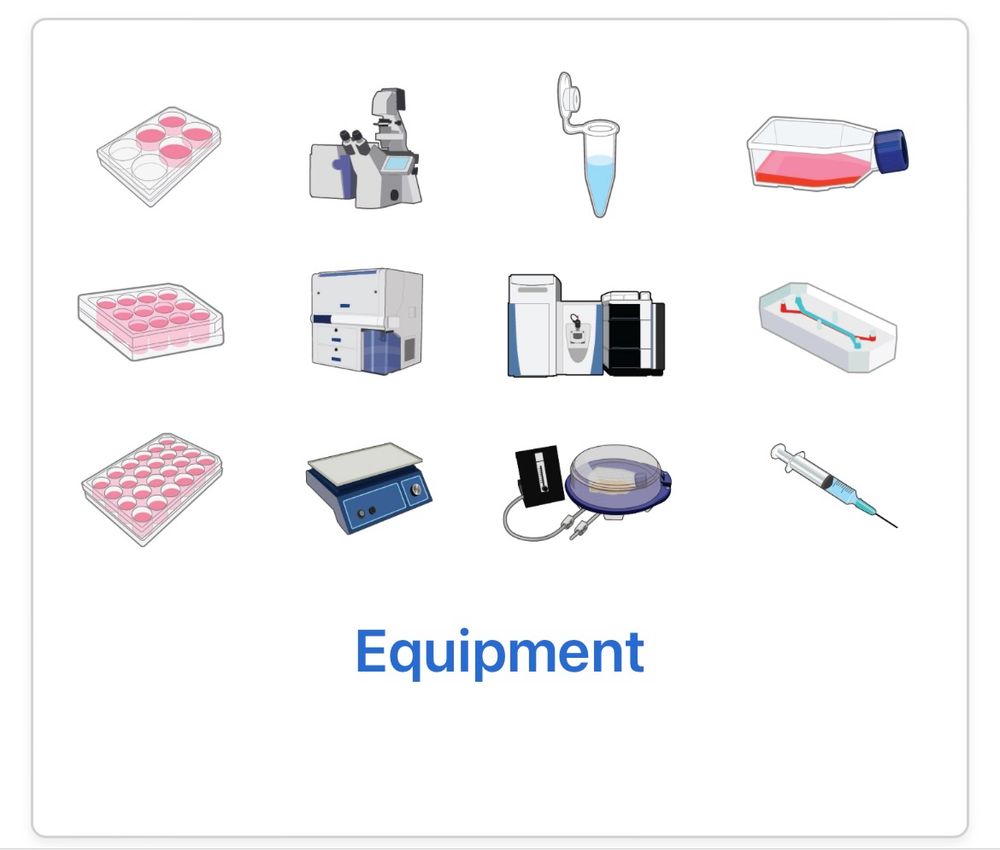
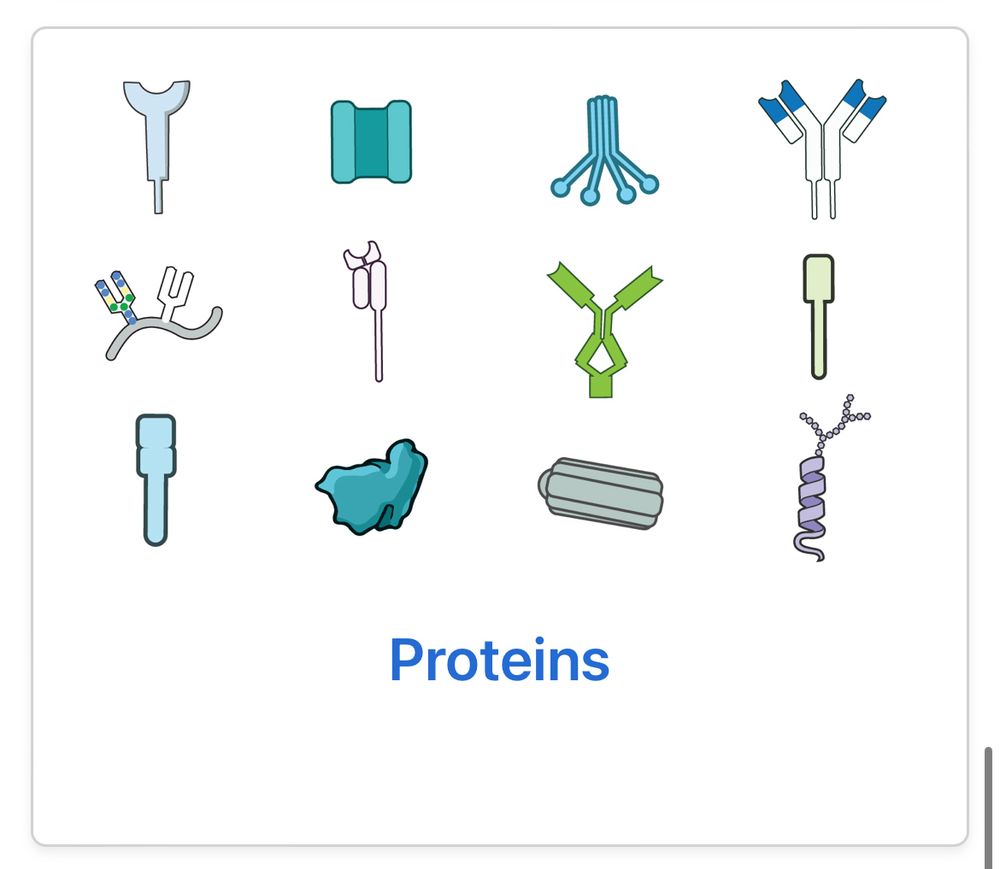
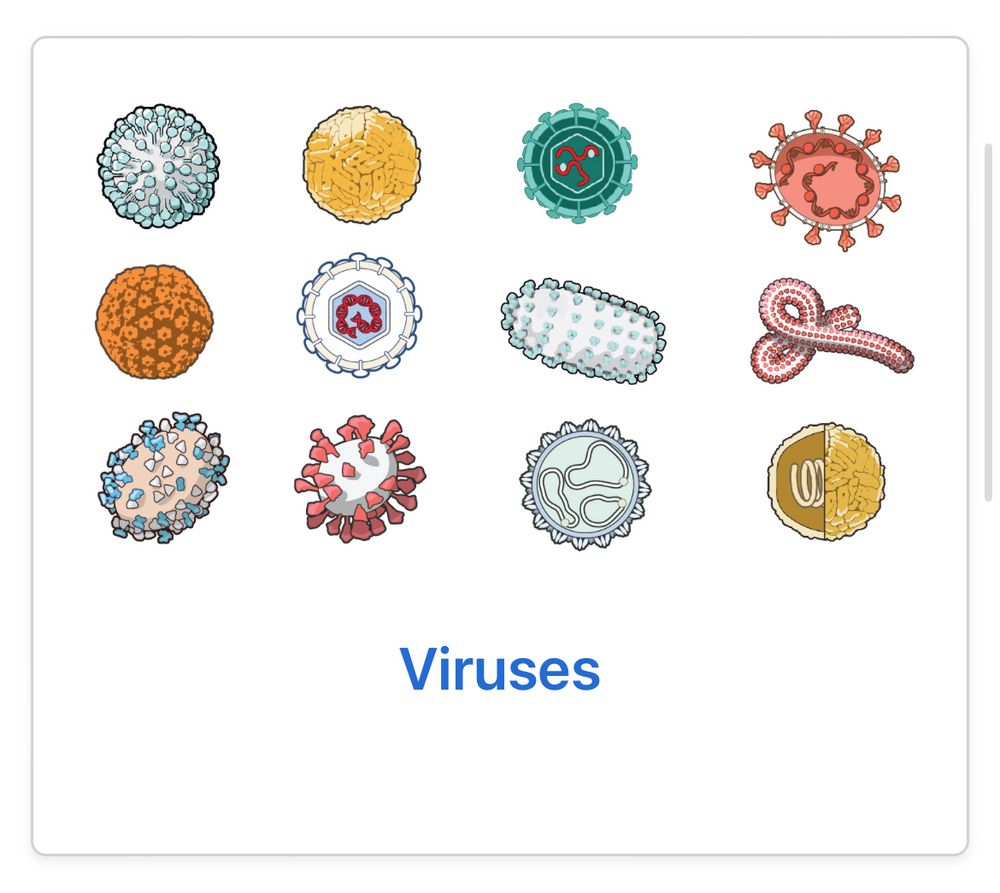
The NIH BioArt Source is an awesome library of *free* professionally drawn illustrations for scientific presentations or figures. Downloadable in HD. Thank you NIH for this invaluable tool 🙏!
Check it out 👇
bioart.niaid.nih.gov
The NIH BioArt Source is an awesome library of *free* professionally drawn illustrations for scientific presentations or figures. Downloadable in HD. Thank you NIH for this invaluable tool 🙏!
Check it out 👇
bioart.niaid.nih.gov
November 23, 2024 at 3:50 PM
🎨 In case anyone need…
The NIH BioArt Source is an awesome library of *free* professionally drawn illustrations for scientific presentations or figures. Downloadable in HD. Thank you NIH for this invaluable tool 🙏!
Check it out 👇
bioart.niaid.nih.gov
The NIH BioArt Source is an awesome library of *free* professionally drawn illustrations for scientific presentations or figures. Downloadable in HD. Thank you NIH for this invaluable tool 🙏!
Check it out 👇
bioart.niaid.nih.gov