




Irene Hames
@irenehames.bsky.social
Retired journal editor, still interested in seeing the highest standards maintained in research integrity, research publication, peer review and publication ethics. Book on peer review.
https://orcid.org/0000-0002-3806-8786
https://orcid.org/0000-0002-3806-8786
Pinned
Irene Hames
@irenehames.bsky.social
· Dec 4

How to recognise potential manipulation of the peer review process
How to recognise potential manipulation of the peer review process.
publicationethics.org
Fake peer review: @retractionwatch.com has lots of examples, COPE (Committee on Publication Ethics) has guidance on helping recognise it and features/patterns of questionable reviewer activity
publicationethics.org/resources/fl...
#PeerReview #PublicationEthics #FakePeerReview #ResearchIntegrity
publicationethics.org/resources/fl...
#PeerReview #PublicationEthics #FakePeerReview #ResearchIntegrity
Excellent post, many important points made, including
“… credit is the engine of the system. Without it, data sharing becomes either altruism or compliance. And compliance has a predictable failure mode: it optimises for the minimum required output.”
“… credit is the engine of the system. Without it, data sharing becomes either altruism or compliance. And compliance has a predictable failure mode: it optimises for the minimum required output.”

The institutions that embrace machine-first FAIR will find themselves having more impact for their research and researchers.
More reuse. More trust. More interoperability.
Value, not volume.
www.digital-science.com/blog/2026/02...
More reuse. More trust. More interoperability.
Value, not volume.
www.digital-science.com/blog/2026/02...

Value over Volume: The Next Ten Years of Open Data - Digital Science
Mark Hahnel shares the open data wins of the past decade, the challenges, and the future of data sharing.
www.digital-science.com
February 4, 2026 at 10:31 AM
Excellent post, many important points made, including
“… credit is the engine of the system. Without it, data sharing becomes either altruism or compliance. And compliance has a predictable failure mode: it optimises for the minimum required output.”
“… credit is the engine of the system. Without it, data sharing becomes either altruism or compliance. And compliance has a predictable failure mode: it optimises for the minimum required output.”
Reposted by Irene Hames
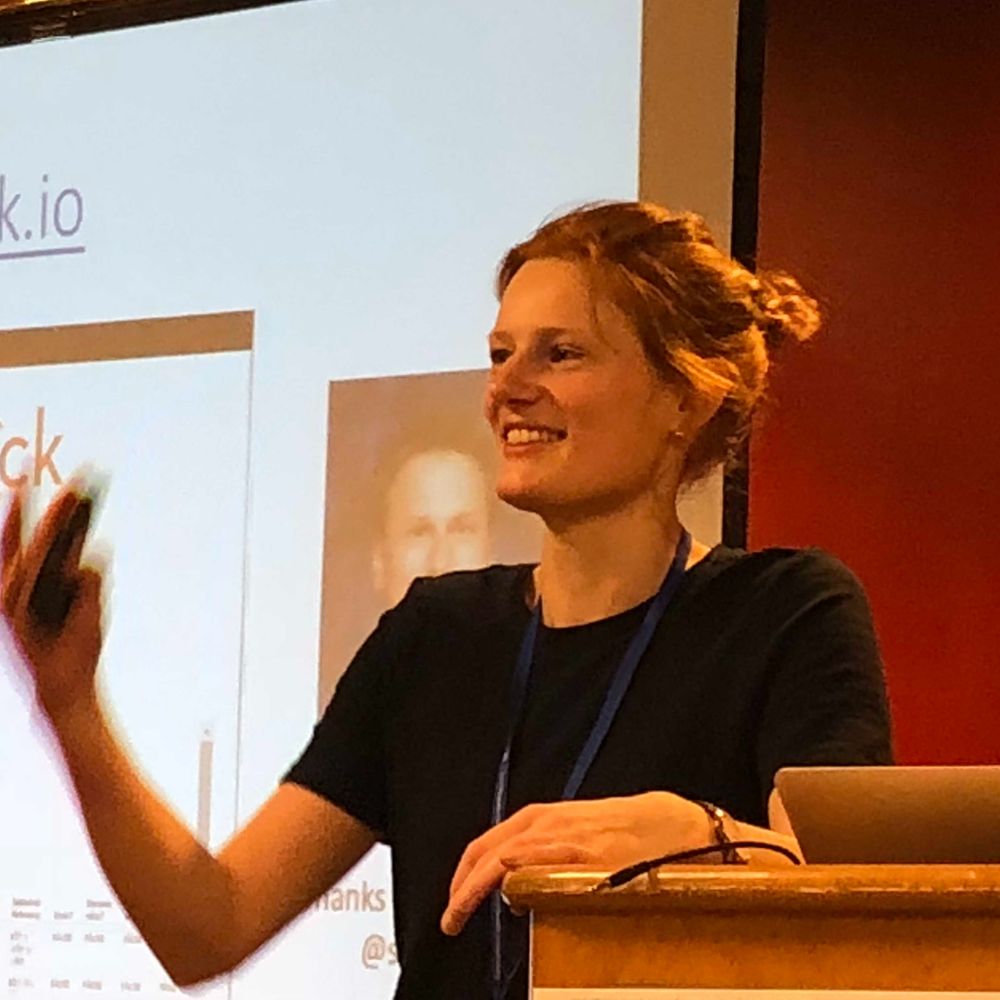
I wrote a blog for the Meta-Research Center expressing my infinite frustration about not getting data. What else is new, you might think? Well, I added an extra layer of annoyance directed at the journals who do NOTHING to enforce promised data sharing.
metaresearch.nl/blog/2026/2/...
metaresearch.nl/blog/2026/2/...
Promised Data Unavailable? – I’m Sorry, Ma’am, There’s Nothing We Can Do — Meta-Research Center
This blogpost has been written by Michèle Nuijten. Michèle is an assistant professor of our research group who investigates reproducibility and replicability in psychology. Also, she is the developer ...
metaresearch.nl
February 3, 2026 at 3:03 PM
I wrote a blog for the Meta-Research Center expressing my infinite frustration about not getting data. What else is new, you might think? Well, I added an extra layer of annoyance directed at the journals who do NOTHING to enforce promised data sharing.
metaresearch.nl/blog/2026/2/...
metaresearch.nl/blog/2026/2/...
Reposted by Irene Hames

'to treat peer review as a throughput problem is to misunderstand what is at stake. Review is not simply a production stage in the research pipeline; it is one of the few remaining spaces where the scientific community talks to itself.' 1/3

AI is not a peer, so it can’t do peer review
If we still believe that science is a vocation grounded in argument, curiosity and care, we can’t delegate judgement to machines, says Akhil Bhardwaj
www.timeshighereducation.com
February 3, 2026 at 8:17 AM
'to treat peer review as a throughput problem is to misunderstand what is at stake. Review is not simply a production stage in the research pipeline; it is one of the few remaining spaces where the scientific community talks to itself.' 1/3
Reposted by Irene Hames
Facts on peptides
erictopol.substack.com/p/the-peptid...
erictopol.substack.com/p/the-peptid...

The Peptide Craze
The Surge in Use of Off-Label and Non-FDA Approved Peptides
erictopol.substack.com
January 27, 2026 at 5:22 PM
Facts on peptides
erictopol.substack.com/p/the-peptid...
erictopol.substack.com/p/the-peptid...
This 💯! Especially important if there is ever a #researchintegrity or #publicationintegrity challenge or investigation
#GenerativeAI issues aside, there is a lesson here about data management and security in research
Institutional data management/information governance tools & policies might be awkward/clunky/old etc - but they exist to provide secure and verified ways to store *all* research data and notes
Institutional data management/information governance tools & policies might be awkward/clunky/old etc - but they exist to provide secure and verified ways to store *all* research data and notes

After turning off ChatGPT’s ‘data consent’ option, Marcel Bucher lost the work behind grant applications, teaching materials and publication drafts
go.nature.com/4qLPpcb
go.nature.com/4qLPpcb
January 23, 2026 at 11:58 AM
This 💯! Especially important if there is ever a #researchintegrity or #publicationintegrity challenge or investigation
Reposted by Irene Hames

This is a fantastic conference for anyone involved in research and/or its communication #R2RConf

#R2RConf Participant numbers for 24-25 February in London are booming, with registrations about 15% higher than this time in 2025 and 2024. But some tickets are still available.
r2rconf.com/r2r-conferen...
r2rconf.com/r2r-conferen...

January 22, 2026 at 11:09 AM
This is a fantastic conference for anyone involved in research and/or its communication #R2RConf

Reposted by Irene Hames

I've just updated my preprint on short personal reviews of novels on #ResearchIntegrity , which now covers 35 titles. bit.ly/409E5ff
Please attend me to novels which you believe to belong to this list, but are not yet included.
Please attend me to novels which you believe to belong to this list, but are not yet included.

January 14, 2026 at 7:25 AM
I've just updated my preprint on short personal reviews of novels on #ResearchIntegrity , which now covers 35 titles. bit.ly/409E5ff
Please attend me to novels which you believe to belong to this list, but are not yet included.
Please attend me to novels which you believe to belong to this list, but are not yet included.

After a period of inactivity, we are reactivating this account as a primary channel for connecting with the research community.
We'll be sharing new outputs, our latest guidance, and commentary on all things research integrity. Give us a follow and join the conversation💬
We'll be sharing new outputs, our latest guidance, and commentary on all things research integrity. Give us a follow and join the conversation💬
January 18, 2026 at 1:27 PM
Reposted by Irene Hames
History is a great teacher.
In this piece our own @heidiledford.bsky.social looks at what we can learn from what happened in Japan when vaccine support was withdrawn and how the government is now working to reverse the effects 🧪
#MedSky
www.nature.com/articles/d41...
In this piece our own @heidiledford.bsky.social looks at what we can learn from what happened in Japan when vaccine support was withdrawn and how the government is now working to reverse the effects 🧪
#MedSky
www.nature.com/articles/d41...

How do vaccine cutbacks affect public health? Ask Japan
As Robert F. Kennedy Jr slashes the US childhood vaccine roster, Japan is racing to make up for lost ground after decades of setbacks.
www.nature.com
January 18, 2026 at 9:04 AM
History is a great teacher.
In this piece our own @heidiledford.bsky.social looks at what we can learn from what happened in Japan when vaccine support was withdrawn and how the government is now working to reverse the effects 🧪
#MedSky
www.nature.com/articles/d41...
In this piece our own @heidiledford.bsky.social looks at what we can learn from what happened in Japan when vaccine support was withdrawn and how the government is now working to reverse the effects 🧪
#MedSky
www.nature.com/articles/d41...
Reposted by Irene Hames
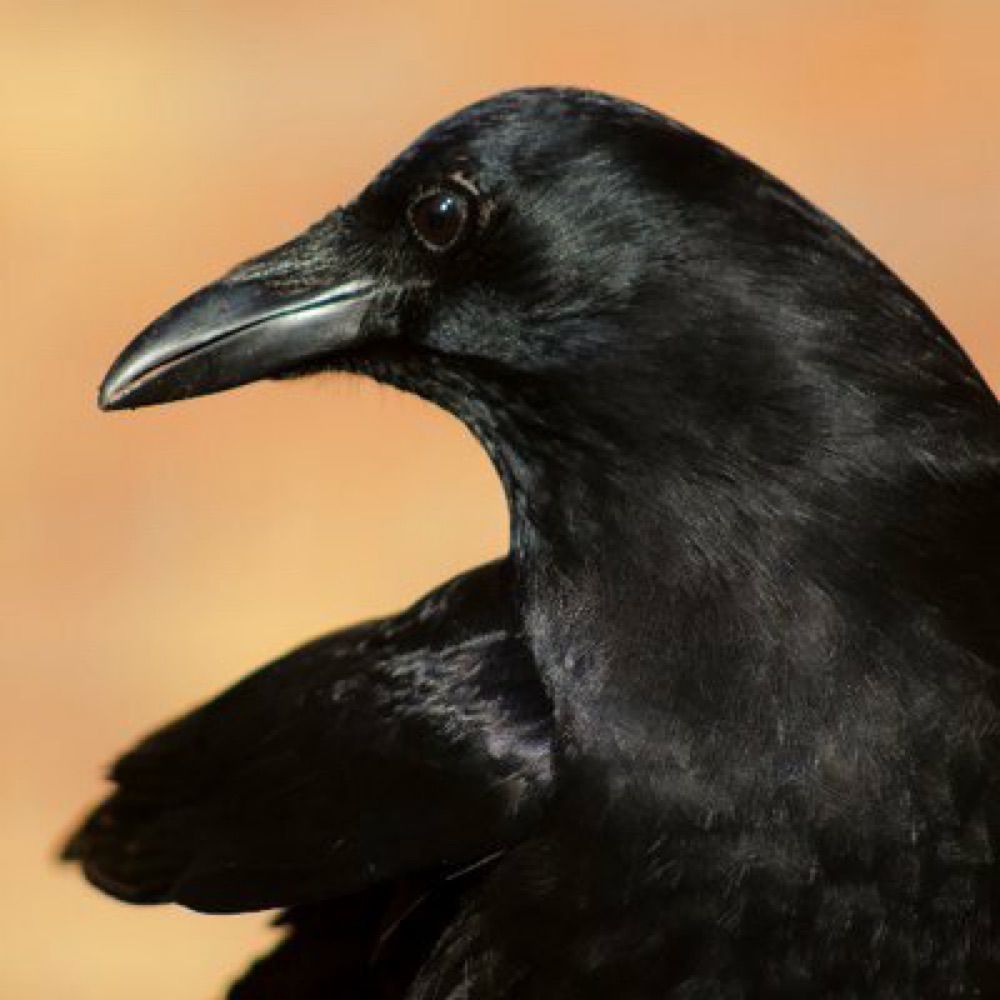
Do you study disinformation or want to start working in that area?
Come to the DSI June 15-18th with @cailinmeister.bsky.social, @katestarbird.bsky.social, @jevinwest.bsky.social, @rcalo.bsky.social, @naomioreskes.bsky.social, @emmaspiro.bsky.social, and many more.
disinfoinstitute.org
Come to the DSI June 15-18th with @cailinmeister.bsky.social, @katestarbird.bsky.social, @jevinwest.bsky.social, @rcalo.bsky.social, @naomioreskes.bsky.social, @emmaspiro.bsky.social, and many more.
disinfoinstitute.org

Disinformation Summer Institute (DSI) - Disinformation Summer Institute
Disinformation Disinformation is false or misleading information created and spread to advance policy, political, economic or ideological goals. It is sometimes used by industries, governments, and ot...
disinfoinstitute.org
January 17, 2026 at 11:47 AM
Do you study disinformation or want to start working in that area?
Come to the DSI June 15-18th with @cailinmeister.bsky.social, @katestarbird.bsky.social, @jevinwest.bsky.social, @rcalo.bsky.social, @naomioreskes.bsky.social, @emmaspiro.bsky.social, and many more.
disinfoinstitute.org
Come to the DSI June 15-18th with @cailinmeister.bsky.social, @katestarbird.bsky.social, @jevinwest.bsky.social, @rcalo.bsky.social, @naomioreskes.bsky.social, @emmaspiro.bsky.social, and many more.
disinfoinstitute.org
Reposted by Irene Hames

I used to blog my reading of papers on #ResearchIntegrity training and here's my little inexpert grumble (as a practitioner) about people who write about Research Integrity training (or possibly any sort of training!) researchintegritytraining.wordpress.com/2022/02/02/1...

15 requests for anyone researching Research Integrity training
I have been blogging my reading of research papers on Research Integrity training since 2020. I would file this area of research under “Education”, a social science, so it is important …
researchintegritytraining.wordpress.com
January 9, 2026 at 8:34 AM
I used to blog my reading of papers on #ResearchIntegrity training and here's my little inexpert grumble (as a practitioner) about people who write about Research Integrity training (or possibly any sort of training!) researchintegritytraining.wordpress.com/2022/02/02/1...

Reposted by Irene Hames

I really admire the work of this team, on an ongoing basis. They provide numbers and evidence for research integrity concerns that we have been seeing for quite a few years. And so many academics seem to prefer to ignore the issues and continue to support predatory-like publishing. 👏⬇️

We've got ISSUES. Literally.
We scraped >100k special issues & over 1 million articles to bring you a PISS-poor paper. We quantify just how many excess papers are published by guest editors abusing special issues to boost their CVs. How bad is it & what can we do?
arxiv.org/abs/2601.07563
A 🧵 1/n
We scraped >100k special issues & over 1 million articles to bring you a PISS-poor paper. We quantify just how many excess papers are published by guest editors abusing special issues to boost their CVs. How bad is it & what can we do?
arxiv.org/abs/2601.07563
A 🧵 1/n


January 15, 2026 at 2:33 AM
I really admire the work of this team, on an ongoing basis. They provide numbers and evidence for research integrity concerns that we have been seeing for quite a few years. And so many academics seem to prefer to ignore the issues and continue to support predatory-like publishing. 👏⬇️
Reposted by Irene Hames

Why scholarly publishing needs a neutral governance body for the AI age
#ScholarlyPublishing #Research #AI #GenAI #WCRI2026 #WCRI
www.researchinformation.info/analysis-opi...
#ScholarlyPublishing #Research #AI #GenAI #WCRI2026 #WCRI
www.researchinformation.info/analysis-opi...

Why scholarly publishing needs a neutral governance body for the AI age - Research Information
Darrell Gunter says mechanisms that governed trust, correction, and authority in the print and early digital eras are no longer sufficient
www.researchinformation.info
January 15, 2026 at 4:26 AM
Why scholarly publishing needs a neutral governance body for the AI age
#ScholarlyPublishing #Research #AI #GenAI #WCRI2026 #WCRI
www.researchinformation.info/analysis-opi...
#ScholarlyPublishing #Research #AI #GenAI #WCRI2026 #WCRI
www.researchinformation.info/analysis-opi...
Reposted by Irene Hames

If you've ever wondered about the infrastructure behind the Internet Archive and the Wayback Machine, check out this teardown ➡️ hackernoon.com/the-long-now...

January 13, 2026 at 6:26 PM
If you've ever wondered about the infrastructure behind the Internet Archive and the Wayback Machine, check out this teardown ➡️ hackernoon.com/the-long-now...
Endogeny: the practice of a guest editor publishing a non-editorial article in their own special issue
Important ‘special issue endogeny’ dataset of >100,000 guest-edited collections with nearly 1 million papers has been created and analysed, with some jaw-dropping results 1/2
#PublicationIntegrity
Important ‘special issue endogeny’ dataset of >100,000 guest-edited collections with nearly 1 million papers has been created and analysed, with some jaw-dropping results 1/2
#PublicationIntegrity

The Issue with Special Issues: when Guest Editors Publish in Support of Self
The recent exceptional growth in the number of special issues has led to the largest delegation of editorial power in the history of scientific publishing. Has this power been used responsibly? In thi...
arxiv.org
January 13, 2026 at 3:45 PM
Endogeny: the practice of a guest editor publishing a non-editorial article in their own special issue
Important ‘special issue endogeny’ dataset of >100,000 guest-edited collections with nearly 1 million papers has been created and analysed, with some jaw-dropping results 1/2
#PublicationIntegrity
Important ‘special issue endogeny’ dataset of >100,000 guest-edited collections with nearly 1 million papers has been created and analysed, with some jaw-dropping results 1/2
#PublicationIntegrity
Reposted by Irene Hames

🎉 Today is the birthday of Professor Archibald Cochrane, a Scottish medical researcher who greatly influenced the development of epidemiology, the study of how often diseases occur in different groups of people and why.
Find out more about him and the development of our logo here👇
Find out more about him and the development of our logo here👇

Our name and logo | Cochrane
Archie Cochrane and the meaning behind our logo
www.cochrane.org
January 12, 2026 at 12:01 PM
🎉 Today is the birthday of Professor Archibald Cochrane, a Scottish medical researcher who greatly influenced the development of epidemiology, the study of how often diseases occur in different groups of people and why.
Find out more about him and the development of our logo here👇
Find out more about him and the development of our logo here👇
Very good essay
@profcarlrhodes.bsky.social & Martina Linnenluecke describe a set of overlapping trends in academic research publication reinforcing one another to create “a downward spiral into junkification”
#AcademicPublication #AcademicPublishing #PublicationIntegrity #ResearchIntegrity
@profcarlrhodes.bsky.social & Martina Linnenluecke describe a set of overlapping trends in academic research publication reinforcing one another to create “a downward spiral into junkification”
#AcademicPublication #AcademicPublishing #PublicationIntegrity #ResearchIntegrity

The junkification of research - Carl Rhodes, Martina K Linnenluecke, 2025
This essay considers the emergent phenomenon of ‘junkification’ in academic research publishing. The term junkification was originally coined to describe the in...
doi.org
January 11, 2026 at 2:14 PM
Very good essay
@profcarlrhodes.bsky.social & Martina Linnenluecke describe a set of overlapping trends in academic research publication reinforcing one another to create “a downward spiral into junkification”
#AcademicPublication #AcademicPublishing #PublicationIntegrity #ResearchIntegrity
@profcarlrhodes.bsky.social & Martina Linnenluecke describe a set of overlapping trends in academic research publication reinforcing one another to create “a downward spiral into junkification”
#AcademicPublication #AcademicPublishing #PublicationIntegrity #ResearchIntegrity
Reposted by Irene Hames

New Year, new #Bluesky user?
Interested in #ResearchIntegrity & looking to connect with others on @bsky.app?
Here are two #StarterPacks covering people connected with research integrity & there's still space so please share suggestions or wave to be added!
go.bsky.app/QN5upY5
go.bsky.app/5NJ9Z4N
Interested in #ResearchIntegrity & looking to connect with others on @bsky.app?
Here are two #StarterPacks covering people connected with research integrity & there's still space so please share suggestions or wave to be added!
go.bsky.app/QN5upY5
go.bsky.app/5NJ9Z4N
January 7, 2026 at 11:14 AM
New Year, new #Bluesky user?
Interested in #ResearchIntegrity & looking to connect with others on @bsky.app?
Here are two #StarterPacks covering people connected with research integrity & there's still space so please share suggestions or wave to be added!
go.bsky.app/QN5upY5
go.bsky.app/5NJ9Z4N
Interested in #ResearchIntegrity & looking to connect with others on @bsky.app?
Here are two #StarterPacks covering people connected with research integrity & there's still space so please share suggestions or wave to be added!
go.bsky.app/QN5upY5
go.bsky.app/5NJ9Z4N
Reposted by Irene Hames
Weekend reads: Evaluating the benefits of open science, a misconduct investigation in Korea, and what we lose in outsourcing reviews to AI

Weekend reads: Evaluating the benefits of open science, a misconduct investigation in Korea, and what we lose in outsourcing reviews to AI
Happy 2026! We’re excited to bring you the first Weekend Reads of the new year. The week at Retraction Watch featured: The BMJ retracts clinical trial for ‘severe’ discrepancies in rand…
retractionwatch.com
January 3, 2026 at 2:17 PM
Weekend reads: Evaluating the benefits of open science, a misconduct investigation in Korea, and what we lose in outsourcing reviews to AI
Reposted by Irene Hames

A tape measure, a metal detector and a spirit level: 25 surprisingly useful things you can do with your phone

A tape measure, a metal detector and a spirit level: 25 surprisingly useful things you can do with your phone
While many use our phones predominantly to doomscroll, smartphones have a range of little-known functions that could make life better and easier – from heart monitoring to even developing camera film
www.theguardian.com
December 21, 2025 at 1:53 PM
A tape measure, a metal detector and a spirit level: 25 surprisingly useful things you can do with your phone
Reposted by Irene Hames

Writing is thinking - a short but memorable thread.
I've spent all day struggling to write a single page of a popular science article. I bang away at a word processor; give up; start diagramming on paper. Take some notes; draft a few sentences in pen; return to the computer...and very slowly I figure out what I was trying to say in the first place.
December 17, 2025 at 7:37 AM
Writing is thinking - a short but memorable thread.
Fascinating article from @uk.theconversation.com on how ‘words of the year’ are chosen!

Slop, vibe coding and glazing: AI dominates 2025’s words of the year
Significant time is spent on tracking the usage of words throughout the year before making decisions on contenders.
theconversation.com
December 17, 2025 at 11:13 AM
Fascinating article from @uk.theconversation.com on how ‘words of the year’ are chosen!
#PublicGoodCuration an important concept. This guide from @senseaboutsci.bsky.social & @sagepub.com an important step in developing a framework to help not just the public but other specialists and curators distinguish reliable information from the rising tide of misinformation & disinformation.

Celebrating Public-Good Curators: An Interview with Tracey Brown and Camille Gamboa - The Scholarly Kitchen
Who are public-good curators and how can they help improve public trust in science? Learn more in this interview with Tracey Brown (Sense about Science) and Camille Gamboa (Sage) about their recently ...
scholarlykitchen.sspnet.org
December 16, 2025 at 1:33 PM
#PublicGoodCuration an important concept. This guide from @senseaboutsci.bsky.social & @sagepub.com an important step in developing a framework to help not just the public but other specialists and curators distinguish reliable information from the rising tide of misinformation & disinformation.