



Enrique Ortega-Forte
@eortegaforte.bsky.social
Postdoc in chemical biology at the Technical University of Denmark
Reposted by Enrique Ortega-Forte

Excited to share our new paper and lipid- and protein-directed photocatalytic labeling method (POCA) just out in @natchembio.nature.com. tinyurl.com/2kcxuvvv. Big congrats to first author Andrew Becker and the whole team for launching our lab into the wild world of singlet oxygen interactomics.

February 6, 2026 at 8:18 PM
Excited to share our new paper and lipid- and protein-directed photocatalytic labeling method (POCA) just out in @natchembio.nature.com. tinyurl.com/2kcxuvvv. Big congrats to first author Andrew Becker and the whole team for launching our lab into the wild world of singlet oxygen interactomics.
Reposted by Enrique Ortega-Forte

Thrilled to share our latest study, led by @reikatei.bsky.social, in @natchembio.nature.com! We began by asking a simple question—how do cells know if they have too much of a lipid in a particular membrane, and how do they respond to rectify this imbalance?
www.nature.com/articles/s41...
More info 👇
www.nature.com/articles/s41...
More info 👇

Membrane editing with proximity labeling reveals regulators of lipid homeostasis - Nature Chemical Biology
Coupling an optogenetic lipid-modifying enzyme with proximity labeling reveals protein networks and mechanisms regulating lipid homeostasis in the membranes of target organelles.
www.nature.com
January 7, 2026 at 2:59 PM
Thrilled to share our latest study, led by @reikatei.bsky.social, in @natchembio.nature.com! We began by asking a simple question—how do cells know if they have too much of a lipid in a particular membrane, and how do they respond to rectify this imbalance?
www.nature.com/articles/s41...
More info 👇
www.nature.com/articles/s41...
More info 👇
Reposted by Enrique Ortega-Forte

It’s #WorldCancerDay! 🎗️ Antibody-drug conjugates are so-called "magic bullet" medicines that target cancer cells while sparing healthy ones. This graphic looks at how they work, their history, and their future: www.compoundchem.com/2026/02/04/a...
#ChemSky 🧪
#ChemSky 🧪

February 4, 2026 at 4:43 PM
It’s #WorldCancerDay! 🎗️ Antibody-drug conjugates are so-called "magic bullet" medicines that target cancer cells while sparing healthy ones. This graphic looks at how they work, their history, and their future: www.compoundchem.com/2026/02/04/a...
#ChemSky 🧪
#ChemSky 🧪
Reposted by Enrique Ortega-Forte
Check out our new chapter in Methods in Enzymology on inhibition of #sterol protein function! Here Hogan, Laura and Thomas describe in detail our assay cascade (including step-by-step protocols) to identify inhibitors of sterol transport proteins. (1/2) www.sciencedirect.com/science/chap...

Inhibition of sterol transport protein function
Intracellular sterol transport proteins (STPs) are key regulators of cholesterol homeostasis and potential drug targets in a broad range of diseases i…
www.sciencedirect.com
February 4, 2026 at 8:08 AM
Check out our new chapter in Methods in Enzymology on inhibition of #sterol protein function! Here Hogan, Laura and Thomas describe in detail our assay cascade (including step-by-step protocols) to identify inhibitors of sterol transport proteins. (1/2) www.sciencedirect.com/science/chap...
These are great recommendations for studying ROS.
Congrats Johannes!
Congrats Johannes!

Check out our perspective in J. Med. Chem. @acsmedi.bsky.social about the Limitations of DCFH-DA for the Detection of ROS and Recommendations for Probe Selection. @ruhr-uni-bochum.de dx.doi.org/10.1021/acs....

Reactive Oxygen Species Detection with Fluorescent Probes: Limitations and Recommendations beyond DCFH-DA
Reactive oxygen species (ROS) are highly reactive molecules derived from molecular oxygen that play critical roles in cellular signaling, homeostasis, and the regulation of various physiological and pathological processes. Accurate detection and quantification of ROS are essential for elucidating their roles in health and disease. Despite significant advances in ROS probe development, challenges persist due to their short lifetimes, high reactivity, and their chemical diversity. This perspective article provides a critical evaluation of the limitations of the most commonly applied probe molecule DCFH-DA. Capitalizing on this, recommendations with practical applications in the lab for the specific detection of hydrogen peroxide, hydroxyl radical, singlet oxygen, superoxide anion, and peroxynitrite are provided. By integrating current knowledge on ROS probe technologies, this work aims to guide researchers in reliably assessing ROS in complex biological systems, thereby facilitating a deeper understanding of ROS-mediated processes and their implications for disease research and therapeutic development.
dx.doi.org
February 3, 2026 at 8:31 AM
These are great recommendations for studying ROS.
Congrats Johannes!
Congrats Johannes!
Reposted by Enrique Ortega-Forte

Bempedoic acid produces direct PPARα activation as a key mechanism of BA action, providing a molecular basis for its lipid-lowering effects and suggesting broader therapeutic potential beyond the liver www.cell.com/cell-metabol...

Bempedoic acid directly binds and activates PPARα
Bempedoic acid is a recently approved drug that lowers cholesterol and lipids. Papa
et al. show that bempedoic acid directly binds to and activates PPARα to enhance fatty
acid oxidation, revealing the...
www.cell.com
January 27, 2026 at 12:40 AM
Bempedoic acid produces direct PPARα activation as a key mechanism of BA action, providing a molecular basis for its lipid-lowering effects and suggesting broader therapeutic potential beyond the liver www.cell.com/cell-metabol...
Reposted by Enrique Ortega-Forte

What if animals emerged by installing a new biological operating system that repurposed what already existed, much like the rise of the smartphone? Here's our new paper in @embojournal.org @ibe-barcelona.bsky.social @melisupf.bsky.social @sfiscience.bsky.social link.springer.com/article/10.1...

January 15, 2026 at 11:00 AM
What if animals emerged by installing a new biological operating system that repurposed what already existed, much like the rise of the smartphone? Here's our new paper in @embojournal.org @ibe-barcelona.bsky.social @melisupf.bsky.social @sfiscience.bsky.social link.springer.com/article/10.1...
Reposted by Enrique Ortega-Forte
Happy to share our latest paper in @rscmedchem.rsc.org as part of their 5-year anniversary collection! We carried out comprehensive SAR analysis of natural and synthetic analogues of the #Schweinfurthins, highly potent and selective inhibitors of #OSBP! (1/n) pubs.rsc.org/en/content/a...

Schweinfurthins and their analogues are highly selective cellular probes for oxysterol-binding protein (OSBP)
Schweinfurthins (SWs) are natural products isolated from the plant genus Macaranga which display a unique cytotoxicity profile in human cancer cell lines with low nanomolar potency. Their known target...
pubs.rsc.org
December 2, 2025 at 1:17 PM
Happy to share our latest paper in @rscmedchem.rsc.org as part of their 5-year anniversary collection! We carried out comprehensive SAR analysis of natural and synthetic analogues of the #Schweinfurthins, highly potent and selective inhibitors of #OSBP! (1/n) pubs.rsc.org/en/content/a...
Reposted by Enrique Ortega-Forte

Opticial Control of Cholesterol, attempting to stay as close to the original as possible. Congratulations to Michael Zott, who defined and spearheaded this study, and to our wonderful collaborator Luca Laraia!
Delighted to have collaborated with the @dirktrauner.bsky.social lab on the development and characterisation of #photoswitchable #cholesterol derivatives, now out in @jacs.acspublications.org! (1/3) pubs.acs.org/doi/full/10....

Development of Photoswitchable Cholesterol Derivatives through Side Chain Replacement
Cholesterol is ubiquitous in biology, shaping membrane properties and serving as a biosynthetic precursor for essential signaling molecules and hormones─and, in some contexts, acting as a signaling mo...
pubs.acs.org
November 28, 2025 at 11:40 AM
Opticial Control of Cholesterol, attempting to stay as close to the original as possible. Congratulations to Michael Zott, who defined and spearheaded this study, and to our wonderful collaborator Luca Laraia!
Reposted by Enrique Ortega-Forte
Delighted to have collaborated with the @dirktrauner.bsky.social lab on the development and characterisation of #photoswitchable #cholesterol derivatives, now out in @jacs.acspublications.org! (1/3) pubs.acs.org/doi/full/10....
Development of Photoswitchable Cholesterol Derivatives through Side Chain Replacement
Cholesterol is ubiquitous in biology, shaping membrane properties and serving as a biosynthetic precursor for essential signaling molecules and hormones─and, in some contexts, acting as a signaling mo...
pubs.acs.org
November 27, 2025 at 12:39 PM
Delighted to have collaborated with the @dirktrauner.bsky.social lab on the development and characterisation of #photoswitchable #cholesterol derivatives, now out in @jacs.acspublications.org! (1/3) pubs.acs.org/doi/full/10....
Reposted by Enrique Ortega-Forte

If this is pre-1975 (and it certainly looks it!) then these Nervine tablets were a straight mixture of bromide salts. Bromides had well-known tranquilizing effects, but well-known toxic side effects that got them removed from the over-the-counter market.


November 27, 2025 at 3:27 AM
If this is pre-1975 (and it certainly looks it!) then these Nervine tablets were a straight mixture of bromide salts. Bromides had well-known tranquilizing effects, but well-known toxic side effects that got them removed from the over-the-counter market.
Reposted by Enrique Ortega-Forte

Thrilled to announce that the last two collaborations from my postdoc in the @gassergroup.bsky.social are now published in J. Med. Chem. and JACS. ⚗️🧪
Congrats to all co-authors for the excellent work!
pubs.acs.org/doi/10.1021/...
pubs.acs.org/doi/abs/10.1...
Congrats to all co-authors for the excellent work!
pubs.acs.org/doi/10.1021/...
pubs.acs.org/doi/abs/10.1...

Inverse Correlation between Endoplasmic Reticulum Stress Intensity and Antitumor Immune Response with Ruthenium(II)-Based Photosensitizers for the Photodynamic Therapy of Head and Neck Squamous Cell Carcinoma
Photodynamic therapy (PDT) is a promising strategy for head and neck squamous cell carcinoma (HNSCC), but the immune consequences of tumor cell death remain incompletely understood. We compared two ruthenium(II) polypyridine photosensitizers (PSs) in HNSCC models and found that both were potently phototoxic (nanomolar IC50s), triggered diverse cell death pathways (including autophagy and ferroptosis), and promoted hallmark danger signals of immunogenic cell death (ICD). Strikingly, only one PS induced apoptosis and strong endoplasmic reticulum (ER) stress, yet paradoxically led to immune tolerance in vivo. Conversely, the PS that did not induce apoptotic cell death with milder stress responses resulted in a better antitumor immunity in vivo. These unexpected findings challenge the prevailing view that PDT-triggered apoptosis and ER stress are essential for ICD. Our study underscores the complexity of PDT-induced cell death balance and immunogenic signals and highlights the need to redefine ICD-inducing criteria for the rational design of next-generation PSs.
pubs.acs.org
November 20, 2025 at 7:44 AM
Thrilled to announce that the last two collaborations from my postdoc in the @gassergroup.bsky.social are now published in J. Med. Chem. and JACS. ⚗️🧪
Congrats to all co-authors for the excellent work!
pubs.acs.org/doi/10.1021/...
pubs.acs.org/doi/abs/10.1...
Congrats to all co-authors for the excellent work!
pubs.acs.org/doi/10.1021/...
pubs.acs.org/doi/abs/10.1...
Reposted by Enrique Ortega-Forte
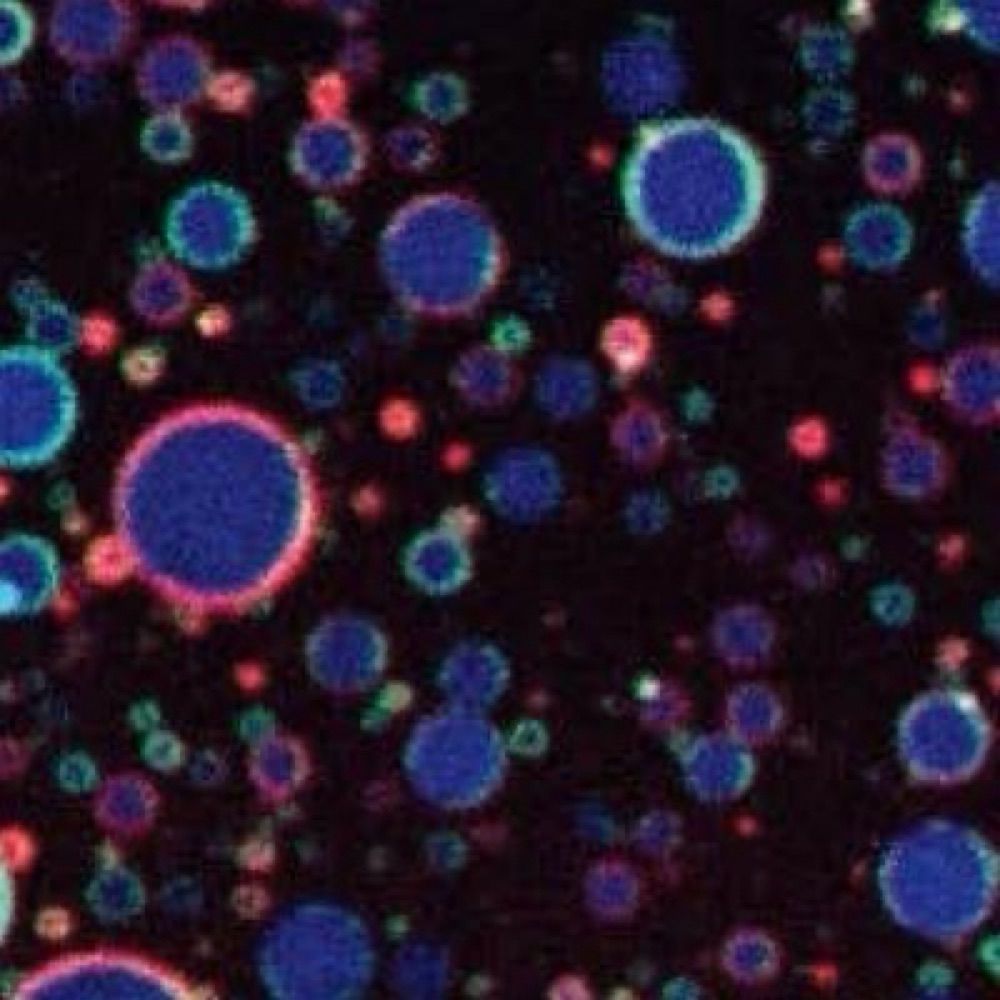
Thrilled to share our latest work showing that the bridge lipid transport protein ATG2A transfers diacylglycerol (DAG), and some TAG/PA, from the ER to LDs, thereby recruiting DGAT2 to drive local TAG synthesis, promoting LD expansion while protecting ER membranes.
www.nature.com/articles/s41...
www.nature.com/articles/s41...

ATG2A-mediated DAG transfer recruits DGAT2 for lipid droplet growth - Nature Structural & Molecular Biology
Elhan et al. show that ATG2A acts with DGAT2, the enzyme producing triacylglycerol (TAG), in lipid droplet growth. By delivering diacylglycerol to lipid droplets, ATG2A not only fuels TAG production b...
www.nature.com
November 17, 2025 at 10:57 PM
Thrilled to share our latest work showing that the bridge lipid transport protein ATG2A transfers diacylglycerol (DAG), and some TAG/PA, from the ER to LDs, thereby recruiting DGAT2 to drive local TAG synthesis, promoting LD expansion while protecting ER membranes.
www.nature.com/articles/s41...
www.nature.com/articles/s41...
Super interesting! Turns out the anticancer effects of several drugs used in the clinic might be actually mediated by DIRECT activation of the ISR 🧪

I’m really pleased to share the link to a new Cook Lab paper published today in Nature Communications.
www.nature.com/articles/s41...
www.nature.com/articles/s41...

RAF inhibitors activate the integrated stress response by direct activation of GCN2 - Nature Communications
Three BRAF inhibitors are used to treat melanoma and colorectal cancer. Here, the authors demonstrate that these drugs bind and activate the protein kinase GCN2, a previously unappreciated off-target ...
www.nature.com
November 17, 2025 at 2:51 PM
Super interesting! Turns out the anticancer effects of several drugs used in the clinic might be actually mediated by DIRECT activation of the ISR 🧪
Reposted by Enrique Ortega-Forte

Cao, Peng, & Yang et al. from Huazhong Agricultural University present the Tools article "High-content phenotyping reveals Golgi dynamics and their role in cell cycle regulation" 👉 rupress.org/jcb/article/...

High-content phenotyping reveals Golgi dynamics and their role in cell cycle regulation | Journal of Cell Biology | Rockefeller University Press
Cao, Peng, and Yang et al. present a high-content image-based phenotyping pipeline for quantitative analysis of organelle morphology. The interpretable fea
rupress.org
November 14, 2025 at 9:30 PM
Cao, Peng, & Yang et al. from Huazhong Agricultural University present the Tools article "High-content phenotyping reveals Golgi dynamics and their role in cell cycle regulation" 👉 rupress.org/jcb/article/...
Reposted by Enrique Ortega-Forte

Celebrating Gerty Cori on #WorldDiabetesDay.
Cori, a biochemist, co-discovered the Cori cycle which unlocked how the body regulates glucose--foundational for diabetes treatments & insulin therapy. She was awarded the 1947 Nobel Prize in Physiology or Medicine for the discovery. #WomenInSTEM
Cori, a biochemist, co-discovered the Cori cycle which unlocked how the body regulates glucose--foundational for diabetes treatments & insulin therapy. She was awarded the 1947 Nobel Prize in Physiology or Medicine for the discovery. #WomenInSTEM

November 15, 2025 at 12:58 AM
Celebrating Gerty Cori on #WorldDiabetesDay.
Cori, a biochemist, co-discovered the Cori cycle which unlocked how the body regulates glucose--foundational for diabetes treatments & insulin therapy. She was awarded the 1947 Nobel Prize in Physiology or Medicine for the discovery. #WomenInSTEM
Cori, a biochemist, co-discovered the Cori cycle which unlocked how the body regulates glucose--foundational for diabetes treatments & insulin therapy. She was awarded the 1947 Nobel Prize in Physiology or Medicine for the discovery. #WomenInSTEM
Reposted by Enrique Ortega-Forte
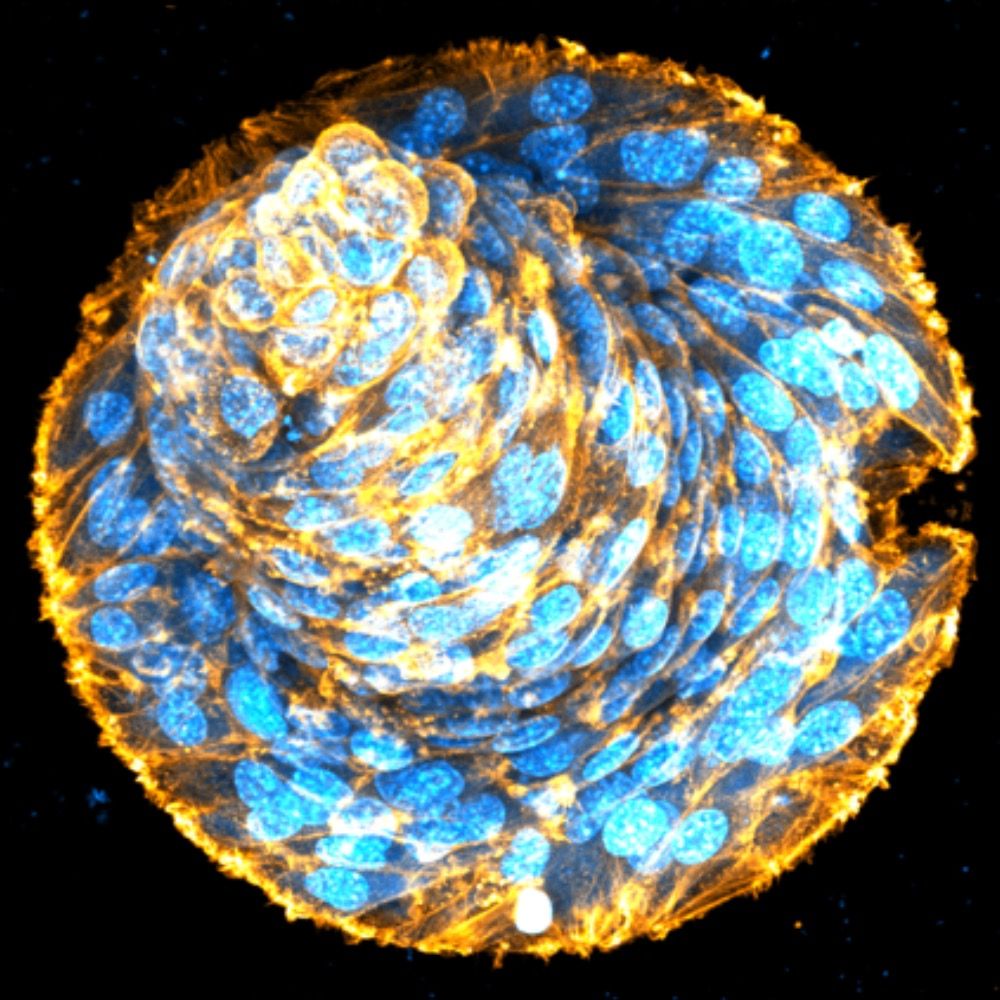
Maria Tettamanti shows that inhibition of TORC2 by the small amphipath PalmC induces the TORC2-dependent internalization of sterols. Congrats to Maria and all coworkers involved, and to EMBOj for the efficient review process: use review commons! @biology-unige.bsky.social @sciencesunige.bsky.social

Yeast cells utilize a TORC2 feedback loop for plasma membrane adaptation to mechanical stress, with increased sterol transport from plasma membrane to endoplasmic reticulum activating TORC2 signaling
Robbie Loewith, Aurélien Roux @rouxlab.bsky.social and coworkers
www.embopress.org/doi/full/10....
Robbie Loewith, Aurélien Roux @rouxlab.bsky.social and coworkers
www.embopress.org/doi/full/10....

November 14, 2025 at 10:35 AM
Maria Tettamanti shows that inhibition of TORC2 by the small amphipath PalmC induces the TORC2-dependent internalization of sterols. Congrats to Maria and all coworkers involved, and to EMBOj for the efficient review process: use review commons! @biology-unige.bsky.social @sciencesunige.bsky.social
Reposted by Enrique Ortega-Forte

Fat storage in the body relies on specialized structures called lipid droplets. In a new Science study, researchers identified the microprotein adipogenin as a regulator of adipocyte lipid droplet size, revealing a key mechanism in lipid homeostasis.
Learn more this week: https://scim.ag/4nFEGO7
Learn more this week: https://scim.ag/4nFEGO7

November 6, 2025 at 7:05 PM
Fat storage in the body relies on specialized structures called lipid droplets. In a new Science study, researchers identified the microprotein adipogenin as a regulator of adipocyte lipid droplet size, revealing a key mechanism in lipid homeostasis.
Learn more this week: https://scim.ag/4nFEGO7
Learn more this week: https://scim.ag/4nFEGO7
Reposted by Enrique Ortega-Forte

Excited to share our study out in @natcellbio.nature.com! Led by @mikelangelipid.bsky.social, we identify the first #LipidDroplet lipid quality control pathway: LD-localized FSP1 protects stored lipids from oxidative damage and prevents LD-initiated #ferroptosis.
www.nature.com/articles/s41...
www.nature.com/articles/s41...

FSP1-mediated lipid droplet quality control prevents neutral lipid peroxidation and ferroptosis - Nature Cell Biology
Lange et al. identify a lipid droplet quality control pathway in which FSP1 safeguards stored neutral lipids from lipid peroxidation, thereby preventing the induction of ferroptosis.
www.nature.com
October 29, 2025 at 5:21 PM
Excited to share our study out in @natcellbio.nature.com! Led by @mikelangelipid.bsky.social, we identify the first #LipidDroplet lipid quality control pathway: LD-localized FSP1 protects stored lipids from oxidative damage and prevents LD-initiated #ferroptosis.
www.nature.com/articles/s41...
www.nature.com/articles/s41...
Reposted by Enrique Ortega-Forte
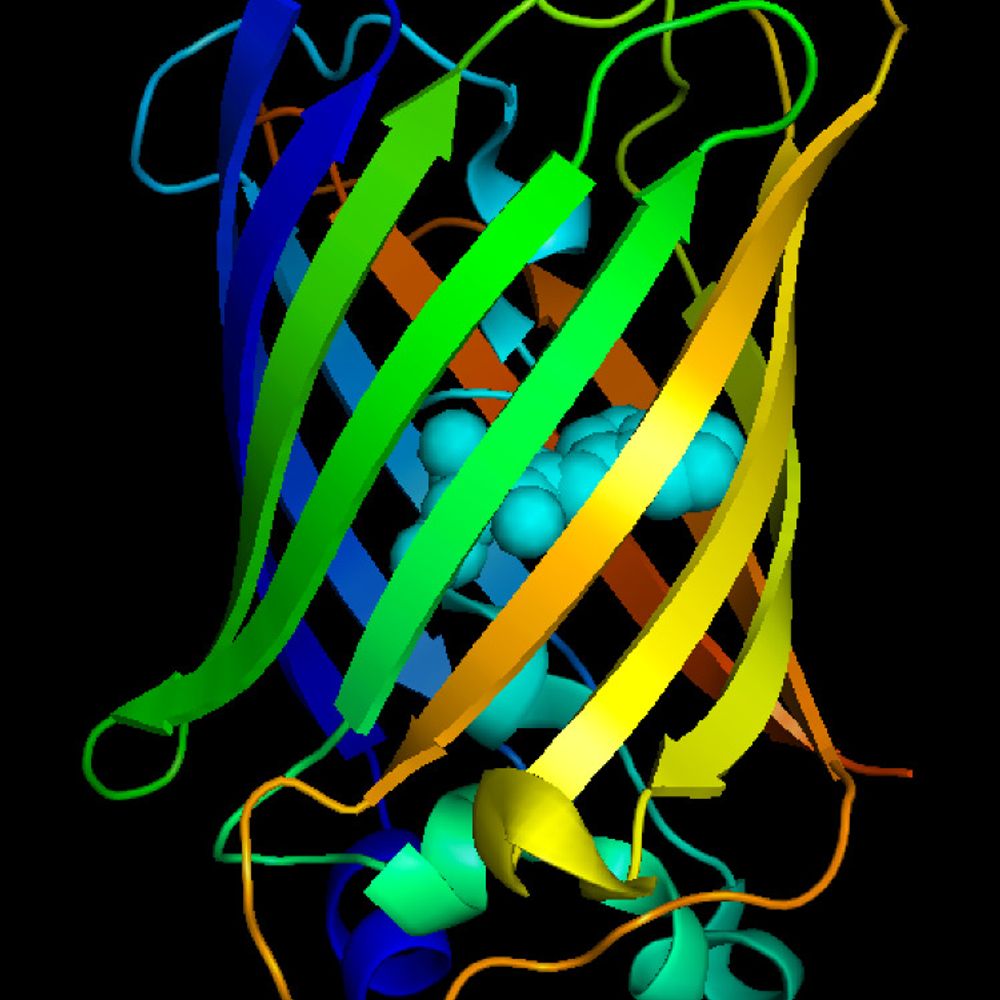
Periodic reminder that the fluorescent compound in mammalian cell culture media, such as DMEM, is riboflavin (not phenol red)

October 14, 2025 at 7:51 PM
Periodic reminder that the fluorescent compound in mammalian cell culture media, such as DMEM, is riboflavin (not phenol red)
Reposted by Enrique Ortega-Forte

Our work detailing the metabolic roles of serum for cancer cell proliferation is now out at JBC, @asbmbjournals.bsky.social!
Congrats to Oliver and Eric and many thanks to the editor and reviewers for a thoughtful and efficient review process.
See here:
www.sciencedirect.com/science/arti...
Congrats to Oliver and Eric and many thanks to the editor and reviewers for a thoughtful and efficient review process.
See here:
www.sciencedirect.com/science/arti...
October 13, 2025 at 8:47 PM
Our work detailing the metabolic roles of serum for cancer cell proliferation is now out at JBC, @asbmbjournals.bsky.social!
Congrats to Oliver and Eric and many thanks to the editor and reviewers for a thoughtful and efficient review process.
See here:
www.sciencedirect.com/science/arti...
Congrats to Oliver and Eric and many thanks to the editor and reviewers for a thoughtful and efficient review process.
See here:
www.sciencedirect.com/science/arti...
Reposted by Enrique Ortega-Forte

15 years in the making, we confirmed that mitochondria - the powerhouse of the cell - have an unusual localization in patients who experience psychosis (including schizophrenia and bipolar disorders). You’ll never guess what kind of patient cells we used to make this discovery… 🧵

October 10, 2025 at 4:47 PM
15 years in the making, we confirmed that mitochondria - the powerhouse of the cell - have an unusual localization in patients who experience psychosis (including schizophrenia and bipolar disorders). You’ll never guess what kind of patient cells we used to make this discovery… 🧵
Reposted by Enrique Ortega-Forte
Un-frigging-believable. I have waited for something like this for so long!
October 5, 2025 at 8:01 AM
Un-frigging-believable. I have waited for something like this for so long!
Reposted by Enrique Ortega-Forte
Mario Ledesma-Terrón, Diego Pérez-Dones, David Míguez and colleagues @cbm-csic-uam.bsky.social @ifimacuam.bsky.social present OSCAR, a framework to quantify 3D stacks with high cellular density.
journals.biologists.com/jcs/article-...
journals.biologists.com/jcs/article-...
October 3, 2025 at 10:08 AM
Mario Ledesma-Terrón, Diego Pérez-Dones, David Míguez and colleagues @cbm-csic-uam.bsky.social @ifimacuam.bsky.social present OSCAR, a framework to quantify 3D stacks with high cellular density.
journals.biologists.com/jcs/article-...
journals.biologists.com/jcs/article-...
Reposted by Enrique Ortega-Forte
Very exciting work. Shows how interfering with the levels of one lipid class leads to changes of other lipids that are not directly metabolically connected as the cell tries to maintain both lipid flux balance and biophysical membrane properties.
How do cells sense & respond to lipid imbalances? What happens when a disease-relevant enzyme is blocked? Shiying Huang investigates phosphoinositide lipids with the Balla lab & discovers an integrated cellular response that boosts alternate lipid synthesis pathways! www.biorxiv.org/content/10.1...


October 3, 2025 at 1:37 PM
Very exciting work. Shows how interfering with the levels of one lipid class leads to changes of other lipids that are not directly metabolically connected as the cell tries to maintain both lipid flux balance and biophysical membrane properties.