



In this study, we revealed that the number of iNKT cells in the thymus remains reduced for a prolonged period after irradiation.
February 13, 2026 at 1:43 AM
In this study, we revealed that the number of iNKT cells in the thymus remains reduced for a prolonged period after irradiation.
Genes to Cells
Volume 31, Issue 1 , 2026.
"TCR Repertoire Analysis Quantifies Effect of Irradiation on Homeostasis of iNKT Cell Development in the Thymus of Mice"
doi.org/10.1111/gtc....
Author's Comment ➡️
Volume 31, Issue 1 , 2026.
"TCR Repertoire Analysis Quantifies Effect of Irradiation on Homeostasis of iNKT Cell Development in the Thymus of Mice"
doi.org/10.1111/gtc....
Author's Comment ➡️

TCR Repertoire Analysis Quantifies Effect of Irradiation on Homeostasis of iNKT Cell Development in the Thymus of Mice
Acute sublethal irradiation led to a prolonged reduction in thymic iNKT cell numbers. This population decrease is associated with concurrently increased cell death and proliferation rates.
doi.org
February 13, 2026 at 1:43 AM
Genes to Cells
Volume 31, Issue 1 , 2026.
"TCR Repertoire Analysis Quantifies Effect of Irradiation on Homeostasis of iNKT Cell Development in the Thymus of Mice"
doi.org/10.1111/gtc....
Author's Comment ➡️
Volume 31, Issue 1 , 2026.
"TCR Repertoire Analysis Quantifies Effect of Irradiation on Homeostasis of iNKT Cell Development in the Thymus of Mice"
doi.org/10.1111/gtc....
Author's Comment ➡️

it was not meant to be an exercise in imagination. it was deliberately grounded in careful study of the projected results of a nuclear attack, of mass irradiation and the destruction of infrastructure and government, societal breakdown
February 12, 2026 at 6:35 PM
it was not meant to be an exercise in imagination. it was deliberately grounded in careful study of the projected results of a nuclear attack, of mass irradiation and the destruction of infrastructure and government, societal breakdown
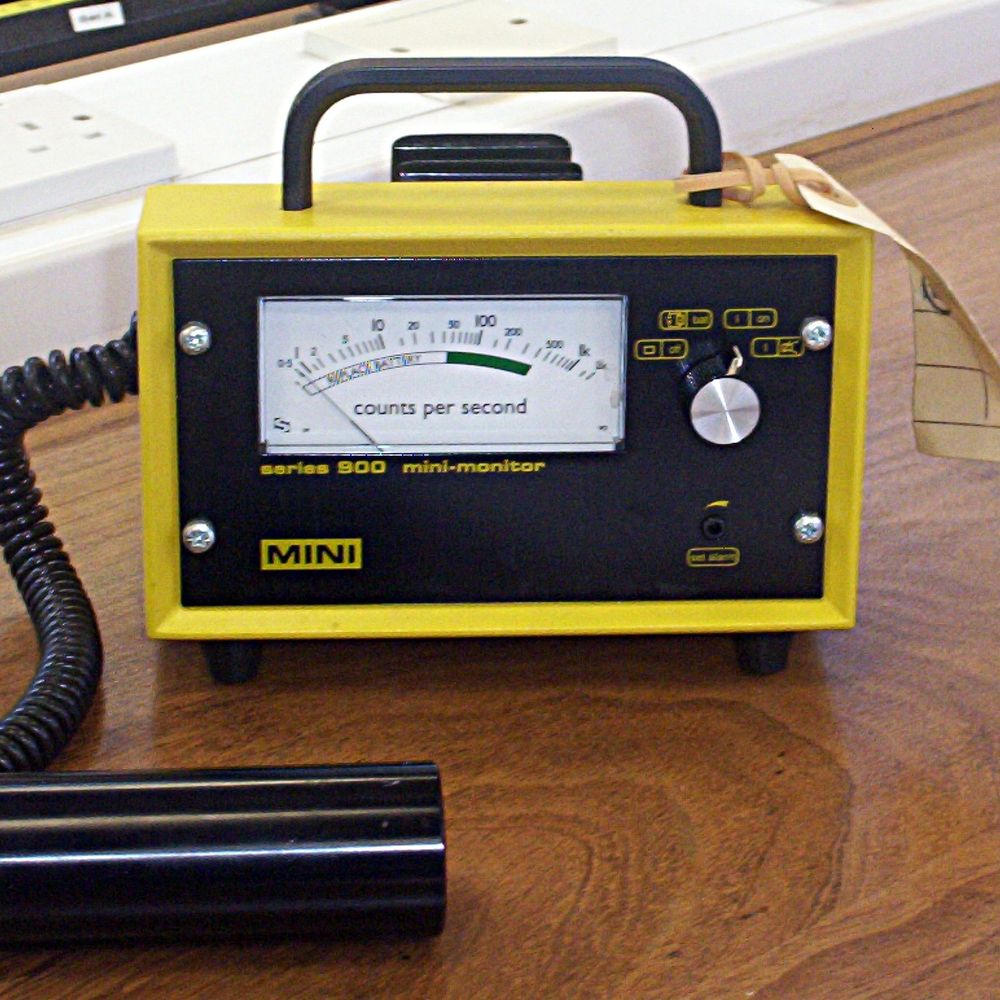
Hong Kong SUSHI* Report, Feb 12 2026
~~~ ALL satisfactory!! ~~~
Feb 11-12: 275 samples examined (of which 131 are aquatic products, seaweed, sea salt)
Totals since Aug 24 2023:
204,392 samples (130,806 aquatic)
* Scanning Unusual Sources for Harmful Irradiation
~~~ ALL satisfactory!! ~~~
Feb 11-12: 275 samples examined (of which 131 are aquatic products, seaweed, sea salt)
Totals since Aug 24 2023:
204,392 samples (130,806 aquatic)
* Scanning Unusual Sources for Harmful Irradiation

February 12, 2026 at 7:19 AM
Hong Kong SUSHI* Report, Feb 12 2026
~~~ ALL satisfactory!! ~~~
Feb 11-12: 275 samples examined (of which 131 are aquatic products, seaweed, sea salt)
Totals since Aug 24 2023:
204,392 samples (130,806 aquatic)
* Scanning Unusual Sources for Harmful Irradiation
~~~ ALL satisfactory!! ~~~
Feb 11-12: 275 samples examined (of which 131 are aquatic products, seaweed, sea salt)
Totals since Aug 24 2023:
204,392 samples (130,806 aquatic)
* Scanning Unusual Sources for Harmful Irradiation
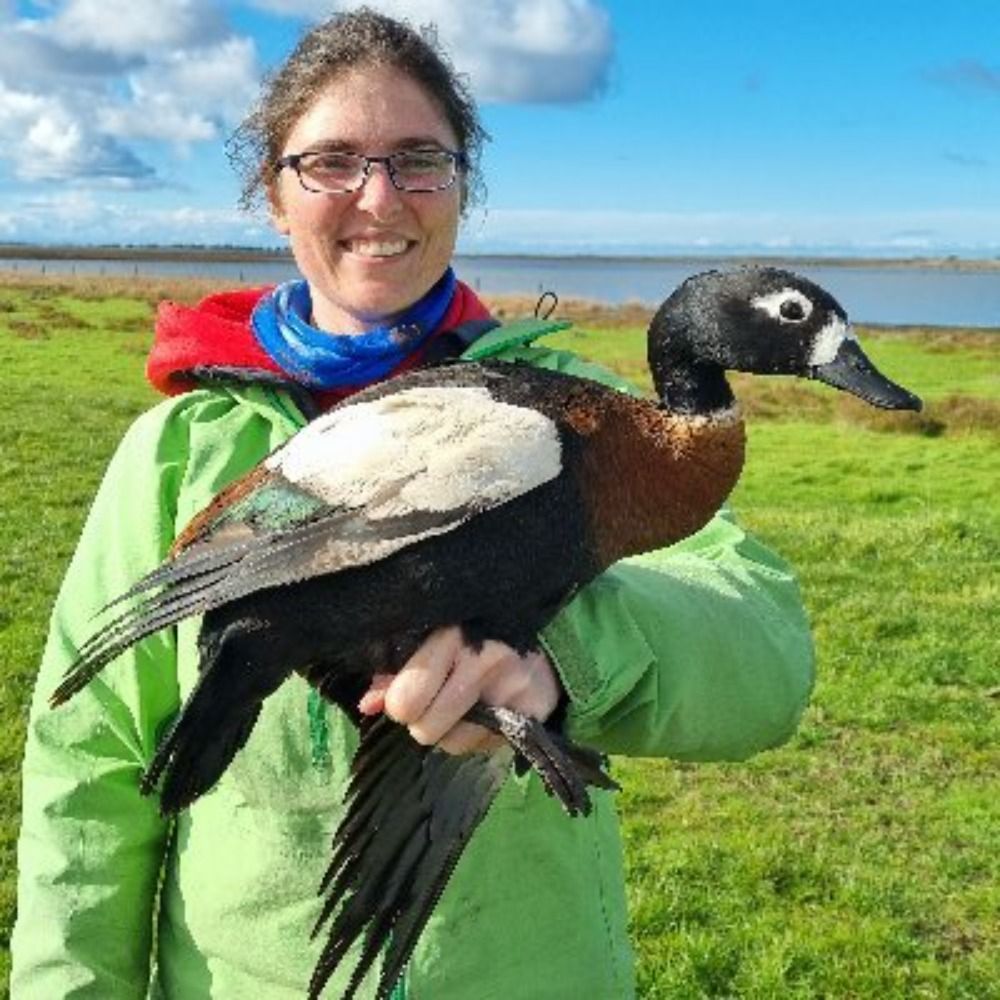
Effective sterilization methods essential for safety of raw pet food products: innoculated shredded duck meat subjected to E beam irradiation - based on D10 values, need 17.63 kGy for viral inactivation.
👉 link.springer.com/article/10.1...
👉 link.springer.com/article/10.1...

February 12, 2026 at 1:34 AM
Effective sterilization methods essential for safety of raw pet food products: innoculated shredded duck meat subjected to E beam irradiation - based on D10 values, need 17.63 kGy for viral inactivation.
👉 link.springer.com/article/10.1...
👉 link.springer.com/article/10.1...

Okay, like, I've realised finding realistic ways to do the more unconventional types of vore is pretty cool... I mean, shrinking can be done with technology and AV in Vertex resulting in gruesome irradiation makes sense... I've never really been a fan of CV but that could change if I figure it out..
February 11, 2026 at 10:30 PM
Okay, like, I've realised finding realistic ways to do the more unconventional types of vore is pretty cool... I mean, shrinking can be done with technology and AV in Vertex resulting in gruesome irradiation makes sense... I've never really been a fan of CV but that could change if I figure it out..
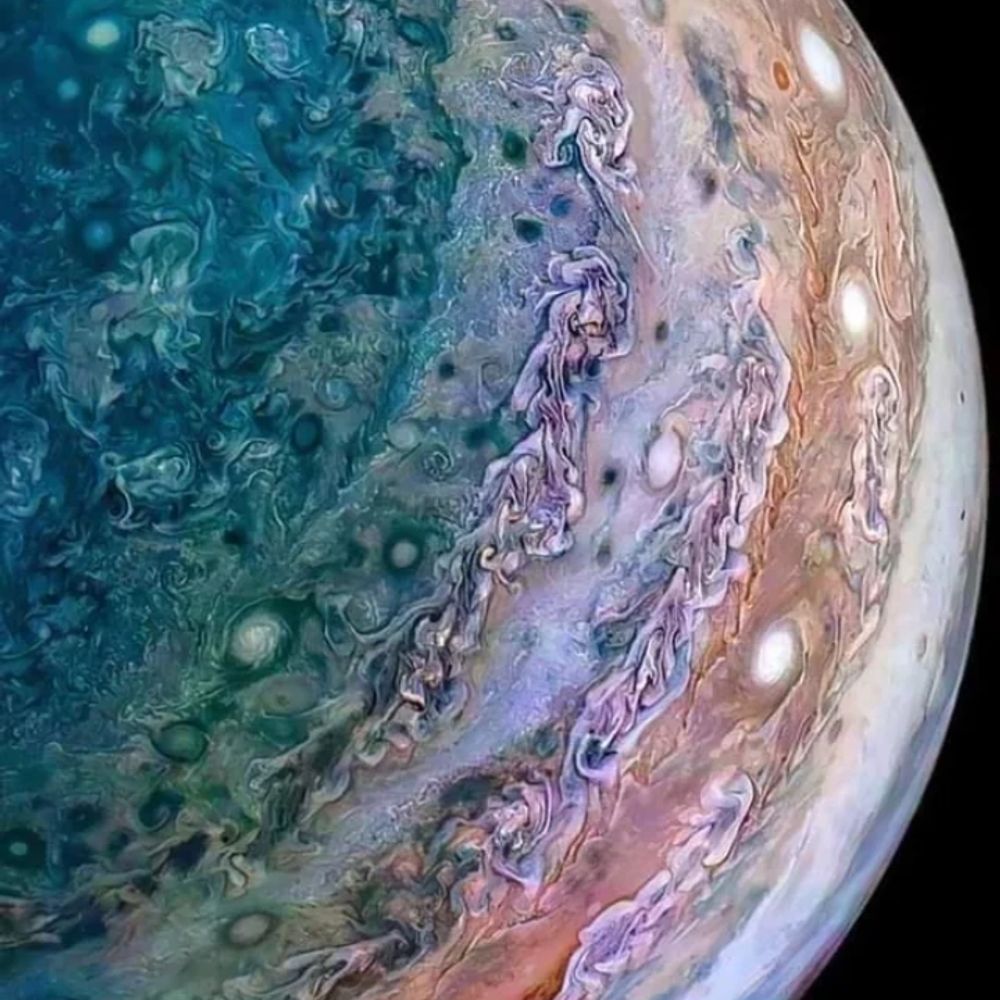
USA #AntiScience and anti-vaccine disinformation has caused the largest Measles outbreaks in North America since its irradiation in the early 2000s. MRNA vaccine research is leading to cancer cures, and breakthroughs in genetic conditions. Canada now making Moderna vaccines. #vaccinessavelives

I genuinely cannot believe the degree to which we are pissing away this generational breakthrough, even given the fuckmuppets who are involved www.nbcnews.com/health/healt...

FDA declines to review Moderna's mRNA flu shot
Under Health Secretary Robert F. Kennedy Jr., the Food and Drug Administration has taken an aggressive stance against mRNA technology.
www.nbcnews.com
February 11, 2026 at 10:22 AM
USA #AntiScience and anti-vaccine disinformation has caused the largest Measles outbreaks in North America since its irradiation in the early 2000s. MRNA vaccine research is leading to cancer cures, and breakthroughs in genetic conditions. Canada now making Moderna vaccines. #vaccinessavelives

ICYMI: Histochemical and biochemical modifications induced by experimental irradiation of human skin maintained in survival conditions and modulation by application of an emulsion containing trolamine

Histochemical and biochemical modifications induced by experimental irradiation of human skin maintained in survival conditions and modulation by application of an emulsion containing trolamine
Radiotherapy continues to cause skin disorders. In this article, with the aid of our human skin model maintained in ex vivo survival conditions for 15 days, we describe the modifications caused by irradiation and their modulation by a trola...
eurekamag.com
February 11, 2026 at 8:16 AM
ICYMI: Histochemical and biochemical modifications induced by experimental irradiation of human skin maintained in survival conditions and modulation by application of an emulsion containing trolamine
Hong Kong SUSHI* Report, Feb 11 2026
~~~ ALL satisfactory!! ~~~
Feb 10-11: 580 samples examined (of which 333 are aquatic products, seaweed, sea salt)
Totals since Aug 24 2023:
204,117 samples (130,675 aquatic)
* Scanning Unusual Sources for Harmful Irradiation
~~~ ALL satisfactory!! ~~~
Feb 10-11: 580 samples examined (of which 333 are aquatic products, seaweed, sea salt)
Totals since Aug 24 2023:
204,117 samples (130,675 aquatic)
* Scanning Unusual Sources for Harmful Irradiation

February 11, 2026 at 7:43 AM
Hong Kong SUSHI* Report, Feb 11 2026
~~~ ALL satisfactory!! ~~~
Feb 10-11: 580 samples examined (of which 333 are aquatic products, seaweed, sea salt)
Totals since Aug 24 2023:
204,117 samples (130,675 aquatic)
* Scanning Unusual Sources for Harmful Irradiation
~~~ ALL satisfactory!! ~~~
Feb 10-11: 580 samples examined (of which 333 are aquatic products, seaweed, sea salt)
Totals since Aug 24 2023:
204,117 samples (130,675 aquatic)
* Scanning Unusual Sources for Harmful Irradiation
Histochemical and biochemical modifications induced by experimental irradiation of human skin maintained in survival conditions and modulation by application of an emulsion containing trolamine
Histochemical and biochemical modifications induced by experimental irradiation of human skin maintained in survival conditions and modulation by application of an emulsion containing trolamine
Radiotherapy continues to cause skin disorders. In this article, with the aid of our human skin model maintained in ex vivo survival conditions for 15 days, we describe the modifications caused by irradiation and their modulation by a trola...
eurekamag.com
February 10, 2026 at 8:15 AM
Histochemical and biochemical modifications induced by experimental irradiation of human skin maintained in survival conditions and modulation by application of an emulsion containing trolamine
Hong Kong SUSHI* Report, Feb 10 2026
~~~ ALL satisfactory!! ~~~
Feb 9-10: 367 samples examined (of which 187 are aquatic products, seaweed, sea salt)
Totals since Aug 24 2023:
203,537 samples (130,342 aquatic)
* Scanning Unusual Sources for Harmful Irradiation
~~~ ALL satisfactory!! ~~~
Feb 9-10: 367 samples examined (of which 187 are aquatic products, seaweed, sea salt)
Totals since Aug 24 2023:
203,537 samples (130,342 aquatic)
* Scanning Unusual Sources for Harmful Irradiation

February 10, 2026 at 7:56 AM
Hong Kong SUSHI* Report, Feb 10 2026
~~~ ALL satisfactory!! ~~~
Feb 9-10: 367 samples examined (of which 187 are aquatic products, seaweed, sea salt)
Totals since Aug 24 2023:
203,537 samples (130,342 aquatic)
* Scanning Unusual Sources for Harmful Irradiation
~~~ ALL satisfactory!! ~~~
Feb 9-10: 367 samples examined (of which 187 are aquatic products, seaweed, sea salt)
Totals since Aug 24 2023:
203,537 samples (130,342 aquatic)
* Scanning Unusual Sources for Harmful Irradiation

Harsh Arya, et al.: The Development of a Preclinical Alpha Irradiation Platform with Versatile Control of Dose, Dose Rate, and Spatiotemporal Irradiation Patterns https://arxiv.org/abs/2602.07760 https://arxiv.org/pdf/2602.07760 https://arxiv.org/html/2602.07760
February 10, 2026 at 6:48 AM
Harsh Arya, et al.: The Development of a Preclinical Alpha Irradiation Platform with Versatile Control of Dose, Dose Rate, and Spatiotemporal Irradiation Patterns https://arxiv.org/abs/2602.07760 https://arxiv.org/pdf/2602.07760 https://arxiv.org/html/2602.07760
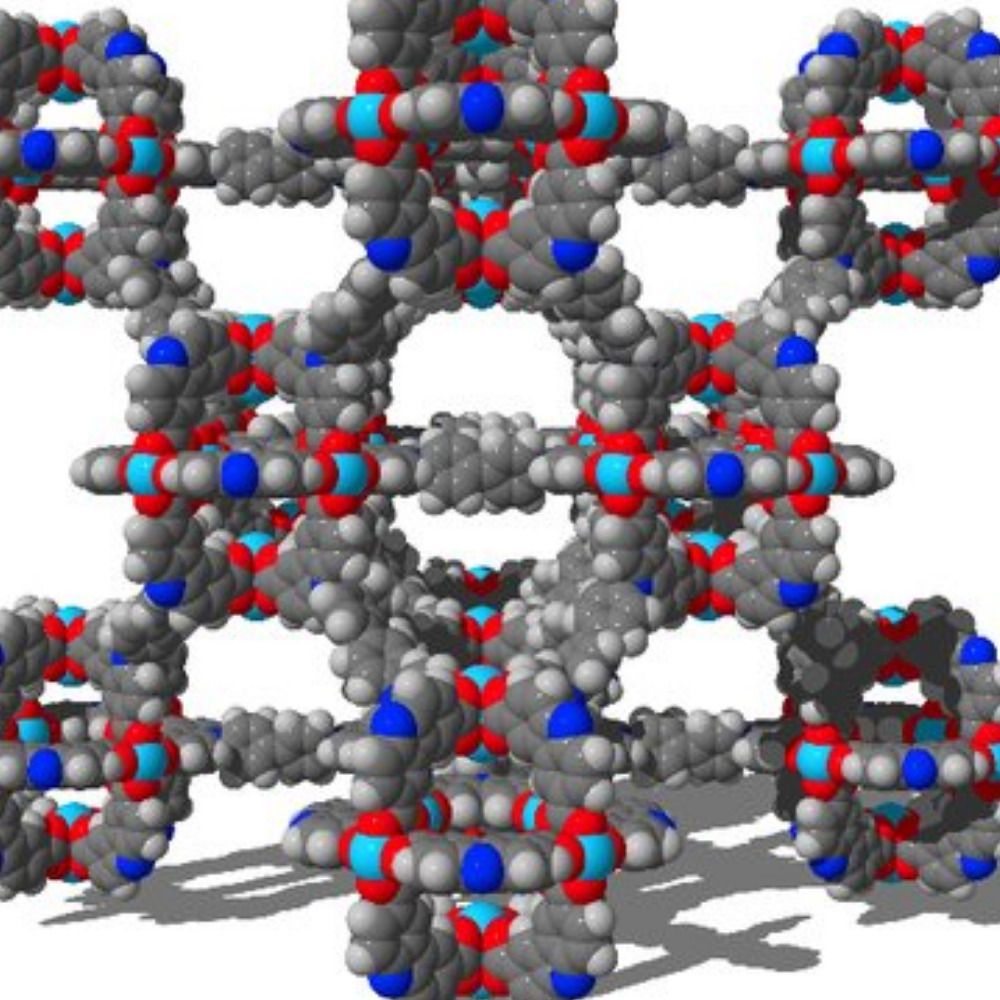
γ-Fe2O3/MIL101(Fe)-NH2/COF-MT as a novel ternary photocatalyst for the selective oxidation of alcohols through a dual S-scheme pathway under sunlight irradiation https://www.nature.com/articles/s41598-026-39673-3
February 10, 2026 at 12:56 AM
γ-Fe2O3/MIL101(Fe)-NH2/COF-MT as a novel ternary photocatalyst for the selective oxidation of alcohols through a dual S-scheme pathway under sunlight irradiation https://www.nature.com/articles/s41598-026-39673-3

Hiroshima scientists crack the code for 3D printing tungsten carbide: The university's team reports that their approach centers on controlled "softening" of the material rather than complete melting. The process, known as hot-wire laser irradiation, reshapes tungsten carbide while maintaining its…
Hiroshima scientists crack the code for 3D printing tungsten carbide
In a nutshell: In a breakthrough that could reshape how tools for harsh environments are made, scientists at Hiroshima University have developed a method to 3D print one of the toughest materials used in industry: tungsten carbide – cobalt. The advance overcomes a long-standing challenge in additive manufacturing – how to shape ultra-hard composites without damaging their internal structure.
The university's team reports that their approach centers on controlled "softening" of the material rather than complete melting. The process, known as hot-wire laser irradiation, reshapes tungsten carbide while maintaining its exceptional hardness and minimizing defects – an achievement that could transform how cutting, drilling, and construction tools are manufactured.
Unlike most 3D printing workflows, which rely on fully melting metal powders or rods, the Hiroshima group used a laser to heat tungsten carbide rods just enough to make them pliable. This prevented grain growth and decomposition that often occur at full melting temperatures.
To bond multiple printed layers securely, researchers added a nickel-based alloy as an intermediate layer within the build. The result: dense parts with a measured surface hardness exceeding 1,400 HV, approaching the hardness of gemstones like sapphire.
Assistant Professor Keita Marumoto of Hiroshima University's Graduate School of Advanced Science and Engineering described the technique as an entirely new approach to forming metallic materials. He noted that, while the current work focused on cemented carbides such as WC – Co, the same principle could potentially apply to other difficult-to-manufacture compounds.
Tungsten carbide – cobalt composites are prized in industry for their extreme wear resistance and ability to withstand friction, heat, and mechanical stress. However, those same qualities make the alloy notoriously difficult to shape using conventional methods.
Traditional approaches involve sintering powdered materials in molds, which limits geometrical complexity and generates substantial waste. Additive manufacturing could, in theory, solve both problems – if the material could survive the process.
The Hiroshima method takes a distinct path between welding and 3D printing. By carefully tuning laser power and wire feed rates, the team ensures that the carbide softens just enough to fuse without losing its microstructure. This controlled phase prevents cracking and preserves the distribution of cobalt binder, which gives the alloy its signature balance of hardness and toughness.
While the achievement represents a leap forward, the research group acknowledges that their work remains ongoing. They are fine-tuning the process to eliminate occasional cracking and plan to test how far the technique can be extended to more intricate geometries.
If successful, additive manufacturing could soon produce complex industrial tools that combine durability with material efficiency – an outcome long out of reach for engineers working with ultra-hard composites.
dlvr.it
February 9, 2026 at 4:05 PM
Hiroshima scientists crack the code for 3D printing tungsten carbide: The university's team reports that their approach centers on controlled "softening" of the material rather than complete melting. The process, known as hot-wire laser irradiation, reshapes tungsten carbide while maintaining its…

Don't miss out on our upcoming sarcoma webinar! Explore the diagnosis and management of radiation-associated chest wall sarcomas, from imaging and pathology to surgery, systemic therapy, re-irradiation, and NGS-guided treatment decisions.
Register now:
https://ow.ly/4w8f50XY6w5
Register now:
https://ow.ly/4w8f50XY6w5

February 9, 2026 at 2:00 PM
Don't miss out on our upcoming sarcoma webinar! Explore the diagnosis and management of radiation-associated chest wall sarcomas, from imaging and pathology to surgery, systemic therapy, re-irradiation, and NGS-guided treatment decisions.
Register now:
https://ow.ly/4w8f50XY6w5
Register now:
https://ow.ly/4w8f50XY6w5
Hong Kong SUSHI* Report, Feb 9 2026
~~~ ALL satisfactory!! ~~~
Feb 6-9: 697 samples examined (of which 406 are aquatic products, seaweed, sea salt)
Totals since Aug 24 2023:
203,170 samples (130,155 aquatic)
* Scanning Unusual Sources for Harmful Irradiation
~~~ ALL satisfactory!! ~~~
Feb 6-9: 697 samples examined (of which 406 are aquatic products, seaweed, sea salt)
Totals since Aug 24 2023:
203,170 samples (130,155 aquatic)
* Scanning Unusual Sources for Harmful Irradiation

February 9, 2026 at 8:00 AM
Hong Kong SUSHI* Report, Feb 9 2026
~~~ ALL satisfactory!! ~~~
Feb 6-9: 697 samples examined (of which 406 are aquatic products, seaweed, sea salt)
Totals since Aug 24 2023:
203,170 samples (130,155 aquatic)
* Scanning Unusual Sources for Harmful Irradiation
~~~ ALL satisfactory!! ~~~
Feb 6-9: 697 samples examined (of which 406 are aquatic products, seaweed, sea salt)
Totals since Aug 24 2023:
203,170 samples (130,155 aquatic)
* Scanning Unusual Sources for Harmful Irradiation

a funny and cute birdgirl robotgirl who’s definitely not full of dg cells


February 9, 2026 at 4:22 AM
a funny and cute birdgirl robotgirl who’s definitely not full of dg cells

X-ray characterization of fully-depleted p-channel Skipper-CCDs for the DarkNESS mission. Phoenix Alpine et. al. https://arxiv.org/abs/2602.02461


February 8, 2026 at 9:31 PM
X-ray characterization of fully-depleted p-channel Skipper-CCDs for the DarkNESS mission. Phoenix Alpine et. al. https://arxiv.org/abs/2602.02461

Or nuclear hydrogen on which demand ?
Let’s be serious:
- efficiency by applying our thermodynamic knowledge
- closing the balance by exergy supply using local renewable energy: the free energy gift from nature : solar irradiation creates PV electrons, wind, water, food & biomass
Let’s be serious:
- efficiency by applying our thermodynamic knowledge
- closing the balance by exergy supply using local renewable energy: the free energy gift from nature : solar irradiation creates PV electrons, wind, water, food & biomass
February 8, 2026 at 10:49 AM
Or nuclear hydrogen on which demand ?
Let’s be serious:
- efficiency by applying our thermodynamic knowledge
- closing the balance by exergy supply using local renewable energy: the free energy gift from nature : solar irradiation creates PV electrons, wind, water, food & biomass
Let’s be serious:
- efficiency by applying our thermodynamic knowledge
- closing the balance by exergy supply using local renewable energy: the free energy gift from nature : solar irradiation creates PV electrons, wind, water, food & biomass
Mabrouk a ferme sa guelle et encaisse les chèques toutes ces années durant
C une pedo nazi pareille
Pas envie de savoir si la peste bubonique est mieux qu'une irradiation a Tchernobyl en 86 👀
C une pedo nazi pareille
Pas envie de savoir si la peste bubonique est mieux qu'une irradiation a Tchernobyl en 86 👀

Je n’avais déjà pas une haute opinion des journalistes de CNews mais ceux qui, contrairement à Sonia Malbrouk, n’ont pas le courage de partir après le maintien de Morandini, me dégoûtent encore un peu plus.
www.lemonde.fr/economie/art...
www.lemonde.fr/economie/art...

Au terme de trois semaines de bras de fer, Sonia Mabrouk officialise son départ de CNews
La journaliste acte son impossibilité de rester sur la même chaîne que Jean-Marc Morandini, deux fois définitivement condamné pour des faits de délinquance sexuelle mais maintenu en poste par sa direc...
www.lemonde.fr
February 7, 2026 at 9:23 PM
Mabrouk a ferme sa guelle et encaisse les chèques toutes ces années durant
C une pedo nazi pareille
Pas envie de savoir si la peste bubonique est mieux qu'une irradiation a Tchernobyl en 86 👀
C une pedo nazi pareille
Pas envie de savoir si la peste bubonique est mieux qu'une irradiation a Tchernobyl en 86 👀

the history of radiology in particular includes lots of crazy trivia. At a yard sale I once found a textbook from the 1940s that included a description of how to treat scalp ringworm in children with X-ray irradiation
February 7, 2026 at 6:18 PM
the history of radiology in particular includes lots of crazy trivia. At a yard sale I once found a textbook from the 1940s that included a description of how to treat scalp ringworm in children with X-ray irradiation

I used to think that way, then I moved to Sweden.
We just went through multiple months with cumulated single digit hours of sunlight due to cloud cover and at this point I’m welcoming irradiation.
We just went through multiple months with cumulated single digit hours of sunlight due to cloud cover and at this point I’m welcoming irradiation.
February 7, 2026 at 12:26 PM
I used to think that way, then I moved to Sweden.
We just went through multiple months with cumulated single digit hours of sunlight due to cloud cover and at this point I’m welcoming irradiation.
We just went through multiple months with cumulated single digit hours of sunlight due to cloud cover and at this point I’m welcoming irradiation.

[OPEN ACCESS]
Field-free spin-orbit torque switching with enhanced switching ratio in Co/Ni multilayers by laterally broken symmetry induced by He ion bombardment
2024 Appl. Phys. Express 17 113001
iopscience.iop.org/article/10.3...
#APEX
#Physics
#OpenAccess
#switching
#spin
#orbit
#irradiation
Field-free spin-orbit torque switching with enhanced switching ratio in Co/Ni multilayers by laterally broken symmetry induced by He ion bombardment
2024 Appl. Phys. Express 17 113001
iopscience.iop.org/article/10.3...
#APEX
#Physics
#OpenAccess
#switching
#spin
#orbit
#irradiation

February 7, 2026 at 1:00 AM
[OPEN ACCESS]
Field-free spin-orbit torque switching with enhanced switching ratio in Co/Ni multilayers by laterally broken symmetry induced by He ion bombardment
2024 Appl. Phys. Express 17 113001
iopscience.iop.org/article/10.3...
#APEX
#Physics
#OpenAccess
#switching
#spin
#orbit
#irradiation
Field-free spin-orbit torque switching with enhanced switching ratio in Co/Ni multilayers by laterally broken symmetry induced by He ion bombardment
2024 Appl. Phys. Express 17 113001
iopscience.iop.org/article/10.3...
#APEX
#Physics
#OpenAccess
#switching
#spin
#orbit
#irradiation

Additive manufacturing using hot-wire laser irradiation enables the production of defect-free tungsten carbide–cobalt components, maintaining industrial-grade hardness while reducing material waste and cost. doi.org/hbntvr

Researchers successfully 3D print one of industry's hardest engineering materials
Tungsten carbide–cobalt (WC–Co) is prized for its hardness, but that same property makes it unusually difficult to shape.
techxplore.com
February 6, 2026 at 2:44 PM
Additive manufacturing using hot-wire laser irradiation enables the production of defect-free tungsten carbide–cobalt components, maintaining industrial-grade hardness while reducing material waste and cost. doi.org/hbntvr