



Sorek Lab
@soreklab.bsky.social
Reposted by Sorek Lab
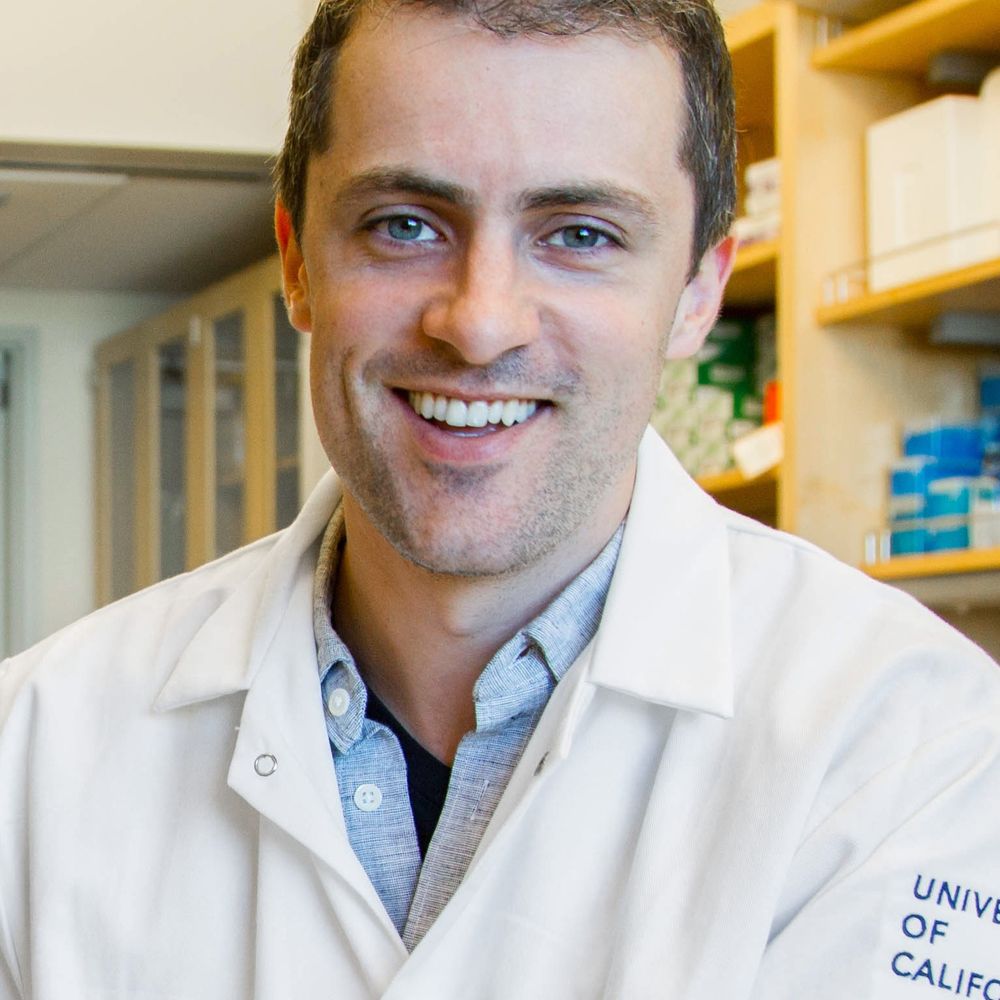
Phages are full of genes of unknown function that are likely adaptive in specific conditions.
New preprint: Phage TnSeq identifies essential genes rapidly and knocks all non-essentials. We would like to send a pool of phiKZ mutants to anyone wanting it! Reach out
tinyurl.com/bdcfrejh
New preprint: Phage TnSeq identifies essential genes rapidly and knocks all non-essentials. We would like to send a pool of phiKZ mutants to anyone wanting it! Reach out
tinyurl.com/bdcfrejh

December 8, 2025 at 3:04 PM
Phages are full of genes of unknown function that are likely adaptive in specific conditions.
New preprint: Phage TnSeq identifies essential genes rapidly and knocks all non-essentials. We would like to send a pool of phiKZ mutants to anyone wanting it! Reach out
tinyurl.com/bdcfrejh
New preprint: Phage TnSeq identifies essential genes rapidly and knocks all non-essentials. We would like to send a pool of phiKZ mutants to anyone wanting it! Reach out
tinyurl.com/bdcfrejh
Reposted by Sorek Lab

Do you think transporters in E. coli contribute to metabolite release? No? Explore the effect of 66 different transporter knockout mutations on the exometabolome dynamics of ~300 metabolites yourself: keio.unil.ch
Teaser: Increased proline in ΔputP
#microsky #MEvoSky
Teaser: Increased proline in ΔputP
#microsky #MEvoSky

December 3, 2025 at 11:11 AM
Do you think transporters in E. coli contribute to metabolite release? No? Explore the effect of 66 different transporter knockout mutations on the exometabolome dynamics of ~300 metabolites yourself: keio.unil.ch
Teaser: Increased proline in ΔputP
#microsky #MEvoSky
Teaser: Increased proline in ΔputP
#microsky #MEvoSky
Reposted by Sorek Lab
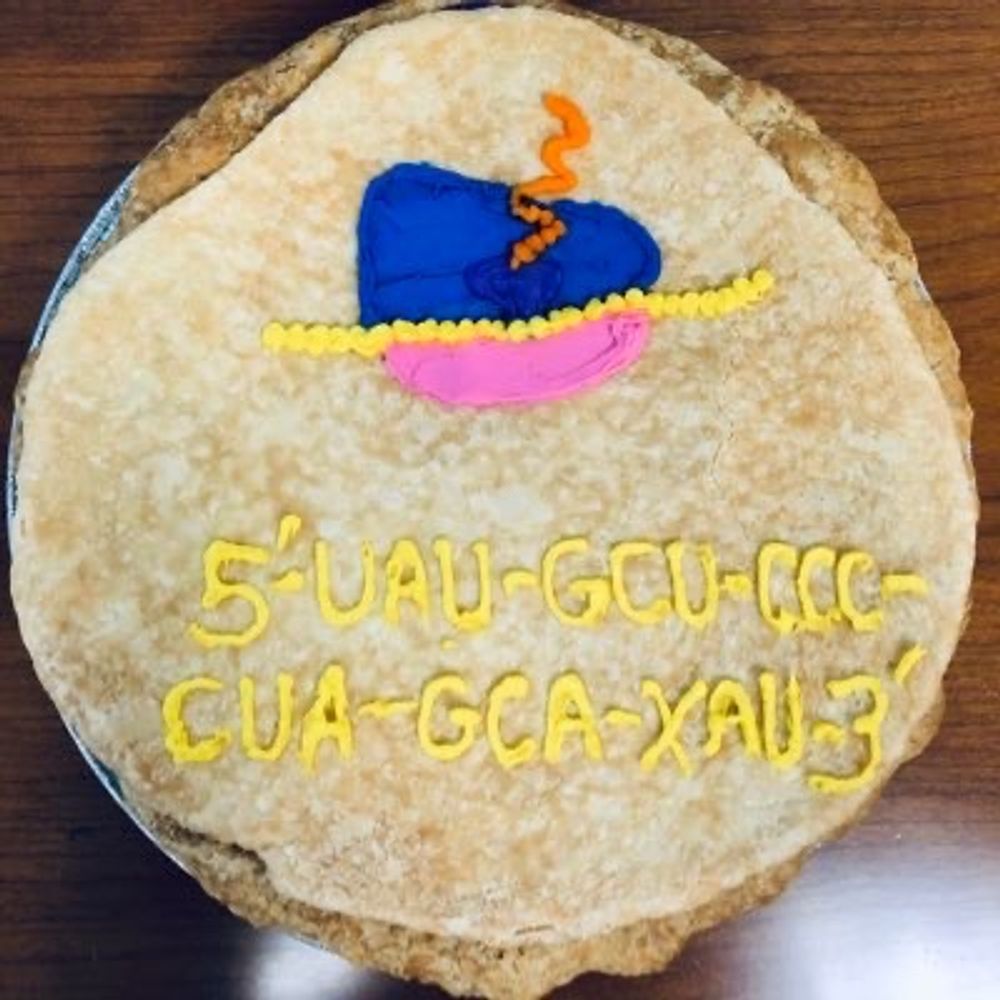
Colibactin-DNA interstrand crosslinks structure reveals DNA-damaging acitivity of colibactin that is linked to colorectal cancer #MicroSky www.science.org/doi/10.1126/...

The specificity and structure of DNA cross-linking by the gut bacterial genotoxin colibactin
Accumulating evidence has connected the chemically unstable, DNA-damaging gut bacterial natural product colibactin to colorectal cancer, including the identification of mutational signatures that are ...
www.science.org
December 4, 2025 at 10:07 PM
Colibactin-DNA interstrand crosslinks structure reveals DNA-damaging acitivity of colibactin that is linked to colorectal cancer #MicroSky www.science.org/doi/10.1126/...
Reposted by Sorek Lab
Thrilled to share that my postdoc research is published today in @science.org! We found that DNA repair uses cohesin complexes to build new chromatin loops that guide the homology search and boost accurate repair! 1/n
www.science.org/doi/10.1126/...
www.science.org/doi/10.1126/...

Cohesin drives chromatin scanning during the RAD51-mediated homology search
Cohesin folds genomes into chromatin loops, the roles of which are under debate. We found that double-strand breaks (DSBs) induce de novo formation of chromatin loops in human cells, with the loop bas...
www.science.org
December 4, 2025 at 9:50 PM
Thrilled to share that my postdoc research is published today in @science.org! We found that DNA repair uses cohesin complexes to build new chromatin loops that guide the homology search and boost accurate repair! 1/n
www.science.org/doi/10.1126/...
www.science.org/doi/10.1126/...
Reposted by Sorek Lab
New Thoeris systems and new bacterial TIRs, this time also producing plant and human immune signals 2'cADPR and cADPR!!! Congratulations to @erezyirmiya.bsky.social and Azita Leavitt! It was a pleasure to be involved in this project.
I’m happy to share our new preprint! We uncovered the full diversity of bacterial TIR-based antiviral immune signaling, massively expanded the known diversity of Thoeris systems, and revealed conservation of TIR-derived immune signals across the tree of life.
www.biorxiv.org/content/10.6...
www.biorxiv.org/content/10.6...

Systematic discovery of TIR-based immune signaling systems in bacteria
Toll/interleukin-1 receptor (TIR) domains are important for immune signaling across humans, plants and bacteria. These domains were recently found to produce immune signaling molecules in plant immuni...
www.biorxiv.org
December 4, 2025 at 9:56 AM
New Thoeris systems and new bacterial TIRs, this time also producing plant and human immune signals 2'cADPR and cADPR!!! Congratulations to @erezyirmiya.bsky.social and Azita Leavitt! It was a pleasure to be involved in this project.
Preprint: Systematic discovery of TIR-based immune signaling systems in bacteria
Conservation of TIR-derived signals accross the tree of life! We found bacterial TIR immune systems that signal via canonical cADPR (like in humans) and 2'cADPR (a plant immune signal).
Documented 11 Thoeris types
Conservation of TIR-derived signals accross the tree of life! We found bacterial TIR immune systems that signal via canonical cADPR (like in humans) and 2'cADPR (a plant immune signal).
Documented 11 Thoeris types

December 4, 2025 at 1:56 PM
Preprint: Systematic discovery of TIR-based immune signaling systems in bacteria
Conservation of TIR-derived signals accross the tree of life! We found bacterial TIR immune systems that signal via canonical cADPR (like in humans) and 2'cADPR (a plant immune signal).
Documented 11 Thoeris types
Conservation of TIR-derived signals accross the tree of life! We found bacterial TIR immune systems that signal via canonical cADPR (like in humans) and 2'cADPR (a plant immune signal).
Documented 11 Thoeris types
Reposted by Sorek Lab
🦠🧪🧬🚨 New paper and database alert: the new IMG/VR release is now MetaVR ! We have a new website - meta-virome.org - with quick search capabilities for the >24M viruses, >12M vOTUs, and >42M protein clusters (including >790k with predicted structures !). academic.oup.com/nar/advance-...

Meta-virus resource (MetaVR): expanding the frontiers of viral diversity with 24 million uncultivated virus genomes
Abstract. Viruses are ubiquitous in all environments and impact host metabolism, evolution, and ecology, although our knowledge of their biodiversity is st
academic.oup.com
December 3, 2025 at 2:34 AM
🦠🧪🧬🚨 New paper and database alert: the new IMG/VR release is now MetaVR ! We have a new website - meta-virome.org - with quick search capabilities for the >24M viruses, >12M vOTUs, and >42M protein clusters (including >790k with predicted structures !). academic.oup.com/nar/advance-...
Reposted by Sorek Lab

Looking forward to the meeting on the immune system of bacteria! Rockefeller, 5-7 May 2026. A fantastic lineup of speakers, expecting exiting science
Check this out for the 2026 SISB (phage defense) meeting in NYC. Mark your calendar! (and note the Zoom option, if needed)
sisb2026.rockefeller.edu
sisb2026.rockefeller.edu
SISB2026
sisb2026.rockefeller.edu
December 2, 2025 at 6:52 AM
Looking forward to the meeting on the immune system of bacteria! Rockefeller, 5-7 May 2026. A fantastic lineup of speakers, expecting exiting science
Reposted by Sorek Lab
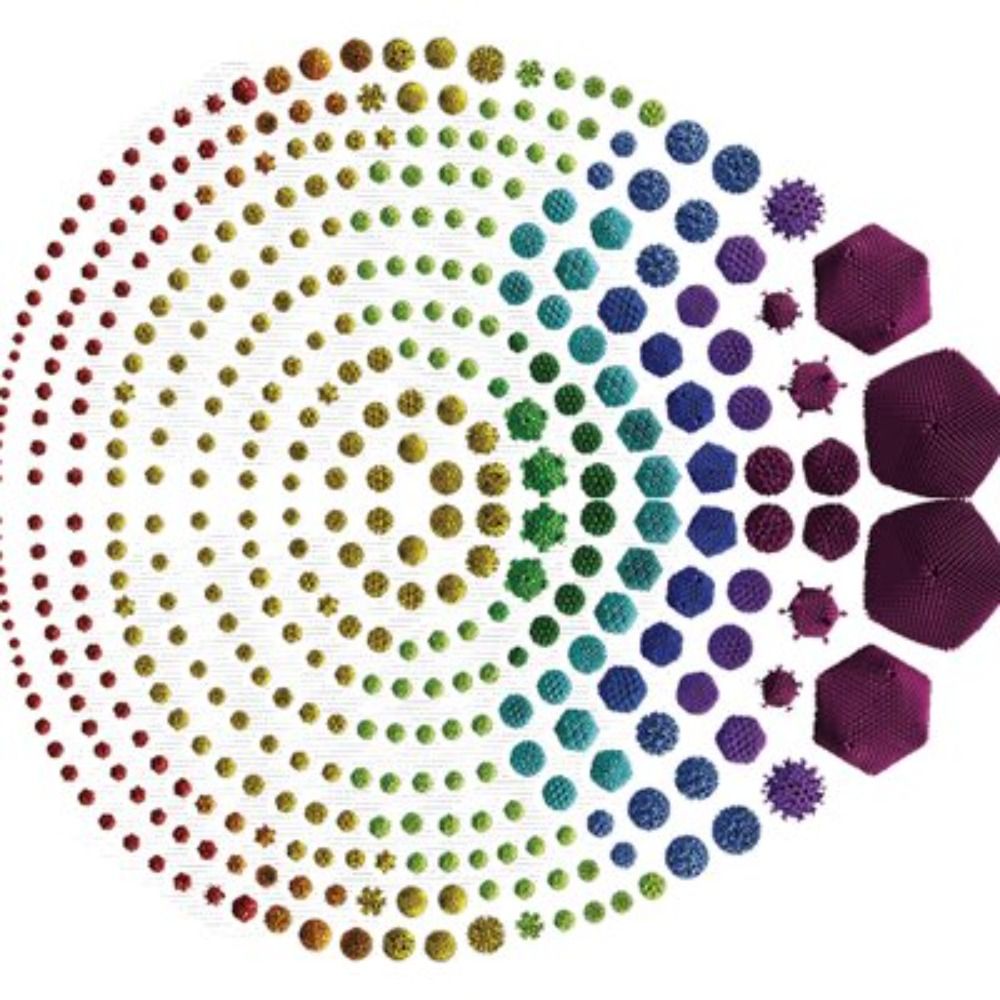
Check out our latest paper on mirusviruses, one of the most remarkable new groups of protist viruses - extremely diverse, carry lots of spliceosomal introns (including new homing introns) and are at the evolutionary crossroads between tailed phages and herpesviruses! www.nature.com/articles/s41...

Widespread and intron-rich mirusviruses are predicted to reproduce in nuclei of unicellular eukaryotes - Nature Microbiology
Environmental metagenomic explorations show that Mirusviricota lineages lack essential replication and transcription genes and contain spliceosomal introns, suggesting nuclear reproduction.
www.nature.com
November 28, 2025 at 4:43 PM
Check out our latest paper on mirusviruses, one of the most remarkable new groups of protist viruses - extremely diverse, carry lots of spliceosomal introns (including new homing introns) and are at the evolutionary crossroads between tailed phages and herpesviruses! www.nature.com/articles/s41...
The mechanism of Lamassu, an abundant bacterial immune system, is now solved
Lamassu evolved from a DNA repair complex
Beautiful study from the Patel, Bernheim and Sternberg labs
Lamassu evolved from a DNA repair complex
Beautiful study from the Patel, Bernheim and Sternberg labs

🧬🛡️How are new immune mechanisms created?
We show how Lamassu antiphage system, originated from a DNA-repair complex and evolved into a compact and modular immune machine, wt Dinshaw Patel lab in @pnas.org.
👏 @matthieu-haudiquet.bsky.social, Arpita Chakravarti & all authors!
doi.org/10.1073/pnas...
We show how Lamassu antiphage system, originated from a DNA-repair complex and evolved into a compact and modular immune machine, wt Dinshaw Patel lab in @pnas.org.
👏 @matthieu-haudiquet.bsky.social, Arpita Chakravarti & all authors!
doi.org/10.1073/pnas...


November 27, 2025 at 7:08 PM
The mechanism of Lamassu, an abundant bacterial immune system, is now solved
Lamassu evolved from a DNA repair complex
Beautiful study from the Patel, Bernheim and Sternberg labs
Lamassu evolved from a DNA repair complex
Beautiful study from the Patel, Bernheim and Sternberg labs
Reposted by Sorek Lab
Work I co-led with @jnoms.bsky.social is now online at
@cp-cellhostmicrobe.bsky.social ! We revealed a previously unrealized diversity of viral immune-evasion proteins that selectively destroy different cyclic nucleotide signals used in bacterial immunity.
www.sciencedirect.com/science/arti...
@cp-cellhostmicrobe.bsky.social ! We revealed a previously unrealized diversity of viral immune-evasion proteins that selectively destroy different cyclic nucleotide signals used in bacterial immunity.
www.sciencedirect.com/science/arti...

Divergent viral phosphodiesterases for immune signaling evasion
Cyclic dinucleotides (CDNs) and other short oligonucleotides play fundamental roles in immune system activation in organisms ranging from bacteria to …
www.sciencedirect.com
November 25, 2025 at 9:10 PM
Work I co-led with @jnoms.bsky.social is now online at
@cp-cellhostmicrobe.bsky.social ! We revealed a previously unrealized diversity of viral immune-evasion proteins that selectively destroy different cyclic nucleotide signals used in bacterial immunity.
www.sciencedirect.com/science/arti...
@cp-cellhostmicrobe.bsky.social ! We revealed a previously unrealized diversity of viral immune-evasion proteins that selectively destroy different cyclic nucleotide signals used in bacterial immunity.
www.sciencedirect.com/science/arti...
Reposted by Sorek Lab

Arbitrium systems control lysis/lysogeny through the regulation of small antirepressor proteins https://www.biorxiv.org/content/10.1101/2025.11.23.689978v1
November 25, 2025 at 2:17 AM
Arbitrium systems control lysis/lysogeny through the regulation of small antirepressor proteins https://www.biorxiv.org/content/10.1101/2025.11.23.689978v1
Reposted by Sorek Lab

How does messenger RNA (mRNA) get out of the nucleus to become a protein? Eukaryotic mRNA is packaged, exported, and then translated in the cytoplasm. But how do these steps work? And what are open questions? Check out our new review for our take: www.annualreviews.org/content/jour... (1/3)

November 21, 2025 at 5:37 PM
How does messenger RNA (mRNA) get out of the nucleus to become a protein? Eukaryotic mRNA is packaged, exported, and then translated in the cytoplasm. But how do these steps work? And what are open questions? Check out our new review for our take: www.annualreviews.org/content/jour... (1/3)
Reposted by Sorek Lab

Hot off the press! Our latest paper led by @fernpizza.bsky.social, understanding how plasmids evolve inside cells. These small, self-replicating DNA circles live inside bacteria and carry antibiotic resistance genes, but also compete with one another to replicate. 1/
www.science.org/doi/10.1126/...
www.science.org/doi/10.1126/...

Intracellular competition shapes plasmid population dynamics
From populations of multicellular organisms to selfish genetic elements, conflicts between levels of biological organization are central to evolution. Plasmids are extrachromosomal, self-replicating g...
www.science.org
November 20, 2025 at 9:42 PM
Hot off the press! Our latest paper led by @fernpizza.bsky.social, understanding how plasmids evolve inside cells. These small, self-replicating DNA circles live inside bacteria and carry antibiotic resistance genes, but also compete with one another to replicate. 1/
www.science.org/doi/10.1126/...
www.science.org/doi/10.1126/...
Reposted by Sorek Lab
With this working, as a first test we took two plasmids, identical save for 8 point mutations changing the color, and competed them against one another. Here’s a video of what it looked like when we activated the recombinase. You can see the two compete in real time: 4/
November 20, 2025 at 9:42 PM
With this working, as a first test we took two plasmids, identical save for 8 point mutations changing the color, and competed them against one another. Here’s a video of what it looked like when we activated the recombinase. You can see the two compete in real time: 4/
Reposted by Sorek Lab

🚀New preprint from our lab!
I am very excited to finally share what has been the main focus of my PhD for the past almost 3 years! It is about viral dark matter and a powerful tool we built to shed light on it. 🧬💡
Continue reading (🧵)
I am very excited to finally share what has been the main focus of my PhD for the past almost 3 years! It is about viral dark matter and a powerful tool we built to shed light on it. 🧬💡
Continue reading (🧵)

November 20, 2025 at 6:52 PM
🚀New preprint from our lab!
I am very excited to finally share what has been the main focus of my PhD for the past almost 3 years! It is about viral dark matter and a powerful tool we built to shed light on it. 🧬💡
Continue reading (🧵)
I am very excited to finally share what has been the main focus of my PhD for the past almost 3 years! It is about viral dark matter and a powerful tool we built to shed light on it. 🧬💡
Continue reading (🧵)
Reposted by Sorek Lab

🚨Preprint alert - this is a big one! We transfer the revolutionary power of TnSeq to bacteriophages.
Our HIDEN-SEQ links the "dark matter" genes of your favorite phage to any selectable phenotype, guiding the path from fun observations to molecular mechanisms.
A thread 1/8
Our HIDEN-SEQ links the "dark matter" genes of your favorite phage to any selectable phenotype, guiding the path from fun observations to molecular mechanisms.
A thread 1/8

November 20, 2025 at 8:40 PM
🚨Preprint alert - this is a big one! We transfer the revolutionary power of TnSeq to bacteriophages.
Our HIDEN-SEQ links the "dark matter" genes of your favorite phage to any selectable phenotype, guiding the path from fun observations to molecular mechanisms.
A thread 1/8
Our HIDEN-SEQ links the "dark matter" genes of your favorite phage to any selectable phenotype, guiding the path from fun observations to molecular mechanisms.
A thread 1/8
Reposted by Sorek Lab
Very happy to see this piece out in @plosbiology.org, on the bacterial immune systems and microbial communities. It was a great team effort with Rafael Custodio, @brockhurstlab.bsky.social , @brownlab.bsky.social, and Edze Westra! 🦠🧫 #phagesky #mevosky
journals.plos.org/plosbiology/...
journals.plos.org/plosbiology/...

Bacterial immune systems as causes and consequences of microbiome structure
Bacterial immune systems have evolved in response to diverse molecular "parasites", yet their ecological roles remain poorly understood. This Essay explores how interactions between mobile genetic ele...
journals.plos.org
November 19, 2025 at 6:35 PM
Very happy to see this piece out in @plosbiology.org, on the bacterial immune systems and microbial communities. It was a great team effort with Rafael Custodio, @brockhurstlab.bsky.social , @brownlab.bsky.social, and Edze Westra! 🦠🧫 #phagesky #mevosky
journals.plos.org/plosbiology/...
journals.plos.org/plosbiology/...
Reposted by Sorek Lab

Part 93 of 200 in historically interesting things to inspire your ttrpg dnd
2,700-year-old Assyrian lamassu at ancient Dur-Sharrukin
2,700-year-old Assyrian lamassu at ancient Dur-Sharrukin

November 14, 2025 at 2:47 AM
Part 93 of 200 in historically interesting things to inspire your ttrpg dnd
2,700-year-old Assyrian lamassu at ancient Dur-Sharrukin
2,700-year-old Assyrian lamassu at ancient Dur-Sharrukin
Reposted by Sorek Lab
A few py2Dmol updates 🧬
py2dmol.solab.org
Integration with AlphaFoldDB (will auto fetch results). Drag and drop results from AF3-server or ColabFold for interactive experience! (1/4)
py2dmol.solab.org
Integration with AlphaFoldDB (will auto fetch results). Drag and drop results from AF3-server or ColabFold for interactive experience! (1/4)

November 19, 2025 at 8:15 AM
A few py2Dmol updates 🧬
py2dmol.solab.org
Integration with AlphaFoldDB (will auto fetch results). Drag and drop results from AF3-server or ColabFold for interactive experience! (1/4)
py2dmol.solab.org
Integration with AlphaFoldDB (will auto fetch results). Drag and drop results from AF3-server or ColabFold for interactive experience! (1/4)
Reposted by Sorek Lab

Meet Aude Bernheim @audeber.bsky.social, EMBO Young Investigator at @pasteur.fr #France: “The EMBO Young Investigator Programme has been developed by and for researchers,” she says. “It gives us access to some of the best #research infrastructures in the world.” 🧪 www.embo.org/people/build...

Building bridges – People – EMBO
Meet Aude Bernheim, Institut Pasteur, Paris | EMBO Young Investigator
www.embo.org
July 18, 2025 at 2:09 PM
Meet Aude Bernheim @audeber.bsky.social, EMBO Young Investigator at @pasteur.fr #France: “The EMBO Young Investigator Programme has been developed by and for researchers,” she says. “It gives us access to some of the best #research infrastructures in the world.” 🧪 www.embo.org/people/build...
Reposted by Sorek Lab

Very happy to share our collaborative project on FAM118 proteins - noncanonical sirtuins that form filaments and process NAD in human and other vertebrate cells.

Filament formation and NAD processing by noncanonical human FAM118 sirtuins
Nature Structural & Molecular Biology - Baretić and Missoury et al. identify vertebrate proteins FAM118B and FAM118A as sirtuins similar to bacterial antiphage enzymes and show that...
rdcu.be
November 17, 2025 at 11:37 AM
Very happy to share our collaborative project on FAM118 proteins - noncanonical sirtuins that form filaments and process NAD in human and other vertebrate cells.
Reposted by Sorek Lab

Beautiful preprint from Simone Evans et al. in Alex Gao's group looking at MBL/nuclease and other cool zymogens (pepco, EACC1) in antiphage defense systems. Great to see this paradigm extended - probably many more proteolytically activated effectors out there...
www.biorxiv.org/content/10.1...
www.biorxiv.org/content/10.1...
www.biorxiv.org
November 15, 2025 at 10:21 PM
Beautiful preprint from Simone Evans et al. in Alex Gao's group looking at MBL/nuclease and other cool zymogens (pepco, EACC1) in antiphage defense systems. Great to see this paradigm extended - probably many more proteolytically activated effectors out there...
www.biorxiv.org/content/10.1...
www.biorxiv.org/content/10.1...
Reposted by Sorek Lab

MISO: microfluidic protein isolation enables single-particle cryo-EM structure determination from a single cell colony.
Or from a single dish of HEK cell culture in the case of two membrane proteins.
Out in Nature Methods now! lnkd.in/gpyBSceg
Wonderful collaboration with the Efremov lab.
Or from a single dish of HEK cell culture in the case of two membrane proteins.
Out in Nature Methods now! lnkd.in/gpyBSceg
Wonderful collaboration with the Efremov lab.

November 14, 2025 at 6:38 PM
MISO: microfluidic protein isolation enables single-particle cryo-EM structure determination from a single cell colony.
Or from a single dish of HEK cell culture in the case of two membrane proteins.
Out in Nature Methods now! lnkd.in/gpyBSceg
Wonderful collaboration with the Efremov lab.
Or from a single dish of HEK cell culture in the case of two membrane proteins.
Out in Nature Methods now! lnkd.in/gpyBSceg
Wonderful collaboration with the Efremov lab.