


Boyan Tsankov
@boyantsankovsci.bsky.social
Immunology PhD Candidate at U of T. In search of a way to break the asymptote. Views are my own. 🇧🇬🇨🇦☦️. The cat does science too.
When thinking about science Camus' thoughts are prescient; "For methods imply metaphysics; uncosciously they disclose conclusions that they often claim not to know yet"
For immuno folks: asking a question through an immunological lens will lead to immunological conclusions - not quite objective.
For immuno folks: asking a question through an immunological lens will lead to immunological conclusions - not quite objective.
October 4, 2025 at 7:51 PM
When thinking about science Camus' thoughts are prescient; "For methods imply metaphysics; uncosciously they disclose conclusions that they often claim not to know yet"
For immuno folks: asking a question through an immunological lens will lead to immunological conclusions - not quite objective.
For immuno folks: asking a question through an immunological lens will lead to immunological conclusions - not quite objective.
providencemag.com/2025/07/chri...
Fantastic article.
"Writing shapes people, and people shape societies, especially democratic ones."
Learning to write well is a skill that manifests in positive ways beyond communication. For Lasch and Orwell, sloppy writing produces dishonest societies.
Fantastic article.
"Writing shapes people, and people shape societies, especially democratic ones."
Learning to write well is a skill that manifests in positive ways beyond communication. For Lasch and Orwell, sloppy writing produces dishonest societies.

Christopher Lasch, Plain Writing, and Democracy - Providence
Social critic Christopher Lasch was emphatic that the inability of Americans to express themselves simply and clearly through writing was indicative of major civilizational decline, and the problem ha...
providencemag.com
August 6, 2025 at 1:54 PM
providencemag.com/2025/07/chri...
Fantastic article.
"Writing shapes people, and people shape societies, especially democratic ones."
Learning to write well is a skill that manifests in positive ways beyond communication. For Lasch and Orwell, sloppy writing produces dishonest societies.
Fantastic article.
"Writing shapes people, and people shape societies, especially democratic ones."
Learning to write well is a skill that manifests in positive ways beyond communication. For Lasch and Orwell, sloppy writing produces dishonest societies.
Article reference limits discourage adequate scientific discussion and are counterproductive. Building strong arguments cannot be done with one citation of a review. Authors should also be appropriately credited for the work they have done, even if published a long time ago.
July 11, 2025 at 3:55 PM
Article reference limits discourage adequate scientific discussion and are counterproductive. Building strong arguments cannot be done with one citation of a review. Authors should also be appropriately credited for the work they have done, even if published a long time ago.
Reposted by Boyan Tsankov
🎉 Over the moon to share the first paper from my lab!! We discovered an unexpected role for the cytokine OSM in lung epithelial homeostasis and repair. 🧵 1/n www.science.org/doi/10.1126/...
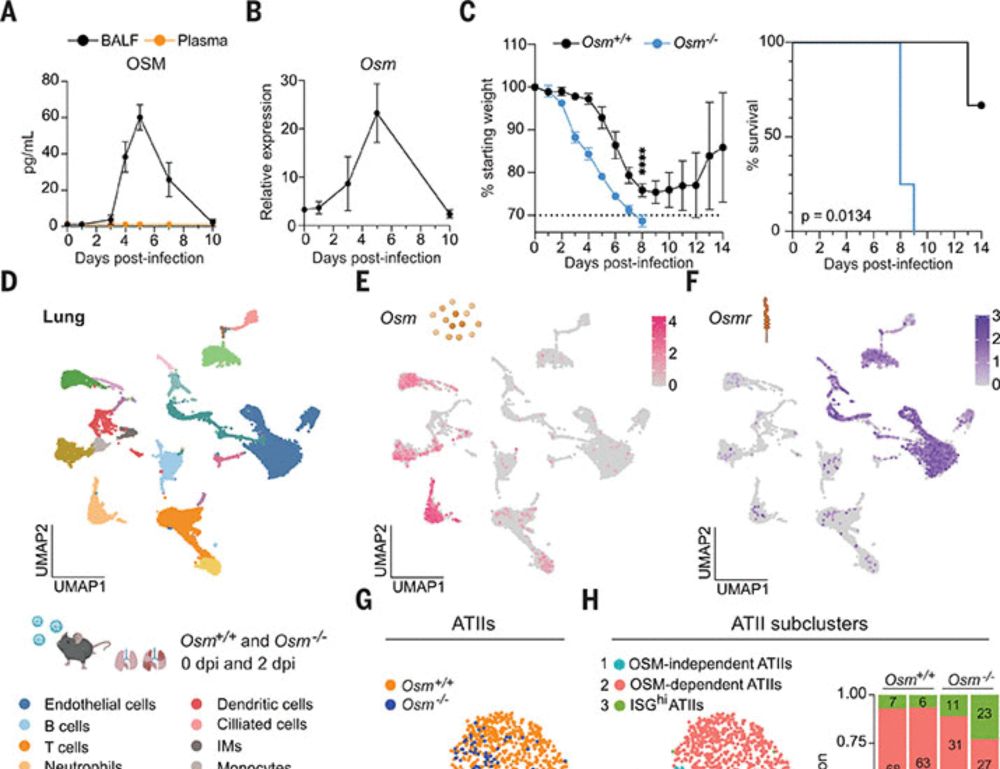
Macrophage-derived oncostatin M repairs the lung epithelial barrier during inflammatory damage
Tissue repair programs must function alongside antiviral immunity to restore the lung epithelial barrier following infection. We found that macrophage-derived oncostatin M (OSM) counteracted the patho...
www.science.org
July 11, 2025 at 1:03 AM
🎉 Over the moon to share the first paper from my lab!! We discovered an unexpected role for the cytokine OSM in lung epithelial homeostasis and repair. 🧵 1/n www.science.org/doi/10.1126/...
Really enjoy the intersection of math and statistics with immunology. Great work.

I'm excited about a new @biorxivpreprint.bsky.social story that just went live! This one takes a #computational #immunology approach to understanding #tissueresident lymphocytes. The story highlights the extra value mathematical modelling can bring to biology. 🧵1/10
www.biorxiv.org/content/10.1...
www.biorxiv.org/content/10.1...
Probabilistic migration events drive transient tissue residency of lymphocytes during homeostasis
Tissue-resident lymphocytes form a phenotypically and functionally distinct analog to the corresponding circulatory lymphocyte populations. Residential CD8 T cells, in particular, are identified as having prolonged residence in the tissues and key functions in recall responses at tissue-environmental interfaces, although the dwell time in individual tissues has yet to be resolved. Residential CD4 T cells, regulatory T cells, B cells, and NK cells have been demonstrated to share phenotypic properties with residential CD8 T cells, but the migratory kinetics are even more poorly defined. Here we used probabilistic modelling on a large parabiosis dataset, covering multiple time-points and tissues, to calculate migration kinetics and dwell times of multiple lymphocyte subsets across a diverse set of tissues. Markov chain modelling identified distinct cell type-specific and tissue-specific residency patterns. The liver and gut were prone to prolonged residency compared to other tissue types, and a hierarchy of residency was observed with CD8 T cells and NK cells demonstrating longer residency than CD4 conventional T cells and regulatory T cells, which in turn resided in tissues longer than B cells. With few exceptions, however, average residency was at least an order of magnitude shorter than the life-span of the mouse, indicating a more dynamic form of steady-state tissue residency than usually assumed. Together these data provide a comprehensive model of a pan-tissue shared program in lymphocyte tissue residence, as well as identifying cell type- and organ-specific modification of the migratory kinetics. ### Competing Interest Statement The authors have declared no competing interest. Wellcome Trust, https://ror.org/029chgv08, 222442/Z/21/Z European Research Council, TissueTreg
www.biorxiv.org
July 9, 2025 at 7:15 PM
Really enjoy the intersection of math and statistics with immunology. Great work.
Was a pleasure to write this journal club spotlight on the following excellent preprint from Neetu Srivastava, Xiaoxiao Wan and colleagues. Please be sure to check out their excellent work here: www.biorxiv.org/content/10.1...
June 30, 2025 at 4:03 PM
Was a pleasure to write this journal club spotlight on the following excellent preprint from Neetu Srivastava, Xiaoxiao Wan and colleagues. Please be sure to check out their excellent work here: www.biorxiv.org/content/10.1...
Reposted by Boyan Tsankov

Really couldn't be more proud to have the last chapter of my PhD finally out in publication at @cellpress.bsky.social.
We looked at the mechanisms behind how the developing gut microbiota in newborns plays a role in education of the pulmonary immune response against respiratory viruses.
We looked at the mechanisms behind how the developing gut microbiota in newborns plays a role in education of the pulmonary immune response against respiratory viruses.

Significant discovery from experts at #CincinnatiChildrens published in Cell suggests a way to reduce harm to #immunesystem development after antibiotic treatments for newborns. #inosine
Study: sciencedirect.com/science/arti...
Blog: scienceblog.cincinnatichildrens.org/discovery-su...
Study: sciencedirect.com/science/arti...
Blog: scienceblog.cincinnatichildrens.org/discovery-su...

Microbiota-derived inosine programs protective CD8+ T cell responses against influenza in newborns
Early-life susceptibility to respiratory viral infections remains a major public health concern, yet the underlying mechanisms are poorly understood. …
sciencedirect.com
June 9, 2025 at 7:10 PM
Really couldn't be more proud to have the last chapter of my PhD finally out in publication at @cellpress.bsky.social.
We looked at the mechanisms behind how the developing gut microbiota in newborns plays a role in education of the pulmonary immune response against respiratory viruses.
We looked at the mechanisms behind how the developing gut microbiota in newborns plays a role in education of the pulmonary immune response against respiratory viruses.
Reposted by Boyan Tsankov

I am very excited to share our article on IFNg, stroma and disease tolerance during intestinal helminth infection published today in Cell. This work was lead by the amazing @susanwestfall.bsky.social and supported by many international collaborators.
www.sciencedirect.com/science/arti...
www.sciencedirect.com/science/arti...
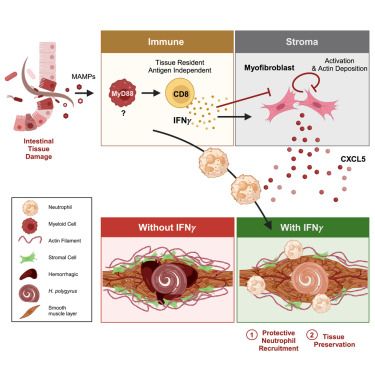
A type 1 immune-stromal cell network mediates disease tolerance against intestinal infection
Type 1 immunity mediates host defense through pathogen elimination, but whether this pathway also impacts tissue function is unknown. Here, we demonst…
www.sciencedirect.com
April 22, 2025 at 4:35 PM
I am very excited to share our article on IFNg, stroma and disease tolerance during intestinal helminth infection published today in Cell. This work was lead by the amazing @susanwestfall.bsky.social and supported by many international collaborators.
www.sciencedirect.com/science/arti...
www.sciencedirect.com/science/arti...
Having had a bad clavicle fracture 6 months ago, two operations, and too many X-rays (all for $0!) I am super grateful for the ortho team @sinaihealth.bsky.social in Toronto for their exceptional care. Proud to be 🇨🇦, and I hope we as a nation push even more $ into the medical sphere.
March 31, 2025 at 1:41 PM
Having had a bad clavicle fracture 6 months ago, two operations, and too many X-rays (all for $0!) I am super grateful for the ortho team @sinaihealth.bsky.social in Toronto for their exceptional care. Proud to be 🇨🇦, and I hope we as a nation push even more $ into the medical sphere.
Reposted by Boyan Tsankov
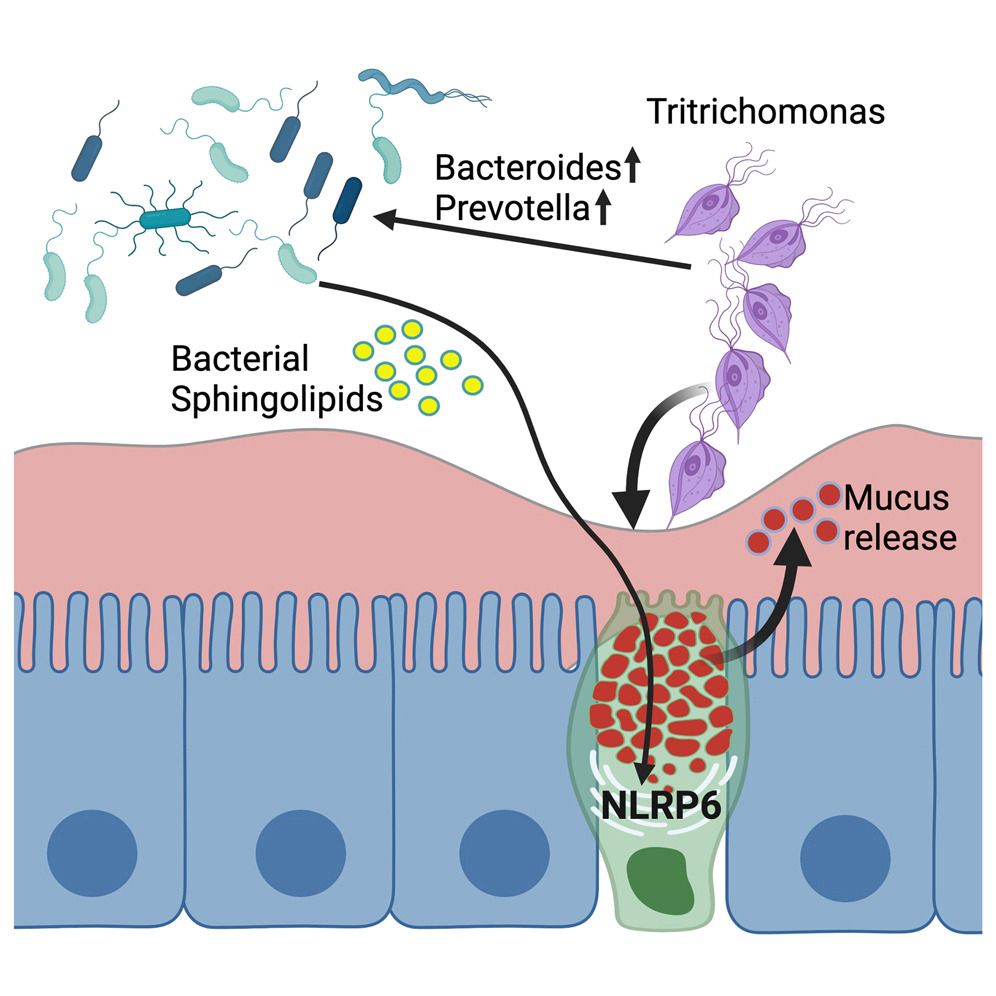
Featured Article: Cross-kingdom-mediated detection of protozoa
NLRP6 regulates colonic mucus secretion upon intestinal protozoan infection. NLRP6 does not directly sense Tritrichomonas but Bacteroides-derived sphingolipids enriched during infection
www.cell.com/cell-host-mi...
NLRP6 regulates colonic mucus secretion upon intestinal protozoan infection. NLRP6 does not directly sense Tritrichomonas but Bacteroides-derived sphingolipids enriched during infection
www.cell.com/cell-host-mi...
March 13, 2025 at 1:55 PM
Featured Article: Cross-kingdom-mediated detection of protozoa
NLRP6 regulates colonic mucus secretion upon intestinal protozoan infection. NLRP6 does not directly sense Tritrichomonas but Bacteroides-derived sphingolipids enriched during infection
www.cell.com/cell-host-mi...
NLRP6 regulates colonic mucus secretion upon intestinal protozoan infection. NLRP6 does not directly sense Tritrichomonas but Bacteroides-derived sphingolipids enriched during infection
www.cell.com/cell-host-mi...
Highly recommended read!
Featured Article: Cross-kingdom-mediated detection of protozoa
NLRP6 regulates colonic mucus secretion upon intestinal protozoan infection. NLRP6 does not directly sense Tritrichomonas but Bacteroides-derived sphingolipids enriched during infection
www.cell.com/cell-host-mi...
NLRP6 regulates colonic mucus secretion upon intestinal protozoan infection. NLRP6 does not directly sense Tritrichomonas but Bacteroides-derived sphingolipids enriched during infection
www.cell.com/cell-host-mi...
March 13, 2025 at 3:24 PM
Highly recommended read!
Reposted by Boyan Tsankov
Reliance on AI to solve problems without having any conception of the solution approach has elements of praying to a deity.
March 9, 2025 at 3:32 PM
Reliance on AI to solve problems without having any conception of the solution approach has elements of praying to a deity.
Reposted by Boyan Tsankov

NEW @preprintclub.bsky.social Journal Club by Jennifer Ahn & @jengommerman.bsky.social highlighting a @biorxiv-immuno.bsky.social paper by @arimolofskylab.bsky.social, Jeanne Paz and colleagues that reports a role for IFNg in protecting against seizures after traumatic brain injury
Type 1 immune response reduces seizure risk after traumatic brain injury
Nature Reviews Immunology - A preprint by Mroz et al. reports a role for IFNgamma in protecting against seizures after traumatic brain injury.
rdcu.be
March 5, 2025 at 9:15 AM
NEW @preprintclub.bsky.social Journal Club by Jennifer Ahn & @jengommerman.bsky.social highlighting a @biorxiv-immuno.bsky.social paper by @arimolofskylab.bsky.social, Jeanne Paz and colleagues that reports a role for IFNg in protecting against seizures after traumatic brain injury
www.cell.com/cell-host-mi...
Super happy to have contributed to this work led by the skyless Dr. Nate Winsor in our lab published in @cp-cellhostmicrobe.bsky.social! If you're interested in learning more about gut protozoa, bacteria, and mucus, be sure to give it a read!
Super happy to have contributed to this work led by the skyless Dr. Nate Winsor in our lab published in @cp-cellhostmicrobe.bsky.social! If you're interested in learning more about gut protozoa, bacteria, and mucus, be sure to give it a read!
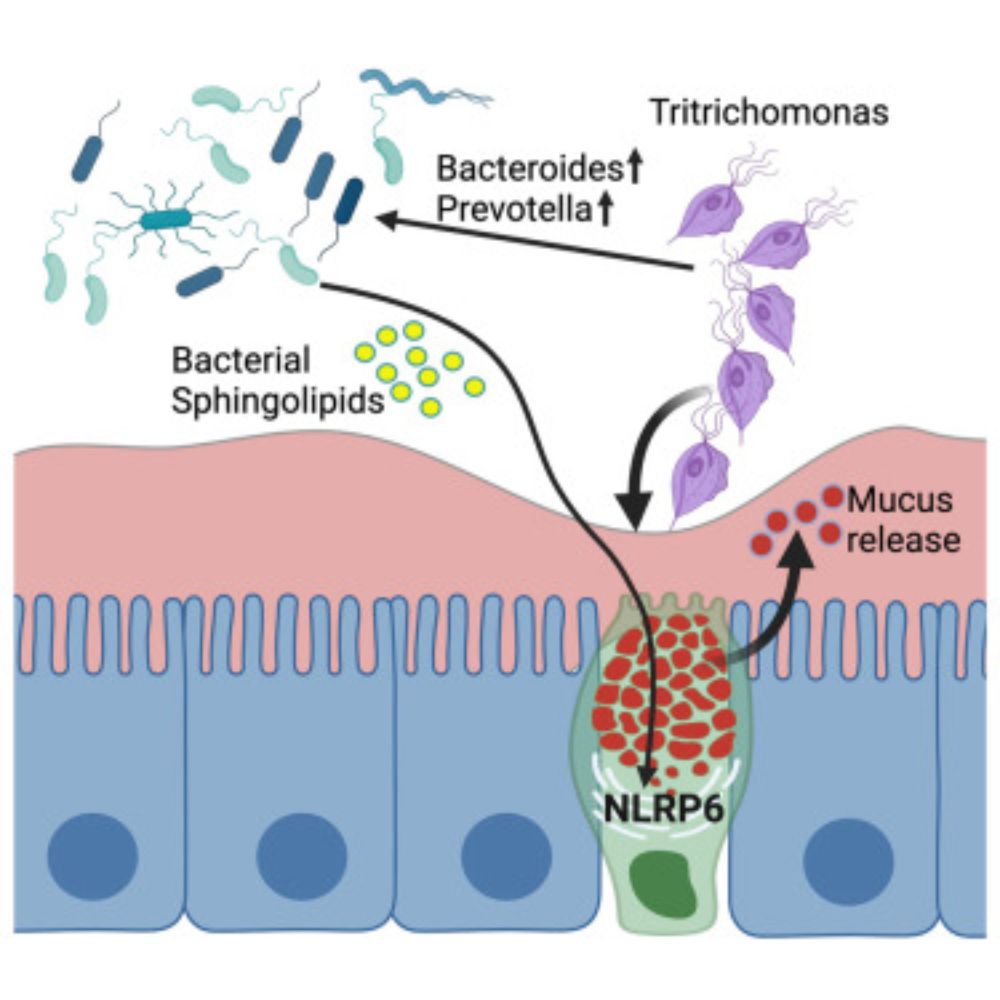
Cross-kingdom-mediated detection of intestinal protozoa through NLRP6
Here, Winsor et al. identify that the innate immune sensor NLRP6 regulates colonic
mucus secretion following intestinal protozoan infection. Importantly, NLRP6 does
not directly sense Tritrichomonas p...
www.cell.com
March 4, 2025 at 4:33 PM
www.cell.com/cell-host-mi...
Super happy to have contributed to this work led by the skyless Dr. Nate Winsor in our lab published in @cp-cellhostmicrobe.bsky.social! If you're interested in learning more about gut protozoa, bacteria, and mucus, be sure to give it a read!
Super happy to have contributed to this work led by the skyless Dr. Nate Winsor in our lab published in @cp-cellhostmicrobe.bsky.social! If you're interested in learning more about gut protozoa, bacteria, and mucus, be sure to give it a read!
A somewhat expected consequence of the rise in scientific publishing (oftentimes dubious papers), is that seminal papers, especially those prior to 2005-ish are much harder to find without specific PubMed queries. Does anyone have any tips?
January 30, 2025 at 4:37 PM
A somewhat expected consequence of the rise in scientific publishing (oftentimes dubious papers), is that seminal papers, especially those prior to 2005-ish are much harder to find without specific PubMed queries. Does anyone have any tips?
This is insane - transplantation of genetically modified pig heart into human as a treatment for heart failure. Despite the patient succumbing to antibody-mediated graft rejection, there were encouraging postoperative improvements.
www.nature.com/articles/s41...
www.nature.com/articles/s41...
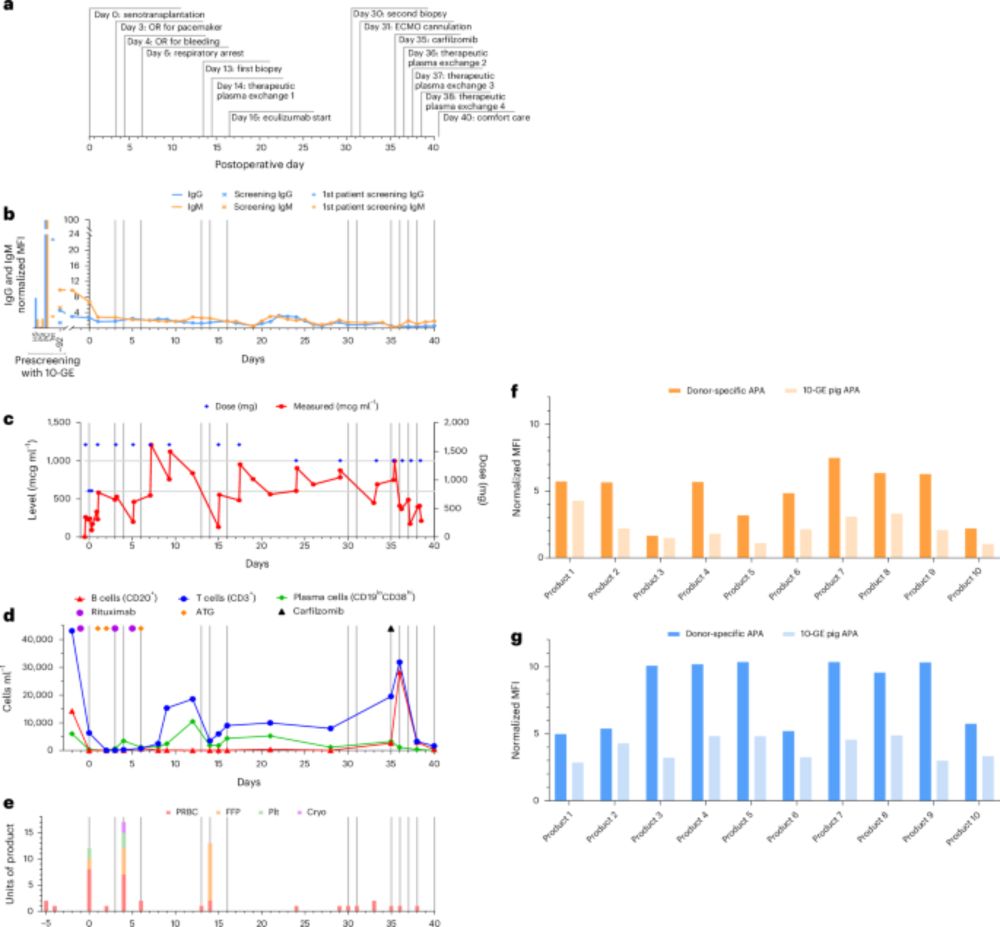
Transplantation of a genetically modified porcine heart into a live human - Nature Medicine
In the second case in which a genetically modified pig heart was transplanted into a living person, the xenografted heart functioned well initially, but antibody-mediated rejection occurred thereafter...
www.nature.com
January 9, 2025 at 4:57 PM
This is insane - transplantation of genetically modified pig heart into human as a treatment for heart failure. Despite the patient succumbing to antibody-mediated graft rejection, there were encouraging postoperative improvements.
www.nature.com/articles/s41...
www.nature.com/articles/s41...
I know my weekend read!
Ever wondered how gut microbes control immune responses at extra-intestinal locations?
Here #theonlylabever reports how a gut protozoan commensal shapes pulmonary immunity to exacerbate asthma and limit the dissemination of mycobacteria.
@cellpress.bsky.social ⬇️(1/x)
www.cell.com/cell/fulltex...
Here #theonlylabever reports how a gut protozoan commensal shapes pulmonary immunity to exacerbate asthma and limit the dissemination of mycobacteria.
@cellpress.bsky.social ⬇️(1/x)
www.cell.com/cell/fulltex...
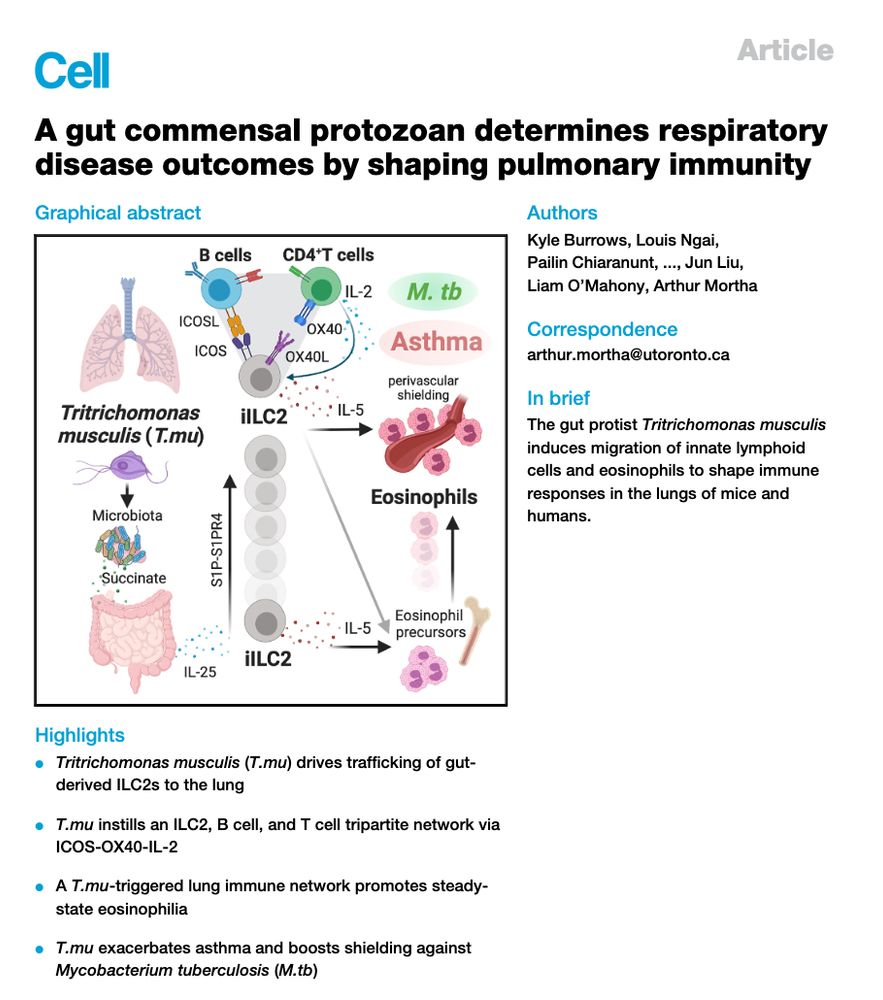
December 20, 2024 at 12:38 AM
I know my weekend read!
Reposted by Boyan Tsankov

Ever wondered how gut microbes control immune responses at extra-intestinal locations?
Here #theonlylabever reports how a gut protozoan commensal shapes pulmonary immunity to exacerbate asthma and limit the dissemination of mycobacteria.
@cellpress.bsky.social ⬇️(1/x)
www.cell.com/cell/fulltex...
Here #theonlylabever reports how a gut protozoan commensal shapes pulmonary immunity to exacerbate asthma and limit the dissemination of mycobacteria.
@cellpress.bsky.social ⬇️(1/x)
www.cell.com/cell/fulltex...
December 19, 2024 at 9:30 PM
Ever wondered how gut microbes control immune responses at extra-intestinal locations?
Here #theonlylabever reports how a gut protozoan commensal shapes pulmonary immunity to exacerbate asthma and limit the dissemination of mycobacteria.
@cellpress.bsky.social ⬇️(1/x)
www.cell.com/cell/fulltex...
Here #theonlylabever reports how a gut protozoan commensal shapes pulmonary immunity to exacerbate asthma and limit the dissemination of mycobacteria.
@cellpress.bsky.social ⬇️(1/x)
www.cell.com/cell/fulltex...
Yes but it’s easy to fall into the trap of “busy reading”. Reading without being able to put the work into a theoretical framework is almost pointless. Also important to be able to distinguish good papers from the swathes of junk.
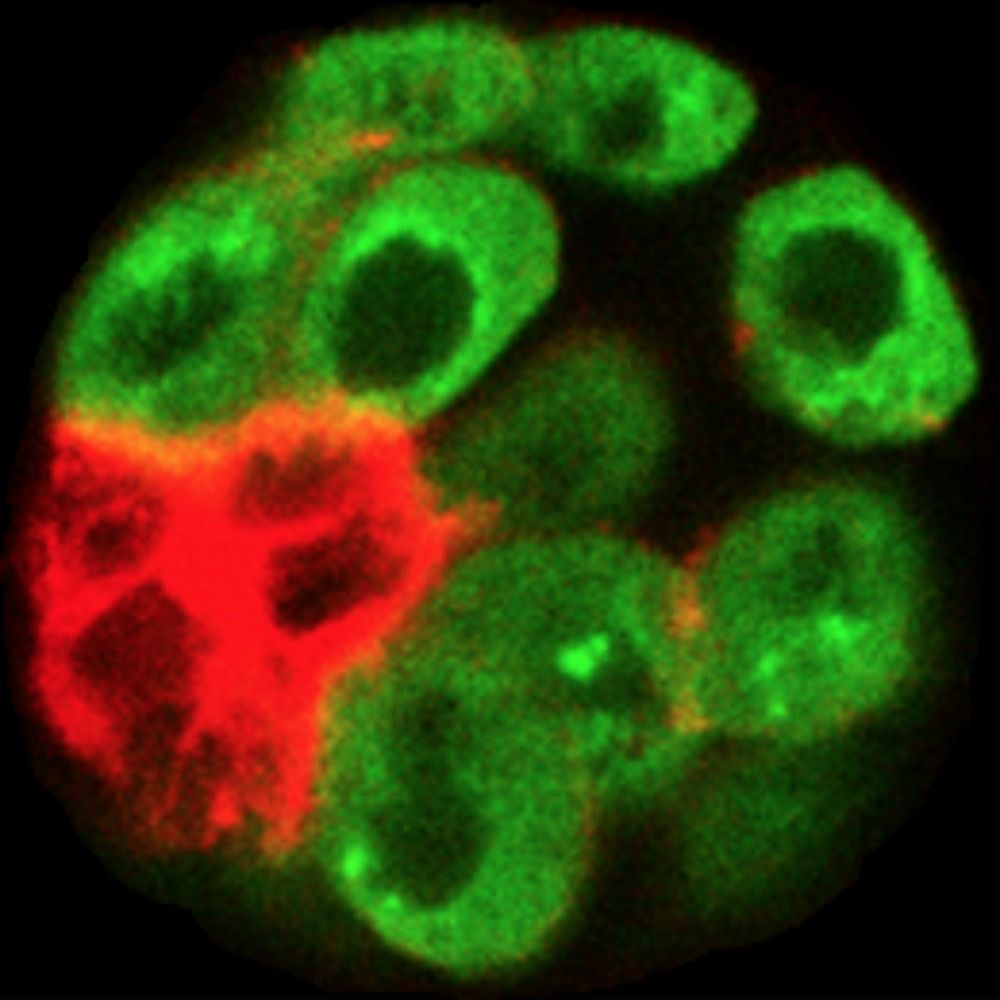
1. I feel like this is such obvious advice that it gets taken for granted & consequently no one says this to young scientists but READ PAPERS, read all the papers. As you move up in your career you will have less & less time to do this. Read everything that appeals to you not just in your field
December 13, 2024 at 9:24 PM
Yes but it’s easy to fall into the trap of “busy reading”. Reading without being able to put the work into a theoretical framework is almost pointless. Also important to be able to distinguish good papers from the swathes of junk.
I don’t think more resources necessarily means better science. I think the bigger issue is the current zeitgeist of giving attention to “data heavy” papers that may not necessarily have that much more scientific substance. We now value flashy techniques over substance - this mood needs to change.

There are “talented” scientists everywhere. It’s the resource hoarding at large institutions that is the real problem.

Opinion piece: Federal #research programs should support the most talented scientists at the nation’s top universities. Caps on the number of applications allowed from a single institution risk undermining that mission: www.pnas.org/doi/10.1073/... #grants #DepartmentOfEnergy #FederalFunding
November 29, 2024 at 2:52 AM
I don’t think more resources necessarily means better science. I think the bigger issue is the current zeitgeist of giving attention to “data heavy” papers that may not necessarily have that much more scientific substance. We now value flashy techniques over substance - this mood needs to change.
In times when science denialism is at a high, it’s a good reminder that human life expectancy was between 30-50 until mass vaccination campaigns, discovery and use of Abx, and discovery of HAART which all collectively boosted LE by at least 20 years in the 20th century.
November 20, 2024 at 8:40 PM
In times when science denialism is at a high, it’s a good reminder that human life expectancy was between 30-50 until mass vaccination campaigns, discovery and use of Abx, and discovery of HAART which all collectively boosted LE by at least 20 years in the 20th century.
Biological science needs to go back to the fundamental idea that hypotheses should always be attempted to be disproven. Either the experiments show negative results and the paradigm is further solidified, or new data causes ground-breaking shifts in old, unquestioned ways of thinking.
Academia never tells its people 'do something creative and take a risk'. Instead they say:
1. To students: don't be too ambitious
2. To postdocs: work on projects with a high feasibility
3. To assistant professors: play it safe, get tenure
4. To professors: don't lose funding, go with the paradigm.
1. To students: don't be too ambitious
2. To postdocs: work on projects with a high feasibility
3. To assistant professors: play it safe, get tenure
4. To professors: don't lose funding, go with the paradigm.
November 16, 2024 at 9:59 PM
Biological science needs to go back to the fundamental idea that hypotheses should always be attempted to be disproven. Either the experiments show negative results and the paradigm is further solidified, or new data causes ground-breaking shifts in old, unquestioned ways of thinking.