


Kelly Lepo
@kellylepo.bsky.social
Astronomer | Science communicator | Adult Lisa Simpson
Freelance writer and editor. Former Education and Outreach Scientist at the Space Telescope Science Institute (@stsci.edu) supporting JWST.
Also on Mastodon: @KellyLepo@scicomm.xyz
Freelance writer and editor. Former Education and Outreach Scientist at the Space Telescope Science Institute (@stsci.edu) supporting JWST.
Also on Mastodon: @KellyLepo@scicomm.xyz
Pinned
Kelly Lepo
@kellylepo.bsky.social
· Jan 5
Life update:
December 31 was my last day at the Space Telescope Science Institute. The NASA's Universe of Learning grant that paid a large fraction of my salary was not renewed due to NASA budget cuts, so my contract was not renewed.
December 31 was my last day at the Space Telescope Science Institute. The NASA's Universe of Learning grant that paid a large fraction of my salary was not renewed due to NASA budget cuts, so my contract was not renewed.
While not a real-time image feed from the telescopes (the images are from existing surveys), you can see what Hubble or Webb are observing right now. Pretty neat! 🔭🧪
If you've ever wondered what Hubble and Webb were observing at any time, there's an easy way to find out! 👀
Space Telescope Live can show you what the telescopes are looking at now and what the next planned observation will be, all in one space (pun intended 😁): https://spacetelescopelive.org/
Space Telescope Live can show you what the telescopes are looking at now and what the next planned observation will be, all in one space (pun intended 😁): https://spacetelescopelive.org/

February 4, 2026 at 5:47 PM
While not a real-time image feed from the telescopes (the images are from existing surveys), you can see what Hubble or Webb are observing right now. Pretty neat! 🔭🧪
Reposted by Kelly Lepo

#NASAWebb has set a new cosmic distance record: MoM-z14, the furthest galaxy ever confirmed (for now). In this image we see the galaxy as it appeared only 280 million years after the universe began in the big bang: https://news.stsci.edu/49Uanyg

January 28, 2026 at 3:02 PM
#NASAWebb has set a new cosmic distance record: MoM-z14, the furthest galaxy ever confirmed (for now). In this image we see the galaxy as it appeared only 280 million years after the universe began in the big bang: https://news.stsci.edu/49Uanyg
Exactly. I'm originally from Erie, PA and they are absolutely equipped to handle lake effect snow. Syracuse has worse lake effect, so they will be fine.
It's hard to shake that mentality now that I live in Maryland, where everything shuts down if there is an inch of snow on the ground.
It's hard to shake that mentality now that I live in Maryland, where everything shuts down if there is an inch of snow on the ground.
January 23, 2026 at 9:51 PM
Exactly. I'm originally from Erie, PA and they are absolutely equipped to handle lake effect snow. Syracuse has worse lake effect, so they will be fine.
It's hard to shake that mentality now that I live in Maryland, where everything shuts down if there is an inch of snow on the ground.
It's hard to shake that mentality now that I live in Maryland, where everything shuts down if there is an inch of snow on the ground.
My latest video for @aot-baltimore.bsky.social: Heated Rivalry Astronomy on Tap
In a world where there are no out gay observatories, NASA Astrophysics and NASA Earth Science begin a romance. Can they keep their love a secret?
www.youtube.com/watch?v=zLa8...
In a world where there are no out gay observatories, NASA Astrophysics and NASA Earth Science begin a romance. Can they keep their love a secret?
www.youtube.com/watch?v=zLa8...

Heated Rivalry - Astronomy on Tap Baltimore
YouTube video by Kelly Lepo
www.youtube.com
January 23, 2026 at 8:20 PM
My latest video for @aot-baltimore.bsky.social: Heated Rivalry Astronomy on Tap
In a world where there are no out gay observatories, NASA Astrophysics and NASA Earth Science begin a romance. Can they keep their love a secret?
www.youtube.com/watch?v=zLa8...
In a world where there are no out gay observatories, NASA Astrophysics and NASA Earth Science begin a romance. Can they keep their love a secret?
www.youtube.com/watch?v=zLa8...
Reposted by Kelly Lepo
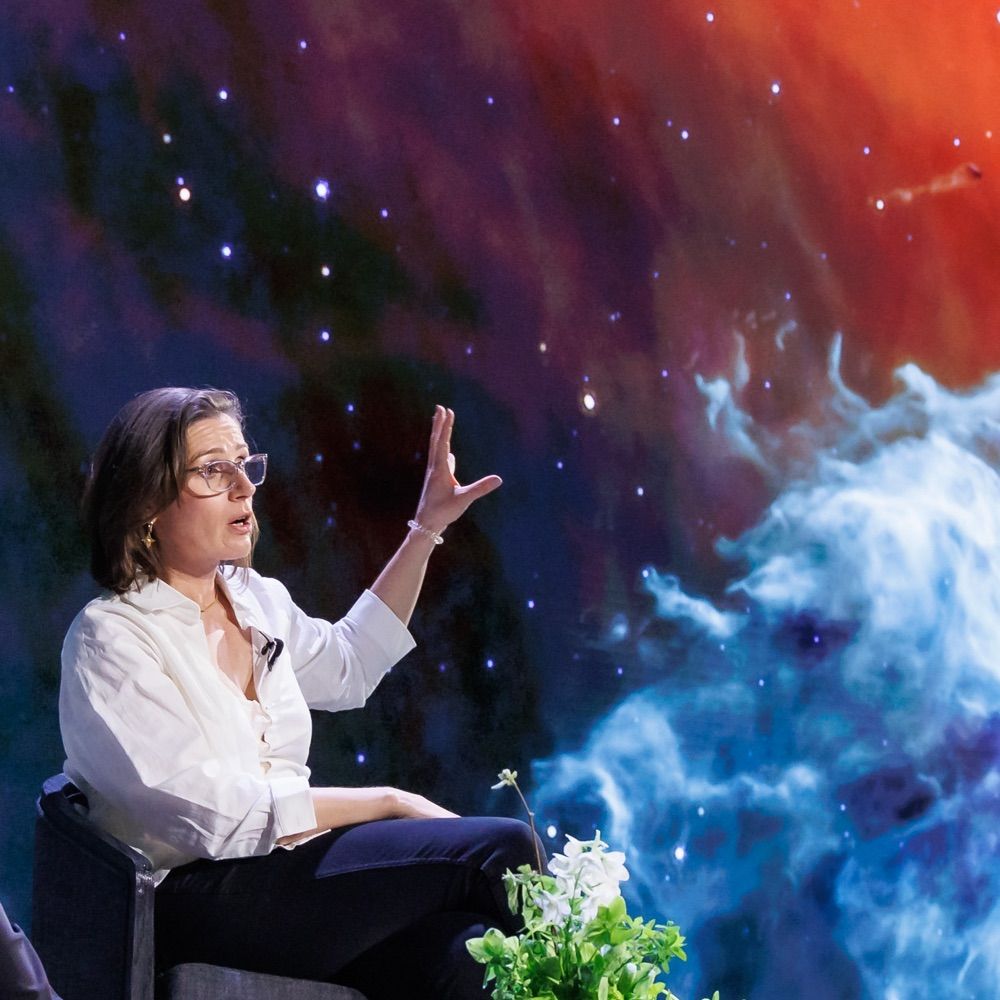
Some info on how #Artemis II might impact #JWST operations, from our @jwstobserver.bsky.social site. 🔭https://www.stsci.edu/contents/news/jwst/2026/artemis-ii's-possible-impact-on-jwst-science-operations.html

Artemis II’s Possible Impact on JWST Science Operations
www.stsci.edu
January 23, 2026 at 3:01 PM
Some info on how #Artemis II might impact #JWST operations, from our @jwstobserver.bsky.social site. 🔭https://www.stsci.edu/contents/news/jwst/2026/artemis-ii's-possible-impact-on-jwst-science-operations.html
This is more of a management position than an outreach one. The office of public outreach is in a challenging budget situation and just laid off a bunch of staff (including me). They interface with NASA, who also lost a bunch of staff.
So whoever takes this on will have their work cut out for them.
So whoever takes this on will have their work cut out for them.
January 21, 2026 at 8:09 PM
This is more of a management position than an outreach one. The office of public outreach is in a challenging budget situation and just laid off a bunch of staff (including me). They interface with NASA, who also lost a bunch of staff.
So whoever takes this on will have their work cut out for them.
So whoever takes this on will have their work cut out for them.
I was on my way to the airport going home after a study abroad in Madrid. I had $12 in my bank account, no money for a taxi, one trip left on my 10 trip metro pass.
A stranger saw how exhausted I was and helped me with my bags through two metro line transfers even though it was out of his way.
A stranger saw how exhausted I was and helped me with my bags through two metro line transfers even though it was out of his way.
January 19, 2026 at 8:27 PM
I was on my way to the airport going home after a study abroad in Madrid. I had $12 in my bank account, no money for a taxi, one trip left on my 10 trip metro pass.
A stranger saw how exhausted I was and helped me with my bags through two metro line transfers even though it was out of his way.
A stranger saw how exhausted I was and helped me with my bags through two metro line transfers even though it was out of his way.
True.
And also your average kid knows more science than your average adult (because adults have mostly forgotten what they learned in science class).
And also your average kid knows more science than your average adult (because adults have mostly forgotten what they learned in science class).
January 18, 2026 at 11:56 PM
True.
And also your average kid knows more science than your average adult (because adults have mostly forgotten what they learned in science class).
And also your average kid knows more science than your average adult (because adults have mostly forgotten what they learned in science class).
Working in astronomy outreach, you quickly learn that the average person knows way less than you think.
It's fine! You can live your whole life without knowing if the Sun is a star. I know because it is my job, most people don't have to.
But asking questions is the first step to learning more.
It's fine! You can live your whole life without knowing if the Sun is a star. I know because it is my job, most people don't have to.
But asking questions is the first step to learning more.

January 18, 2026 at 11:21 PM
Working in astronomy outreach, you quickly learn that the average person knows way less than you think.
It's fine! You can live your whole life without knowing if the Sun is a star. I know because it is my job, most people don't have to.
But asking questions is the first step to learning more.
It's fine! You can live your whole life without knowing if the Sun is a star. I know because it is my job, most people don't have to.
But asking questions is the first step to learning more.

Reposted by Kelly Lepo

Few individuals have had such a colossal & deleterious impact on the cultural psyche as the recently-departed Erich von Däniken. While he was not alone in fusing aliens into our conception of the distant human past, he was perhaps the most successful & the most harmful in doing so.
January 12, 2026 at 11:30 PM
Few individuals have had such a colossal & deleterious impact on the cultural psyche as the recently-departed Erich von Däniken. While he was not alone in fusing aliens into our conception of the distant human past, he was perhaps the most successful & the most harmful in doing so.
Reposted by Kelly Lepo

I am once AGAIN asking that everyone use ALT text in their images. I see a lot of good stuff I'd like to repost but I won't if it's not accessible. So please take a moment and do so when you put up a pic. Thank you.
January 11, 2026 at 7:06 PM
I am once AGAIN asking that everyone use ALT text in their images. I see a lot of good stuff I'd like to repost but I won't if it's not accessible. So please take a moment and do so when you put up a pic. Thank you.
I know, right? I think the Universe owes me a Milky Way supernova in my lifetime.
January 10, 2026 at 8:13 PM
I know, right? I think the Universe owes me a Milky Way supernova in my lifetime.
Reposted by Kelly Lepo
Sometimes you stumble over to a packed breakout session at your big annual academic conference and learn that some billionaires have decided to build not one, but FOUR, complementary new telescope facilities, and build them fast
Well OK then! Happy new year! From their pockets to our skies! 🔭
Well OK then! Happy new year! From their pockets to our skies! 🔭
Eric and Wendy Schmidt are funding a 3-meter space telescope with a coronagraph, and three ground-based observatories: the Deep Synoptic Array, the Argus Array, and LFAST. Funds have been committed and officials say they hope to be operational by 2029. #aas247 www.astronomy.com/science/eric...

Eric and Wendy Schmidt to fund space telescope, three ground-based observatories
The Schmidts' philanthropic research organization will build a 3-meter space telescope and fund three ground-based facilities.
www.astronomy.com
January 8, 2026 at 5:24 AM
Sometimes you stumble over to a packed breakout session at your big annual academic conference and learn that some billionaires have decided to build not one, but FOUR, complementary new telescope facilities, and build them fast
Well OK then! Happy new year! From their pockets to our skies! 🔭
Well OK then! Happy new year! From their pockets to our skies! 🔭
I fact checked the social media for this release. Normally I just have to review the astronomy. For this one, I also had to learn about platypus biology.
January 6, 2026 at 5:37 PM
I fact checked the social media for this release. Normally I just have to review the astronomy. For this one, I also had to learn about platypus biology.
Thanks! Here's hoping that 2026 will be much better than 2025.
January 5, 2026 at 9:34 PM
Thanks! Here's hoping that 2026 will be much better than 2025.
If you like my content on here, and you want to support me as I figure things out, you can buy me a coffee: ko-fi.com/kellylepo

Buy Kelly Lepo a Coffee
Become a supporter of Kelly Lepo today!
ko-fi.com
January 5, 2026 at 9:13 PM
If you like my content on here, and you want to support me as I figure things out, you can buy me a coffee: ko-fi.com/kellylepo
I'm still trying to figure out my next steps. I have a few creative projects in the works that I finally have time to finish. I'm also open to freelance writing, editing, teaching, and curriculum design gigs.
January 5, 2026 at 9:10 PM
I'm still trying to figure out my next steps. I have a few creative projects in the works that I finally have time to finish. I'm also open to freelance writing, editing, teaching, and curriculum design gigs.
Life update:
December 31 was my last day at the Space Telescope Science Institute. The NASA's Universe of Learning grant that paid a large fraction of my salary was not renewed due to NASA budget cuts, so my contract was not renewed.
December 31 was my last day at the Space Telescope Science Institute. The NASA's Universe of Learning grant that paid a large fraction of my salary was not renewed due to NASA budget cuts, so my contract was not renewed.
January 5, 2026 at 9:10 PM
Life update:
December 31 was my last day at the Space Telescope Science Institute. The NASA's Universe of Learning grant that paid a large fraction of my salary was not renewed due to NASA budget cuts, so my contract was not renewed.
December 31 was my last day at the Space Telescope Science Institute. The NASA's Universe of Learning grant that paid a large fraction of my salary was not renewed due to NASA budget cuts, so my contract was not renewed.
Reposted by Kelly Lepo
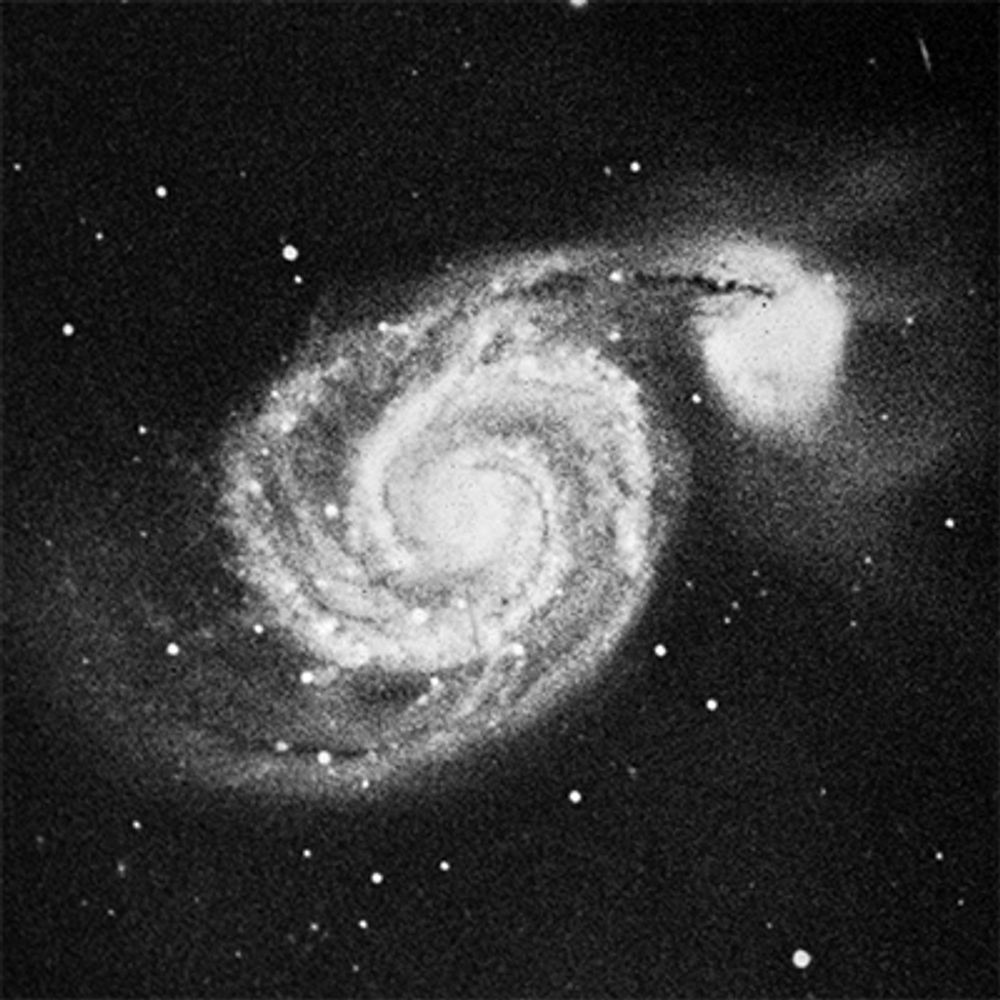
Hubble image of Arp 297, also known as NGC 5754 and NGC 5752.
The pair's interactions created kinked arms in NGC 5754 (the large spiral galaxy) and the blue star clusters in the core of NGC 5752 (the smaller galaxy).
Credit: NASA, ESA, the Hubble Heritage team, W. Keel
Source
The pair's interactions created kinked arms in NGC 5754 (the large spiral galaxy) and the blue star clusters in the core of NGC 5752 (the smaller galaxy).
Credit: NASA, ESA, the Hubble Heritage team, W. Keel
Source

January 2, 2026 at 12:31 AM
Hubble image of Arp 297, also known as NGC 5754 and NGC 5752.
The pair's interactions created kinked arms in NGC 5754 (the large spiral galaxy) and the blue star clusters in the core of NGC 5752 (the smaller galaxy).
Credit: NASA, ESA, the Hubble Heritage team, W. Keel
Source
The pair's interactions created kinked arms in NGC 5754 (the large spiral galaxy) and the blue star clusters in the core of NGC 5752 (the smaller galaxy).
Credit: NASA, ESA, the Hubble Heritage team, W. Keel
Source
🤔 I think the dictionary is telling me I should get back into making sourdough.

January 2, 2026 at 12:35 AM
🤔 I think the dictionary is telling me I should get back into making sourdough.
Reposted by Kelly Lepo
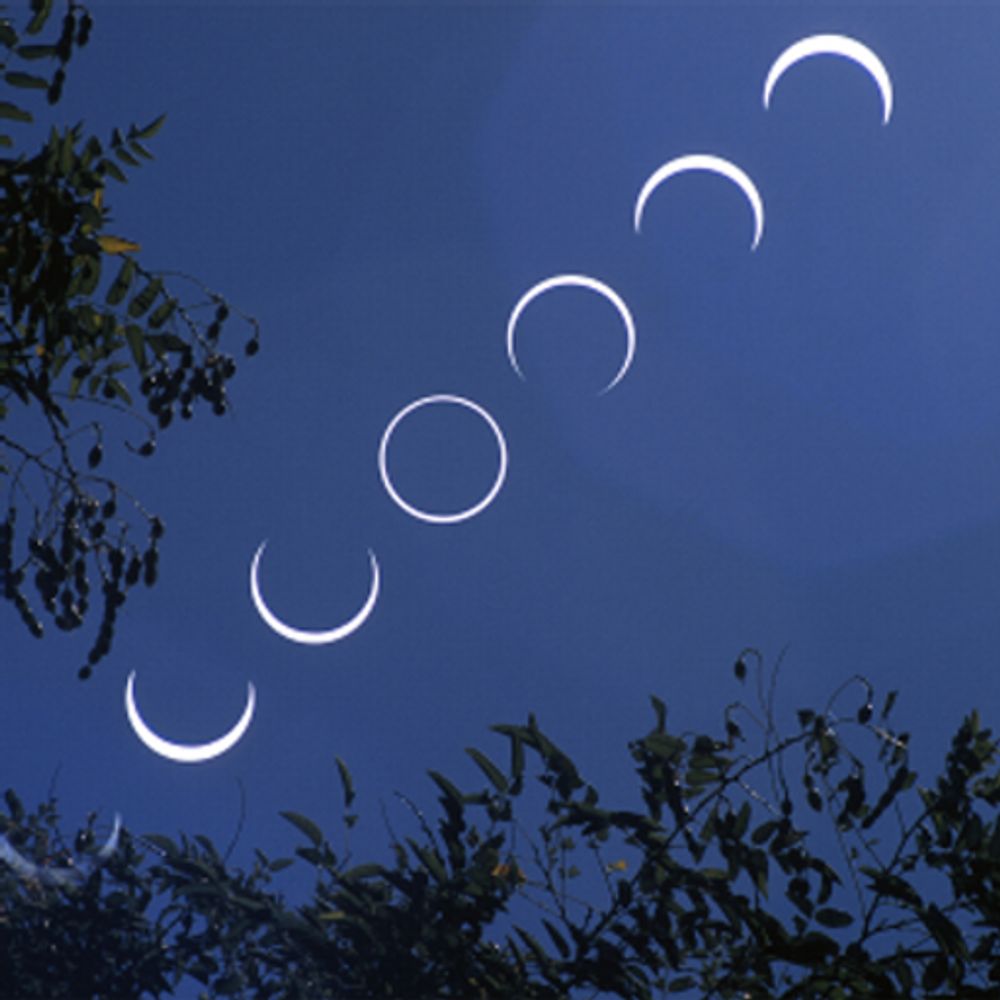
Happy new year! My all sky camera imaged the sky every 15 seconds and this picture shows what happened in the sky in 2025. It shows the length of the night and day with the hourglass shape, the monthly lunar cycle with the diagonal bands, the elevation of the Sun at local noon, and lots of clouds.

January 1, 2026 at 8:54 PM
Happy new year! My all sky camera imaged the sky every 15 seconds and this picture shows what happened in the sky in 2025. It shows the length of the night and day with the hourglass shape, the monthly lunar cycle with the diagonal bands, the elevation of the Sun at local noon, and lots of clouds.
Reposted by Kelly Lepo

And now the MIRI version! 🔭
The observation was made during the night, and just like with NIRCam, the fragments and the tail are beautiful!
HD: flic.kr/p/2rPp5EV
The observation was made during the night, and just like with NIRCam, the fragments and the tail are beautiful!
HD: flic.kr/p/2rPp5EV

December 30, 2025 at 12:29 PM
And now the MIRI version! 🔭
The observation was made during the night, and just like with NIRCam, the fragments and the tail are beautiful!
HD: flic.kr/p/2rPp5EV
The observation was made during the night, and just like with NIRCam, the fragments and the tail are beautiful!
HD: flic.kr/p/2rPp5EV
Just saw this. I've been ignoring Arp Bot over the winter break.
You can have rich text links like that when posting via the Bluesky API, but not through the app/website. I don't see many other people doing it, but I was a little desperate to get extra characters, lol.
github.com/MarshalX/atp...
You can have rich text links like that when posting via the Bluesky API, but not through the app/website. I don't see many other people doing it, but I was a little desperate to get extra characters, lol.
github.com/MarshalX/atp...
December 30, 2025 at 12:52 AM
Just saw this. I've been ignoring Arp Bot over the winter break.
You can have rich text links like that when posting via the Bluesky API, but not through the app/website. I don't see many other people doing it, but I was a little desperate to get extra characters, lol.
github.com/MarshalX/atp...
You can have rich text links like that when posting via the Bluesky API, but not through the app/website. I don't see many other people doing it, but I was a little desperate to get extra characters, lol.
github.com/MarshalX/atp...
Reposted by Kelly Lepo

I think people today don't understand just how dramatically the night sky has changed - it looked like it does in super remote areas *everywhere* before the invention of electric lighting, and light pollution that obscures the sky has gotten dramatically worse in the last 25 years.
If you ever have the experience of seeing a night sky out in the deep countryside you can understand this; it really is a fundamentally different experience, and I can't imagine it not being formative to people.
December 27, 2025 at 5:01 AM
I think people today don't understand just how dramatically the night sky has changed - it looked like it does in super remote areas *everywhere* before the invention of electric lighting, and light pollution that obscures the sky has gotten dramatically worse in the last 25 years.