


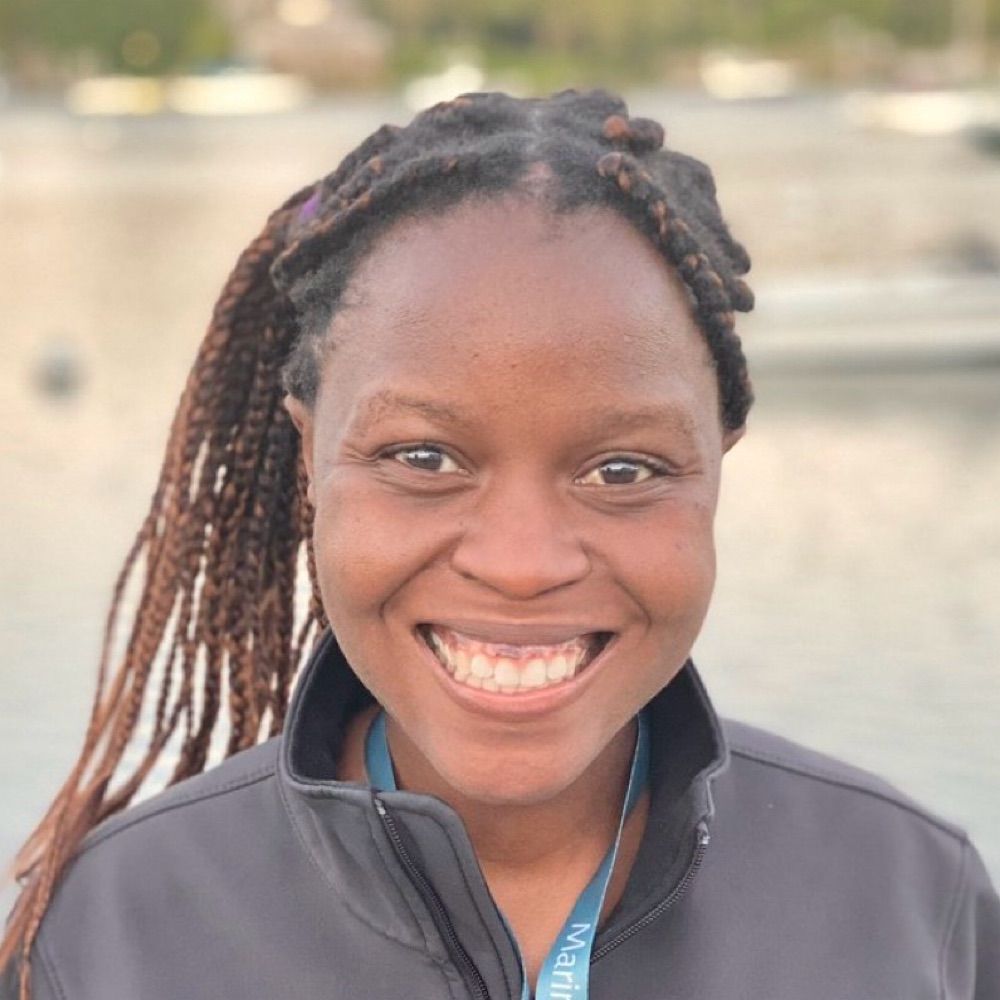
Flora Rutaganira
@frutag33.bsky.social
Assist. Prof. @StanfordBiochem & @DevBioStanford | #NewPI
www.funrscience.com
UC Davis ➡️ UCSF ➡️ UC Berkeley ➡️ Stanford | my opinions (she/her)
💜👑🏀 |✌🏾🇷🇼🇨🇩🇺🇸
ORCID: 0000-0001-5587-1872
www.funrscience.com
UC Davis ➡️ UCSF ➡️ UC Berkeley ➡️ Stanford | my opinions (she/her)
💜👑🏀 |✌🏾🇷🇼🇨🇩🇺🇸
ORCID: 0000-0001-5587-1872
Reposted by Flora Rutaganira

Some news: excited to share that I'm building @dittobio.bsky.social with @adairb.bsky.social and Emily Weiss as part of the @ycombinator.com.web.brid.gy W26 batch!
We're discovering drugs for autoimmune disease by harnessing parasite biology.
www.ycombinator.com/launches/PNb...
We're discovering drugs for autoimmune disease by harnessing parasite biology.
www.ycombinator.com/launches/PNb...

Launch YC: Ditto Bio – Evolutionary therapies for autoimmune disease | Y Combinator
We discover new drugs by harnessing parasite biology
www.ycombinator.com
February 7, 2026 at 12:30 AM
Some news: excited to share that I'm building @dittobio.bsky.social with @adairb.bsky.social and Emily Weiss as part of the @ycombinator.com.web.brid.gy W26 batch!
We're discovering drugs for autoimmune disease by harnessing parasite biology.
www.ycombinator.com/launches/PNb...
We're discovering drugs for autoimmune disease by harnessing parasite biology.
www.ycombinator.com/launches/PNb...
Reposted by Flora Rutaganira
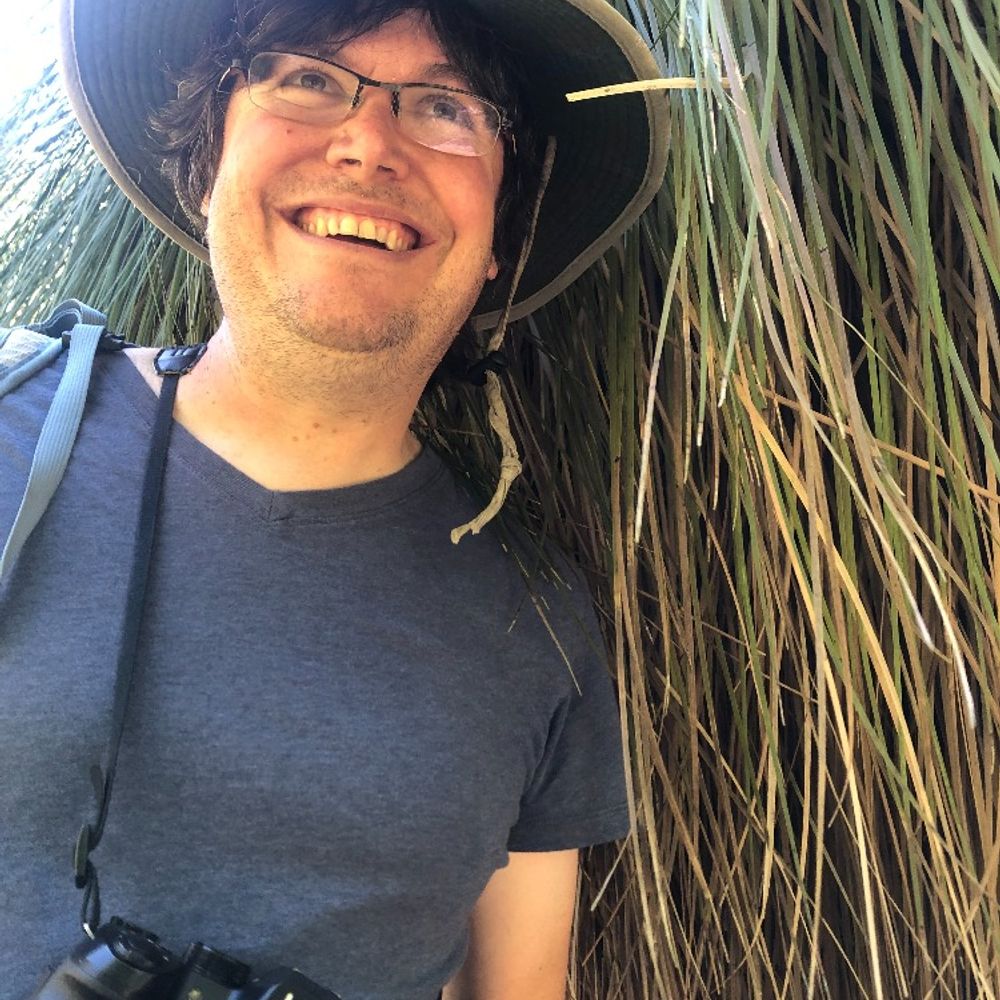
We're excited to be recruiting an NIH funded postdoc to work in the Coop lab at UC Davis. We're specifically interested in candidates who are want to work at the intersection of human genetics, GWAS, and population genetics modeling. Please RT
October 15, 2025 at 3:53 PM
We're excited to be recruiting an NIH funded postdoc to work in the Coop lab at UC Davis. We're specifically interested in candidates who are want to work at the intersection of human genetics, GWAS, and population genetics modeling. Please RT
Reposted by Flora Rutaganira
This is a beautiful case of how real science happens & serious scientists work. Kudos to both set of authors: “This has been a humbling experience, but one that speaks to the self-correcting nature of the scientific endeavor.” www.science.org/doi/10.1126/...

RETRACTED: Integrative phylogenomics positions sponges at the root of the animal tree
Determining whether sponges or ctenophores root the animal tree has important implications for understanding early animal evolution. Here, we examined support for these competing hypotheses by constru...
www.science.org
February 6, 2026 at 7:35 PM
This is a beautiful case of how real science happens & serious scientists work. Kudos to both set of authors: “This has been a humbling experience, but one that speaks to the self-correcting nature of the scientific endeavor.” www.science.org/doi/10.1126/...
Thank you Chrystal for your continuation of this effort to uplift and highlight Black Scientists. A wonderful gift of service for #BlackHistoryMonth
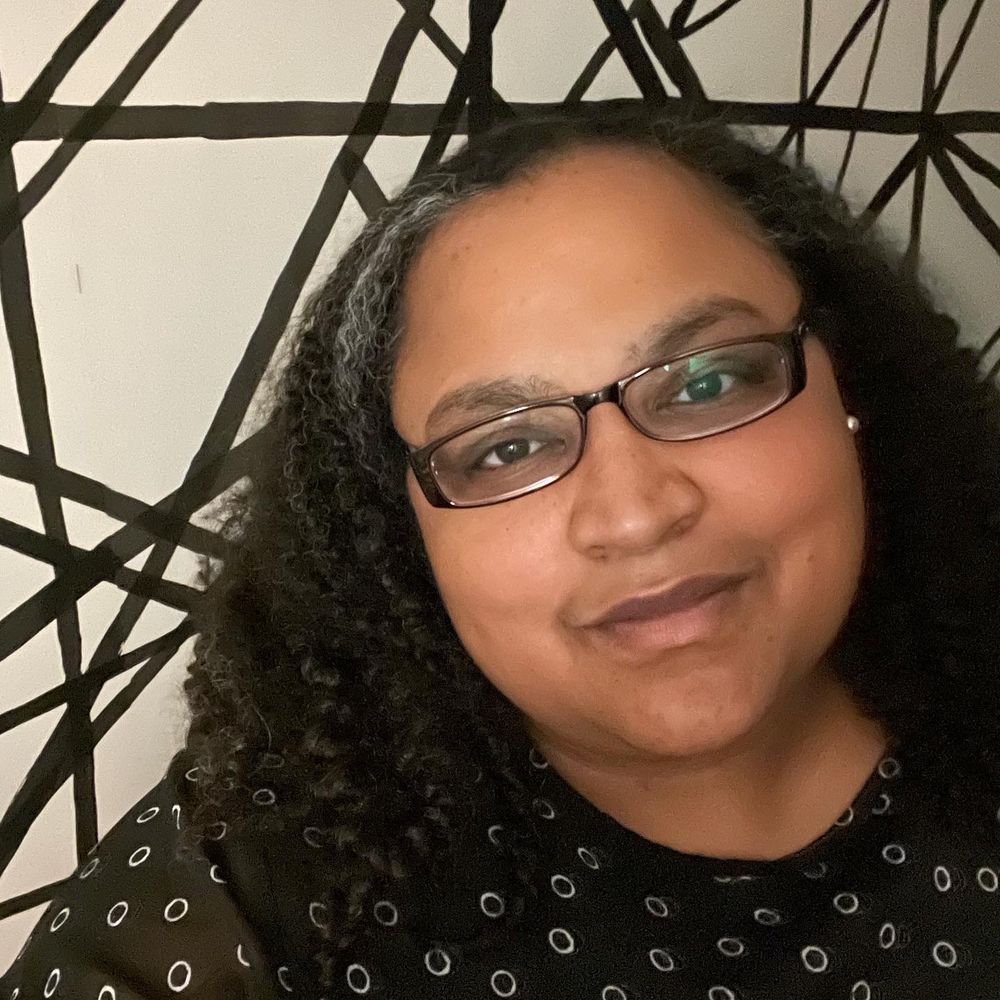
I am SO incredibly excited to announce the launch of a global list of Inspiring Black Scientists. You can use this list to nominate and connect with researchers. Please share and join us in highlighting these outstanding scientists for #BlackHistoryMonth and beyond!
www.wiley.com/en-us/resear...
www.wiley.com/en-us/resear...

February 7, 2026 at 2:28 AM
Thank you Chrystal for your continuation of this effort to uplift and highlight Black Scientists. A wonderful gift of service for #BlackHistoryMonth
Reposted by Flora Rutaganira
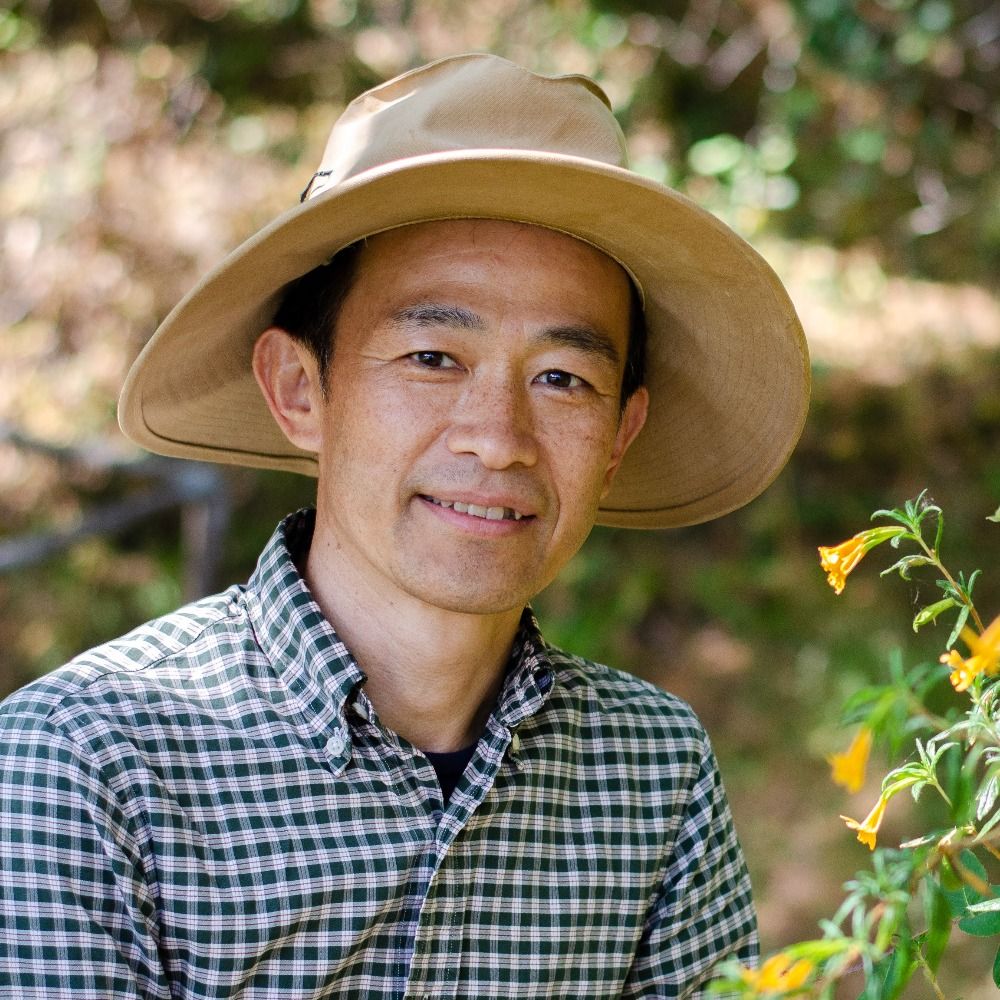
Lecturer in Ecology and Evolution position available in Biology Department at Stanford University. Apply by April 1, 2026. (Photo by Rick Morris)
academicjobsonline.org/ajo/jobs/31606
academicjobsonline.org/ajo/jobs/31606

January 30, 2026 at 5:35 AM
Lecturer in Ecology and Evolution position available in Biology Department at Stanford University. Apply by April 1, 2026. (Photo by Rick Morris)
academicjobsonline.org/ajo/jobs/31606
academicjobsonline.org/ajo/jobs/31606
Reposted by Flora Rutaganira

Not new, but a new to us update:
The first preprint out of my lab! We joined forces with @kinasekid.bsky.social @jasonzxzhang.bsky.social and David Baker to study protein phosphorylation! Congrats to Isabella from my lab on her first first author paper! tinyurl.com/43jwwfua
The first preprint out of my lab! We joined forces with @kinasekid.bsky.social @jasonzxzhang.bsky.social and David Baker to study protein phosphorylation! Congrats to Isabella from my lab on her first first author paper! tinyurl.com/43jwwfua
De novo design of phosphotyrosine peptide binders
Phosphorylation on tyrosine is a key step in many signaling pathways. Despite recent progress in de novo design of protein binders, there are no current methods for designing binders that recognize phosphorylated proteins and peptides; this is a challenging problem as phosphate groups are highly charged, and phosphorylation often occurs within unstructured regions. Here we introduce RoseTTAFold Diffusion 2 for Molecular Interfaces (RFD2-MI), a deep generative framework for the design of binders for protein, ligand, and covalently modified protein targets. We demonstrate the power and versatility of this method by designing binders for four critical phosphotyrosine sites on three clinically relevant targets: Cluster of Differentiation 3 (CD3ε), Epidermal Growth Factor Receptor (EGFR), Insulin Receptor (INSR) and Signal Transducer and Activator of Transcription 5 (STAT5). Experimental characterization shows that the designs bind their phosphotyrosine containing targets with affinities comparable to native binding sites and have negligible binding to non-phosphorylated targets or phosphopeptides with different sequences. X-ray crystal structures of generated binders to CD3ε and EGFR are very close to the design models, demonstrating the accuracy of the design approach. A designed binder to an EGFR intracellular region phosphorylated upon EGF activation co-localizes with the receptor following EGF stimulation in single-particle tracking (SPT) experiments, demonstrating pY specific recognition in living cells. RFD2-MI provides a generalizable all-atom diffusion framework for probing and modulating phosphorylation-dependent signaling, and more generally, for developing research tools and targeted therapeutics against post-translationally modified proteins. ### Competing Interest Statement The authors have declared no competing interest. NIH NCI, 1K99CA293001
www.biorxiv.org
January 29, 2026 at 12:57 PM
Not new, but a new to us update:
The first preprint out of my lab! We joined forces with @kinasekid.bsky.social @jasonzxzhang.bsky.social and David Baker to study protein phosphorylation! Congrats to Isabella from my lab on her first first author paper! tinyurl.com/43jwwfua
The first preprint out of my lab! We joined forces with @kinasekid.bsky.social @jasonzxzhang.bsky.social and David Baker to study protein phosphorylation! Congrats to Isabella from my lab on her first first author paper! tinyurl.com/43jwwfua
Reposted by Flora Rutaganira
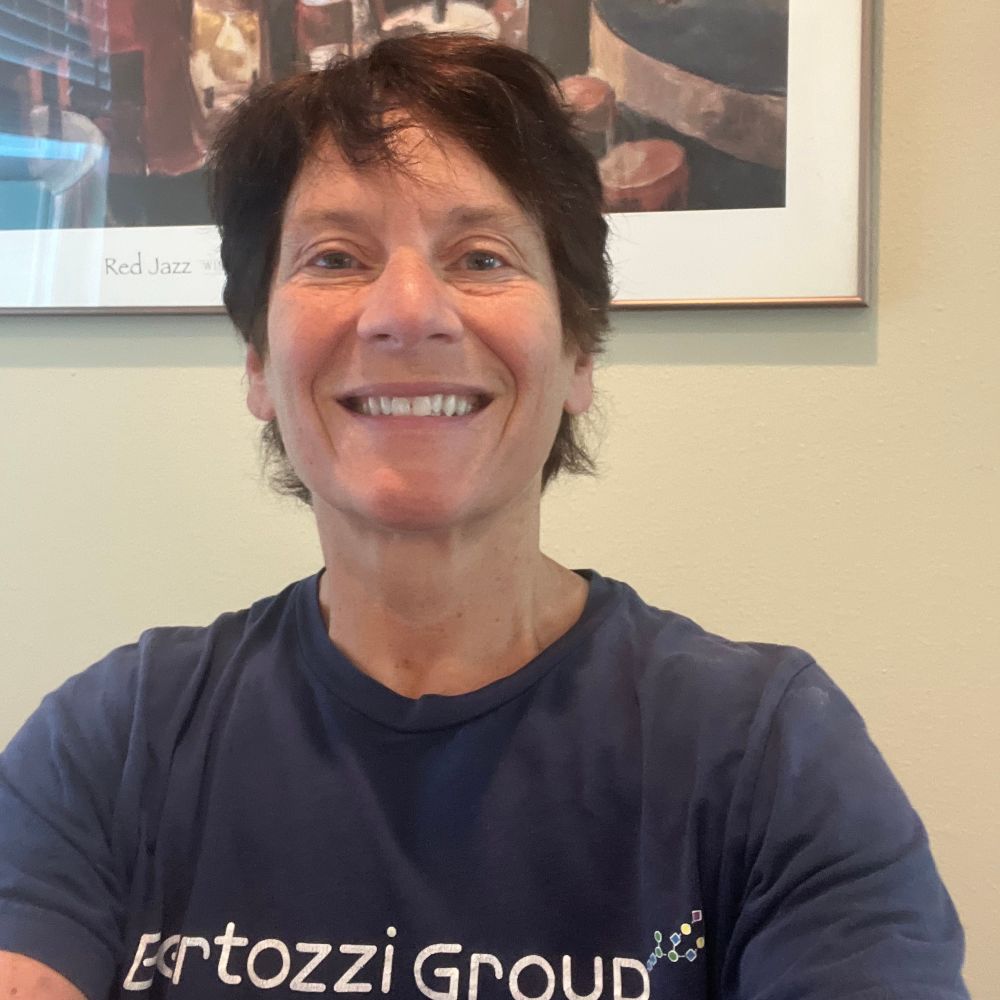
Exciting new preprint from Jonathan Long’s lab @stanford-chemh.bsky.social, including collaborators Nathanael Gray & coworkers

A small molecule PTER-selective inhibitor reduces food intake and body weight https://www.biorxiv.org/content/10.64898/2026.01.26.701829v1
January 29, 2026 at 5:12 AM
Exciting new preprint from Jonathan Long’s lab @stanford-chemh.bsky.social, including collaborators Nathanael Gray & coworkers
Reposted by Flora Rutaganira

“I want the NIH to be a central driver of the MAHA agenda,” Bhattacharya said. “Essentially, it's kind of the research arm of MAHA.”
NIH is not an ideological toy or 'arm'. We must insist on its scientific independence, especially if its Director will not.
🚨
www.dukechronicle.com/article/duke...
NIH is not an ideological toy or 'arm'. We must insist on its scientific independence, especially if its Director will not.
🚨
www.dukechronicle.com/article/duke...

NIH Director Jay Bhattacharya talks 'replication crisis' at Duke panel, omits funding cuts
Throughout the second Trump administration, the NIH has frozen billions of dollars in research funding to universities. Those cuts were not the topic of discussion at a Duke Clinical Research Institut...
www.dukechronicle.com
January 28, 2026 at 7:23 PM
“I want the NIH to be a central driver of the MAHA agenda,” Bhattacharya said. “Essentially, it's kind of the research arm of MAHA.”
NIH is not an ideological toy or 'arm'. We must insist on its scientific independence, especially if its Director will not.
🚨
www.dukechronicle.com/article/duke...
NIH is not an ideological toy or 'arm'. We must insist on its scientific independence, especially if its Director will not.
🚨
www.dukechronicle.com/article/duke...
Reposted by Flora Rutaganira

There have been criticisms that NIH does not fund bold enough research. But the bigger problem is simply declines in funding. As paylines for time-consuming grants drop to the single digits it "crowds out the time they spend on other aspects of doing science"
donmoynihan.substack.com/p/american-b...
donmoynihan.substack.com/p/american-b...

January 27, 2026 at 4:27 PM
There have been criticisms that NIH does not fund bold enough research. But the bigger problem is simply declines in funding. As paylines for time-consuming grants drop to the single digits it "crowds out the time they spend on other aspects of doing science"
donmoynihan.substack.com/p/american-b...
donmoynihan.substack.com/p/american-b...
Reposted by Flora Rutaganira
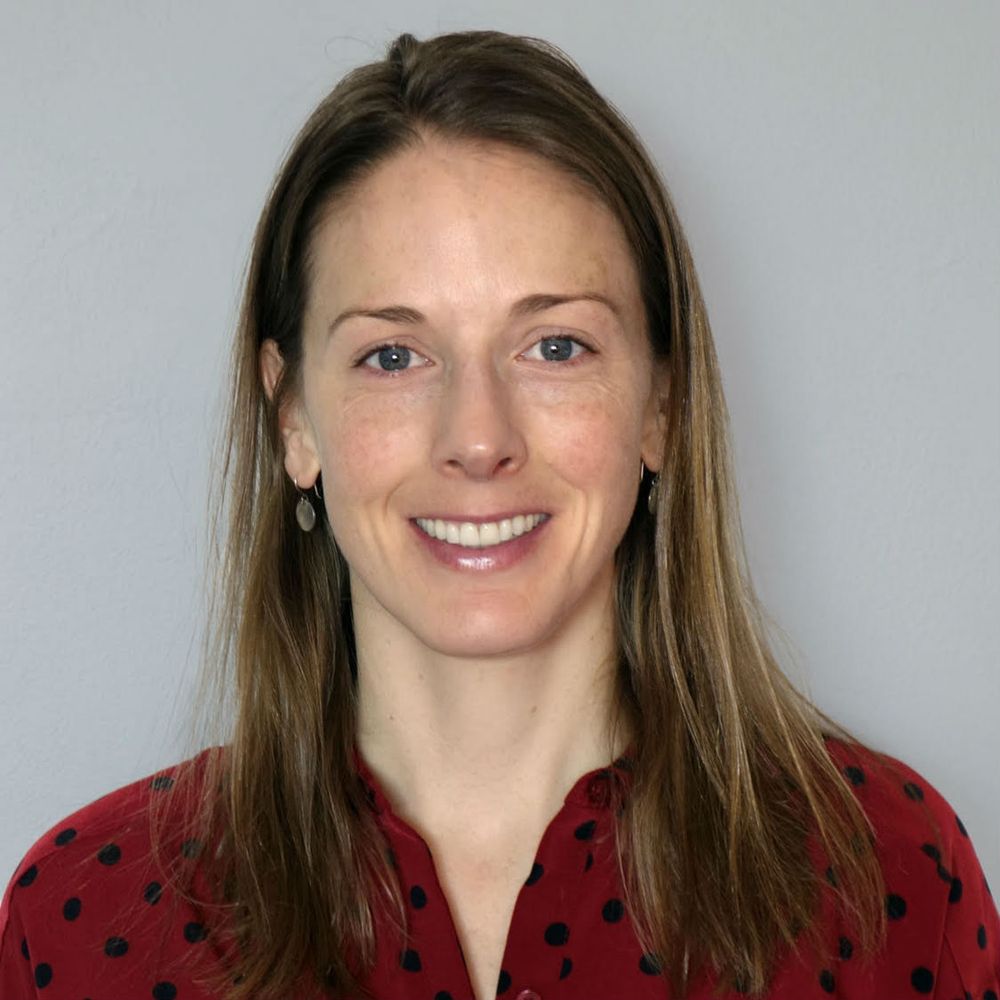
How many STEM Ph.D.s were lost from the U.S. federal government last year?
My colleagues @mghersher.bsky.social and @policyhound.bsky.social dug into a recent data release to find the answer. A @science.org exclusive.
www.science.org/content/arti...
My colleagues @mghersher.bsky.social and @policyhound.bsky.social dug into a recent data release to find the answer. A @science.org exclusive.
www.science.org/content/arti...

January 26, 2026 at 11:39 PM
How many STEM Ph.D.s were lost from the U.S. federal government last year?
My colleagues @mghersher.bsky.social and @policyhound.bsky.social dug into a recent data release to find the answer. A @science.org exclusive.
www.science.org/content/arti...
My colleagues @mghersher.bsky.social and @policyhound.bsky.social dug into a recent data release to find the answer. A @science.org exclusive.
www.science.org/content/arti...
Reposted by Flora Rutaganira
A new paper from the lab on virus-like particles called eCISs www.nature.com/articles/s41...
How bacteria evolved thousands of precision nanoinjectors?
Some bacteria don’t secrete toxins — they inject them using phage-derived machines called extracellular contractile injection systems (eCISs).
How bacteria evolved thousands of precision nanoinjectors?
Some bacteria don’t secrete toxins — they inject them using phage-derived machines called extracellular contractile injection systems (eCISs).
A comprehensive catalogue of receptor-binding domains in extracellular contractile injection systems - Nature Communications
Extracellular contractile injection systems (eCISs) are bacteriophage tail-derived toxin delivery complexes that are present in many prokaryotes. Here, the authors present an analysis of eCIS tail fib...
www.nature.com
January 26, 2026 at 1:26 PM
A new paper from the lab on virus-like particles called eCISs www.nature.com/articles/s41...
How bacteria evolved thousands of precision nanoinjectors?
Some bacteria don’t secrete toxins — they inject them using phage-derived machines called extracellular contractile injection systems (eCISs).
How bacteria evolved thousands of precision nanoinjectors?
Some bacteria don’t secrete toxins — they inject them using phage-derived machines called extracellular contractile injection systems (eCISs).
Reposted by Flora Rutaganira
Looking for sources for a @nature.com story about how researchers are coping in the midst of current events: If you're a PhD or other academic who's struggling to focus with everything that's happening in the world and would like to be interviewed for this story, please get in touch ASAP!
January 26, 2026 at 4:25 PM
Looking for sources for a @nature.com story about how researchers are coping in the midst of current events: If you're a PhD or other academic who's struggling to focus with everything that's happening in the world and would like to be interviewed for this story, please get in touch ASAP!
Reposted by Flora Rutaganira

✨ Let's celebrate a new BGE research paper! ✨ 🥳
K. Reichel et al. wrote a paper about the challenges on generating high-quality reference genomes.
More information on our website 👉 biodiversitygenomics.eu/2026/01/21/c...
K. Reichel et al. wrote a paper about the challenges on generating high-quality reference genomes.
More information on our website 👉 biodiversitygenomics.eu/2026/01/21/c...

New BGE paper: The Challenge of Getting High-Quality Genomes - Biodiversity Genomics Europe
There are complex "upstream" challenges involved in generating high-quality reference genomes, essential for modern biodiversity research. Drawing on the practical experiences of the European Referenc...
biodiversitygenomics.eu
January 21, 2026 at 4:05 PM
✨ Let's celebrate a new BGE research paper! ✨ 🥳
K. Reichel et al. wrote a paper about the challenges on generating high-quality reference genomes.
More information on our website 👉 biodiversitygenomics.eu/2026/01/21/c...
K. Reichel et al. wrote a paper about the challenges on generating high-quality reference genomes.
More information on our website 👉 biodiversitygenomics.eu/2026/01/21/c...
Reposted by Flora Rutaganira

Driven by an experience familiar to many — watching parents age — HHMI Hanna Gray Fellow Melanie McReynolds wants to answer a fundamental question: How can we age healthier? The key may lie in better understanding NAD+ & how its levels decline as we grow older. Via @asbmb.bsky.social: bit.ly/45tDuHB

January 18, 2026 at 4:26 PM
Driven by an experience familiar to many — watching parents age — HHMI Hanna Gray Fellow Melanie McReynolds wants to answer a fundamental question: How can we age healthier? The key may lie in better understanding NAD+ & how its levels decline as we grow older. Via @asbmb.bsky.social: bit.ly/45tDuHB
Reposted by Flora Rutaganira

Incredibly emotional to hear my poem has been turned into a song of resistance and is being sung in Minneapolis right now. Please do not give up.
January 18, 2026 at 8:44 PM
Incredibly emotional to hear my poem has been turned into a song of resistance and is being sung in Minneapolis right now. Please do not give up.
Reposted by Flora Rutaganira
Post-Doctoral Opportunity in Evolutionary and Conservation Genomics!
If you are curious and passionate about ecology, evolution and the natural world come work with me in the Department of Biology at NYU!
More details here!
apply.interfolio.com/180051
If you are curious and passionate about ecology, evolution and the natural world come work with me in the Department of Biology at NYU!
More details here!
apply.interfolio.com/180051
Apply - Interfolio
{{$ctrl.$state.data.pageTitle}} - Apply - Interfolio
apply.interfolio.com
January 14, 2026 at 8:47 PM
Post-Doctoral Opportunity in Evolutionary and Conservation Genomics!
If you are curious and passionate about ecology, evolution and the natural world come work with me in the Department of Biology at NYU!
More details here!
apply.interfolio.com/180051
If you are curious and passionate about ecology, evolution and the natural world come work with me in the Department of Biology at NYU!
More details here!
apply.interfolio.com/180051
Reposted by Flora Rutaganira

Northern CA needs a voice in Congress. Right now, we don’t have one.
I’m running in the special election to fill the current CA-01 vacancy, while continuing my campaign for long-term representation in the new district.
👉Donate to support my campaign for Congress: audreydenney.info/donate-today
I’m running in the special election to fill the current CA-01 vacancy, while continuing my campaign for long-term representation in the new district.
👉Donate to support my campaign for Congress: audreydenney.info/donate-today
January 17, 2026 at 2:13 AM
Northern CA needs a voice in Congress. Right now, we don’t have one.
I’m running in the special election to fill the current CA-01 vacancy, while continuing my campaign for long-term representation in the new district.
👉Donate to support my campaign for Congress: audreydenney.info/donate-today
I’m running in the special election to fill the current CA-01 vacancy, while continuing my campaign for long-term representation in the new district.
👉Donate to support my campaign for Congress: audreydenney.info/donate-today
Reposted by Flora Rutaganira
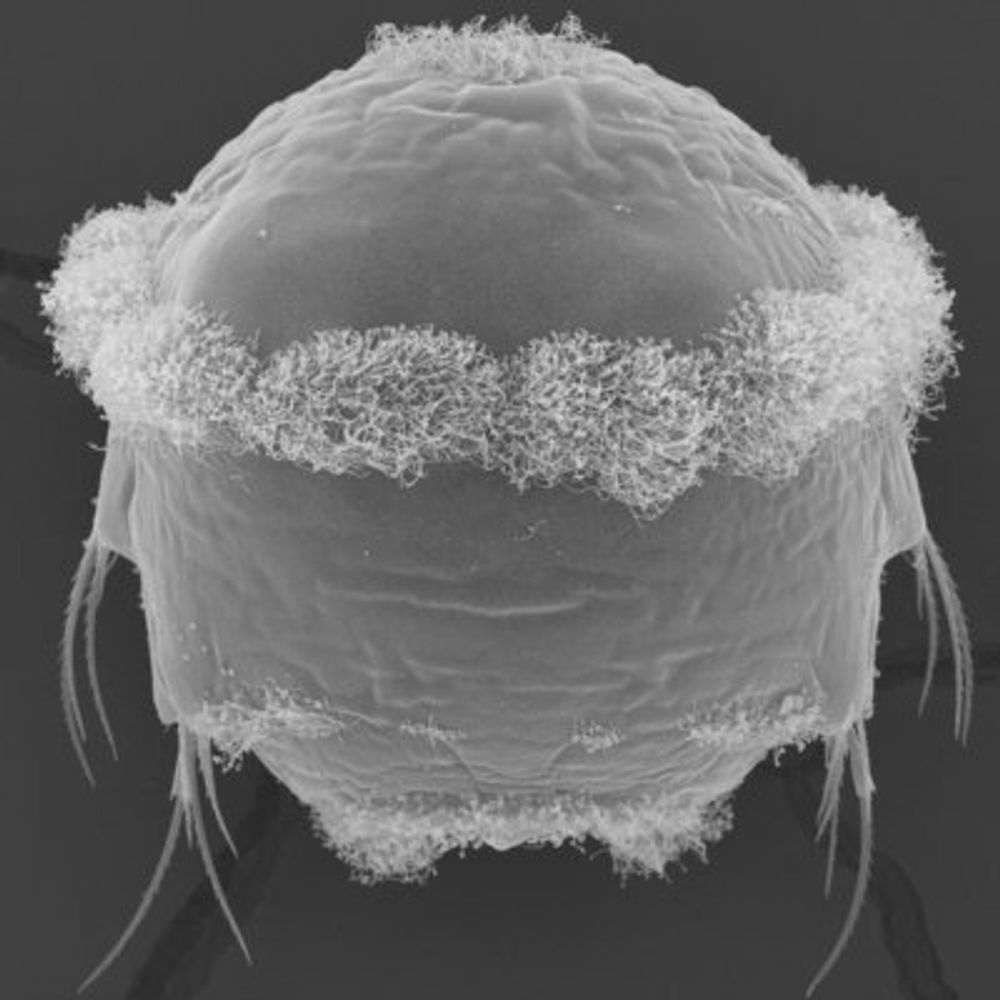
If you are interested in electron microscopy, registration is still open for the
"Electron Microscopy Hands-On Course: sample preparation and imaging of marine environmental samples"
at Stazione Zoologica in Naples.
WIth great teachers from Naples […]
[Original post on biologists.social]
"Electron Microscopy Hands-On Course: sample preparation and imaging of marine environmental samples"
at Stazione Zoologica in Naples.
WIth great teachers from Naples […]
[Original post on biologists.social]

January 13, 2026 at 7:08 AM
If you are interested in electron microscopy, registration is still open for the
"Electron Microscopy Hands-On Course: sample preparation and imaging of marine environmental samples"
at Stazione Zoologica in Naples.
WIth great teachers from Naples […]
[Original post on biologists.social]
"Electron Microscopy Hands-On Course: sample preparation and imaging of marine environmental samples"
at Stazione Zoologica in Naples.
WIth great teachers from Naples […]
[Original post on biologists.social]
Reposted by Flora Rutaganira
Our research scientist Núria Ros-Rocher won the 1st prize @zeiss-microscopy.bsky.social microscopy contest with this beautiful choano colony www.zeiss.fr/microscopie/... 🥳
C. flexa might not yet be a genetic model, but it is now at least a calendar model, which counts for something. I think.
C. flexa might not yet be a genetic model, but it is now at least a calendar model, which counts for something. I think.


January 12, 2026 at 7:28 PM
Our research scientist Núria Ros-Rocher won the 1st prize @zeiss-microscopy.bsky.social microscopy contest with this beautiful choano colony www.zeiss.fr/microscopie/... 🥳
C. flexa might not yet be a genetic model, but it is now at least a calendar model, which counts for something. I think.
C. flexa might not yet be a genetic model, but it is now at least a calendar model, which counts for something. I think.
Reposted by Flora Rutaganira

Are you an early-stage graduate student (2nd or 3rd year) or early-stage postdoc based in the US or Canada, working primarily in Drosophila? Would you like to help improve the experience of all trainees working in Drosophila research? If so, read on.
(Please repost to reach a broad audience.)
(Please repost to reach a broad audience.)
November 12, 2025 at 4:49 AM
Are you an early-stage graduate student (2nd or 3rd year) or early-stage postdoc based in the US or Canada, working primarily in Drosophila? Would you like to help improve the experience of all trainees working in Drosophila research? If so, read on.
(Please repost to reach a broad audience.)
(Please repost to reach a broad audience.)
Reposted by Flora Rutaganira

For decades, imaging has forced the same trade-off:
Set a frame rate → sacrifice resolution or field of view to go fast.
We break that rule
Using an EVENT-BASED CAMERA, we record neural activity without frames. Signals are captured only where and when they occur:
www.biorxiv.org/content/10.6...
Set a frame rate → sacrifice resolution or field of view to go fast.
We break that rule
Using an EVENT-BASED CAMERA, we record neural activity without frames. Signals are captured only where and when they occur:
www.biorxiv.org/content/10.6...

Ultrafast Frame-Free Imaging of Neural Activity with Event Cameras
Frame-based fluorescence imaging has long defined how neural activity is optically measured. This approach requires acquiring all pixels within an image, regardless of whether they carry meaningful ne...
www.biorxiv.org
January 10, 2026 at 1:41 PM
For decades, imaging has forced the same trade-off:
Set a frame rate → sacrifice resolution or field of view to go fast.
We break that rule
Using an EVENT-BASED CAMERA, we record neural activity without frames. Signals are captured only where and when they occur:
www.biorxiv.org/content/10.6...
Set a frame rate → sacrifice resolution or field of view to go fast.
We break that rule
Using an EVENT-BASED CAMERA, we record neural activity without frames. Signals are captured only where and when they occur:
www.biorxiv.org/content/10.6...
Reposted by Flora Rutaganira
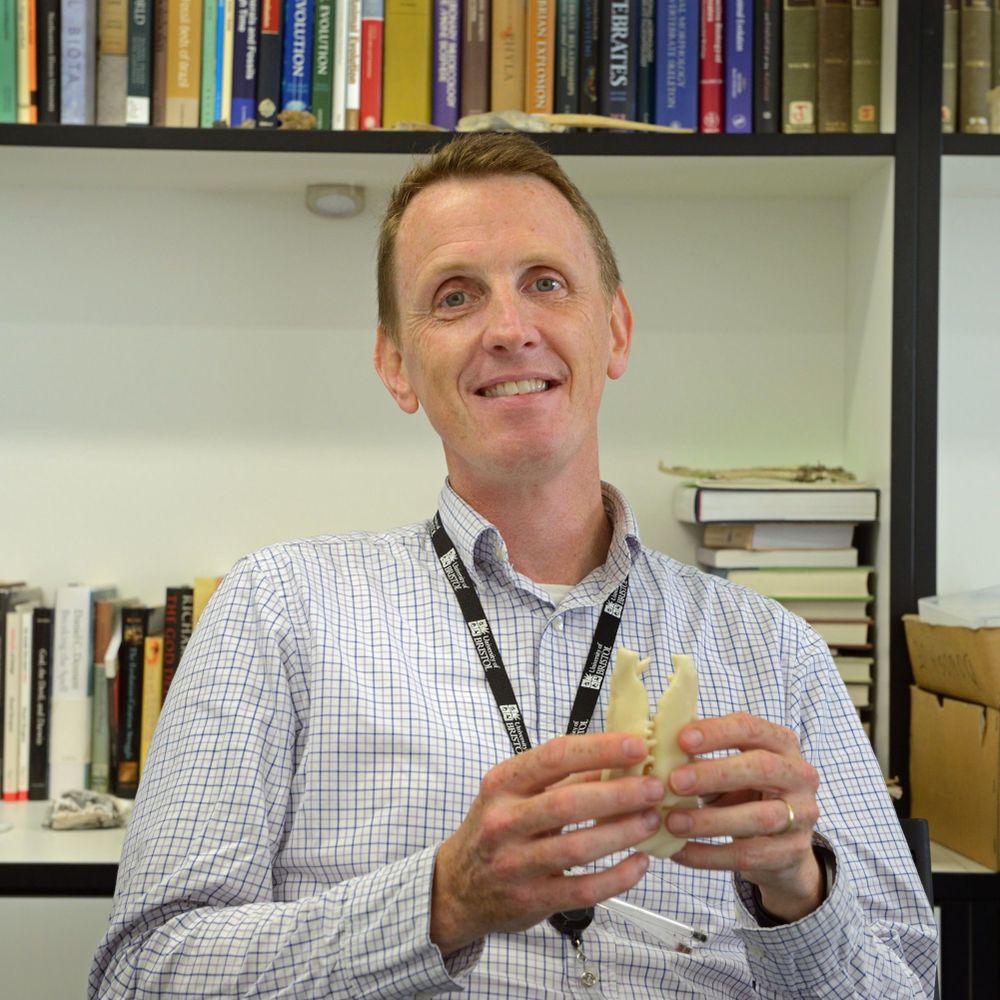
Our latest: Independent origins of spicules reconcile paleontological and molecular evidence of sponge evolutionary history, led by @meleonora-rossi.bsky.social with help from friends @bristolpalaeo.bsky.social including @anariesgo.bsky.social @evopalaeo.bsky.social Davide Pisani and many others

Independent origins of spicules reconcile paleontological and molecular evidence of sponge evolutionary history
Sponges have a cryptic Ediacaran history because ancestral sponges were soft-bodied and had low fossilization potential.
www.science.org
January 8, 2026 at 7:39 AM
Our latest: Independent origins of spicules reconcile paleontological and molecular evidence of sponge evolutionary history, led by @meleonora-rossi.bsky.social with help from friends @bristolpalaeo.bsky.social including @anariesgo.bsky.social @evopalaeo.bsky.social Davide Pisani and many others
Reposted by Flora Rutaganira

Thrilled to start my lab at the @whiteheadinstitute.bsky.social @mit.edu and to join such a special community of creative and inspiring colleagues. The Sullivan Lab asks (1) how and (2) why infections make us sick, bridging immunology and neuroscience to understand host defense at the organism scale

“I want everyone in my lab to be exposed to many ways of thinking about biology,” says Whitehead Institute’s newest Member, immunologist Zuri Sullivan. “Creative science often comes from making connections across systems, and Whitehead is uniquely well-suited for that.”
shorturl.at/EFsmh
shorturl.at/EFsmh

January 6, 2026 at 2:08 PM
Thrilled to start my lab at the @whiteheadinstitute.bsky.social @mit.edu and to join such a special community of creative and inspiring colleagues. The Sullivan Lab asks (1) how and (2) why infections make us sick, bridging immunology and neuroscience to understand host defense at the organism scale
Reposted by Flora Rutaganira

🧫 🧪 We’re so excited to share our new preprint, where we tackle the wealth of structural and functional diversity across antiviral STAND NTPases in bacteria.
www.biorxiv.org/content/10.6...
www.biorxiv.org/content/10.6...

Diverse bacterial pattern recognition receptors sense the conserved phage proteome
Recognition of foreign molecules inside cells is critical for immunity in all domains of life. Proteins of the STAND NTPase superfamily, including eukaryotic nucleotide-binding oligomerization domain ...
www.biorxiv.org
January 6, 2026 at 1:19 AM
🧫 🧪 We’re so excited to share our new preprint, where we tackle the wealth of structural and functional diversity across antiviral STAND NTPases in bacteria.
www.biorxiv.org/content/10.6...
www.biorxiv.org/content/10.6...
Reposted by Flora Rutaganira
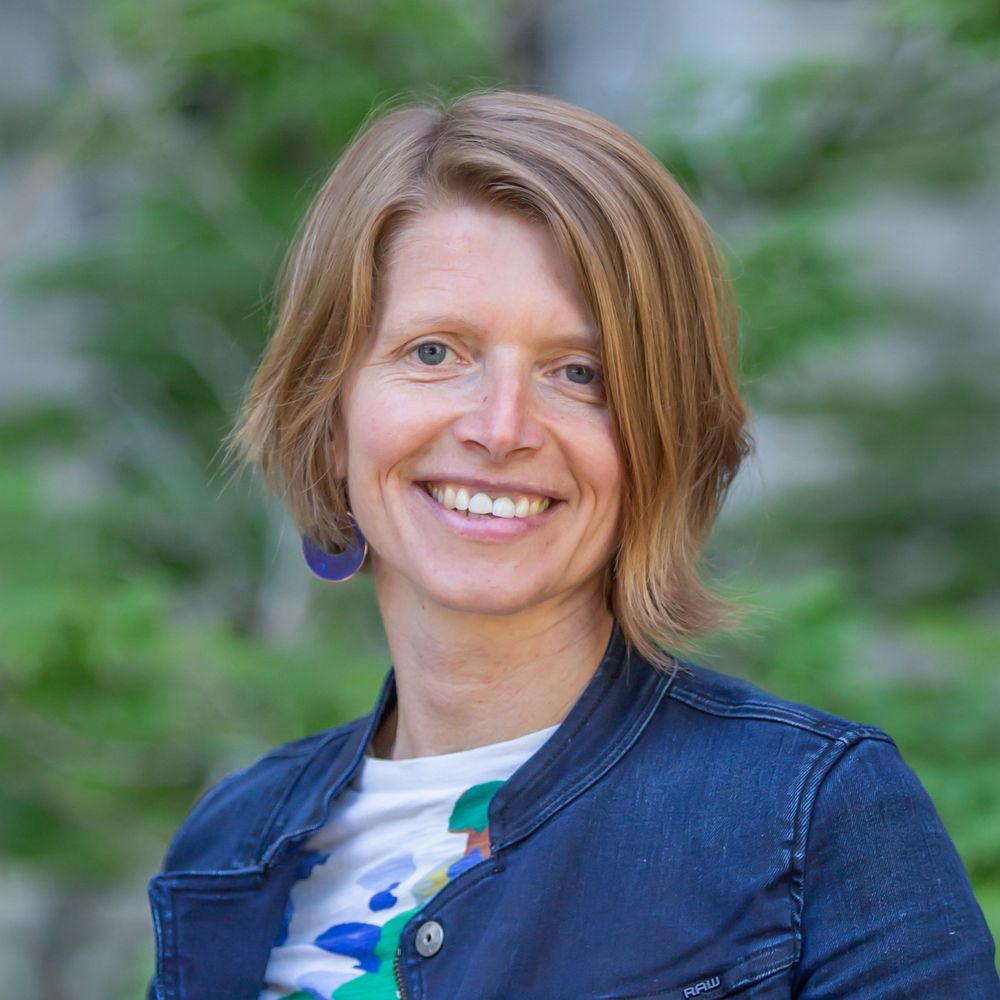
I'm honored to have received the 2025 HUPO Distinguished Service Award (hupo.org/HUPO-Awards-...) with @mlaval6.bsky.social for building a dynamic early career researcher (ECR) community within @hupo-org.bsky.social. Empowering and amplifying ECRs has been deeply meaningful to me—thank you, HUPO.

January 4, 2026 at 11:32 PM
I'm honored to have received the 2025 HUPO Distinguished Service Award (hupo.org/HUPO-Awards-...) with @mlaval6.bsky.social for building a dynamic early career researcher (ECR) community within @hupo-org.bsky.social. Empowering and amplifying ECRs has been deeply meaningful to me—thank you, HUPO.