



Edda Schulz
@eddaschulz.bsky.social
Group Leader at MPI Molgen, Berlin, Germany
Interested in quantitative biology, gene regulation, epigenetics, system biology and X-chromosome inactivation.
https://www.molgen.mpg.de/schulz-lab
Interested in quantitative biology, gene regulation, epigenetics, system biology and X-chromosome inactivation.
https://www.molgen.mpg.de/schulz-lab
Pinned
Edda Schulz
@eddaschulz.bsky.social
· Nov 17

📣 SAVE THE DATE
Next X-inactivation meeting in Sapporo, Japan, 19-23 October 2026. Visit x-inactivation-meeting.org to join our mailing list. 🧬 speakers @dandergassen.bsky.social @marnieblewitt.bsky.social @heard65.bsky.social @crougeulle.bsky.social @sexchrlab.bsky.social @zhouqi1982.bsky.social
Next X-inactivation meeting in Sapporo, Japan, 19-23 October 2026. Visit x-inactivation-meeting.org to join our mailing list. 🧬 speakers @dandergassen.bsky.social @marnieblewitt.bsky.social @heard65.bsky.social @crougeulle.bsky.social @sexchrlab.bsky.social @zhouqi1982.bsky.social
Reposted by Edda Schulz
🧪 My lab has an opening for a postdoc position soon! Please share/get in touch!

February 3, 2026 at 2:00 PM
🧪 My lab has an opening for a postdoc position soon! Please share/get in touch!
Reposted by Edda Schulz
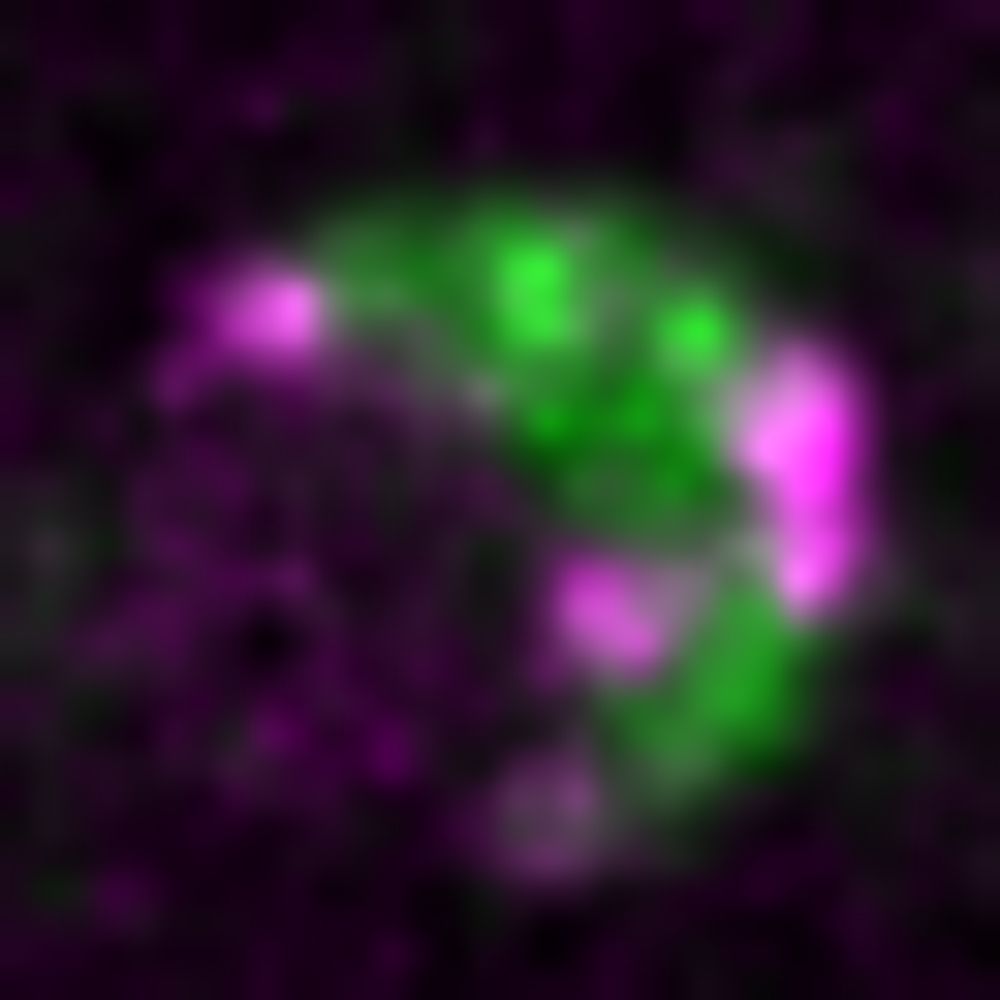
📣NuQuest consortium update: Our first joint publication is out!Review on quiescence—A milestone for our initiative laying out the scientific groundwork & collaborative vision for our MSCA-DN application coordinated by @jlugiessen.bsky.social 1/n
www.mdpi.com/3700996
#NuQuest #MSCA #DoctoralNetwork
www.mdpi.com/3700996
#NuQuest #MSCA #DoctoralNetwork
January 30, 2026 at 9:00 AM
📣NuQuest consortium update: Our first joint publication is out!Review on quiescence—A milestone for our initiative laying out the scientific groundwork & collaborative vision for our MSCA-DN application coordinated by @jlugiessen.bsky.social 1/n
www.mdpi.com/3700996
#NuQuest #MSCA #DoctoralNetwork
www.mdpi.com/3700996
#NuQuest #MSCA #DoctoralNetwork
Reposted by Edda Schulz

Secure your in-person place at Synthetic Biology 2026! #SynBio26
Register by 9 February ⏰
Hear #SynBio research from globally leading scientists. Don’t miss our “Meet the Editors” session—your chance to get insights on the publication and peer-review process.
📎 bit.ly/43nlbBW
#ALife ⚙️🧫
Register by 9 February ⏰
Hear #SynBio research from globally leading scientists. Don’t miss our “Meet the Editors” session—your chance to get insights on the publication and peer-review process.
📎 bit.ly/43nlbBW
#ALife ⚙️🧫

January 27, 2026 at 8:00 AM
Secure your in-person place at Synthetic Biology 2026! #SynBio26
Register by 9 February ⏰
Hear #SynBio research from globally leading scientists. Don’t miss our “Meet the Editors” session—your chance to get insights on the publication and peer-review process.
📎 bit.ly/43nlbBW
#ALife ⚙️🧫
Register by 9 February ⏰
Hear #SynBio research from globally leading scientists. Don’t miss our “Meet the Editors” session—your chance to get insights on the publication and peer-review process.
📎 bit.ly/43nlbBW
#ALife ⚙️🧫
Congratulations, Scott and team!

What happens when you suddenly remove half of an essential enzyme from cells? 🤔
We watched in real-time as cells deploy multiple backup strategies to buffer against changes in RNA Pol II abundance.
Our lab's new preprint 👇
bit.ly/4pyPgax
We watched in real-time as cells deploy multiple backup strategies to buffer against changes in RNA Pol II abundance.
Our lab's new preprint 👇
bit.ly/4pyPgax

Hierarchical buffering of cellular RNA polymerase II pools maintains transcriptional homeostasis
RNA polymerase II (Pol II) abundance and transcriptional output are coordinated across diverse conditions to maintain mRNA homeostasis. To determine whether Pol II acts as a limiting factor for transc...
bit.ly
January 22, 2026 at 11:42 AM
Congratulations, Scott and team!
⚠️ The final work of two former PhD students Till @tschwammle.bsky.social and Verena @verenamutzel.bsky.social is out!
➡️⬅️ They dissect how memory can arise from antisense transcription using mathematical modelling 💻, genomics 🧬 and synthetic biology ⚒️! link.springer.com/article/10.1...
➡️⬅️ They dissect how memory can arise from antisense transcription using mathematical modelling 💻, genomics 🧬 and synthetic biology ⚒️! link.springer.com/article/10.1...

Antisense transcription can induce expression memory via stable promoter repression - Genome Biology
Background The capacity of cells to retain a memory of previous signals enables acquisition of unique fates and adaptation to their environment. The underlying gene expression memory can arise from mu...
link.springer.com
January 20, 2026 at 11:02 AM
⚠️ The final work of two former PhD students Till @tschwammle.bsky.social and Verena @verenamutzel.bsky.social is out!
➡️⬅️ They dissect how memory can arise from antisense transcription using mathematical modelling 💻, genomics 🧬 and synthetic biology ⚒️! link.springer.com/article/10.1...
➡️⬅️ They dissect how memory can arise from antisense transcription using mathematical modelling 💻, genomics 🧬 and synthetic biology ⚒️! link.springer.com/article/10.1...
I'm excited to participate in the upcoming Wellcome conference on synthetic biology 🛠️🧬 with a great lineup of speakers! It's still possible to sign up, as the abstract deadline has been extended until January 5th 📄 - join us!
Meet our speakers for #SynBio26 🌟
Field experts will provide fascinating insights on how synthetic based-biology innovations are transforming human health and planetary sustainability.
Submit an abstract by 1 December 2025 - bursaries available
📎 bit.ly/43nlbBW
#ALife ⚙️🧫
Field experts will provide fascinating insights on how synthetic based-biology innovations are transforming human health and planetary sustainability.
Submit an abstract by 1 December 2025 - bursaries available
📎 bit.ly/43nlbBW
#ALife ⚙️🧫
December 19, 2025 at 1:28 PM
I'm excited to participate in the upcoming Wellcome conference on synthetic biology 🛠️🧬 with a great lineup of speakers! It's still possible to sign up, as the abstract deadline has been extended until January 5th 📄 - join us!
Reposted by Edda Schulz

Very happy to share our paper rdcu.be/eUImj out today in @natcellbio.nature.com 🎉🎉🎉
We uncover an unexpected role for endogenous Xist RNA in regulating X-linked genes that escape X-inactivation.
We uncover an unexpected role for endogenous Xist RNA in regulating X-linked genes that escape X-inactivation.

Escape from X inactivation is directly modulated by Xist noncoding RNA
Nature Cell Biology - The authors show that increased Xist RNA levels can induce de novo silencing of genes that normally escape X inactivation. SPEN depletion prevents the silencing of escape...
rdcu.be
December 15, 2025 at 4:22 PM
Very happy to share our paper rdcu.be/eUImj out today in @natcellbio.nature.com 🎉🎉🎉
We uncover an unexpected role for endogenous Xist RNA in regulating X-linked genes that escape X-inactivation.
We uncover an unexpected role for endogenous Xist RNA in regulating X-linked genes that escape X-inactivation.
Reposted by Edda Schulz
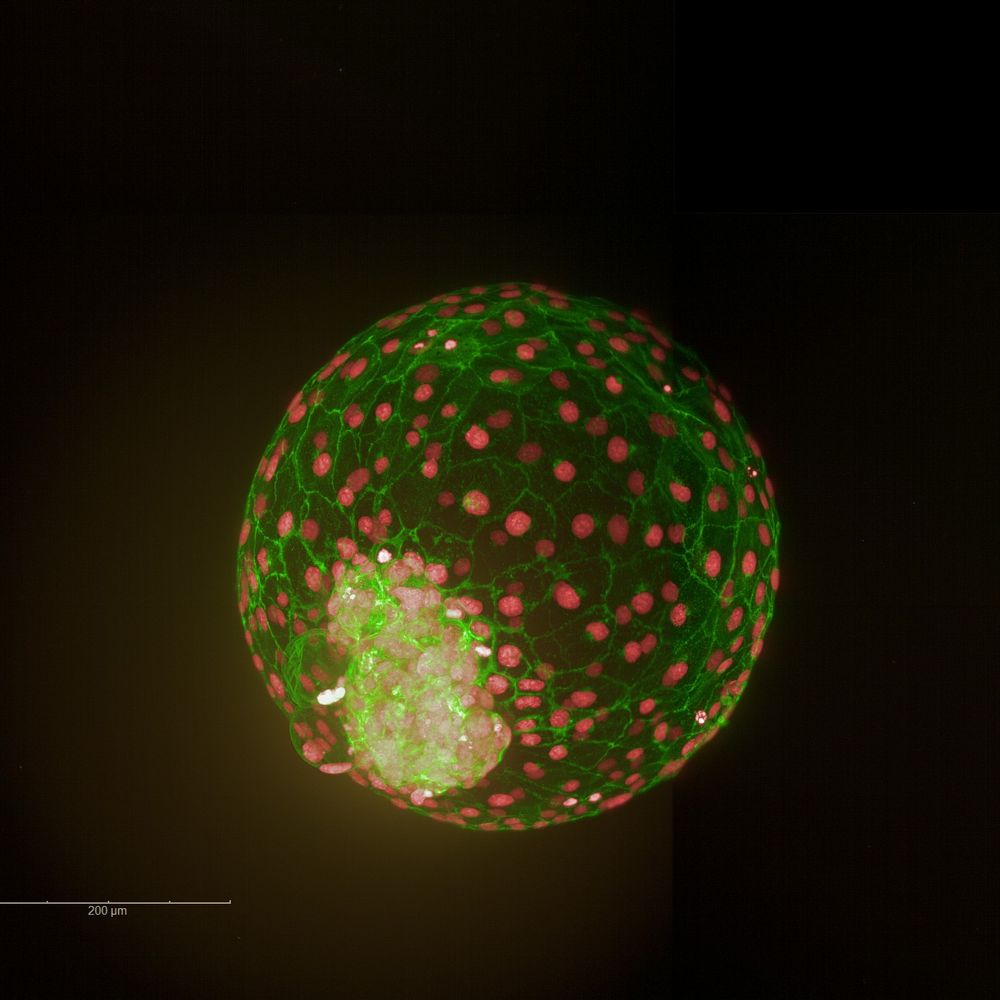
Thanks @pasquelab.bsky.social and his team for this collaboration.

𝐍𝐞𝐰 𝐩𝐫𝐞𝐩𝐫𝐢𝐧𝐭 𝐚𝐥𝐞𝐫𝐭! 🎉
“𝐗𝐈𝐒𝐓 𝐃𝐫𝐢𝐯𝐞𝐬 𝐗-𝐂𝐡𝐫𝐨𝐦𝐨𝐬𝐨𝐦𝐞 𝐈𝐧𝐚𝐜𝐭𝐢𝐯𝐚𝐭𝐢𝐨𝐧 𝐚𝐧𝐝 𝐒𝐚𝐟𝐞𝐠𝐮𝐚𝐫𝐝𝐬 𝐅𝐞𝐦𝐚𝐥𝐞 𝐄𝐱𝐭𝐫𝐚𝐞𝐦𝐛𝐫𝐲𝐨𝐧𝐢𝐜 𝐂𝐞𝐥𝐥𝐬 𝐢𝐧 𝐇𝐮𝐦𝐚𝐧𝐬” 𝐢𝐬 𝐧𝐨𝐰 𝐨𝐧 𝐛𝐢𝐨𝐑𝐱𝐢𝐯!
www.biorxiv.org/content/10.1...
“𝐗𝐈𝐒𝐓 𝐃𝐫𝐢𝐯𝐞𝐬 𝐗-𝐂𝐡𝐫𝐨𝐦𝐨𝐬𝐨𝐦𝐞 𝐈𝐧𝐚𝐜𝐭𝐢𝐯𝐚𝐭𝐢𝐨𝐧 𝐚𝐧𝐝 𝐒𝐚𝐟𝐞𝐠𝐮𝐚𝐫𝐝𝐬 𝐅𝐞𝐦𝐚𝐥𝐞 𝐄𝐱𝐭𝐫𝐚𝐞𝐦𝐛𝐫𝐲𝐨𝐧𝐢𝐜 𝐂𝐞𝐥𝐥𝐬 𝐢𝐧 𝐇𝐮𝐦𝐚𝐧𝐬” 𝐢𝐬 𝐧𝐨𝐰 𝐨𝐧 𝐛𝐢𝐨𝐑𝐱𝐢𝐯!
www.biorxiv.org/content/10.1...

XIST Drives X-Chromosome Inactivation and Safeguards Female Extraembryonic Cells in Humans
Dosage compensation of sex chromosomes through X-chromosome inactivation (XCI) is required for mice extra-embryonic tissue growth and embryo development. The species specificity in mechanisms and timi...
www.biorxiv.org
November 26, 2025 at 10:29 AM
Thanks @pasquelab.bsky.social and his team for this collaboration.
📣 SAVE THE DATE
Next X-inactivation meeting in Sapporo, Japan, 19-23 October 2026. Visit x-inactivation-meeting.org to join our mailing list. 🧬 speakers @dandergassen.bsky.social @marnieblewitt.bsky.social @heard65.bsky.social @crougeulle.bsky.social @sexchrlab.bsky.social @zhouqi1982.bsky.social
Next X-inactivation meeting in Sapporo, Japan, 19-23 October 2026. Visit x-inactivation-meeting.org to join our mailing list. 🧬 speakers @dandergassen.bsky.social @marnieblewitt.bsky.social @heard65.bsky.social @crougeulle.bsky.social @sexchrlab.bsky.social @zhouqi1982.bsky.social
November 17, 2025 at 11:39 AM
📣 SAVE THE DATE
Next X-inactivation meeting in Sapporo, Japan, 19-23 October 2026. Visit x-inactivation-meeting.org to join our mailing list. 🧬 speakers @dandergassen.bsky.social @marnieblewitt.bsky.social @heard65.bsky.social @crougeulle.bsky.social @sexchrlab.bsky.social @zhouqi1982.bsky.social
Next X-inactivation meeting in Sapporo, Japan, 19-23 October 2026. Visit x-inactivation-meeting.org to join our mailing list. 🧬 speakers @dandergassen.bsky.social @marnieblewitt.bsky.social @heard65.bsky.social @crougeulle.bsky.social @sexchrlab.bsky.social @zhouqi1982.bsky.social
Reposted by Edda Schulz

New paper from the lab: we’re using long-read sequencing to disentangle isoform complexity at allele-specific loci 🧬💡
Here, we combine the PacBio Iso-Seq workflow with the established WhatsHap phasing approach to assign long reads to the correct allele in polymorphic F1 mouse hybrids.
Here, we combine the PacBio Iso-Seq workflow with the established WhatsHap phasing approach to assign long reads to the correct allele in polymorphic F1 mouse hybrids.
November 11, 2025 at 7:00 PM
New paper from the lab: we’re using long-read sequencing to disentangle isoform complexity at allele-specific loci 🧬💡
Here, we combine the PacBio Iso-Seq workflow with the established WhatsHap phasing approach to assign long reads to the correct allele in polymorphic F1 mouse hybrids.
Here, we combine the PacBio Iso-Seq workflow with the established WhatsHap phasing approach to assign long reads to the correct allele in polymorphic F1 mouse hybrids.
Reposted by Edda Schulz

🧬 Interested in dissecting dose-dependent transcriptional regulation through epigenome editing and synthetic biology for your PhD? Apply by 07.01.2026 to join the lab of @eddaschulz.bsky.social @molgen.mpg.de & #IMPRS-BAC #gradschool.
👉 www.molgen.mpg.de/5099133/schu...
👉 www.molgen.mpg.de/5099133/schu...

November 4, 2025 at 11:19 AM
🧬 Interested in dissecting dose-dependent transcriptional regulation through epigenome editing and synthetic biology for your PhD? Apply by 07.01.2026 to join the lab of @eddaschulz.bsky.social @molgen.mpg.de & #IMPRS-BAC #gradschool.
👉 www.molgen.mpg.de/5099133/schu...
👉 www.molgen.mpg.de/5099133/schu...
Reposted by Edda Schulz
Ever wondered how adult organs preserve epithelial barrier integrity while continuously exposed to mechanical stress? We tackled this question in our new preprint – led by our brilliant PhD student Vishnu Krishnakumar! (1/11)
🔗 www.biorxiv.org/content/10.1...
🔗 www.biorxiv.org/content/10.1...

Robust pan-junctional reinforcement preserves the gut epithelial barrier under mechanical stress
Epithelia are specialized tissue barriers that safeguard the organism's internal milieu from the hostile external environment, a function critically dependent on intercellular junctions. In the colon,...
www.biorxiv.org
October 8, 2025 at 9:52 PM
Ever wondered how adult organs preserve epithelial barrier integrity while continuously exposed to mechanical stress? We tackled this question in our new preprint – led by our brilliant PhD student Vishnu Krishnakumar! (1/11)
🔗 www.biorxiv.org/content/10.1...
🔗 www.biorxiv.org/content/10.1...
Reposted by Edda Schulz

coffee breaks inspire the coolest things, no? It certainly inspired this wonderful project – a kids book on a robin that takes you under its wing on its journey to their wintering grounds. gorgeously illustrated @co-la.bsky.social and beautifully written by a #dreamteam within @sfb1372.bsky.social
October 22, 2025 at 9:25 AM
coffee breaks inspire the coolest things, no? It certainly inspired this wonderful project – a kids book on a robin that takes you under its wing on its journey to their wintering grounds. gorgeously illustrated @co-la.bsky.social and beautifully written by a #dreamteam within @sfb1372.bsky.social
Reposted by Edda Schulz

What is a promoter? And how does it work?
We very happy to share our latest work trying to understand enhancer-promoter compatibility.
I am very excited about the results of @blanka-majchrzycka.bsky.social, which changed the way I think about promoters
www.biorxiv.org/content/10.1...
We very happy to share our latest work trying to understand enhancer-promoter compatibility.
I am very excited about the results of @blanka-majchrzycka.bsky.social, which changed the way I think about promoters
www.biorxiv.org/content/10.1...

Enhancer-promoter compatibility is mediated by the promoter-proximal region
Gene promoters induce transcription in response to distal enhancers. How enhancers specifically activate their target promoter while bypassing other promoters remains unclear. Here, we find that the p...
www.biorxiv.org
October 16, 2025 at 3:06 PM
What is a promoter? And how does it work?
We very happy to share our latest work trying to understand enhancer-promoter compatibility.
I am very excited about the results of @blanka-majchrzycka.bsky.social, which changed the way I think about promoters
www.biorxiv.org/content/10.1...
We very happy to share our latest work trying to understand enhancer-promoter compatibility.
I am very excited about the results of @blanka-majchrzycka.bsky.social, which changed the way I think about promoters
www.biorxiv.org/content/10.1...
Reposted by Edda Schulz
New paper! In female mammals, one X-chromosome is inactive in each cell. In some cats, this causes typical color patterns, depending on which X is active and the color it codes for. The @eddaschulz.bsky.social lab found a new regulatory principle behind X-inactivation. 1/2 Note: AI generated image

October 8, 2025 at 11:34 AM
New paper! In female mammals, one X-chromosome is inactive in each cell. In some cats, this causes typical color patterns, depending on which X is active and the color it codes for. The @eddaschulz.bsky.social lab found a new regulatory principle behind X-inactivation. 1/2 Note: AI generated image
Reposted by Edda Schulz

Wonderful opportunity to work with Martin Howard and my group trying to understand how chromatin influences gene transcription and expression. Integration of theory, modelling, and experimentation. Come and join the team!
Please repost!
jobs.jic.ac.uk/Details.asp?...
Please repost!
jobs.jic.ac.uk/Details.asp?...
John Innes Centre
jobs.jic.ac.uk
October 8, 2025 at 9:04 AM
Wonderful opportunity to work with Martin Howard and my group trying to understand how chromatin influences gene transcription and expression. Integration of theory, modelling, and experimentation. Come and join the team!
Please repost!
jobs.jic.ac.uk/Details.asp?...
Please repost!
jobs.jic.ac.uk/Details.asp?...
Reposted by Edda Schulz

New online: Reporter CRISPR screens decipher cis-regulatory and trans-regulatory principles at the Xist locus

Reporter CRISPR screens decipher cis-regulatory and trans-regulatory principles at the Xist locus
Nature Structural & Molecular Biology, Published online: 06 October 2025; doi:10.1038/s41594-025-01686-3Here Schwämmle et al. develop CRISPR reporter screens to map transcription-factor-regulatory element interactions at the Xist locus, revealing a two-step mechanism integrating developmental and X-dosage signals to initiate X-chromosome inactivation.
go.nature.com
October 6, 2025 at 12:34 PM
New online: Reporter CRISPR screens decipher cis-regulatory and trans-regulatory principles at the Xist locus
Reposted by Edda Schulz

Happy to share the 2nd part of my PhD @natsmb.nature.com!
Using CRISPR screens, we uncover the TF-RE wiring underlying Xist regulation. Since the preprint, we've added a titration of Xist, showing that XCI is directly dependent on Xist levels.
Check the Bluetorial by @eddaschulz.bsky.social 👇
Using CRISPR screens, we uncover the TF-RE wiring underlying Xist regulation. Since the preprint, we've added a titration of Xist, showing that XCI is directly dependent on Xist levels.
Check the Bluetorial by @eddaschulz.bsky.social 👇
⚠️ Paper alert: Using a novel CRISPR screening approach, we mapped the entire regulatory network controlling Xist—key for X-chromosome inactivation.
👉 We discover how sex and development signals are decoded at a single gene locus.
www.nature.com/articles/s41...
👇 Bluetorial
👉 We discover how sex and development signals are decoded at a single gene locus.
www.nature.com/articles/s41...
👇 Bluetorial

Reporter CRISPR screens decipher cis-regulatory and trans-regulatory principles at the Xist locus - Nature Structural & Molecular Biology
Here Schwämmle et al. develop CRISPR reporter screens to map transcription-factor-regulatory element interactions at the Xist locus, revealing a two-step mechanism integrating developmental and X-dosage signals to initiate X-chromosome inactivation.
www.nature.com
October 6, 2025 at 5:04 PM
Happy to share the 2nd part of my PhD @natsmb.nature.com!
Using CRISPR screens, we uncover the TF-RE wiring underlying Xist regulation. Since the preprint, we've added a titration of Xist, showing that XCI is directly dependent on Xist levels.
Check the Bluetorial by @eddaschulz.bsky.social 👇
Using CRISPR screens, we uncover the TF-RE wiring underlying Xist regulation. Since the preprint, we've added a titration of Xist, showing that XCI is directly dependent on Xist levels.
Check the Bluetorial by @eddaschulz.bsky.social 👇
Reposted by Edda Schulz

Happy to see this insightful and rigorous work published in its final form! Congrats to all authors and in particular to super hard-working first author @tschwammle.bsky.social and to @eddaschulz.bsky.social for the brilliant guidance.
⚠️ Paper alert: Using a novel CRISPR screening approach, we mapped the entire regulatory network controlling Xist—key for X-chromosome inactivation.
👉 We discover how sex and development signals are decoded at a single gene locus.
www.nature.com/articles/s41...
👇 Bluetorial
👉 We discover how sex and development signals are decoded at a single gene locus.
www.nature.com/articles/s41...
👇 Bluetorial
Reporter CRISPR screens decipher cis-regulatory and trans-regulatory principles at the Xist locus - Nature Structural & Molecular Biology
Here Schwämmle et al. develop CRISPR reporter screens to map transcription-factor-regulatory element interactions at the Xist locus, revealing a two-step mechanism integrating developmental and X-dosage signals to initiate X-chromosome inactivation.
www.nature.com
October 6, 2025 at 1:36 PM
Happy to see this insightful and rigorous work published in its final form! Congrats to all authors and in particular to super hard-working first author @tschwammle.bsky.social and to @eddaschulz.bsky.social for the brilliant guidance.
⚠️ Paper alert: Using a novel CRISPR screening approach, we mapped the entire regulatory network controlling Xist—key for X-chromosome inactivation.
👉 We discover how sex and development signals are decoded at a single gene locus.
www.nature.com/articles/s41...
👇 Bluetorial
👉 We discover how sex and development signals are decoded at a single gene locus.
www.nature.com/articles/s41...
👇 Bluetorial
Reporter CRISPR screens decipher cis-regulatory and trans-regulatory principles at the Xist locus - Nature Structural & Molecular Biology
Here Schwämmle et al. develop CRISPR reporter screens to map transcription-factor-regulatory element interactions at the Xist locus, revealing a two-step mechanism integrating developmental and X-dosage signals to initiate X-chromosome inactivation.
www.nature.com
October 6, 2025 at 1:02 PM
⚠️ Paper alert: Using a novel CRISPR screening approach, we mapped the entire regulatory network controlling Xist—key for X-chromosome inactivation.
👉 We discover how sex and development signals are decoded at a single gene locus.
www.nature.com/articles/s41...
👇 Bluetorial
👉 We discover how sex and development signals are decoded at a single gene locus.
www.nature.com/articles/s41...
👇 Bluetorial
Reposted by Edda Schulz

Congratulations, Dr. Kalita!!!

Dr. Agata Kalita wins the prestigious GfG Elisabeth-Gateff Prize 2025 for her amazing work on sex chromosome dosage compensation in insects!
Dr. Kalita will receive the award at the upcoming GfG Symposium “Epigenetics & Chromatin” on September 26th, 2025 (express.converia.de/frontend/ind...).
Dr. Kalita will receive the award at the upcoming GfG Symposium “Epigenetics & Chromatin” on September 26th, 2025 (express.converia.de/frontend/ind...).

August 19, 2025 at 1:35 PM
Congratulations, Dr. Kalita!!!
Reposted by Edda Schulz

Cell biology enthusiasts: We look forward to the #DGZ meeting in Heidelberg in October to celebrate 50 years of @dgz.bsky.social! 4 keynote speakers, 12 DGZ workgroups showcasing the latest in their fields & DGZ awardees 2025 will present. Register by Sept 15. www.zellbiologie.de/dgz-internat...
DGZ International Meeting 2025 › DGZ
...
www.zellbiologie.de
August 17, 2025 at 4:08 PM
Cell biology enthusiasts: We look forward to the #DGZ meeting in Heidelberg in October to celebrate 50 years of @dgz.bsky.social! 4 keynote speakers, 12 DGZ workgroups showcasing the latest in their fields & DGZ awardees 2025 will present. Register by Sept 15. www.zellbiologie.de/dgz-internat...
Reposted by Edda Schulz
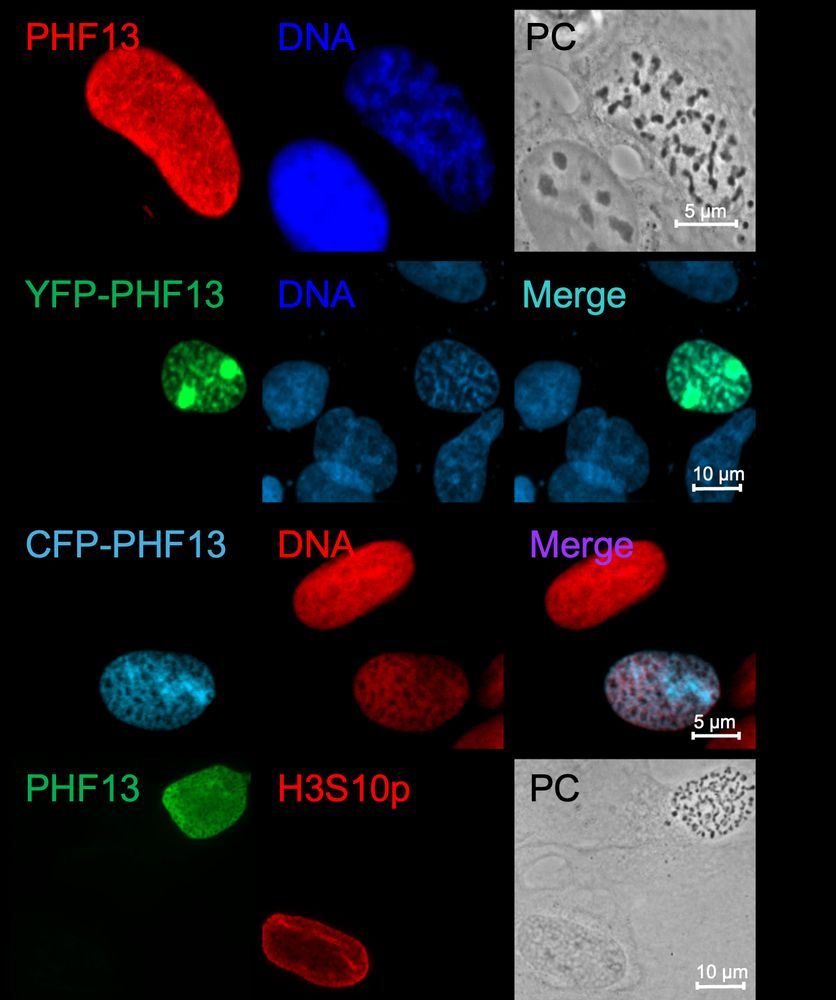
🧬 New study from the Kinkley Lab! 🧬 In collaboration with the Vingron and Hnisz labs at the MPIMG the team has gained new insights how the epigenetic reader PHF13 regulates it´s affinity to bind to chromatin.
Read more: www.molgen.mpg.de/2025-07-28-o...
Congrats to first author Francesca Rossi!
Read more: www.molgen.mpg.de/2025-07-28-o...
Congrats to first author Francesca Rossi!
August 1, 2025 at 8:13 AM
🧬 New study from the Kinkley Lab! 🧬 In collaboration with the Vingron and Hnisz labs at the MPIMG the team has gained new insights how the epigenetic reader PHF13 regulates it´s affinity to bind to chromatin.
Read more: www.molgen.mpg.de/2025-07-28-o...
Congrats to first author Francesca Rossi!
Read more: www.molgen.mpg.de/2025-07-28-o...
Congrats to first author Francesca Rossi!
Reposted by Edda Schulz
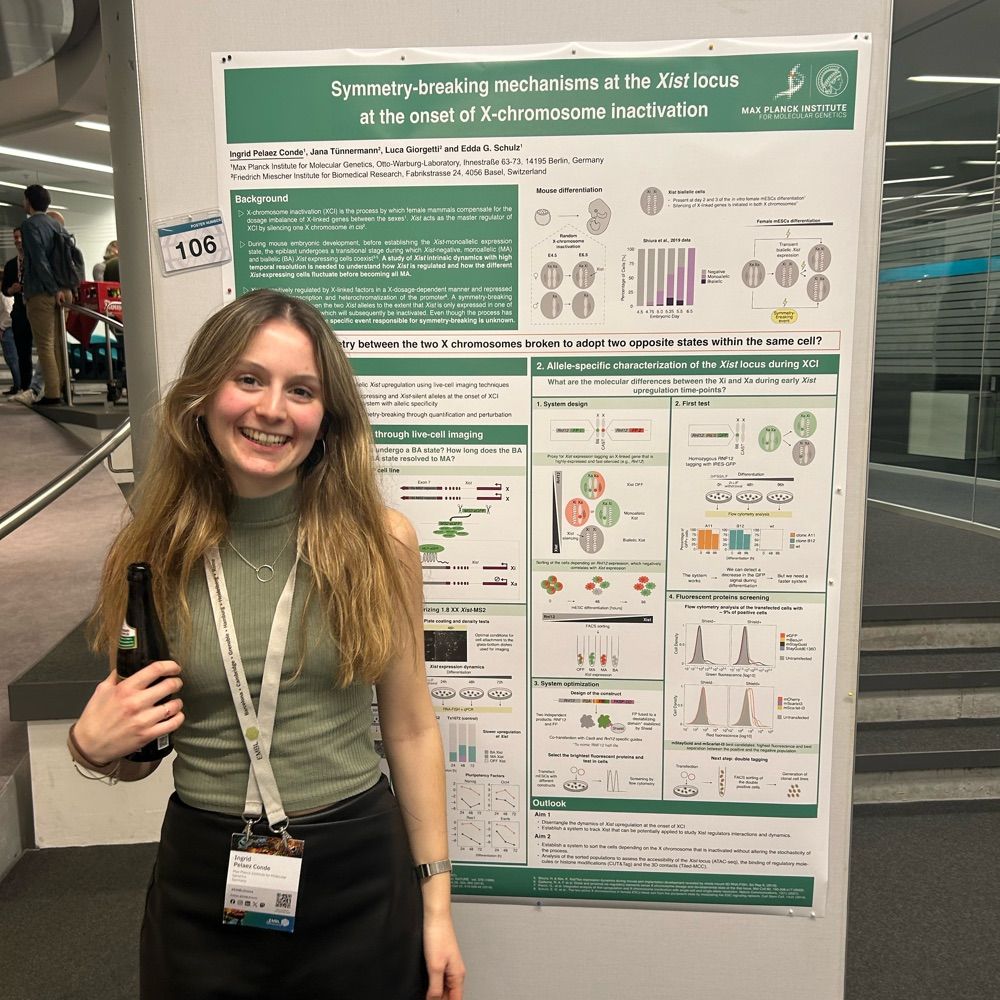
I'm really happy to see the work from my Master's thesis published! 🎉
Shoutout to everyone who helped make this happen — especially @albaperez.bsky.social for the amazing mentorship and Alfred for the opportunity to work on this cool project!
Check it out 👀
Shoutout to everyone who helped make this happen — especially @albaperez.bsky.social for the amazing mentorship and Alfred for the opportunity to work on this cool project!
Check it out 👀
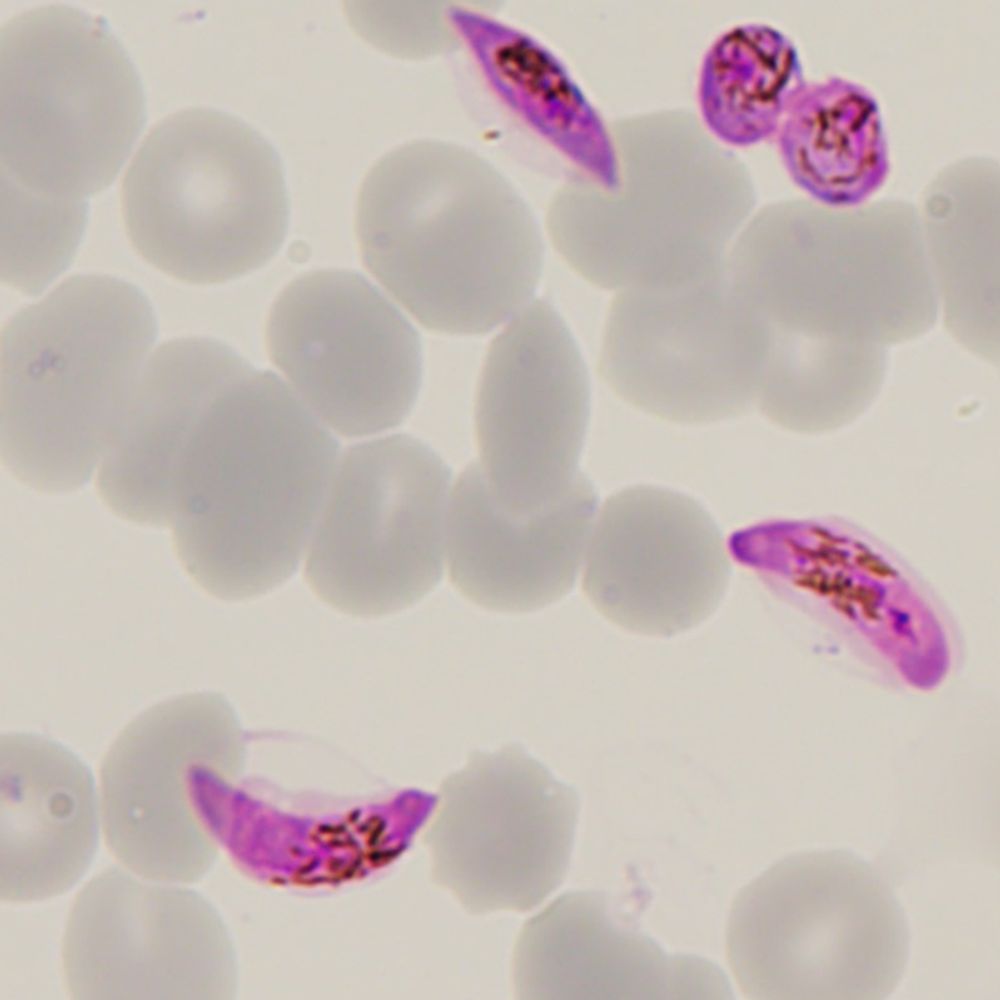
📣Rush to read our latest paper!! journals.plos.org/plospathogen.... You'll learn why #heterochromatin is formed and maintained in specific regions of the Plasmodium falciparum genome and not others 🧵⬇️

Heterochromatin de novo formation and maintenance in Plasmodium falciparum
Author summary Proper regulation of gene expression is crucial for the functioning of all organisms. One key mechanism involves modifications in the structure of chromatin, the DNA and proteins comple...
journals.plos.org
July 3, 2025 at 3:22 PM
I'm really happy to see the work from my Master's thesis published! 🎉
Shoutout to everyone who helped make this happen — especially @albaperez.bsky.social for the amazing mentorship and Alfred for the opportunity to work on this cool project!
Check it out 👀
Shoutout to everyone who helped make this happen — especially @albaperez.bsky.social for the amazing mentorship and Alfred for the opportunity to work on this cool project!
Check it out 👀
Reposted by Edda Schulz
Calling all aspiring Postdocs! One extra week to apply to join our exciting HFSP-funded project to uncover how chromatin moves to function.
Deadline July 15th.
www.mdc-berlin.de/career/jobs/...
Deadline July 15th.
www.mdc-berlin.de/career/jobs/...
July 8, 2025 at 9:12 AM
Calling all aspiring Postdocs! One extra week to apply to join our exciting HFSP-funded project to uncover how chromatin moves to function.
Deadline July 15th.
www.mdc-berlin.de/career/jobs/...
Deadline July 15th.
www.mdc-berlin.de/career/jobs/...