




Dr Samuel McLean - This Meeting Could Have Been A Fistfight
@canadianerrant.bsky.social
Maritime Historian. Chief Mate (150 GT). Dad & Husband. Gardener, Cook & Brewer. Ngāi Tahu & McLean of Duart. Toitū te Tiriti. TCEU 416/CUPE L79. Canadian & Kiwi. Go Blue Jays. Cymru am byth. Alba gu brath. Go All Blacks. He/Him. Likes fashion/style
Pinned
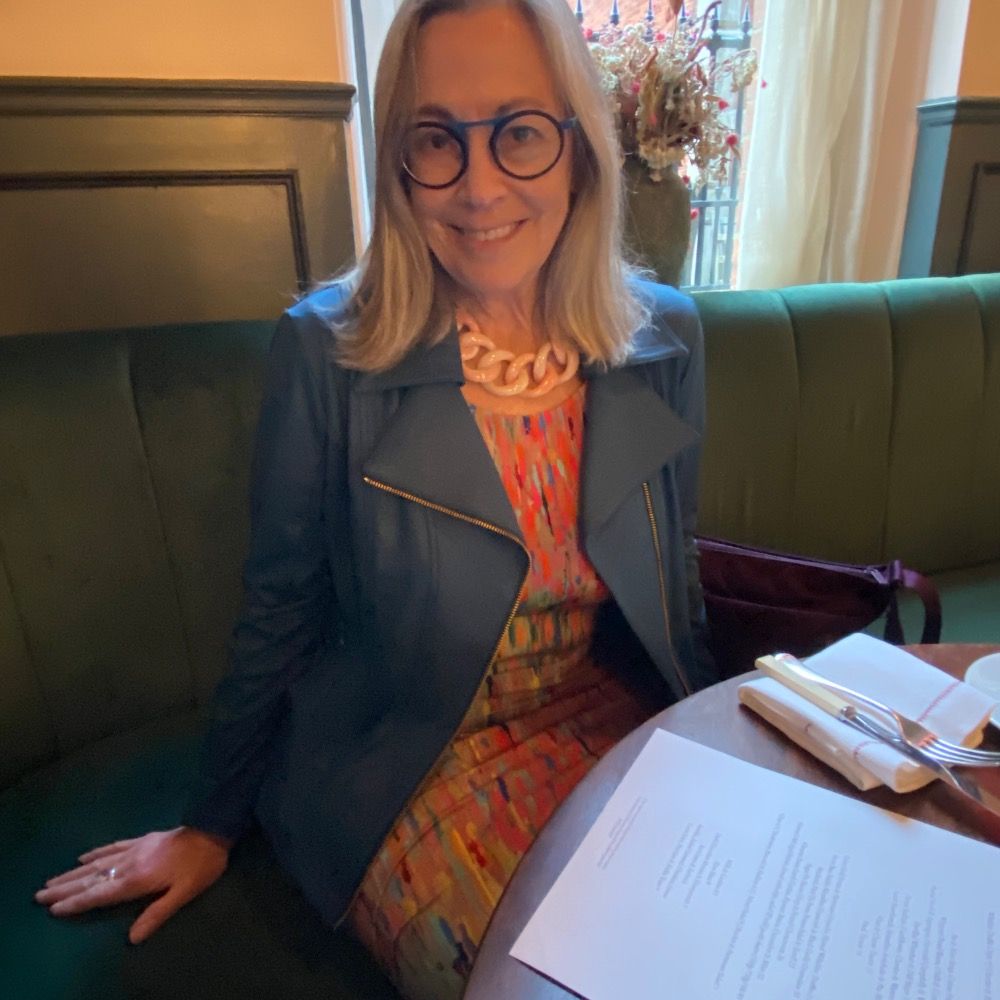
Seriously everyone. Don’t be a bitch.
We have so much leftover ham in the fridge.
January 6, 2026 at 2:02 PM
We have so much leftover ham in the fridge.
Reposted by Dr Samuel McLean - This Meeting Could Have Been A Fistfight

Another tram take: the best class of trams to operate on any Aus/NZ network were Wellington's Fiducia trams. Superb units that should've and nearly did ensure Wellington's trams survived alongside Melbourne
(others I really like aesthetically: Auckland streamliners, Adelaide H class, every Birney)
(others I really like aesthetically: Auckland streamliners, Adelaide H class, every Birney)

January 6, 2026 at 9:47 AM
Another tram take: the best class of trams to operate on any Aus/NZ network were Wellington's Fiducia trams. Superb units that should've and nearly did ensure Wellington's trams survived alongside Melbourne
(others I really like aesthetically: Auckland streamliners, Adelaide H class, every Birney)
(others I really like aesthetically: Auckland streamliners, Adelaide H class, every Birney)
They're predicting freezing rain all day. So school busses are cancelled. And even though we're quite close to the school I need to stay home because we dont have a way to get the boys home

January 6, 2026 at 12:20 PM
They're predicting freezing rain all day. So school busses are cancelled. And even though we're quite close to the school I need to stay home because we dont have a way to get the boys home
Reposted by Dr Samuel McLean - This Meeting Could Have Been A Fistfight

*points to undergraduate degree in Women's Studies while sobbing*

kind of darkly funny that "gender studies" is the stereotypical "useless degree" because gender studies will help you understand a large and important chunk of the current psychosis in american life
January 6, 2026 at 2:12 AM
*points to undergraduate degree in Women's Studies while sobbing*
Reposted by Dr Samuel McLean - This Meeting Could Have Been A Fistfight

Let’s make 2026 the year of the bog. The world’s most unique and interesting plants, clean water, cooler climate. Bogs deserve our thanks, care, and deep respect. Please join me and love a bog today.

January 5, 2026 at 10:15 PM
Let’s make 2026 the year of the bog. The world’s most unique and interesting plants, clean water, cooler climate. Bogs deserve our thanks, care, and deep respect. Please join me and love a bog today.
Reposted by Dr Samuel McLean - This Meeting Could Have Been A Fistfight

Lol: “Imagine calling yourselves the ‘master race’ but forgetting to secure your own website — maybe try mastering to host WordPress before world domination,” Root wrote."

A hacker known as Martha Root broke in and deleted three white supremacists websites at the end of a talk during the annual hacker conference Chaos Communication Congress in Germany.

Hacktivist deletes white supremacist websites live on stage during hacker conference | TechCrunch
A hacker known as Martha Root broke in and deleted three white supremacists websites at the end of a talk during the annual hacker conference Chaos Communication Congress in Germany.
techcrunch.com
January 5, 2026 at 11:41 PM
Lol: “Imagine calling yourselves the ‘master race’ but forgetting to secure your own website — maybe try mastering to host WordPress before world domination,” Root wrote."
Reposted by Dr Samuel McLean - This Meeting Could Have Been A Fistfight

The official Bulgaria account on Instagram is doing some pretty cool stuff

January 6, 2026 at 12:48 AM
The official Bulgaria account on Instagram is doing some pretty cool stuff
Reposted by Dr Samuel McLean - This Meeting Could Have Been A Fistfight

OUT: Helping you pay for health care.
IN: Helping oil companies pay for their infrastructure in a foreign country.
IN: Helping oil companies pay for their infrastructure in a foreign country.


January 6, 2026 at 12:14 AM
OUT: Helping you pay for health care.
IN: Helping oil companies pay for their infrastructure in a foreign country.
IN: Helping oil companies pay for their infrastructure in a foreign country.
Also Rich Berman is a giant twat and I'm so thankful we have Star trek despite him
January 6, 2026 at 1:39 AM
Also Rich Berman is a giant twat and I'm so thankful we have Star trek despite him
Reposted by Dr Samuel McLean - This Meeting Could Have Been A Fistfight

If you're bargaining from a place of "don't punch me in the face too bad, sir," you're gonna get punched in the face, and they're probably gonna do it harder and harder.
If your bargaining position is, "I will expose your pedophile friends and you will face tribunals," the conversation changes.
If your bargaining position is, "I will expose your pedophile friends and you will face tribunals," the conversation changes.
January 6, 2026 at 1:31 AM
If you're bargaining from a place of "don't punch me in the face too bad, sir," you're gonna get punched in the face, and they're probably gonna do it harder and harder.
If your bargaining position is, "I will expose your pedophile friends and you will face tribunals," the conversation changes.
If your bargaining position is, "I will expose your pedophile friends and you will face tribunals," the conversation changes.
Actually, for me it's not even sci Fi, it's River Cottage.
I *adore* River Cottage and I still fully support Pam the Jam, John Wright and all the rest of them.
I *adore* River Cottage and I still fully support Pam the Jam, John Wright and all the rest of them.
What's your favourite thing that's been made by an absolute cunt?
January 6, 2026 at 1:38 AM
Actually, for me it's not even sci Fi, it's River Cottage.
I *adore* River Cottage and I still fully support Pam the Jam, John Wright and all the rest of them.
I *adore* River Cottage and I still fully support Pam the Jam, John Wright and all the rest of them.
Reposted by Dr Samuel McLean - This Meeting Could Have Been A Fistfight

Rich Berman is suuuuch a cunt


January 4, 2026 at 9:50 PM
Rich Berman is suuuuch a cunt
I mean the first thing that comes to mind is anything involving Chakotay but B5 had a bunch of right wing twats in it.
What's your favourite thing that's been made by an absolute cunt?
January 6, 2026 at 1:35 AM
I mean the first thing that comes to mind is anything involving Chakotay but B5 had a bunch of right wing twats in it.
Are we talking about just like unpleasant individuals or like hateful twats because spoiled for choice
January 6, 2026 at 1:34 AM
Are we talking about just like unpleasant individuals or like hateful twats because spoiled for choice
Reposted by Dr Samuel McLean - This Meeting Could Have Been A Fistfight

Comrade I'm a nearly 50 year old SFF fan, I don't think you can expect me to pick just one thing
What's your favourite thing that's been made by an absolute cunt?
January 6, 2026 at 1:07 AM
Comrade I'm a nearly 50 year old SFF fan, I don't think you can expect me to pick just one thing
If a cop show uses that "way down we go" do you think they're trying to reference the Wire without actually using the song from the Wire?
Because every time I hear that song I think of the Wire.
Because every time I hear that song I think of the Wire.
January 6, 2026 at 1:31 AM
If a cop show uses that "way down we go" do you think they're trying to reference the Wire without actually using the song from the Wire?
Because every time I hear that song I think of the Wire.
Because every time I hear that song I think of the Wire.
www.rnz.co.nz/news/world/5...
the Trump and Churchill parallels continue to exist loudly and clearly.
And the lack of anybody nearly as capable as Alan Brooke, likewise.
the Trump and Churchill parallels continue to exist loudly and clearly.
And the lack of anybody nearly as capable as Alan Brooke, likewise.

Greenland, Cuba, Iran and more: All the places Trump has threatened to attack since hitting Venezuela
What the US president has said in the last two days, and how some of those targeted governments have responded.
www.rnz.co.nz
January 5, 2026 at 11:07 PM
www.rnz.co.nz/news/world/5...
the Trump and Churchill parallels continue to exist loudly and clearly.
And the lack of anybody nearly as capable as Alan Brooke, likewise.
the Trump and Churchill parallels continue to exist loudly and clearly.
And the lack of anybody nearly as capable as Alan Brooke, likewise.
Reposted by Dr Samuel McLean - This Meeting Could Have Been A Fistfight

Germanists/historians! I'm looking for economic histories of the northern HRE in the 18thC (especially in/around Electoral Hanover).
Bonus points if it focuses on the lower nobility (esp Freiherren).
Any advice much appreciated.
Bonus points if it focuses on the lower nobility (esp Freiherren).
Any advice much appreciated.
January 5, 2026 at 10:39 PM
Germanists/historians! I'm looking for economic histories of the northern HRE in the 18thC (especially in/around Electoral Hanover).
Bonus points if it focuses on the lower nobility (esp Freiherren).
Any advice much appreciated.
Bonus points if it focuses on the lower nobility (esp Freiherren).
Any advice much appreciated.
Reposted by Dr Samuel McLean - This Meeting Could Have Been A Fistfight

America...what are you doooooinnnnnnng?

The Corporation for Public Broadcasting has been dissolved, ending its 58 years as the primary funder for PBS, NPR and local TV and radio stations

Corporation For Public Broadcasting Is Dissolved After 58 Years Of Service
www.huffpost.com
January 5, 2026 at 9:57 PM
America...what are you doooooinnnnnnng?
Reposted by Dr Samuel McLean - This Meeting Could Have Been A Fistfight
I try not to be surprised anymore, and I shouldn't really give a shit as a non-US citizen, but it is kinda weird how _literal_ violations of the first amendment are glossed over nowadays, given how much screaming there has been about pretend violations (by private businesses) previously.

Mark Kelly has retirement pay cut by Pentagon over ‘illegal orders video,’

Mark Kelly has retirement pay cut by Pentagon over ‘illegal orders video,’
Mark Kelly has retirement pay cut by Pentagon over ‘illegal orders video,’
www.independent.co.uk
January 5, 2026 at 9:22 PM
I try not to be surprised anymore, and I shouldn't really give a shit as a non-US citizen, but it is kinda weird how _literal_ violations of the first amendment are glossed over nowadays, given how much screaming there has been about pretend violations (by private businesses) previously.
Reposted by Dr Samuel McLean - This Meeting Could Have Been A Fistfight

BBC journalists have been banned from describing the kidnapped Venezuelan leader as having been kidnapped.
The BBC News Editor has sent this to BBC journalists.
The BBC News Editor has sent this to BBC journalists.

January 5, 2026 at 1:19 PM
BBC journalists have been banned from describing the kidnapped Venezuelan leader as having been kidnapped.
The BBC News Editor has sent this to BBC journalists.
The BBC News Editor has sent this to BBC journalists.
I really should trace the pattern for the shirt, right, rather than cutting it out? (we just really haven't had the light to do the job properly recently)
January 5, 2026 at 9:22 PM
I really should trace the pattern for the shirt, right, rather than cutting it out? (we just really haven't had the light to do the job properly recently)


Reposted by Dr Samuel McLean - This Meeting Could Have Been A Fistfight

Ban stock trading by lawmakers in Congress. Full stop.
January 5, 2026 at 5:08 PM
Ban stock trading by lawmakers in Congress. Full stop.