



International Society for Biocuration
@biocurator.bsky.social
The International Society for Biocuration (ISB) is a non profit organization for biocurators, developers, and researchers with an interest in biocuration. The society promotes the field of biocuration and provides a forum for informatio
Reposted by International Society for Biocuration
Do you have a vision for a Workshop but don’t have the time to arrange the logistics or raise the funding? Submit your idea to us in our annual call for topics. We'll provide all necessary support for successful applications. Find out more at biologists.com/workshops/pr...

February 16, 2026 at 1:42 PM
Do you have a vision for a Workshop but don’t have the time to arrange the logistics or raise the funding? Submit your idea to us in our annual call for topics. We'll provide all necessary support for successful applications. Find out more at biologists.com/workshops/pr...
Reposted by International Society for Biocuration

Deadline Feb. 23: ⏰ Don’t forget to submit your video this week for the ICPSR Data Communication Scholarship: https://myumi.ch/Xeo1y ✨ #Scholarship #HigherEd #data #ICPSR #LoveData26

February 16, 2026 at 6:45 PM
Deadline Feb. 23: ⏰ Don’t forget to submit your video this week for the ICPSR Data Communication Scholarship: https://myumi.ch/Xeo1y ✨ #Scholarship #HigherEd #data #ICPSR #LoveData26
Reposted by International Society for Biocuration

Connecting Humanities Data with Galaxy
The DaSCH and Galaxy are collaborating to link FAIR humanities data with reproducible analysis workflows. A new example shows how historical prints from 1494 were made machine-readable in Galaxy using OCR.
galaxyproject.org/news/2026-02...
The DaSCH and Galaxy are collaborating to link FAIR humanities data with reproducible analysis workflows. A new example shows how historical prints from 1494 were made machine-readable in Galaxy using OCR.
galaxyproject.org/news/2026-02...

Connecting Humanities Data: Analyzing DaSCH data on Galaxy
We're excited to announce the collaboration between DaSCH, the Swiss National Data and Service Center for the Humanities, and the data analysis platform Galaxy.
galaxyproject.org
February 16, 2026 at 7:23 PM
Connecting Humanities Data with Galaxy
The DaSCH and Galaxy are collaborating to link FAIR humanities data with reproducible analysis workflows. A new example shows how historical prints from 1494 were made machine-readable in Galaxy using OCR.
galaxyproject.org/news/2026-02...
The DaSCH and Galaxy are collaborating to link FAIR humanities data with reproducible analysis workflows. A new example shows how historical prints from 1494 were made machine-readable in Galaxy using OCR.
galaxyproject.org/news/2026-02...
Reposted by International Society for Biocuration
Empowering biological knowledgebases: advances in human-in-the-loop AI-driven literature curation url: academic.oup.com/bioinformati... @elixiruknode.org @biocurator.bsky.social

Empowering biological knowledgebases: advances in human-in-the-loop AI-driven literature curation
Abstract. Biological knowledgebases facilitate discovery across the life sciences by structuring experimental findings into human-readable and computable f
academic.oup.com
February 16, 2026 at 8:18 AM
Empowering biological knowledgebases: advances in human-in-the-loop AI-driven literature curation url: academic.oup.com/bioinformati... @elixiruknode.org @biocurator.bsky.social
Reposted by International Society for Biocuration

From #OUP 's @bioinfoadv.bsky.social journal | Amos Bairoch (1957-2025): pioneer of bioinformatics and founder of Swiss-Prot | #Bioinformatics #Proteomics #OpenScience CC/ @sib.swiss 🧬 🖥️ 🧪 🔓🇨🇭
⬇️
academic.oup.com/bioinformati...
⬇️
academic.oup.com/bioinformati...

Amos Bairoch (1957–2025): pioneer of bioinformatics and founder of Swiss-Prot
Amos Bairoch, one of the founding figures of bioinformatics, passed away on 1 December 2025 at the age of 68 (SIB Swiss Institute of Bioinformatics 2025a).
academic.oup.com
February 13, 2026 at 5:14 PM
From #OUP 's @bioinfoadv.bsky.social journal | Amos Bairoch (1957-2025): pioneer of bioinformatics and founder of Swiss-Prot | #Bioinformatics #Proteomics #OpenScience CC/ @sib.swiss 🧬 🖥️ 🧪 🔓🇨🇭
⬇️
academic.oup.com/bioinformati...
⬇️
academic.oup.com/bioinformati...
Reposted by International Society for Biocuration
Hear Ye! Hear Ye! #2026MMM
(With a hat-tip to the Dropkick Murphys)
The season's upon us, it's that time of year!
Science & carnage, there's battles to cheer,
there's twists to these plots
and there's stings to be stung,
there's research to do
and plenty of fun!
(With a hat-tip to the Dropkick Murphys)
The season's upon us, it's that time of year!
Science & carnage, there's battles to cheer,
there's twists to these plots
and there's stings to be stung,
there's research to do
and plenty of fun!

a man wearing a feathered hat says " hear ye hear ye "
Alt: Stephen Colbert rings a bell wearing a large feathered tricorn hat shouting "Hear Ye! Hear Ye!"
media.tenor.com
February 12, 2026 at 4:02 PM
Hear Ye! Hear Ye! #2026MMM
(With a hat-tip to the Dropkick Murphys)
The season's upon us, it's that time of year!
Science & carnage, there's battles to cheer,
there's twists to these plots
and there's stings to be stung,
there's research to do
and plenty of fun!
(With a hat-tip to the Dropkick Murphys)
The season's upon us, it's that time of year!
Science & carnage, there's battles to cheer,
there's twists to these plots
and there's stings to be stung,
there's research to do
and plenty of fun!
Reposted by International Society for Biocuration
We are looking forward to the International Biocuration Conference 2026 🧬
@intbioconf2026.bsky.social @biocurator.bsky.social
www.linkedin.com/posts/intern...
@intbioconf2026.bsky.social @biocurator.bsky.social
www.linkedin.com/posts/intern...

#biocuration2026 #biocuration2026 #biocuration2026 #ibc2026 #africa… | International Biocuration Conference 2026
Announcing Our Scientific Committee – #Biocuration2026
We are proud to introduce the Scientific Committee for the 19th Annual International Biocuration Conference, taking place in Cape Town, South Afr...
www.linkedin.com
February 13, 2026 at 8:39 PM
We are looking forward to the International Biocuration Conference 2026 🧬
@intbioconf2026.bsky.social @biocurator.bsky.social
www.linkedin.com/posts/intern...
@intbioconf2026.bsky.social @biocurator.bsky.social
www.linkedin.com/posts/intern...
Reposted by International Society for Biocuration

Our partner project @fidelis-project.bsky.social will host a Data Reuse Workshop on 25 February - an excellent opportunity to enhance your data sharing and data reuse practices! Learn more about the workshops and how to register

Data Reuse Workshop(s) | Eden-Fidelis
Data sharing and reuse are essential for maximising the value of research by enabling new discoveries and insights without the need to duplicate efforts.
eden-fidelis.eu
February 13, 2026 at 1:16 PM
Our partner project @fidelis-project.bsky.social will host a Data Reuse Workshop on 25 February - an excellent opportunity to enhance your data sharing and data reuse practices! Learn more about the workshops and how to register
Reposted by International Society for Biocuration

🚨 We’re hiring!
Our Functional Genomics team at @ebi.embl.org seeks a Full-Stack Software Engineer to work on Expression Atlas and Single-Cell Expression Atlas.
⏳ Less than a week left to apply - don’t miss out!
embl.wd103.myworkdayjobs.com/EMBL/job/Hin...
#Hiring #SoftwareEngineer
Our Functional Genomics team at @ebi.embl.org seeks a Full-Stack Software Engineer to work on Expression Atlas and Single-Cell Expression Atlas.
⏳ Less than a week left to apply - don’t miss out!
embl.wd103.myworkdayjobs.com/EMBL/job/Hin...
#Hiring #SoftwareEngineer

Full Stack Software Engineer
About the team We are looking for a software developer to join the Functional Genomics team at EMBL-EBI. We develop and maintain Expression Atlas and Single Cell Expression Atlas, open science resourc...
embl.wd103.myworkdayjobs.com
February 13, 2026 at 1:48 PM
🚨 We’re hiring!
Our Functional Genomics team at @ebi.embl.org seeks a Full-Stack Software Engineer to work on Expression Atlas and Single-Cell Expression Atlas.
⏳ Less than a week left to apply - don’t miss out!
embl.wd103.myworkdayjobs.com/EMBL/job/Hin...
#Hiring #SoftwareEngineer
Our Functional Genomics team at @ebi.embl.org seeks a Full-Stack Software Engineer to work on Expression Atlas and Single-Cell Expression Atlas.
⏳ Less than a week left to apply - don’t miss out!
embl.wd103.myworkdayjobs.com/EMBL/job/Hin...
#Hiring #SoftwareEngineer
Reposted by International Society for Biocuration
💖 Got a crush on data? Us too. 😍 Join us today for our ICPSR Data-Savvy Teaching Office Hours: Data Fair Edition during #LoveDataWeek! Let’s make data the heart of your classroom! 💌📊
🗓️ Friday, Feb 13, 2026
🕛 12 - 1 p.m. ET
🔗Register at myumi.ch/pVW5q
#LoveData26
🗓️ Friday, Feb 13, 2026
🕛 12 - 1 p.m. ET
🔗Register at myumi.ch/pVW5q
#LoveData26

February 13, 2026 at 2:00 PM
💖 Got a crush on data? Us too. 😍 Join us today for our ICPSR Data-Savvy Teaching Office Hours: Data Fair Edition during #LoveDataWeek! Let’s make data the heart of your classroom! 💌📊
🗓️ Friday, Feb 13, 2026
🕛 12 - 1 p.m. ET
🔗Register at myumi.ch/pVW5q
#LoveData26
🗓️ Friday, Feb 13, 2026
🕛 12 - 1 p.m. ET
🔗Register at myumi.ch/pVW5q
#LoveData26
Reposted by International Society for Biocuration
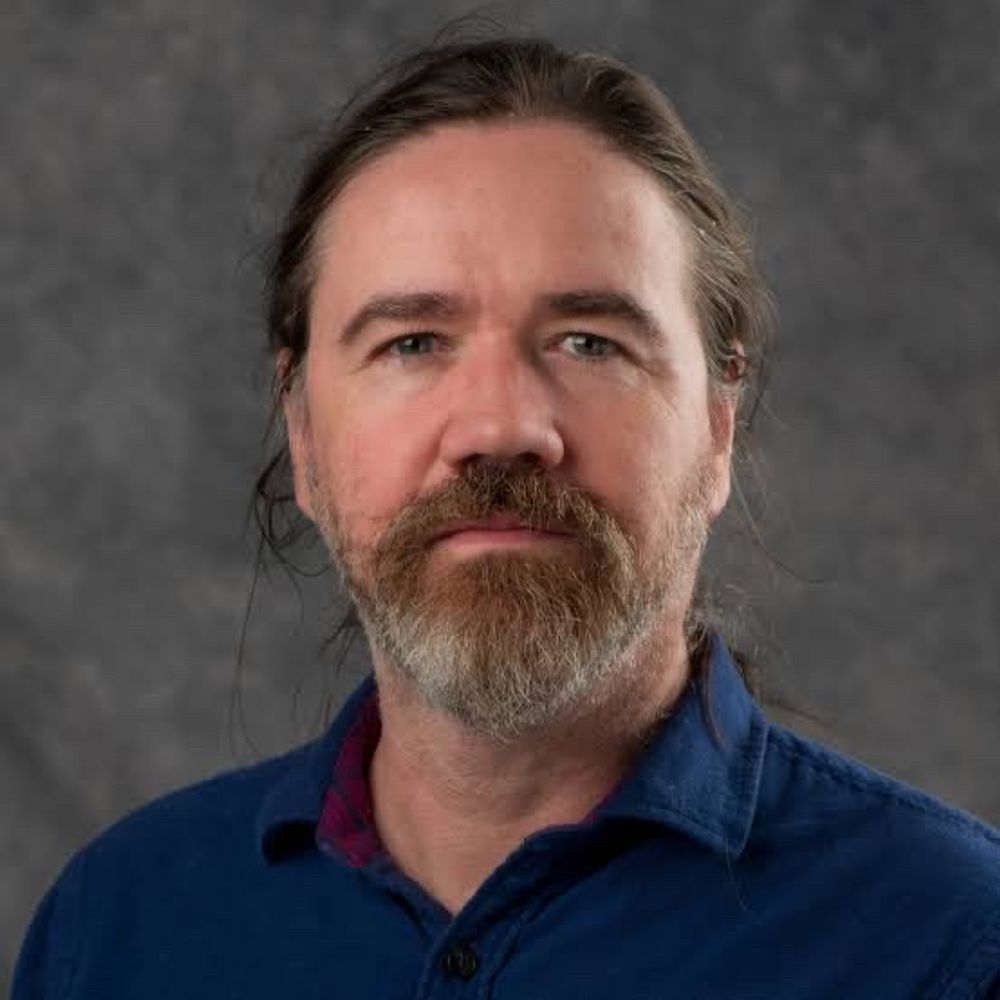
This week I participated in the excellent @biocurator.bsky.social virtual AI workshop. I presented some general tips for learning about agents. zenodo.org/records/1861... A lot of the advice comes down to: find time to learn+don't wait for the perfect curation tool, start using existing agent tools!
Staying in the Loop: A Biocurator's Guide to Agentic AI Developments
Staying in the Loop: A Biocurator’s Guide to Agentic AI Developments Large language models have rapidly become part of everyday scientific workflows, yet most biocurators still interact with AI primar...
zenodo.org
February 12, 2026 at 3:59 PM
This week I participated in the excellent @biocurator.bsky.social virtual AI workshop. I presented some general tips for learning about agents. zenodo.org/records/1861... A lot of the advice comes down to: find time to learn+don't wait for the perfect curation tool, start using existing agent tools!
Reposted by International Society for Biocuration

Our pangenome team has released a new vg update, v1.72.0, codenamed "Littlefoot" 🧪🧬🖥️ github.com/vgteam/vg/re...
New features:
📈 Support for supplementary alignments in vg giraffe
📈 Sequence compression GBZ graph file format
New features:
📈 Support for supplementary alignments in vg giraffe
📈 Sequence compression GBZ graph file format

February 11, 2026 at 7:58 PM
Our pangenome team has released a new vg update, v1.72.0, codenamed "Littlefoot" 🧪🧬🖥️ github.com/vgteam/vg/re...
New features:
📈 Support for supplementary alignments in vg giraffe
📈 Sequence compression GBZ graph file format
New features:
📈 Support for supplementary alignments in vg giraffe
📈 Sequence compression GBZ graph file format
Reposted by International Society for Biocuration

We’re running a survey to learn your experience with AlphaFold DB search results and filters.
Take 5-minutes to share your experience with AlphaFold DB search and have a say in upcoming improvements.
Fill in the survey forms.gle/K7RotPrD9ZPZ...
#AlphaFold #Bioinformatics #StructuralBiology
Take 5-minutes to share your experience with AlphaFold DB search and have a say in upcoming improvements.
Fill in the survey forms.gle/K7RotPrD9ZPZ...
#AlphaFold #Bioinformatics #StructuralBiology

Search survey
This survey asks about how you browse and choose results in AlphaFold DB search. We are interested in which information you rely on, how you use filters, and how you interpret key attributes when deci...
forms.gle
February 11, 2026 at 11:24 AM
We’re running a survey to learn your experience with AlphaFold DB search results and filters.
Take 5-minutes to share your experience with AlphaFold DB search and have a say in upcoming improvements.
Fill in the survey forms.gle/K7RotPrD9ZPZ...
#AlphaFold #Bioinformatics #StructuralBiology
Take 5-minutes to share your experience with AlphaFold DB search and have a say in upcoming improvements.
Fill in the survey forms.gle/K7RotPrD9ZPZ...
#AlphaFold #Bioinformatics #StructuralBiology
Reposted by International Society for Biocuration
🔍 Scientific Committee Spotlight – #Biocuration2026
Meet Dr Fouzia Radouani (Institut Pasteur du Maroc 🇲🇦), PhD in Immunology, Research Director & Head of Microbiology.
Honoured to have her contribute to shaping #Biocuration2026.
#IBC2026 #ScientificCommittee #DataCuration
Meet Dr Fouzia Radouani (Institut Pasteur du Maroc 🇲🇦), PhD in Immunology, Research Director & Head of Microbiology.
Honoured to have her contribute to shaping #Biocuration2026.
#IBC2026 #ScientificCommittee #DataCuration


February 4, 2026 at 3:32 PM
🔍 Scientific Committee Spotlight – #Biocuration2026
Meet Dr Fouzia Radouani (Institut Pasteur du Maroc 🇲🇦), PhD in Immunology, Research Director & Head of Microbiology.
Honoured to have her contribute to shaping #Biocuration2026.
#IBC2026 #ScientificCommittee #DataCuration
Meet Dr Fouzia Radouani (Institut Pasteur du Maroc 🇲🇦), PhD in Immunology, Research Director & Head of Microbiology.
Honoured to have her contribute to shaping #Biocuration2026.
#IBC2026 #ScientificCommittee #DataCuration
Reposted by International Society for Biocuration
Scientific Committee Spotlight – #Biocuration2026
Meet Dr Frederique Lisacek (SIB Swiss Institute of Bioinformatics 🇨🇭), Head of the Proteome Informatics Group, working at the intersection of AI, proteomics & glycoscience.
Honoured to have her on board!
#IBC2026 #ScientificCommittee #Bioinformatics
Meet Dr Frederique Lisacek (SIB Swiss Institute of Bioinformatics 🇨🇭), Head of the Proteome Informatics Group, working at the intersection of AI, proteomics & glycoscience.
Honoured to have her on board!
#IBC2026 #ScientificCommittee #Bioinformatics


February 5, 2026 at 12:51 PM
Scientific Committee Spotlight – #Biocuration2026
Meet Dr Frederique Lisacek (SIB Swiss Institute of Bioinformatics 🇨🇭), Head of the Proteome Informatics Group, working at the intersection of AI, proteomics & glycoscience.
Honoured to have her on board!
#IBC2026 #ScientificCommittee #Bioinformatics
Meet Dr Frederique Lisacek (SIB Swiss Institute of Bioinformatics 🇨🇭), Head of the Proteome Informatics Group, working at the intersection of AI, proteomics & glycoscience.
Honoured to have her on board!
#IBC2026 #ScientificCommittee #Bioinformatics
Reposted by International Society for Biocuration
🔬 Scientific Committee Spotlight | #Biocuration2026
Meet Prof. Lynn Schriml (University of Maryland School of Medicine), PI of the Human Disease Ontology and a long-standing leader in biocuration, data science and knowledge engineering.
#IBC2026 #ScientificCommittee #Biocuration #DataCuration
Meet Prof. Lynn Schriml (University of Maryland School of Medicine), PI of the Human Disease Ontology and a long-standing leader in biocuration, data science and knowledge engineering.
#IBC2026 #ScientificCommittee #Biocuration #DataCuration


February 7, 2026 at 6:41 PM
🔬 Scientific Committee Spotlight | #Biocuration2026
Meet Prof. Lynn Schriml (University of Maryland School of Medicine), PI of the Human Disease Ontology and a long-standing leader in biocuration, data science and knowledge engineering.
#IBC2026 #ScientificCommittee #Biocuration #DataCuration
Meet Prof. Lynn Schriml (University of Maryland School of Medicine), PI of the Human Disease Ontology and a long-standing leader in biocuration, data science and knowledge engineering.
#IBC2026 #ScientificCommittee #Biocuration #DataCuration
Reposted by International Society for Biocuration
Scientific Committee Spotlight – #Biocuration2026
Meet Dr Mélanie Courtot (Ontario Institute for Cancer Research 🇨🇦), genome informatics & biocuration expert bridging research, data & bioinformatics.
Honoured to have her on board!
#IBC2026 #ScientificCommittee #Bioinformatics #Genomics
Meet Dr Mélanie Courtot (Ontario Institute for Cancer Research 🇨🇦), genome informatics & biocuration expert bridging research, data & bioinformatics.
Honoured to have her on board!
#IBC2026 #ScientificCommittee #Bioinformatics #Genomics


February 9, 2026 at 8:29 AM
Scientific Committee Spotlight – #Biocuration2026
Meet Dr Mélanie Courtot (Ontario Institute for Cancer Research 🇨🇦), genome informatics & biocuration expert bridging research, data & bioinformatics.
Honoured to have her on board!
#IBC2026 #ScientificCommittee #Bioinformatics #Genomics
Meet Dr Mélanie Courtot (Ontario Institute for Cancer Research 🇨🇦), genome informatics & biocuration expert bridging research, data & bioinformatics.
Honoured to have her on board!
#IBC2026 #ScientificCommittee #Bioinformatics #Genomics
Reposted by International Society for Biocuration
Scientific Committee Spotlight – #Biocuration2026
Meet Prof Nicola Mulder (University of Cape Town 🇿🇦), leader in computational biology & bioinformatics, former head of H3ABioNet, and current Interim Director of the African Bioinformatics Institute.
Honoured to have her shaping #IBC2026
Meet Prof Nicola Mulder (University of Cape Town 🇿🇦), leader in computational biology & bioinformatics, former head of H3ABioNet, and current Interim Director of the African Bioinformatics Institute.
Honoured to have her shaping #IBC2026


February 10, 2026 at 8:43 AM
Scientific Committee Spotlight – #Biocuration2026
Meet Prof Nicola Mulder (University of Cape Town 🇿🇦), leader in computational biology & bioinformatics, former head of H3ABioNet, and current Interim Director of the African Bioinformatics Institute.
Honoured to have her shaping #IBC2026
Meet Prof Nicola Mulder (University of Cape Town 🇿🇦), leader in computational biology & bioinformatics, former head of H3ABioNet, and current Interim Director of the African Bioinformatics Institute.
Honoured to have her shaping #IBC2026
Reposted by International Society for Biocuration
🔬 Scientific Committee Spotlight | #Biocuration2026
Meet Dr Ovokeraye Oduaran, biomedical scientist and Chair of the H3Africa Microbiome Task Force. Expert in human genetics, microbiome research & bioinformatics.
Proud to have her on the #Biocuration2026 Scientific Committee.
#IBC2026 #Biocuration
Meet Dr Ovokeraye Oduaran, biomedical scientist and Chair of the H3Africa Microbiome Task Force. Expert in human genetics, microbiome research & bioinformatics.
Proud to have her on the #Biocuration2026 Scientific Committee.
#IBC2026 #Biocuration


February 11, 2026 at 9:42 AM
🔬 Scientific Committee Spotlight | #Biocuration2026
Meet Dr Ovokeraye Oduaran, biomedical scientist and Chair of the H3Africa Microbiome Task Force. Expert in human genetics, microbiome research & bioinformatics.
Proud to have her on the #Biocuration2026 Scientific Committee.
#IBC2026 #Biocuration
Meet Dr Ovokeraye Oduaran, biomedical scientist and Chair of the H3Africa Microbiome Task Force. Expert in human genetics, microbiome research & bioinformatics.
Proud to have her on the #Biocuration2026 Scientific Committee.
#IBC2026 #Biocuration
Reposted by International Society for Biocuration

Be sure to check this out! We ❤️ DataLumos and @icpsr.bsky.social
🪄 Today! Find out the latest on DataLumos: A Crowd-sourced Repository for Government Data. Learn what we've been doing & how you can help during the ICPSR Data Fair @ #LoveData26!
🗓️ Wednesday, February 11, 2026
🕛 1:00 – 2:00 p.m. ET
🔗 Register at myumi.ch/rAj4M
🗓️ Wednesday, February 11, 2026
🕛 1:00 – 2:00 p.m. ET
🔗 Register at myumi.ch/rAj4M

February 11, 2026 at 3:09 PM
Be sure to check this out! We ❤️ DataLumos and @icpsr.bsky.social
Reposted by International Society for Biocuration
From #NCBI Insight | NCBI Celebrates International Love Data Week! | #Bioinformatics #Genomics #Proteomics #OpenData #OpenScience 🧬 🖥️ 🧪
⬇️
ncbiinsights.ncbi.nlm.nih.gov/2026/02/10/n...
⬇️
ncbiinsights.ncbi.nlm.nih.gov/2026/02/10/n...

NCBI Celebrates International Love Data Week! - NCBI Insights
Providing free and open access to scientific literature and data Do you love biomolecular data as much as we do? Join NCBI in celebrating International Love Data Week, February 9-13, 2026! Love Data...
ncbiinsights.ncbi.nlm.nih.gov
February 10, 2026 at 6:43 PM
From #NCBI Insight | NCBI Celebrates International Love Data Week! | #Bioinformatics #Genomics #Proteomics #OpenData #OpenScience 🧬 🖥️ 🧪
⬇️
ncbiinsights.ncbi.nlm.nih.gov/2026/02/10/n...
⬇️
ncbiinsights.ncbi.nlm.nih.gov/2026/02/10/n...
Reposted by International Society for Biocuration

🔬 How does #Yeast optimize protein secretion? SEC72 deletion reshapes cellular functions including iron homeostasis and cell wall assembly, boosting secretion of proteins with strongly hydrophobic signal peptides
🧪 #YeastResearch #SGD #CellBiology #Biotechnology
www.yeastgenome.org/reference/S1...
🧪 #YeastResearch #SGD #CellBiology #Biotechnology
www.yeastgenome.org/reference/S1...

February 10, 2026 at 7:27 PM
🔬 How does #Yeast optimize protein secretion? SEC72 deletion reshapes cellular functions including iron homeostasis and cell wall assembly, boosting secretion of proteins with strongly hydrophobic signal peptides
🧪 #YeastResearch #SGD #CellBiology #Biotechnology
www.yeastgenome.org/reference/S1...
🧪 #YeastResearch #SGD #CellBiology #Biotechnology
www.yeastgenome.org/reference/S1...
Reposted by International Society for Biocuration

📢 Join us for the next GlySpace Alliance Webinar!
🗓️ Tuesday, February 17, 2026 | 10 AM ET
🎙️Dr. Lance Wells & Dr. Rene Ranzinger
🗒️For details visit: wiki.glygen.org/GlySpace_All... or take a look at the flyer below!
#GlyGen #glycotime #researchwebinar #researchtools
🗓️ Tuesday, February 17, 2026 | 10 AM ET
🎙️Dr. Lance Wells & Dr. Rene Ranzinger
🗒️For details visit: wiki.glygen.org/GlySpace_All... or take a look at the flyer below!
#GlyGen #glycotime #researchwebinar #researchtools

February 10, 2026 at 7:57 PM
📢 Join us for the next GlySpace Alliance Webinar!
🗓️ Tuesday, February 17, 2026 | 10 AM ET
🎙️Dr. Lance Wells & Dr. Rene Ranzinger
🗒️For details visit: wiki.glygen.org/GlySpace_All... or take a look at the flyer below!
#GlyGen #glycotime #researchwebinar #researchtools
🗓️ Tuesday, February 17, 2026 | 10 AM ET
🎙️Dr. Lance Wells & Dr. Rene Ranzinger
🗒️For details visit: wiki.glygen.org/GlySpace_All... or take a look at the flyer below!
#GlyGen #glycotime #researchwebinar #researchtools
Reposted by International Society for Biocuration
💕 Today! Join us for the #LoveData26 webinar, "Getting Better All the Time: Metadata Enhancements in the ICPSR Catalog!"
🗓️ Tuesday, February 10, 2026
🕛 1:00 – 2:00 p.m. ET
🔗 Register myumi.ch/G23mq
#ICPSRDataFair #metadata
🗓️ Tuesday, February 10, 2026
🕛 1:00 – 2:00 p.m. ET
🔗 Register myumi.ch/G23mq
#ICPSRDataFair #metadata

February 10, 2026 at 3:00 PM
💕 Today! Join us for the #LoveData26 webinar, "Getting Better All the Time: Metadata Enhancements in the ICPSR Catalog!"
🗓️ Tuesday, February 10, 2026
🕛 1:00 – 2:00 p.m. ET
🔗 Register myumi.ch/G23mq
#ICPSRDataFair #metadata
🗓️ Tuesday, February 10, 2026
🕛 1:00 – 2:00 p.m. ET
🔗 Register myumi.ch/G23mq
#ICPSRDataFair #metadata