


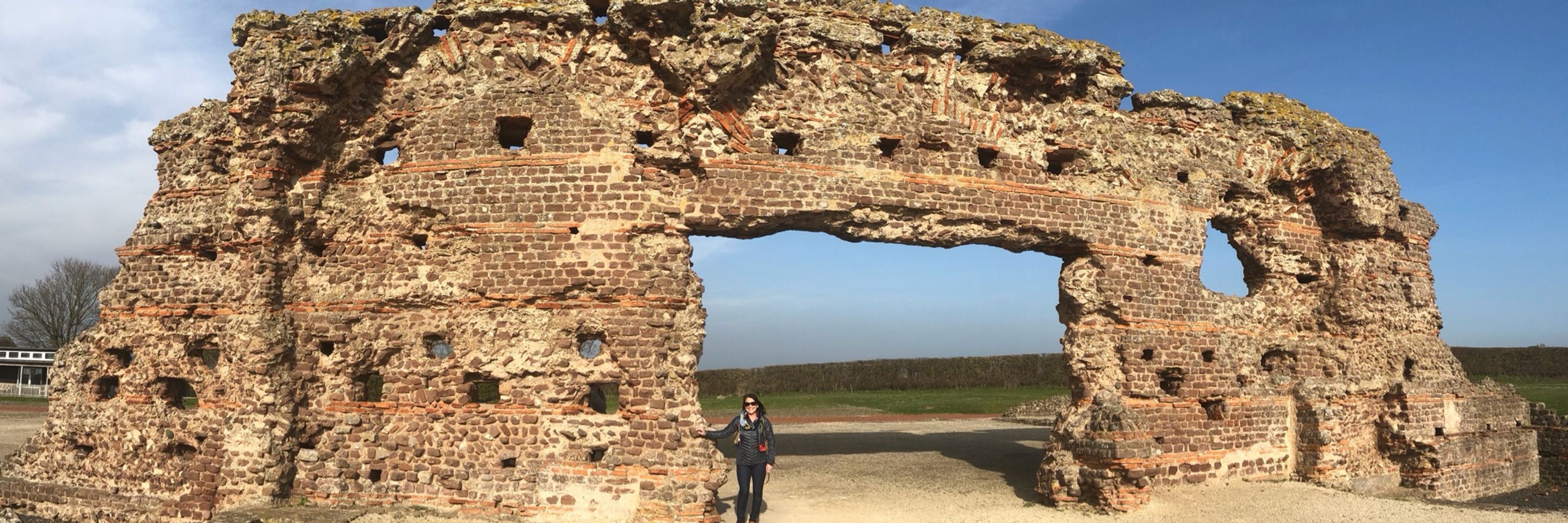

Alison Fisk
@alisonfisk.bsky.social
Recent Masters degree in Archaeological Practice at Birkbeck, University of London.
Here to share my love of archaeology.
Here to share my love of archaeology.
Reposted by Alison Fisk

Look at the glimmers on this beautiful cat! 🥰 details about the artifact & photo in the post ⬇️ 🤗🫶🏾
Ancient Egyptian bronze head of a cat with amber eyes, c. 600 BC.
Ny Carlsberg Glyptotek, Copenhagen. 📷 by me
#Archaeology
Ny Carlsberg Glyptotek, Copenhagen. 📷 by me
#Archaeology

January 19, 2026 at 8:54 AM
Look at the glimmers on this beautiful cat! 🥰 details about the artifact & photo in the post ⬇️ 🤗🫶🏾
Reposted by Alison Fisk
Ancient Egyptian bronze head of a cat with amber eyes, c. 600 BC.
Ny Carlsberg Glyptotek, Copenhagen. 📷 by me
#Archaeology
Ny Carlsberg Glyptotek, Copenhagen. 📷 by me
#Archaeology
January 18, 2026 at 5:46 PM
Ancient Egyptian bronze head of a cat with amber eyes, c. 600 BC.
Ny Carlsberg Glyptotek, Copenhagen. 📷 by me
#Archaeology
Ny Carlsberg Glyptotek, Copenhagen. 📷 by me
#Archaeology
Reposted by Alison Fisk

Ooooooohhhhhhh… 🤩
Ancient Egyptian bronze head of a cat with amber eyes, c. 600 BC.
Ny Carlsberg Glyptotek, Copenhagen. 📷 by me
#Archaeology
Ny Carlsberg Glyptotek, Copenhagen. 📷 by me
#Archaeology
January 18, 2026 at 6:17 PM
Ooooooohhhhhhh… 🤩
Ancient Egyptian bronze head of a cat with amber eyes, c. 600 BC.
Ny Carlsberg Glyptotek, Copenhagen. 📷 by me
#Archaeology
Ny Carlsberg Glyptotek, Copenhagen. 📷 by me
#Archaeology
January 18, 2026 at 5:46 PM
Ancient Egyptian bronze head of a cat with amber eyes, c. 600 BC.
Ny Carlsberg Glyptotek, Copenhagen. 📷 by me
#Archaeology
Ny Carlsberg Glyptotek, Copenhagen. 📷 by me
#Archaeology
Reposted by Alison Fisk

The Baliscate Standing Stones, near Tobermory on the Isle of Mull. The standing stones are one of several prehistoric stone rows on the island. 📸 My own. #StandingStoneSunday #Prehistory #Archaeology #Mull

January 18, 2026 at 7:26 AM
The Baliscate Standing Stones, near Tobermory on the Isle of Mull. The standing stones are one of several prehistoric stone rows on the island. 📸 My own. #StandingStoneSunday #Prehistory #Archaeology #Mull
Reposted by Alison Fisk

For #StandingStoneSunday, here's the splendidly sinuous King Stone at Rollright in #Oxfordshire
Although folklore claims this is a petrified monarch, writhing in agony, the current form of the Bronze Age monolith is due to 19th century souvenir hunters who removed bits 😱
📷 Aug 2022
Although folklore claims this is a petrified monarch, writhing in agony, the current form of the Bronze Age monolith is due to 19th century souvenir hunters who removed bits 😱
📷 Aug 2022

January 18, 2026 at 8:30 AM
For #StandingStoneSunday, here's the splendidly sinuous King Stone at Rollright in #Oxfordshire
Although folklore claims this is a petrified monarch, writhing in agony, the current form of the Bronze Age monolith is due to 19th century souvenir hunters who removed bits 😱
📷 Aug 2022
Although folklore claims this is a petrified monarch, writhing in agony, the current form of the Bronze Age monolith is due to 19th century souvenir hunters who removed bits 😱
📷 Aug 2022
Reposted by Alison Fisk

The Ring of Brodgar is part of the Orkney Unesco World Heritage Site. It originally had 60 stones, but only 36 survive today. Its diameter is 103.6 metres. #StandingStoneSunday

January 18, 2026 at 6:03 AM
The Ring of Brodgar is part of the Orkney Unesco World Heritage Site. It originally had 60 stones, but only 36 survive today. Its diameter is 103.6 metres. #StandingStoneSunday
Reposted by Alison Fisk


January 18, 2026 at 11:13 AM
Reposted by Alison Fisk
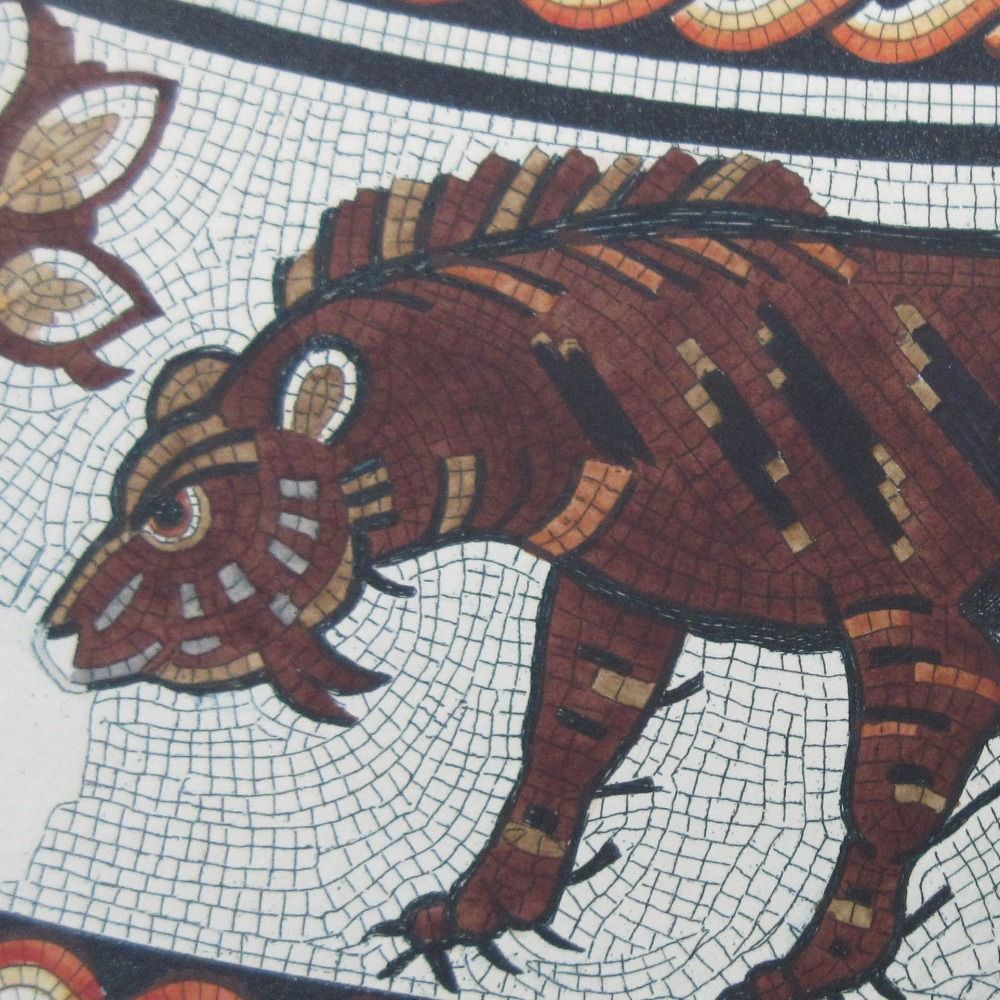
Glorious winter sunshine at Stanton Drew yesterday. The Great Circle is the largest in the British Isles after Avebury but is less photogenic than the smaller North East circle and remains of an avenue seen here. 1/2
#StandingStoneSunday
#StandingStoneSunday

January 18, 2026 at 10:25 AM
Glorious winter sunshine at Stanton Drew yesterday. The Great Circle is the largest in the British Isles after Avebury but is less photogenic than the smaller North East circle and remains of an avenue seen here. 1/2
#StandingStoneSunday
#StandingStoneSunday
Reposted by Alison Fisk

It was fantastic to see the Norfolk Carnyx and Iron Age hoard on Digging for Britain last night!
Many thanks to the Digging for Britain team, and to our partners at Historic England, Norfolk Museums and National Museums Scotland.
www.pre-construct.com/category/new...
Many thanks to the Digging for Britain team, and to our partners at Historic England, Norfolk Museums and National Museums Scotland.
www.pre-construct.com/category/new...


January 15, 2026 at 11:30 AM
It was fantastic to see the Norfolk Carnyx and Iron Age hoard on Digging for Britain last night!
Many thanks to the Digging for Britain team, and to our partners at Historic England, Norfolk Museums and National Museums Scotland.
www.pre-construct.com/category/new...
Many thanks to the Digging for Britain team, and to our partners at Historic England, Norfolk Museums and National Museums Scotland.
www.pre-construct.com/category/new...
Reposted by Alison Fisk
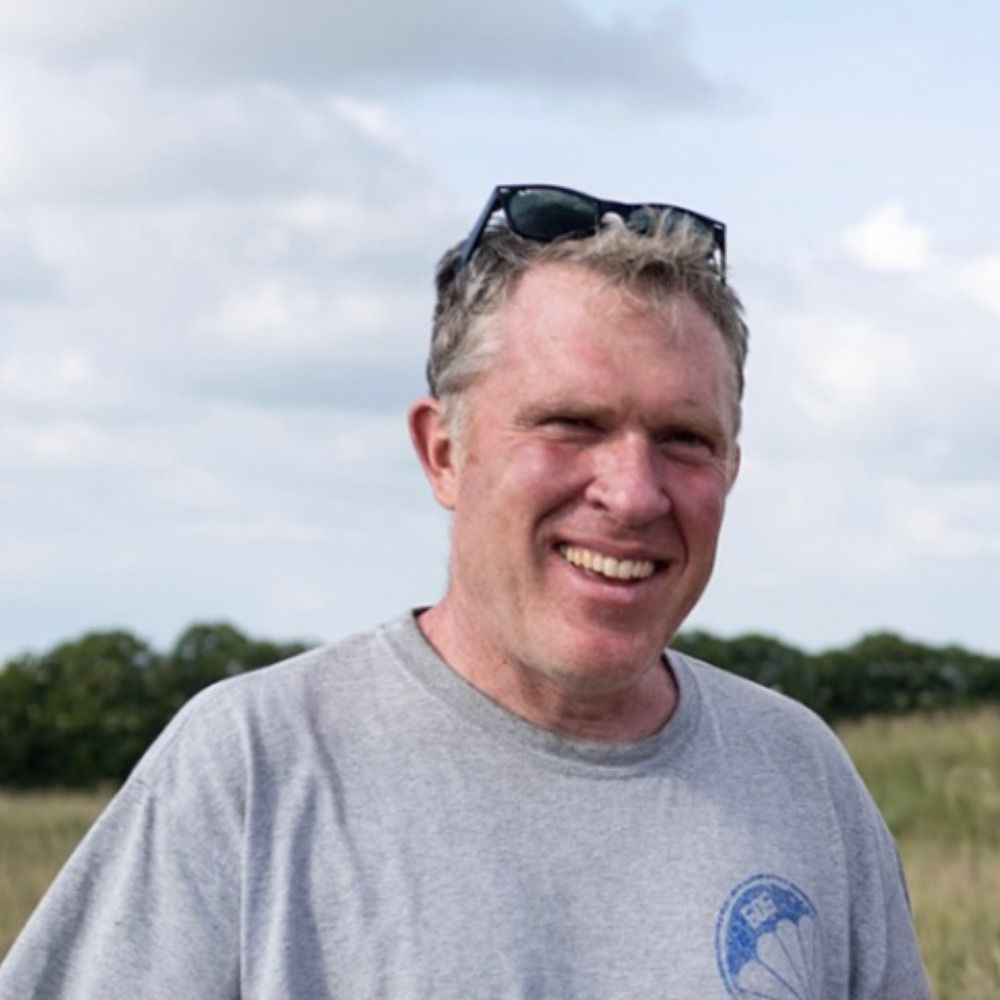
The boar’s head standard found by @pcaarchaeology.bsky.social is just so fabulous. #drawingdiggingforbritain #diggingforbritain

January 14, 2026 at 9:38 PM
The boar’s head standard found by @pcaarchaeology.bsky.social is just so fabulous. #drawingdiggingforbritain #diggingforbritain
Reposted by Alison Fisk
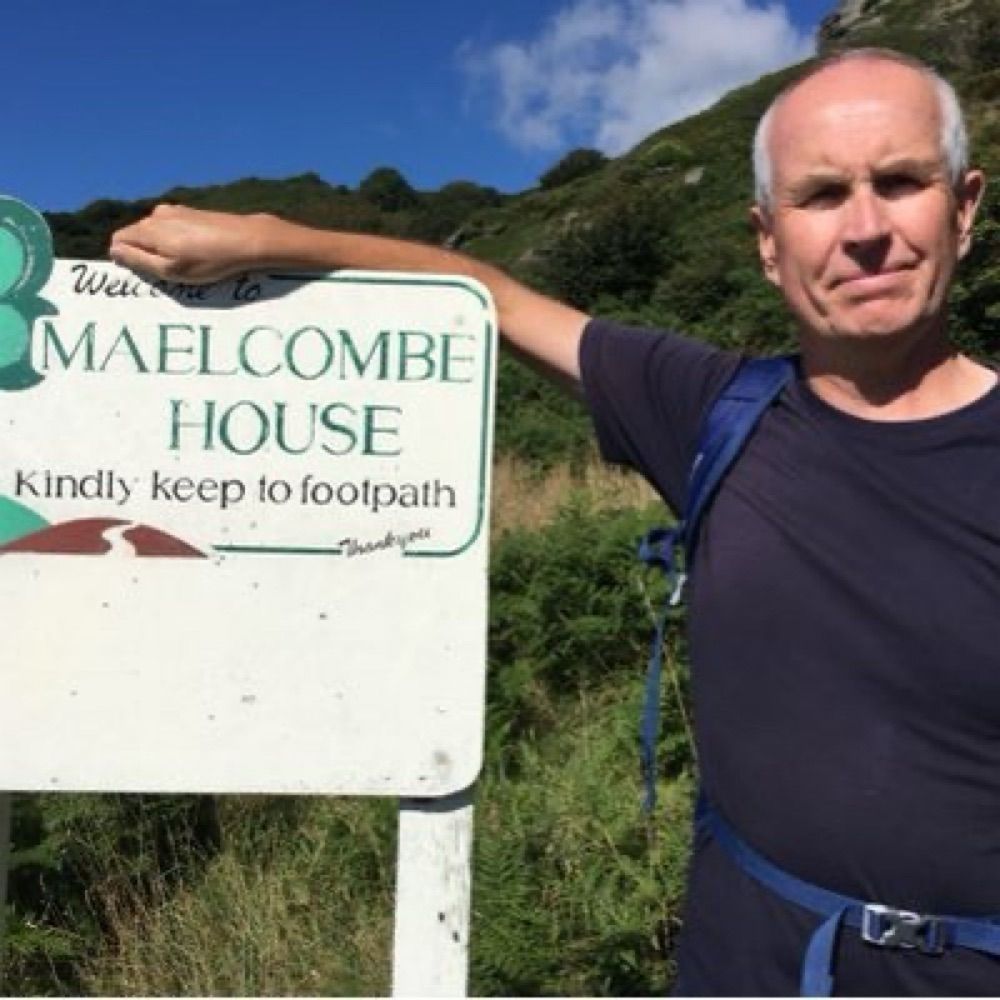
Roman oil lamp
2nd / 3rd Century CE
“Gone fishing”
Described by the museum as “An idyllic scene, with fishing in front of a harbour town.”
Could the buildings be Cologne?
In Römisch-Germanisches-Museum, #Köln
#Germany
#Archaeology #Roman
2nd / 3rd Century CE
“Gone fishing”
Described by the museum as “An idyllic scene, with fishing in front of a harbour town.”
Could the buildings be Cologne?
In Römisch-Germanisches-Museum, #Köln
#Germany
#Archaeology #Roman

January 18, 2026 at 9:35 AM
Roman oil lamp
2nd / 3rd Century CE
“Gone fishing”
Described by the museum as “An idyllic scene, with fishing in front of a harbour town.”
Could the buildings be Cologne?
In Römisch-Germanisches-Museum, #Köln
#Germany
#Archaeology #Roman
2nd / 3rd Century CE
“Gone fishing”
Described by the museum as “An idyllic scene, with fishing in front of a harbour town.”
Could the buildings be Cologne?
In Römisch-Germanisches-Museum, #Köln
#Germany
#Archaeology #Roman
Reposted by Alison Fisk
Hopefully you all know how I love the mixture of archaeology and art. Today I visited the @wiltshiremuseum.bsky.social & saw the spellbinding collection of Rose Ferraby work. Of so many things precious to me - landscapes, sites, artefacts. One week left - go and see it! #archaeology #art #wiltshire


January 17, 2026 at 7:11 PM
Hopefully you all know how I love the mixture of archaeology and art. Today I visited the @wiltshiremuseum.bsky.social & saw the spellbinding collection of Rose Ferraby work. Of so many things precious to me - landscapes, sites, artefacts. One week left - go and see it! #archaeology #art #wiltshire
Reposted by Alison Fisk

Kids loved playing with toys in #Roman times too!
Some 1,800 years ago, a child in Cologne was buried with a terracotta horse with a rider on for wheels. It was definitely a beloved toy that the kid was also meant to play with in the afterlife.
📷 Römisch-Germanisches Museum Köln
🏺 #archaeology
Some 1,800 years ago, a child in Cologne was buried with a terracotta horse with a rider on for wheels. It was definitely a beloved toy that the kid was also meant to play with in the afterlife.
📷 Römisch-Germanisches Museum Köln
🏺 #archaeology

January 18, 2026 at 8:20 AM
Kids loved playing with toys in #Roman times too!
Some 1,800 years ago, a child in Cologne was buried with a terracotta horse with a rider on for wheels. It was definitely a beloved toy that the kid was also meant to play with in the afterlife.
📷 Römisch-Germanisches Museum Köln
🏺 #archaeology
Some 1,800 years ago, a child in Cologne was buried with a terracotta horse with a rider on for wheels. It was definitely a beloved toy that the kid was also meant to play with in the afterlife.
📷 Römisch-Germanisches Museum Köln
🏺 #archaeology
Reposted by Alison Fisk
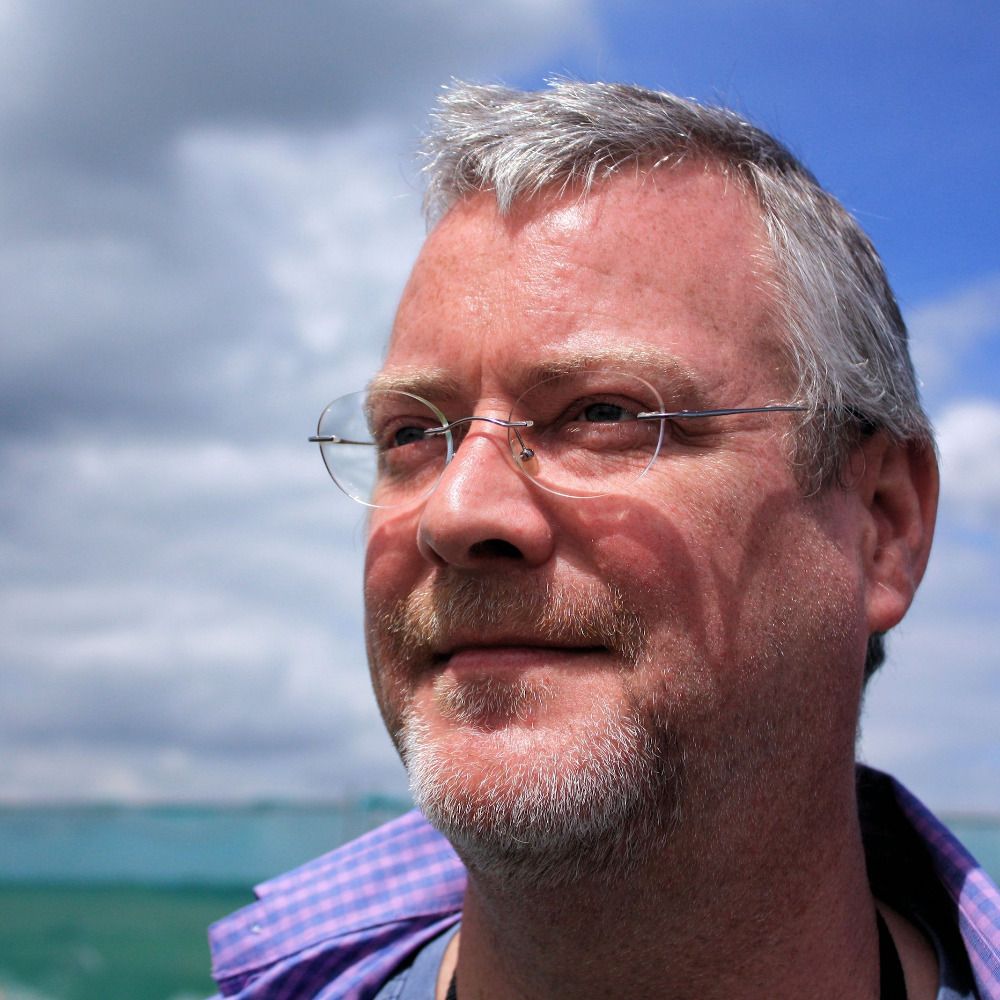
Exquisite. #Archaeology
Something beautiful for the weekend! ✨
A rare rock crystal tool made by Neanderthals between 200,000 - 40,000 years ago.
From a Mousterian level at the Merveilles rockshelter, Sergeac, Dordogne, France. 6 x 3.3 x 1.5 cm.
Musée d’Archéologie Nationale, Saint-Germain-en-Laye 📷 by me
#Archaeology
A rare rock crystal tool made by Neanderthals between 200,000 - 40,000 years ago.
From a Mousterian level at the Merveilles rockshelter, Sergeac, Dordogne, France. 6 x 3.3 x 1.5 cm.
Musée d’Archéologie Nationale, Saint-Germain-en-Laye 📷 by me
#Archaeology

January 18, 2026 at 12:06 AM
Exquisite. #Archaeology
Reposted by Alison Fisk

timeline cleanse
Something beautiful for the weekend! ✨
A rare rock crystal tool made by Neanderthals between 200,000 - 40,000 years ago.
From a Mousterian level at the Merveilles rockshelter, Sergeac, Dordogne, France. 6 x 3.3 x 1.5 cm.
Musée d’Archéologie Nationale, Saint-Germain-en-Laye 📷 by me
#Archaeology
A rare rock crystal tool made by Neanderthals between 200,000 - 40,000 years ago.
From a Mousterian level at the Merveilles rockshelter, Sergeac, Dordogne, France. 6 x 3.3 x 1.5 cm.
Musée d’Archéologie Nationale, Saint-Germain-en-Laye 📷 by me
#Archaeology
January 17, 2026 at 6:25 PM
timeline cleanse
Reposted by Alison Fisk
Something beautiful for the weekend! ✨
A rare rock crystal tool made by Neanderthals between 200,000 - 40,000 years ago.
From a Mousterian level at the Merveilles rockshelter, Sergeac, Dordogne, France. 6 x 3.3 x 1.5 cm.
Musée d’Archéologie Nationale, Saint-Germain-en-Laye 📷 by me
#Archaeology
A rare rock crystal tool made by Neanderthals between 200,000 - 40,000 years ago.
From a Mousterian level at the Merveilles rockshelter, Sergeac, Dordogne, France. 6 x 3.3 x 1.5 cm.
Musée d’Archéologie Nationale, Saint-Germain-en-Laye 📷 by me
#Archaeology
January 17, 2026 at 9:56 AM
Something beautiful for the weekend! ✨
A rare rock crystal tool made by Neanderthals between 200,000 - 40,000 years ago.
From a Mousterian level at the Merveilles rockshelter, Sergeac, Dordogne, France. 6 x 3.3 x 1.5 cm.
Musée d’Archéologie Nationale, Saint-Germain-en-Laye 📷 by me
#Archaeology
A rare rock crystal tool made by Neanderthals between 200,000 - 40,000 years ago.
From a Mousterian level at the Merveilles rockshelter, Sergeac, Dordogne, France. 6 x 3.3 x 1.5 cm.
Musée d’Archéologie Nationale, Saint-Germain-en-Laye 📷 by me
#Archaeology
Reposted by Alison Fisk

Happy #BookPublishersDay to all who celebrate 📚
If you're looking for some new #archaeology books, check out our website, where we review tons of the latest publications and list all the books we receive! 🏺
🔗 antiquity.ac.uk/open/books
If you're looking for some new #archaeology books, check out our website, where we review tons of the latest publications and list all the books we receive! 🏺
🔗 antiquity.ac.uk/open/books

Books and reviews
Read the latest (and archived) book reviews, review articles and New Book Chronicle, and find out how to submit your book for review.
antiquity.ac.uk
January 16, 2026 at 3:03 PM
Happy #BookPublishersDay to all who celebrate 📚
If you're looking for some new #archaeology books, check out our website, where we review tons of the latest publications and list all the books we receive! 🏺
🔗 antiquity.ac.uk/open/books
If you're looking for some new #archaeology books, check out our website, where we review tons of the latest publications and list all the books we receive! 🏺
🔗 antiquity.ac.uk/open/books
Reposted by Alison Fisk

We (MOLA) can host these brilliant Fellowships so do think of us if you have an idea that you want to explore for 2 years. Feel free to email me for a chat. #Archaeology ⚱️

Please help spread the word on this, especially to those who may be feeling cold winds towards their research.
We’ve opened the call for our International Fellowships, enabling early career researchers to work for two years at a UK research institution
www.thebritishacademy.ac.uk/funding/sche...
We’ve opened the call for our International Fellowships, enabling early career researchers to work for two years at a UK research institution
www.thebritishacademy.ac.uk/funding/sche...

January 17, 2026 at 8:19 AM
We (MOLA) can host these brilliant Fellowships so do think of us if you have an idea that you want to explore for 2 years. Feel free to email me for a chat. #Archaeology ⚱️
Reposted by Alison Fisk
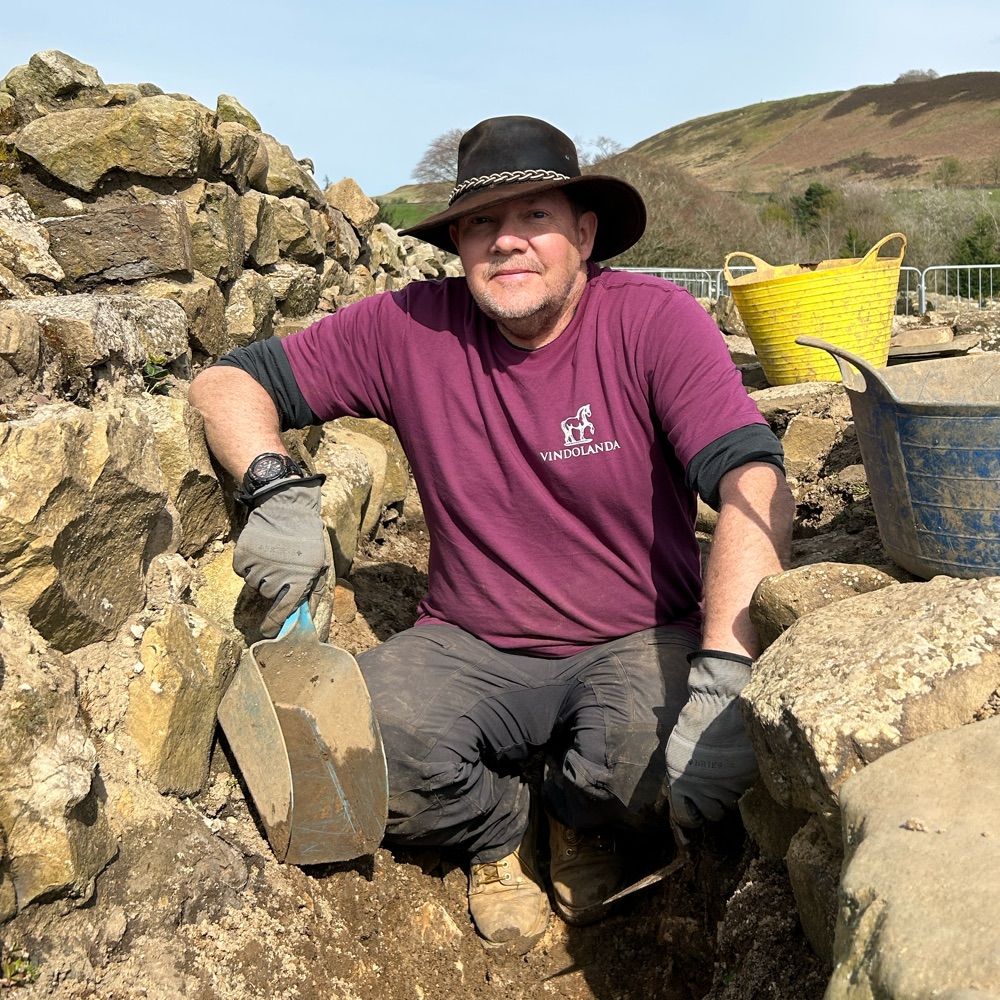
A montage of the Uncovering Roman Carlisle excavations. The site of the 3rd century building is so large and complex its has required many investigations since 2017 and the story continues, a new exhibition opens soon at Tullie House Museum #Carlisle #diggingforbritain #Archaeology
January 17, 2026 at 8:47 AM
A montage of the Uncovering Roman Carlisle excavations. The site of the 3rd century building is so large and complex its has required many investigations since 2017 and the story continues, a new exhibition opens soon at Tullie House Museum #Carlisle #diggingforbritain #Archaeology
Reposted by Alison Fisk

#History, #archaeology, #stonecircles & #standingstones your thing? You might just love my #painting of Ancient #Oxfordshire.
A2 signed prints coming in mid-Feb - pre-order here: bit.ly/oxon-stones
#handpainted #map #megalithic #ancientstonebothering #StandingStoneSunday #neolithic
A2 signed prints coming in mid-Feb - pre-order here: bit.ly/oxon-stones
#handpainted #map #megalithic #ancientstonebothering #StandingStoneSunday #neolithic

January 17, 2026 at 2:26 PM
#History, #archaeology, #stonecircles & #standingstones your thing? You might just love my #painting of Ancient #Oxfordshire.
A2 signed prints coming in mid-Feb - pre-order here: bit.ly/oxon-stones
#handpainted #map #megalithic #ancientstonebothering #StandingStoneSunday #neolithic
A2 signed prints coming in mid-Feb - pre-order here: bit.ly/oxon-stones
#handpainted #map #megalithic #ancientstonebothering #StandingStoneSunday #neolithic
Reposted by Alison Fisk

#RomanSiteSaturday
The remains of the hypocaust floor in the bath suite at Wroxeter. 📸My own.
and yes I went and stood in it ! 👀🤣
#Archaeology #History
The remains of the hypocaust floor in the bath suite at Wroxeter. 📸My own.
and yes I went and stood in it ! 👀🤣
#Archaeology #History

January 17, 2026 at 2:46 PM
#RomanSiteSaturday
The remains of the hypocaust floor in the bath suite at Wroxeter. 📸My own.
and yes I went and stood in it ! 👀🤣
#Archaeology #History
The remains of the hypocaust floor in the bath suite at Wroxeter. 📸My own.
and yes I went and stood in it ! 👀🤣
#Archaeology #History
Something beautiful for the weekend! ✨
A rare rock crystal tool made by Neanderthals between 200,000 - 40,000 years ago.
From a Mousterian level at the Merveilles rockshelter, Sergeac, Dordogne, France. 6 x 3.3 x 1.5 cm.
Musée d’Archéologie Nationale, Saint-Germain-en-Laye 📷 by me
#Archaeology
A rare rock crystal tool made by Neanderthals between 200,000 - 40,000 years ago.
From a Mousterian level at the Merveilles rockshelter, Sergeac, Dordogne, France. 6 x 3.3 x 1.5 cm.
Musée d’Archéologie Nationale, Saint-Germain-en-Laye 📷 by me
#Archaeology
January 17, 2026 at 9:56 AM
Something beautiful for the weekend! ✨
A rare rock crystal tool made by Neanderthals between 200,000 - 40,000 years ago.
From a Mousterian level at the Merveilles rockshelter, Sergeac, Dordogne, France. 6 x 3.3 x 1.5 cm.
Musée d’Archéologie Nationale, Saint-Germain-en-Laye 📷 by me
#Archaeology
A rare rock crystal tool made by Neanderthals between 200,000 - 40,000 years ago.
From a Mousterian level at the Merveilles rockshelter, Sergeac, Dordogne, France. 6 x 3.3 x 1.5 cm.
Musée d’Archéologie Nationale, Saint-Germain-en-Laye 📷 by me
#Archaeology
Reposted by Alison Fisk

Happy weekend!
It’s a grey old Saturday so we are in need of some visual vitamin c.
The lime plaster on the exterior of the Hall is tinted with yellow ochre providing a sunny warm colour. ☀️
It’s a grey old Saturday so we are in need of some visual vitamin c.
The lime plaster on the exterior of the Hall is tinted with yellow ochre providing a sunny warm colour. ☀️

January 17, 2026 at 9:19 AM
Happy weekend!
It’s a grey old Saturday so we are in need of some visual vitamin c.
The lime plaster on the exterior of the Hall is tinted with yellow ochre providing a sunny warm colour. ☀️
It’s a grey old Saturday so we are in need of some visual vitamin c.
The lime plaster on the exterior of the Hall is tinted with yellow ochre providing a sunny warm colour. ☀️
Reposted by Alison Fisk

The delicious orange-red color of this #Mycenaean sealstone almost distracts from its incredible engraved bull-leaping scene. The bull is realistically rendered, but the body of the leaper is elongated, shown in motion as he lets go of the bull's horns and prepares to land. 🏺 1/
1630-1440 BCE. 📸 me
1630-1440 BCE. 📸 me

January 11, 2026 at 11:53 PM
The delicious orange-red color of this #Mycenaean sealstone almost distracts from its incredible engraved bull-leaping scene. The bull is realistically rendered, but the body of the leaper is elongated, shown in motion as he lets go of the bull's horns and prepares to land. 🏺 1/
1630-1440 BCE. 📸 me
1630-1440 BCE. 📸 me