




Jon Hawke
@archaeohawke.bsky.social
#Archaeology, #Ancient #Classical World & #Roman Frontier Studies MA. Former life Archaeologist doing a bit now and then. Every day above ground is a good day! Romanes eunt domus!😂
Pinned
Jon Hawke
@archaeohawke.bsky.social
· Jun 30

Reposted by Jon Hawke

#FrescoFriday so let's celebrate the end of the week! Here we have a Pompeii fresco showing guests at a banquet.
One guests says in Latin "FACITIS VOBIS SVAVITER EGO CANTO" - "Get yourselves comfortable, I'm going to sing". Another replies "EST ITA VALEAS" - "Yes you go for it!".
#AncientBlueSky🏺
One guests says in Latin "FACITIS VOBIS SVAVITER EGO CANTO" - "Get yourselves comfortable, I'm going to sing". Another replies "EST ITA VALEAS" - "Yes you go for it!".
#AncientBlueSky🏺

February 20, 2026 at 9:39 AM
#FrescoFriday so let's celebrate the end of the week! Here we have a Pompeii fresco showing guests at a banquet.
One guests says in Latin "FACITIS VOBIS SVAVITER EGO CANTO" - "Get yourselves comfortable, I'm going to sing". Another replies "EST ITA VALEAS" - "Yes you go for it!".
#AncientBlueSky🏺
One guests says in Latin "FACITIS VOBIS SVAVITER EGO CANTO" - "Get yourselves comfortable, I'm going to sing". Another replies "EST ITA VALEAS" - "Yes you go for it!".
#AncientBlueSky🏺
Reposted by Jon Hawke

Two ancient 20-sided polyhedra inscribed with letters of the Greek alphabet. Now known as 'divination dice', they were used for cleromancy, a form of divination where casting lots determined divine will, sometimes in conjunction with an oracle. 🏺 1/ #ancientbluesky
#MetMuseum
📸 me
#MetMuseum
📸 me


February 20, 2026 at 1:14 AM
Two ancient 20-sided polyhedra inscribed with letters of the Greek alphabet. Now known as 'divination dice', they were used for cleromancy, a form of divination where casting lots determined divine will, sometimes in conjunction with an oracle. 🏺 1/ #ancientbluesky
#MetMuseum
📸 me
#MetMuseum
📸 me
Reposted by Jon Hawke

#FindsFriday with this glorious hoard of staters at the Reading Museum, a mixture of Gallo-Belgic & Atrebatic coins,
as well as this gorgeous torc
catch our episode on the Hillforts of Hampshire / Wiltshire and just that whole area in general >>>
www.youtube.com/watch?v=S-I1...
as well as this gorgeous torc
catch our episode on the Hillforts of Hampshire / Wiltshire and just that whole area in general >>>
www.youtube.com/watch?v=S-I1...

February 20, 2026 at 9:30 AM
#FindsFriday with this glorious hoard of staters at the Reading Museum, a mixture of Gallo-Belgic & Atrebatic coins,
as well as this gorgeous torc
catch our episode on the Hillforts of Hampshire / Wiltshire and just that whole area in general >>>
www.youtube.com/watch?v=S-I1...
as well as this gorgeous torc
catch our episode on the Hillforts of Hampshire / Wiltshire and just that whole area in general >>>
www.youtube.com/watch?v=S-I1...
#FrescoFriday
Reconstructed panel of ceiling plaster From the bath-house frigidarium. The painted panels were intended to make it look like a coffered ceiling for a vault. Later second century AD - Wroxeter
📷 My own.
#Archaeology #History #art #artwork
Reconstructed panel of ceiling plaster From the bath-house frigidarium. The painted panels were intended to make it look like a coffered ceiling for a vault. Later second century AD - Wroxeter
📷 My own.
#Archaeology #History #art #artwork


February 20, 2026 at 4:37 PM
#FrescoFriday
Reconstructed panel of ceiling plaster From the bath-house frigidarium. The painted panels were intended to make it look like a coffered ceiling for a vault. Later second century AD - Wroxeter
📷 My own.
#Archaeology #History #art #artwork
Reconstructed panel of ceiling plaster From the bath-house frigidarium. The painted panels were intended to make it look like a coffered ceiling for a vault. Later second century AD - Wroxeter
📷 My own.
#Archaeology #History #art #artwork

Reposted by Jon Hawke

Chunky Roman-era gold bracelet from a Germanic princely tomb in Zohor, Slovakia. 1st century AD.
Slovak National Museum, Bratislava. 📷 by me
#FindsFriday
#Archaeology
Slovak National Museum, Bratislava. 📷 by me
#FindsFriday
#Archaeology

February 20, 2026 at 3:50 PM
Chunky Roman-era gold bracelet from a Germanic princely tomb in Zohor, Slovakia. 1st century AD.
Slovak National Museum, Bratislava. 📷 by me
#FindsFriday
#Archaeology
Slovak National Museum, Bratislava. 📷 by me
#FindsFriday
#Archaeology
Barlands Farm boat which dates from the 3rdC AD belongs to a "Romano-Celtic' tradition. With its mast step confirming propulsion by sail, this relatively sophisticated vessel may owe more to late #IronAge traditions.
#Archaeology #RomanBritain
#FindsFriday #History #Sailing
#Archaeology #RomanBritain
#FindsFriday #History #Sailing


February 20, 2026 at 4:23 PM
Barlands Farm boat which dates from the 3rdC AD belongs to a "Romano-Celtic' tradition. With its mast step confirming propulsion by sail, this relatively sophisticated vessel may owe more to late #IronAge traditions.
#Archaeology #RomanBritain
#FindsFriday #History #Sailing
#Archaeology #RomanBritain
#FindsFriday #History #Sailing
Reposted by Jon Hawke

A late Roman jug - part of the Hockwold Hoard which was discovered in 2001 on a temple site at Hockwold-cum-Wilton in Norfolk. Now part of the collections are Lynne Museum in Kings Lynne. 📸 My own. #FindsFriday #RomanBritain #Hockwold #LynneMuseum

February 20, 2026 at 7:13 AM
A late Roman jug - part of the Hockwold Hoard which was discovered in 2001 on a temple site at Hockwold-cum-Wilton in Norfolk. Now part of the collections are Lynne Museum in Kings Lynne. 📸 My own. #FindsFriday #RomanBritain #Hockwold #LynneMuseum
Reposted by Jon Hawke
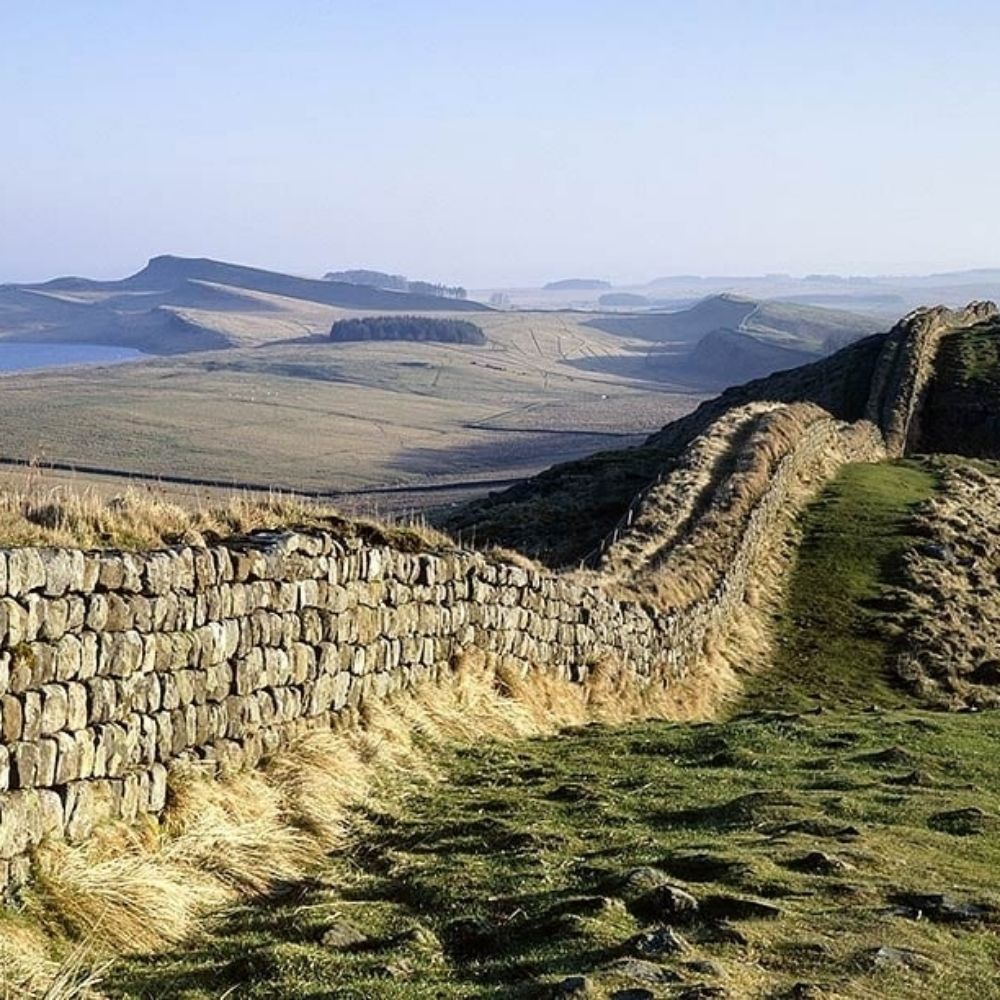
Cadw want you to have your say!
#RomanBritain #Archaeology
𝗛𝗮𝘃𝗲 𝘆𝗼𝘂𝗿 𝘀𝗮𝘆 𝗼𝗻 𝘁𝗵𝗲 𝗳𝘂𝘁𝘂𝗿𝗲 𝗼𝗳 𝗥𝗼𝗺𝗮𝗻 𝗖𝗮𝗲𝗿𝗹𝗲𝗼𝗻
We’re shaping a shared Vision - and we need your insight.
Take our short survey and help guide what happens next.
Survey link:
forms.office.com/pages/respon...
#RomanBritain #Archaeology
𝗛𝗮𝘃𝗲 𝘆𝗼𝘂𝗿 𝘀𝗮𝘆 𝗼𝗻 𝘁𝗵𝗲 𝗳𝘂𝘁𝘂𝗿𝗲 𝗼𝗳 𝗥𝗼𝗺𝗮𝗻 𝗖𝗮𝗲𝗿𝗹𝗲𝗼𝗻
We’re shaping a shared Vision - and we need your insight.
Take our short survey and help guide what happens next.
Survey link:
forms.office.com/pages/respon...


February 19, 2026 at 10:25 AM
Cadw want you to have your say!
#RomanBritain #Archaeology
𝗛𝗮𝘃𝗲 𝘆𝗼𝘂𝗿 𝘀𝗮𝘆 𝗼𝗻 𝘁𝗵𝗲 𝗳𝘂𝘁𝘂𝗿𝗲 𝗼𝗳 𝗥𝗼𝗺𝗮𝗻 𝗖𝗮𝗲𝗿𝗹𝗲𝗼𝗻
We’re shaping a shared Vision - and we need your insight.
Take our short survey and help guide what happens next.
Survey link:
forms.office.com/pages/respon...
#RomanBritain #Archaeology
𝗛𝗮𝘃𝗲 𝘆𝗼𝘂𝗿 𝘀𝗮𝘆 𝗼𝗻 𝘁𝗵𝗲 𝗳𝘂𝘁𝘂𝗿𝗲 𝗼𝗳 𝗥𝗼𝗺𝗮𝗻 𝗖𝗮𝗲𝗿𝗹𝗲𝗼𝗻
We’re shaping a shared Vision - and we need your insight.
Take our short survey and help guide what happens next.
Survey link:
forms.office.com/pages/respon...
Reposted by Jon Hawke
#RomanFortThursday
Reconstruction of a #Roman watch tower near Fectio in the #Netherlands
#Archaeology #Military #History
Reconstruction of a #Roman watch tower near Fectio in the #Netherlands
#Archaeology #Military #History

February 19, 2026 at 8:08 AM
#RomanFortThursday
Reconstruction of a #Roman watch tower near Fectio in the #Netherlands
#Archaeology #Military #History
Reconstruction of a #Roman watch tower near Fectio in the #Netherlands
#Archaeology #Military #History
#RomanFortThursday
#Roman legionary fortress has been detected near the renowned auxiliary fort at Valkenburg. Uncovering the remains of the fortress gateway was a key factor in proving the existence of a previously unsuspected #military site.
#Archaeology #History (1/4)
#Roman legionary fortress has been detected near the renowned auxiliary fort at Valkenburg. Uncovering the remains of the fortress gateway was a key factor in proving the existence of a previously unsuspected #military site.
#Archaeology #History (1/4)

February 19, 2026 at 8:16 AM
#RomanFortThursday
#Roman legionary fortress has been detected near the renowned auxiliary fort at Valkenburg. Uncovering the remains of the fortress gateway was a key factor in proving the existence of a previously unsuspected #military site.
#Archaeology #History (1/4)
#Roman legionary fortress has been detected near the renowned auxiliary fort at Valkenburg. Uncovering the remains of the fortress gateway was a key factor in proving the existence of a previously unsuspected #military site.
#Archaeology #History (1/4)
#RomanFortThursday
Reconstruction of a #Roman watch tower near Fectio in the #Netherlands
#Archaeology #Military #History
Reconstruction of a #Roman watch tower near Fectio in the #Netherlands
#Archaeology #Military #History
February 19, 2026 at 8:08 AM
#RomanFortThursday
Reconstruction of a #Roman watch tower near Fectio in the #Netherlands
#Archaeology #Military #History
Reconstruction of a #Roman watch tower near Fectio in the #Netherlands
#Archaeology #Military #History
Reposted by Jon Hawke
For this #MosaicMonday, continuing the homage to the Withington Orpheus mosaic. Some of the animals are now excitingly on display @coriniummuseum.bsky.social, including this colourful leopard who is among those recently let out from the BM's store. 1/2

February 16, 2026 at 12:42 PM
For this #MosaicMonday, continuing the homage to the Withington Orpheus mosaic. Some of the animals are now excitingly on display @coriniummuseum.bsky.social, including this colourful leopard who is among those recently let out from the BM's store. 1/2
Reposted by Jon Hawke

#MosaicMonday takes us into the women's section of the Central Baths of #Herculaneum. This is the changeroom or #apodyterium with a splendid ribbed vault (for her pleasure) and a black and white #mosaic depicting a tentacled #triton and some marine life, all from the early C1 CE. #AncientBluesky 🏺

February 16, 2026 at 12:53 PM
#MosaicMonday takes us into the women's section of the Central Baths of #Herculaneum. This is the changeroom or #apodyterium with a splendid ribbed vault (for her pleasure) and a black and white #mosaic depicting a tentacled #triton and some marine life, all from the early C1 CE. #AncientBluesky 🏺
Reposted by Jon Hawke
#MosaicMonday
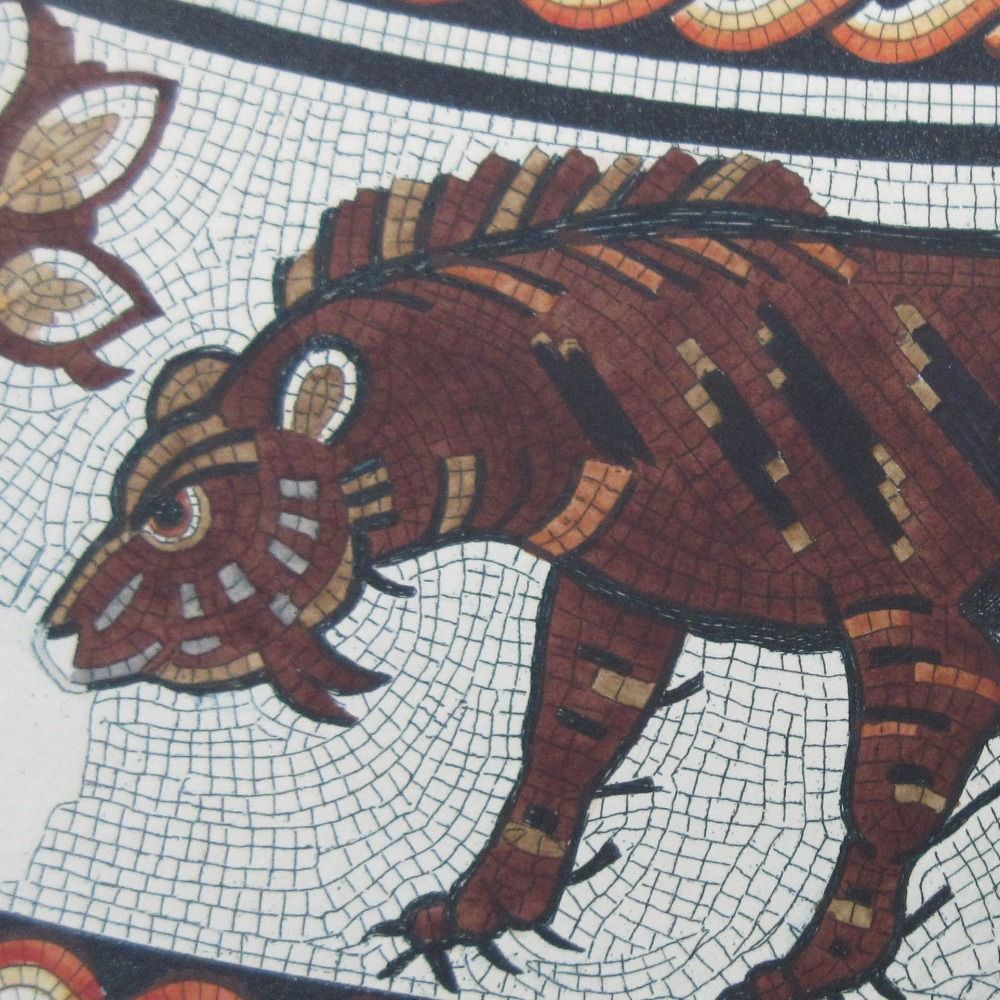
Detail of a corner panel from Mosaic Floor with a Bear Hunt, A.D. 300–400, #Roman, from near "Stufe di Nerone", near Lago Lucrino, near Pozzuoli, #Italy
Stone tesserae, 51–68 1/2 × 34 1/2–58 ¼ in.
Detail of a corner panel from Mosaic Floor with a Bear Hunt, A.D. 300–400, #Roman, from near "Stufe di Nerone", near Lago Lucrino, near Pozzuoli, #Italy
Stone tesserae, 51–68 1/2 × 34 1/2–58 ¼ in.

February 16, 2026 at 8:55 AM
#MosaicMonday
Detail of a corner panel from Mosaic Floor with a Bear Hunt, A.D. 300–400, #Roman, from near "Stufe di Nerone", near Lago Lucrino, near Pozzuoli, #Italy
Stone tesserae, 51–68 1/2 × 34 1/2–58 ¼ in.
Detail of a corner panel from Mosaic Floor with a Bear Hunt, A.D. 300–400, #Roman, from near "Stufe di Nerone", near Lago Lucrino, near Pozzuoli, #Italy
Stone tesserae, 51–68 1/2 × 34 1/2–58 ¼ in.
Reposted by Jon Hawke

It's the Winter Olympics, so here's a mosaic of a Roman who is *definitely* skiing. ⛷️👍
#MosaicMonday
#MosaicMonday

February 16, 2026 at 8:42 AM
It's the Winter Olympics, so here's a mosaic of a Roman who is *definitely* skiing. ⛷️👍
#MosaicMonday
#MosaicMonday
#MosaicMonday
Detail of a corner panel from Mosaic Floor with a Bear Hunt, A.D. 300–400, #Roman, from near "Stufe di Nerone", near Lago Lucrino, near Pozzuoli, #Italy
Stone tesserae, 51–68 1/2 × 34 1/2–58 ¼ in.
Detail of a corner panel from Mosaic Floor with a Bear Hunt, A.D. 300–400, #Roman, from near "Stufe di Nerone", near Lago Lucrino, near Pozzuoli, #Italy
Stone tesserae, 51–68 1/2 × 34 1/2–58 ¼ in.
February 16, 2026 at 8:55 AM
#MosaicMonday
Detail of a corner panel from Mosaic Floor with a Bear Hunt, A.D. 300–400, #Roman, from near "Stufe di Nerone", near Lago Lucrino, near Pozzuoli, #Italy
Stone tesserae, 51–68 1/2 × 34 1/2–58 ¼ in.
Detail of a corner panel from Mosaic Floor with a Bear Hunt, A.D. 300–400, #Roman, from near "Stufe di Nerone", near Lago Lucrino, near Pozzuoli, #Italy
Stone tesserae, 51–68 1/2 × 34 1/2–58 ¼ in.
Reposted by Jon Hawke
#WorldHippoDay
#Roman mosaic with hippopotamus
on display in Naples Archaeological Museum. This is one of the Nile mosaics found in the House of the Faun in the ancient ruined Roman city of #Pompeii. #art
#AncientBlueSky
#Roman mosaic with hippopotamus
on display in Naples Archaeological Museum. This is one of the Nile mosaics found in the House of the Faun in the ancient ruined Roman city of #Pompeii. #art
#AncientBlueSky

February 15, 2026 at 2:07 PM
#WorldHippoDay
#Roman mosaic with hippopotamus
on display in Naples Archaeological Museum. This is one of the Nile mosaics found in the House of the Faun in the ancient ruined Roman city of #Pompeii. #art
#AncientBlueSky
#Roman mosaic with hippopotamus
on display in Naples Archaeological Museum. This is one of the Nile mosaics found in the House of the Faun in the ancient ruined Roman city of #Pompeii. #art
#AncientBlueSky
Reposted by Jon Hawke


#WorldHippoDay
#Roman mosaic with hippopotamus
on display in Naples Archaeological Museum. This is one of the Nile mosaics found in the House of the Faun in the ancient ruined Roman city of #Pompeii. #art
#AncientBlueSky
#Roman mosaic with hippopotamus
on display in Naples Archaeological Museum. This is one of the Nile mosaics found in the House of the Faun in the ancient ruined Roman city of #Pompeii. #art
#AncientBlueSky
February 15, 2026 at 2:07 PM
#WorldHippoDay
#Roman mosaic with hippopotamus
on display in Naples Archaeological Museum. This is one of the Nile mosaics found in the House of the Faun in the ancient ruined Roman city of #Pompeii. #art
#AncientBlueSky
#Roman mosaic with hippopotamus
on display in Naples Archaeological Museum. This is one of the Nile mosaics found in the House of the Faun in the ancient ruined Roman city of #Pompeii. #art
#AncientBlueSky
Reposted by Jon Hawke
This is an extremely rare and the best example of Roman glassware with wavy sides, a type known as a ‘handkerchief‘ bowl - so named because the design mimics the folded, drooping appearance of a cloth handkerchief. 🏺 #ancientbluesky 1/
3rd-4th c. CE. #MetMuseum
📸 me
3rd-4th c. CE. #MetMuseum
📸 me

February 14, 2026 at 3:08 PM
This is an extremely rare and the best example of Roman glassware with wavy sides, a type known as a ‘handkerchief‘ bowl - so named because the design mimics the folded, drooping appearance of a cloth handkerchief. 🏺 #ancientbluesky 1/
3rd-4th c. CE. #MetMuseum
📸 me
3rd-4th c. CE. #MetMuseum
📸 me
Reposted by Jon Hawke
#StandingStoneSunday
The Standing Stones of Torhouse (also Torhousekie) are a stone circle of nineteen granite boulders on the land of Torhouse, three miles west of Wigtown, Scotland.
The Standing Stones of Torhouse (also Torhousekie) are a stone circle of nineteen granite boulders on the land of Torhouse, three miles west of Wigtown, Scotland.

February 8, 2026 at 1:28 PM
#StandingStoneSunday
The Standing Stones of Torhouse (also Torhousekie) are a stone circle of nineteen granite boulders on the land of Torhouse, three miles west of Wigtown, Scotland.
The Standing Stones of Torhouse (also Torhousekie) are a stone circle of nineteen granite boulders on the land of Torhouse, three miles west of Wigtown, Scotland.
Reposted by Jon Hawke

*Academic sells history off to the highest bidder*
There, BBC, we sorted that headline for you
If he truly feels *a connection* to the find, as the article claims, would he not have donated it to a museum?
www.bbc.co.uk/news/article...
There, BBC, we sorted that headline for you
If he truly feels *a connection* to the find, as the article claims, would he not have donated it to a museum?
www.bbc.co.uk/news/article...

Professor finds Iron Age coin hoard near Bury St Edmunds
Tom Licence says he feels a personal connection to the coins, which are to be auctioned.
www.bbc.co.uk
February 15, 2026 at 8:43 AM
*Academic sells history off to the highest bidder*
There, BBC, we sorted that headline for you
If he truly feels *a connection* to the find, as the article claims, would he not have donated it to a museum?
www.bbc.co.uk/news/article...
There, BBC, we sorted that headline for you
If he truly feels *a connection* to the find, as the article claims, would he not have donated it to a museum?
www.bbc.co.uk/news/article...
Reposted by Jon Hawke
#FrescoFriday takes us into a garden in #Herculaneum, in the gloomily-named House of the Skeleton. Part of the #fresco decoration survives, showing us how the real garden extended into the painted space. Bushes, birds, and an #oscillum with a #Medusa all rise over a wicker fence. #AncientBluesky 🏺

February 13, 2026 at 6:38 PM
#FrescoFriday takes us into a garden in #Herculaneum, in the gloomily-named House of the Skeleton. Part of the #fresco decoration survives, showing us how the real garden extended into the painted space. Bushes, birds, and an #oscillum with a #Medusa all rise over a wicker fence. #AncientBluesky 🏺
Reposted by Jon Hawke
A Banger for #FindsFriday
In 2006, archaeologists led by Clementina Panella of Rome's La Sapienza University discovered an extraordinary cache of 4th-century (often referred to as early 300s/late 3rd-century) #Roman imperial items on the northeast slope of the Palatine Hill. See Alt.
#Archaeology
In 2006, archaeologists led by Clementina Panella of Rome's La Sapienza University discovered an extraordinary cache of 4th-century (often referred to as early 300s/late 3rd-century) #Roman imperial items on the northeast slope of the Palatine Hill. See Alt.
#Archaeology


February 13, 2026 at 11:21 AM
A Banger for #FindsFriday
In 2006, archaeologists led by Clementina Panella of Rome's La Sapienza University discovered an extraordinary cache of 4th-century (often referred to as early 300s/late 3rd-century) #Roman imperial items on the northeast slope of the Palatine Hill. See Alt.
#Archaeology
In 2006, archaeologists led by Clementina Panella of Rome's La Sapienza University discovered an extraordinary cache of 4th-century (often referred to as early 300s/late 3rd-century) #Roman imperial items on the northeast slope of the Palatine Hill. See Alt.
#Archaeology