



Celebrate Black History Month! Near Preston, the James Webb Cabin was built by and for an African American. Learn about homeowners insurance: https://insurance.maryland.gov/Consumer/Pages/HomeownersAndRentersInsurance.aspx
Explore Black history: https://www.visitmaryland.org/list/black-history-month
Explore Black history: https://www.visitmaryland.org/list/black-history-month

February 9, 2026 at 2:00 PM
Celebrate Black History Month! Near Preston, the James Webb Cabin was built by and for an African American. Learn about homeowners insurance: https://insurance.maryland.gov/Consumer/Pages/HomeownersAndRentersInsurance.aspx
Explore Black history: https://www.visitmaryland.org/list/black-history-month
Explore Black history: https://www.visitmaryland.org/list/black-history-month


February 9, 2026 at 1:07 PM

Reform keeps saying that the NHS being unsustainable without a shift towards insurance-based healthcare.
When they talk about insurance-based healthcare, it is not pointing us towards the European model.
It is pointing us towards the American one, while pretending the two are equivalent.
(1/3)
When they talk about insurance-based healthcare, it is not pointing us towards the European model.
It is pointing us towards the American one, while pretending the two are equivalent.
(1/3)
February 9, 2026 at 11:20 AM
Reform keeps saying that the NHS being unsustainable without a shift towards insurance-based healthcare.
When they talk about insurance-based healthcare, it is not pointing us towards the European model.
It is pointing us towards the American one, while pretending the two are equivalent.
(1/3)
When they talk about insurance-based healthcare, it is not pointing us towards the European model.
It is pointing us towards the American one, while pretending the two are equivalent.
(1/3)

February 9, 2026 at 5:42 AM

February 9, 2026 at 5:41 AM

"If Epstein lives in Herzliya and his insurance lives in St. Petersburg, the American legal system has not merely failed."
epsteinweb.org/bill-siegel/
epsteinweb.org/bill-siegel/
Bill Siegel - Epstein Web Tracker
Jeffrey Epstein and Bill Siegel: What the Documents Actually Show Fast facts about the Jeffrey Epstein – Bill Siegel connection A person named Bill Siegel appears several times in the House Oversight ...
epsteinweb.org
February 9, 2026 at 1:41 AM
"If Epstein lives in Herzliya and his insurance lives in St. Petersburg, the American legal system has not merely failed."
epsteinweb.org/bill-siegel/
epsteinweb.org/bill-siegel/

This a 21st century tragedy . Starmer & Streeting have just orchestrated the biggest "shake down" in modern UK political history. They promised to fund the NHS , but instead sold out to an American company linked to private medical insurance ,guided by , none other than Peter Mandelson
February 9, 2026 at 12:45 AM
This a 21st century tragedy . Starmer & Streeting have just orchestrated the biggest "shake down" in modern UK political history. They promised to fund the NHS , but instead sold out to an American company linked to private medical insurance ,guided by , none other than Peter Mandelson

The American economy is 99% car insurance and gambling.
February 8, 2026 at 11:48 PM
The American economy is 99% car insurance and gambling.

"European healthcare systems aim to keep people healthy. American healthcare generates profits for insurance companies, pharmaceutical manufacturers, and hospital chains."

The Bills That Never Arrive: What European Healthcare Can Teach Anxious American Voters

The Bills That Never Arrive: What European Healthcare Can Teach Anxious American Voters
Forty-five years of US spending surging past Europe while life expectancy lags behind tells one story: the American system serves profit, not people
theplanet.substack.com
February 8, 2026 at 10:30 PM
"European healthcare systems aim to keep people healthy. American healthcare generates profits for insurance companies, pharmaceutical manufacturers, and hospital chains."

"Two-time bone cancer survivor had his affordable insurance CANCELLED by Obamacare.
Then 2019 Dem debate: EVERY candidate raises hand for FREE healthcare for illegals. That was the day he said: 'I'm DONE with Democrats.
They put illegals BEFORE American cancer patients.'
Then 2019 Dem debate: EVERY candidate raises hand for FREE healthcare for illegals. That was the day he said: 'I'm DONE with Democrats.
They put illegals BEFORE American cancer patients.'
February 8, 2026 at 9:18 PM
"Two-time bone cancer survivor had his affordable insurance CANCELLED by Obamacare.
Then 2019 Dem debate: EVERY candidate raises hand for FREE healthcare for illegals. That was the day he said: 'I'm DONE with Democrats.
They put illegals BEFORE American cancer patients.'
Then 2019 Dem debate: EVERY candidate raises hand for FREE healthcare for illegals. That was the day he said: 'I'm DONE with Democrats.
They put illegals BEFORE American cancer patients.'

To become truly unpopular it is traditionally been necessary for a politician to do something. American Vice Presidents have therefore had some insurance against getting too unpopular.
But Vance has said some unpopular things, has a really annoying smirk, and has no virtues to offset his vices.
But Vance has said some unpopular things, has a really annoying smirk, and has no virtues to offset his vices.
February 8, 2026 at 8:38 PM
To become truly unpopular it is traditionally been necessary for a politician to do something. American Vice Presidents have therefore had some insurance against getting too unpopular.
But Vance has said some unpopular things, has a really annoying smirk, and has no virtues to offset his vices.
But Vance has said some unpopular things, has a really annoying smirk, and has no virtues to offset his vices.

A rising number of American homeowners are ready relocate this year due to extreme weather events and other climate-related concerns, according to a survey of 1,000 American adults by insurance provider Kin Insurance.

Nearly half of homeowners want to relocate because of climate-related concerns
‘Climate is driving decisions about where people live and the rising costs of homeownership are changing when and how people buy homes,’ Kin Insurance noted
www.independent.co.uk
February 8, 2026 at 6:38 PM
A rising number of American homeowners are ready relocate this year due to extreme weather events and other climate-related concerns, according to a survey of 1,000 American adults by insurance provider Kin Insurance.

February 8, 2026 at 6:03 PM

February 8, 2026 at 5:30 PM

February 8, 2026 at 5:12 PM

February 8, 2026 at 5:11 PM

It took an American woman in China with no health insurance approximately 19 minutes to check into a hospital and see a doctor for $7 and fill her prescription downstairs for an additional $5 and walk away with all she needed for $12. What the actual fuck America?
February 8, 2026 at 4:36 PM
It took an American woman in China with no health insurance approximately 19 minutes to check into a hospital and see a doctor for $7 and fill her prescription downstairs for an additional $5 and walk away with all she needed for $12. What the actual fuck America?
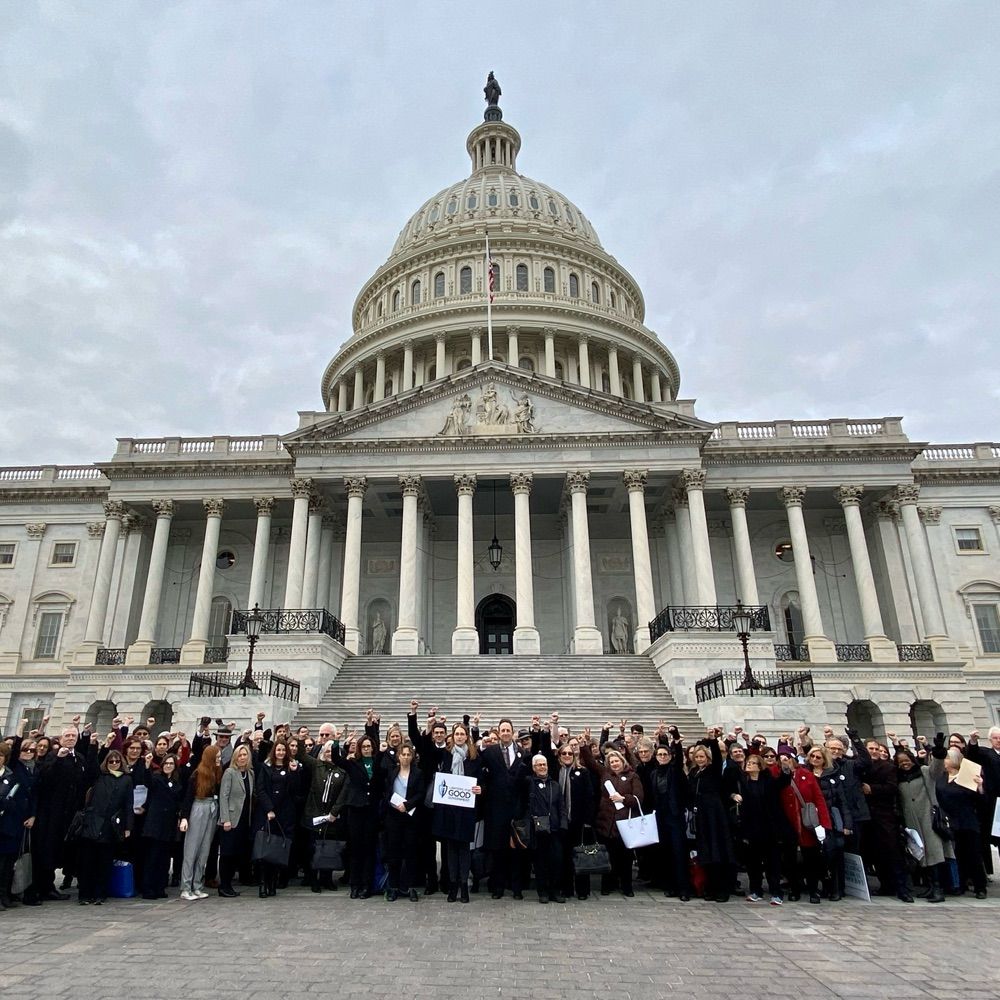
The American people are suffering
Grocery costs are skyrocketing
Health insurance prices have exploded
ICE is killing people in the streets
People are losing jobs
Yet Donald Trump is threatening to make things worse for citizens-just so he can feed his own ego
Grocery costs are skyrocketing
Health insurance prices have exploded
ICE is killing people in the streets
People are losing jobs
Yet Donald Trump is threatening to make things worse for citizens-just so he can feed his own ego

Jeffries on Trump asking Schumer to rename Dulles & Penn Station after him in exchange for unfreezing funds: "It's another example of Trump trying to force presidential graffiti down the throats of the people... this guy's priorities are completely & totally unhinged. But this is the GOP right now."
February 8, 2026 at 4:25 PM
The American people are suffering
Grocery costs are skyrocketing
Health insurance prices have exploded
ICE is killing people in the streets
People are losing jobs
Yet Donald Trump is threatening to make things worse for citizens-just so he can feed his own ego
Grocery costs are skyrocketing
Health insurance prices have exploded
ICE is killing people in the streets
People are losing jobs
Yet Donald Trump is threatening to make things worse for citizens-just so he can feed his own ego

1/5
Visions & Verses — Boomer’s “Social Security Insurance”
In today’s Trump administration, there are issues that the American people must be made aware of.
youtube.com/watch?v=f9HU...
Visions & Verses — Boomer’s “Social Security Insurance”
In today’s Trump administration, there are issues that the American people must be made aware of.
youtube.com/watch?v=f9HU...

Social Security is under threat. Here's why you should care.
YouTube video by Senator Elizabeth Warren
youtube.com
February 8, 2026 at 3:10 PM
1/5
Visions & Verses — Boomer’s “Social Security Insurance”
In today’s Trump administration, there are issues that the American people must be made aware of.
youtube.com/watch?v=f9HU...
Visions & Verses — Boomer’s “Social Security Insurance”
In today’s Trump administration, there are issues that the American people must be made aware of.
youtube.com/watch?v=f9HU...

American cheese is just like regular cheese but it doesn't have health insurance.

american cheese is just like regular cheese but it owns a gun
February 8, 2026 at 3:00 PM
American cheese is just like regular cheese but it doesn't have health insurance.



Ah, yes. The American people need to hold their insurance providers and hospitals accountable for price hikes and inexplicable costs on top of, you know, getting better from being in the hospital
We push back and then what? The insurance providers and hospitals ignore us? Great
We push back and then what? The insurance providers and hospitals ignore us? Great
BASH: Can you give me one specific example of a solution the president has put forward that is lowering healthcare costs, beyond prescription drugs?
DR OZ: There's something called a CSR
DR OZ: There's something called a CSR
February 8, 2026 at 2:33 PM
Ah, yes. The American people need to hold their insurance providers and hospitals accountable for price hikes and inexplicable costs on top of, you know, getting better from being in the hospital
We push back and then what? The insurance providers and hospitals ignore us? Great
We push back and then what? The insurance providers and hospitals ignore us? Great

February 8, 2026 at 1:51 PM
I’m sorry I will give them credit for the destruction of the loss of many social services of the American people, insurance, snap , education and our standing in the world . “Thx for you attention to this matter”
The Republicans are setting the standards for how a POTUS should be allowed to conduct themselves, how much corruption they’ve found acceptable, it’s an easy paycheck for them since they’re doing nothing to stop it. Because they’re in cahoots obviously.
February 8, 2026 at 1:38 PM
I’m sorry I will give them credit for the destruction of the loss of many social services of the American people, insurance, snap , education and our standing in the world . “Thx for you attention to this matter”

The Dem have so many topics that clearly will support the American people, but do you truly think they will find the path??
Groceries
Medicine
Utilities
Health insurance
Housing
Veterans health
Unethical immigration
ICE
Constitution
Democracy
Destroyed the White House
Jan 6th
Epstein
Groceries
Medicine
Utilities
Health insurance
Housing
Veterans health
Unethical immigration
ICE
Constitution
Democracy
Destroyed the White House
Jan 6th
Epstein
February 8, 2026 at 1:27 PM
The Dem have so many topics that clearly will support the American people, but do you truly think they will find the path??
Groceries
Medicine
Utilities
Health insurance
Housing
Veterans health
Unethical immigration
ICE
Constitution
Democracy
Destroyed the White House
Jan 6th
Epstein
Groceries
Medicine
Utilities
Health insurance
Housing
Veterans health
Unethical immigration
ICE
Constitution
Democracy
Destroyed the White House
Jan 6th
Epstein