




Christopher Reinkemeier
@reinkemeiercd.bsky.social
SNSF/EMBO Postdoc Fellow with Prof. Randall Platt @ETH_BSSE
prev. PhD with Prof. Edward Lemke @EMBL & @uni_mainz
creating synthetic organelles #condensates #synbio
prev. PhD with Prof. Edward Lemke @EMBL & @uni_mainz
creating synthetic organelles #condensates #synbio
Reposted by Christopher Reinkemeier

Anthony A. Hyman will become EMBL’s next Director General.
He joins EMBL from @mpi-cbg.de in Dresden. He is also Professor of Molecular Biology @tudresden.bsky.social, and was a group leader at EMBL Heidelberg from 1993 to 1999.
www.embl.org/news/people-...
He joins EMBL from @mpi-cbg.de in Dresden. He is also Professor of Molecular Biology @tudresden.bsky.social, and was a group leader at EMBL Heidelberg from 1993 to 1999.
www.embl.org/news/people-...

November 27, 2025 at 1:02 PM
Anthony A. Hyman will become EMBL’s next Director General.
He joins EMBL from @mpi-cbg.de in Dresden. He is also Professor of Molecular Biology @tudresden.bsky.social, and was a group leader at EMBL Heidelberg from 1993 to 1999.
www.embl.org/news/people-...
He joins EMBL from @mpi-cbg.de in Dresden. He is also Professor of Molecular Biology @tudresden.bsky.social, and was a group leader at EMBL Heidelberg from 1993 to 1999.
www.embl.org/news/people-...
Awesome work by the @simonereber.bsky.social, @vasilyzaburdaev.bsky.social & Guck labs (published in @natcomms.nature.com). They show that the nucleus is less dense than the cytoplasm and that the density ratio is conserved across many eukaryotes. www.nature.com/articles/s41...

Conserved nucleocytoplasmic density homeostasis drives cellular organization across eukaryotes - Nature Communications
Cells can regulate their mass density. Here, the authors demonstrate how eukaryotes establish and maintain a lower density in the nucleus than in the cytoplasm via pressure balance, and how deviations emerge during pathophysiological states like senescence.
www.nature.com
September 28, 2025 at 3:03 PM
Awesome work by the @simonereber.bsky.social, @vasilyzaburdaev.bsky.social & Guck labs (published in @natcomms.nature.com). They show that the nucleus is less dense than the cytoplasm and that the density ratio is conserved across many eukaryotes. www.nature.com/articles/s41...
Reposted by Christopher Reinkemeier

Online now! #chembiol
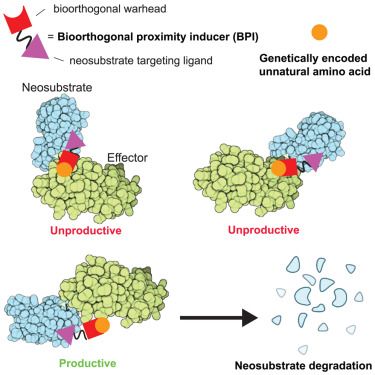
Site-resolved assessment of targeted protein degradation
Moreno Ballesteros et al. introduce a site-resolved strategy combining genetic code expansion and bioorthogonal chemistry to evaluate how ligand binding sites influence targeted protein degradation. This approach offers a powerful framework to accelerate degrader design, enable target validation, and broadly explore the potential of induced proximity.
dlvr.it
July 7, 2025 at 3:30 PM
Online now! #chembiol
Absolutely fascinating, and super solid story on how Nup98 condensates and likely capillary effects mediate DSB relocalization in cells.

Online Now: Off-pore Nup98 condensates mobilize heterochromatic breaks and exclude Rad51 Online now:

Off-pore Nup98 condensates mobilize heterochromatic breaks and exclude Rad51
Merigliano et al. identified a non-canonical, “off-pore” role for nucleoporins in genome stability and in the spatial regulation of homologous recombination in multicellular eukaryotes. Nup98 condensates form at DNA breaks within pericentromeric heterochromatin to prevent aberrant recombination by excluding Rad51, while promoting the mobilization of repair sites through immiscibility with heterochromatin protein 1 (HP1) condensates.
dlvr.it
June 20, 2025 at 8:29 AM
Absolutely fascinating, and super solid story on how Nup98 condensates and likely capillary effects mediate DSB relocalization in cells.
Reposted by Christopher Reinkemeier
In the nucleus, many intrinsically disordered proteins (IDPs) form condensates. What IDP sequence features drive this behavior? We developed CondenSeq, a high-throughput approach to measure nuclear condensate formation, and applied it to ~14,000 IDPs to find out!
rdcu.be/eq975
rdcu.be/eq975
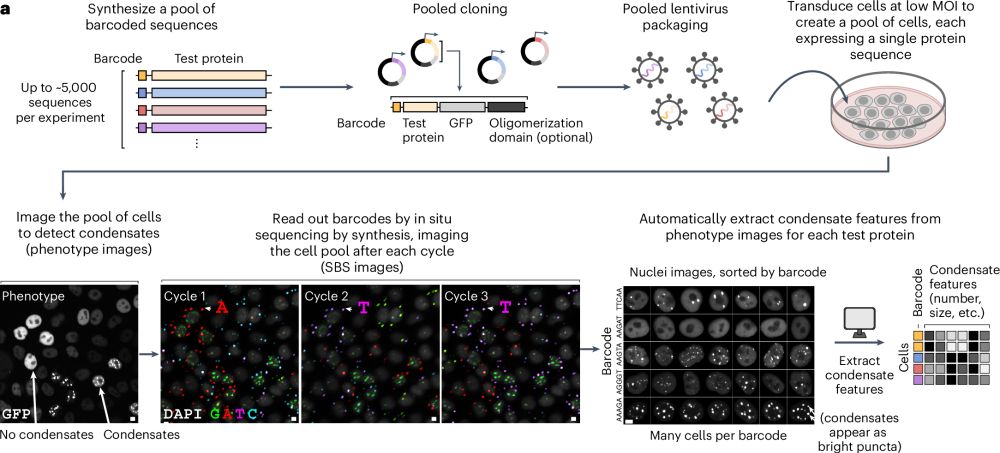
Characterizing protein sequence determinants of nuclear condensates by high-throughput pooled imaging with CondenSeq
Nature Methods - CondenSeq is an imaging-based, high-throughput platform for characterizing condensate formation within the nuclear environment, uncovering the protein sequence features that...
rdcu.be
June 17, 2025 at 3:26 AM
In the nucleus, many intrinsically disordered proteins (IDPs) form condensates. What IDP sequence features drive this behavior? We developed CondenSeq, a high-throughput approach to measure nuclear condensate formation, and applied it to ~14,000 IDPs to find out!
rdcu.be/eq975
rdcu.be/eq975
Reposted by Christopher Reinkemeier
🎉 Exciting news! The SCALE Cluster has been named a DFG Cluster of Excellence—and the Lemke Lab is proud to be part of it! This is a major step forward in understanding the architecture of life at the subcellular level.

🎉 We’re absolutely thrilled: SCALE has been selected as a DFG Excellence Cluster!
A huge thank you to our incredible team—this would not have been possible without your dedication and talent. 🙌 @dfg.de
#ClustersOfExcellence #SCALEcluster 🧵
A huge thank you to our incredible team—this would not have been possible without your dedication and talent. 🙌 @dfg.de
#ClustersOfExcellence #SCALEcluster 🧵
May 23, 2025 at 8:23 AM
🎉 Exciting news! The SCALE Cluster has been named a DFG Cluster of Excellence—and the Lemke Lab is proud to be part of it! This is a major step forward in understanding the architecture of life at the subcellular level.
Reposted by Christopher Reinkemeier

🚨 PhD Opportunity!
Passionate about enzyme engineering or genetic code expansion? 🧬 Our lab is hiring a PhD student!
🔬 Exciting interdisciplinary research
🤝 Engaging environment 🌱
📄 Does this sound like you, apply now! ⏳🔗
📢 Know someone? Share this! 🔄
jobs.uzh.ch/job-vacancie...
Passionate about enzyme engineering or genetic code expansion? 🧬 Our lab is hiring a PhD student!
🔬 Exciting interdisciplinary research
🤝 Engaging environment 🌱
📄 Does this sound like you, apply now! ⏳🔗
📢 Know someone? Share this! 🔄
jobs.uzh.ch/job-vacancie...
March 17, 2025 at 10:41 AM
🚨 PhD Opportunity!
Passionate about enzyme engineering or genetic code expansion? 🧬 Our lab is hiring a PhD student!
🔬 Exciting interdisciplinary research
🤝 Engaging environment 🌱
📄 Does this sound like you, apply now! ⏳🔗
📢 Know someone? Share this! 🔄
jobs.uzh.ch/job-vacancie...
Passionate about enzyme engineering or genetic code expansion? 🧬 Our lab is hiring a PhD student!
🔬 Exciting interdisciplinary research
🤝 Engaging environment 🌱
📄 Does this sound like you, apply now! ⏳🔗
📢 Know someone? Share this! 🔄
jobs.uzh.ch/job-vacancie...
Reposted by Christopher Reinkemeier
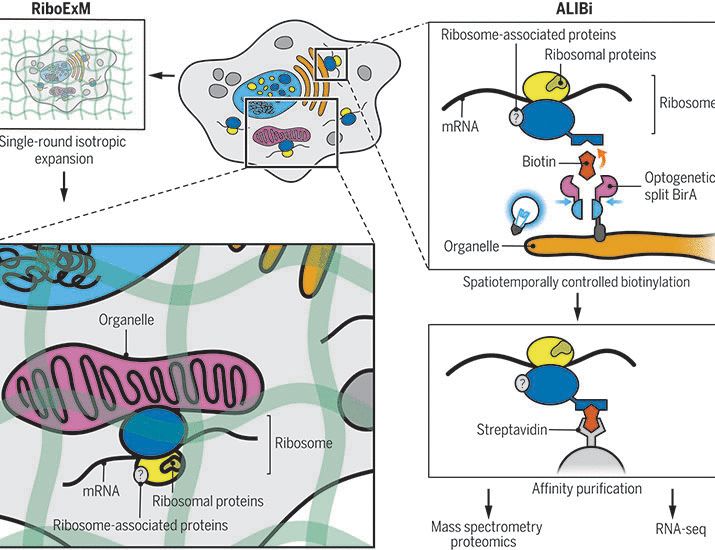
The recording has a really nice summary of the importance of the work of the SFB 👏
HELAU 🎉
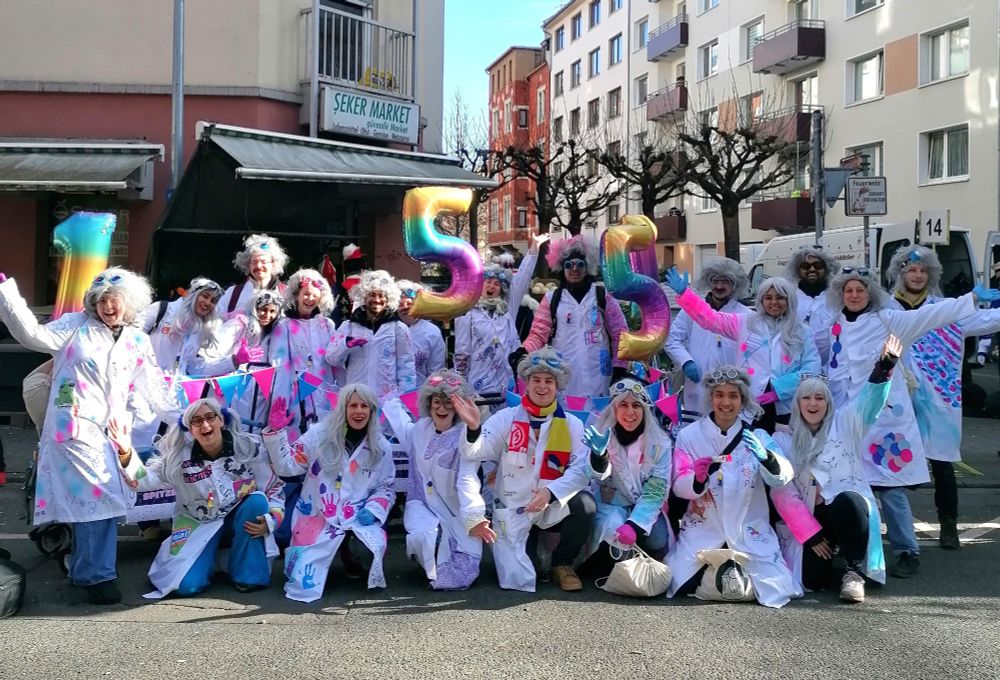
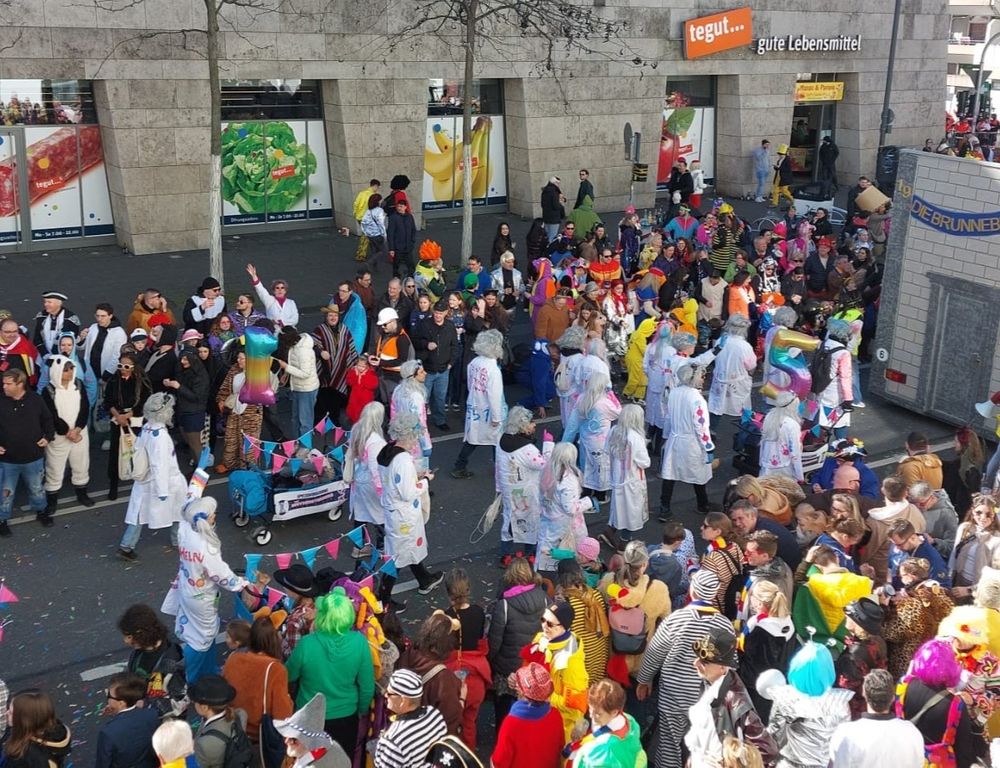
Yesterday, we participated in the #Mainz Carnival alongside the @sfb1551.bsky.social! This was an amazing experience, and with over 600,000 people watching, it was a fantastic way to show how fun science can be!
You can find the recording here, starting at 45:50 👉 shorturl.at/41alV
Yesterday, we participated in the #Mainz Carnival alongside the @sfb1551.bsky.social! This was an amazing experience, and with over 600,000 people watching, it was a fantastic way to show how fun science can be!
You can find the recording here, starting at 45:50 👉 shorturl.at/41alV
March 4, 2025 at 10:34 AM
The recording has a really nice summary of the importance of the work of the SFB 👏
Reposted by Christopher Reinkemeier
HELAU 🎉
Yesterday, we participated in the #Mainz Carnival alongside the @sfb1551.bsky.social! This was an amazing experience, and with over 600,000 people watching, it was a fantastic way to show how fun science can be!
You can find the recording here, starting at 45:50 👉 shorturl.at/41alV
Yesterday, we participated in the #Mainz Carnival alongside the @sfb1551.bsky.social! This was an amazing experience, and with over 600,000 people watching, it was a fantastic way to show how fun science can be!
You can find the recording here, starting at 45:50 👉 shorturl.at/41alV
March 4, 2025 at 9:14 AM
HELAU 🎉
Yesterday, we participated in the #Mainz Carnival alongside the @sfb1551.bsky.social! This was an amazing experience, and with over 600,000 people watching, it was a fantastic way to show how fun science can be!
You can find the recording here, starting at 45:50 👉 shorturl.at/41alV
Yesterday, we participated in the #Mainz Carnival alongside the @sfb1551.bsky.social! This was an amazing experience, and with over 600,000 people watching, it was a fantastic way to show how fun science can be!
You can find the recording here, starting at 45:50 👉 shorturl.at/41alV
Reposted by Christopher Reinkemeier

we recently found some really neat RNA-guided DNA-cutting systems in phages. Despite remarkable similarities to CRISPR systems, including encoding guide RNAs in arrays, they appear entirely evolutionarily distinct (but definitely related to snoRNAs 🤓)
We decided to call them TIGR-Tas systems 🐯
We decided to call them TIGR-Tas systems 🐯
March 1, 2025 at 12:18 AM
we recently found some really neat RNA-guided DNA-cutting systems in phages. Despite remarkable similarities to CRISPR systems, including encoding guide RNAs in arrays, they appear entirely evolutionarily distinct (but definitely related to snoRNAs 🤓)
We decided to call them TIGR-Tas systems 🐯
We decided to call them TIGR-Tas systems 🐯
Reposted by Christopher Reinkemeier

TIGR-Tas: A family of modular RNA-guided DNA-targeting systems in prokaryotes and their viruses | Science https://www.science.org/doi/10.1126/science.adv9789

TIGR-Tas: A family of modular RNA-guided DNA-targeting systems in prokaryotes and their viruses
RNA-guided systems provide remarkable versatility, enabling diverse biological functions. Through iterative structural and sequence homology-based mining starting with a guide RNA-interaction domain of Cas9, we identified a family of RNA-guided DNA-...
www.science.org
February 28, 2025 at 12:46 AM
TIGR-Tas: A family of modular RNA-guided DNA-targeting systems in prokaryotes and their viruses | Science https://www.science.org/doi/10.1126/science.adv9789
Reposted by Christopher Reinkemeier

As an introductory post, check out our latest paper in which we engineer a phase-separated synthetic organelle that translates metabolic signals into gene transcription regulation!
pubs.acs.org/doi/full/10....
pubs.acs.org/doi/full/10....

Metabolite-Responsive Control of Transcription by Phase Separation-Based Synthetic Organelles
Living natural materials have remarkable sensing abilities that translate external cues into functional changes of the material. The reconstruction of such sensing materials in bottom-up synthetic biology provides the opportunity to develop synthetic materials with life-like sensing and adaptation ability. Key to such functions are material modules that translate specific input signals into a biomolecular response. Here, we engineer a synthetic organelle based on liquid–liquid phase separation that translates a metabolic signal into the regulation of gene transcription. To this aim, we engineer the pyruvate-dependent repressor PdhR to undergo liquid–liquid phase separation in vitro by fusion to intrinsically disordered regions. We demonstrate that the resulting coacervates bind DNA harboring PdhR-responsive operator sites in a pyruvate dose-dependent and reversible manner. We observed that the activity of transcription units on the DNA was strongly attenuated following recruitment to the coacervates. However, the addition of pyruvate resulted in a reversible and dose-dependent reconstitution of transcriptional activity. The coacervate-based synthetic organelles linking metabolic cues to transcriptional signals represent a materials approach to confer stimulus responsiveness to minimal bottom-up synthetic biological systems and open opportunities in materials for sensor applications.
pubs.acs.org
February 25, 2025 at 1:15 PM
As an introductory post, check out our latest paper in which we engineer a phase-separated synthetic organelle that translates metabolic signals into gene transcription regulation!
pubs.acs.org/doi/full/10....
pubs.acs.org/doi/full/10....
Reposted by Christopher Reinkemeier
Thrilled to share with you our work on covalent probes! By introducing a biocompatible sulfonium-based cleavable linker, we developed a series of fluorescent probes that can label covalently endogenous tubulin in various cell lines.
www.biorxiv.org/content/10.1...
#Chembio #FluorescenceFriday
www.biorxiv.org/content/10.1...
#Chembio #FluorescenceFriday

January 31, 2025 at 11:00 AM
Thrilled to share with you our work on covalent probes! By introducing a biocompatible sulfonium-based cleavable linker, we developed a series of fluorescent probes that can label covalently endogenous tubulin in various cell lines.
www.biorxiv.org/content/10.1...
#Chembio #FluorescenceFriday
www.biorxiv.org/content/10.1...
#Chembio #FluorescenceFriday
Reposted by Christopher Reinkemeier
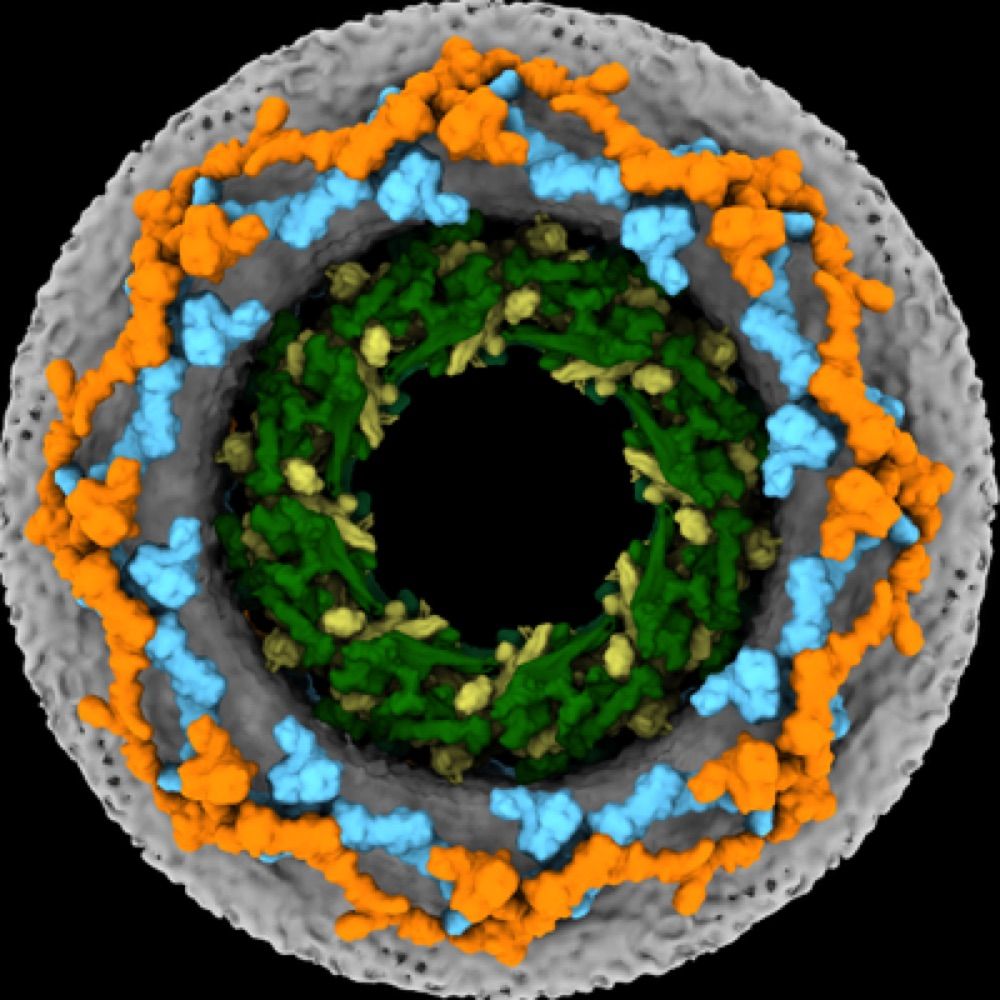
In a great collaboration with @hummerlab.bsky.social and the Kräusslich lab: HIV capsid doesn't break at the NPC; instead, it cracks open the NPC itself! Details in Cell: authors.elsevier.com/sd/article/S... @mpibp.bsky.social @uniheidelberg.bsky.social A thread below:
January 17, 2025 at 6:43 PM
In a great collaboration with @hummerlab.bsky.social and the Kräusslich lab: HIV capsid doesn't break at the NPC; instead, it cracks open the NPC itself! Details in Cell: authors.elsevier.com/sd/article/S... @mpibp.bsky.social @uniheidelberg.bsky.social A thread below:
Reposted by Christopher Reinkemeier
NEW PUBLICATION:
Confinement and catalysis within de novo designed peptide barrels
doi.org/10.1021/jacs...
(Journal of the American Chemical Society)
Confinement and catalysis within de novo designed peptide barrels
doi.org/10.1021/jacs...
(Journal of the American Chemical Society)

Confinement and Catalysis within De Novo Designed Peptide Barrels
De novo protein design has advanced such that many peptide assemblies and protein structures can be generated predictably and quickly. The drive now is to bring functions to these structures, for example, small-molecule binding and catalysis. The formidable challenge of binding and orienting multiple small molecules to direct chemistry is particularly important for paving the way to new functionalities. To address this, here we describe the design, characterization, and application of small-molecule:peptide ternary complexes in aqueous solution. This uses α-helical barrel (αHB) peptide assemblies, which comprise 5 or more α helices arranged around central channels. These channels are solvent accessible, and their internal dimensions and chemistries can be altered predictably. Thus, αHBs are analogous to “molecular flasks” made in supramolecular, polymer, and materials chemistry. Using Förster resonance energy transfer as a readout, we demonstrate that specific αHBs can accept two different organic dyes, 1,6-diphenyl-1,3,5-hexatriene and Nile red, in close proximity. In addition, two anthracene molecules can be accommodated within an αHB to promote anthracene photodimerization. However, not all ternary complexes are productive, either in energy transfer or photodimerization, illustrating the control that can be exerted by judicious choice and design of the αHB.
doi.org
January 17, 2025 at 12:48 PM
NEW PUBLICATION:
Confinement and catalysis within de novo designed peptide barrels
doi.org/10.1021/jacs...
(Journal of the American Chemical Society)
Confinement and catalysis within de novo designed peptide barrels
doi.org/10.1021/jacs...
(Journal of the American Chemical Society)
Reposted by Christopher Reinkemeier

A synthetic cell with integrated DNA self-replication and membrane biosynthesis https://www.biorxiv.org/content/10.1101/2025.01.14.632951v1
January 14, 2025 at 6:04 PM
A synthetic cell with integrated DNA self-replication and membrane biosynthesis https://www.biorxiv.org/content/10.1101/2025.01.14.632951v1
Reposted by Christopher Reinkemeier
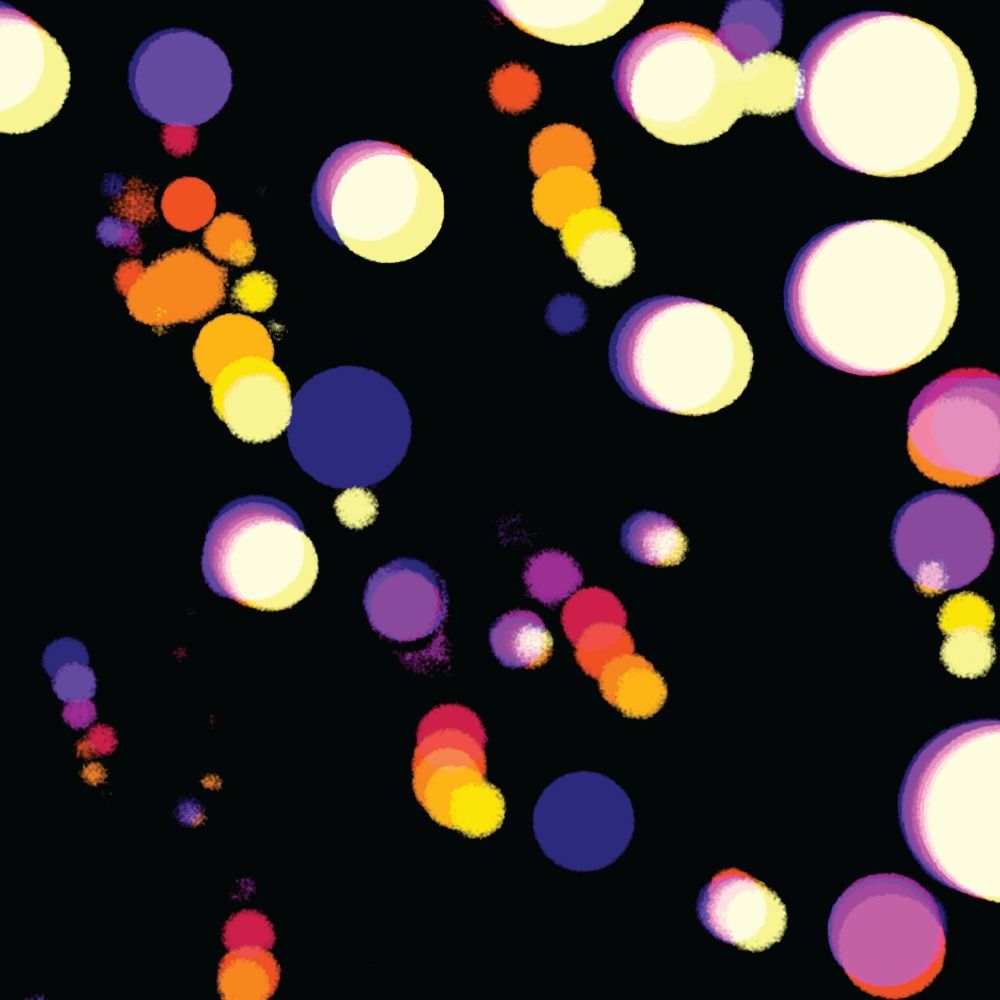
Curious how biomolecular condensates can localize ions? Using NMR, we found that condensates selectively bind and localize both chaotropic anions and kosmotropic cations. This alters the condensate composition, interface potential and RNA duplex stability inside. By @irissmokers.bsky.social

Selective ion binding and uptake shape the microenvironment of biomolecular condensates
Biomolecular condensates modulate various ion-dependent cellular processes and can regulate subcellular ion distributions by selective uptake of ions. However, the molecular grammar governing condensa...
www.biorxiv.org
January 13, 2025 at 8:25 AM
Curious how biomolecular condensates can localize ions? Using NMR, we found that condensates selectively bind and localize both chaotropic anions and kosmotropic cations. This alters the condensate composition, interface potential and RNA duplex stability inside. By @irissmokers.bsky.social
Reposted by Christopher Reinkemeier
#biophysics #graduateschool #phdingermany
If you know someone who might be interested, please share this post with them! 🎓 Thank you in advance!
Our partner institutions are @Goethe University Frankfurt, @unimainz.bsky.social, @Frankfurt Institute of Advanced Studies and @mpibp.bsky.social
If you know someone who might be interested, please share this post with them! 🎓 Thank you in advance!
Our partner institutions are @Goethe University Frankfurt, @unimainz.bsky.social, @Frankfurt Institute of Advanced Studies and @mpibp.bsky.social
January 12, 2025 at 9:28 PM
#biophysics #graduateschool #phdingermany
If you know someone who might be interested, please share this post with them! 🎓 Thank you in advance!
Our partner institutions are @Goethe University Frankfurt, @unimainz.bsky.social, @Frankfurt Institute of Advanced Studies and @mpibp.bsky.social
If you know someone who might be interested, please share this post with them! 🎓 Thank you in advance!
Our partner institutions are @Goethe University Frankfurt, @unimainz.bsky.social, @Frankfurt Institute of Advanced Studies and @mpibp.bsky.social
Reposted by Christopher Reinkemeier
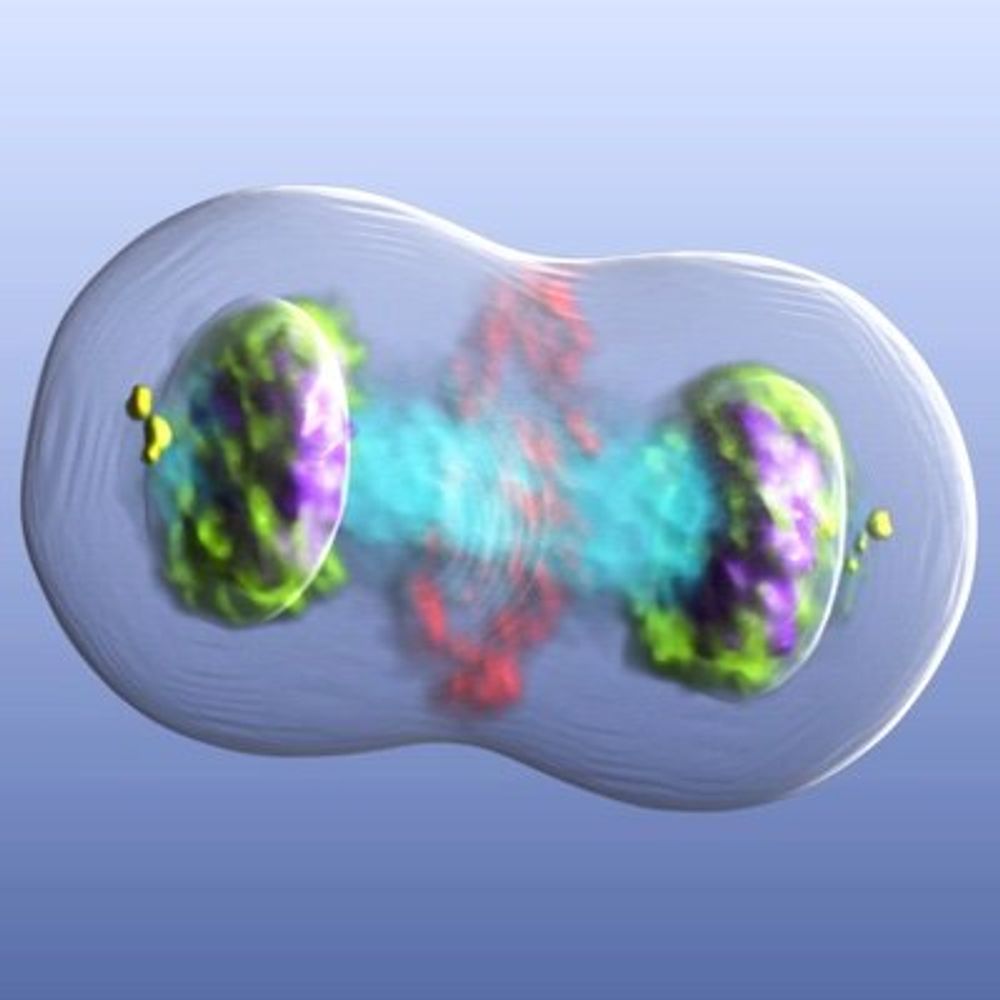
For folks unable to download our recent review in @cp-trendsbiochem.bsky.social on protein quality control condensates, function, and potential therapeutic avenues - here's another link: authors.elsevier.com/a/1kNRo3S6Gf...
#Ub #PQC #condensates
#Ub #PQC #condensates

January 11, 2025 at 3:02 PM
For folks unable to download our recent review in @cp-trendsbiochem.bsky.social on protein quality control condensates, function, and potential therapeutic avenues - here's another link: authors.elsevier.com/a/1kNRo3S6Gf...
#Ub #PQC #condensates
#Ub #PQC #condensates
Reposted by Christopher Reinkemeier
Congratulations to @andibrunner.bsky.social
and the team, and many thanks to the lab of Jan-Michael Peters for support!
We found that the interphase and mitotic chromatin loop organization have more in common than previously thought:
In both stages big loops are built first, small ones second
and the team, and many thanks to the lab of Jan-Michael Peters for support!
We found that the interphase and mitotic chromatin loop organization have more in common than previously thought:
In both stages big loops are built first, small ones second

@andibrunner.bsky.social et al. @ellenberglab.bsky.social show that interphase organization into Cohesin-driven loops occurs in a sequential and hierarchical manner - just like the mitotic organization by Condensins. https://buff.ly/426gIEu
@wanluzhang.bsky.social
@wanluzhang.bsky.social

January 9, 2025 at 9:57 PM
Congratulations to @andibrunner.bsky.social
and the team, and many thanks to the lab of Jan-Michael Peters for support!
We found that the interphase and mitotic chromatin loop organization have more in common than previously thought:
In both stages big loops are built first, small ones second
and the team, and many thanks to the lab of Jan-Michael Peters for support!
We found that the interphase and mitotic chromatin loop organization have more in common than previously thought:
In both stages big loops are built first, small ones second
Reposted by Christopher Reinkemeier

Exciting paper by the groups of Ronald Micura and Alexandra Lusser in @nchembio.bsky.social. Covalent binders to structured RNA based on alkyl halides and alkyl mesylates show engagement of the preQ1 and Pepper aptamers in vitro and in cells. www.nature.com/articles/s41...
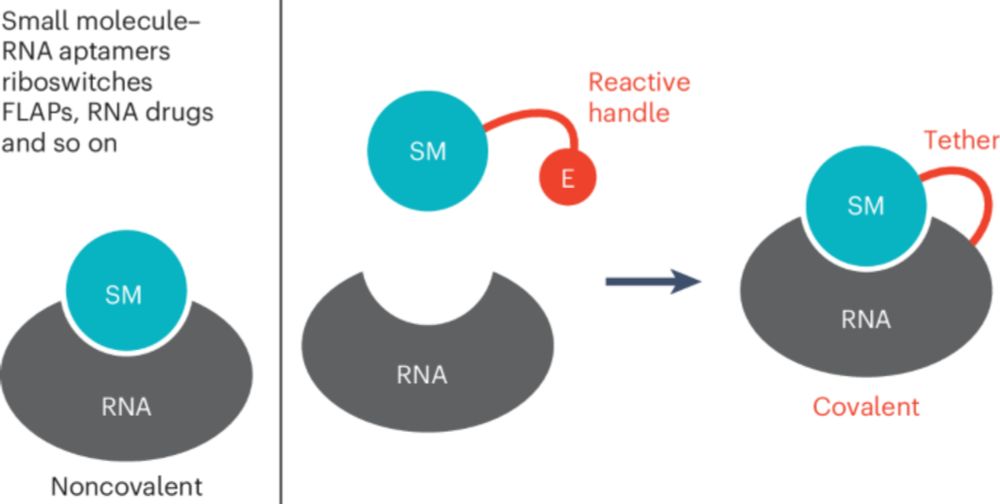
Engineering covalent small molecule–RNA complexes in living cells - Nature Chemical Biology
Small-molecule ligands have been developed that covalently attach to their cognate RNA aptamers in vitro and in living cells. This strategy opens up new avenues for RNA imaging applications (for examp...
www.nature.com
January 8, 2025 at 3:34 PM
Exciting paper by the groups of Ronald Micura and Alexandra Lusser in @nchembio.bsky.social. Covalent binders to structured RNA based on alkyl halides and alkyl mesylates show engagement of the preQ1 and Pepper aptamers in vitro and in cells. www.nature.com/articles/s41...
Reposted by Christopher Reinkemeier

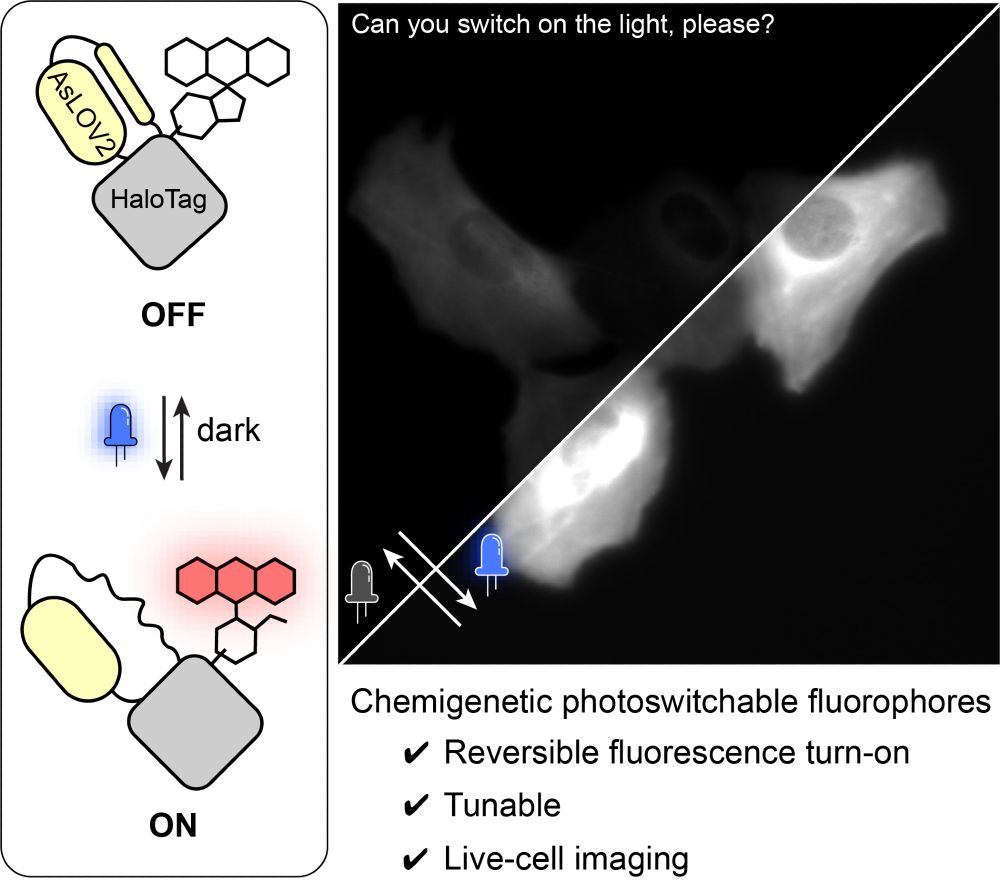
We made a photoswitchable HaloTag (psHaloTag), which can reversibly turn-on fluorogenic dyes upon illumination 💡. Congrats to Franzi, Bego and all co-authors, check out our preprint below 👇
www.biorxiv.org/content/10.1...
www.biorxiv.org/content/10.1...
January 7, 2025 at 8:45 AM
We made a photoswitchable HaloTag (psHaloTag), which can reversibly turn-on fluorogenic dyes upon illumination 💡. Congrats to Franzi, Bego and all co-authors, check out our preprint below 👇
www.biorxiv.org/content/10.1...
www.biorxiv.org/content/10.1...