




Maike
@lontorel.bsky.social
Passin niisama kodus. Elon tõi mind siia.
Well that’s fair

Sources: Binance has fired its employees in late 2025 who uncovered evidence that Iran received $1B+ through Binance between March 2024 and August 2025 (Fortune)
Main Link | Techmeme Permalink
Main Link | Techmeme Permalink
February 13, 2026 at 5:25 PM
Well that’s fair

February 13, 2026 at 11:47 AM
Balta turult on kõik desojaamad ära koristatud :(
February 12, 2026 at 3:10 PM
Balta turult on kõik desojaamad ära koristatud :(
Hea lyhidokk

Anna and Sonic serve in the Unmanned Forces unit Nemesis of the Ukrainian army 🫡
🔗 Full episode: youtu.be/IYAlX5NmCEM
A documentary story about women in the Ukrainian military, drone warfare, and life inside one of Ukraine's unmanned systems units during the full-scale invasion
🔗 Full episode: youtu.be/IYAlX5NmCEM
A documentary story about women in the Ukrainian military, drone warfare, and life inside one of Ukraine's unmanned systems units during the full-scale invasion

February 12, 2026 at 12:22 PM
Hea lyhidokk
Sry see on täielik bollocks. 2026 aastaks peavad olema ai baaateadmised, pead õppima kuidas aru saada hallutsinatsioonist ja lausvalest (nagu mis/disinformatsiooni veel vähe oleks), pead promptima ja kysimust 3x lihvima, et ai oskaks instapostitust kirjut. Kas kliimasoojenemisest olete kuulnud v?! 🤯

Kuidas valmistuda AI oskuste nõuetele Eestis 2026
https://tehisarukas.ee/kuidas-valmistuda-ai-oskuste-nouetele-eestis/
#tehisaru #tehisarukas #AIEesti #tehisintellekt
https://tehisarukas.ee/kuidas-valmistuda-ai-oskuste-nouetele-eestis/
#tehisaru #tehisarukas #AIEesti #tehisintellekt

February 12, 2026 at 11:44 AM
Sry see on täielik bollocks. 2026 aastaks peavad olema ai baaateadmised, pead õppima kuidas aru saada hallutsinatsioonist ja lausvalest (nagu mis/disinformatsiooni veel vähe oleks), pead promptima ja kysimust 3x lihvima, et ai oskaks instapostitust kirjut. Kas kliimasoojenemisest olete kuulnud v?! 🤯
So nowadays its called “financial engineering” 🤷
Meta's auditor Ernst & Young raised a red flag over the financial engineering Meta used to keep its $27B Hyperion data center project off its balance sheet (Jonathan Weil/Wall Street Journal)
Main Link | Techmeme Permalink
Main Link | Techmeme Permalink
February 12, 2026 at 11:22 AM
So nowadays its called “financial engineering” 🤷
Ruzzia murders every day. Ukrainian women, babies, men, youth, elderly, dogs, cats… everything Ukrainian is russia’s target.
Support Ukraine
Rage donate 🙏
Support Ukraine
Rage donate 🙏
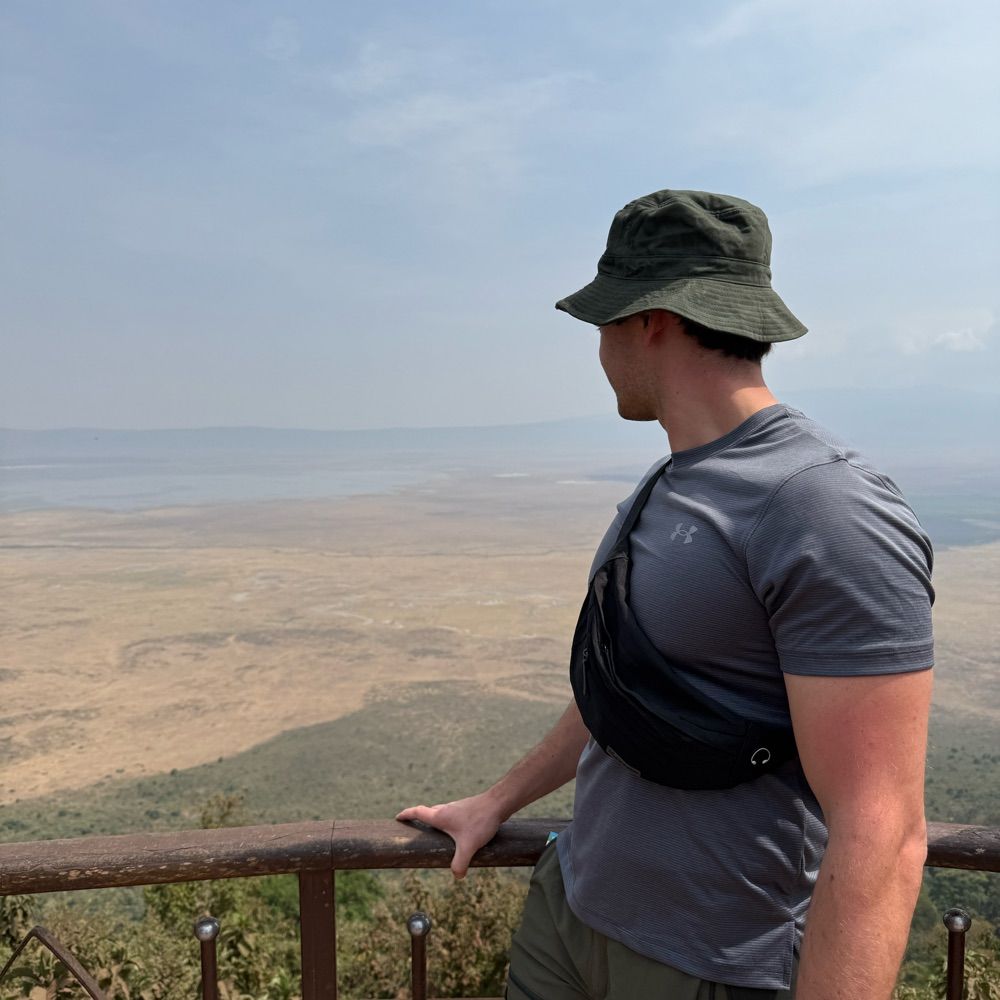
In Bohodukhiv, Kharkiv region, Russia destroyed a private home with a drone strike. Three small children were killed: a one-year-old girl and two boys aged 1 year and 3 months, as well as their 34-year-old father.
February 11, 2026 at 11:23 AM
Ruzzia murders every day. Ukrainian women, babies, men, youth, elderly, dogs, cats… everything Ukrainian is russia’s target.
Support Ukraine
Rage donate 🙏
Support Ukraine
Rage donate 🙏
Indeed

Fascinating account of Assad’s last day in Syria. Suggests he was ultimately a victim of his own over-confidence and self-delusion. www.theatlantic.com/internationa...

The Fall of the House of Assad
A detached ruler, obsessed with sex and video games, refused every lifeline he was offered.
www.theatlantic.com
February 7, 2026 at 11:15 PM
Indeed
Ragedonate now!
A monologue by commentator Vitalii Volochai during the opening ceremony of the 2026 Winter Olympic Games.
📹 suspilne. sport/Instagram
📹 suspilne. sport/Instagram
February 7, 2026 at 10:00 PM
Ragedonate now!
Relentless
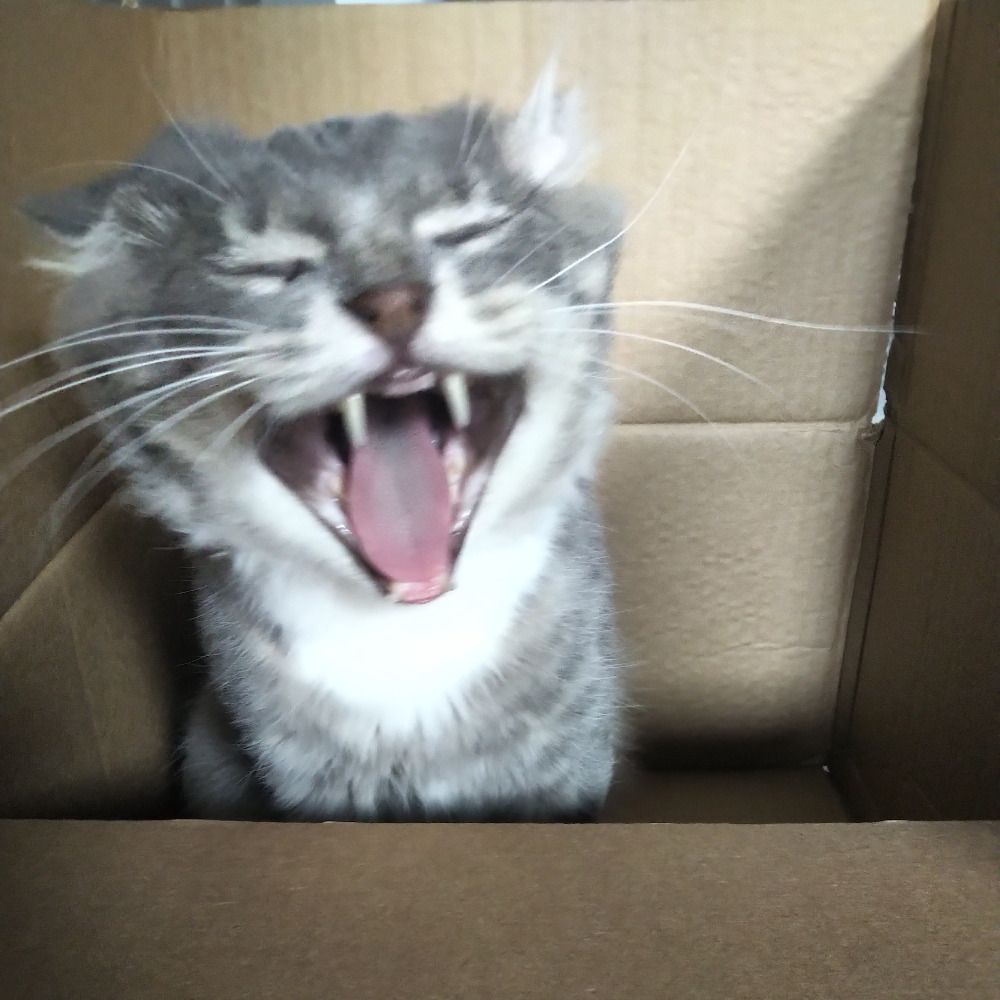
regardless of what anyone else tells you, the real "2038 problem" is that you can already buy 2032 batteries that have expiration dates in 2038
this "relentless march of time" nonsense is really getting out of hand
this "relentless march of time" nonsense is really getting out of hand
February 7, 2026 at 2:36 PM
Relentless
Huvitav, naabri papagoi on täna otsustanud tavapärase veetilkumisimitatsiooni linnulaulu vastu vahetada. Mis tal juhtus kyll?
February 7, 2026 at 11:19 AM
Huvitav, naabri papagoi on täna otsustanud tavapärase veetilkumisimitatsiooni linnulaulu vastu vahetada. Mis tal juhtus kyll?
Omg patagonia vestimood on jõudnud samosti kappi dziisus kui lame

Mainiks ka, et ajavad täpselt sama enesekindel-virilat vehmi plära. Muide, kas see on mingi bussijuhi nahkvesti tsiviilvariant?

February 7, 2026 at 11:16 AM
Omg patagonia vestimood on jõudnud samosti kappi dziisus kui lame
J’accuse…! 😭


February 7, 2026 at 10:43 AM
J’accuse…! 😭
Eestlane vastab: (see thread)
Küsimus eestlastele!
What is your best definition or English (or other, if particularly informative) translation of Soss?
Aitäh!
What is your best definition or English (or other, if particularly informative) translation of Soss?
Aitäh!
February 5, 2026 at 8:51 PM
Eestlane vastab: (see thread)
Karis saab sellest kindlasti tuult tiibadesse

Russia’s Lavrov calls French diplomatic efforts ‘pathetic’ after Macron adviser’s Moscow visit

Russia’s Lavrov calls French diplomatic efforts ‘pathetic’ after Macron adviser’s Moscow visit
“If you want to call and have a serious conversation, then call. Putin will always pick up the phone,” Russian foreign minister says in an interview with state media.
www.politico.eu
February 5, 2026 at 8:44 PM
Karis saab sellest kindlasti tuult tiibadesse
Prime minister “lifetime of bold leadership” Tusk has hurt Tom’s feelings.
Oh how sad
Oh how sad


February 5, 2026 at 7:27 PM
Prime minister “lifetime of bold leadership” Tusk has hurt Tom’s feelings.
Oh how sad
Oh how sad
Mu isal on Trumpiga samal aastal ja päeval synnipäev ja tema second hand embarrassment süveneb iga aastaga järjest enam ja mul on tast nii kahju, sest see pole tema syy ja ta ofc teab seda a vaatamata sellele häbi sellepärast syveneb.
Krdi trump rsk
Krdi trump rsk
February 5, 2026 at 2:18 PM
Mu isal on Trumpiga samal aastal ja päeval synnipäev ja tema second hand embarrassment süveneb iga aastaga järjest enam ja mul on tast nii kahju, sest see pole tema syy ja ta ofc teab seda a vaatamata sellele häbi sellepärast syveneb.
Krdi trump rsk
Krdi trump rsk
😭😭😭
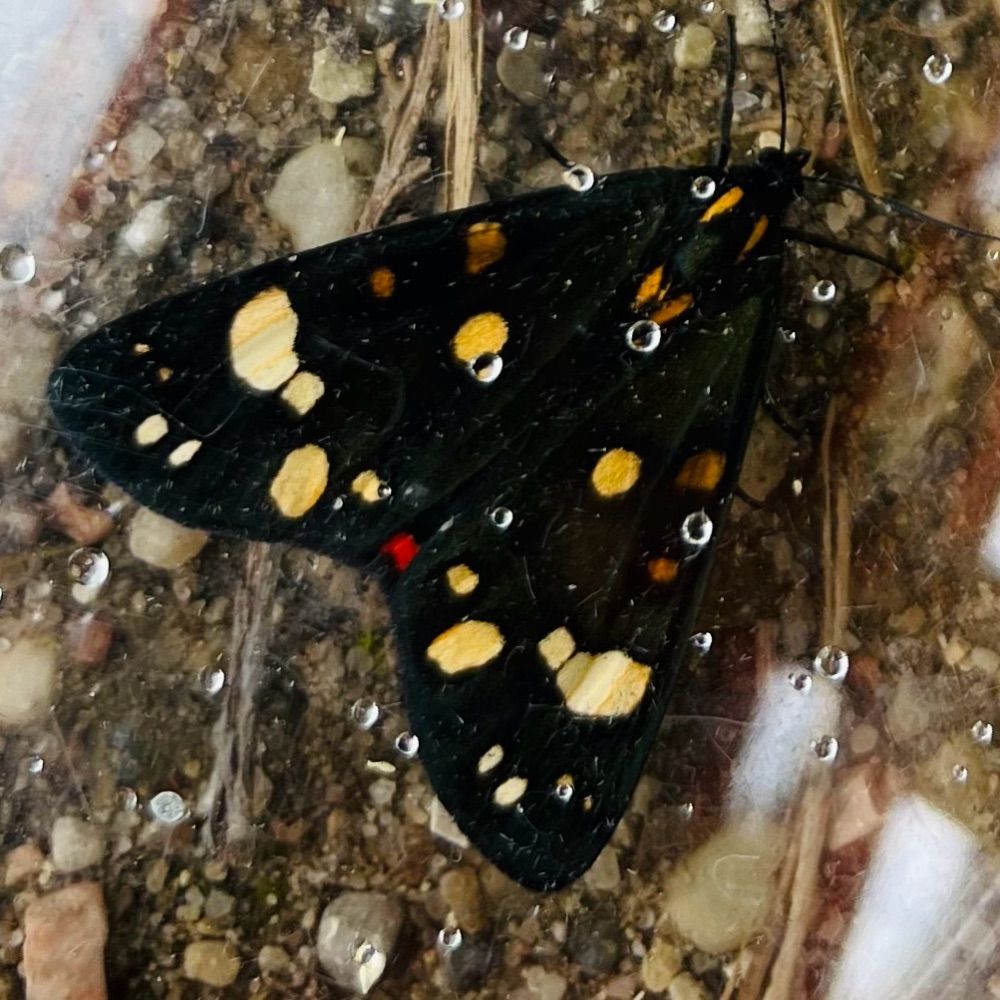
nüüd on vist ka kõige heausksematel lõpuks silmad avanenud - lubatud Alari asemel tegutseb hoopis keegi Heino
February 5, 2026 at 10:34 AM
😭😭😭
Alar Karis Abu Dhabis

Russia is now demanding not only the withdrawal of Ukrainian forces from Donetsk region but also international recognition of Donbas as Russian as part of a peace deal, Russian media report. The claim is attributed to a Western source present at the Abu Dhabi talks. #Ukraine

February 5, 2026 at 10:15 AM
Alar Karis Abu Dhabis
“When the head of Europe's human rights body agrees to courier messages from a convicted sex offender to Putin's foreign minister—then spends years fighting to restore Russia's standing after Crimea—the question isn't whether kompromat exists. It's how much is already shaping decisions.”

Ukraine warned for years that Europe's human rights chief served Moscow's interests.
Now the Epstein files show Jagland agreed to connect Epstein to Lavrov—three weeks before the 2018 Trump-Putin summit.
KGB defectors had named Jagland as "Yuri" decades ago.
Now the Epstein files show Jagland agreed to connect Epstein to Lavrov—three weeks before the 2018 Trump-Putin summit.
KGB defectors had named Jagland as "Yuri" decades ago.

Ukrainians warned for years that Europe’s human rights chief was a Kremlin conduit. The Epstein files just proved them right.
Thorbjørn Jagland offered to connect Jeffrey Epstein to Lavrov. KGB defectors had named him "Yuri" decades earlier.
euromaidanpress.com
February 4, 2026 at 7:09 PM
“When the head of Europe's human rights body agrees to courier messages from a convicted sex offender to Putin's foreign minister—then spends years fighting to restore Russia's standing after Crimea—the question isn't whether kompromat exists. It's how much is already shaping decisions.”
Vähipäeva tuules: minu ema ja isa said sel sygisel kahekuulise vahega vähidiagnoosi. Poole aastaga on neist ainult riismed järgi. Hirmus on kõrvalt vaadata, kuidas miski neid jonnaka järjepidevusega hävitab.
Yle nädala käin ema v isaga keemiatilgamaailmas….
Yle nädala käin ema v isaga keemiatilgamaailmas….
February 4, 2026 at 5:36 PM
Vähipäeva tuules: minu ema ja isa said sel sygisel kahekuulise vahega vähidiagnoosi. Poole aastaga on neist ainult riismed järgi. Hirmus on kõrvalt vaadata, kuidas miski neid jonnaka järjepidevusega hävitab.
Yle nädala käin ema v isaga keemiatilgamaailmas….
Yle nädala käin ema v isaga keemiatilgamaailmas….
😂
Infantino really is a premium waxwork piece of shit isn't he. A moral vacuum in a suit.
February 4, 2026 at 9:09 AM
😂
Mis sellest vaibast, tallinna liiklusest, veinist ja sajast like’ist sai?
February 3, 2026 at 11:23 AM
Mis sellest vaibast, tallinna liiklusest, veinist ja sajast like’ist sai?