


Jonathan Bohlen
@jonathanbohlen.bsky.social
Group leader at the Gene Center in Munich. RNA biology and protein translation in Immunity. Looking for excited and motivated students!
Dad in Science, He/His
Dad in Science, He/His
Pinned

I’m excited to announce our new paper that came out today! The second chapter of my Post-doc
@casanova_lab, published in @jclinical-invest.bsky.social
If you’re interested in the causes of autoinflammation, then this one is for you: t.co/uhVDdzqyx2
@casanova_lab, published in @jclinical-invest.bsky.social
If you’re interested in the causes of autoinflammation, then this one is for you: t.co/uhVDdzqyx2
Honored to get this opportunity to build out my team and explore molecular immunology!
🥳🥂Huge congratulations to Jonathan Bohlen on being awarded an Emmy Noether Grant by @dfg.de 😊🤩
His project addresses a central open question in immunology: how mRNA translation governs the function of T cells.
www.genzentrum.uni-muenchen.de/news-events/...
@jonathanbohlen.bsky.social
His project addresses a central open question in immunology: how mRNA translation governs the function of T cells.
www.genzentrum.uni-muenchen.de/news-events/...
@jonathanbohlen.bsky.social

December 16, 2025 at 5:53 PM
Honored to get this opportunity to build out my team and explore molecular immunology!
Reposted by Jonathan Bohlen
📣Publication alert!
A team led by Roland Beckmann shows: Ribosome collisions activate the kinase ZAK and thus trigger the ribotoxic stress response — a key mechanism of the cellular stress defense. More about it here👇
www.lmu.de/en/newsroom/...
A team led by Roland Beckmann shows: Ribosome collisions activate the kinase ZAK and thus trigger the ribotoxic stress response — a key mechanism of the cellular stress defense. More about it here👇
www.lmu.de/en/newsroom/...

Colliding ribosomes signal cellular stress
LMU researchers uncover the mechanism by which ribosomes raise alarms in the cell.
www.lmu.de
November 25, 2025 at 8:52 AM
📣Publication alert!
A team led by Roland Beckmann shows: Ribosome collisions activate the kinase ZAK and thus trigger the ribotoxic stress response — a key mechanism of the cellular stress defense. More about it here👇
www.lmu.de/en/newsroom/...
A team led by Roland Beckmann shows: Ribosome collisions activate the kinase ZAK and thus trigger the ribotoxic stress response — a key mechanism of the cellular stress defense. More about it here👇
www.lmu.de/en/newsroom/...
Reposted by Jonathan Bohlen
How does the kinase ZAK sense ribosome collisions? Find out in our latest collaboration with the @greenlab.bsky.social @doubleshuang.bsky.social @Vienna Huso: 1/4
rdcu.be/eRmJl
#ribosome #cryoEM #LMU #JHMI
rdcu.be/eRmJl
#ribosome #cryoEM #LMU #JHMI
November 23, 2025 at 3:47 PM
How does the kinase ZAK sense ribosome collisions? Find out in our latest collaboration with the @greenlab.bsky.social @doubleshuang.bsky.social @Vienna Huso: 1/4
rdcu.be/eRmJl
#ribosome #cryoEM #LMU #JHMI
rdcu.be/eRmJl
#ribosome #cryoEM #LMU #JHMI
Reposted by Jonathan Bohlen

Whipple's disease was an inflammatory condition for decades, it became an infectious disease some years ago, and it is now becoming a genetic disorder:
IRF4 haploinsufficiency in a multiplex family with Whipple’s disease url: rupress.org/jhi/article/...
IRF4 haploinsufficiency in a multiplex family with Whipple’s disease url: rupress.org/jhi/article/...
IRF4 haploinsufficiency in a multiplex family with Whipple’s disease | Journal of Human Immunity | Rockefeller University Press
We report two patients with Whipple’s disease caused by autosomal dominant IRF4 deficiency.
rupress.org
November 11, 2025 at 3:39 PM
Whipple's disease was an inflammatory condition for decades, it became an infectious disease some years ago, and it is now becoming a genetic disorder:
IRF4 haploinsufficiency in a multiplex family with Whipple’s disease url: rupress.org/jhi/article/...
IRF4 haploinsufficiency in a multiplex family with Whipple’s disease url: rupress.org/jhi/article/...
Reposted by Jonathan Bohlen
In less than 8 months, @jhumimmunity has published 56 papers (rupress.org/jhi), including 10 already on PubMed (pubmed.ncbi.nlm.nih.gov?term=j+hum+i...). Please submit studies of human inborn errors of immunity and their phenocopies (rupress.org/jhi/article-...) !
Journal of Human Immunity | Rockefeller University Press
Journal of Human Immunity (JHI) publishes papers that provide novel insights into the physiology and pathology of human immunity through the study of genetic defects and their phenocopies, including t...
rupress.org
November 11, 2025 at 3:47 PM
In less than 8 months, @jhumimmunity has published 56 papers (rupress.org/jhi), including 10 already on PubMed (pubmed.ncbi.nlm.nih.gov?term=j+hum+i...). Please submit studies of human inborn errors of immunity and their phenocopies (rupress.org/jhi/article-...) !
We report a 5'UTR variant in YEATS4 that confers resistance to tuberculosis through altering the translation of the YEATS4 open-reading frame! Congrats to Clement Conil and colleagues at @casanovalab.bsky.social! It was fun to help with this story! link.springer.com/article/10.1...

A human YEATS4 variant confers resistance to TST and IGRA conversion despite Mycobacterium tuberculosis exposure - Genome Medicine
Background Despite sustained exposure to Mycobacterium tuberculosis (Mtb), some individuals—so-called resisters—have persistently negative results for the tuberculin skin test (TST) and interferon-gam...
link.springer.com
October 20, 2025 at 10:45 AM
We report a 5'UTR variant in YEATS4 that confers resistance to tuberculosis through altering the translation of the YEATS4 open-reading frame! Congrats to Clement Conil and colleagues at @casanovalab.bsky.social! It was fun to help with this story! link.springer.com/article/10.1...
Reposted by Jonathan Bohlen

New in @jhumimmunity.org: Tristan van der Linden, András Spaan et al. describe and characterize six unrelated patients with #OTULIN #haploinsufficiency, in whom severe #necrosis followed infectious and/or traumatic triggers. rupress.org/jhi/article/...
#Staphylococcus #Ubiquitin
#Staphylococcus #Ubiquitin

September 30, 2025 at 5:45 PM
New in @jhumimmunity.org: Tristan van der Linden, András Spaan et al. describe and characterize six unrelated patients with #OTULIN #haploinsufficiency, in whom severe #necrosis followed infectious and/or traumatic triggers. rupress.org/jhi/article/...
#Staphylococcus #Ubiquitin
#Staphylococcus #Ubiquitin
Reposted by Jonathan Bohlen
Huge variability documented in how publishers respond when informed about a problematic body of work by a research group. www.jclinepi.com/article/S089...
#publishers #retractions
#publishers #retractions

August 24, 2025 at 3:35 PM
Huge variability documented in how publishers respond when informed about a problematic body of work by a research group. www.jclinepi.com/article/S089...
#publishers #retractions
#publishers #retractions
Reposted by Jonathan Bohlen
A MUST-READ Review on Penetrance of Human Monogenic Inborn Errors (of Immunity, or not):
Incomplete penetrance in inborn errors of immunity: A skeleton in the closet—The sequel url: rupress.org/jhi/article/...
Incomplete penetrance in inborn errors of immunity: A skeleton in the closet—The sequel url: rupress.org/jhi/article/...
Incomplete penetrance in inborn errors of immunity: A skeleton in the closet—The sequel | Journal of Human Immunity | Rockefeller University Press
Incomplete penetrance in genetic disorders can be influenced by genetic variant quality, genetic and epigenetic modification, environment, and mosaicism.
rupress.org
August 19, 2025 at 12:53 PM
A MUST-READ Review on Penetrance of Human Monogenic Inborn Errors (of Immunity, or not):
Incomplete penetrance in inborn errors of immunity: A skeleton in the closet—The sequel url: rupress.org/jhi/article/...
Incomplete penetrance in inborn errors of immunity: A skeleton in the closet—The sequel url: rupress.org/jhi/article/...
Reposted by Jonathan Bohlen
Latest by us! An mRNA-based broad-spectrum antiviral inspired by ISG15 deficiency protects against viral infections in vitro and in vivo | Science Translational Medicine www.science.org/doi/10.1126/...
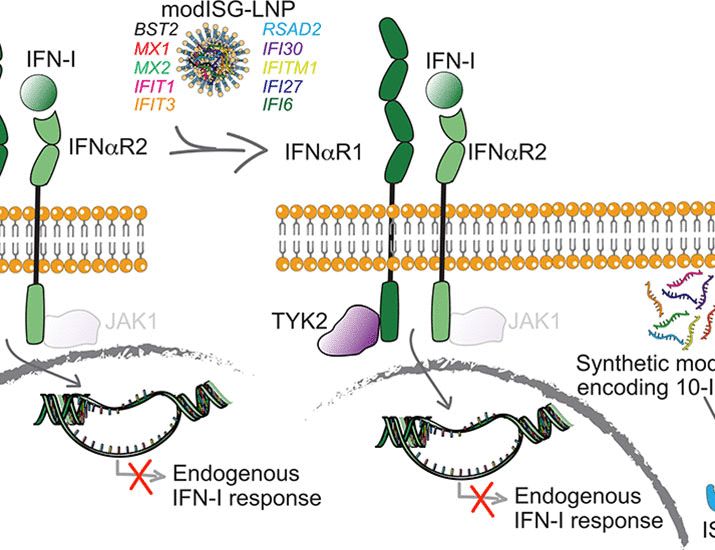
An mRNA-based broad-spectrum antiviral inspired by ISG15 deficiency protects against viral infections in vitro and in vivo
A human inborn error of immunity guided discovery and development of a prophylactic, mRNA-based antiviral.
www.science.org
August 13, 2025 at 8:06 PM
Latest by us! An mRNA-based broad-spectrum antiviral inspired by ISG15 deficiency protects against viral infections in vitro and in vivo | Science Translational Medicine www.science.org/doi/10.1126/...
Excited to participate in this symposium!
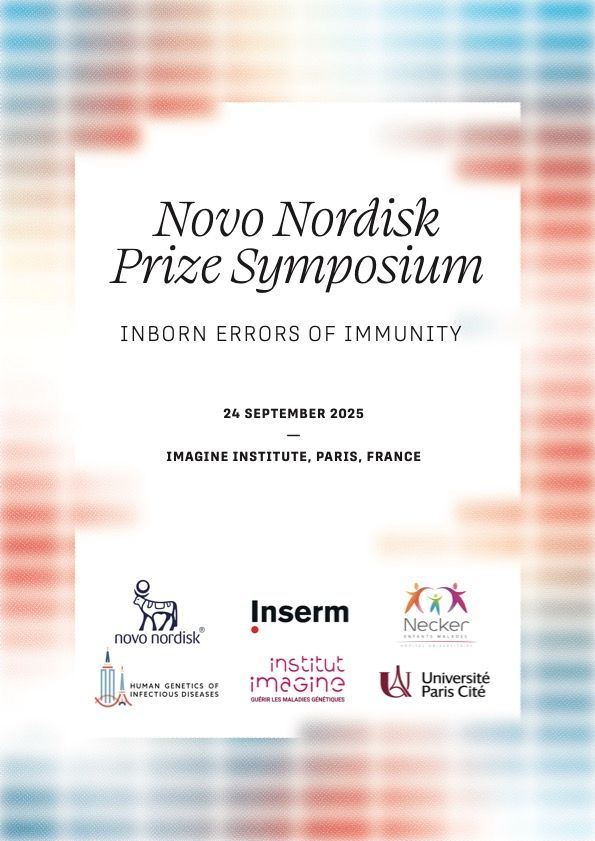
1/ Join us on 24 Sept 2025 at the @institutimagine.bsky.social in Paris for the Novo Nordisk Prize Symposium: Inborn Errors of Immunity. Registration is free at:
my.weezevent.com/novo-nordisk...
my.weezevent.com/novo-nordisk...
July 26, 2025 at 3:29 AM
Excited to participate in this symposium!
Very nice review on genetic insights to B cell development: rupress.org/jhi/article/... by @alneehus.bsky.social and @bloodgenes.bsky.social
Human genetic influences on early B cell development | Journal of Human Immunity | Rockefeller University Press
This review explores how genetic variation impacts early B cell development, highlighting key genes and pathways involved in lineage commitment, V(D)J reco
rupress.org
July 4, 2025 at 6:28 AM
Very nice review on genetic insights to B cell development: rupress.org/jhi/article/... by @alneehus.bsky.social and @bloodgenes.bsky.social
Reposted by Jonathan Bohlen
🥳Amazing publication from the Hornung lab, in collab. with the Carell lab, on the innate immune system: how modified RNA tricks the immune system. Big shout-out to the two first authors, Marleen Bérouti and Mirko Wagner! www.cell.com/cell/fulltex...
@v-hornung.bsky.social @m-berouti.bsky.social
@v-hornung.bsky.social @m-berouti.bsky.social
Innate immune system: How modified RNA tricks the immune system
Researchers at LMU have elucidated why certain RNA modifications do not trigger an immune response—a key mechanism for RNA therapeutics.
www.lmu.de
July 1, 2025 at 12:17 PM
🥳Amazing publication from the Hornung lab, in collab. with the Carell lab, on the innate immune system: how modified RNA tricks the immune system. Big shout-out to the two first authors, Marleen Bérouti and Mirko Wagner! www.cell.com/cell/fulltex...
@v-hornung.bsky.social @m-berouti.bsky.social
@v-hornung.bsky.social @m-berouti.bsky.social
Reposted by Jonathan Bohlen
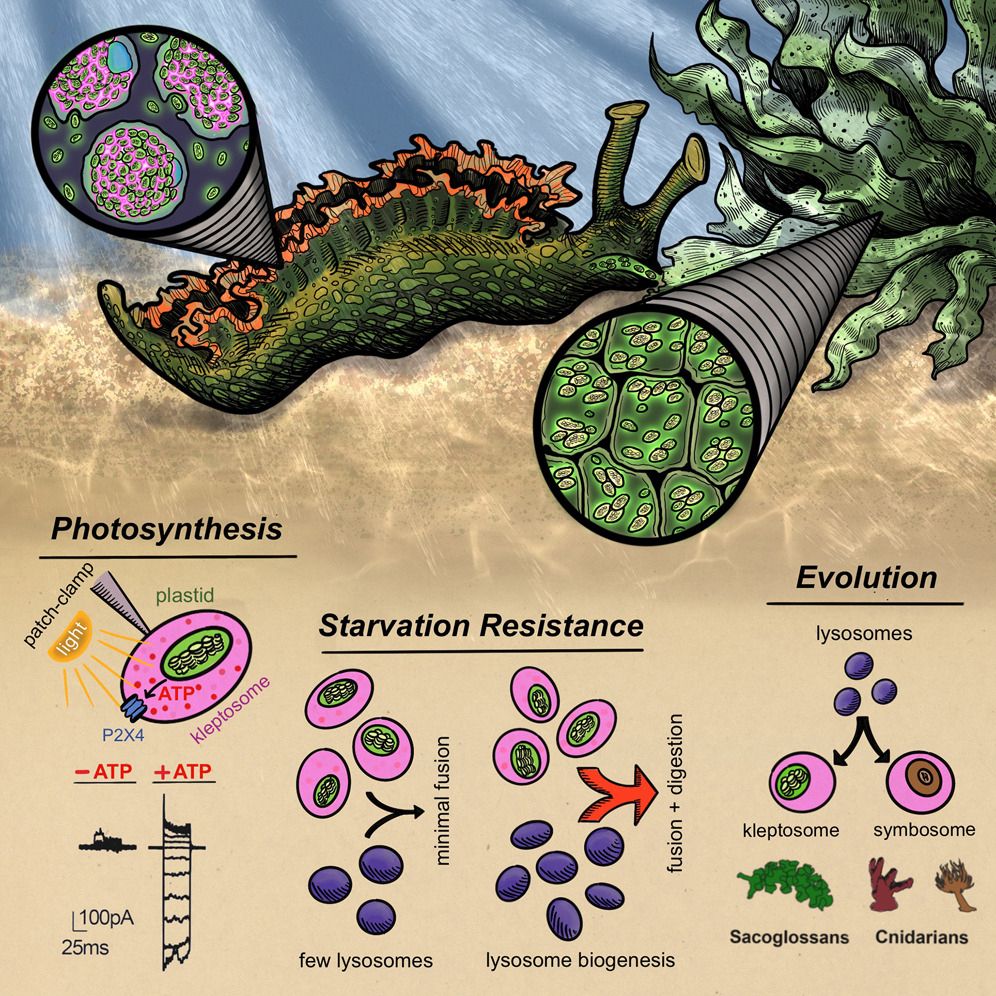
@nbellono.bsky.social and colleagues observed that Elysia sea slugs steal chloroplasts from algae and store them in specialized organelles called kleptosomes. During times of starvation, this allows them to photosynthesize in support of their energy needs! 🧪
www.cell.com/cell/abstrac...
www.cell.com/cell/abstrac...
June 27, 2025 at 10:16 AM
@nbellono.bsky.social and colleagues observed that Elysia sea slugs steal chloroplasts from algae and store them in specialized organelles called kleptosomes. During times of starvation, this allows them to photosynthesize in support of their energy needs! 🧪
www.cell.com/cell/abstrac...
www.cell.com/cell/abstrac...
Reposted by Jonathan Bohlen

No evidence for neutralizing IL1RN autoantibodies in our cohorts of MIS-C, SARS-CoV2 pneumonia or vaccine-induced myocarditis. onlinelibrary.wiley.com/doi/10.1111/... Great work by Anish Behere in Nils Landegren lab, Uppsala university
Evaluating IL1RA‐Autoantibodies Across SARS‐CoV‐2‐Related Diseases
Click on the article title to read more.
onlinelibrary.wiley.com
June 25, 2025 at 6:59 AM
No evidence for neutralizing IL1RN autoantibodies in our cohorts of MIS-C, SARS-CoV2 pneumonia or vaccine-induced myocarditis. onlinelibrary.wiley.com/doi/10.1111/... Great work by Anish Behere in Nils Landegren lab, Uppsala university
We are looking for motivated Master Students who are interested to start an internship or thesis in the fall. The project will focus on molecular biology of mRNA translation and is a great opportunity to master some staple methods. Please get in touch @genecenter-lmu.bsky.social tinyurl.com/3f3kwmja
Bohlen Lab - mRNA Translation in Human Immunity - Gene Center Munich - LMU Munich
www.genzentrum.uni-muenchen.de
June 17, 2025 at 6:50 AM
We are looking for motivated Master Students who are interested to start an internship or thesis in the fall. The project will focus on molecular biology of mRNA translation and is a great opportunity to master some staple methods. Please get in touch @genecenter-lmu.bsky.social tinyurl.com/3f3kwmja
Comprehensive and convincing report of a new IEI, with just a single patient! Congrats Stuart and the team. Stellar!

📢📢Published today in @jem.org 📢📢
New human inborn error of immunity.
We describe the first reported human with a monogenic disorder caused by the disruption of ZBTB7B, which encodes the transcription factor ThPOK.
rupress.org/jem/article/...
@ubcmedicine.bsky.social @bcchresearch.bsky.social
New human inborn error of immunity.
We describe the first reported human with a monogenic disorder caused by the disruption of ZBTB7B, which encodes the transcription factor ThPOK.
rupress.org/jem/article/...
@ubcmedicine.bsky.social @bcchresearch.bsky.social

May 21, 2025 at 6:20 AM
Comprehensive and convincing report of a new IEI, with just a single patient! Congrats Stuart and the team. Stellar!
Wow, very cool and unexpected findings!


May 17, 2025 at 12:31 PM
Wow, very cool and unexpected findings!
Fascinating!
New in @jem.org - Antunes et al. describe a pathogenic mutation in the deubiquitinase USP5 that is linked to congenital insensitivity to #pain. They show that mice with this mutation are hyposensitive to acute and chronic pain, and uncover the underlying mechanism. rupress.org/jem/article/...

May 16, 2025 at 6:38 PM
Fascinating!
Reposted by Jonathan Bohlen
A PhD position is open in my group here in Heidelberg. We'll use cool primary cell models of osteosarcoma and genetic screens to understand and overcome mechanisms of clinically acquired drug resistance. It'll be a blast!
karriere.klinikum.uni-heidelberg.de/index.php?ac...
karriere.klinikum.uni-heidelberg.de/index.php?ac...
PhD position in the biology and treatment of Osteosarcoma (m/f/d)
Pflichtfelder sind mit einem (*) markiert.
karriere.klinikum.uni-heidelberg.de
May 14, 2025 at 11:39 AM
A PhD position is open in my group here in Heidelberg. We'll use cool primary cell models of osteosarcoma and genetic screens to understand and overcome mechanisms of clinically acquired drug resistance. It'll be a blast!
karriere.klinikum.uni-heidelberg.de/index.php?ac...
karriere.klinikum.uni-heidelberg.de/index.php?ac...
Excited to welcome Evan and exchange ideas!
We're happy to welcome Evangelos Karousis next Monday! 🎉
He’ll be talking about “Decoding viral secrets using cell-free translation” 🧬
📅 May 12 🕐 1:15 PM ➡️Lynen Lecture Hall
Don’t miss it! 🤗✨
@karousislab.bsky.social @jonathanbohlen.bsky.social
@unibe.ch
He’ll be talking about “Decoding viral secrets using cell-free translation” 🧬
📅 May 12 🕐 1:15 PM ➡️Lynen Lecture Hall
Don’t miss it! 🤗✨
@karousislab.bsky.social @jonathanbohlen.bsky.social
@unibe.ch

May 8, 2025 at 7:55 AM
Excited to welcome Evan and exchange ideas!
Reposted by Jonathan Bohlen

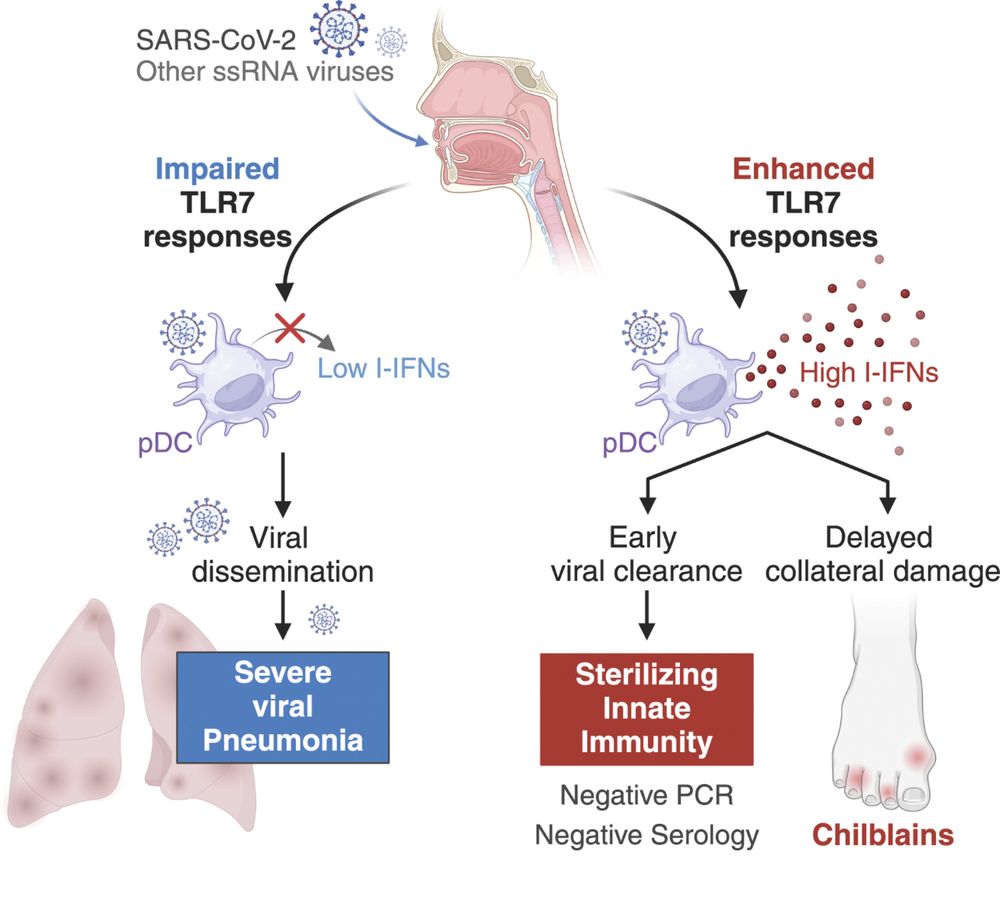
1/ One of the most intriguing enigmas of the #COVID19 pandemic was the sudden and unprecedented outbreak of chilblains that accompanied the early waves of #SARSCoV2 infections. Our new study in @jem.org uncovers the underlying immunological mechanism
rupress.org/jem/article/...
rupress.org/jem/article/...
April 18, 2025 at 9:54 PM
1/ One of the most intriguing enigmas of the #COVID19 pandemic was the sudden and unprecedented outbreak of chilblains that accompanied the early waves of #SARSCoV2 infections. Our new study in @jem.org uncovers the underlying immunological mechanism
rupress.org/jem/article/...
rupress.org/jem/article/...
Reposted by Jonathan Bohlen
Role of clonal inflammatory microglia in histiocytosis-associated neurodegeneration: Neuron www.cell.com/neuron/fullt...
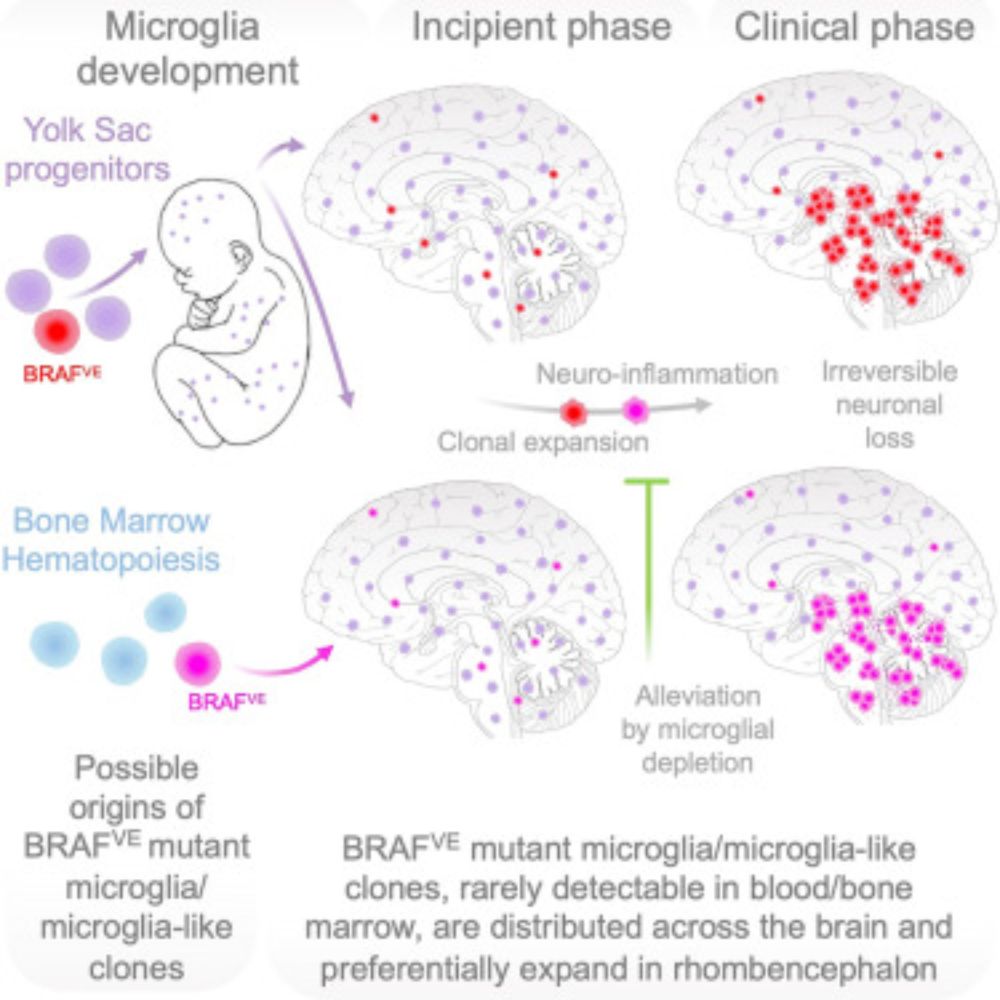
Role of clonal inflammatory microglia in histiocytosis-associated neurodegeneration
Vicario et al. detected microglial mosaicism in histiocytosis patients, predominantly
in the rhombencephalon gray nuclei and associated with astrocytosis, neuronal loss,
and neurological symptoms in p...
www.cell.com
March 14, 2025 at 8:38 PM
Role of clonal inflammatory microglia in histiocytosis-associated neurodegeneration: Neuron www.cell.com/neuron/fullt...
Reposted by Jonathan Bohlen

*******JOB ALERT*********
Join our team as a Postdoc or Research Assistant investigating the genetic basis of life-threatening infections in children @imperialcollege .
Apply now
🔗 rb.gy/1c6b3n #ScienceJobs #Postdoc #Immunology #IEI #Humangenetics @imperialinfect.bsky.social
Join our team as a Postdoc or Research Assistant investigating the genetic basis of life-threatening infections in children @imperialcollege .
Apply now
🔗 rb.gy/1c6b3n #ScienceJobs #Postdoc #Immunology #IEI #Humangenetics @imperialinfect.bsky.social

Description
Please note that job descriptions are not exhaustive, and you may be asked to take on additional duties that align with the key responsibilities ment...
rb.gy
February 18, 2025 at 4:50 PM
*******JOB ALERT*********
Join our team as a Postdoc or Research Assistant investigating the genetic basis of life-threatening infections in children @imperialcollege .
Apply now
🔗 rb.gy/1c6b3n #ScienceJobs #Postdoc #Immunology #IEI #Humangenetics @imperialinfect.bsky.social
Join our team as a Postdoc or Research Assistant investigating the genetic basis of life-threatening infections in children @imperialcollege .
Apply now
🔗 rb.gy/1c6b3n #ScienceJobs #Postdoc #Immunology #IEI #Humangenetics @imperialinfect.bsky.social
Very cool and surprising! A transcription factor is also a translation factor: www.biorxiv.org/content/10.1...

Posttranscriptional activity of the eukaryotic translation initiation factor eIF4E contributes to HoxA9-driven leukemogenesis
HoxA9, a homeodomain-containing transcription factor, is mis-expressed in over half of acute myeloid leukemia (AML) cases, and is associated with poor prognosis. Previous studies indicated that HoxA9 ...
www.biorxiv.org
February 18, 2025 at 8:13 AM
Very cool and surprising! A transcription factor is also a translation factor: www.biorxiv.org/content/10.1...