




Broad Institute
@broadinstitute.org
A multidisciplinary community of researchers with the mission to better understand the roots of disease and narrow the gap between new biological insights and impact for patients. Broadinstitute.org
A clinical trial is exploring whether a new genetic test can improve prostate cancer detection. Developed by Broad Clinical Labs & the US Department of Veterans Affairs, the low-cost test uses BCL’s blended genome-exome method and could help diagnose men earlier and help low-risk men avoid biopsies.

Clinical trial explores whether a genetic test can improve early detection of prostate cancer
The low-cost method, from Broad Clinical Labs and VA scientists, could potentially identify men at high risk who may benefit from earlier prostate cancer screening.
www.broadinstitute.org
February 9, 2026 at 5:48 PM
A clinical trial is exploring whether a new genetic test can improve prostate cancer detection. Developed by Broad Clinical Labs & the US Department of Veterans Affairs, the low-cost test uses BCL’s blended genome-exome method and could help diagnose men earlier and help low-risk men avoid biopsies.
Reposted by Broad Institute

Sensitive detection of cancer antigens enabled by user-defined peptide libraries - @broadinstitute.org go.nature.com/4kvvwUC

Sensitive detection of cancer antigens enabled by user-defined peptide libraries - Nature Biotechnology
Insights into regulatory T cell biology are accelerating therapeutic innovation in cancer immunotherapy, autoimmune diseases and transplant rejection.
go.nature.com
February 9, 2026 at 1:16 PM
Sensitive detection of cancer antigens enabled by user-defined peptide libraries - @broadinstitute.org go.nature.com/4kvvwUC
On Tuesday, February 24 at 6PM ET join us in Cambridge, MA (or online) for a Broad Discovery Series talk with Heidi Greulich and Matthew Meyerson, “The story behind a new therapy for lung cancer patients.”
Register: broadinstitute.swoogo.com/Discovery26
Register: broadinstitute.swoogo.com/Discovery26

February 5, 2026 at 3:38 PM
On Tuesday, February 24 at 6PM ET join us in Cambridge, MA (or online) for a Broad Discovery Series talk with Heidi Greulich and Matthew Meyerson, “The story behind a new therapy for lung cancer patients.”
Register: broadinstitute.swoogo.com/Discovery26
Register: broadinstitute.swoogo.com/Discovery26
Reposted by Broad Institute
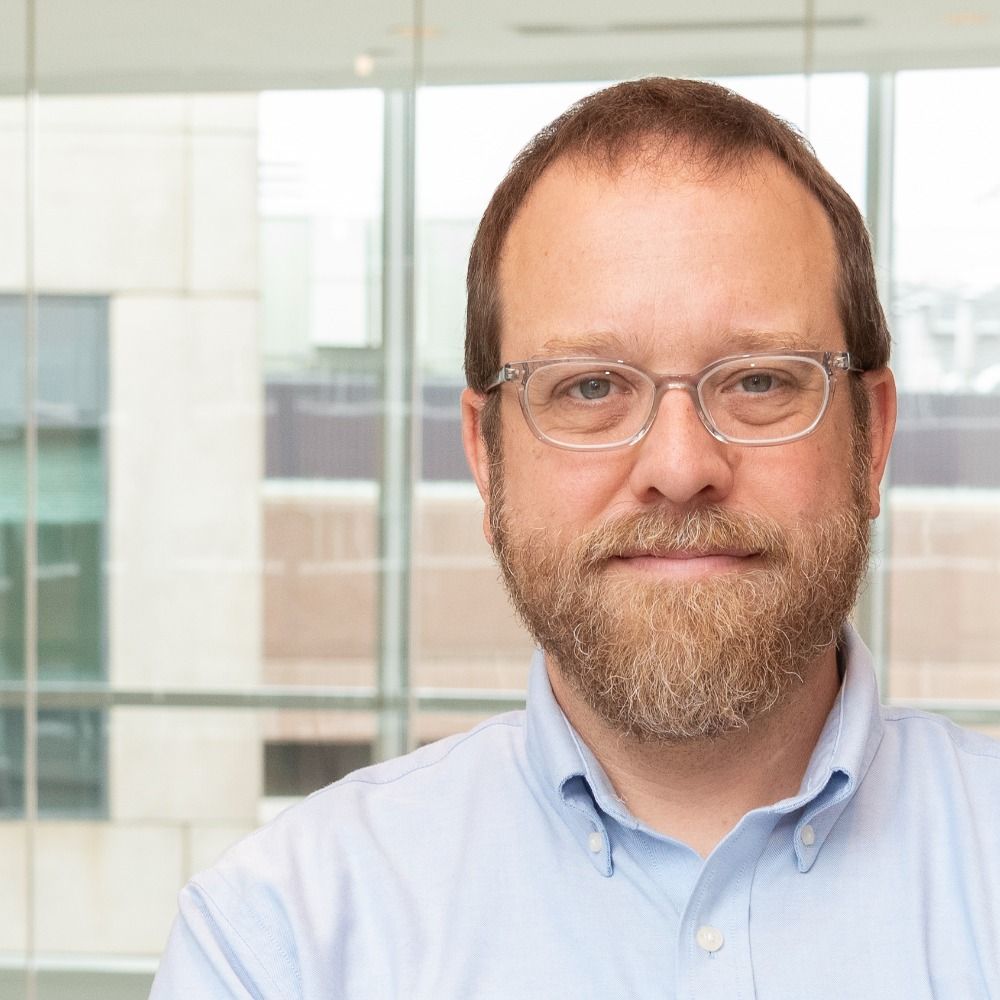
How did the latest targeted lung cancer drug, and the first FDA-approved treatment born of Broad science, come about? Come find out at the next talk in the Broad Discovery Series!
Join us on Tuesday, February 24 at 6PM ET in Cambridge, MA (or online) for a Broad Discovery Series talk with Heidi Greulich and Matthew Meyerson, “The story behind a new therapy for lung cancer patients.” Register: broadinstitute.swoogo.com/Discovery26
February 3, 2026 at 7:21 PM
How did the latest targeted lung cancer drug, and the first FDA-approved treatment born of Broad science, come about? Come find out at the next talk in the Broad Discovery Series!
Congratulations to @zhangf.bsky.social for being inducted into the National Inventors Hall of Fame!

Feng Zhang to be inducted into National Inventors Hall of Fame
Broad core member recognized for his innovations in gene editing and programmable therapeutics.
broad.io
February 2, 2026 at 3:30 PM
Congratulations to @zhangf.bsky.social for being inducted into the National Inventors Hall of Fame!
Join us on Tuesday, February 24 at 6PM ET in Cambridge, MA (or online) for a Broad Discovery Series talk with Heidi Greulich and Matthew Meyerson, “The story behind a new therapy for lung cancer patients.” Register: broadinstitute.swoogo.com/Discovery26
January 29, 2026 at 9:44 PM
Join us on Tuesday, February 24 at 6PM ET in Cambridge, MA (or online) for a Broad Discovery Series talk with Heidi Greulich and Matthew Meyerson, “The story behind a new therapy for lung cancer patients.” Register: broadinstitute.swoogo.com/Discovery26
Our genes play a role in determining the microbial community living in our mouths, according to a new study that analyzed over 12,500 oral microbiome profiles. Researchers found interactions between human & bacterial DNA that could influence dental health.

How genes influence the microbes in our mouths
Analysis of the now largest collection of oral microbiome profiles reveals interactions between human and bacterial DNA.
broad.io
January 28, 2026 at 5:08 PM
Our genes play a role in determining the microbial community living in our mouths, according to a new study that analyzed over 12,500 oral microbiome profiles. Researchers found interactions between human & bacterial DNA that could influence dental health.
A new gen-AI model, called DNA-Diffusion, creates short DNA sequences capable of turning genes on or off in specific cells. The researchers hope that the technology could one day be part of gene therapies to treat disease.

AI generates short DNA sequences that show promise for gene therapies
The generative AI model designed sequences that successfully reactivated a protective gene in leukemia cell lines.
broad.io
January 26, 2026 at 3:12 PM
A new gen-AI model, called DNA-Diffusion, creates short DNA sequences capable of turning genes on or off in specific cells. The researchers hope that the technology could one day be part of gene therapies to treat disease.
Reposted by Broad Institute

SciShow Field Trips is here!
For the first episode, we traveled to Feng Zhang's lab at the @broadinstitute.org. The MIT biochemist and HHMI Investigator is studying a set of microbial genes called TIGR, potentially the key to developing CRISPR's successor.
🎥 youtube.com/watch?v=_UimlaolxiA
For the first episode, we traveled to Feng Zhang's lab at the @broadinstitute.org. The MIT biochemist and HHMI Investigator is studying a set of microbial genes called TIGR, potentially the key to developing CRISPR's successor.
🎥 youtube.com/watch?v=_UimlaolxiA


January 20, 2026 at 10:24 PM
SciShow Field Trips is here!
For the first episode, we traveled to Feng Zhang's lab at the @broadinstitute.org. The MIT biochemist and HHMI Investigator is studying a set of microbial genes called TIGR, potentially the key to developing CRISPR's successor.
🎥 youtube.com/watch?v=_UimlaolxiA
For the first episode, we traveled to Feng Zhang's lab at the @broadinstitute.org. The MIT biochemist and HHMI Investigator is studying a set of microbial genes called TIGR, potentially the key to developing CRISPR's successor.
🎥 youtube.com/watch?v=_UimlaolxiA
Reposted by Broad Institute
Excited to share our latest study in Cell Genomics, combining single-nucleus RNA-seq, spatial transcriptomics, and histology to dissect the molecular determinants of lung fibrosis!
www.cell.com/cell-genomic...
#fibrosis #lung #ILD
www.cell.com/cell-genomic...
#fibrosis #lung #ILD

Spatial transcriptomics reveals altered communities and drivers of aberrant epithelia and pro-fibrotic fibroblasts in interstitial lung diseases
Using single-nucleus RNA sequencing and spatial transcriptomics, Jaiswal et al. identify
disease-associated cell communities that include aberrant transitional alveolar epithelium
and pro-fibrotic fib...
www.cell.com
January 22, 2026 at 8:26 PM
Excited to share our latest study in Cell Genomics, combining single-nucleus RNA-seq, spatial transcriptomics, and histology to dissect the molecular determinants of lung fibrosis!
www.cell.com/cell-genomic...
#fibrosis #lung #ILD
www.cell.com/cell-genomic...
#fibrosis #lung #ILD
Reposted by Broad Institute

First stop on our Field Trip tour is Dr. Feng Zhang's lab at the Broad Institute.
You may already be familiar with Dr. Zhang’s work if you’ve ever heard of CRISPR… but how do you follow up a hit like that?
That’s a story big enough to tell in person.
youtu.be/_UimlaolxiA?...
You may already be familiar with Dr. Zhang’s work if you’ve ever heard of CRISPR… but how do you follow up a hit like that?
That’s a story big enough to tell in person.
youtu.be/_UimlaolxiA?...


January 20, 2026 at 6:09 PM
First stop on our Field Trip tour is Dr. Feng Zhang's lab at the Broad Institute.
You may already be familiar with Dr. Zhang’s work if you’ve ever heard of CRISPR… but how do you follow up a hit like that?
That’s a story big enough to tell in person.
youtu.be/_UimlaolxiA?...
You may already be familiar with Dr. Zhang’s work if you’ve ever heard of CRISPR… but how do you follow up a hit like that?
That’s a story big enough to tell in person.
youtu.be/_UimlaolxiA?...
New study shows a human genetics-to-medicines pipeline that worked in finding new drug candidates for Crohn’s disease. The molecules mimic the effects of a gene variant that protects against chronic inflammation.

Scientists develop molecules that may treat Crohn’s disease
The molecules mimic a gene variant that protects against Crohn’s, demonstrating a roadmap for using genetics to develop therapies for inflammatory bowel disease and other chronic inflammatory disorder...
broad.io
January 16, 2026 at 4:54 PM
New study shows a human genetics-to-medicines pipeline that worked in finding new drug candidates for Crohn’s disease. The molecules mimic the effects of a gene variant that protects against chronic inflammation.
Reposted by Broad Institute
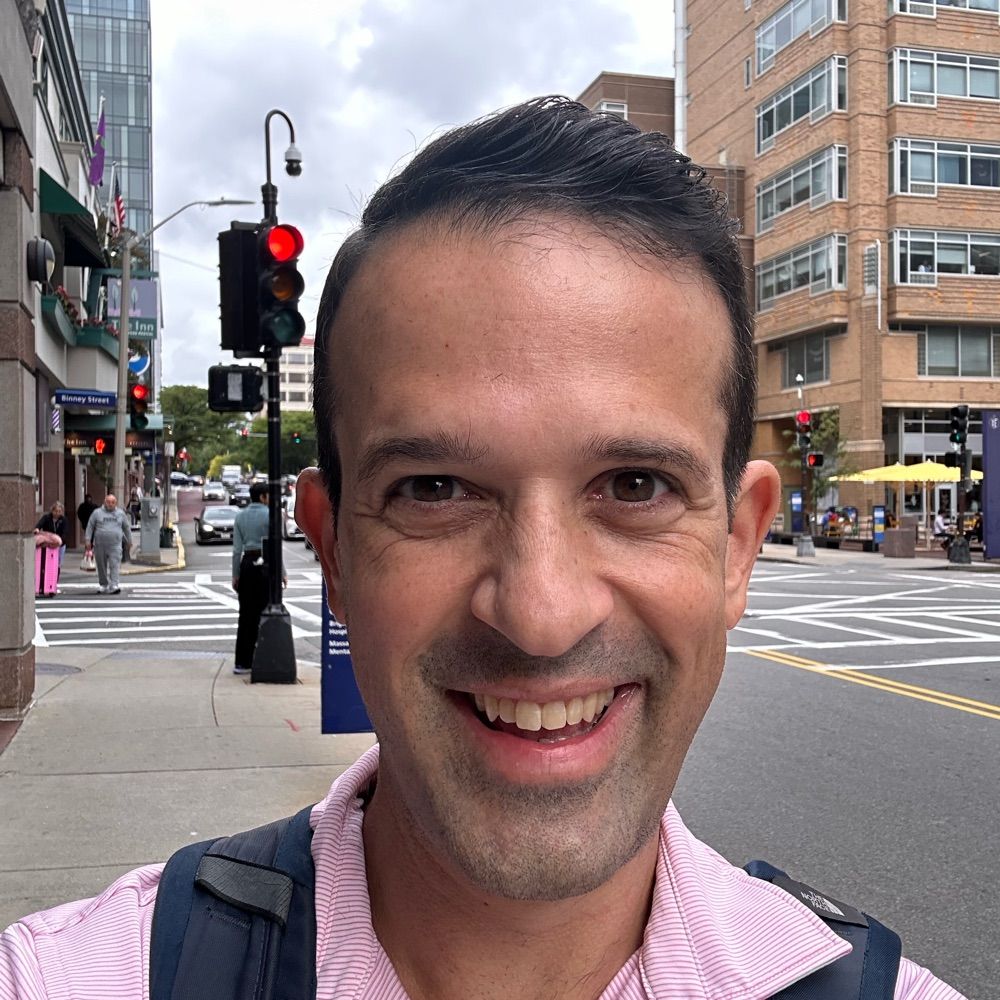
In 2021 @janewit-thekidgene.bsky.social joined our lab & decided to define the prevalence & clinical correlates of known genetic forms of nephrotic syndrome among an unselected group of adults. 5 yrs later, we're excited to share what he found; a 🧵 kidney-international.org/article/S008...

January 12, 2026 at 8:25 PM
In 2021 @janewit-thekidgene.bsky.social joined our lab & decided to define the prevalence & clinical correlates of known genetic forms of nephrotic syndrome among an unselected group of adults. 5 yrs later, we're excited to share what he found; a 🧵 kidney-international.org/article/S008...
Reposted by Broad Institute
Very excited to share our latest work in @Nature integrating single-cell & spatial transcriptomics with bidirectional CRISPR screens to unravel an immune–stromal cell circuit dependent on the transcription factor GLIS3 that regulates intestinal fibrosis during chronic inflammation. Congrats, Vlad!
Newly uncovered pathway behind tissue scarring, or fibrosis, in inflammatory bowel disease suggests new treatment strategies for the dangerous condition.

Researchers uncover molecular roots of fibrosis or tissue scarring in inflammatory bowel disease
New study finds a biological pathway responsible for dangerous scarring, which could possibly be targeted by new treatments.
broad.io
January 7, 2026 at 8:58 PM
Very excited to share our latest work in @Nature integrating single-cell & spatial transcriptomics with bidirectional CRISPR screens to unravel an immune–stromal cell circuit dependent on the transcription factor GLIS3 that regulates intestinal fibrosis during chronic inflammation. Congrats, Vlad!
Newly uncovered pathway behind tissue scarring, or fibrosis, in inflammatory bowel disease suggests new treatment strategies for the dangerous condition.
Researchers uncover molecular roots of fibrosis or tissue scarring in inflammatory bowel disease
New study finds a biological pathway responsible for dangerous scarring, which could possibly be targeted by new treatments.
broad.io
January 7, 2026 at 7:34 PM
Newly uncovered pathway behind tissue scarring, or fibrosis, in inflammatory bowel disease suggests new treatment strategies for the dangerous condition.
Reposted by Broad Institute

A new study led by #NASmember Feng Zhang suggests a way to rejuvenate the immune system. By temporarily programming cells in the liver, researchers at MIT and @broadinstitute.org were able to improve T-cell function and enhance vaccine response.
Read more: news.mit.edu/2025/new-stu...
Read more: news.mit.edu/2025/new-stu...

New study suggests a way to rejuvenate the immune system
MIT and Broad Institute researchers found a way to overcome age-related immune system decline by temporarily programming liver cells to take over the maturation of T cells. Using mRNA, the researchers...
news.mit.edu
December 23, 2025 at 3:58 PM
A new study led by #NASmember Feng Zhang suggests a way to rejuvenate the immune system. By temporarily programming cells in the liver, researchers at MIT and @broadinstitute.org were able to improve T-cell function and enhance vaccine response.
Read more: news.mit.edu/2025/new-stu...
Read more: news.mit.edu/2025/new-stu...
Reposted by Broad Institute
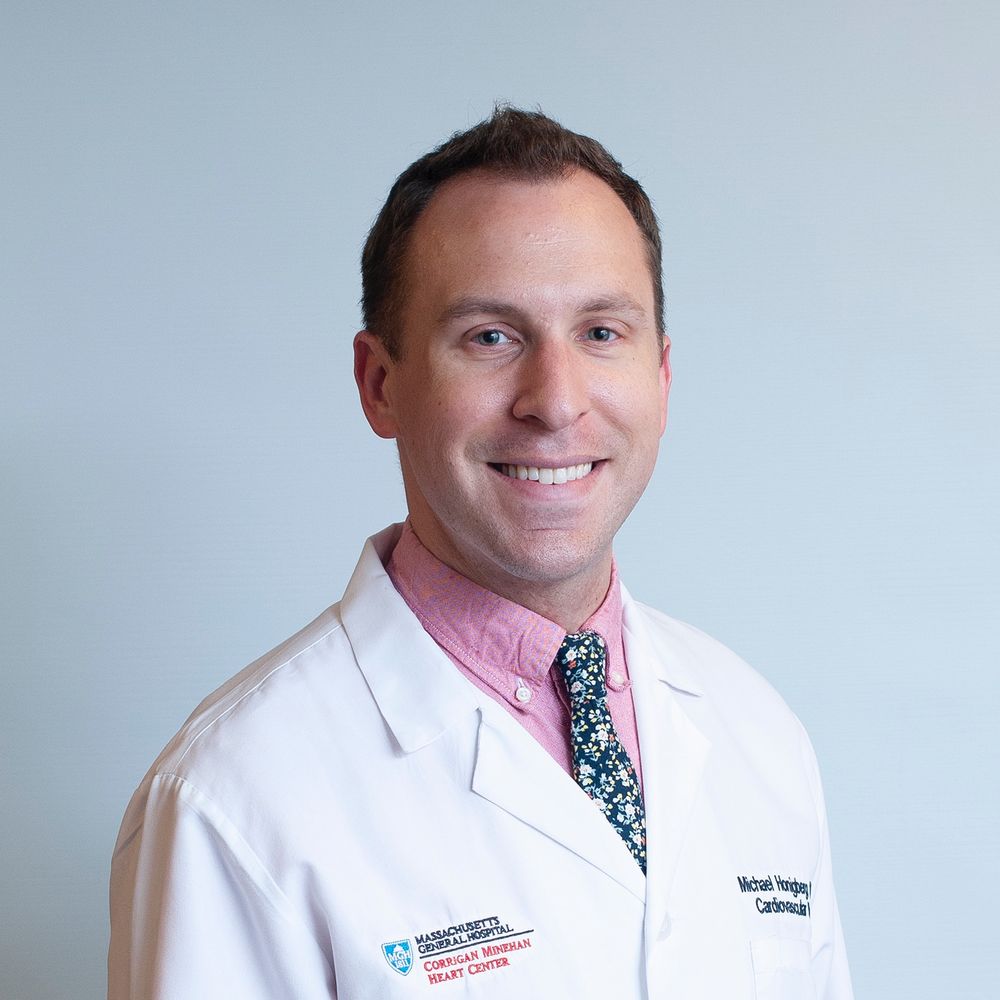
📣 We’re hiring!
My team at Mass General Brigham / @broadinstitute.org is growing:
• Postdoc (PhD; human 🧬 & multi-omics)
• Research fellow (clinical trials & epi; 2-yr)
• Computational associate
Join a collaborative, high-impact 🫀 precision medicine team.
DM or email mhonigberg@mgb.org
My team at Mass General Brigham / @broadinstitute.org is growing:
• Postdoc (PhD; human 🧬 & multi-omics)
• Research fellow (clinical trials & epi; 2-yr)
• Computational associate
Join a collaborative, high-impact 🫀 precision medicine team.
DM or email mhonigberg@mgb.org
January 7, 2026 at 1:54 AM
📣 We’re hiring!
My team at Mass General Brigham / @broadinstitute.org is growing:
• Postdoc (PhD; human 🧬 & multi-omics)
• Research fellow (clinical trials & epi; 2-yr)
• Computational associate
Join a collaborative, high-impact 🫀 precision medicine team.
DM or email mhonigberg@mgb.org
My team at Mass General Brigham / @broadinstitute.org is growing:
• Postdoc (PhD; human 🧬 & multi-omics)
• Research fellow (clinical trials & epi; 2-yr)
• Computational associate
Join a collaborative, high-impact 🫀 precision medicine team.
DM or email mhonigberg@mgb.org
Reposted by Broad Institute

Out today in @cp-cell.bsky.social! We studied how environmental stresses like high-fat diets today can prime tumorigenesis months to years in the future (1/n)

December 22, 2025 at 4:35 PM
Out today in @cp-cell.bsky.social! We studied how environmental stresses like high-fat diets today can prime tumorigenesis months to years in the future (1/n)
Study by @ragoninstitute.bsky.social, @mitkochinstitute.bsky.social, @broadinstitute.org team - including @constantine-sci.bsky.social, @drshay.bsky.social, and @shaleklab.bsky.social - suggests a high-fat diet puts liver cells in a state that makes them more susceptible to cancer-causing mutations

High-fat diets make liver cells more likely to become cancerous
Liver cells exposed to too much fat may revert to an immature state that is more susceptible to cancer-causing mutations.
www.broadinstitute.org
December 22, 2025 at 6:07 PM
Study by @ragoninstitute.bsky.social, @mitkochinstitute.bsky.social, @broadinstitute.org team - including @constantine-sci.bsky.social, @drshay.bsky.social, and @shaleklab.bsky.social - suggests a high-fat diet puts liver cells in a state that makes them more susceptible to cancer-causing mutations
Our immune system declines with age. Now the lab of @zhangf.bsky.social has found a way to overcome this decline by temporarily programming liver cells to improve T cells’ ability to fight infection.

New study suggests a way to rejuvenate the immune system
Stimulating the liver to produce some of the signals of the thymus can reverse age-related declines in T-cell populations and enhance response to vaccination.
broad.io
December 17, 2025 at 5:19 PM
Our immune system declines with age. Now the lab of @zhangf.bsky.social has found a way to overcome this decline by temporarily programming liver cells to improve T cells’ ability to fight infection.
Broad and @mgbresearch.bsky.social scientists discovered a potential new drug target for Friedreich’s ataxia, a rare but devastating genetic disorder.

Findings point to path forward for treatment of rare genetic disease
Researchers from Mass General Brigham and the Broad Institute have discovered a potential drug target for the mitochondrial disorder Friedreich’s ataxia, suggesting a path for the development of new m...
broad.io
December 10, 2025 at 5:48 PM
Broad and @mgbresearch.bsky.social scientists discovered a potential new drug target for Friedreich’s ataxia, a rare but devastating genetic disorder.
Reposted by Broad Institute

Drs. Matthew Meyerson and Heidi Greulich from the @broadinstitute.org sit down and discuss how they and Bayer scientists developed the first FDA-approved #CancerDrug to come from a Broad scientific discovery.
🤝 Learn more about their academic-industry alliance: https://bit.ly/4ruQNRl
🤝 Learn more about their academic-industry alliance: https://bit.ly/4ruQNRl

December 3, 2025 at 10:40 PM
Drs. Matthew Meyerson and Heidi Greulich from the @broadinstitute.org sit down and discuss how they and Bayer scientists developed the first FDA-approved #CancerDrug to come from a Broad scientific discovery.
🤝 Learn more about their academic-industry alliance: https://bit.ly/4ruQNRl
🤝 Learn more about their academic-industry alliance: https://bit.ly/4ruQNRl
Congratulations to the recipients of the 2025 BroadIgnite Awards: Pierre Ankomah, Fabio Cunial, Jordan Doman, Ana Gonzalez Ramos, Sarah Pierce, Avanthi Raghavan, and Jackson Weir! Learn how BroadIgnite helps early-career scientists drive biology forward: broad.io/BI2025.

December 4, 2025 at 7:59 PM
Congratulations to the recipients of the 2025 BroadIgnite Awards: Pierre Ankomah, Fabio Cunial, Jordan Doman, Ana Gonzalez Ramos, Sarah Pierce, Avanthi Raghavan, and Jackson Weir! Learn how BroadIgnite helps early-career scientists drive biology forward: broad.io/BI2025.
LAST CALL! Nominations close Friday, December 5 for the 2026 Merkin Prize in Biomedical Technology 🏆. Nominate: merkinprize.org
The 2025 Merkin Prize was awarded to the pioneering scientists behind CAR T-cell therapy. Learn more: youtube.com/watch?v=YM9R...
Video credit: HPN Health
The 2025 Merkin Prize was awarded to the pioneering scientists behind CAR T-cell therapy. Learn more: youtube.com/watch?v=YM9R...
Video credit: HPN Health

December 3, 2025 at 6:57 PM
LAST CALL! Nominations close Friday, December 5 for the 2026 Merkin Prize in Biomedical Technology 🏆. Nominate: merkinprize.org
The 2025 Merkin Prize was awarded to the pioneering scientists behind CAR T-cell therapy. Learn more: youtube.com/watch?v=YM9R...
Video credit: HPN Health
The 2025 Merkin Prize was awarded to the pioneering scientists behind CAR T-cell therapy. Learn more: youtube.com/watch?v=YM9R...
Video credit: HPN Health
Reposted by Broad Institute
A just-published study by Elinor Karlsson, PhD, and Kathryn Lord, PhD, in @pnas.org found no evidence of behavior-associated genetic variations in dogs: direc.to/oaxf
Genetic tests only revealed strong associations for traits like height & leg length. #dogs @elinork.bsky.social @broadinstitute.org
Genetic tests only revealed strong associations for traits like height & leg length. #dogs @elinork.bsky.social @broadinstitute.org

November 24, 2025 at 9:04 PM
A just-published study by Elinor Karlsson, PhD, and Kathryn Lord, PhD, in @pnas.org found no evidence of behavior-associated genetic variations in dogs: direc.to/oaxf
Genetic tests only revealed strong associations for traits like height & leg length. #dogs @elinork.bsky.social @broadinstitute.org
Genetic tests only revealed strong associations for traits like height & leg length. #dogs @elinork.bsky.social @broadinstitute.org