


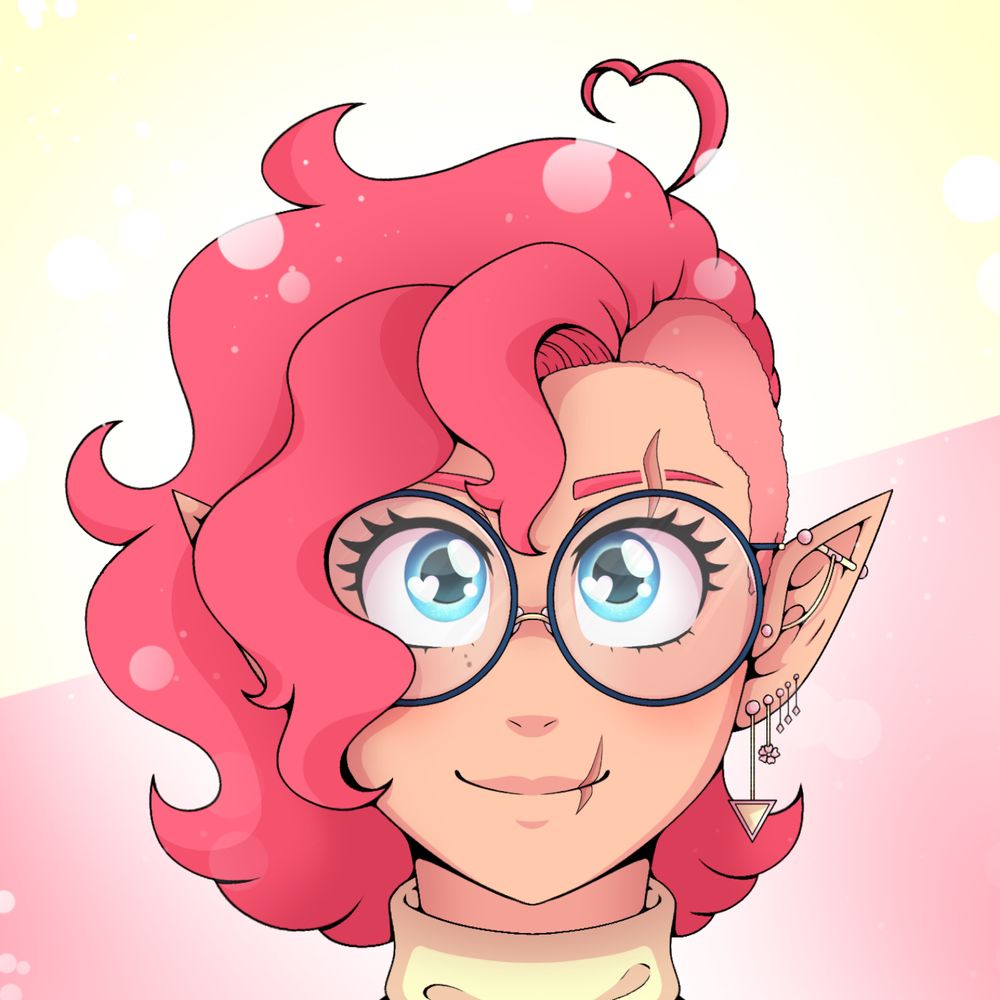
Meet Superintendent Ojiwara. He's a wildcard that Director Ginno can't quite keep in line, but his uses outweigh whatever chaos he might cause. Despite his Quirk, no one in recent years has actually heard him sing.
#mha #mhaoc #charactersheet #superintendentojiwara
#mha #mhaoc #charactersheet #superintendentojiwara

December 16, 2025 at 2:31 AM
Meet Superintendent Ojiwara. He's a wildcard that Director Ginno can't quite keep in line, but his uses outweigh whatever chaos he might cause. Despite his Quirk, no one in recent years has actually heard him sing.
#mha #mhaoc #charactersheet #superintendentojiwara
#mha #mhaoc #charactersheet #superintendentojiwara

Hazards of hypnotics and barriers to sleep in older people

Hazards of hypnotics and barriers to sleep in older people
Read this article to learn how ageing and illness can affect sleep.
www.nursingtimes.net
December 8, 2025 at 2:00 PM
Hazards of hypnotics and barriers to sleep in older people

Hazards of hypnotics and barriers to sleep in older people
This first article in a series looks at how ageing and illness can affect sleep and why hypnotic medicines are rarely the answer. This is a Journal Club article. #sleep #nursing #hypnoHazards #hypnotics
www.nursingtimes.net/public-healt...
This first article in a series looks at how ageing and illness can affect sleep and why hypnotic medicines are rarely the answer. This is a Journal Club article. #sleep #nursing #hypnoHazards #hypnotics
www.nursingtimes.net/public-healt...
www.nursingtimes.net
December 8, 2025 at 9:44 AM
Hazards of hypnotics and barriers to sleep in older people
This first article in a series looks at how ageing and illness can affect sleep and why hypnotic medicines are rarely the answer. This is a Journal Club article. #sleep #nursing #hypnoHazards #hypnotics
www.nursingtimes.net/public-healt...
This first article in a series looks at how ageing and illness can affect sleep and why hypnotic medicines are rarely the answer. This is a Journal Club article. #sleep #nursing #hypnoHazards #hypnotics
www.nursingtimes.net/public-healt...
I'm frustratingly resistant to all the stuff that's supposed to slow me down like benzos, opioids, hypnotics etc but I'm weirdly sensitive to the brain modulators like memantine and pregabalin. Bodies are weird.
December 7, 2025 at 7:09 PM
I'm frustratingly resistant to all the stuff that's supposed to slow me down like benzos, opioids, hypnotics etc but I'm weirdly sensitive to the brain modulators like memantine and pregabalin. Bodies are weird.

You can't sleep on Ambien.
What a great and useful drug. People should be handed more poorly understood, powerful hypnotics.
What a great and useful drug. People should be handed more poorly understood, powerful hypnotics.
November 29, 2025 at 2:35 PM
You can't sleep on Ambien.
What a great and useful drug. People should be handed more poorly understood, powerful hypnotics.
What a great and useful drug. People should be handed more poorly understood, powerful hypnotics.
reward time in the mirror room, staring at her own reflection, all those hypnotics swallowing her deep. touching herself, controlled hands roaming all over her body like a possessive partner, frightened eyes gazing into her sultry gaze, moans synchronised with subliminal tones, seducing herself
November 24, 2025 at 9:16 PM
reward time in the mirror room, staring at her own reflection, all those hypnotics swallowing her deep. touching herself, controlled hands roaming all over her body like a possessive partner, frightened eyes gazing into her sultry gaze, moans synchronised with subliminal tones, seducing herself

Sleep is essential to health, but health is no better with most sleep meds.
By avoiding benzos, z-hypnotics, trazodone after age 50, people will live a little longer, have fewer falls, better cognition:
pubmed.ncbi.nlm.nih.gov/41209816
Natural ways to improve sleep:
chrisaikenmd.com/brochures
By avoiding benzos, z-hypnotics, trazodone after age 50, people will live a little longer, have fewer falls, better cognition:
pubmed.ncbi.nlm.nih.gov/41209816
Natural ways to improve sleep:
chrisaikenmd.com/brochures

November 20, 2025 at 1:02 PM
Sleep is essential to health, but health is no better with most sleep meds.
By avoiding benzos, z-hypnotics, trazodone after age 50, people will live a little longer, have fewer falls, better cognition:
pubmed.ncbi.nlm.nih.gov/41209816
Natural ways to improve sleep:
chrisaikenmd.com/brochures
By avoiding benzos, z-hypnotics, trazodone after age 50, people will live a little longer, have fewer falls, better cognition:
pubmed.ncbi.nlm.nih.gov/41209816
Natural ways to improve sleep:
chrisaikenmd.com/brochures

#MusicInMusic #MusicChallenge #MusicSky | 20
"Barkmarket
AC/DC
Monster Magnet
Cheap Trick
Thee Hypnotics
Small Faces
Motörhead
TC Matic
MC5
ELO
CCR
T-Rex
Van Halen
Pretty Things
Nirvana..."
"Teachers" by Soulwax ("Nite Versions", 2005; original by Daft Punk, 1997)
#Electro #Leftfield
"Barkmarket
AC/DC
Monster Magnet
Cheap Trick
Thee Hypnotics
Small Faces
Motörhead
TC Matic
MC5
ELO
CCR
T-Rex
Van Halen
Pretty Things
Nirvana..."
"Teachers" by Soulwax ("Nite Versions", 2005; original by Daft Punk, 1997)
#Electro #Leftfield
November 20, 2025 at 2:27 AM
#MusicInMusic #MusicChallenge #MusicSky | 20
"Barkmarket
AC/DC
Monster Magnet
Cheap Trick
Thee Hypnotics
Small Faces
Motörhead
TC Matic
MC5
ELO
CCR
T-Rex
Van Halen
Pretty Things
Nirvana..."
"Teachers" by Soulwax ("Nite Versions", 2005; original by Daft Punk, 1997)
#Electro #Leftfield
"Barkmarket
AC/DC
Monster Magnet
Cheap Trick
Thee Hypnotics
Small Faces
Motörhead
TC Matic
MC5
ELO
CCR
T-Rex
Van Halen
Pretty Things
Nirvana..."
"Teachers" by Soulwax ("Nite Versions", 2005; original by Daft Punk, 1997)
#Electro #Leftfield
www.wwltv.com/article/news...
#Slidell,LA
She was going forward in the vehicle.
Please: don’t consume alcohol with CNS depressants. This includes benzos, barbiturates, hypnotics & the like.
It was before 7 o’clock in the morning.
Don’t drive impaired.
#Slidell,LA
She was going forward in the vehicle.
Please: don’t consume alcohol with CNS depressants. This includes benzos, barbiturates, hypnotics & the like.
It was before 7 o’clock in the morning.
Don’t drive impaired.

'Parent's worst nightmare': Grandmother arrested after 5-year-old fatally struck by SUV in driveway, Slidell police say
Police said the child was waiting for the school bus in the driveway when an SUV driven by his grandmother struck him.
www.wwltv.com
November 13, 2025 at 9:29 PM
www.wwltv.com/article/news...
#Slidell,LA
She was going forward in the vehicle.
Please: don’t consume alcohol with CNS depressants. This includes benzos, barbiturates, hypnotics & the like.
It was before 7 o’clock in the morning.
Don’t drive impaired.
#Slidell,LA
She was going forward in the vehicle.
Please: don’t consume alcohol with CNS depressants. This includes benzos, barbiturates, hypnotics & the like.
It was before 7 o’clock in the morning.
Don’t drive impaired.

Thee Hypnotics - Soul Trader HD
YouTube video by Beggars Banquet Records
youtu.be
November 13, 2025 at 9:04 PM
#CatchThePhrase #MusicChallenge | 103
'55 million & that's just the start of it!'
Thee Hypnotics
Justice In Freedom
youtu.be/mQn7jUazYco?...
'55 million & that's just the start of it!'
Thee Hypnotics
Justice In Freedom
youtu.be/mQn7jUazYco?...
November 10, 2025 at 11:33 PM
#CatchThePhrase #MusicChallenge | 103
'55 million & that's just the start of it!'
Thee Hypnotics
Justice In Freedom
youtu.be/mQn7jUazYco?...
'55 million & that's just the start of it!'
Thee Hypnotics
Justice In Freedom
youtu.be/mQn7jUazYco?...

*throws you in the trash*
man no power of hypnotics having ass >:( /j
man no power of hypnotics having ass >:( /j
November 6, 2025 at 6:21 AM
*throws you in the trash*
man no power of hypnotics having ass >:( /j
man no power of hypnotics having ass >:( /j

"Nonbenzodiazepine Hypnotics - Zolpidem Mechanism, Uses, and Side Effects" ( www.vhtc.org/2025/11/nonb... )

Nonbenzodiazepine Hypnotics - Zolpidem Mechanism, Uses, and Side Effects
Nonbenzodiazepine Hypnotics like Zolpidem (Ambien). Understand their mechanism, clinical uses, side effects, and nursing considerations in a simple.
www.vhtc.org
November 4, 2025 at 6:42 AM
"Nonbenzodiazepine Hypnotics - Zolpidem Mechanism, Uses, and Side Effects" ( www.vhtc.org/2025/11/nonb... )

Nonbenzodiazepine Hypnotics - Zolpidem Mechanism, Uses, and Side Effects
https://www.vhtc.org/2025/11/nonbenzodiazepine-hypnotics-zolpidem-mechanism-uses-side-effects.html
https://www.vhtc.org/2025/11/nonbenzodiazepine-hypnotics-zolpidem-mechanism-uses-side-effects.html

Nonbenzodiazepine Hypnotics - Zolpidem Mechanism, Uses, and Side Effects
**Nonbenzodiazepine Hypnotics -** Sleep is one of the most vital physiological functions of the human body. When it is disrupted, either due to stress, anxiety, or sleep disorders, medications known as **hypnotics** are often prescribed to restore healthy sleep patterns.
Among these, **nonbenzodiazepine hypnotics** — such as **Zolpidem (Ambien)** — are popular because they help induce sleep with fewer side effects and less risk of dependence compared to traditional benzodiazepines.
This guide provides a comprehensive yet easy-to-understand overview of **Zolpidem** , its **mechanism of action, uses, side effects, interactions, and nursing care points**.
## **What Are Nonbenzodiazepine Hypnotics?**
Nonbenzodiazepine hypnotics (often called **“Z-drugs”**) are medications that help people fall asleep and stay asleep by acting on the brain’s **GABA receptors** — just like benzodiazepines — but with **different chemical structures** and **shorter half-lives**.
They are preferred for **short-term management of insomnia** because they:
* Work quickly (within minutes)
* Have minimal residual drowsiness the next day
* Have a lower risk of tolerance and addiction
Common examples include:
* **Zolpidem (Ambien)**
* **Zaleplon (Sonata)**
* **Eszopiclone (Lunesta)**
**
**
**
**
## **Zolpidem (Ambien): Overview**
### **Class**
* **Pharmacologic (P):** Imidazopyridine
* **Therapeutic (T):** Hypnotic / Sedative
### **Brand Names:**
Ambien, Edluar, Intermezzo, Zolpimist
## **Mechanism of Action (MOA)**
Zolpidem enhances the effects of **GABA (Gamma-Aminobutyric Acid)** , the main inhibitory neurotransmitter in the central nervous system (CNS).
It selectively binds to the **GABA-A receptor complex** — specifically the **alpha-1 subunit** — to increase chloride ion influx into neurons, leading to **neuronal hyperpolarization** and **CNS depression**.
This results in:
* Induction of sleep (hypnotic effect)
* Relaxation of muscles
* Reduction of anxiety at bedtime
> **Mnemonic:**
> “Zolpidem helps you ‘doze off’ by calming brain activity through GABA enhancement.”
## **Clinical Uses**
**Indication**| **Description**
---|---
**Insomnia (short-term treatment)**| Helps patients fall asleep faster and stay asleep longer
**Sleep initiation difficulties**| Ideal for those who struggle to fall asleep at night
**Transient sleep disturbances**| Stress-related or jet lag-related insomnia
> Zolpidem should be prescribed only for **short-term use (usually 7–10 days)** to prevent tolerance and dependence.
## **Adverse Effects of Zolpidem**
Mnemonic: **D.R.E.A.M.S.**
_(Think of Zolpidem giving “sweet DREAMS,” but each letter represents a side effect.)_
Letter| Side Effect| Description
---|---|---
**D**| **Daytime Sleepiness**| Residual drowsiness may affect alertness the next day
**R**| **Recurrent Headache**| Common due to CNS depression
**E**| **Ear Dizziness (Vertigo)**| Balance issues or lightheadedness
**A**| **Abdominal Discomfort (n/v/d)**| GI irritation in some patients
**M**| **Myalgia**| Muscle pain or fatigue
**S**| **Sleepwalking / Sleep Behaviors**| Performing tasks like eating, driving, or talking during sleep
> **Black Box Warning:**
> Zolpidem may cause **complex sleep behaviors** such as **sleepwalking, sleep talking, or even sleep driving** , which can be dangerous and occur without memory of the event.
## **Drug Interactions**
**1. Grapefruit Juice**
– Decreases the metabolism of Zolpidem → increases risk of side effects.
**2. Opioids or CNS Depressants**
– Additive effects → increased risk of **respiratory depression** and **extreme sedation**.
**3. Alcohol**
– Potentiates CNS depression and **impairs judgment** , increasing risk of injury or overdose.
**4. Benzodiazepines**
– Combined use should be avoided; can lead to **prolonged sedation**.
## **Contraindications**
Zolpidem should not be used in patients with:
* **Chronic Opioid Use** (additive CNS depression)
* **Severe Hepatic Impairment** (prolonged drug clearance)
* **Sleep-related breathing disorders** (e.g., sleep apnea)
* **Complex Sleep Disorders** (e.g., parasomnias, somnambulism)
* **History of substance abuse**
**
**
## **Black Box Warning**
> **Zolpidem may cause risky sleep behaviors, such as sleepwalking, sleep eating, or sleep driving.**
> Patients often have **no memory** of these activities after waking.
These episodes can occur even at standard doses, especially when combined with **alcohol or other sedatives**.
## **Dosage and Administration**
**Form**| **Typical Adult Dose**| **Notes**
---|---|---
**Immediate-release tablets**| 5–10 mg at bedtime| Take only when ready to sleep
**Extended-release tablets**| 6.25–12.5 mg at bedtime| Do not crush or chew
**Sublingual tablets**| 1.75–3.5 mg (middle-of-night use)| For patients who wake up mid-sleep
> Always take on an **empty stomach** for faster onset (within 15–30 minutes).
## **Nursing Considerations**
**1. Timing:
**
Administer right before bedtime when the patient can stay in bed for at least **7–8 hours**.
**2. Monitoring:
**
Assess for **daytime drowsiness** , **sleep behaviors** , and **memory loss**.
**3. Patient Education:**
* Avoid alcohol, driving, or operating machinery after taking Zolpidem.
* Take medication only when ready to sleep.
* Report unusual behaviors (e.g., sleepwalking, hallucinations).
* Use for **short durations only** to avoid dependency.
**4. Safety Measures:**
* Encourage a **calm bedtime environment** to enhance drug effectiveness.
* Keep medication **out of reach of children** — accidental ingestion can cause respiratory depression.
## **Comparison: Benzodiazepine vs. Nonbenzodiazepine Hypnotics**
Feature| **Benzodiazepines**| **Nonbenzodiazepines (Z-drugs)**
---|---|---
**Chemical Structure**| Benzodiazepine ring| Non-benzodiazepine
**Receptor Target**| GABA-A (multiple subunits)| GABA-A (α1 selective)
**Duration of Action**| Long| Short to moderate
**Addiction Potential**| High| Lower
**Common Drugs**| Diazepam, Lorazepam| Zolpidem, Zaleplon, Eszopiclone
**Primary Use**| Anxiety, insomnia, seizures| Short-term insomnia relief
## **Advantages of Zolpidem**
* Rapid onset of action (within 15–30 minutes)
* Short half-life → minimal “hangover effect”
* Minimal risk of tolerance (short-term use)
* Improved sleep quality without affecting REM sleep
* Lower risk of dependency compared to benzodiazepines
## **Limitations and Precautions**
* **Not suitable for chronic insomnia** (>2 weeks)
* May cause **anterograde amnesia** (memory loss for events after dosing)
* **Higher sensitivity in elderly** → use lower doses (5 mg)
* Risk of **falls and confusion** in older adults
* **Avoid abrupt discontinuation** to prevent rebound insomnia
## **Mnemonic Summary: Zolpidem’s “DREAMS”**
Letter| Reminder
---|---
**D**| Daytime drowsiness
**R**| Recurrent headache
**E**| Ear dizziness
**A**| Abdominal upset
**M**| Myalgia
**S**| Sleepwalking (black box warning)
## **Key Nursing Tips**
* Teach patients to take Zolpidem **only when going to bed**.
* Avoid combining with alcohol, opioids, or other sedatives.
* Warn about **sleep-related behaviors** (driving or eating unconsciously).
* Encourage **short-term therapy** only — usually not more than **10 days**.
* Evaluate sleep quality and daytime functioning regularly.
Nonbenzodiazepine hypnotics like **Zolpidem (Ambien)** have revolutionized the management of insomnia by providing effective sleep induction with a lower risk of dependence and residual sedation.
By enhancing GABA activity, Zolpidem promotes restful sleep while preserving normal sleep architecture. However, it must be used **cautiously and short-term** , as it can cause **sleepwalking or other risky nocturnal behaviors**.
For students and practitioners, understanding Zolpidem’s **mechanism, side effects (DREAMS mnemonic), and black box warnings** is crucial for safe clinical use and patient education.
## **FAQs About Nonbenzodiazepine Hypnotics**
#### **Q1. What is Zolpidem used for?**
It is primarily used for **short-term treatment of insomnia** to help patients fall asleep quickly.
#### **Q2. How does Zolpidem differ from benzodiazepines?**
It acts selectively on **GABA-A alpha-1 receptors** , causing sleep without strong anxiolytic or muscle relaxant effects.
#### **Q3. Can Zolpidem cause addiction?**
Less likely than benzodiazepines, but dependence may occur with long-term use.
#### **Q4. What is the main safety concern with Zolpidem?**
**Sleepwalking or “sleep driving”** — patients may perform activities while asleep without awareness.
#### **Q5. Can Zolpidem be taken with food?**
It is best taken **on an empty stomach** for faster sleep onset.
#### **Q6. Is Zolpidem safe for elderly patients?**
Use lower doses (5 mg) due to increased sensitivity and fall risk.
#### **Q7. How long does Zolpidem stay in the system?**
It has a **half-life of 2–3 hours** , but extended-release forms can last up to **8 hours**.
www.vhtc.org
November 4, 2025 at 6:41 AM
Nonbenzodiazepine Hypnotics - Zolpidem Mechanism, Uses, and Side Effects
https://www.vhtc.org/2025/11/nonbenzodiazepine-hypnotics-zolpidem-mechanism-uses-side-effects.html
https://www.vhtc.org/2025/11/nonbenzodiazepine-hypnotics-zolpidem-mechanism-uses-side-effects.html

Using hypnotics is cheating, you know.

November 3, 2025 at 12:59 PM
Using hypnotics is cheating, you know.

Something little known is that even during respiratory arrest due to opioids, the person might still be 100% conscious:
Opioids aren't hypnotics
That's the physiological basis for theses accounts of intraoperative awakening (now largely averted with balanced anesthesia)
Opioids aren't hypnotics
That's the physiological basis for theses accounts of intraoperative awakening (now largely averted with balanced anesthesia)
November 3, 2025 at 7:59 AM
Something little known is that even during respiratory arrest due to opioids, the person might still be 100% conscious:
Opioids aren't hypnotics
That's the physiological basis for theses accounts of intraoperative awakening (now largely averted with balanced anesthesia)
Opioids aren't hypnotics
That's the physiological basis for theses accounts of intraoperative awakening (now largely averted with balanced anesthesia)

Do you take hypnotics to sleep? Ambien, Starnoc, or the like? Because that will do it.
November 2, 2025 at 3:25 PM
Do you take hypnotics to sleep? Ambien, Starnoc, or the like? Because that will do it.
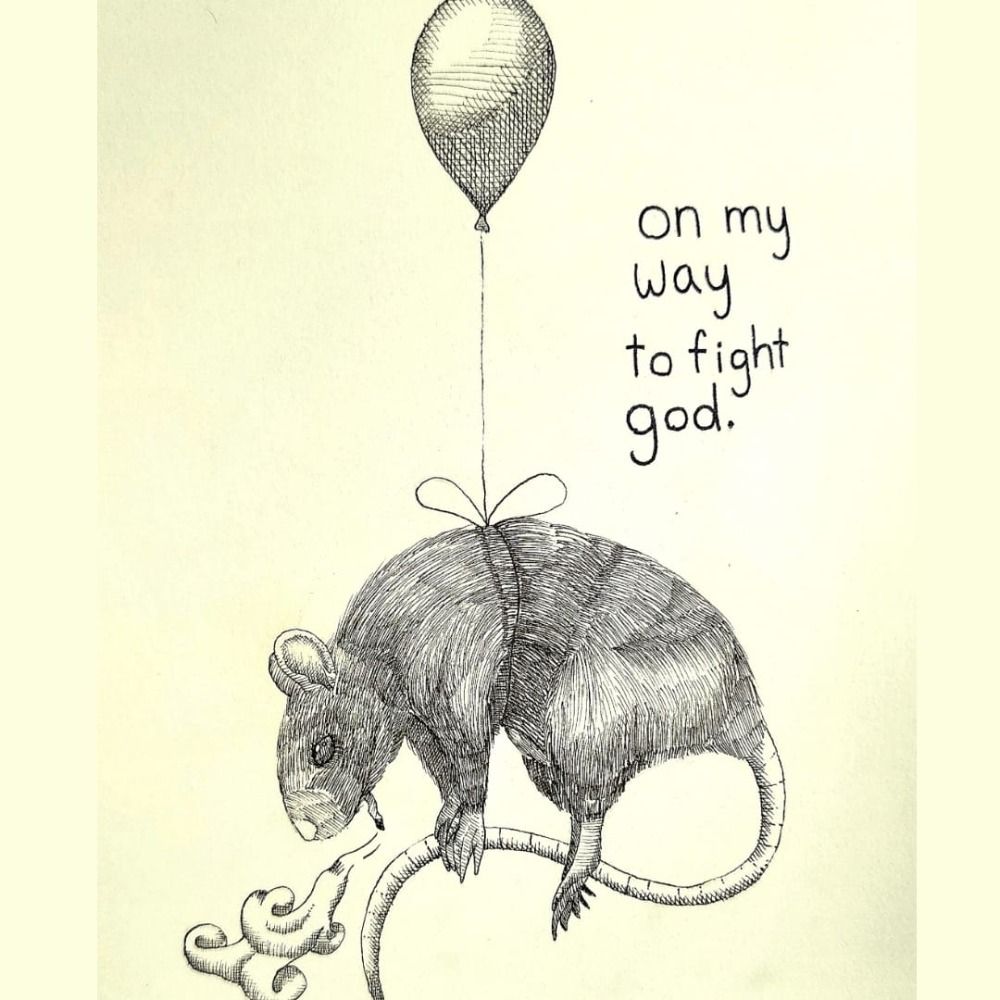
I do this a lot because as I hit middle-age I stopped being able to sleep all night without hypnotics. I usually avail myself of the opportunity to pack lunch and pee.

November 1, 2025 at 10:14 PM
I do this a lot because as I hit middle-age I stopped being able to sleep all night without hypnotics. I usually avail myself of the opportunity to pack lunch and pee.

may it ask what kind of trigger snaps are, and what other kinds of post hypnotics it's trying to do? Also please don't tell it the trigger but does a re-induction trigger exist?
November 1, 2025 at 9:18 PM
may it ask what kind of trigger snaps are, and what other kinds of post hypnotics it's trying to do? Also please don't tell it the trigger but does a re-induction trigger exist?

I empathise. Post hypnotics are really hard for me too, and any type of visualisation or other sensory fuckery just falls flat entirely, even with years of trying to improve on that.
Progress is slow.
Progress is slow.
November 1, 2025 at 7:22 PM
I empathise. Post hypnotics are really hard for me too, and any type of visualisation or other sensory fuckery just falls flat entirely, even with years of trying to improve on that.
Progress is slow.
Progress is slow.

I wish I could get post hypnotics to work better… snaps do but not really anything else
November 1, 2025 at 7:11 PM
I wish I could get post hypnotics to work better… snaps do but not really anything else

for to get that sweet, sweet plumber CASH
squeezed from out of our destitute asses,
the unconscionably cheap conman.
I dunno HOW men like Raj, SO Selfish, SO Greedy,
I just don't know how they can SLEEP at nite,
bein so very crapulent.
... Although I'm GUESSIN it's strong, prescription hypnotics.
squeezed from out of our destitute asses,
the unconscionably cheap conman.
I dunno HOW men like Raj, SO Selfish, SO Greedy,
I just don't know how they can SLEEP at nite,
bein so very crapulent.
... Although I'm GUESSIN it's strong, prescription hypnotics.
October 30, 2025 at 8:28 PM
for to get that sweet, sweet plumber CASH
squeezed from out of our destitute asses,
the unconscionably cheap conman.
I dunno HOW men like Raj, SO Selfish, SO Greedy,
I just don't know how they can SLEEP at nite,
bein so very crapulent.
... Although I'm GUESSIN it's strong, prescription hypnotics.
squeezed from out of our destitute asses,
the unconscionably cheap conman.
I dunno HOW men like Raj, SO Selfish, SO Greedy,
I just don't know how they can SLEEP at nite,
bein so very crapulent.
... Although I'm GUESSIN it's strong, prescription hypnotics.
Ward 3 stays virtue signaling performance artists who all have signs like this but spent decades fighting a homeless shelter.
We should be building anything and everything in Ward 3.
We should be building anything and everything in Ward 3.

October 29, 2025 at 1:08 PM
Ward 3 stays virtue signaling performance artists who all have signs like this but spent decades fighting a homeless shelter.
We should be building anything and everything in Ward 3.
We should be building anything and everything in Ward 3.