



Yunkyeong Lee
@yunkyeonglee.bsky.social
Postdoc @annagloyn lab @StanfordPedEndo
interested in #genetics #diabetes #islet #betacell #metabolism #autophagy and #mitophagy👩🏻🔬👩🏻💻
interested in #genetics #diabetes #islet #betacell #metabolism #autophagy and #mitophagy👩🏻🔬👩🏻💻
Reposted by Yunkyeong Lee

Male mouse fetuses can develop female organs in utero if their mother is iron deficient during pregnancy
https://go.nature.com/43wHINR
https://go.nature.com/43wHINR
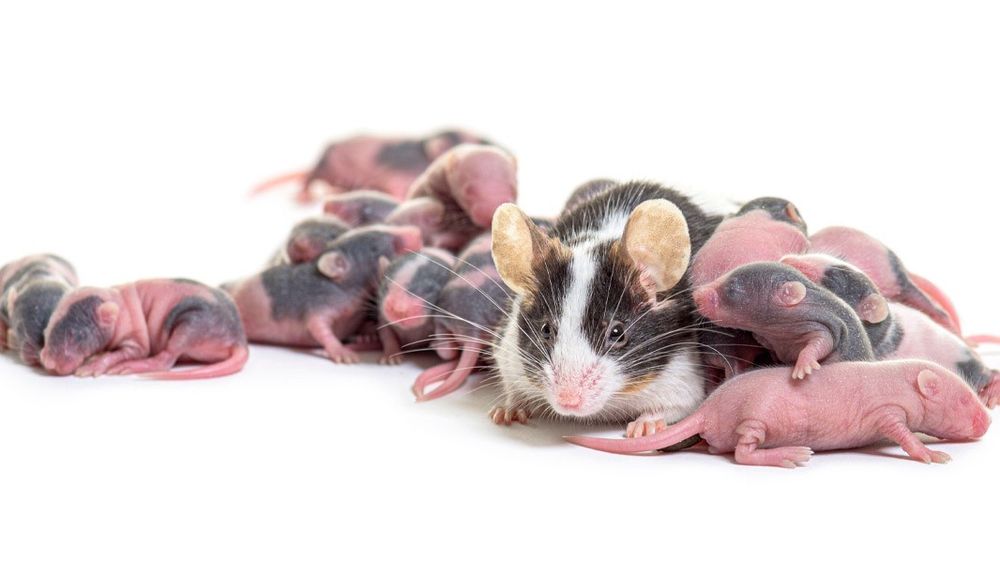
Male mice can grow ovaries if their pregnant mums are iron deficient
Nature - The study is the first to show that low iron levels can affect fetal sexual development.
go.nature.com
June 8, 2025 at 11:40 AM
Male mouse fetuses can develop female organs in utero if their mother is iron deficient during pregnancy
https://go.nature.com/43wHINR
https://go.nature.com/43wHINR
Reposted by Yunkyeong Lee
Latest from the Nature Podcast 🔊 Male mice can grow female organs — if their mothers lack iron
https://go.nature.com/3SY8I2V
https://go.nature.com/3SY8I2V
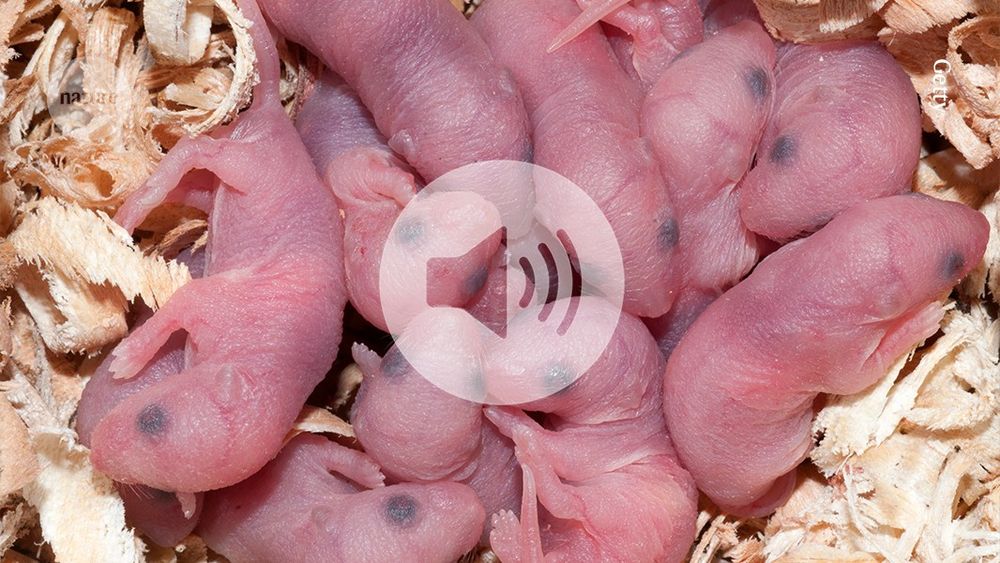
Male mice can grow female organs — if their mothers lack iron
Nature - Hear the biggest stories from the world of science | 04 June 2025
go.nature.com
June 8, 2025 at 9:03 AM
Latest from the Nature Podcast 🔊 Male mice can grow female organs — if their mothers lack iron
https://go.nature.com/3SY8I2V
https://go.nature.com/3SY8I2V
Reposted by Yunkyeong Lee

Honoured to have been elected to the fellowship and excited to contribute to the academy’s mission. This recognition reflects the amazing scientific community I am part of and the incredible trainees and collaborators I’m privileged to work with. Thankful 🙏

Congratulations to the 54 exceptional scientists who have been elected to the Academy Fellowship today in recognition of their remarkable contributions to biomedical and health sciences 🎉
👉 Discover more: ow.ly/Cf7K50VWSRi
#HealthResearch #HealthInnovation #AcademyFellows
👉 Discover more: ow.ly/Cf7K50VWSRi
#HealthResearch #HealthInnovation #AcademyFellows

May 22, 2025 at 6:47 PM
Honoured to have been elected to the fellowship and excited to contribute to the academy’s mission. This recognition reflects the amazing scientific community I am part of and the incredible trainees and collaborators I’m privileged to work with. Thankful 🙏
Reposted by Yunkyeong Lee
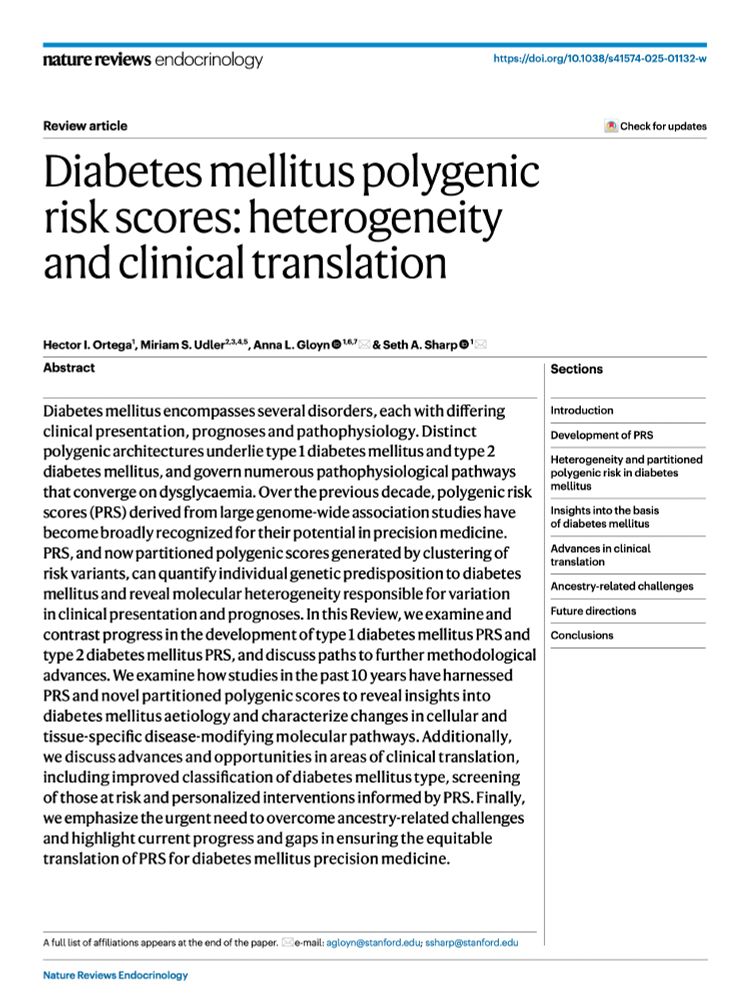
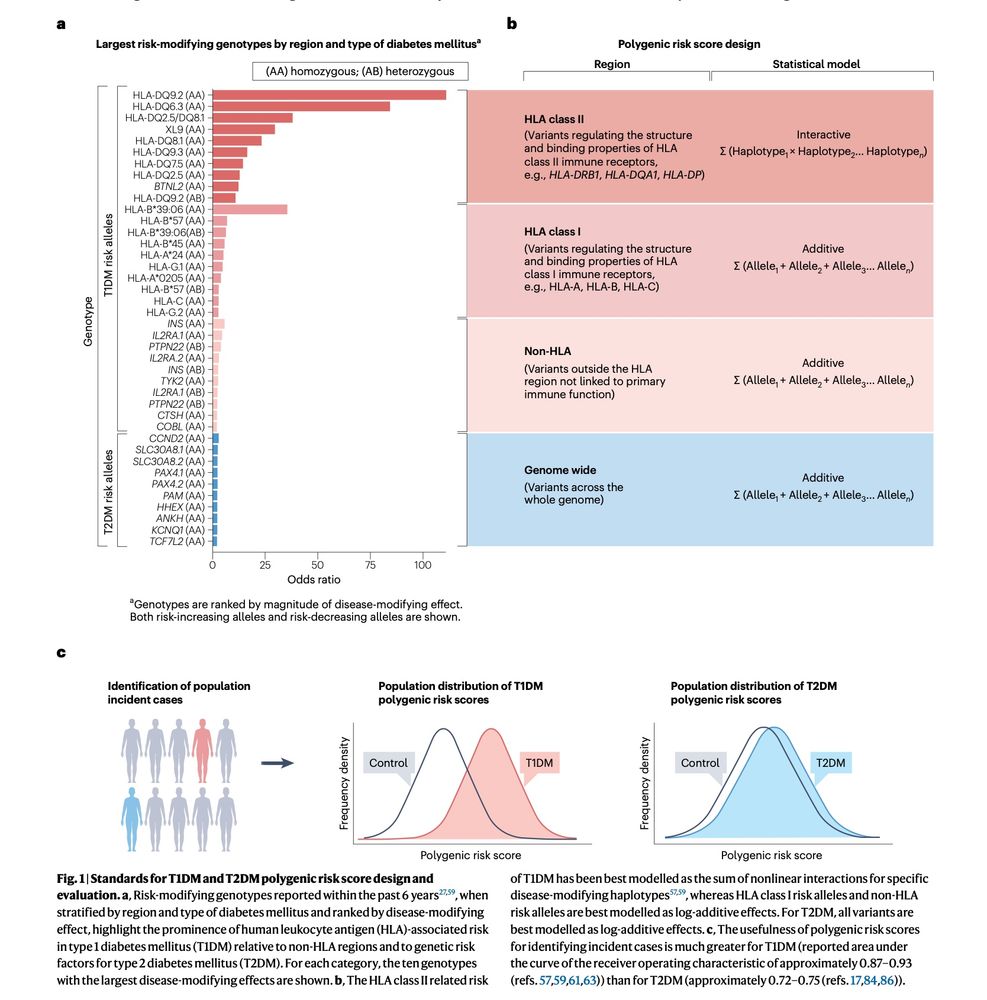
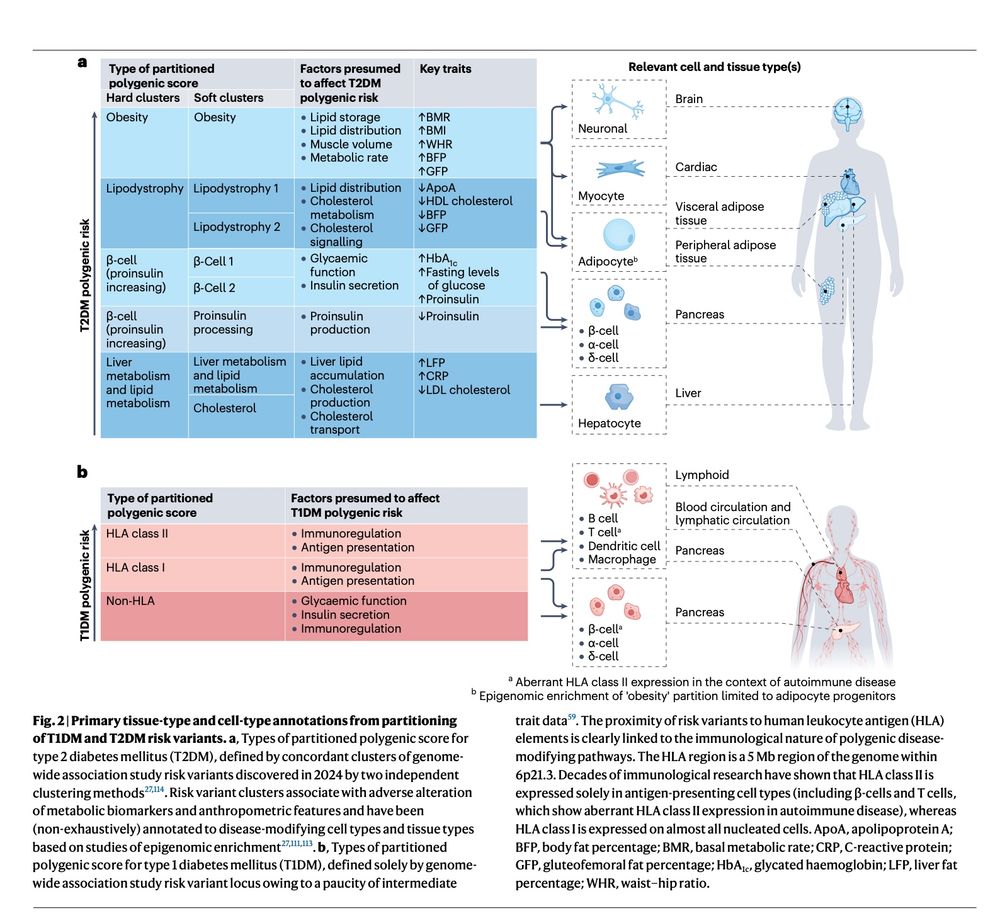
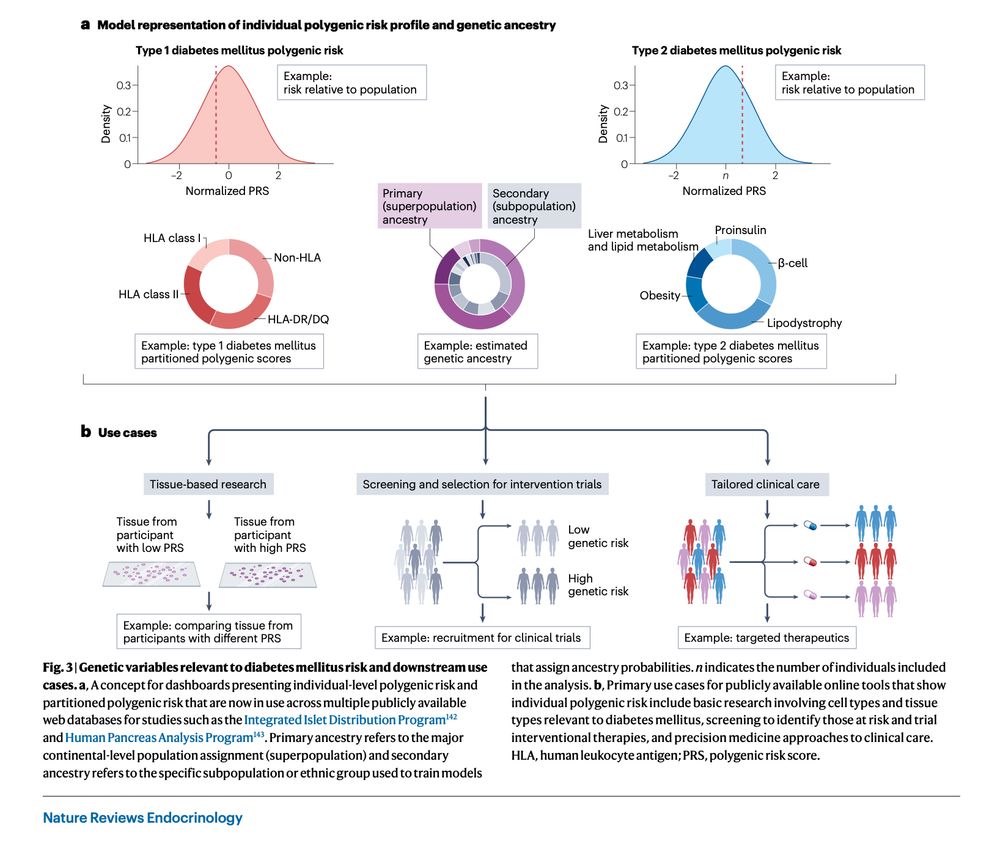
Out today from #HectorOrtega & #SethASharp A state of the art review on polygenic risk scores (#PRS) in diabetes. This is your #101 on what we currently know about them and their application to understanding disease heterogeneity & clinical translation.
Read for free here - rdcu.be/eprel
Read for free here - rdcu.be/eprel
June 4, 2025 at 11:22 PM
Out today from #HectorOrtega & #SethASharp A state of the art review on polygenic risk scores (#PRS) in diabetes. This is your #101 on what we currently know about them and their application to understanding disease heterogeneity & clinical translation.
Read for free here - rdcu.be/eprel
Read for free here - rdcu.be/eprel
Reposted by Yunkyeong Lee

New content online: Diabetes mellitus polygenic risk scores: heterogeneity and clinical translation

Diabetes mellitus polygenic risk scores: heterogeneity and clinical translation
Nature Reviews Endocrinology, Published online: 04 June 2025; doi:10.1038/s41574-025-01132-wIn this Review, the authors discuss different methods for assessing polygenic risk of diabetes mellitus and the utility of polygenic risk scores in classifying and screening for diabetes mellitus. The current limitations of these scores and ways of overcoming these limitations are also covered.
www.nature.com
June 4, 2025 at 2:43 PM
New content online: Diabetes mellitus polygenic risk scores: heterogeneity and clinical translation
Reposted by Yunkyeong Lee

GWAS identifies genetic loci for antibody response to SARS-CoV-2 vaccines in patients with systemic autoimmune diseases and healthy individuals https://www.medrxiv.org/content/10.1101/2025.05.16.25327770v1
May 17, 2025 at 2:13 AM
GWAS identifies genetic loci for antibody response to SARS-CoV-2 vaccines in patients with systemic autoimmune diseases and healthy individuals https://www.medrxiv.org/content/10.1101/2025.05.16.25327770v1
I am honoured and grateful to receive the outstanding poster presentation award at the 16th Annual Stanford Pediatrics Research Retreat. I have learnt team science through this project, and I am especially thankful to my mentor @annagloyn.bsky.social for her invaluable guidance.


May 16, 2025 at 8:44 PM
I am honoured and grateful to receive the outstanding poster presentation award at the 16th Annual Stanford Pediatrics Research Retreat. I have learnt team science through this project, and I am especially thankful to my mentor @annagloyn.bsky.social for her invaluable guidance.
Reposted by Yunkyeong Lee

There are fewer than 10 documented genetic causes of Transient Neonatal Diabetes (TNDM) and now PAX4 is one of them! Really proud of this collaborative work done between the Neonatal Diabetes Research Team at Exeter and the Translational Genomics of Diabetes Lab in Stanford.
Complete Loss of PAX4 causes Transient Neonatal Diabetes in Humans https://www.medrxiv.org/content/10.1101/2025.04.01.25324926v1
April 4, 2025 at 8:10 AM
There are fewer than 10 documented genetic causes of Transient Neonatal Diabetes (TNDM) and now PAX4 is one of them! Really proud of this collaborative work done between the Neonatal Diabetes Research Team at Exeter and the Translational Genomics of Diabetes Lab in Stanford.
Reposted by Yunkyeong Lee
Every year we celebrate our departmental lab communities, bringing people together from different lab neighbourhoods for lunch and fun! Because we are stronger together!


April 17, 2025 at 11:30 PM
Every year we celebrate our departmental lab communities, bringing people together from different lab neighbourhoods for lunch and fun! Because we are stronger together!
Reposted by Yunkyeong Lee
These are a very rare and exceptional set. Limited edition, in high demand. Will go quickly off the shelves.... #teamscience #procrastinating #shouldbeworking

April 13, 2025 at 8:36 PM
These are a very rare and exceptional set. Limited edition, in high demand. Will go quickly off the shelves.... #teamscience #procrastinating #shouldbeworking
Reposted by Yunkyeong Lee
Lessons from Mother Nature: Complete loss of the transcription factor PAX4 causes transient neonatal diabetes. Different to the effects seen in mice & expands the allelic series for diabetes risk....
www.medrxiv.org/content/10.1...
www.medrxiv.org/content/10.1...

Complete Loss of PAX4 causes Transient Neonatal Diabetes in Humans
Gene discovery studies in individuals with diabetes diagnosed within 6 months of life (neonatal diabetes, NDM) can provide unique insights into the development and function of human pancreatic beta-ce...
www.medrxiv.org
April 3, 2025 at 5:53 PM
Lessons from Mother Nature: Complete loss of the transcription factor PAX4 causes transient neonatal diabetes. Different to the effects seen in mice & expands the allelic series for diabetes risk....
www.medrxiv.org/content/10.1...
www.medrxiv.org/content/10.1...
Reposted by Yunkyeong Lee

More genetic evidence of the importance of PAX4 in diabetes.
Complete Loss of PAX4 causes Transient Neonatal Diabetes in Humans https://www.medrxiv.org/content/10.1101/2025.04.01.25324926v1
April 3, 2025 at 4:39 PM
More genetic evidence of the importance of PAX4 in diabetes.
Reposted by Yunkyeong Lee
Complete Loss of PAX4 causes Transient Neonatal Diabetes in Humans https://www.medrxiv.org/content/10.1101/2025.04.01.25324926v1
April 3, 2025 at 3:57 PM
Complete Loss of PAX4 causes Transient Neonatal Diabetes in Humans https://www.medrxiv.org/content/10.1101/2025.04.01.25324926v1