




Wonderful Club
@wonderfulclub.bsky.social
A free private, invitation-only social network for young scientists with a twist: pretend to be an animal, plant, fungus or elemental component and learn about Planet Earth through their perspective! 🧫😂
https://wonderfulclub.org
https://wonderfulclub.org
Pinned

Bitter Oyster (Panellus stipticus) - Wanna hear something...
Wanna hear something wild?!...
Physcomitrella patens, or spreading earthmoss, is already known as a pioneering species – albeit for being an early plant on the scene in areas of barren mud. Now resea...
wonderfulclub.org
Moss spores have survived 9-months in space!!!
Welcome to the future.
Welcome to the future.
Reposted by Wonderful Club

Currently doing meteorology homework, learning about the development of extratropical cyclones, their life cycle, and the importance of airmasses!!!

December 3, 2025 at 4:14 AM
Currently doing meteorology homework, learning about the development of extratropical cyclones, their life cycle, and the importance of airmasses!!!
Reposted by Wonderful Club
#Seagrasses are most vulnerable to #marine #heatwaves in #tropical #zones: local‐scale and broad climatic zone variation in thermal tolerances
📖 nph.onlinelibrary.wiley.com/doi/10.1111/...
by Said et al.
@WileyPlantSci #PlantScience
📖 nph.onlinelibrary.wiley.com/doi/10.1111/...
by Said et al.
@WileyPlantSci #PlantScience

December 4, 2025 at 12:11 AM
#Seagrasses are most vulnerable to #marine #heatwaves in #tropical #zones: local‐scale and broad climatic zone variation in thermal tolerances
📖 nph.onlinelibrary.wiley.com/doi/10.1111/...
by Said et al.
@WileyPlantSci #PlantScience
📖 nph.onlinelibrary.wiley.com/doi/10.1111/...
by Said et al.
@WileyPlantSci #PlantScience
Moss spores have survived 9-months in space!!!
Welcome to the future.
Welcome to the future.
Bitter Oyster (Panellus stipticus) - Wanna hear something...
Wanna hear something wild?!...
Physcomitrella patens, or spreading earthmoss, is already known as a pioneering species – albeit for being an early plant on the scene in areas of barren mud. Now resea...
wonderfulclub.org
November 21, 2025 at 8:24 PM
Moss spores have survived 9-months in space!!!
Welcome to the future.
Welcome to the future.
Reposted by Wonderful Club

Plant-pathogen interactions: making the case for multi-omics analysis of complex pathosystems
Sadegh Balotf, Richard Wilson ... Calum Wilson, Luis A. J. Mur
link.springer.com/article/10.1...
#PlantImmunity #PlantScience #Omics
Sadegh Balotf, Richard Wilson ... Calum Wilson, Luis A. J. Mur
link.springer.com/article/10.1...
#PlantImmunity #PlantScience #Omics

Plant-pathogen interactions: making the case for multi-omics analysis of complex pathosystems - Stress Biology
Understanding plant-pathogen interactions requires a systems-level perspective that single-omics approaches, such as genomics, transcriptomics, proteomics, or metabolomics alone, often fail to provide...
link.springer.com
November 21, 2025 at 2:47 AM
Plant-pathogen interactions: making the case for multi-omics analysis of complex pathosystems
Sadegh Balotf, Richard Wilson ... Calum Wilson, Luis A. J. Mur
link.springer.com/article/10.1...
#PlantImmunity #PlantScience #Omics
Sadegh Balotf, Richard Wilson ... Calum Wilson, Luis A. J. Mur
link.springer.com/article/10.1...
#PlantImmunity #PlantScience #Omics
Reposted by Wonderful Club

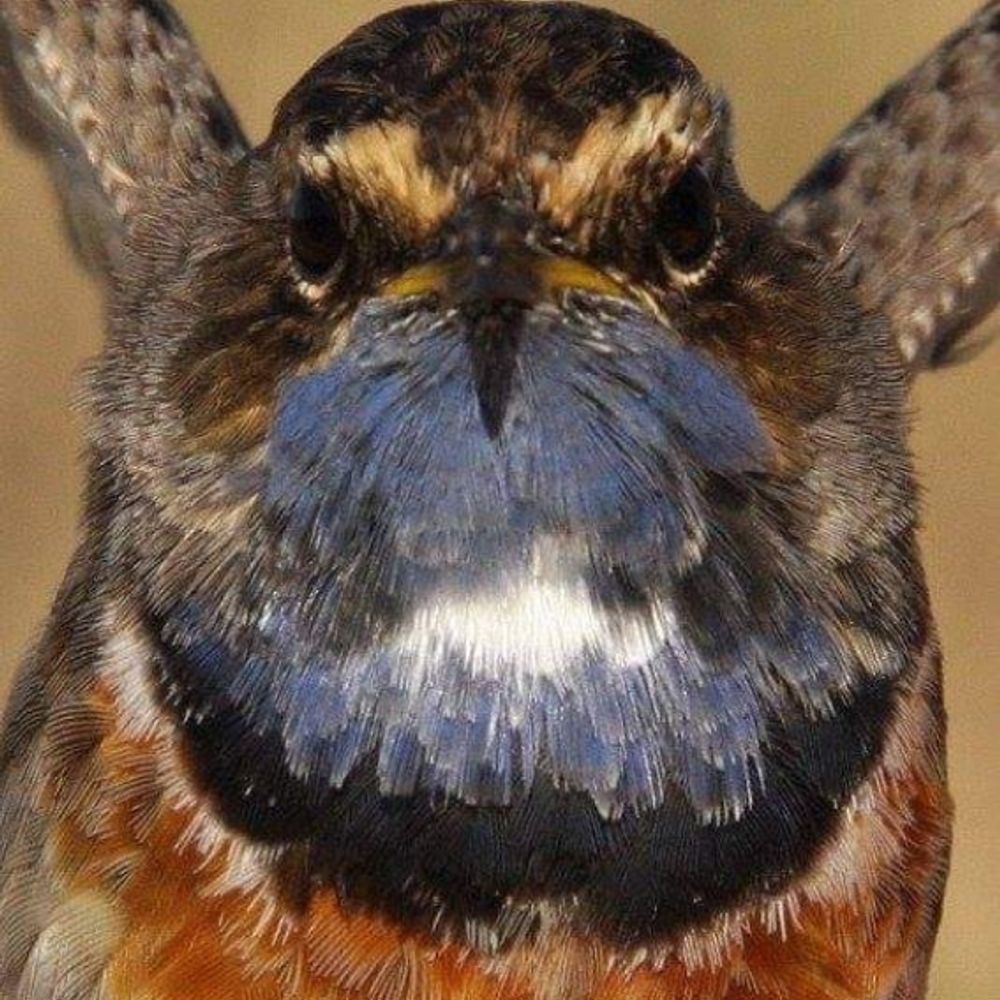
😠🦅👉🙂🦜👉😄🐦🪶
Cheer up! Friday is nigh!
#BirdPhotography #WildlifePhoto #NatureLovers #Hummingbird #FeatheredFriends #NaturePhotography #BirdsOfBsky #WingInFlight
Cheer up! Friday is nigh!
#BirdPhotography #WildlifePhoto #NatureLovers #Hummingbird #FeatheredFriends #NaturePhotography #BirdsOfBsky #WingInFlight

November 21, 2025 at 2:02 AM
😠🦅👉🙂🦜👉😄🐦🪶
Cheer up! Friday is nigh!
#BirdPhotography #WildlifePhoto #NatureLovers #Hummingbird #FeatheredFriends #NaturePhotography #BirdsOfBsky #WingInFlight
Cheer up! Friday is nigh!
#BirdPhotography #WildlifePhoto #NatureLovers #Hummingbird #FeatheredFriends #NaturePhotography #BirdsOfBsky #WingInFlight
Reposted by Wonderful Club
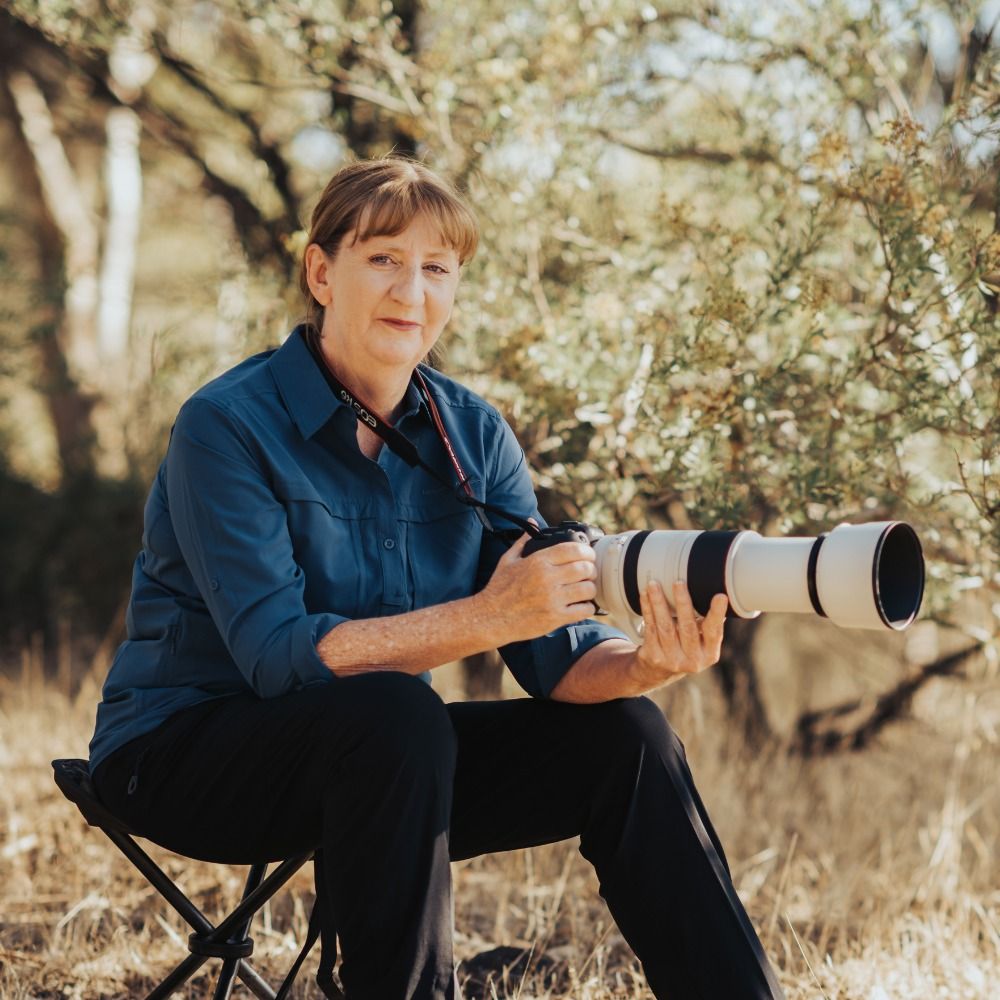
Some more botany.
More beautiful peas ...
More beautiful peas ...


November 20, 2025 at 7:31 AM
Some more botany.
More beautiful peas ...
More beautiful peas ...
Reposted by Wonderful Club
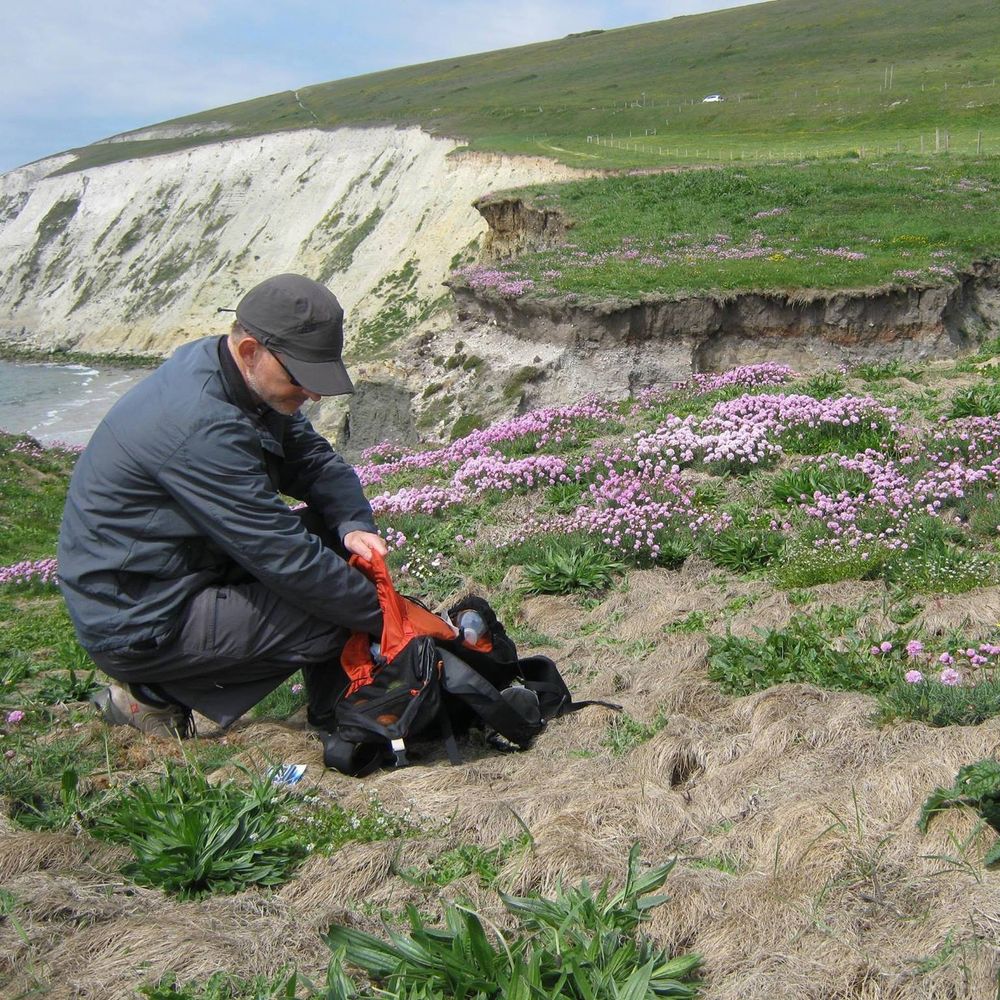
Ringed Milkcaps, Lactarius circellatus, in our local cemetery.
Have appeared 17 days later than last year.
2023: 8th August
2024: 1st November
2025: 18th November.
Has a mycorrhizal relationship with Common Hornbeam, Carpinus betulus.
#Fungi #FungiFriends
Have appeared 17 days later than last year.
2023: 8th August
2024: 1st November
2025: 18th November.
Has a mycorrhizal relationship with Common Hornbeam, Carpinus betulus.
#Fungi #FungiFriends


November 18, 2025 at 4:32 PM
Ringed Milkcaps, Lactarius circellatus, in our local cemetery.
Have appeared 17 days later than last year.
2023: 8th August
2024: 1st November
2025: 18th November.
Has a mycorrhizal relationship with Common Hornbeam, Carpinus betulus.
#Fungi #FungiFriends
Have appeared 17 days later than last year.
2023: 8th August
2024: 1st November
2025: 18th November.
Has a mycorrhizal relationship with Common Hornbeam, Carpinus betulus.
#Fungi #FungiFriends
Reposted by Wonderful Club

Coprinopsis marcescibilis
#fungifriends #fungi #mycology #microscopy #coprinopsis #mushrooms #mushroomsky #psathyrellaceae #inkcap
#fungifriends #fungi #mycology #microscopy #coprinopsis #mushrooms #mushroomsky #psathyrellaceae #inkcap


November 19, 2025 at 5:50 PM
Coprinopsis marcescibilis
#fungifriends #fungi #mycology #microscopy #coprinopsis #mushrooms #mushroomsky #psathyrellaceae #inkcap
#fungifriends #fungi #mycology #microscopy #coprinopsis #mushrooms #mushroomsky #psathyrellaceae #inkcap
Reposted by Wonderful Club

The green fruits naturally burst open to reveal the yellow aril nearly surrounding the seed.
November 18, 2025 at 11:53 PM
The green fruits naturally burst open to reveal the yellow aril nearly surrounding the seed.
Reposted by Wonderful Club

blue sky over muskeg and late oyster mushrooms growing from alder. sights from Sunday morning botany club yesterday. #AlaskaSky


November 17, 2025 at 2:22 PM
blue sky over muskeg and late oyster mushrooms growing from alder. sights from Sunday morning botany club yesterday. #AlaskaSky
Reposted by Wonderful Club

#bloomscrolling #flowers #nature #gardening #photography #landscape #horticulture #botanical
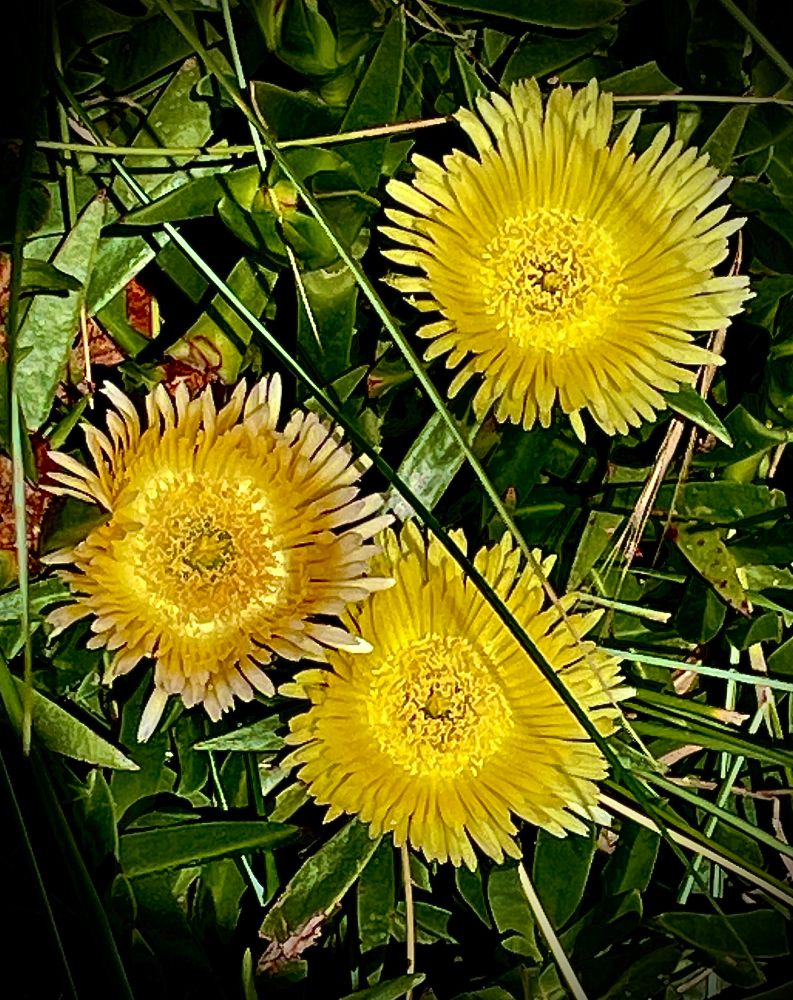
Warm spring day at the beach, ironically the Ice Plants, (Aizoaceae), seemed to love it.
Warm spring day at the beach, ironically the Ice Plants, (Aizoaceae), seemed to love it.


November 18, 2025 at 7:06 AM
#bloomscrolling #flowers #nature #gardening #photography #landscape #horticulture #botanical
Warm spring day at the beach, ironically the Ice Plants, (Aizoaceae), seemed to love it.
Warm spring day at the beach, ironically the Ice Plants, (Aizoaceae), seemed to love it.
Reposted by Wonderful Club
Common Ramping-fumitory Fumaria muralis found today in Braishfield, Hampshire. A tricksy group indeed: a few flowers with notably oblong sepals reminiscent of Purple Ramping-fumitory F. purpurea. @bsbibotany.bsky.social


November 17, 2025 at 7:05 PM
Common Ramping-fumitory Fumaria muralis found today in Braishfield, Hampshire. A tricksy group indeed: a few flowers with notably oblong sepals reminiscent of Purple Ramping-fumitory F. purpurea. @bsbibotany.bsky.social
Reposted by Wonderful Club
Fatty acids with terminal 5-C rings are very rare. The most famous is chaulmoogric acid from “chaulmoogra oil” found in the seeds of Hydnocarpus spp. Its most famous use: a topical treatment for leprosy. 📷: H. pentandra by Siddarth Machado CCBYNC2 #Achariaceae #Botany 🌾🧪


November 18, 2025 at 4:37 PM
Fatty acids with terminal 5-C rings are very rare. The most famous is chaulmoogric acid from “chaulmoogra oil” found in the seeds of Hydnocarpus spp. Its most famous use: a topical treatment for leprosy. 📷: H. pentandra by Siddarth Machado CCBYNC2 #Achariaceae #Botany 🌾🧪
Reposted by Wonderful Club

Our Geology Field Camp is celebrating its 60th year! Based at the Lost River Field Station, students explore Idaho’s landscape to learn more about the Earth and its geological history.
More at
www.isu.edu/news/2025-fa....
#idahostateucose #STEM #geology #geosciences
More at
www.isu.edu/news/2025-fa....
#idahostateucose #STEM #geology #geosciences

November 17, 2025 at 11:08 PM
Our Geology Field Camp is celebrating its 60th year! Based at the Lost River Field Station, students explore Idaho’s landscape to learn more about the Earth and its geological history.
More at
www.isu.edu/news/2025-fa....
#idahostateucose #STEM #geology #geosciences
More at
www.isu.edu/news/2025-fa....
#idahostateucose #STEM #geology #geosciences
Reposted by Wonderful Club
And to think that all of that complexity originated from two cells containing the blueprints for zebrafish life!
November 16, 2025 at 10:02 PM
And to think that all of that complexity originated from two cells containing the blueprints for zebrafish life!
Reposted by Wonderful Club

#Throwback 🧪
COMMENT | A brief guide to studying extracellular vesicle function in the context of metabolism
C Crewe et al
COMMENT | A brief guide to studying extracellular vesicle function in the context of metabolism
C Crewe et al

A brief guide to studying extracellular vesicle function in the context of metabolism - Nature Metabolism
Extracellular vesicles (EVs) are now recognized as powerful modulators of metabolism, and thus the new field of EV-mediated metabolic regulation is growing exponentially. Here, we discuss special experimental considerations for the study of EV function in metabolism.
bit.ly
November 16, 2025 at 7:01 PM
#Throwback 🧪
COMMENT | A brief guide to studying extracellular vesicle function in the context of metabolism
C Crewe et al
COMMENT | A brief guide to studying extracellular vesicle function in the context of metabolism
C Crewe et al
Reposted by Wonderful Club

The findings of a study in Nature Climate Change show that artificial light at night disrupts the fundamental energetic constraints on ecosystem metabolism, warranting the inclusion of light pollution in global change and carbon–climate feedback assessments. go.nature.com/44cCKWm 🧪

November 16, 2025 at 8:08 PM
The findings of a study in Nature Climate Change show that artificial light at night disrupts the fundamental energetic constraints on ecosystem metabolism, warranting the inclusion of light pollution in global change and carbon–climate feedback assessments. go.nature.com/44cCKWm 🧪
Reposted by Wonderful Club
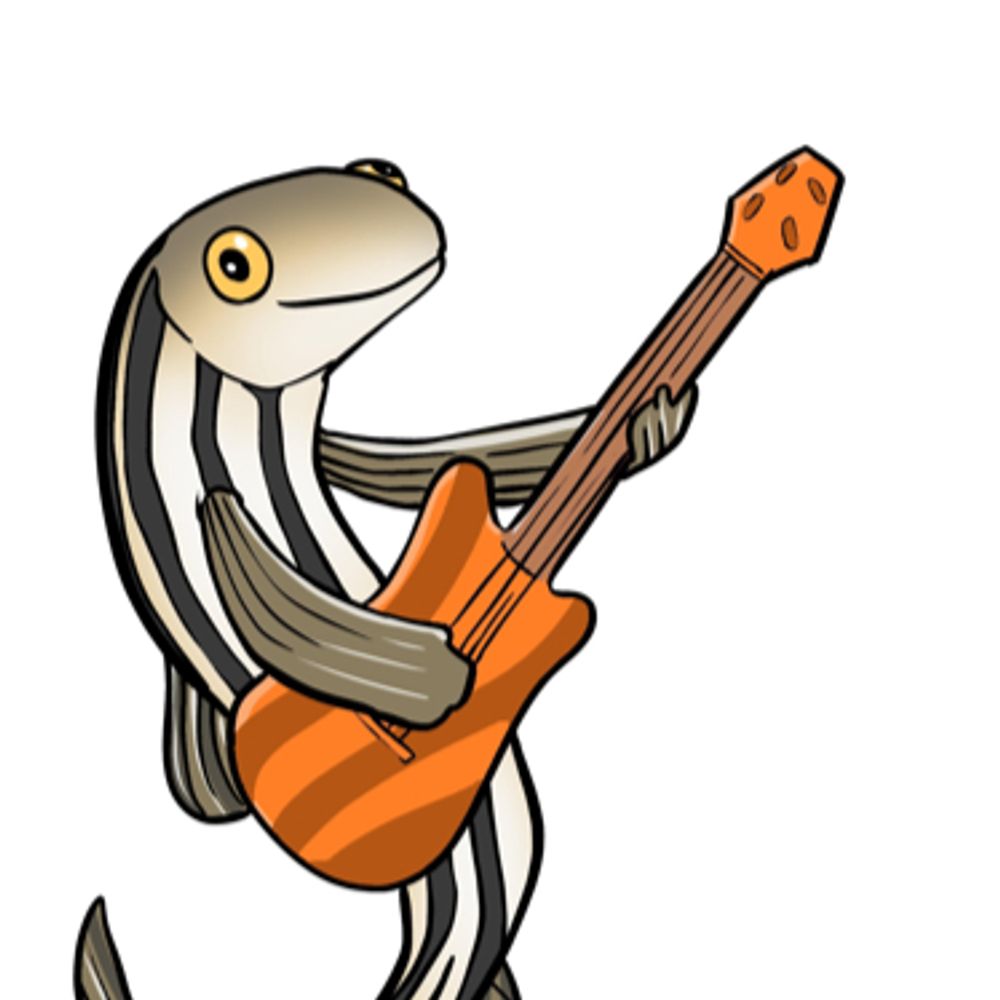
Axonal pathfinding of zebrafish retinal ganglion cells forms the optic nerve. Credit to Dr. Matthew Bostock @houartlab.bsky.social. #ZebrafishZunday 🧪
November 16, 2025 at 8:30 PM
Axonal pathfinding of zebrafish retinal ganglion cells forms the optic nerve. Credit to Dr. Matthew Bostock @houartlab.bsky.social. #ZebrafishZunday 🧪
Reposted by Wonderful Club

Marvelous new image of interstellar Comet 3I/ATLAS, taken by photographer Satoru Murata before dawn this morning.
On the right you can also see galaxy NGC 4691. There should be a lot more pictures coming in soon. 🧪🔭
www.facebook.com/groups/22700...
On the right you can also see galaxy NGC 4691. There should be a lot more pictures coming in soon. 🧪🔭
www.facebook.com/groups/22700...

November 16, 2025 at 9:20 PM
Marvelous new image of interstellar Comet 3I/ATLAS, taken by photographer Satoru Murata before dawn this morning.
On the right you can also see galaxy NGC 4691. There should be a lot more pictures coming in soon. 🧪🔭
www.facebook.com/groups/22700...
On the right you can also see galaxy NGC 4691. There should be a lot more pictures coming in soon. 🧪🔭
www.facebook.com/groups/22700...
Reposted by Wonderful Club

Ever wonder how streams and rivers differ in naming across the country and what the most common names are? Here are the most common names of stream/river segments by HUC2 region across the U.S.

November 16, 2025 at 9:41 PM
Ever wonder how streams and rivers differ in naming across the country and what the most common names are? Here are the most common names of stream/river segments by HUC2 region across the U.S.
Reposted by Wonderful Club
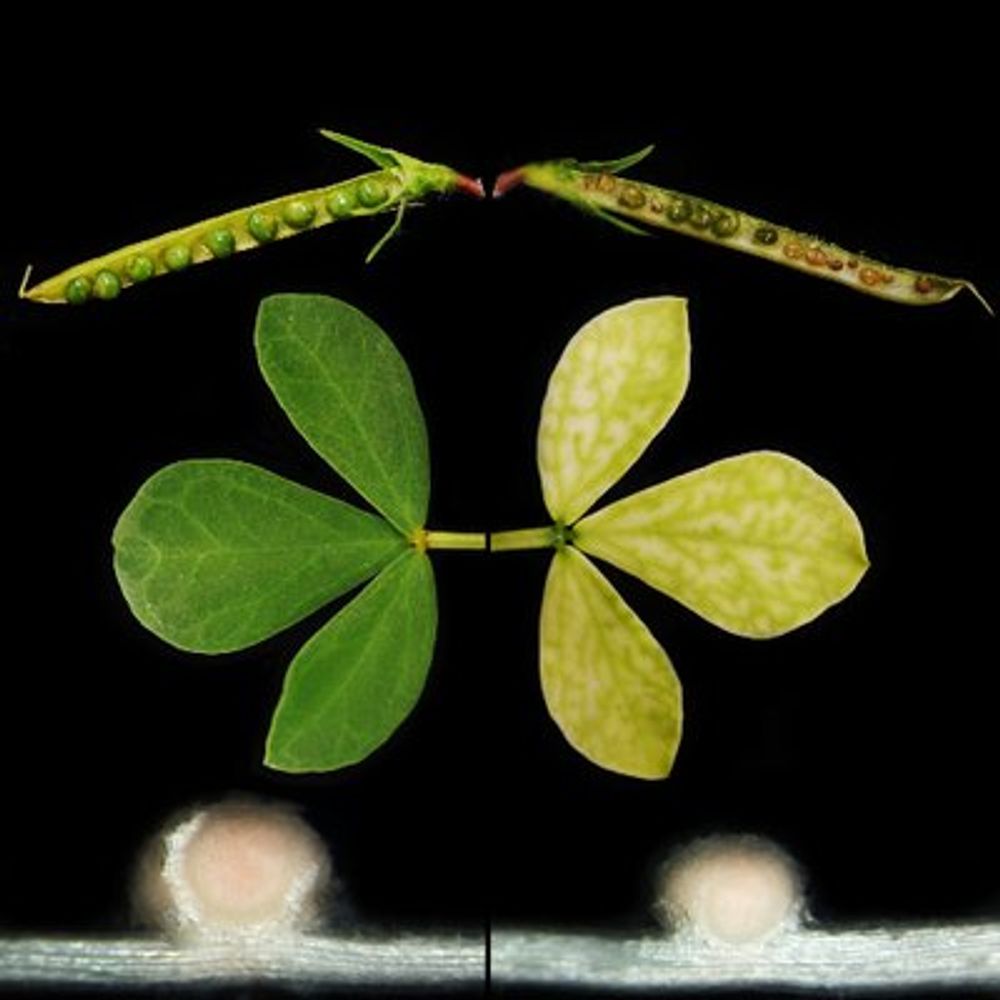
High-throughput genetic transformation and genome editing in pearl millet (Pennisetum glaucum L.) (V Mohan Murali Achary, L Ruben B. Hernandez, Huirong Gao, Ning Wang, Ana I R. Castillo, Todd Jones, Sarah J Hearne, Anindya Bandyopadhyay) doi.org/10.1093/plph... #PlantScience @aspbofficial

High-throughput genetic transformation and genome editing in pearl millet (Pennisetum glaucum L.)
Genome editing tools harboring BBM1 and WUS2 morphoregulators overcome transformation challenges and facilitate a high-frequency editing in pearl millet.
doi.org
November 14, 2025 at 4:25 PM
High-throughput genetic transformation and genome editing in pearl millet (Pennisetum glaucum L.) (V Mohan Murali Achary, L Ruben B. Hernandez, Huirong Gao, Ning Wang, Ana I R. Castillo, Todd Jones, Sarah J Hearne, Anindya Bandyopadhyay) doi.org/10.1093/plph... #PlantScience @aspbofficial
Reposted by Wonderful Club
The Peach Tree(Prunus persica) is a deciduous fruit tree in the Rosaceae family, native to northwest China. It has a lifespan of 20–30 yrs, though commercial orchards typically use trees for 12–15 yrs. It is self-fertile and requires a temperate climate with mild winters and dry summers
#ai #nature
#ai #nature

November 14, 2025 at 6:34 PM
Reposted by Wonderful Club
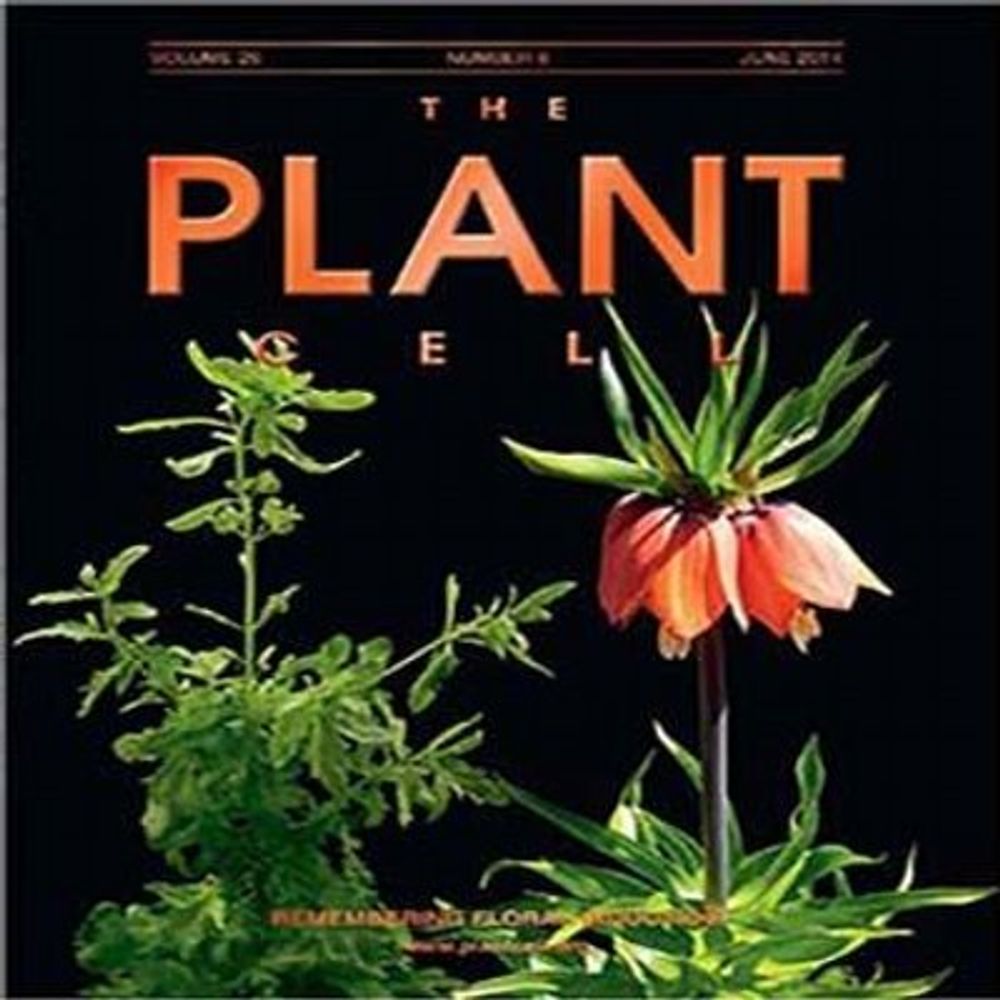
IN BRIEF: Blue Light-Tuned Selective Autophagy: CRY1 Intercepts ATG8 to Protect HY5 (Jiajun Wang) doi.org/10.1093/plce... #PlantScience @aspbofficial

Blue light–tuned selective autophagy: CRY1 intercepts ATG8 to protect HY5
Sunlight not only provides energy for plant photosynthesis but also serves as a signal regulating various aspects of plant growth and development. Plants p
doi.org
November 13, 2025 at 7:13 PM
IN BRIEF: Blue Light-Tuned Selective Autophagy: CRY1 Intercepts ATG8 to Protect HY5 (Jiajun Wang) doi.org/10.1093/plce... #PlantScience @aspbofficial
Reposted by Wonderful Club
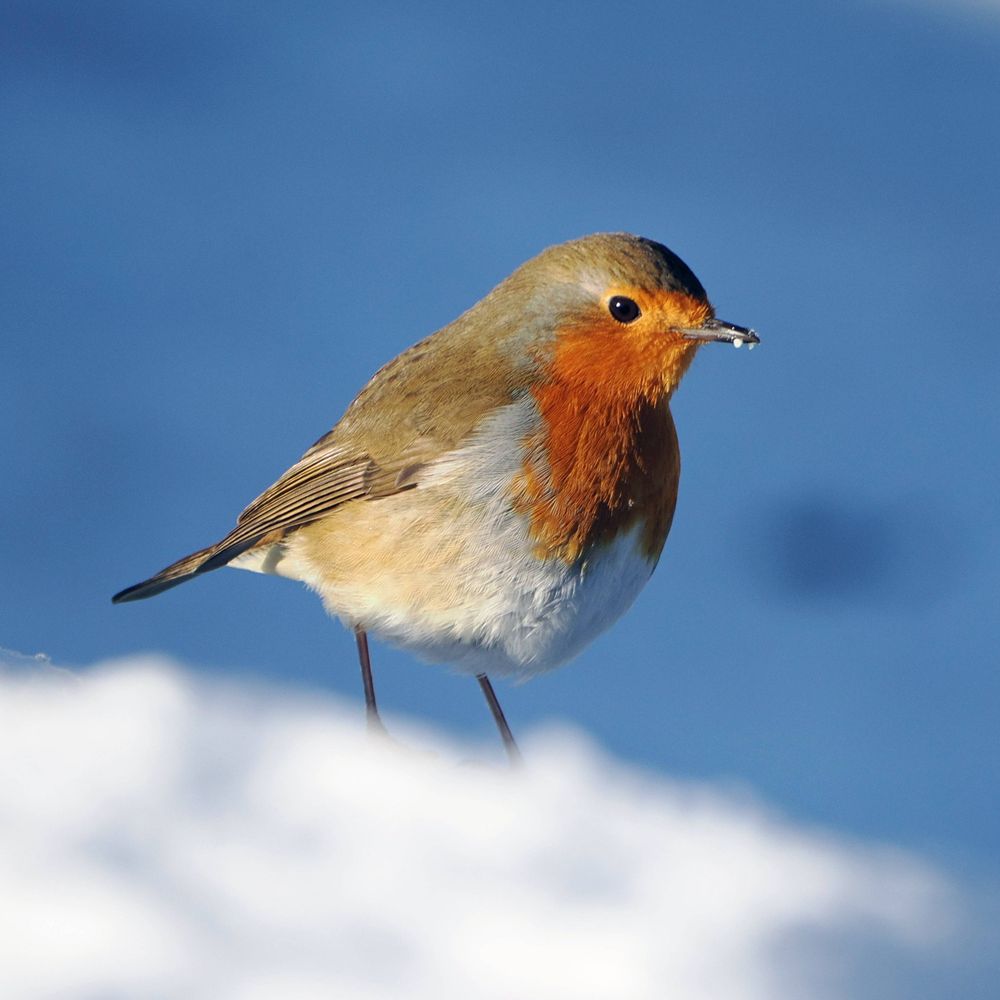
Robin in Norwood Green, Halifax. #ThePhotoHour #birds #birding #wildlife #nature #photography @yorkswildlife.bsky.social

November 13, 2025 at 7:21 PM
Robin in Norwood Green, Halifax. #ThePhotoHour #birds #birding #wildlife #nature #photography @yorkswildlife.bsky.social
Reposted by Wonderful Club

A swamp milkweed leaf beetle larva (Coleoptera: Chrysomelidae: Labidomera clivicollis) nibbling on a swamp milkweed (Apocynaceae: Asclepias incarnata) on the edge of a floodplain forest. Blissfield Michigan, 10 Jul 2011.

November 11, 2025 at 1:10 PM
A swamp milkweed leaf beetle larva (Coleoptera: Chrysomelidae: Labidomera clivicollis) nibbling on a swamp milkweed (Apocynaceae: Asclepias incarnata) on the edge of a floodplain forest. Blissfield Michigan, 10 Jul 2011.