



Gustavo A. Bravo
@thamnobravo.bsky.social
Ornitólogo | biólogo evolutivo | Curador de Aves
Instituto Humboldt | Asociado a MCZ Harvard & @harvardoeb | IG: @thamnobravo | Opiniones personales
Instituto Humboldt | Asociado a MCZ Harvard & @harvardoeb | IG: @thamnobravo | Opiniones personales
Reposted by Gustavo A. Bravo
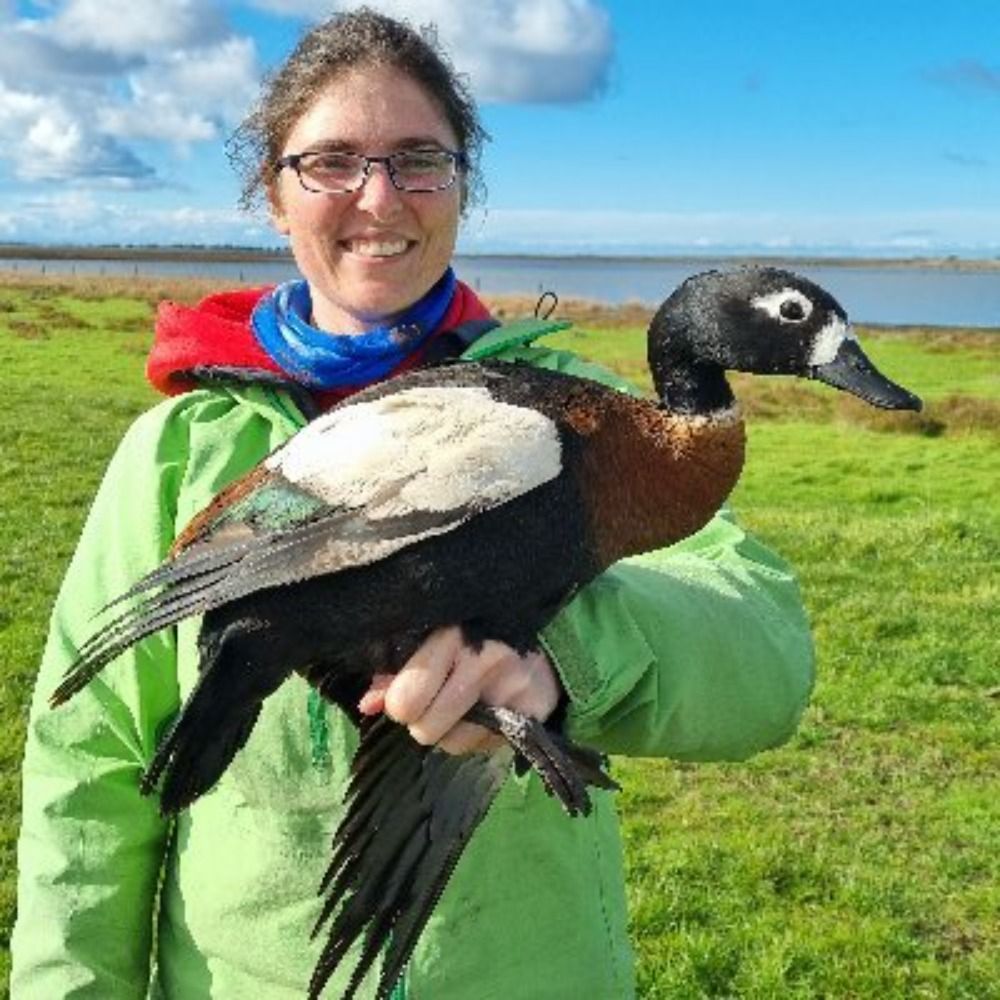
More work linking irregular iris pigmentation in gannets to prior HPAI infections: likelihood of NP antibody increased with iris pigment irregularity. Moderate correlations for H5 antibodies.
👉 www.biorxiv.org/content/10.1...
👉 www.biorxiv.org/content/10.1...

November 18, 2025 at 10:52 PM
More work linking irregular iris pigmentation in gannets to prior HPAI infections: likelihood of NP antibody increased with iris pigment irregularity. Moderate correlations for H5 antibodies.
👉 www.biorxiv.org/content/10.1...
👉 www.biorxiv.org/content/10.1...
Reposted by Gustavo A. Bravo

Deadline soon (end of Nov) for this PhD position in evolutionary genomics/bioinformatics in my group.
PhD position available in evolutionary genomics/bioinformatics (hoehnalab.github.io/job_adverts/...). Topic: analyzing gene expression evolution across several firefly species and linking expression changes to genomic architecture. The position is jointly supervised with @anaevolcatalan.bsky.social
hoehnalab.github.io
November 27, 2025 at 11:31 AM
Deadline soon (end of Nov) for this PhD position in evolutionary genomics/bioinformatics in my group.
👇
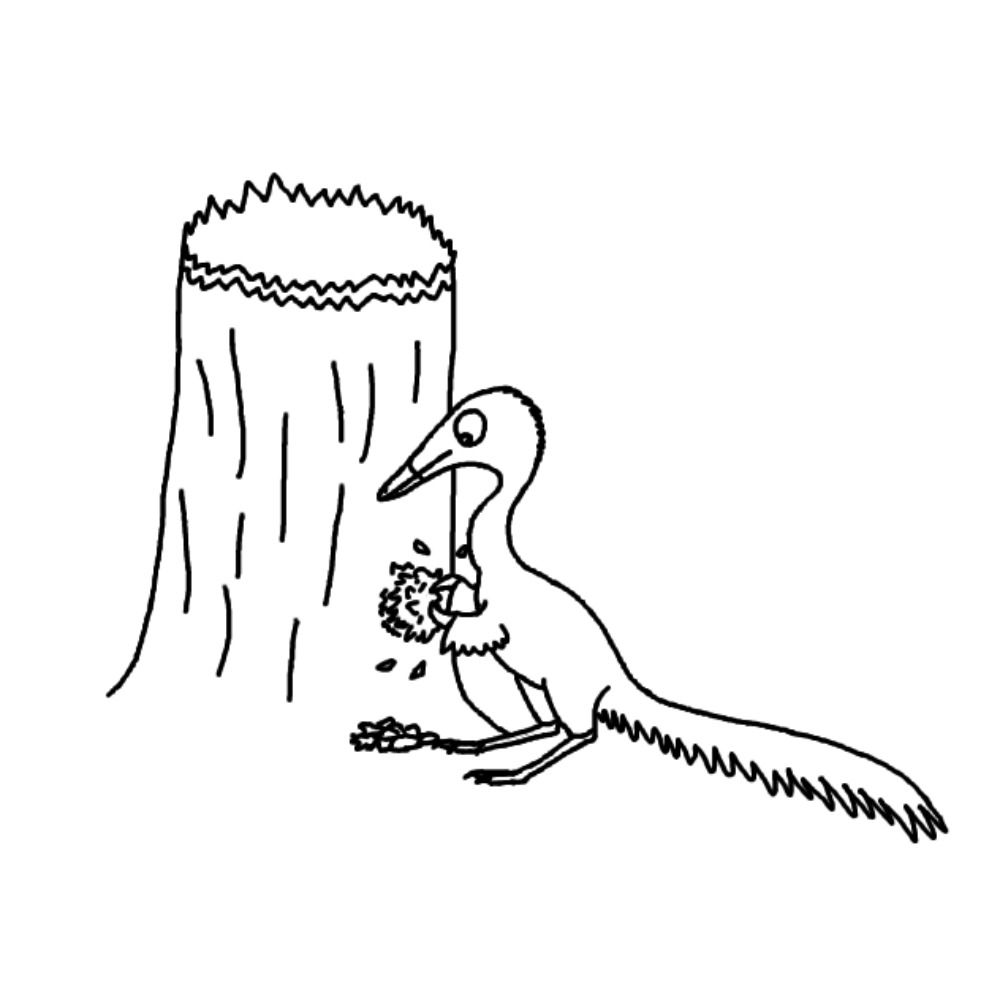
Efficient inference of large phylogenetic trees as applied to birds: academic.oup.com/sysbio/advan... 🧪🪶 (📷Zhao et al.)

November 10, 2025 at 10:12 PM
👇
Reposted by Gustavo A. Bravo

The end of an era: the Tree of Life Web Project is going dark after 3 decades. Anyone interested in communicating phylogeny online should read David's account of goals, history, and future. @bembidion.bsky.social
subulatepalpomere.com/2025/11/02/t...
subulatepalpomere.com/2025/11/02/t...

The Passing of the Tree of Life Web Project
The Tree of Life Web Project began its journey almost 40 years ago, and was formally announced in early 1996. It has served thousands of pages of information about the evolutionary tree of life and…
subulatepalpomere.com
November 3, 2025 at 3:54 PM
The end of an era: the Tree of Life Web Project is going dark after 3 decades. Anyone interested in communicating phylogeny online should read David's account of goals, history, and future. @bembidion.bsky.social
subulatepalpomere.com/2025/11/02/t...
subulatepalpomere.com/2025/11/02/t...
Reposted by Gustavo A. Bravo

Song complexity in suboscine birds: evolutionary drivers and ecological constraints https://www.biorxiv.org/content/10.1101/2025.10.15.682597v1
October 15, 2025 at 11:33 PM
Song complexity in suboscine birds: evolutionary drivers and ecological constraints https://www.biorxiv.org/content/10.1101/2025.10.15.682597v1
Reposted by Gustavo A. Bravo

Well, it's official. After our paper last year (onlinelibrary.wiley.com/doi/full/10....), the Slender-billed Curlew is officially declared Extinct today.
Scientists dream of describing new species, not writing their obituary and epitaph, knowing that they are gone forever #ornithology
Scientists dream of describing new species, not writing their obituary and epitaph, knowing that they are gone forever #ornithology

October 10, 2025 at 8:54 AM
Well, it's official. After our paper last year (onlinelibrary.wiley.com/doi/full/10....), the Slender-billed Curlew is officially declared Extinct today.
Scientists dream of describing new species, not writing their obituary and epitaph, knowing that they are gone forever #ornithology
Scientists dream of describing new species, not writing their obituary and epitaph, knowing that they are gone forever #ornithology
Reposted by Gustavo A. Bravo

Our paper on the temporal genomics of Ethiopian birds
has been highlighted (and gotten the cover) in @genomebiolevol.bsky.social
Article: doi.org/10.1093/gbe/evaf163
Highlight: doi.org/10.1093/gbe/evaf175
w/ @bourgeoisyann.bsky.social, @lcampillo.bsky.social, and others not on bsky
has been highlighted (and gotten the cover) in @genomebiolevol.bsky.social
Article: doi.org/10.1093/gbe/evaf163
Highlight: doi.org/10.1093/gbe/evaf175
w/ @bourgeoisyann.bsky.social, @lcampillo.bsky.social, and others not on bsky

October 7, 2025 at 9:55 PM
Our paper on the temporal genomics of Ethiopian birds
has been highlighted (and gotten the cover) in @genomebiolevol.bsky.social
Article: doi.org/10.1093/gbe/evaf163
Highlight: doi.org/10.1093/gbe/evaf175
w/ @bourgeoisyann.bsky.social, @lcampillo.bsky.social, and others not on bsky
has been highlighted (and gotten the cover) in @genomebiolevol.bsky.social
Article: doi.org/10.1093/gbe/evaf163
Highlight: doi.org/10.1093/gbe/evaf175
w/ @bourgeoisyann.bsky.social, @lcampillo.bsky.social, and others not on bsky
Reposted by Gustavo A. Bravo

🌼 New paper showing that it's not just pollinators shaping flowers—abiotic factors like humidity and temperature also influence floral form and function. Check out this new paper on a more complex picture of floral evolution. 🌬️🐝
www.sciencedirect.com/science/arti...
www.sciencedirect.com/science/arti...

October 7, 2025 at 3:28 PM
🌼 New paper showing that it's not just pollinators shaping flowers—abiotic factors like humidity and temperature also influence floral form and function. Check out this new paper on a more complex picture of floral evolution. 🌬️🐝
www.sciencedirect.com/science/arti...
www.sciencedirect.com/science/arti...
Reposted by Gustavo A. Bravo

Your regular reminder that plant genomes are messy. Good luck getting your shortbread data to recapitulate this:

October 7, 2025 at 5:36 PM
Your regular reminder that plant genomes are messy. Good luck getting your shortbread data to recapitulate this:
Reposted by Gustavo A. Bravo

The most important paper in evolutionary biology I'd never heard of:
1/
www.sciencedirect.com/science/arti...
1/
www.sciencedirect.com/science/arti...
October 6, 2025 at 2:00 PM
The most important paper in evolutionary biology I'd never heard of:
1/
www.sciencedirect.com/science/arti...
1/
www.sciencedirect.com/science/arti...
What if NIH had been 40% smaller? | Science www.science.org/doi/10.1126/...

What if NIH had been 40% smaller?
Replaying history with less NIH funding shows widespread impacts on drug-linked research
www.science.org
September 26, 2025 at 1:50 AM
What if NIH had been 40% smaller? | Science www.science.org/doi/10.1126/...
Reposted by Gustavo A. Bravo

In a new Review article in GBE, @scientific-arlie.bsky.social et al delve into the growing field of phylogenetic genotype to phenotype mapping (PhyloG2P), discussing advances and future directions for using phylogenomic data to map traits to genomes
🔗 doi.org/10.1093/gbe/evaf150
#genome #evolution
🔗 doi.org/10.1093/gbe/evaf150
#genome #evolution

September 16, 2025 at 9:18 AM
In a new Review article in GBE, @scientific-arlie.bsky.social et al delve into the growing field of phylogenetic genotype to phenotype mapping (PhyloG2P), discussing advances and future directions for using phylogenomic data to map traits to genomes
🔗 doi.org/10.1093/gbe/evaf150
#genome #evolution
🔗 doi.org/10.1093/gbe/evaf150
#genome #evolution
Reposted by Gustavo A. Bravo

Here, have some birds perched on appropriate/delightful signage. You're welcome. 🧵 ⤵️
1. Black Vulture (Coragyps atratus) by tysmith on iNaturalist
1. Black Vulture (Coragyps atratus) by tysmith on iNaturalist

September 4, 2025 at 1:30 PM
Here, have some birds perched on appropriate/delightful signage. You're welcome. 🧵 ⤵️
1. Black Vulture (Coragyps atratus) by tysmith on iNaturalist
1. Black Vulture (Coragyps atratus) by tysmith on iNaturalist
Reposted by Gustavo A. Bravo

Reposted by Gustavo A. Bravo

What was antibiotic resistance like before we ever used antibiotics? How did we change what antibiotic resistance genes looked like over 100 years?
Our paper looking at resistance genes from a century of NCTC historical isolates now out in mGen:
www.microbiologyresearch.org/content/jour...
Our paper looking at resistance genes from a century of NCTC historical isolates now out in mGen:
www.microbiologyresearch.org/content/jour...

Genomic resistance in historical clinical isolates increased in frequency and mobility after the age of antibiotics
Antibiotic resistance is frequently observed shortly after the clinical introduction of an antibiotic. Whether and how frequently that resistance occurred before the introduction is harder to determin...
www.microbiologyresearch.org
September 1, 2025 at 5:49 PM
What was antibiotic resistance like before we ever used antibiotics? How did we change what antibiotic resistance genes looked like over 100 years?
Our paper looking at resistance genes from a century of NCTC historical isolates now out in mGen:
www.microbiologyresearch.org/content/jour...
Our paper looking at resistance genes from a century of NCTC historical isolates now out in mGen:
www.microbiologyresearch.org/content/jour...
Reposted by Gustavo A. Bravo
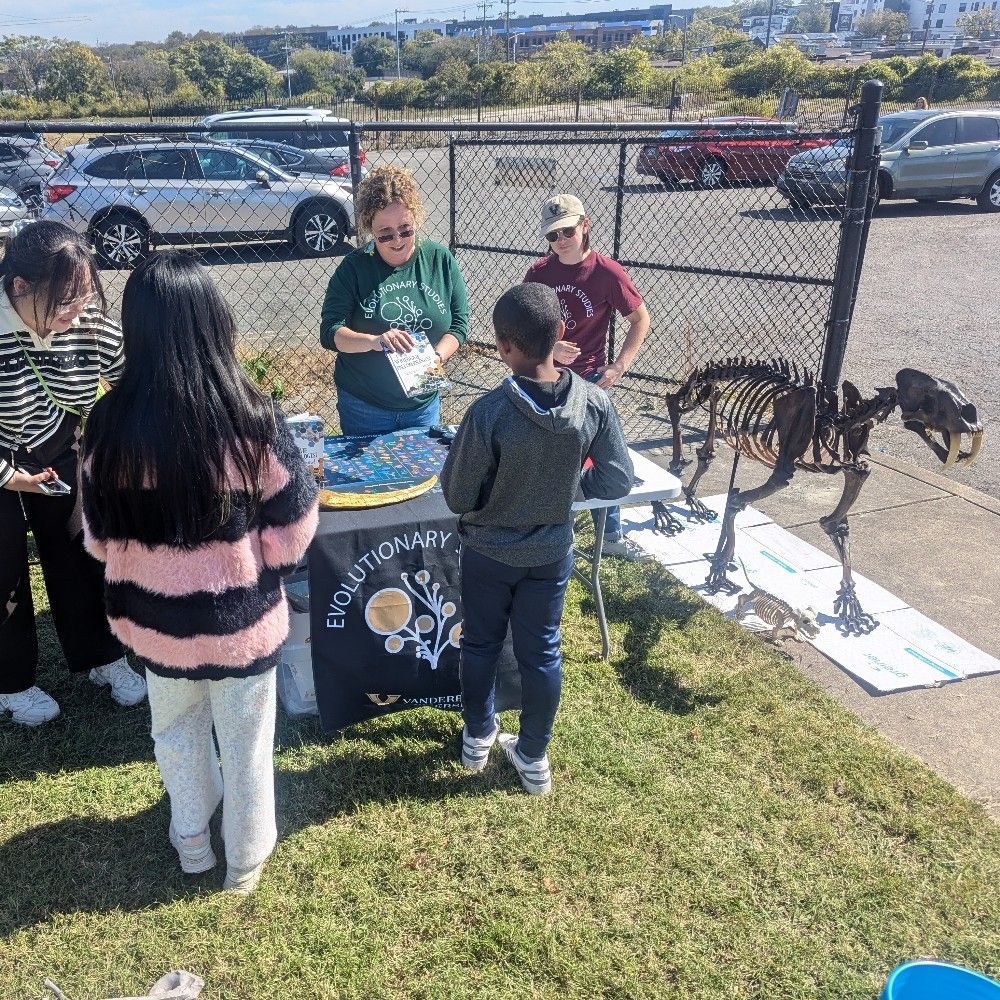
Museums aren’t just collections — they’re classrooms. 🦋🏛️
@corriemoreau.bsky.social's #Scopes100 talk shows how exhibits make #evolution accessible & engaging.
https://loom.ly/vFnwcRo
@ncse.bsky.social
@corriemoreau.bsky.social's #Scopes100 talk shows how exhibits make #evolution accessible & engaging.
https://loom.ly/vFnwcRo
@ncse.bsky.social

August 27, 2025 at 1:37 PM
Museums aren’t just collections — they’re classrooms. 🦋🏛️
@corriemoreau.bsky.social's #Scopes100 talk shows how exhibits make #evolution accessible & engaging.
https://loom.ly/vFnwcRo
@ncse.bsky.social
@corriemoreau.bsky.social's #Scopes100 talk shows how exhibits make #evolution accessible & engaging.
https://loom.ly/vFnwcRo
@ncse.bsky.social

Reposted by Gustavo A. Bravo
How sex shapes transcriptome evolution in the songbird brain https://www.biorxiv.org/content/10.1101/2025.08.21.671601v1
August 22, 2025 at 7:32 AM
How sex shapes transcriptome evolution in the songbird brain https://www.biorxiv.org/content/10.1101/2025.08.21.671601v1
Reposted by Gustavo A. Bravo
Determinants of mutation load in birds https://www.biorxiv.org/content/10.1101/2025.08.18.670172v1
August 22, 2025 at 5:32 PM
Determinants of mutation load in birds https://www.biorxiv.org/content/10.1101/2025.08.18.670172v1
Reposted by Gustavo A. Bravo
When populations evolve different strategies to defend against a recently acquired parasite (e.g., tolerance, resistance), what sets of gene expression responses are conserved, or diverge? Using a vaccination experiment with #stickleback @laurenfuess.bsky.social reports some fun results...

August 18, 2025 at 12:44 PM
When populations evolve different strategies to defend against a recently acquired parasite (e.g., tolerance, resistance), what sets of gene expression responses are conserved, or diverge? Using a vaccination experiment with #stickleback @laurenfuess.bsky.social reports some fun results...
Reposted by Gustavo A. Bravo
History of divergence and gene flow shaping geographic variation in Andean warblers (Myioborus) https://www.biorxiv.org/content/10.1101/2025.08.12.667688v1
August 15, 2025 at 11:32 PM
History of divergence and gene flow shaping geographic variation in Andean warblers (Myioborus) https://www.biorxiv.org/content/10.1101/2025.08.12.667688v1
Reposted by Gustavo A. Bravo

Our latest preprint explores the evolution of the primate amylase locus, uncovering structural innovations, regulatory shifts and molecular convergence.
www.biorxiv.org/content/10.1...
www.biorxiv.org/content/10.1...

Convergent evolution through independent rearrangements in the primate amylase locus
Structurally complex regions of the genome are increasingly recognized as engines of evolutionary convergence due to their propensity to generate recurrent gene duplications that give rise to similar ...
www.biorxiv.org
August 15, 2025 at 11:53 AM
Our latest preprint explores the evolution of the primate amylase locus, uncovering structural innovations, regulatory shifts and molecular convergence.
www.biorxiv.org/content/10.1...
www.biorxiv.org/content/10.1...
Reposted by Gustavo A. Bravo
Music to my ears. This is brilliant. Either 90% of us can claim to be better musicians than Beethoven or… maybe just maybe polygenic scores aren’t perfect?

If someone you know buys into claims about "genetic optimization" of embryos using polygenic scores of cognition, just send them our 2024 paper on Beethoven & musicality. We wrote it to help communicate limits of individual-level genetic predictions & complexity of links between DNA & behaviour. 🧪👇
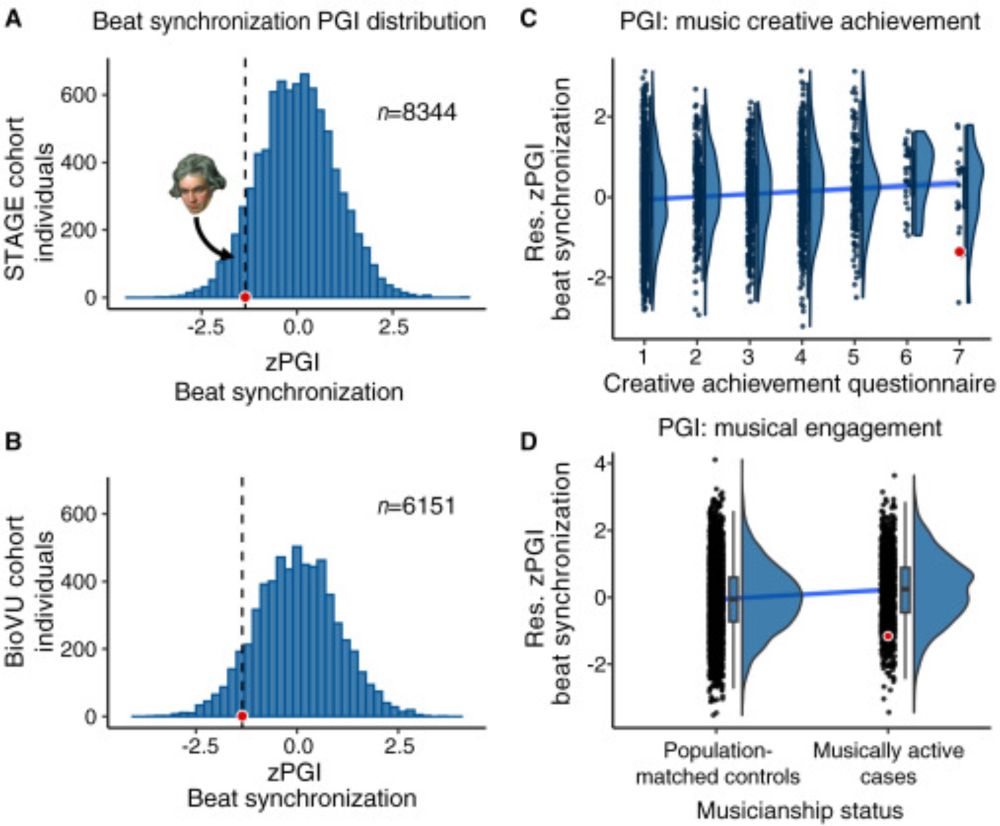
Notes from Beethoven’s genome
Wesseldijk et al. compare the genomic information collected from Ludwig van Beethoven
with population-based datasets used to quantify musical achievement.
www.cell.com
August 15, 2025 at 4:14 AM
Music to my ears. This is brilliant. Either 90% of us can claim to be better musicians than Beethoven or… maybe just maybe polygenic scores aren’t perfect?
