



Ryan Greenway
@ryangreenway.bsky.social
Science and illustration. Evolutionary biologist now dabbling in interspecific interactions with nematodes and arthropods.
Pinned

Check out our preprint investigating host use in sympatric Caenorhabditis nematodes! We found three Caenorhabditis species in a local community are associated with different invert taxa, and document a strong association between one species and invasive nitidulid beetles.
doi.org/10.64898/202...
doi.org/10.64898/202...
Reposted by Ryan Greenway

Excited about our new preprint showing bidirectional adaptive introgression between invasive and native crop pests over ecological timescales www.biorxiv.org/content/10.6...

The collision of two genomes threatens global food security
Human activity alters selection pressures and species' ranges, creating opportunities for hybridisation through secondary contact. Ancient hybridization has enabled adaptive radiation, but its role in...
www.biorxiv.org
December 26, 2025 at 11:21 AM
Excited about our new preprint showing bidirectional adaptive introgression between invasive and native crop pests over ecological timescales www.biorxiv.org/content/10.6...
Reposted by Ryan Greenway

Pack your bags, charge your batteries, #InverteFest begins at midnight your time.
If you're going out to spot critters, join our community science project here: www.inaturalist.org/projects/inv...
If you're going out to spot critters, join our community science project here: www.inaturalist.org/projects/inv...
December 24, 2025 at 10:53 AM
Pack your bags, charge your batteries, #InverteFest begins at midnight your time.
If you're going out to spot critters, join our community science project here: www.inaturalist.org/projects/inv...
If you're going out to spot critters, join our community science project here: www.inaturalist.org/projects/inv...
Reposted by Ryan Greenway

Carlson et al. build a mathematical model considering how genotype-by-environment interactions can maintain variation and parametrize their model to test its applicability to real mutualisms.
Read now ahead of print!
www.journals.uchicago.edu/doi/10.1086/...
Read now ahead of print!
www.journals.uchicago.edu/doi/10.1086/...
How Genotype-by-Environment Interactions Can Maintain Variation in Mutualisms | The American Naturalist
Abstract Coevolution requires reciprocal genotype-by-genotype (G × G) interactions for fitness, which occur when the fitness of a genotype in one species depends on the genotype it interacts with in a...
www.journals.uchicago.edu
December 24, 2025 at 12:50 AM
Carlson et al. build a mathematical model considering how genotype-by-environment interactions can maintain variation and parametrize their model to test its applicability to real mutualisms.
Read now ahead of print!
www.journals.uchicago.edu/doi/10.1086/...
Read now ahead of print!
www.journals.uchicago.edu/doi/10.1086/...
Reposted by Ryan Greenway

Hey, it's my print debut for National Geographic! This fall, I got to accompany folks from the Fort Worth Zoo on an incredible adorable mission: releasing tiny Texas horned lizards to new lives in the Hill Country.
(You will want to click on this one, trust me. The photos are adorable.)
(You will want to click on this one, trust me. The photos are adorable.)

Is the grumpy-faced Texas horned lizard adorable enough to survive?
As habitat loss and invasive predators decimate the Texas horned lizard population, researchers are banking on statewide fervor to bring them back.
www.nationalgeographic.com
December 23, 2025 at 1:23 AM
Hey, it's my print debut for National Geographic! This fall, I got to accompany folks from the Fort Worth Zoo on an incredible adorable mission: releasing tiny Texas horned lizards to new lives in the Hill Country.
(You will want to click on this one, trust me. The photos are adorable.)
(You will want to click on this one, trust me. The photos are adorable.)
Reposted by Ryan Greenway
Love this short opinion piece on “mechanical bypass” in analogy to “spiritual bypass”.

The “machinal bypass” and how we’re using AI to avoid ourselves | PNAS
The “machinal bypass” and how we’re using AI to avoid ourselves
www.pnas.org
December 21, 2025 at 4:42 AM
Love this short opinion piece on “mechanical bypass” in analogy to “spiritual bypass”.
Despite the fog, today I managed to find the local pair of black woodpeckers I’ve been trying to track down (not pictured).


December 20, 2025 at 5:57 PM
Despite the fog, today I managed to find the local pair of black woodpeckers I’ve been trying to track down (not pictured).
Reposted by Ryan Greenway
The Golden Age of Caenorhabditis ecology is right now.
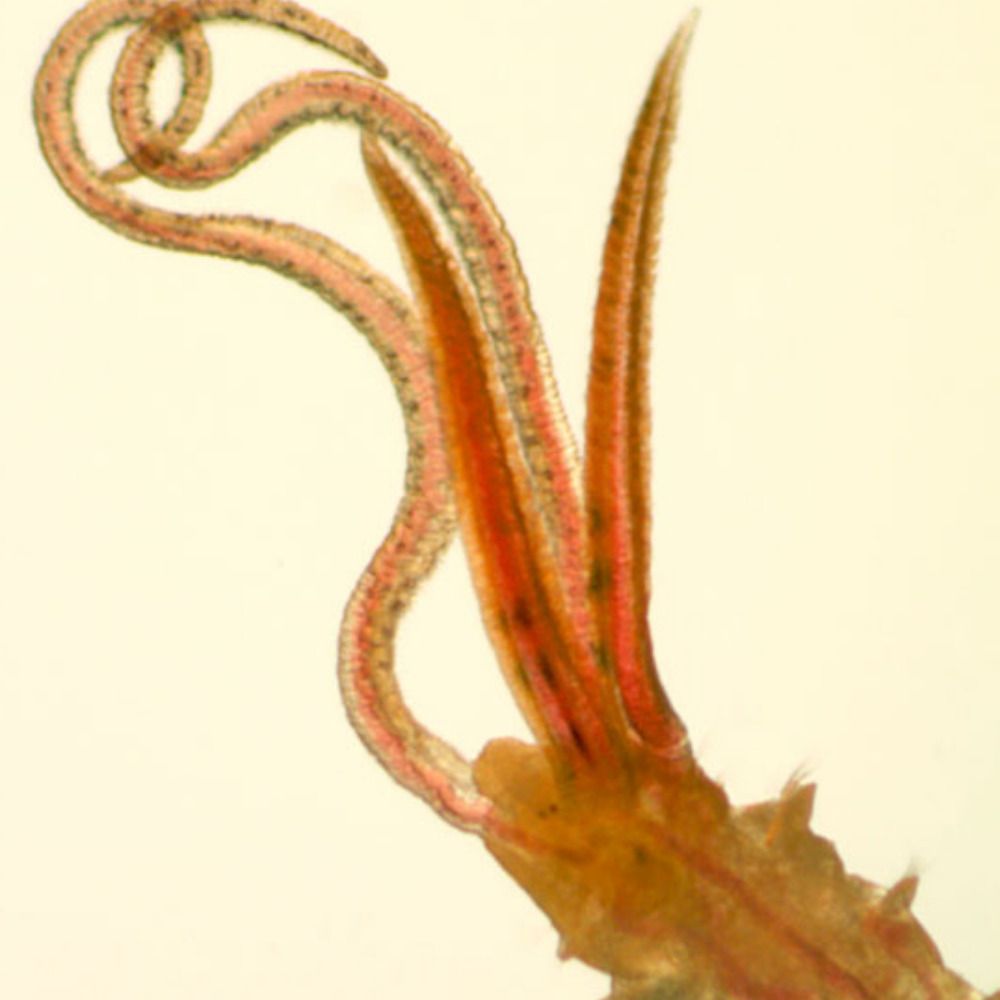
Check out our preprint investigating host use in sympatric Caenorhabditis nematodes! We found three Caenorhabditis species in a local community are associated with different invert taxa, and document a strong association between one species and invasive nitidulid beetles.
doi.org/10.64898/202...
doi.org/10.64898/202...
December 19, 2025 at 3:51 PM
The Golden Age of Caenorhabditis ecology is right now.
Reposted by Ryan Greenway
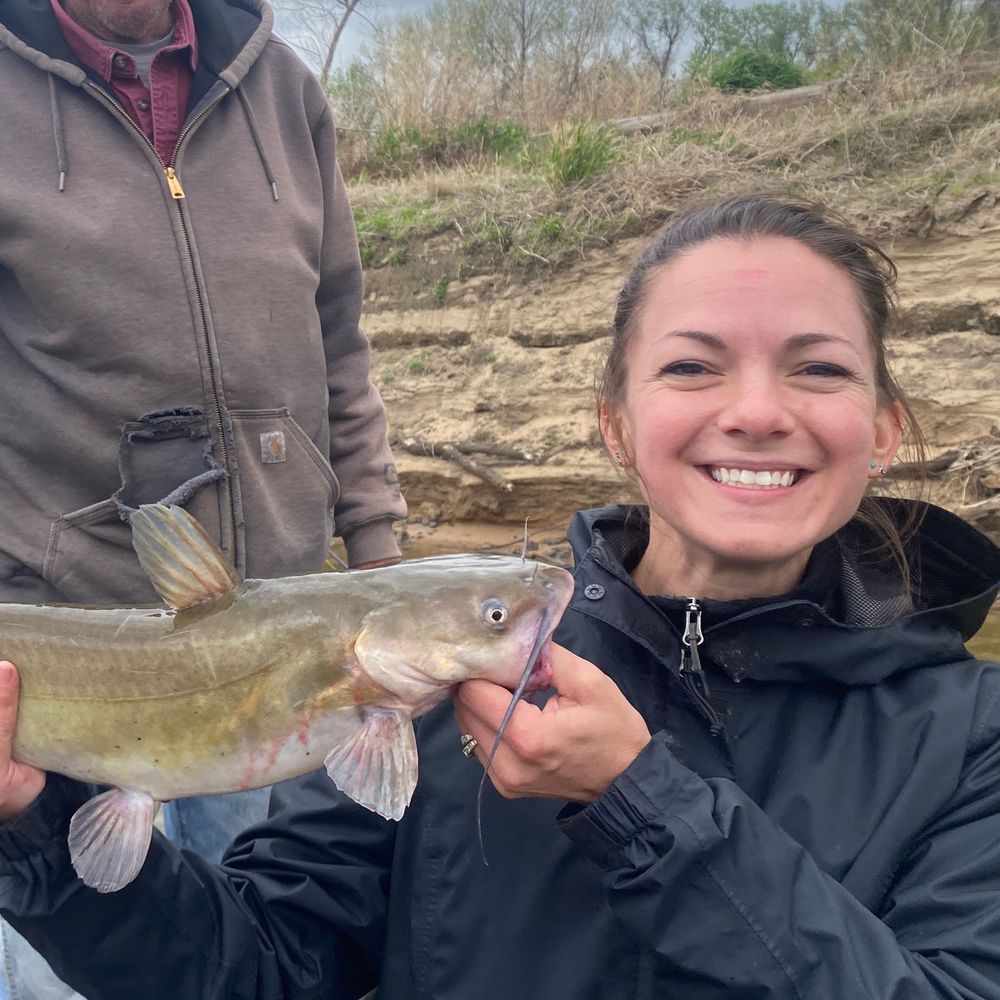
Our last but certainly not least mystery species for the #25daysoffishmas (@drkatfish.Bsky.social) #sundayfishsketch #fishytheme crossover! Use the clues below to sketch the mystery fish. Post your guesses on Sunday! Merry fishmas everyone and good luck! #sciart 🦑

December 19, 2025 at 1:52 PM
Our last but certainly not least mystery species for the #25daysoffishmas (@drkatfish.Bsky.social) #sundayfishsketch #fishytheme crossover! Use the clues below to sketch the mystery fish. Post your guesses on Sunday! Merry fishmas everyone and good luck! #sciart 🦑
Reposted by Ryan Greenway
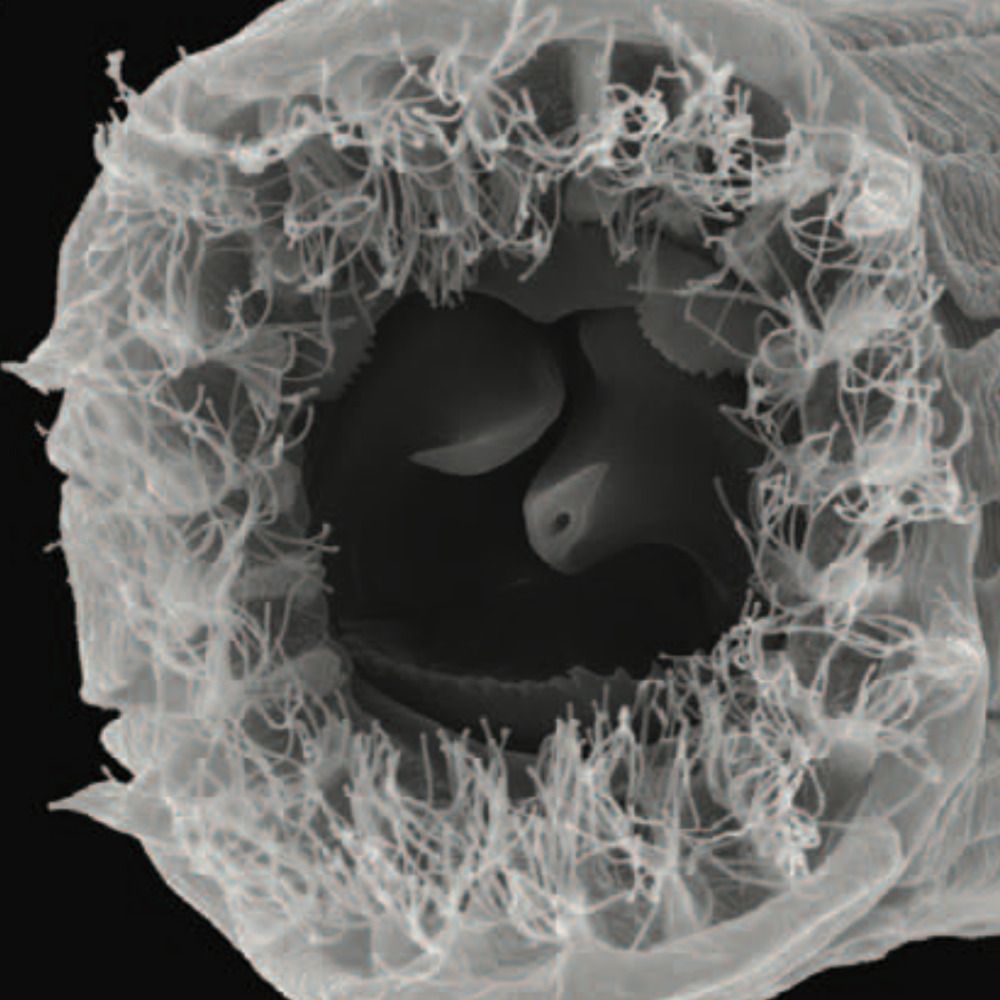
Caenorhabditis briggsae ancestral genomic hyper-diversity contrasts with globally distributed genome-wide haplotypes
www.biorxiv.org/content/10.6...
www.biorxiv.org/content/10.6...

Caenorhabditis briggsae ancestral genomic hyper-diversity contrasts with globally distributed genome-wide haplotypes
Comparative genomics provides a powerful framework to uncover the molecular and evolutionary mechanisms that shape genetic diversity within and across species, revealing how shared and lineage-specifi...
www.biorxiv.org
December 19, 2025 at 1:41 PM
Caenorhabditis briggsae ancestral genomic hyper-diversity contrasts with globally distributed genome-wide haplotypes
www.biorxiv.org/content/10.6...
www.biorxiv.org/content/10.6...
Reposted by Ryan Greenway

A novel, fig-associated microbe promotes reproductive success via variable life history mechanisms in C. elegans and C. inopinata https://www.biorxiv.org/content/10.64898/2025.12.16.694684v1
December 19, 2025 at 11:32 AM
A novel, fig-associated microbe promotes reproductive success via variable life history mechanisms in C. elegans and C. inopinata https://www.biorxiv.org/content/10.64898/2025.12.16.694684v1
Reposted by Ryan Greenway

A fun evolution and behavior project initiated by a summer undergrad Reina Eugene (PGSIP intern!) with Dustin Haskell - Variation in Social Feeding Behaviors and Interactions Among Caenorhabditis Nematodes @penngenetics.bsky.social @ecol-evol.bsky.social onlinelibrary.wiley.com/doi/10.1002/...

Variation in Social Feeding Behaviors and Interactions Among Caenorhabditis Nematodes
Different species of roundworms (nematodes) are frequently found together in the wild and can aggregate in groups while feeding. We find that different species of worms display a range of feeding beh...
onlinelibrary.wiley.com
November 19, 2025 at 3:57 PM
A fun evolution and behavior project initiated by a summer undergrad Reina Eugene (PGSIP intern!) with Dustin Haskell - Variation in Social Feeding Behaviors and Interactions Among Caenorhabditis Nematodes @penngenetics.bsky.social @ecol-evol.bsky.social onlinelibrary.wiley.com/doi/10.1002/...
Check out our preprint investigating host use in sympatric Caenorhabditis nematodes! We found three Caenorhabditis species in a local community are associated with different invert taxa, and document a strong association between one species and invasive nitidulid beetles.
doi.org/10.64898/202...
doi.org/10.64898/202...
December 19, 2025 at 8:03 AM
Check out our preprint investigating host use in sympatric Caenorhabditis nematodes! We found three Caenorhabditis species in a local community are associated with different invert taxa, and document a strong association between one species and invasive nitidulid beetles.
doi.org/10.64898/202...
doi.org/10.64898/202...
Reposted by Ryan Greenway

Differential phoretic host use among sympatric Caenorhabditis nematodes and an association with invasive nitidulid beetles in southwestern Germany https://www.biorxiv.org/content/10.64898/2025.12.16.694592v1
December 18, 2025 at 11:31 PM
Differential phoretic host use among sympatric Caenorhabditis nematodes and an association with invasive nitidulid beetles in southwestern Germany https://www.biorxiv.org/content/10.64898/2025.12.16.694592v1
Reposted by Ryan Greenway
Only one more #SundayFishSketch - #25DaysofFishmas mystery fish before the big day!
For Sunday December 21, sketch the species you think these clues are describing (don't spoil it early if you know it!). The answer will be revealed with the day's #Fishmas calendar! @lampichthys.bsky.social
For Sunday December 21, sketch the species you think these clues are describing (don't spoil it early if you know it!). The answer will be revealed with the day's #Fishmas calendar! @lampichthys.bsky.social

December 19, 2025 at 12:35 AM
Only one more #SundayFishSketch - #25DaysofFishmas mystery fish before the big day!
For Sunday December 21, sketch the species you think these clues are describing (don't spoil it early if you know it!). The answer will be revealed with the day's #Fishmas calendar! @lampichthys.bsky.social
For Sunday December 21, sketch the species you think these clues are describing (don't spoil it early if you know it!). The answer will be revealed with the day's #Fishmas calendar! @lampichthys.bsky.social
Reposted by Ryan Greenway

Can we predict gene expression evolution? In flour beetles, transcriptome-wide selection predicts expression change, with indirect selection acting strongest on pleiotropic, network-central genes—linking co-expression architecture to adaptation.
academic.oup.com/evlett/artic... Photo: Udo Schmidt
academic.oup.com/evlett/artic... Photo: Udo Schmidt

December 18, 2025 at 1:01 PM
Can we predict gene expression evolution? In flour beetles, transcriptome-wide selection predicts expression change, with indirect selection acting strongest on pleiotropic, network-central genes—linking co-expression architecture to adaptation.
academic.oup.com/evlett/artic... Photo: Udo Schmidt
academic.oup.com/evlett/artic... Photo: Udo Schmidt
Reposted by Ryan Greenway

More than 2/3 of environmental professionals feel that working class individuals are underrepresented in their organisation.
🎧Check out the latest episode of the @endsreport.com report podcast featuring @drciaradwyer.bsky.social, Co-Chair of our Socioeconomic Equality and Diversity (SEED) Network
🎧Check out the latest episode of the @endsreport.com report podcast featuring @drciaradwyer.bsky.social, Co-Chair of our Socioeconomic Equality and Diversity (SEED) Network

Our latest podcast on being working class in the environment sector is live⚡️ with -
🐦⬛ RAVEN networks' Nadia Shaikh
🏗️ ISEP's chief Sarah Mukherjee
𖣘 WCCA founder Emma River-Roberts and
🍃 @britishecologicalsociety.org 's SEED co-lead Dr Ciara Dwyer
🎧 Listen now pod.fo/e/368517
🐦⬛ RAVEN networks' Nadia Shaikh
🏗️ ISEP's chief Sarah Mukherjee
𖣘 WCCA founder Emma River-Roberts and
🍃 @britishecologicalsociety.org 's SEED co-lead Dr Ciara Dwyer
🎧 Listen now pod.fo/e/368517

Eco Chamber: Access Denied: Does the environment sector have a problem with class?
In this episode, we investigate the representation of working class voices in the UK’s environment sector, reveal exclusive ENDS analysis on the industry’s make-up and hear from those trying to...
pod.fo
December 17, 2025 at 4:29 PM
More than 2/3 of environmental professionals feel that working class individuals are underrepresented in their organisation.
🎧Check out the latest episode of the @endsreport.com report podcast featuring @drciaradwyer.bsky.social, Co-Chair of our Socioeconomic Equality and Diversity (SEED) Network
🎧Check out the latest episode of the @endsreport.com report podcast featuring @drciaradwyer.bsky.social, Co-Chair of our Socioeconomic Equality and Diversity (SEED) Network
Reposted by Ryan Greenway

📣PhD alert:
There are two new PhD positions from IMPRS-QBEE Faculty members - check them out here: imprs-qbee.mpg.de/66685/current. Application deadlines are January 2026
There are two new PhD positions from IMPRS-QBEE Faculty members - check them out here: imprs-qbee.mpg.de/66685/current. Application deadlines are January 2026
December 10, 2025 at 10:34 AM
📣PhD alert:
There are two new PhD positions from IMPRS-QBEE Faculty members - check them out here: imprs-qbee.mpg.de/66685/current. Application deadlines are January 2026
There are two new PhD positions from IMPRS-QBEE Faculty members - check them out here: imprs-qbee.mpg.de/66685/current. Application deadlines are January 2026
A few recent watercolor pieces


December 17, 2025 at 9:20 AM
A few recent watercolor pieces
Reposted by Ryan Greenway

Developmentally stunted stickleback? Study of 34 Greenlandic lakes reveals the absence of top predators reduces the available prey biomass, leading to small-bodied, large-headed stickleback populations:
doi.org/10.1093/jeb/...
Moosman et al. @brodersenfish.bsky.social @ebmatthews.bsky.social
doi.org/10.1093/jeb/...
Moosman et al. @brodersenfish.bsky.social @ebmatthews.bsky.social

Predator-mediated resource limitation shapes body and head size variation in stickleback populations
Abstract. Predator and prey communities are important putative drivers of phenotypic variation in consumers. However, in natural food webs, we often lack a
doi.org
July 18, 2025 at 9:42 AM
Developmentally stunted stickleback? Study of 34 Greenlandic lakes reveals the absence of top predators reduces the available prey biomass, leading to small-bodied, large-headed stickleback populations:
doi.org/10.1093/jeb/...
Moosman et al. @brodersenfish.bsky.social @ebmatthews.bsky.social
doi.org/10.1093/jeb/...
Moosman et al. @brodersenfish.bsky.social @ebmatthews.bsky.social
Reposted by Ryan Greenway
🎉 Youn Jae Kang 🎓 successfully defended her thesis "Evolutionary deconstruction of C.elegans aggregation behaviour: environmental and genetic correlates of aggregation behaviour and its individual and interaction components", 🪱supervised by Serena Ding - congratulations!🥂

December 10, 2025 at 10:28 AM
🎉 Youn Jae Kang 🎓 successfully defended her thesis "Evolutionary deconstruction of C.elegans aggregation behaviour: environmental and genetic correlates of aggregation behaviour and its individual and interaction components", 🪱supervised by Serena Ding - congratulations!🥂