




Reposted by Rudy van den Brink

This one looks intriguing. Arousal "embedding" whole-brain dynamics. 🤯
#neuroskyence #compneurosky
doi.org/10.1038/s415...
#neuroskyence #compneurosky
doi.org/10.1038/s415...

Arousal as a universal embedding for spatiotemporal brain dynamics - Nature
Reframing of arousal as a latent dynamical system can reconstruct multidimensional measurements of large-scale spatiotemporal brain dynamics on the timescale of seconds in mice.
doi.org
September 25, 2025 at 6:03 AM
This one looks intriguing. Arousal "embedding" whole-brain dynamics. 🤯
#neuroskyence #compneurosky
doi.org/10.1038/s415...
#neuroskyence #compneurosky
doi.org/10.1038/s415...
Reposted by Rudy van den Brink

If you are (or know) a hardworking student with a background in machine learning or computational neuroscience (loosely defined),
and want to do a PhD while learning more about methods and problems in the respective other fields,
don’t hesitate to reach out.
and want to do a PhD while learning more about methods and problems in the respective other fields,
don’t hesitate to reach out.

kermit the frog and darth vader are standing next to each other with the words give yourself to the dark side below them
ALT: kermit the frog and darth vader are standing next to each other with the words give yourself to the dark side below them
media.tenor.com
September 23, 2025 at 1:00 PM
If you are (or know) a hardworking student with a background in machine learning or computational neuroscience (loosely defined),
and want to do a PhD while learning more about methods and problems in the respective other fields,
don’t hesitate to reach out.
and want to do a PhD while learning more about methods and problems in the respective other fields,
don’t hesitate to reach out.
Reposted by Rudy van den Brink

What complexity of algorithms can AI compute? In a new paper with colleagues at IBM Research, we explore how circuit complexity theory can help quantify the degree of algorithmic generalization in AI systems. www.nature.com/articles/s42...
@natmachintell.nature.com
#ML #AI #MLSky
1/n
@natmachintell.nature.com
#ML #AI #MLSky
1/n
August 19, 2025 at 10:38 PM
What complexity of algorithms can AI compute? In a new paper with colleagues at IBM Research, we explore how circuit complexity theory can help quantify the degree of algorithmic generalization in AI systems. www.nature.com/articles/s42...
@natmachintell.nature.com
#ML #AI #MLSky
1/n
@natmachintell.nature.com
#ML #AI #MLSky
1/n
Reposted by Rudy van den Brink

🚨 Finally out in Nature Machine Intelligence!!
"Visual representations in the human brain are aligned with large language models"
🔗 www.nature.com/articles/s42...
"Visual representations in the human brain are aligned with large language models"
🔗 www.nature.com/articles/s42...
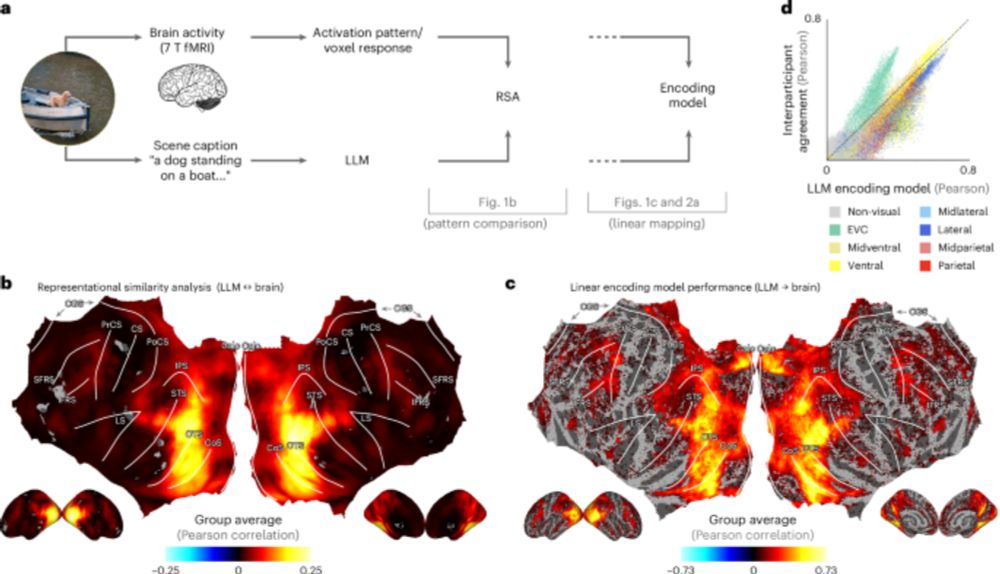
High-level visual representations in the human brain are aligned with large language models - Nature Machine Intelligence
Doerig, Kietzmann and colleagues show that the brain’s response to visual scenes can be modelled using language-based AI representations. By linking brain activity to caption-based embeddings from lar...
www.nature.com
August 7, 2025 at 1:06 PM
🚨 Finally out in Nature Machine Intelligence!!
"Visual representations in the human brain are aligned with large language models"
🔗 www.nature.com/articles/s42...
"Visual representations in the human brain are aligned with large language models"
🔗 www.nature.com/articles/s42...
Reposted by Rudy van den Brink

New paper in @natcomms.nature.com: “Confirmation bias through selective readout of information encoded in human parietal cortex” (rdcu.be/etlR7) from my work in Donner lab. Jointly lead by Hame Park, Ayelet Arazi, & me, together with Marco Celotto, Stefano Panzeri, Alan Stocker and Tobias Donner. 🧵👇🏽
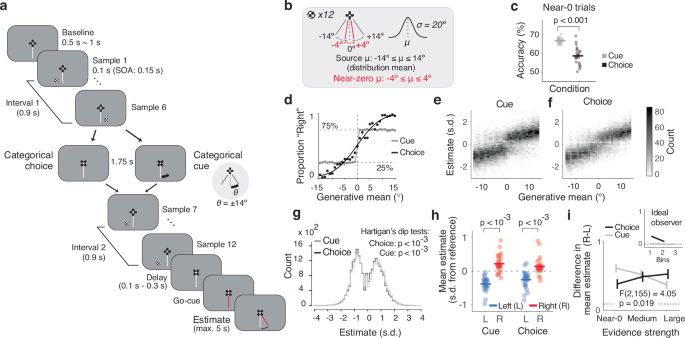
Confirmation bias through selective readout of information encoded in human parietal cortex - Nature Communications
People often discard incoming information when it contradicts their pre-existing beliefs about the world. Here, the authors show that this discarded information is precisely encoded in the brain, but ...
www.nature.com
June 25, 2025 at 2:54 PM
New paper in @natcomms.nature.com: “Confirmation bias through selective readout of information encoded in human parietal cortex” (rdcu.be/etlR7) from my work in Donner lab. Jointly lead by Hame Park, Ayelet Arazi, & me, together with Marco Celotto, Stefano Panzeri, Alan Stocker and Tobias Donner. 🧵👇🏽
Reposted by Rudy van den Brink

First post on an exciting new manuscript online today @natneuro.nature.com - in collab with @lucinauddin.bsky.social and Catie Chang. We take a fresh look at the physiological dynamics associated with the global signal 🧠 ...
www.nature.com/articles/s41...
Read here:
rdcu.be/ek01F
www.nature.com/articles/s41...
Read here:
rdcu.be/ek01F
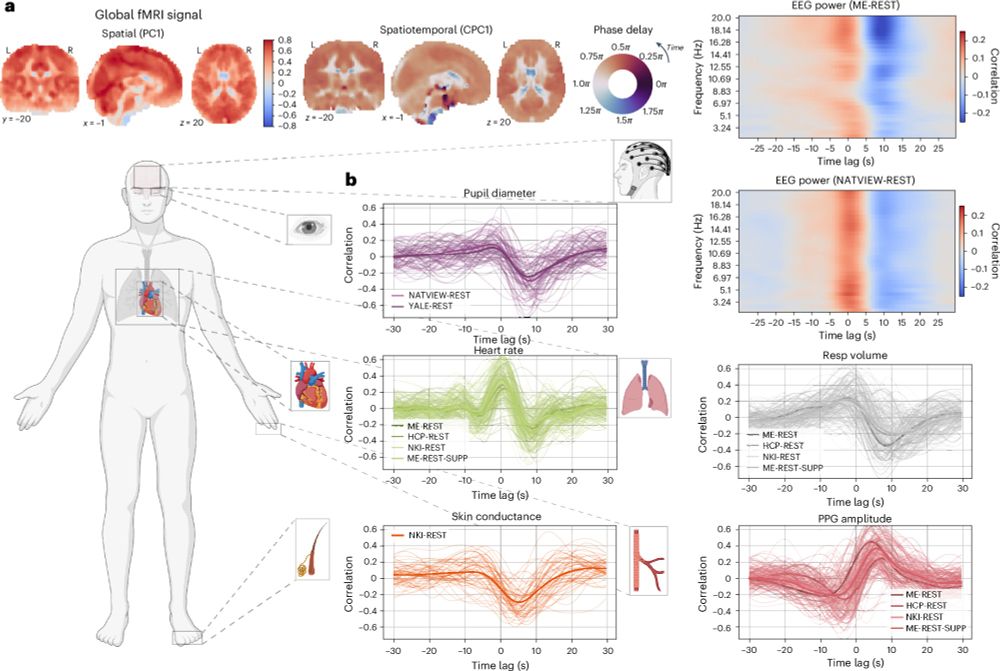
Autonomic physiological coupling of the global fMRI signal
Nature Neuroscience - The brain and body are necessarily connected. Here the authors show that brain blood flow and electrical activity are coupled with systemic physiological changes in the body.
rdcu.be
May 7, 2025 at 1:42 PM
First post on an exciting new manuscript online today @natneuro.nature.com - in collab with @lucinauddin.bsky.social and Catie Chang. We take a fresh look at the physiological dynamics associated with the global signal 🧠 ...
www.nature.com/articles/s41...
Read here:
rdcu.be/ek01F
www.nature.com/articles/s41...
Read here:
rdcu.be/ek01F
Reposted by Rudy van den Brink

An open letter supporting the international bachelor’s psychology programs threatened for cuts. Proceeding with these cuts would damage some of the most important and impactful psychology departments globally. #supportdutchpsychology
openletter.earth/against-lang...
openletter.earth/against-lang...

Against Language Barriers: A Call to Protect International Education in Dutch Academia
openletter.earth
April 28, 2025 at 10:46 PM
An open letter supporting the international bachelor’s psychology programs threatened for cuts. Proceeding with these cuts would damage some of the most important and impactful psychology departments globally. #supportdutchpsychology
openletter.earth/against-lang...
openletter.earth/against-lang...
Reposted by Rudy van den Brink

Very happy to share this paper, now published in
@natcomms.nature.com! nature.com/articles/s41...
With @spk3lly.bsky.social and @neuromurphy.bsky.social, we investigated the neural computations that allow us to make near-optimal decisions in changing environments. Here's a short summary:
@natcomms.nature.com! nature.com/articles/s41...
With @spk3lly.bsky.social and @neuromurphy.bsky.social, we investigated the neural computations that allow us to make near-optimal decisions in changing environments. Here's a short summary:
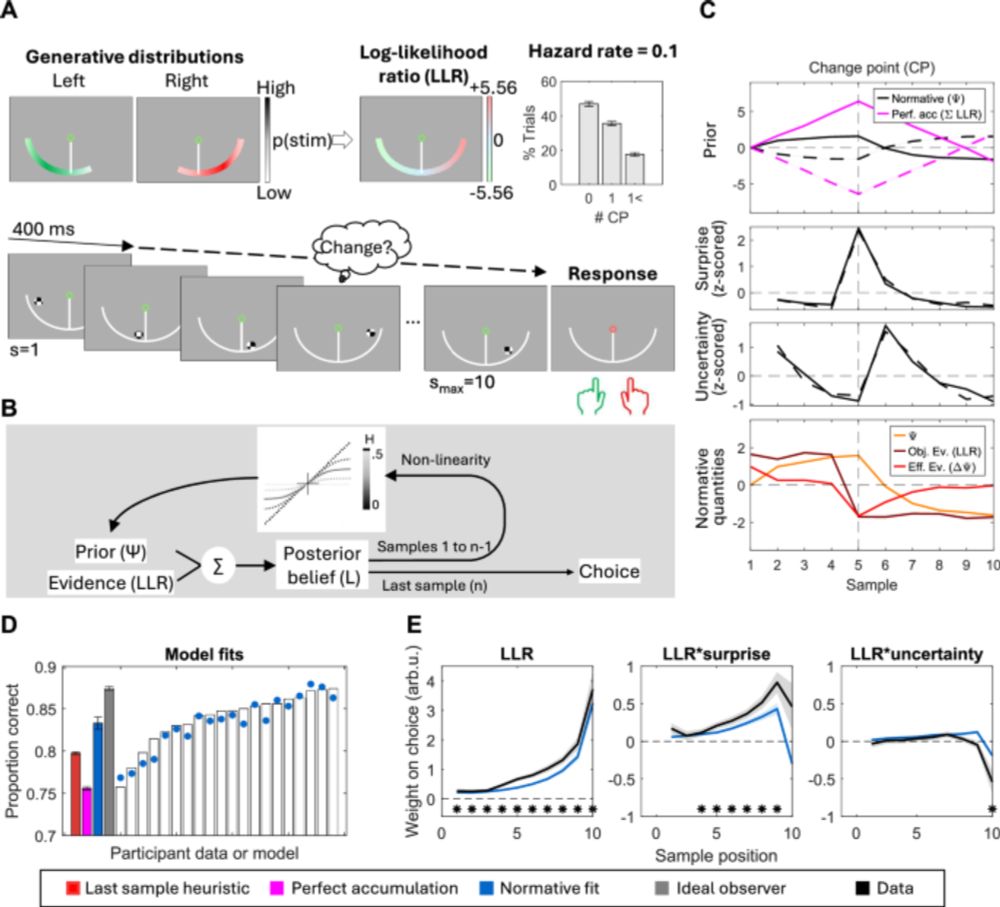
Dissociable encoding of evolving beliefs and momentary belief updates in distinct neural decision signals - Nature Communications
People are capable of making near-optimal decisions in volatile, changing environments. Here, the authors show how two neural decision signals encode distinct aspects of the belief updating process un...
nature.com
April 28, 2025 at 8:33 AM
Very happy to share this paper, now published in
@natcomms.nature.com! nature.com/articles/s41...
With @spk3lly.bsky.social and @neuromurphy.bsky.social, we investigated the neural computations that allow us to make near-optimal decisions in changing environments. Here's a short summary:
@natcomms.nature.com! nature.com/articles/s41...
With @spk3lly.bsky.social and @neuromurphy.bsky.social, we investigated the neural computations that allow us to make near-optimal decisions in changing environments. Here's a short summary:
Reposted by Rudy van den Brink

Introducing a new tool from @tsbolt.bsky.social, find-viz (FMRI Interactive Navigation and Discovery Viewer)! It’s a browser-based visualization tool built with one purpose in mind: get researchers to spend more time looking at their fMRI data 🧠 @ohbmofficial.bsky.social @ohbmtrainees.bsky.social
April 22, 2025 at 1:05 AM
Introducing a new tool from @tsbolt.bsky.social, find-viz (FMRI Interactive Navigation and Discovery Viewer)! It’s a browser-based visualization tool built with one purpose in mind: get researchers to spend more time looking at their fMRI data 🧠 @ohbmofficial.bsky.social @ohbmtrainees.bsky.social
Reposted by Rudy van den Brink

I'm excited to share that the last chapter of my PhD thesis is now published in Nature! 🍾
What drives serotonin neurons? We think it's the expectation of future reward and --- critically --- how fast this expectation is increasing. 📈
doi.org/10.1038/s415...
1/6
What drives serotonin neurons? We think it's the expectation of future reward and --- critically --- how fast this expectation is increasing. 📈
doi.org/10.1038/s415...
1/6
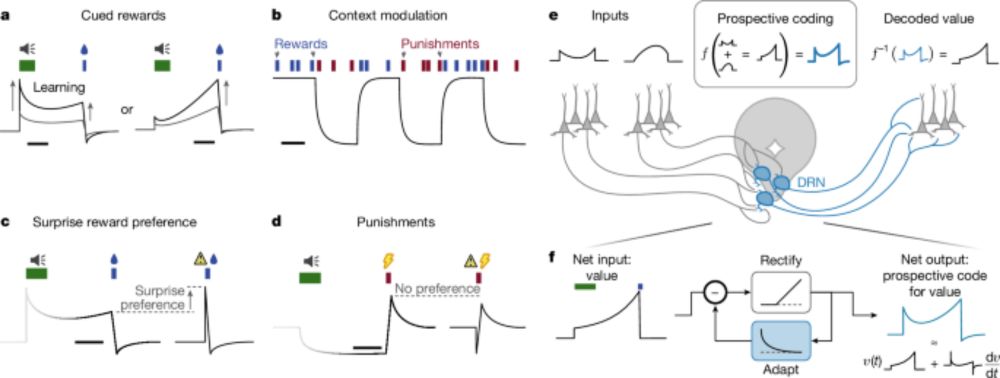
A prospective code for value in the serotonin system - Nature
Merging ideas from reinforcement learning theory with recent insights into the filtering properties of the dorsal raphe nucleus, a unifying perspective is found explaining why serotonin neurons are ac...
doi.org
March 27, 2025 at 9:04 PM
I'm excited to share that the last chapter of my PhD thesis is now published in Nature! 🍾
What drives serotonin neurons? We think it's the expectation of future reward and --- critically --- how fast this expectation is increasing. 📈
doi.org/10.1038/s415...
1/6
What drives serotonin neurons? We think it's the expectation of future reward and --- critically --- how fast this expectation is increasing. 📈
doi.org/10.1038/s415...
1/6
Reposted by Rudy van den Brink
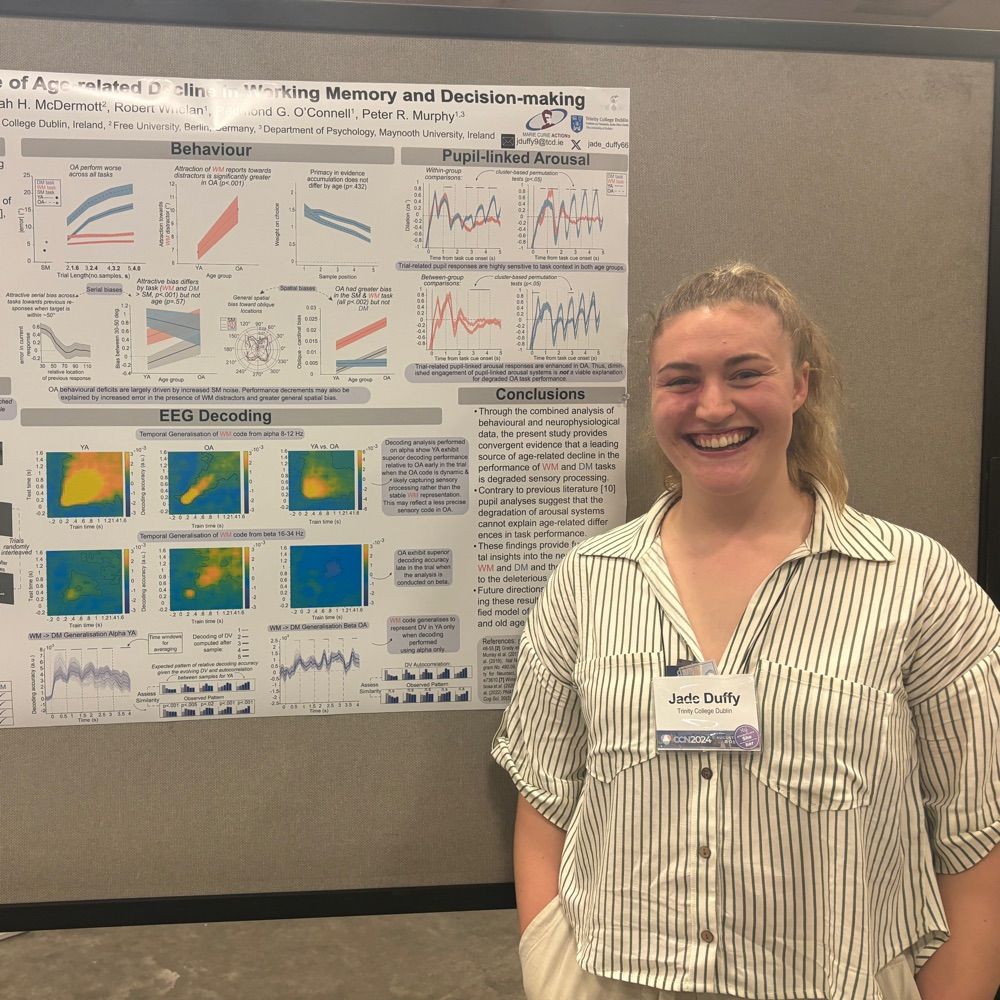
In life, 3 things are certain: death, taxes, and decision-making variability🧠. Our review tinyurl.com/4dcwafc4 explores how computational models 💻 explain variability, their limits, and recent advances. A thread🧵👇
@redmondoconnell.bsky.social @neuromurphy.bsky.social Mark Bellgrove (not on Bluesky)
@redmondoconnell.bsky.social @neuromurphy.bsky.social Mark Bellgrove (not on Bluesky)
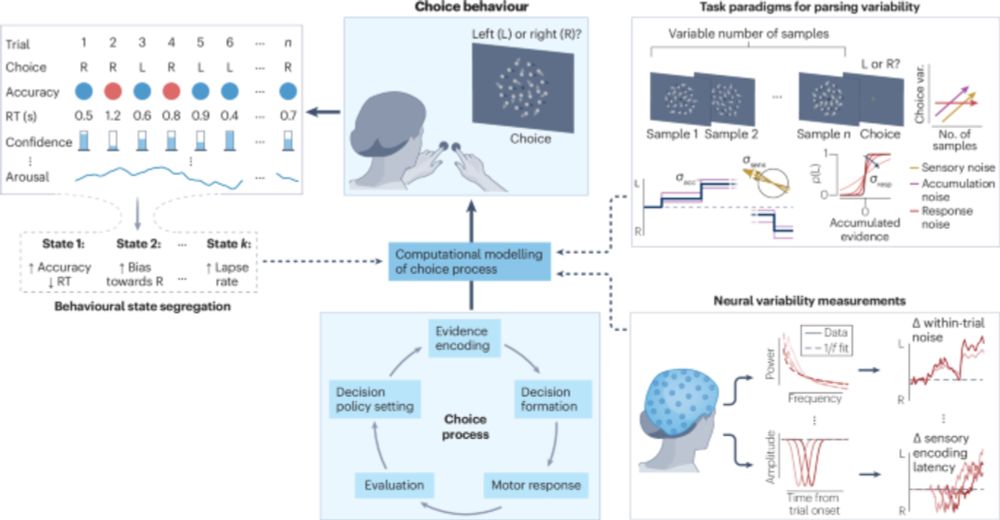
Disentangling sources of variability in decision-making - Nature Reviews Neuroscience
Identifying the psychological and neurobiological processes underpinning intra-individual variations in choice behaviour presents a formidable challenge. In this Review, Duffy et al. discuss how algor...
www.nature.com
March 24, 2025 at 12:29 PM
In life, 3 things are certain: death, taxes, and decision-making variability🧠. Our review tinyurl.com/4dcwafc4 explores how computational models 💻 explain variability, their limits, and recent advances. A thread🧵👇
@redmondoconnell.bsky.social @neuromurphy.bsky.social Mark Bellgrove (not on Bluesky)
@redmondoconnell.bsky.social @neuromurphy.bsky.social Mark Bellgrove (not on Bluesky)
Reposted by Rudy van den Brink
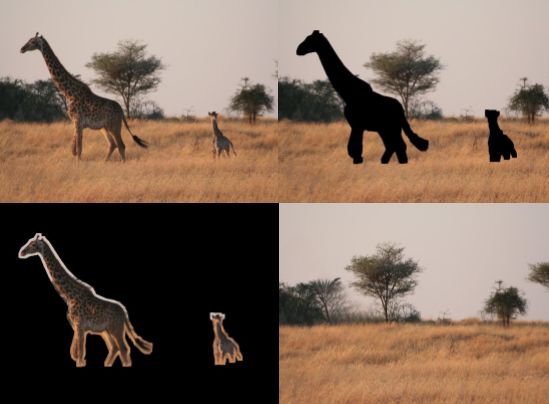
New preprint (#neuroscience #deeplearning doi.org/10.1101/2025...)! We trained 20 DCNNs on 941235 images with varying scene segmentation (original. object-only, silhouette, background-only). Despite object recognition varying (27-53%), all networks showed similar EEG prediction.
March 15, 2025 at 1:55 PM
New preprint (#neuroscience #deeplearning doi.org/10.1101/2025...)! We trained 20 DCNNs on 941235 images with varying scene segmentation (original. object-only, silhouette, background-only). Despite object recognition varying (27-53%), all networks showed similar EEG prediction.
Reposted by Rudy van den Brink

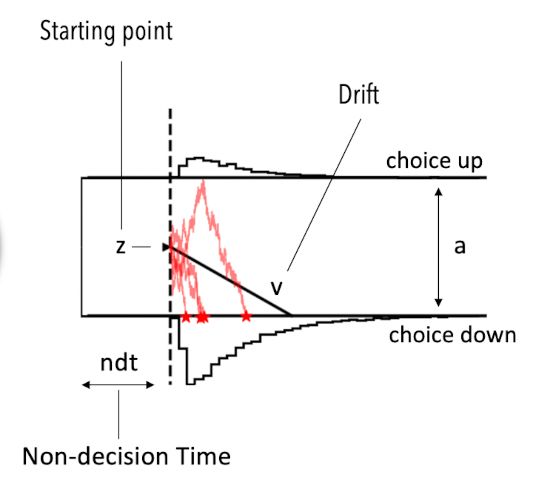
A new Python toolbox called HSSM simplifies working with Hierarchical Sequential Sampling Models (HSSMs) to understand how we accumulate evidence and make choices. Built on PyMC, Bambi, & ArviZ. Check it out! #cognitivescience #python #decisionmaking
edspace.american.edu/openbehavior...
edspace.american.edu/openbehavior...
January 31, 2025 at 7:04 PM
A new Python toolbox called HSSM simplifies working with Hierarchical Sequential Sampling Models (HSSMs) to understand how we accumulate evidence and make choices. Built on PyMC, Bambi, & ArviZ. Check it out! #cognitivescience #python #decisionmaking
edspace.american.edu/openbehavior...
edspace.american.edu/openbehavior...
Reposted by Rudy van den Brink

For my first Bluesky post, I'm very excited to share a thread on our recent work with Mitra Javadzadeh, investigating how connections between cortical areas shape computations in the neocortex! [1/7] www.biorxiv.org/content/10.1...

Dynamic consensus-building between neocortical areas via long-range connections
The neocortex is organized into functionally specialized areas. While the functions and underlying neural circuitry of individual neocortical areas are well studied, it is unclear how these regions op...
www.biorxiv.org
January 31, 2025 at 2:57 AM
For my first Bluesky post, I'm very excited to share a thread on our recent work with Mitra Javadzadeh, investigating how connections between cortical areas shape computations in the neocortex! [1/7] www.biorxiv.org/content/10.1...
Reposted by Rudy van den Brink

Hey Bsky friends on #neuroskyence! Very excited to share our
@iclr-conf.bsky.social paper: TopoNets! High-performing vision and language models with brain-like topography! Expertly led by grad student Mayukh and Mainak! A brief thread...
@iclr-conf.bsky.social paper: TopoNets! High-performing vision and language models with brain-like topography! Expertly led by grad student Mayukh and Mainak! A brief thread...
January 30, 2025 at 3:23 PM
Hey Bsky friends on #neuroskyence! Very excited to share our
@iclr-conf.bsky.social paper: TopoNets! High-performing vision and language models with brain-like topography! Expertly led by grad student Mayukh and Mainak! A brief thread...
@iclr-conf.bsky.social paper: TopoNets! High-performing vision and language models with brain-like topography! Expertly led by grad student Mayukh and Mainak! A brief thread...
Reposted by Rudy van den Brink
This account is for sharing info with US scientists, both extramural and intramural to NIH, about attacks on science in the US.
Education is power, and we can help advocate for science and medicine together. 💪🧪
We are a team of NIH people. Please ask us questions you might have.
Education is power, and we can help advocate for science and medicine together. 💪🧪
We are a team of NIH people. Please ask us questions you might have.
January 30, 2025 at 1:18 AM
This account is for sharing info with US scientists, both extramural and intramural to NIH, about attacks on science in the US.
Education is power, and we can help advocate for science and medicine together. 💪🧪
We are a team of NIH people. Please ask us questions you might have.
Education is power, and we can help advocate for science and medicine together. 💪🧪
We are a team of NIH people. Please ask us questions you might have.
Reposted by Rudy van den Brink
The architecture of the human default mode network explored through cytoarchitecture, wiring and signal flow
www.nature.com/articles/s41...
#neuroscience
www.nature.com/articles/s41...
#neuroscience

The architecture of the human default mode network explored through cytoarchitecture, wiring and signal flow - Nature Neuroscience
The default mode network (DMN) is implicated in cognition and behavior. Here, the authors show that the DMN is cytoarchitecturally heterogeneous, it contains regions receptive to input from the sensor...
www.nature.com
January 30, 2025 at 5:28 PM
The architecture of the human default mode network explored through cytoarchitecture, wiring and signal flow
www.nature.com/articles/s41...
#neuroscience
www.nature.com/articles/s41...
#neuroscience
Reposted by Rudy van den Brink

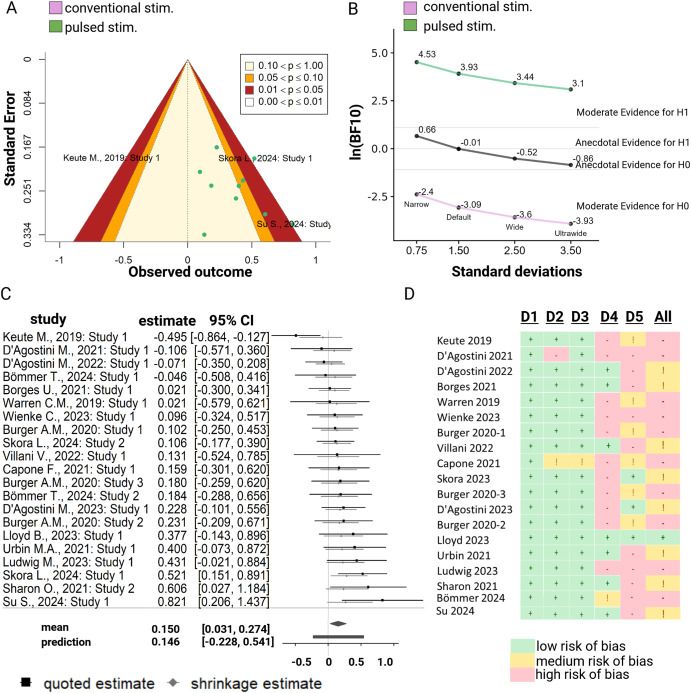
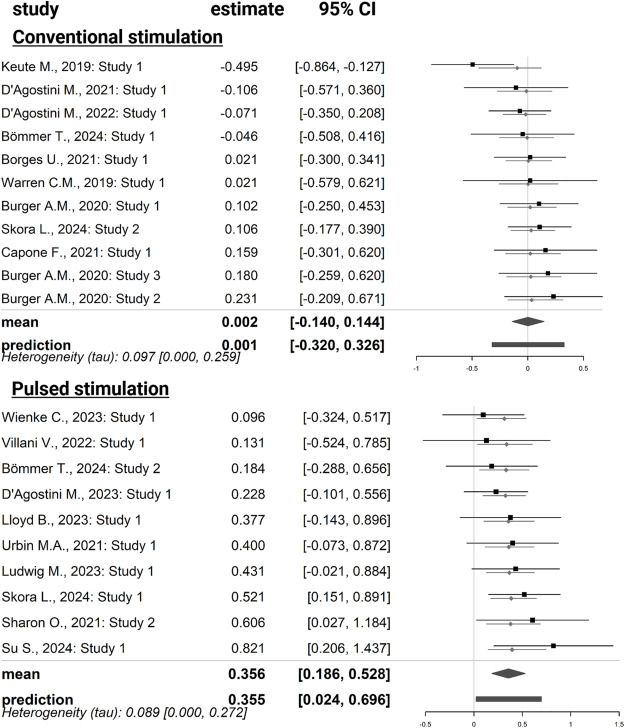
Does tVNS elicit replicable effects beyond BOLD responses in the brainstem? Yes, pulsed, but not conventional tVNS leads to robust pupil dilation in our new meta-analysis.
Published in Brain Stim w/ @cecivez.bsky.social @akuehnel.bsky.social #neuroskyence 🩺
www.sciencedirect.com/science/arti...
Published in Brain Stim w/ @cecivez.bsky.social @akuehnel.bsky.social #neuroskyence 🩺
www.sciencedirect.com/science/arti...
January 29, 2025 at 10:36 AM
Does tVNS elicit replicable effects beyond BOLD responses in the brainstem? Yes, pulsed, but not conventional tVNS leads to robust pupil dilation in our new meta-analysis.
Published in Brain Stim w/ @cecivez.bsky.social @akuehnel.bsky.social #neuroskyence 🩺
www.sciencedirect.com/science/arti...
Published in Brain Stim w/ @cecivez.bsky.social @akuehnel.bsky.social #neuroskyence 🩺
www.sciencedirect.com/science/arti...
Reposted by Rudy van den Brink

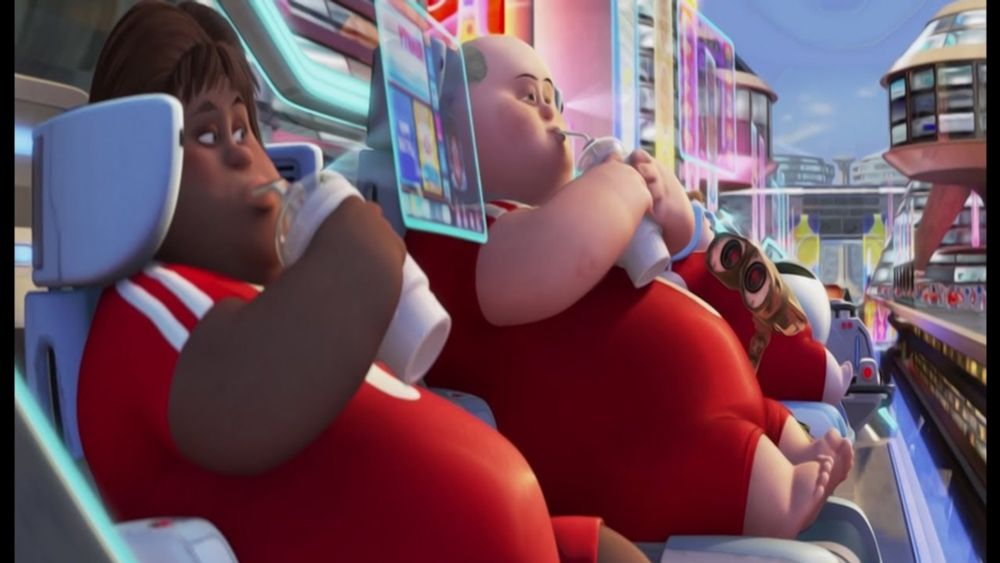
I wrote about the concept of agency (both human and artificial) in the year 2025. gracewlindsay.com/2025/01/24/2...
2025: Agency gained and lost
If you’ve had even a passing glance at tech journalism over the past few months, you know the top buzzword for AI in 2025 is agentic. Agentic AI (according to many think pieces and press releases a…
gracewlindsay.com
January 24, 2025 at 8:41 PM
I wrote about the concept of agency (both human and artificial) in the year 2025. gracewlindsay.com/2025/01/24/2...
Reposted by Rudy van den Brink

I wrote this about the media's first big test of Trump 2.0, and how poorly it scored. On the tedious, vital work of seeing what's in front of our faces for the next four years.
www.irishexaminer.com/lifestyle-co...
www.irishexaminer.com/lifestyle-co...

Week one in Trumpland: The first step is seeing what’s in front of our faces
We should resist the voices attempting to tell us it’s all fine
www.irishexaminer.com
January 25, 2025 at 9:13 AM
I wrote this about the media's first big test of Trump 2.0, and how poorly it scored. On the tedious, vital work of seeing what's in front of our faces for the next four years.
www.irishexaminer.com/lifestyle-co...
www.irishexaminer.com/lifestyle-co...
Reposted by Rudy van den Brink
"exhaust fumes" made it into the official abstract!
hence completing the journey from an epiphenomenal shitpost blog to a full-blown review paper.
all thanks to this cast of co-authors (esp. Sander), our TICS editor Lindsey Drayton, and two very engaged reviewers (@danielemarinazzo.bsky.social)
hence completing the journey from an epiphenomenal shitpost blog to a full-blown review paper.
all thanks to this cast of co-authors (esp. Sander), our TICS editor Lindsey Drayton, and two very engaged reviewers (@danielemarinazzo.bsky.social)

Our review on the theoretical status of oscillations and field potentials is out! What are their effects, and what can electrophysiology signals reveal about how the brain works?
w/ @dlevenstein.bsky.social @prokraustinator.bsky.social Bradley Voytek @rdgao.bsky.social
www.cell.com/trends/cogni...
w/ @dlevenstein.bsky.social @prokraustinator.bsky.social Bradley Voytek @rdgao.bsky.social
www.cell.com/trends/cogni...
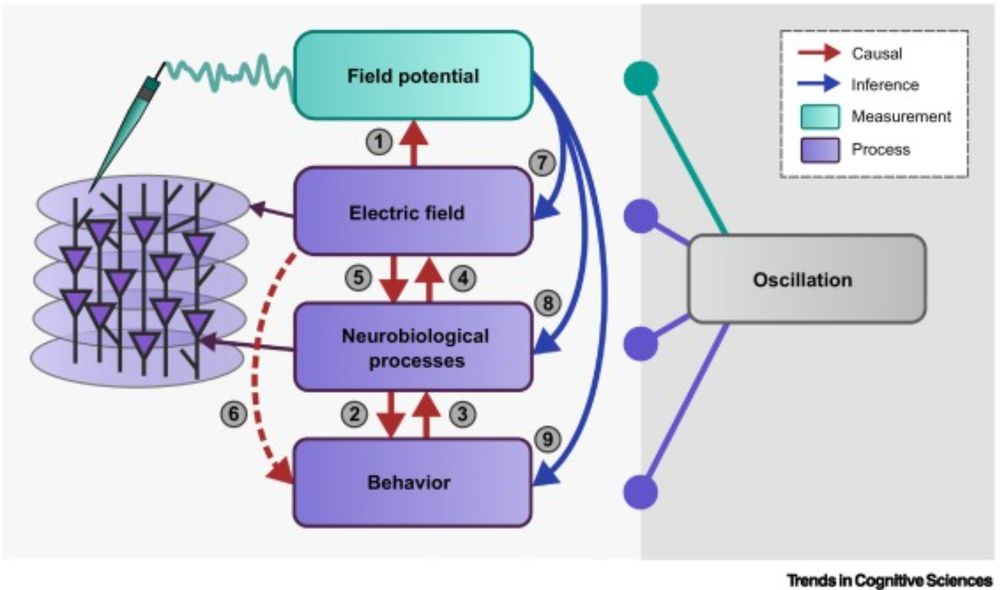
Processes and measurements: a framework for understanding neural oscillations in field potentials
Various neuroscientific theories maintain that brain oscillations are important for neuronal computation, but opposing views claim that these macroscale dynamics are ‘exhaust fumes’ of more relevant processes. Here, we approach the question of whether oscillations are functional or epiphenomenal by distinguishing between measurements and processes, and by reviewing whether causal or inferentially useful links exist between field potentials, electric fields, and neurobiological events. We introduce a vocabulary for the role of brain signals and their underlying processes, demarcating oscillations as a distinct entity where both processes and measurements can exhibit periodicity. Leveraging this distinction, we suggest that electric fields, oscillating or not, are causally and computationally relevant, and that field potential signals can carry information even without causality.
www.cell.com
January 7, 2025 at 11:28 AM
"exhaust fumes" made it into the official abstract!
hence completing the journey from an epiphenomenal shitpost blog to a full-blown review paper.
all thanks to this cast of co-authors (esp. Sander), our TICS editor Lindsey Drayton, and two very engaged reviewers (@danielemarinazzo.bsky.social)
hence completing the journey from an epiphenomenal shitpost blog to a full-blown review paper.
all thanks to this cast of co-authors (esp. Sander), our TICS editor Lindsey Drayton, and two very engaged reviewers (@danielemarinazzo.bsky.social)
Reposted by Rudy van den Brink
Holy shit, a classic indeed! It has everything: neuromodulation through gain modulation and a proof of concept with an RNN trained through back prop 🤯😍
A classic:
www.science.org/doi/10.1126/...
www.science.org/doi/10.1126/...

A Network Model of Catecholamine Effects: Gain, Signal-to-Noise Ratio, and Behavior
At the level of individual neurons, catecholamine release increases the responsivity of cells to excitatory and inhibitory inputs. A model of catecholamine effects in a network of neural-like elements...
www.science.org
December 20, 2024 at 6:52 PM
Holy shit, a classic indeed! It has everything: neuromodulation through gain modulation and a proof of concept with an RNN trained through back prop 🤯😍
Reposted by Rudy van den Brink
Recent studies found pronounced neuromodulation in the early visual cortex due to locomotion and spontaneous body movements in mice but not in non-human primates. We reconciled this dichotomy in this new open-access feature review @cp-trendsneuro.bsky.social
www.sciencedirect.com/science/arti...
www.sciencedirect.com/science/arti...

Is the impact of spontaneous movements on early visual cortex species specific?
Recent studies in non-human primates do not find pronounced signals related to the animal’s own body movements in the responses of neurons in the visu…
www.sciencedirect.com
December 18, 2024 at 5:50 PM
Recent studies found pronounced neuromodulation in the early visual cortex due to locomotion and spontaneous body movements in mice but not in non-human primates. We reconciled this dichotomy in this new open-access feature review @cp-trendsneuro.bsky.social
www.sciencedirect.com/science/arti...
www.sciencedirect.com/science/arti...
Reposted by Rudy van den Brink
Help bluesky neurohivemind!
If you know of any computational / theoretical work modelling neuromodulators please share it 🙏 if you don't, please retweet!
If you know of any computational / theoretical work modelling neuromodulators please share it 🙏 if you don't, please retweet!
December 7, 2024 at 6:06 PM
Help bluesky neurohivemind!
If you know of any computational / theoretical work modelling neuromodulators please share it 🙏 if you don't, please retweet!
If you know of any computational / theoretical work modelling neuromodulators please share it 🙏 if you don't, please retweet!
Reposted by Rudy van den Brink

Functional #locuscoeruleus imaging, #fmri, to investigate an #ageing noradrenergic system
📑 link to paper:
www.nature.com/articles/s42...
🧵 see thread below
📑 link to paper:
www.nature.com/articles/s42...
🧵 see thread below
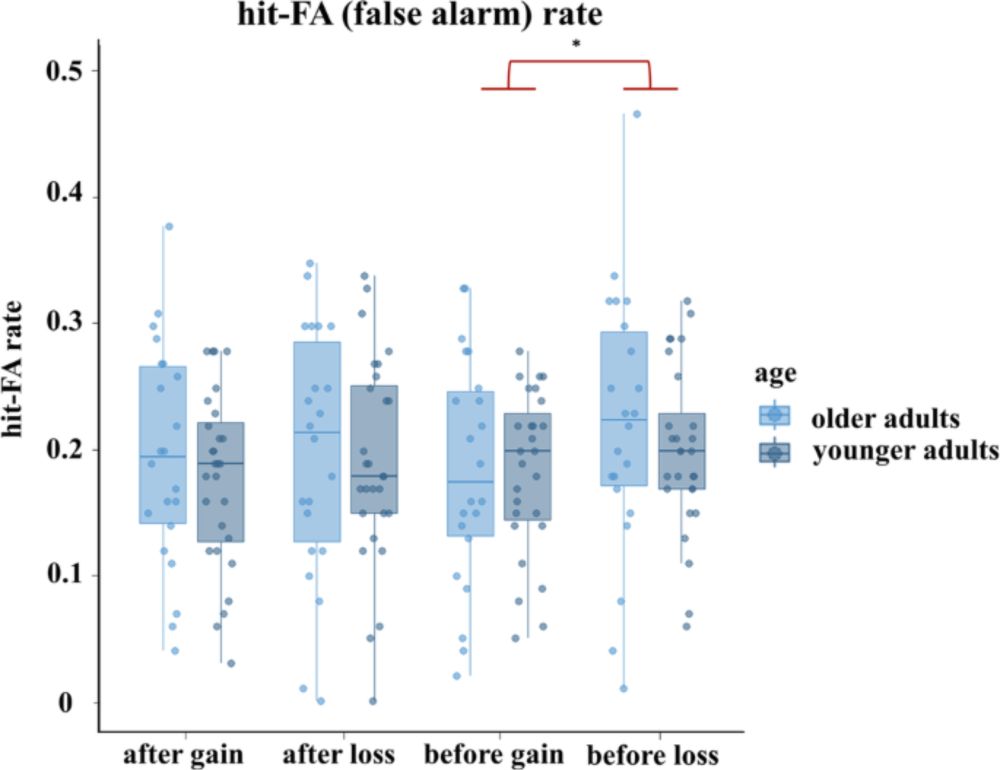
Functional locus coeruleus imaging to investigate an ageing noradrenergic system - Communications Biology
Functional locus coeruleus (LC) imaging revealed that older adults exhibited increased LC activation compared to younger adults, indicating possible compensatory overactivation of a structurally decli...
www.nature.com
December 4, 2024 at 8:02 AM
Functional #locuscoeruleus imaging, #fmri, to investigate an #ageing noradrenergic system
📑 link to paper:
www.nature.com/articles/s42...
🧵 see thread below
📑 link to paper:
www.nature.com/articles/s42...
🧵 see thread below