




Marina
@realmarina.bsky.social
Astronomy groupie
Music lover
Art addict
Music lover
Art addict
Reposted by Marina
Aurora Science 🔭🧪
What do the colors of the aurora tell you 👇
What do the colors of the aurora tell you 👇

November 12, 2025 at 5:40 AM
Aurora Science 🔭🧪
What do the colors of the aurora tell you 👇
What do the colors of the aurora tell you 👇
Reposted by Marina

November 12, 2025 at 8:00 AM
Reposted by Marina
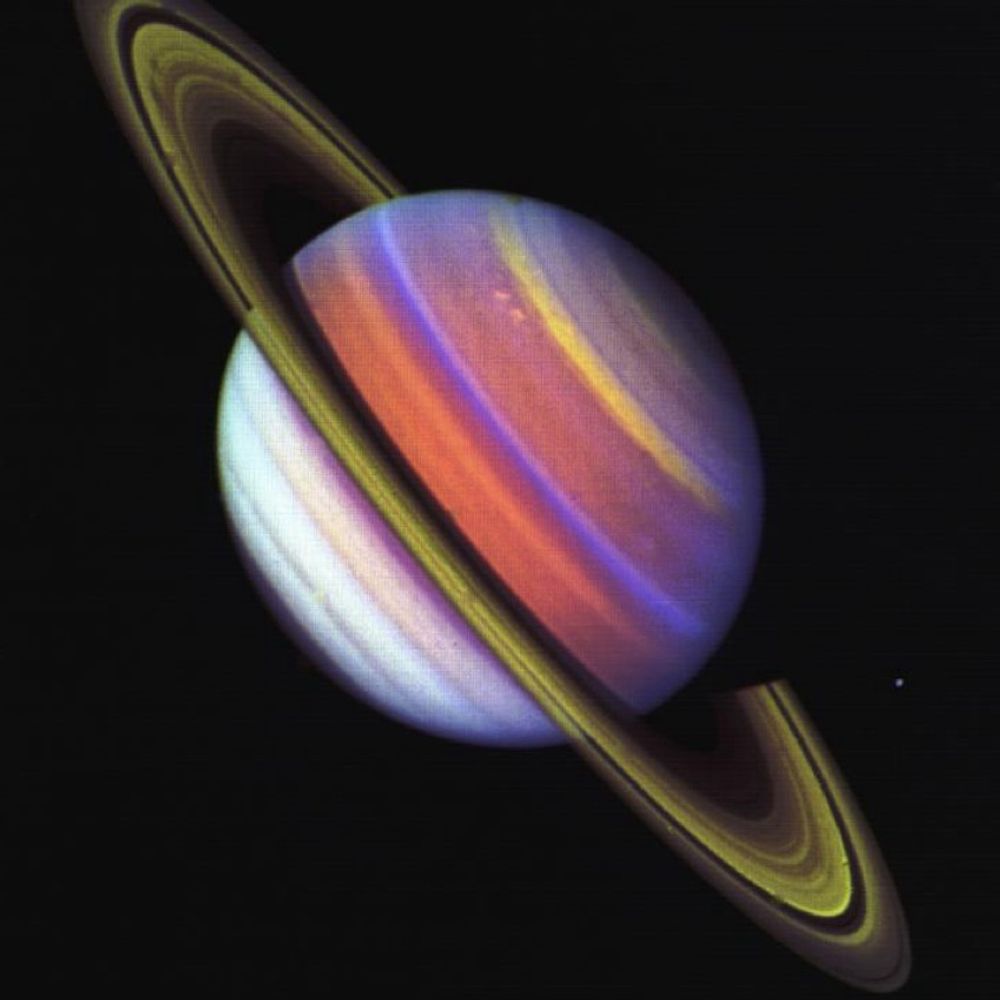
#PPOD: Saturn is captured here by NASA's Cassini spacecraft. Cassini orbited the gas giant for thirteen years before ending its mission by plunging into the planet's atmosphere on September 15, 2017. This image is a mosaic compiled from frames recorded by Cassini two days before its final dive. 🧪 🔭

October 28, 2025 at 3:05 PM
#PPOD: Saturn is captured here by NASA's Cassini spacecraft. Cassini orbited the gas giant for thirteen years before ending its mission by plunging into the planet's atmosphere on September 15, 2017. This image is a mosaic compiled from frames recorded by Cassini two days before its final dive. 🧪 🔭
Reposted by Marina

Découverte d’un système d’anneaux en cours de formation autour de l’objet centaure Chiron
observatoiredeparis.psl.eu/decouverte-d...
@psl-univ.bsky.social
observatoiredeparis.psl.eu/decouverte-d...
@psl-univ.bsky.social


November 7, 2025 at 2:17 PM
Découverte d’un système d’anneaux en cours de formation autour de l’objet centaure Chiron
observatoiredeparis.psl.eu/decouverte-d...
@psl-univ.bsky.social
observatoiredeparis.psl.eu/decouverte-d...
@psl-univ.bsky.social
Reposted by Marina

La Station Spatiale Internationale a célébré la semaine dernière 25 ans d'occupation humaine continue dans l'espace. Près de 300 visiteurs l'ont habité.
Les premiers occupants permanents ont ouvert l'écoutille le 2 novembre 2000.
apnews.com/article/inte...
Les premiers occupants permanents ont ouvert l'écoutille le 2 novembre 2000.
apnews.com/article/inte...

The International Space Station marks 25 years of nonstop human presence in orbit
The International Space Station is marking 25 years of nonstop human presence in orbit. Nearly 300 people have lived aboard the scientific outpost.
apnews.com
November 8, 2025 at 9:07 AM
La Station Spatiale Internationale a célébré la semaine dernière 25 ans d'occupation humaine continue dans l'espace. Près de 300 visiteurs l'ont habité.
Les premiers occupants permanents ont ouvert l'écoutille le 2 novembre 2000.
apnews.com/article/inte...
Les premiers occupants permanents ont ouvert l'écoutille le 2 novembre 2000.
apnews.com/article/inte...
Reposted by Marina

My Celestron EdgeHD 8" SCT is for capturing planetary, lunar, and deep space objects such as galaxies, star clusters, and planetary nebulae. When capturing large nebulae, I use my refractor telescope.
#astrophotography #astronomy #naturephotography #nature #longexposure #photography #telescope
#astrophotography #astronomy #naturephotography #nature #longexposure #photography #telescope


November 6, 2025 at 1:44 PM
My Celestron EdgeHD 8" SCT is for capturing planetary, lunar, and deep space objects such as galaxies, star clusters, and planetary nebulae. When capturing large nebulae, I use my refractor telescope.
#astrophotography #astronomy #naturephotography #nature #longexposure #photography #telescope
#astrophotography #astronomy #naturephotography #nature #longexposure #photography #telescope
Reposted by Marina
Saturn is the 6th planet in our solar system, famed for it's spectacular ring system.
As the rings are inclined to the plane of Saturn's orbit, we see them at different angles through the years. Here we see the change from 2019 (L) to 2025 (R). #astronomy
As the rings are inclined to the plane of Saturn's orbit, we see them at different angles through the years. Here we see the change from 2019 (L) to 2025 (R). #astronomy


November 6, 2025 at 11:10 PM
Saturn is the 6th planet in our solar system, famed for it's spectacular ring system.
As the rings are inclined to the plane of Saturn's orbit, we see them at different angles through the years. Here we see the change from 2019 (L) to 2025 (R). #astronomy
As the rings are inclined to the plane of Saturn's orbit, we see them at different angles through the years. Here we see the change from 2019 (L) to 2025 (R). #astronomy
Reposted by Marina
In 1668 Isaac Newton built the first reflecting telescope, inspired by his prism experiments on light and colour; he solved the chromatic blur in glass lenses. Using Cassini and Flamsteed’s observations of Jupiter’s moons (1687), he proved his law of universal gravitation held true. #AstroHistory

November 7, 2025 at 7:19 AM
In 1668 Isaac Newton built the first reflecting telescope, inspired by his prism experiments on light and colour; he solved the chromatic blur in glass lenses. Using Cassini and Flamsteed’s observations of Jupiter’s moons (1687), he proved his law of universal gravitation held true. #AstroHistory
Reposted by Marina
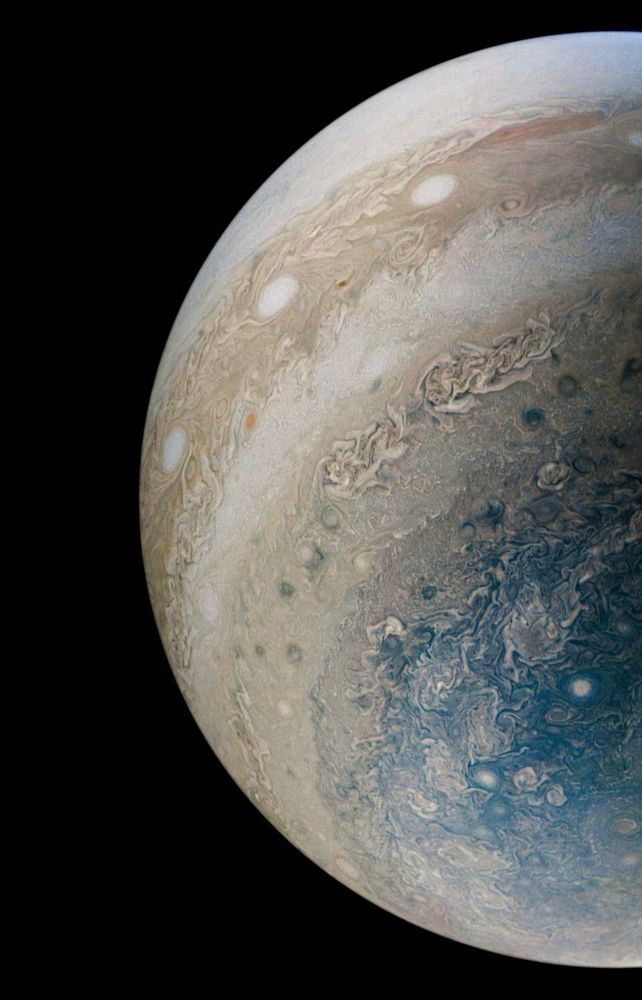
#PPOD: A beautiful picture of Jupiter taken by JunoCam onboard NASA's Juno spacecraft and processed by a citizen scientist. Numerous swirling storms are visible among the cloud tops, appearing in shades of white, tan, and blue. Credit: NASA / JPL-Caltech / SwRI / MSSS / Giulio Macrì 🧪 🔭
November 7, 2025 at 4:02 PM
#PPOD: A beautiful picture of Jupiter taken by JunoCam onboard NASA's Juno spacecraft and processed by a citizen scientist. Numerous swirling storms are visible among the cloud tops, appearing in shades of white, tan, and blue. Credit: NASA / JPL-Caltech / SwRI / MSSS / Giulio Macrì 🧪 🔭
Reposted by Marina
Cassini’s long-focus refractors, built by Campani, were mounted at the Paris Observatory and on the “Marly Tower.” He used them to study Jupiter’s moons and their eclipses—data later key to Römer’s discovery later that the speed of light is not infinite as was the view at the time #Astronomy

November 5, 2025 at 6:47 AM
Cassini’s long-focus refractors, built by Campani, were mounted at the Paris Observatory and on the “Marly Tower.” He used them to study Jupiter’s moons and their eclipses—data later key to Römer’s discovery later that the speed of light is not infinite as was the view at the time #Astronomy
Reposted by Marina
In 1665, Giovanni Cassini was first to observe a “Permanent Spot” on Jupiter, though probably wasn't today’s Red Spot using 34-ft refractors at the Paris Observatory. He tracked it for years to measure Jupiter’s rotation. Cassini’s drawings survive in Paris Observatory archives. #AstroHistory

November 5, 2025 at 6:47 AM
In 1665, Giovanni Cassini was first to observe a “Permanent Spot” on Jupiter, though probably wasn't today’s Red Spot using 34-ft refractors at the Paris Observatory. He tracked it for years to measure Jupiter’s rotation. Cassini’s drawings survive in Paris Observatory archives. #AstroHistory
Reposted by Marina
Seven reasons to love French aerospace
🧪 🔭 #France
🧪 🔭 #France

Seven reasons to love French aerospace
One of the happiest months of my life was when I rented an apartment in the 20th arrondissement of Paris, so that I could do some work in t...
zoharesque.blogspot.com
November 6, 2025 at 12:55 AM
Seven reasons to love French aerospace
🧪 🔭 #France
🧪 🔭 #France
Reposted by Marina

We’re now watching the murder of space sciences in America. Unless someone can stop this, this is the beginning of the end.
The brain drain will accelerate until there’s nothing left to stay for. 🧪🔭
The brain drain will accelerate until there’s nothing left to stay for. 🧪🔭
Most of the Goddard Space Flight Center Greenbelt Campus is planned to be demolished by March 2026, if not sooner.
www.space.com/space-explor...
www.space.com/space-explor...

November 6, 2025 at 2:36 AM
We’re now watching the murder of space sciences in America. Unless someone can stop this, this is the beginning of the end.
The brain drain will accelerate until there’s nothing left to stay for. 🧪🔭
The brain drain will accelerate until there’s nothing left to stay for. 🧪🔭
Passionnant entretien de l’AFA avec Guillaume Hébrard spécialiste des exoplanètes 🪐🌎☄️💥à la Cité universitaire internationale Paris @iap.fr @afastronomie.bsky.social


November 5, 2025 at 9:30 PM
Passionnant entretien de l’AFA avec Guillaume Hébrard spécialiste des exoplanètes 🪐🌎☄️💥à la Cité universitaire internationale Paris @iap.fr @afastronomie.bsky.social
Reposted by Marina

Parution ce mois-ci de l'ouvrage « Extraordinaires planètes extrasolaires », par notre collègue Guillaume Hébrard @cnrs-paris.bsky.social @cnrs-insu.bsky.social, 88 pages – 38 illustrations originales en couleurs de Cheb, aux Éditions Berthe & Jean : bertheetjean.wordpress.com/2025/08/14/1...

September 29, 2025 at 10:23 AM
Parution ce mois-ci de l'ouvrage « Extraordinaires planètes extrasolaires », par notre collègue Guillaume Hébrard @cnrs-paris.bsky.social @cnrs-insu.bsky.social, 88 pages – 38 illustrations originales en couleurs de Cheb, aux Éditions Berthe & Jean : bertheetjean.wordpress.com/2025/08/14/1...
Reposted by Marina
Avez-vous déjà vu... un train de satellites Starlink depuis la Station Spatiale Internationale ?
Maintenant, oui.
© Don Pettit
Source : www.instagram.com/astro_pettit...
Maintenant, oui.
© Don Pettit
Source : www.instagram.com/astro_pettit...
October 8, 2025 at 7:03 PM
Avez-vous déjà vu... un train de satellites Starlink depuis la Station Spatiale Internationale ?
Maintenant, oui.
© Don Pettit
Source : www.instagram.com/astro_pettit...
Maintenant, oui.
© Don Pettit
Source : www.instagram.com/astro_pettit...
Reposted by Marina

Il y a 3 ans, le 9 octobre 2022, les astronomes voient apparaître un flash qui sature leurs détecteurs.
Ce sursaut gamma bref et extrêmement violent pourrait avoir été causé par... la naissance d'un trou noir !
👉 https://l.sciencesetavenir.fr/EFy
Ce sursaut gamma bref et extrêmement violent pourrait avoir été causé par... la naissance d'un trou noir !
👉 https://l.sciencesetavenir.fr/EFy

October 9, 2025 at 7:10 AM
Il y a 3 ans, le 9 octobre 2022, les astronomes voient apparaître un flash qui sature leurs détecteurs.
Ce sursaut gamma bref et extrêmement violent pourrait avoir été causé par... la naissance d'un trou noir !
👉 https://l.sciencesetavenir.fr/EFy
Ce sursaut gamma bref et extrêmement violent pourrait avoir été causé par... la naissance d'un trou noir !
👉 https://l.sciencesetavenir.fr/EFy
Reposted by Marina
Issu d'une famille modeste de réfugiés palestiniens, Omar Yaghi, formé aux Etats-Unis et lauréat du Nobel de Chimie 2025, insiste sur le besoin de soutenir la recherche, aujourd'hui menacée par Trump 👉 https://l.sciencesetavenir.fr/w69

October 9, 2025 at 9:29 AM
Issu d'une famille modeste de réfugiés palestiniens, Omar Yaghi, formé aux Etats-Unis et lauréat du Nobel de Chimie 2025, insiste sur le besoin de soutenir la recherche, aujourd'hui menacée par Trump 👉 https://l.sciencesetavenir.fr/w69
Reposted by Marina

Le prix Nobel de physique 2025 récompense Michel Devoret, John Clarke et John Martinis pour leur découverte de l’effet tunnel macroscopique : un phénomène quantique où des milliards d’électrons traversent une barrière infranchissable selon la physique classique.
Kezako ? Explications en Gif ⬇️
Kezako ? Explications en Gif ⬇️

Le prix Nobel de physique 2025 récompense l’effet tunnel quantique à grande échelle
Le prix Nobel de physique 2025 récompense Michel Devoret, John Clarke et John Martinis pour leur découverte de l’effet tunnel macroscopique : un phénomène quantique où des milliards d’électrons traver...
www.radiofrance.fr
October 7, 2025 at 2:35 PM
Le prix Nobel de physique 2025 récompense Michel Devoret, John Clarke et John Martinis pour leur découverte de l’effet tunnel macroscopique : un phénomène quantique où des milliards d’électrons traversent une barrière infranchissable selon la physique classique.
Kezako ? Explications en Gif ⬇️
Kezako ? Explications en Gif ⬇️
Reposted by Marina

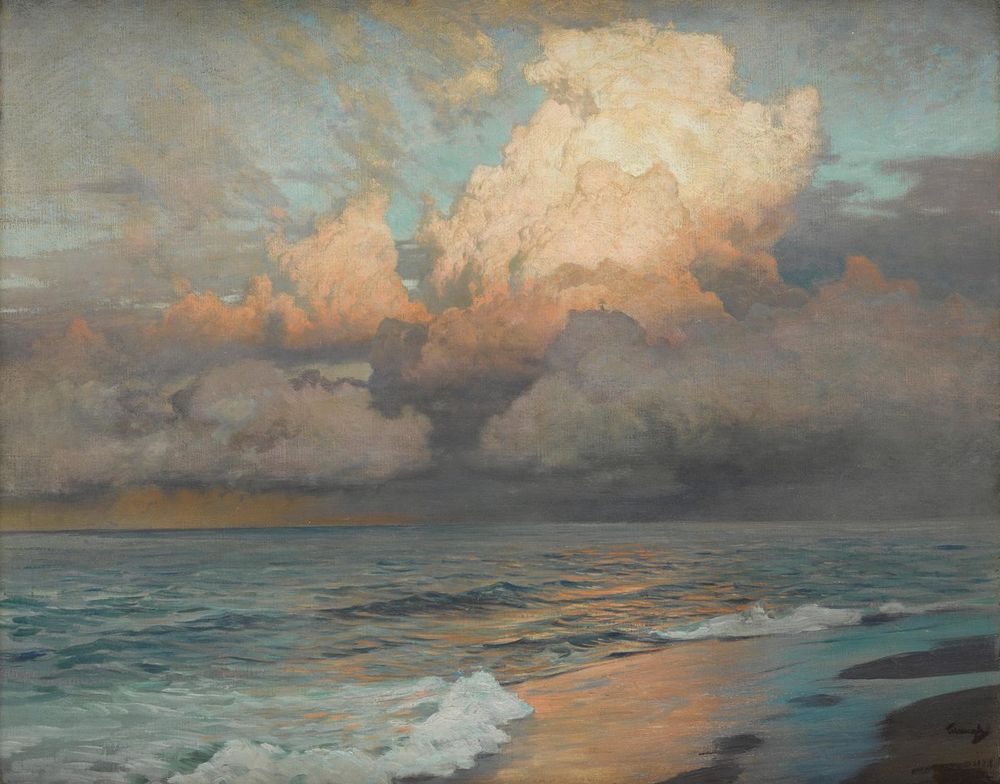
Frederick Judd Waugh - "Ebbing Waters"
August 3, 2025 at 8:43 PM
Frederick Judd Waugh - "Ebbing Waters"
Reposted by Marina

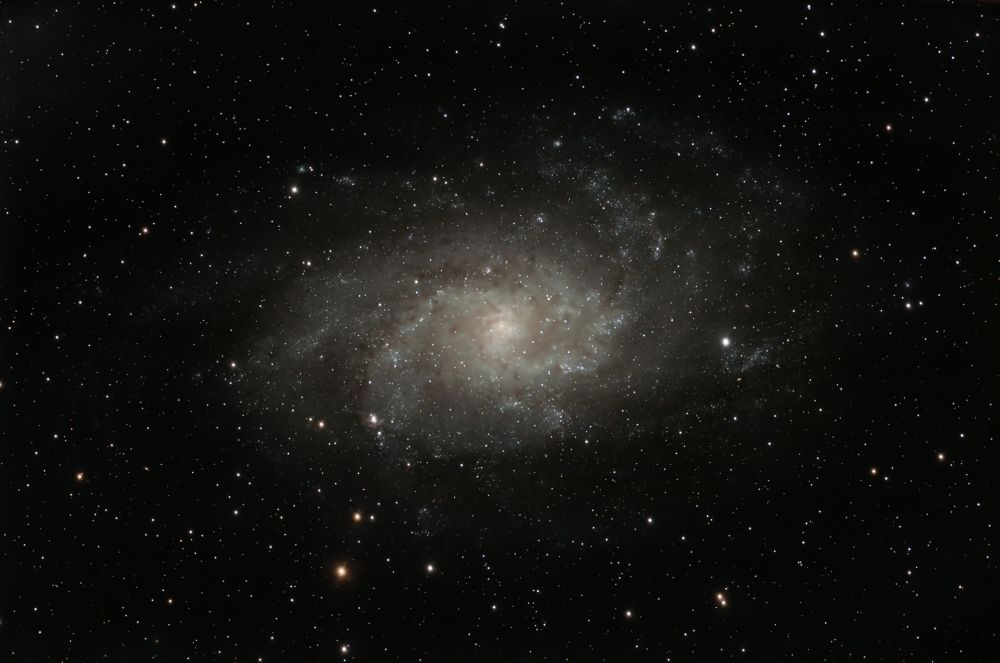
Taken early this morning, here's Messier 33, the spiral galaxy in Triangulum. At a distance of 3.2 million light years it is the second closest spiral galaxy to the Milky Way Galaxy. The Andromeda Galaxy is closer at a distance of 2.5 million light years. 🔭
August 6, 2025 at 8:43 PM
Taken early this morning, here's Messier 33, the spiral galaxy in Triangulum. At a distance of 3.2 million light years it is the second closest spiral galaxy to the Milky Way Galaxy. The Andromeda Galaxy is closer at a distance of 2.5 million light years. 🔭
Reposted by Marina
At last! The Pleiades (M45) - the 'Seven Sisters' - has finally reached an elevation this summer so I could get an hour on it before dawn this morning. I've photographed them many times but never captured the nebulocity until now. #astronomy #astrophotography @stormhour.com @photohour.bsky.social

August 5, 2025 at 8:23 AM
At last! The Pleiades (M45) - the 'Seven Sisters' - has finally reached an elevation this summer so I could get an hour on it before dawn this morning. I've photographed them many times but never captured the nebulocity until now. #astronomy #astrophotography @stormhour.com @photohour.bsky.social
Reposted by Marina
I'm showing these at an art exhibit in 2 weeks. All 12x12 Fuji Pearl prints in simple black frames.
It's been 5 months now since @yuvharpaz.bsky.social showed me the way and @geckzilla.bsky.social 's processing video established the route. Many thanks for the keys, from this life-long artist. 🔭
It's been 5 months now since @yuvharpaz.bsky.social showed me the way and @geckzilla.bsky.social 's processing video established the route. Many thanks for the keys, from this life-long artist. 🔭

August 5, 2025 at 5:02 PM
I'm showing these at an art exhibit in 2 weeks. All 12x12 Fuji Pearl prints in simple black frames.
It's been 5 months now since @yuvharpaz.bsky.social showed me the way and @geckzilla.bsky.social 's processing video established the route. Many thanks for the keys, from this life-long artist. 🔭
It's been 5 months now since @yuvharpaz.bsky.social showed me the way and @geckzilla.bsky.social 's processing video established the route. Many thanks for the keys, from this life-long artist. 🔭
Reposted by Marina
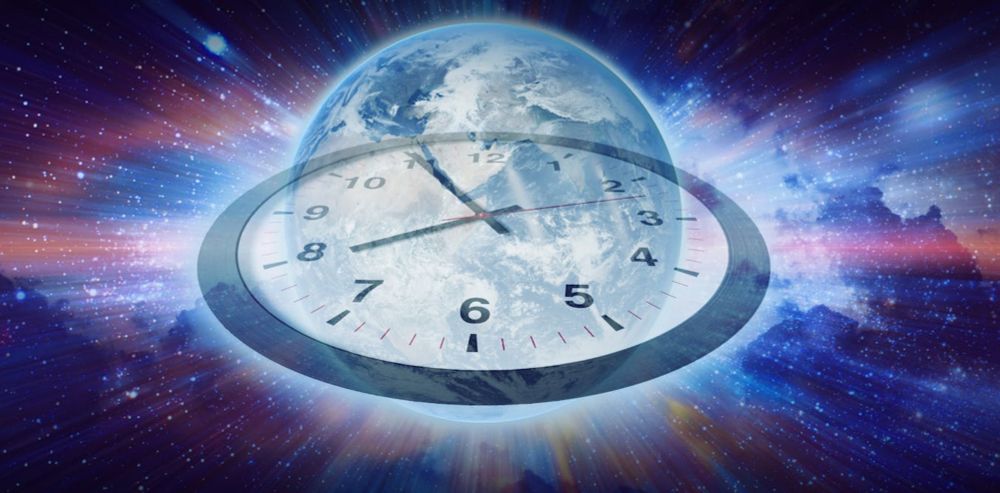
Why does Earth spin faster on August 5, July 5 and July 22 this year?
Discover how winds, ocean currents, magma, and Moon’s gravity shorten the day by 1.33 milliseconds and why GPS needs corrections.
Read the article to explore the science of Earth's rotation and more!
🔭 🧪 #Science #planetsci
Discover how winds, ocean currents, magma, and Moon’s gravity shorten the day by 1.33 milliseconds and why GPS needs corrections.
Read the article to explore the science of Earth's rotation and more!
🔭 🧪 #Science #planetsci
August 5, 2025 at 5:54 PM
Why does Earth spin faster on August 5, July 5 and July 22 this year?
Discover how winds, ocean currents, magma, and Moon’s gravity shorten the day by 1.33 milliseconds and why GPS needs corrections.
Read the article to explore the science of Earth's rotation and more!
🔭 🧪 #Science #planetsci
Discover how winds, ocean currents, magma, and Moon’s gravity shorten the day by 1.33 milliseconds and why GPS needs corrections.
Read the article to explore the science of Earth's rotation and more!
🔭 🧪 #Science #planetsci
Reposted by Marina
PRESS RELEASE
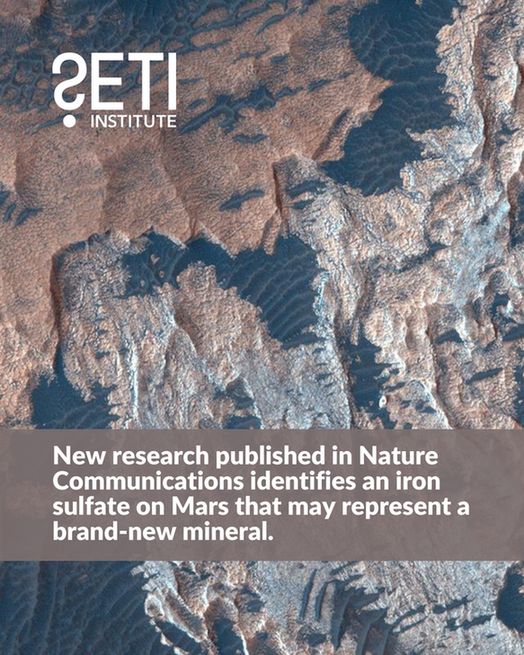
New research published in Nature Communications identifies an iron sulfate on Mars that may represent a brand-new mineral. Sulfur is common on Mars and combines with other elements to form minerals, especially sulfates. 🧪 🔭 👩🔬
New research published in Nature Communications identifies an iron sulfate on Mars that may represent a brand-new mineral. Sulfur is common on Mars and combines with other elements to form minerals, especially sulfates. 🧪 🔭 👩🔬
August 5, 2025 at 7:00 PM
PRESS RELEASE
New research published in Nature Communications identifies an iron sulfate on Mars that may represent a brand-new mineral. Sulfur is common on Mars and combines with other elements to form minerals, especially sulfates. 🧪 🔭 👩🔬
New research published in Nature Communications identifies an iron sulfate on Mars that may represent a brand-new mineral. Sulfur is common on Mars and combines with other elements to form minerals, especially sulfates. 🧪 🔭 👩🔬