



Morlan
@mortwitty.bsky.social
Atheist, skeptic, lover of cats and sharks. Runner, walker, biker. He/Him 🏳️🌈
Reposted by Morlan

Reposted by Morlan

Reposted by Morlan
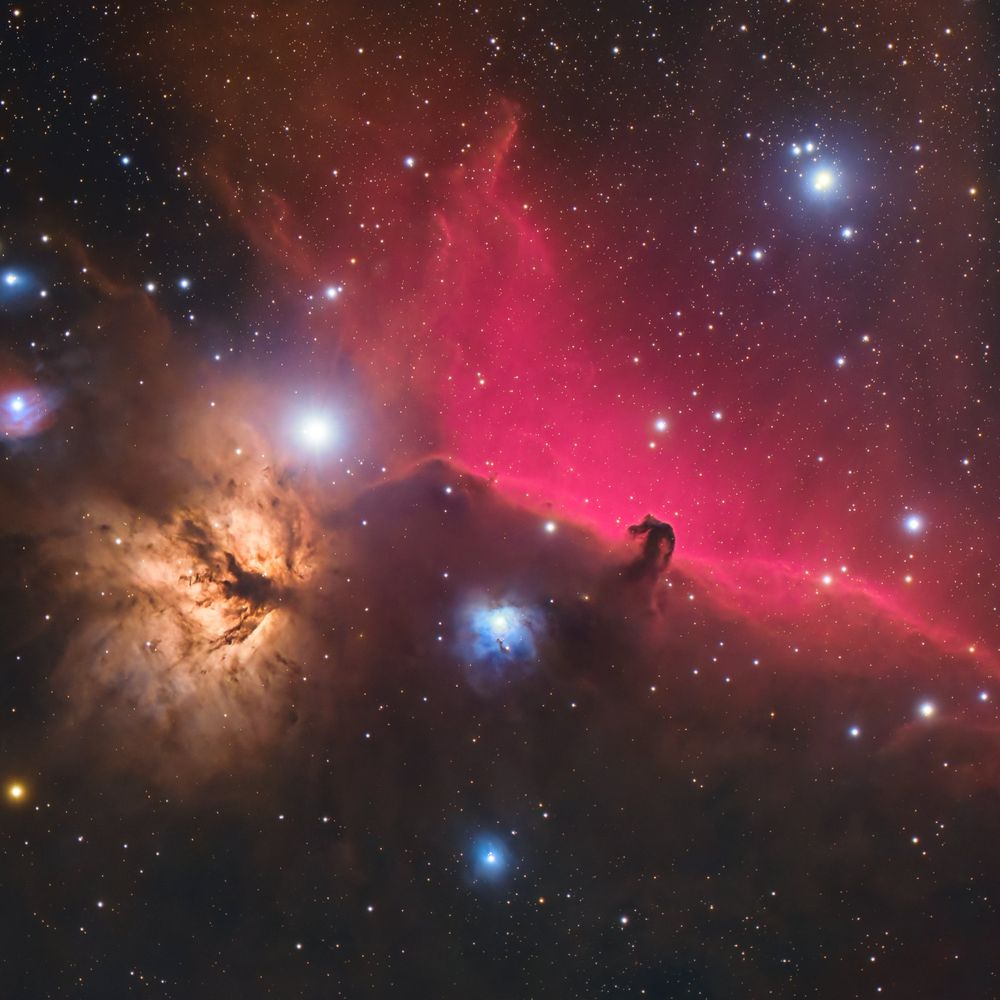
Here's a deep-space target in Cygnus that can easily get overlooked. This is Sharpless 119, an emission nebula that lies very close to the North America Nebula.
I captured this image last week between the cloudy (and now, smoky) skies with my color camera and dual-narrowband filter.
I captured this image last week between the cloudy (and now, smoky) skies with my color camera and dual-narrowband filter.

June 2, 2025 at 3:30 PM
Here's a deep-space target in Cygnus that can easily get overlooked. This is Sharpless 119, an emission nebula that lies very close to the North America Nebula.
I captured this image last week between the cloudy (and now, smoky) skies with my color camera and dual-narrowband filter.
I captured this image last week between the cloudy (and now, smoky) skies with my color camera and dual-narrowband filter.
Reposted by Morlan

A chilly sunrise on Lake Winnipeg this morning. About -25°C, but no wind so it was a lovely walk.

December 29, 2025 at 8:26 PM
A chilly sunrise on Lake Winnipeg this morning. About -25°C, but no wind so it was a lovely walk.
Reposted by Morlan
Still gong through the highlights of 2025. I'm still in February. We had some amazing #aurora evenings when I was up in Churchill guiding tours.


December 30, 2025 at 3:32 AM
Still gong through the highlights of 2025. I'm still in February. We had some amazing #aurora evenings when I was up in Churchill guiding tours.
Reposted by Morlan

Flying 400 km above Earth at hypersonic speed, NASA astronaut Jeanette Epps captured a gigantic spark lighting up the atmosphere ✨
Here's the video of this rare and powerful electrical phenomenon from the International Space Station.
Here's the video of this rare and powerful electrical phenomenon from the International Space Station.
December 30, 2025 at 9:35 AM
Flying 400 km above Earth at hypersonic speed, NASA astronaut Jeanette Epps captured a gigantic spark lighting up the atmosphere ✨
Here's the video of this rare and powerful electrical phenomenon from the International Space Station.
Here's the video of this rare and powerful electrical phenomenon from the International Space Station.
Reposted by Morlan
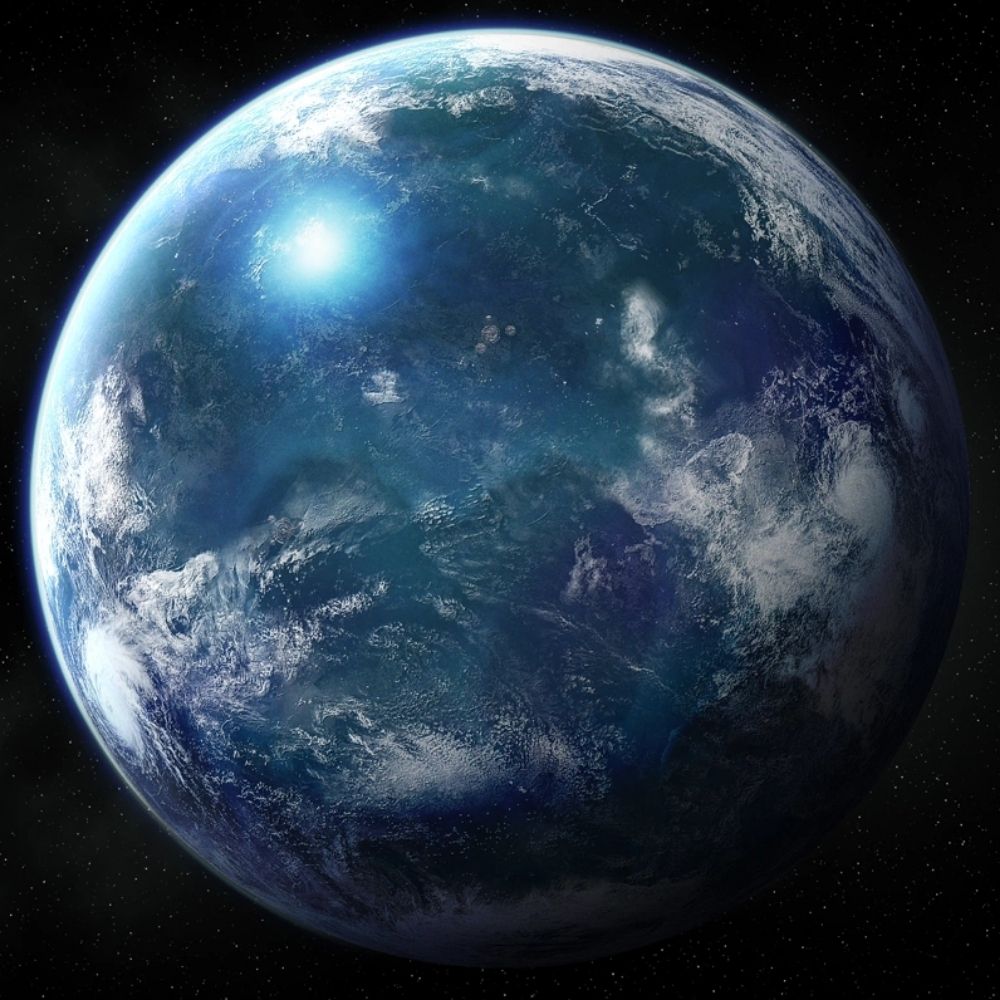
Open up this picture fully.
Then look at the surface of Mars.
Then look up to the top right.
Spot Mars' moon Phobos high in the sky.
Then notice the bright spot beside Phobos.
That's Earth.
Then look at the surface of Mars.
Then look up to the top right.
Spot Mars' moon Phobos high in the sky.
Then notice the bright spot beside Phobos.
That's Earth.

December 30, 2025 at 9:30 PM
Open up this picture fully.
Then look at the surface of Mars.
Then look up to the top right.
Spot Mars' moon Phobos high in the sky.
Then notice the bright spot beside Phobos.
That's Earth.
Then look at the surface of Mars.
Then look up to the top right.
Spot Mars' moon Phobos high in the sky.
Then notice the bright spot beside Phobos.
That's Earth.
Reposted by Morlan
Saturn's tiny icy moon Mimas hangs in space against a backdrop of the giant planet itself.
The rings cross the bottom of the view, and cast their shadows onto the planet beyond.
NASA Photojournal PIA06142, taken by the Cassini spacecraft on 7 November 2004 some 3.7 million km from Saturn.
The rings cross the bottom of the view, and cast their shadows onto the planet beyond.
NASA Photojournal PIA06142, taken by the Cassini spacecraft on 7 November 2004 some 3.7 million km from Saturn.

December 24, 2025 at 6:43 PM
Saturn's tiny icy moon Mimas hangs in space against a backdrop of the giant planet itself.
The rings cross the bottom of the view, and cast their shadows onto the planet beyond.
NASA Photojournal PIA06142, taken by the Cassini spacecraft on 7 November 2004 some 3.7 million km from Saturn.
The rings cross the bottom of the view, and cast their shadows onto the planet beyond.
NASA Photojournal PIA06142, taken by the Cassini spacecraft on 7 November 2004 some 3.7 million km from Saturn.
Reposted by Morlan
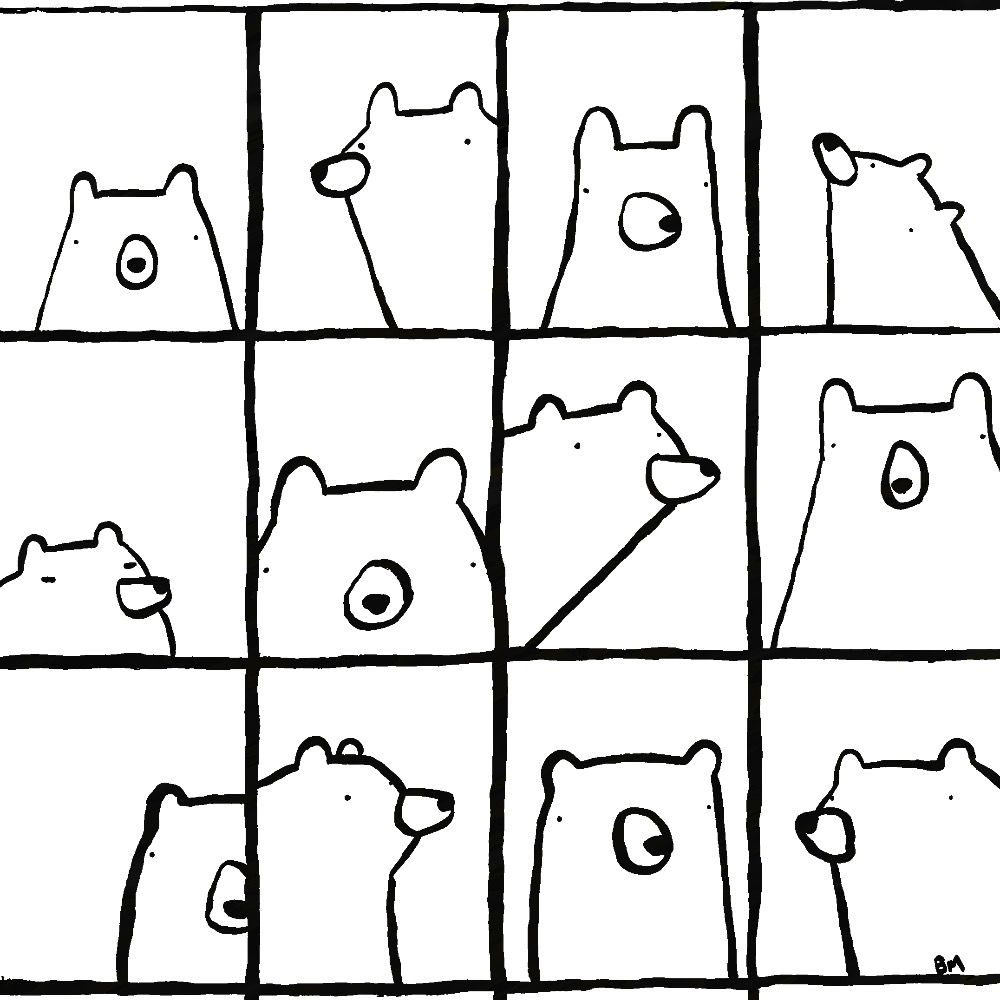
I have overindulged xox

December 26, 2025 at 1:01 PM
I have overindulged xox
Reposted by Morlan

Reposted by Morlan

Chatbots — LLMs — do not know facts and are not designed to be able to accurately answer factual questions. They are designed to find and mimic patterns of words, probabilistically. When they’re “right” it’s because correct things are often written down, so those patterns are frequent. That’s all.
June 19, 2025 at 11:21 AM
Chatbots — LLMs — do not know facts and are not designed to be able to accurately answer factual questions. They are designed to find and mimic patterns of words, probabilistically. When they’re “right” it’s because correct things are often written down, so those patterns are frequent. That’s all.
Reposted by Morlan

Reposted by Morlan
Today's snowfall reminded me of this remarkable video of the surface of Comet 67P/Churyumov-Gerasimenko, seen by the Rosetta spacecraft's OSIRIS camera in 2016 and processed by
@landru79.bsky.social.
Except the "snow" here is actually dust particles... in front of a moving ocean of stars.
@landru79.bsky.social.
Except the "snow" here is actually dust particles... in front of a moving ocean of stars.
December 2, 2025 at 2:08 AM
Today's snowfall reminded me of this remarkable video of the surface of Comet 67P/Churyumov-Gerasimenko, seen by the Rosetta spacecraft's OSIRIS camera in 2016 and processed by
@landru79.bsky.social.
Except the "snow" here is actually dust particles... in front of a moving ocean of stars.
@landru79.bsky.social.
Except the "snow" here is actually dust particles... in front of a moving ocean of stars.
Reposted by Morlan

“Fuck AI”
— Guillermo del Toro
🎥 Vanity Fair
— Guillermo del Toro
🎥 Vanity Fair
October 18, 2025 at 3:20 PM
“Fuck AI”
— Guillermo del Toro
🎥 Vanity Fair
— Guillermo del Toro
🎥 Vanity Fair
Reposted by Morlan

Reposted by Morlan
Today is #LGBTQinSTEMDay 🌈
ESA proudly joins the STEM community in celebrating the unique contributions of LGBTQ+ individuals.
The Pride Flag will fly across ESA sites as a reminder of how far we’ve come, and how much more there is to do.
#SpaceForAll
ESA proudly joins the STEM community in celebrating the unique contributions of LGBTQ+ individuals.
The Pride Flag will fly across ESA sites as a reminder of how far we’ve come, and how much more there is to do.
#SpaceForAll


November 18, 2025 at 12:45 PM
Today is #LGBTQinSTEMDay 🌈
ESA proudly joins the STEM community in celebrating the unique contributions of LGBTQ+ individuals.
The Pride Flag will fly across ESA sites as a reminder of how far we’ve come, and how much more there is to do.
#SpaceForAll
ESA proudly joins the STEM community in celebrating the unique contributions of LGBTQ+ individuals.
The Pride Flag will fly across ESA sites as a reminder of how far we’ve come, and how much more there is to do.
#SpaceForAll
Reposted by Morlan
My stress levels are high xox

November 13, 2025 at 12:42 PM
My stress levels are high xox
Reposted by Morlan
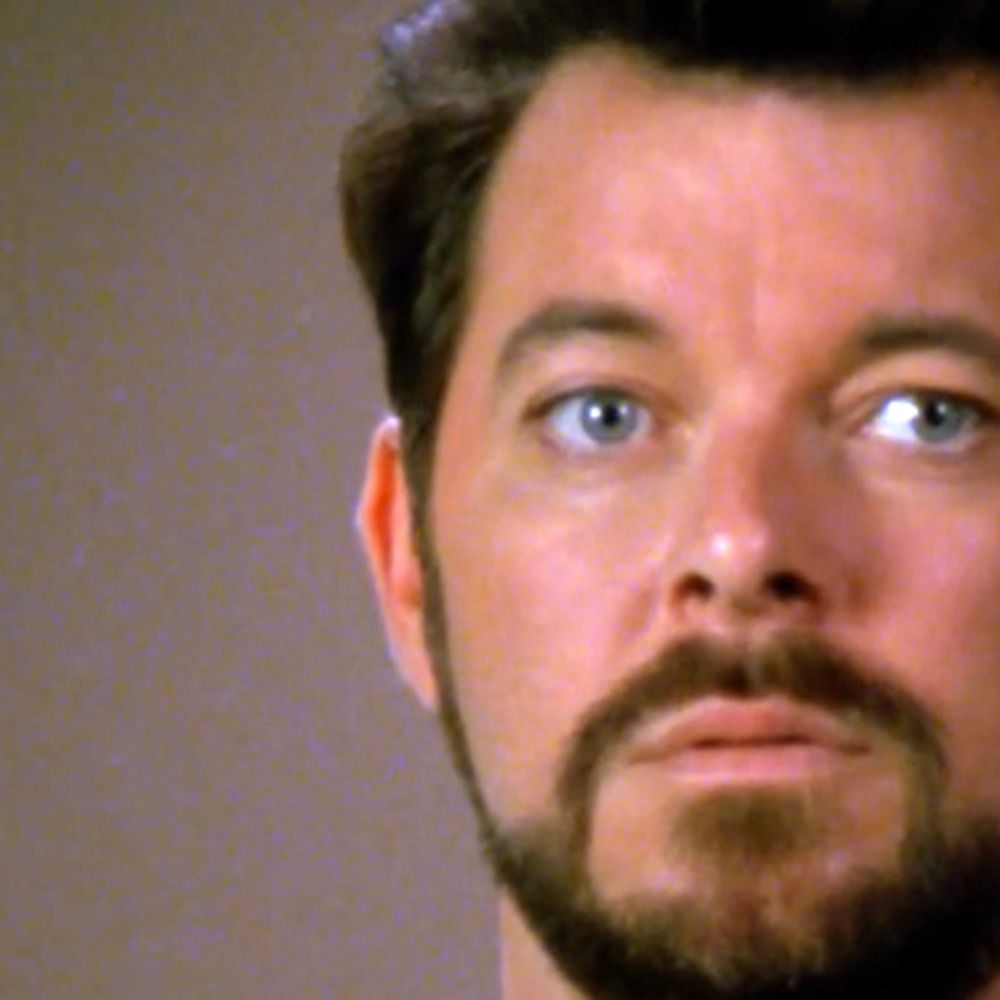
how to move to mars after earth election
November 13, 2025 at 10:13 PM
how to move to mars after earth election
Reposted by Morlan
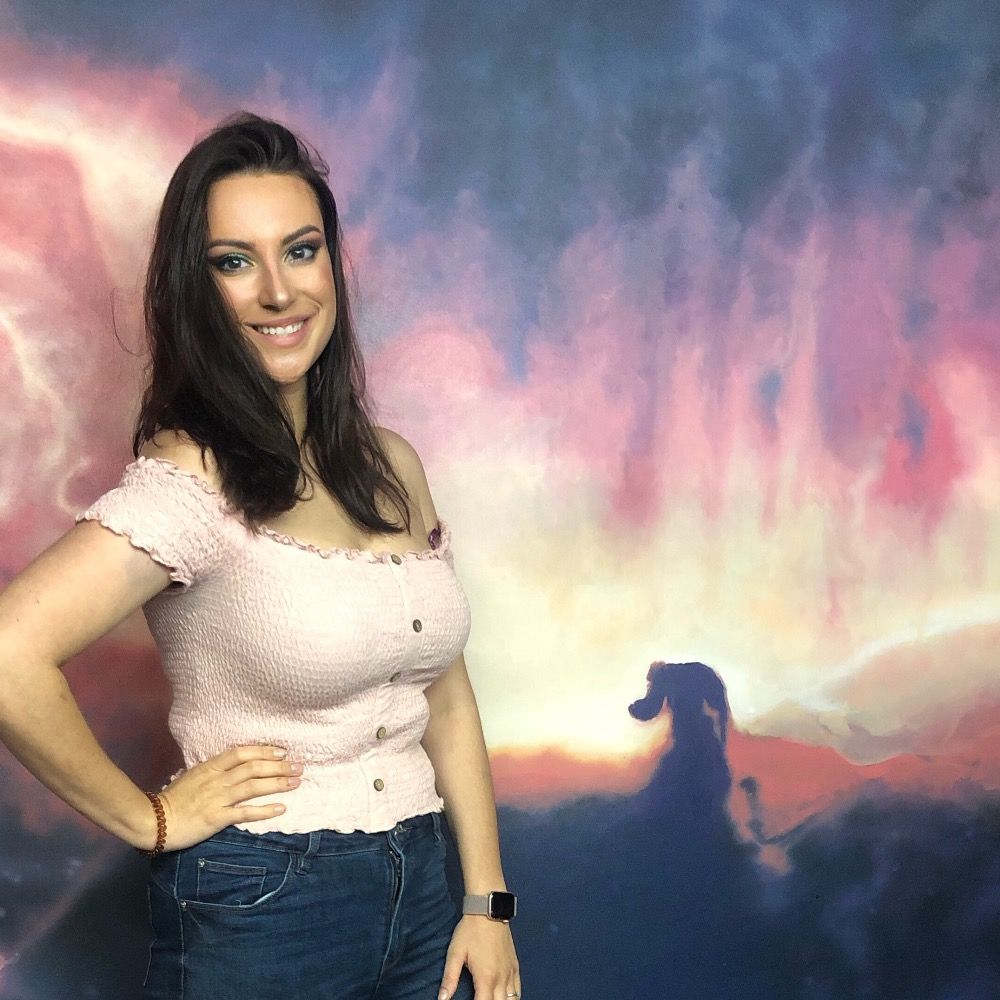
Behold the Eastern Veil Nebula, a haunting supernova remnant that lit up the skies over 10,000 years ago!
It took a month to capture using our little amateur telescope under the clear Texas skies.
This is also Decembers shot in my 2026 calendar (link in my bio)
It took a month to capture using our little amateur telescope under the clear Texas skies.
This is also Decembers shot in my 2026 calendar (link in my bio)

October 4, 2025 at 4:03 PM
Behold the Eastern Veil Nebula, a haunting supernova remnant that lit up the skies over 10,000 years ago!
It took a month to capture using our little amateur telescope under the clear Texas skies.
This is also Decembers shot in my 2026 calendar (link in my bio)
It took a month to capture using our little amateur telescope under the clear Texas skies.
This is also Decembers shot in my 2026 calendar (link in my bio)
Reposted by Morlan
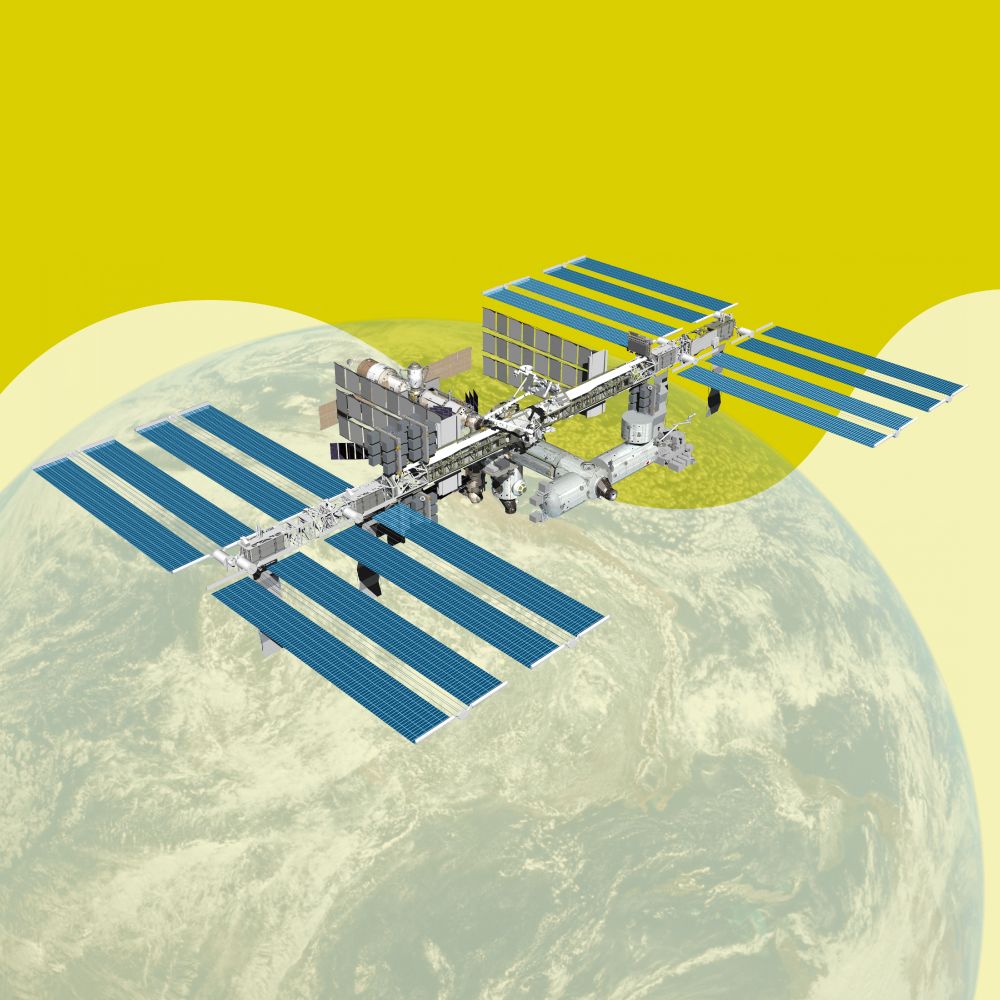
The piss tank on the ISS is now 15% full.
November 6, 2025 at 2:30 AM
The piss tank on the ISS is now 15% full.
Reposted by Morlan

there is no escape

September 9, 2025 at 1:22 PM
there is no escape
Reposted by Morlan

Reposted by Morlan

Autumn in the forest is always so special 🍂

November 1, 2025 at 5:37 PM
Autumn in the forest is always so special 🍂
Reposted by Morlan
Holy shit look at this
Comet C/2025 A6 (Lemmon), photographed by Chuck Ayoub on 30 October 2025.
The comet made its closest approach to Earth (90 million km) on October 2025.
Source: Chuck's Astrophotography (@chucksastropho1 on Twitter), h/t @p-s-v.bsky.social
Comet C/2025 A6 (Lemmon), photographed by Chuck Ayoub on 30 October 2025.
The comet made its closest approach to Earth (90 million km) on October 2025.
Source: Chuck's Astrophotography (@chucksastropho1 on Twitter), h/t @p-s-v.bsky.social

November 1, 2025 at 8:57 PM
Holy shit look at this
Comet C/2025 A6 (Lemmon), photographed by Chuck Ayoub on 30 October 2025.
The comet made its closest approach to Earth (90 million km) on October 2025.
Source: Chuck's Astrophotography (@chucksastropho1 on Twitter), h/t @p-s-v.bsky.social
Comet C/2025 A6 (Lemmon), photographed by Chuck Ayoub on 30 October 2025.
The comet made its closest approach to Earth (90 million km) on October 2025.
Source: Chuck's Astrophotography (@chucksastropho1 on Twitter), h/t @p-s-v.bsky.social
Reposted by Morlan

It’s only a matter of time before the truth is revealed that the moon is the headquarters of Big Parma. 🧀

October 31, 2025 at 9:28 PM
It’s only a matter of time before the truth is revealed that the moon is the headquarters of Big Parma. 🧀