



Matías Blaustein
@matiasblaustein.bsky.social
Investigador CONICET/Profesor UBA.
Coordinador Grupo de Biología de Sistemas y Filosofía del Cáncer.
Coordinador Grupo de Biología de Sistemas y Filosofía del Cáncer.
Reposted by Matías Blaustein

Nature hates capitalism? Higher cancer rates amongst less cooperative species.
www.science.org/doi/10.1126/...
www.science.org/doi/10.1126/...

Coevolution of cooperative lifestyles and reduced cancer prevalence in mammals
While cooperative mammals evolve reducing cancer prevalence, oncogenes can be maintained by selection in competitive species.
www.science.org
November 30, 2025 at 10:16 PM
Nature hates capitalism? Higher cancer rates amongst less cooperative species.
www.science.org/doi/10.1126/...
www.science.org/doi/10.1126/...
Reposted by Matías Blaustein

Mammals that live in cooperative social groups tend to have lower cancer rates than solitary, competitive species, suggesting social behavior may influence cancer risk across species. doi.org/qdpb
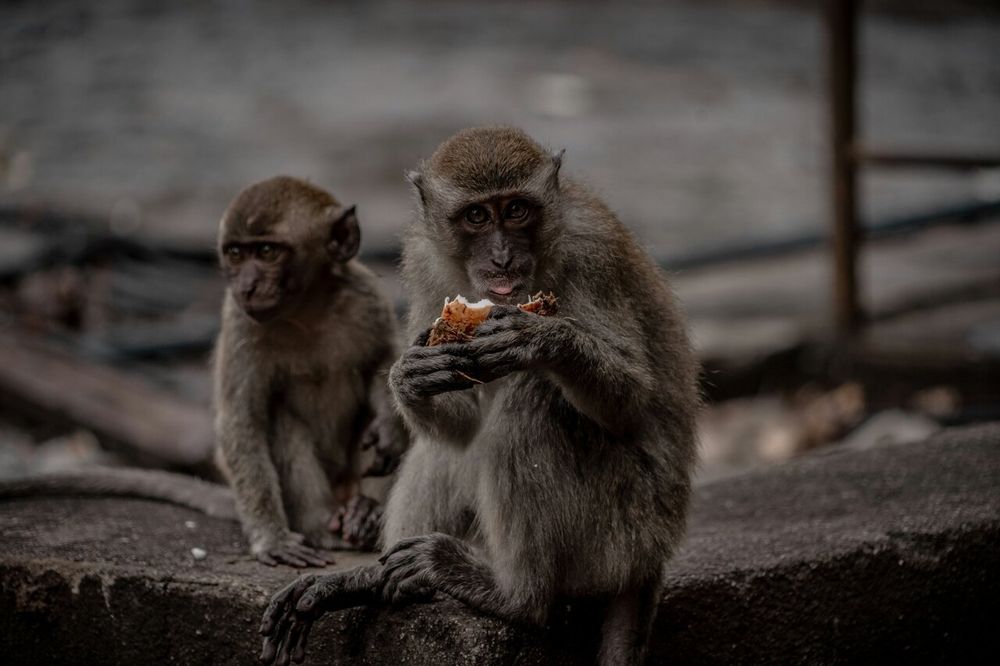
Cooperative mammals show lower cancer rates than solitary, competitive species
Cancer is a common disease among mammals, but some species, such as the naked mole rat and elephants, have evolved resistance.
phys.org
November 24, 2025 at 2:38 PM
Mammals that live in cooperative social groups tend to have lower cancer rates than solitary, competitive species, suggesting social behavior may influence cancer risk across species. doi.org/qdpb
Reposted by Matías Blaustein

Reposted by Matías Blaustein

Coevolution of cooperative lifestyles and reduced cancer prevalence in mammals
www.science.org/doi/10.1126/...
www.science.org/doi/10.1126/...

Coevolution of cooperative lifestyles and reduced cancer prevalence in mammals
While cooperative mammals evolve reducing cancer prevalence, oncogenes can be maintained by selection in competitive species.
www.science.org
November 16, 2025 at 7:28 PM
Coevolution of cooperative lifestyles and reduced cancer prevalence in mammals
www.science.org/doi/10.1126/...
www.science.org/doi/10.1126/...
Reposted by Matías Blaustein

Brutal: "Therefore, cancer can be considered as a selected mechanism of biological obsolescence in competitive species."
(A mathematical model.)
(A mathematical model.)

Coevolution of cooperative lifestyles and reduced cancer prevalence in mammals
While cooperative mammals evolve reducing cancer prevalence, oncogenes can be maintained by selection in competitive species.
www.science.org
November 14, 2025 at 5:08 PM
Brutal: "Therefore, cancer can be considered as a selected mechanism of biological obsolescence in competitive species."
(A mathematical model.)
(A mathematical model.)
Reposted by Matías Blaustein


Reposted by Matías Blaustein


Reposted by Matías Blaustein

Syövästä saattaa olla evoluutiossa jopa hyötyä: tekee tilaa uusille sukupolville. Jos oppisimme elämään ikuisesti, evoluutio tyssäisi aikalailla siihen. Kulttuurievoluutio ei toki välttämättä. www.science.org/doi/10.1126/...

Coevolution of cooperative lifestyles and reduced cancer prevalence in mammals
While cooperative mammals evolve reducing cancer prevalence, oncogenes can be maintained by selection in competitive species.
www.science.org
November 16, 2025 at 4:49 AM
Syövästä saattaa olla evoluutiossa jopa hyötyä: tekee tilaa uusille sukupolville. Jos oppisimme elämään ikuisesti, evoluutio tyssäisi aikalailla siihen. Kulttuurievoluutio ei toki välttämättä. www.science.org/doi/10.1126/...
Reposted by Matías Blaustein

So, basically, kindness lowers cancer rates in a species and cruelty increases them.... wow....
Why do whales and elephants have much lower rates of cancer than expected?
"Species with a lower cancer prevalence and mortality
risk are those with a higher presence of cooperative and caring habits, while the opposite is found....:"
www.science.org/doi/10.1126/...
"Species with a lower cancer prevalence and mortality
risk are those with a higher presence of cooperative and caring habits, while the opposite is found....:"
www.science.org/doi/10.1126/...

Coevolution of cooperative lifestyles and reduced cancer prevalence in mammals
While cooperative mammals evolve reducing cancer prevalence, oncogenes can be maintained by selection in competitive species.
www.science.org
November 15, 2025 at 4:51 PM
So, basically, kindness lowers cancer rates in a species and cruelty increases them.... wow....
Reposted by Matías Blaustein

My non-scientific hypothesis;
The more you care about others the better you are for the species and the longer you live.
Signed - Mother Nature
The more you care about others the better you are for the species and the longer you live.
Signed - Mother Nature
Why do whales and elephants have much lower rates of cancer than expected?
"Species with a lower cancer prevalence and mortality
risk are those with a higher presence of cooperative and caring habits, while the opposite is found....:"
www.science.org/doi/10.1126/...
"Species with a lower cancer prevalence and mortality
risk are those with a higher presence of cooperative and caring habits, while the opposite is found....:"
www.science.org/doi/10.1126/...
Coevolution of cooperative lifestyles and reduced cancer prevalence in mammals
While cooperative mammals evolve reducing cancer prevalence, oncogenes can be maintained by selection in competitive species.
www.science.org
November 15, 2025 at 4:58 PM
My non-scientific hypothesis;
The more you care about others the better you are for the species and the longer you live.
Signed - Mother Nature
The more you care about others the better you are for the species and the longer you live.
Signed - Mother Nature
Reposted by Matías Blaustein

Ok, this is fascinating!
Why do whales and elephants have much lower rates of cancer than expected?
"Species with a lower cancer prevalence and mortality
risk are those with a higher presence of cooperative and caring habits, while the opposite is found....:"
www.science.org/doi/10.1126/...
"Species with a lower cancer prevalence and mortality
risk are those with a higher presence of cooperative and caring habits, while the opposite is found....:"
www.science.org/doi/10.1126/...
Coevolution of cooperative lifestyles and reduced cancer prevalence in mammals
While cooperative mammals evolve reducing cancer prevalence, oncogenes can be maintained by selection in competitive species.
www.science.org
November 15, 2025 at 5:03 PM
Ok, this is fascinating!
Reposted by Matías Blaustein

Esta no la he visto venir 🤯🫂
Why do whales and elephants have much lower rates of cancer than expected?
"Species with a lower cancer prevalence and mortality
risk are those with a higher presence of cooperative and caring habits, while the opposite is found....:"
www.science.org/doi/10.1126/...
"Species with a lower cancer prevalence and mortality
risk are those with a higher presence of cooperative and caring habits, while the opposite is found....:"
www.science.org/doi/10.1126/...
Coevolution of cooperative lifestyles and reduced cancer prevalence in mammals
While cooperative mammals evolve reducing cancer prevalence, oncogenes can be maintained by selection in competitive species.
www.science.org
November 15, 2025 at 8:29 PM
Esta no la he visto venir 🤯🫂
Reposted by Matías Blaustein

Why do whales and elephants have much lower rates of cancer than expected?
"Species with a lower cancer prevalence and mortality
risk are those with a higher presence of cooperative and caring habits, while the opposite is found....:"
www.science.org/doi/10.1126/...
"Species with a lower cancer prevalence and mortality
risk are those with a higher presence of cooperative and caring habits, while the opposite is found....:"
www.science.org/doi/10.1126/...
Coevolution of cooperative lifestyles and reduced cancer prevalence in mammals
While cooperative mammals evolve reducing cancer prevalence, oncogenes can be maintained by selection in competitive species.
www.science.org
November 15, 2025 at 10:03 PM
Reposted by Matías Blaustein

Fascinating! It suggests that social cooperation might offer protection against cancer, perhaps by reducing stress and promoting healthier environments. The link between behavior and biology is more powerful than we think.
Why do whales and elephants have much lower rates of cancer than expected?
"Species with a lower cancer prevalence and mortality
risk are those with a higher presence of cooperative and caring habits, while the opposite is found....:"
www.science.org/doi/10.1126/...
"Species with a lower cancer prevalence and mortality
risk are those with a higher presence of cooperative and caring habits, while the opposite is found....:"
www.science.org/doi/10.1126/...
Coevolution of cooperative lifestyles and reduced cancer prevalence in mammals
While cooperative mammals evolve reducing cancer prevalence, oncogenes can be maintained by selection in competitive species.
www.science.org
November 16, 2025 at 5:18 AM
Fascinating! It suggests that social cooperation might offer protection against cancer, perhaps by reducing stress and promoting healthier environments. The link between behavior and biology is more powerful than we think.
Reposted by Matías Blaustein

This opens up possibilities for genetic biomimicry approaches that would copy anti-cancer adaptations from species in which cancer is evolutionarily disadvantageous. Such strategies would raise important ethical concerns.
November 16, 2025 at 1:18 PM
This opens up possibilities for genetic biomimicry approaches that would copy anti-cancer adaptations from species in which cancer is evolutionarily disadvantageous. Such strategies would raise important ethical concerns.
Reposted by Matías Blaustein

Cancer may be a feature, not a bug, in the ecosystem’s survival code
November 16, 2025 at 5:41 AM
Cancer may be a feature, not a bug, in the ecosystem’s survival code
Reposted by Matías Blaustein

So we are screwed. 😂 Capitalism has long been associated with cancer.

November 15, 2025 at 5:50 PM
So we are screwed. 😂 Capitalism has long been associated with cancer.
Reposted by Matías Blaustein

Why do whales and elephants have much lower rates of cancer than expected?
"Species with a lower cancer prevalence and mortality
risk are those with a higher presence of cooperative and caring habits, while the opposite is found....:"
www.science.org/doi/10.1126/...
"Species with a lower cancer prevalence and mortality
risk are those with a higher presence of cooperative and caring habits, while the opposite is found....:"
www.science.org/doi/10.1126/...
Coevolution of cooperative lifestyles and reduced cancer prevalence in mammals
While cooperative mammals evolve reducing cancer prevalence, oncogenes can be maintained by selection in competitive species.
www.science.org
November 15, 2025 at 4:43 PM
Why do whales and elephants have much lower rates of cancer than expected?
"Species with a lower cancer prevalence and mortality
risk are those with a higher presence of cooperative and caring habits, while the opposite is found....:"
www.science.org/doi/10.1126/...
"Species with a lower cancer prevalence and mortality
risk are those with a higher presence of cooperative and caring habits, while the opposite is found....:"
www.science.org/doi/10.1126/...
Reposted by Matías Blaustein

"Civilization" has increased cancer risks - stress, conflict and chaos: Coevolution of cooperative lifestyles and reduced cancer prevalence in mammals | Science Advances www.science.org/doi/10.1126/...

Coevolution of cooperative lifestyles and reduced cancer prevalence in mammals
While cooperative mammals evolve reducing cancer prevalence, oncogenes can be maintained by selection in competitive species.
www.science.org
November 14, 2025 at 5:22 PM
"Civilization" has increased cancer risks - stress, conflict and chaos: Coevolution of cooperative lifestyles and reduced cancer prevalence in mammals | Science Advances www.science.org/doi/10.1126/...
Reposted by Matías Blaustein

Coevolution of cooperative lifestyles and reduced cancer prevalence in mammals | Science Advances www.science.org/doi/10.1126/...

Coevolution of cooperative lifestyles and reduced cancer prevalence in mammals
While cooperative mammals evolve reducing cancer prevalence, oncogenes can be maintained by selection in competitive species.
www.science.org
November 15, 2025 at 2:31 AM
Coevolution of cooperative lifestyles and reduced cancer prevalence in mammals | Science Advances www.science.org/doi/10.1126/...
Reposted by Matías Blaustein
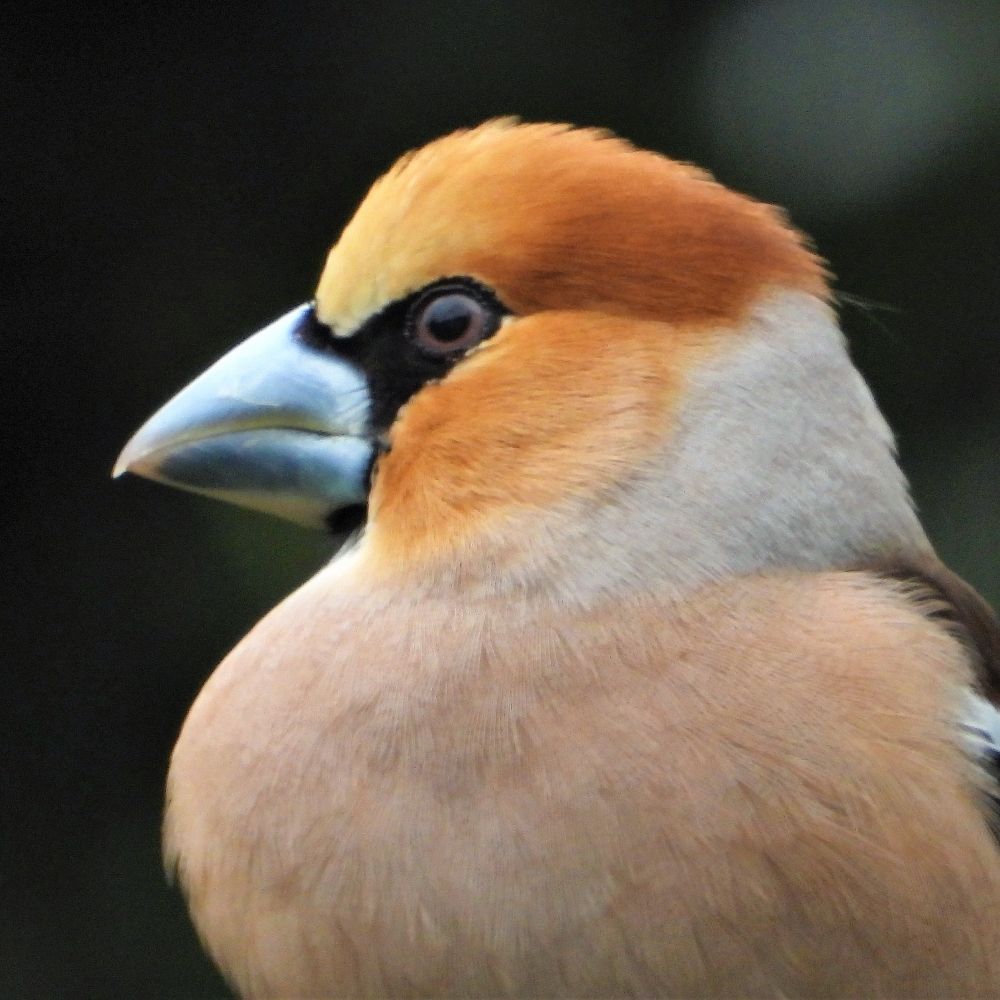
Coevolution of cooperative lifestyles and reduced cancer prevalence in mammals...
www.science.org/doi/10.1126/...
www.science.org/doi/10.1126/...

Coevolution of cooperative lifestyles and reduced cancer prevalence in mammals
While cooperative mammals evolve reducing cancer prevalence, oncogenes can be maintained by selection in competitive species.
www.science.org
November 15, 2025 at 5:25 PM
Coevolution of cooperative lifestyles and reduced cancer prevalence in mammals...
www.science.org/doi/10.1126/...
www.science.org/doi/10.1126/...
Reposted by Matías Blaustein

Coevolution of cooperative lifestyles and reduced cancer prevalence in mammals | Science Advances www.science.org/doi/10.1126/... 🧪

Coevolution of cooperative lifestyles and reduced cancer prevalence in mammals
While cooperative mammals evolve reducing cancer prevalence, oncogenes can be maintained by selection in competitive species.
www.science.org
November 14, 2025 at 8:16 PM
Coevolution of cooperative lifestyles and reduced cancer prevalence in mammals | Science Advances www.science.org/doi/10.1126/... 🧪
Reposted by Matías Blaustein

¡Buen miércoles! Hoy 🌤️🌤️🌤️ 26° de máx.
😮 Vinculan hábitos sociales y de cooperación con el cáncer en mamíferos👇
www.eldestapeweb.com/sociedad/cie...
😮 Vinculan hábitos sociales y de cooperación con el cáncer en mamíferos👇
www.eldestapeweb.com/sociedad/cie...

Un estudio en mamíferos encontró que las especies cooperativas tienen menores tasas de cáncer
Un estudio en mamíferos encontró que las especies cooperativas tienen menores tasas de cáncer. Enfermedades. Animales. Trabajo argentino. Ciencia.
www.eldestapeweb.com
November 12, 2025 at 12:30 PM
¡Buen miércoles! Hoy 🌤️🌤️🌤️ 26° de máx.
😮 Vinculan hábitos sociales y de cooperación con el cáncer en mamíferos👇
www.eldestapeweb.com/sociedad/cie...
😮 Vinculan hábitos sociales y de cooperación con el cáncer en mamíferos👇
www.eldestapeweb.com/sociedad/cie...
Reposted by Matías Blaustein

El Dr. Matías Blaustein dio una charla titulada: “Cáncer, diversidad y buen vivir: ¿competir o compartir?”
Felicitamos al grupo por apostar a la interdisciplinariedad!
Felicitamos al grupo por apostar a la interdisciplinariedad!

June 18, 2025 at 9:31 PM
El Dr. Matías Blaustein dio una charla titulada: “Cáncer, diversidad y buen vivir: ¿competir o compartir?”
Felicitamos al grupo por apostar a la interdisciplinariedad!
Felicitamos al grupo por apostar a la interdisciplinariedad!
Reposted by Matías Blaustein
Por su parte, el becario posdoctoral Francisco Gelman Constantin presentó el póster “Salud Colectiva y Políticas Públicas: ¿Quién decide y cómo lo hace?”. De este trabajo son co autoras las Dras. Mercedes García Carrillo y Natalia Rubinstein (del grupo Mecanismos Moleculares de la Metástasis)

June 18, 2025 at 9:31 PM
Por su parte, el becario posdoctoral Francisco Gelman Constantin presentó el póster “Salud Colectiva y Políticas Públicas: ¿Quién decide y cómo lo hace?”. De este trabajo son co autoras las Dras. Mercedes García Carrillo y Natalia Rubinstein (del grupo Mecanismos Moleculares de la Metástasis)