




Ellen Forsyth PhD
@ellenforsyth.bsky.social
Libraries, reading, local studies, games, climate and a few other things. PhD. Opinions are my own. On Eora country.


Reposted by Ellen Forsyth PhD

💥New: In defence of boredom – Why the social sciences need time to “waste”
✍️ Madiha Tariq
#AcademicSky #SocialScience #SlowScholarship
✍️ Madiha Tariq
#AcademicSky #SocialScience #SlowScholarship

In defence of boredom – Why the social sciences need time to “waste” - Impact of Social Sciences
Why has boredom, or simply the opportunity to linger over research, become a key issue in shaping the kinds of knowledge academics produce?
blogs.lse.ac.uk
November 13, 2025 at 11:15 AM
💥New: In defence of boredom – Why the social sciences need time to “waste”
✍️ Madiha Tariq
#AcademicSky #SocialScience #SlowScholarship
✍️ Madiha Tariq
#AcademicSky #SocialScience #SlowScholarship
Reposted by Ellen Forsyth PhD

Just three Aboriginal writers appeared in Radio National’s poll. There was little sense of the breadth and creativity of our First Nations writing scene.
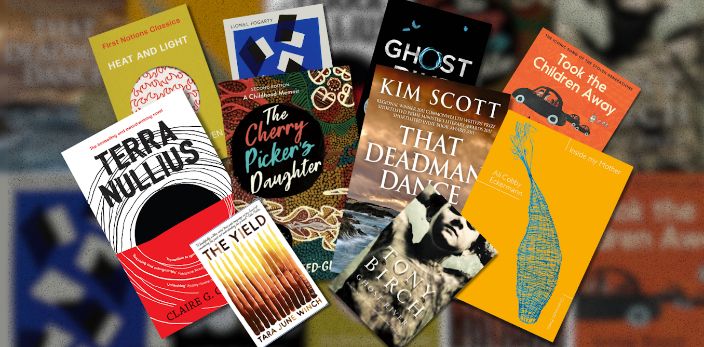
The ABC’s Top 100 books poll lacks diversity. Here are my 10 First Nations ‘books of the 21st century’
theconversation.com
October 22, 2025 at 5:59 AM
Just three Aboriginal writers appeared in Radio National’s poll. There was little sense of the breadth and creativity of our First Nations writing scene.
Reposted by Ellen Forsyth PhD

And then there were none: Australia’s only shrew declared extinct

And then there were none: Australia’s only shrew declared extinct
The tally of Australian mammals extinct since 1788 is now 39 species – far more than for any other country
It’s official: the only Australian shrew is no more.
The latest edition of the International Union for the Conservation of Nature’s Red List, the world’s most comprehensive global inventory on extinction risk, has declared the Christmas Island shrew is extinct.
This little animal is extremely common all over the island, and at night its shrill shriek, like the cry of a bat, can be heard on all sides. Continue reading...
www.theguardian.com
October 11, 2025 at 6:03 AM
And then there were none: Australia’s only shrew declared extinct
Make sure you read this thread for great horror suggestions for libraries
31 Days of Horror begins today. This year, it will be posted in one single thread.
Day 1-- Here We Go Again for the 15th Year and the First Giveaway
raforallhorror.blogspot.com/2025/10/31-d...
Day 1-- Here We Go Again for the 15th Year and the First Giveaway
raforallhorror.blogspot.com/2025/10/31-d...
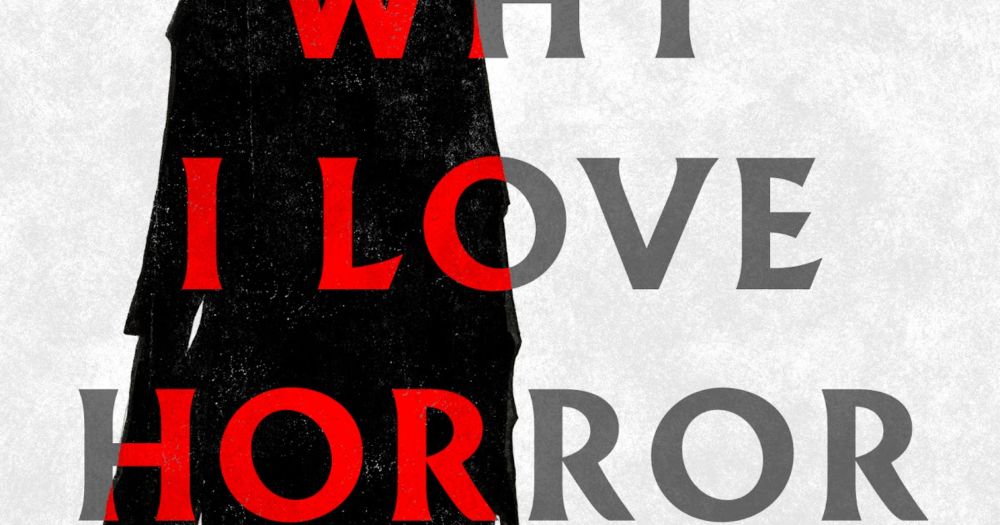
31 Days of Horror: Day 1-- Here We Go Again for the 15th Year and the First Giveaway
Today is October 1st and here we are again with 31 Days of Horror . Each year 31 Days of Horror grows in readership. While some of you ar...
raforallhorror.blogspot.com
October 2, 2025 at 5:12 AM
Make sure you read this thread for great horror suggestions for libraries
Reposted by Ellen Forsyth PhD

Today on the blog: Getting Ready for the Spookiest Month With Me and @almakatsu.bsky.social in People Magazine Online and how to use this conversation to get your displays ready for the busiest month for Horror:
raforall.blogspot.com/2025/09/gett...
raforall.blogspot.com/2025/09/gett...
Getting Ready for the Spookiest Month With Me in People Magazine Online
31 Days of Horror will begin this week, I would like to get us ready here with some baby steps today by sharing the conversation between Alm...
raforall.blogspot.com
September 29, 2025 at 4:12 PM
Today on the blog: Getting Ready for the Spookiest Month With Me and @almakatsu.bsky.social in People Magazine Online and how to use this conversation to get your displays ready for the busiest month for Horror:
raforall.blogspot.com/2025/09/gett...
raforall.blogspot.com/2025/09/gett...
Reposted by Ellen Forsyth PhD

Nine out of ten Australian households are playing video games in 2025.
Our #AustraliaPlays25 study with Bond University shows families are play games together for fun, learning, and connection, plus the broader benefits of education and mental health:
igea.net/2025/09/aust...
Our #AustraliaPlays25 study with Bond University shows families are play games together for fun, learning, and connection, plus the broader benefits of education and mental health:
igea.net/2025/09/aust...

Australian parents embrace the power of play
2025 Australia Plays study finds parents believe video games help children create opportunities for learning, connection and creativity
igea.net
September 7, 2025 at 11:00 PM
Nine out of ten Australian households are playing video games in 2025.
Our #AustraliaPlays25 study with Bond University shows families are play games together for fun, learning, and connection, plus the broader benefits of education and mental health:
igea.net/2025/09/aust...
Our #AustraliaPlays25 study with Bond University shows families are play games together for fun, learning, and connection, plus the broader benefits of education and mental health:
igea.net/2025/09/aust...
Reposted by Ellen Forsyth PhD

Oh, this is cool 📚 🚇
www.theguardian.com/world/2025/s...
www.theguardian.com/world/2025/s...

Warsaw opens metro station ‘express’ library to get commuters off their phones
Metroteka aims to encourage people to read more in country that lost majority of libraries in second world war
www.theguardian.com
September 8, 2025 at 6:16 PM
Oh, this is cool 📚 🚇
www.theguardian.com/world/2025/s...
www.theguardian.com/world/2025/s...
Dana's edit: perfect pairings from Modern daily knitting www.moderndailyknitting.com/community/da... this brings reading suggestions and knitting together, audio books which are a match for specific patterns. I like this idea from @callmedwj.bsky.social #ReadAdv
Dana’s Edit: Perfect Pairings – Modern Daily Knitting
www.moderndailyknitting.com
June 4, 2025 at 10:46 PM
Dana's edit: perfect pairings from Modern daily knitting www.moderndailyknitting.com/community/da... this brings reading suggestions and knitting together, audio books which are a match for specific patterns. I like this idea from @callmedwj.bsky.social #ReadAdv
Some lovely examples

May 10, 2025 at 3:49 AM
Some lovely examples
Reposted by Ellen Forsyth PhD

Launching today - our biggest ever project! Sonic Heritage explores the sounds of the world’s most famous sights, with 270 UNESCO World Heritage sites and items of intangible heritage, all reimagined by artists to create a new way to experience these incredible spaces 🏛️🎧 citiesandmemory.com/heritage

April 18, 2025 at 7:32 AM
Launching today - our biggest ever project! Sonic Heritage explores the sounds of the world’s most famous sights, with 270 UNESCO World Heritage sites and items of intangible heritage, all reimagined by artists to create a new way to experience these incredible spaces 🏛️🎧 citiesandmemory.com/heritage
Hooked on the Great Barrier Reef www.abc.net.au/news/2025-04... from the ABC - lovely illustrations

Alien structures and a sea monster: Dive into the Barrier Reef's enduring mystery
Striking historic drawings of the Great Barrier Reef found in an old, waterlogged book capture the spell this underwater world has put on people for centuries.
www.abc.net.au
April 18, 2025 at 1:36 AM
Hooked on the Great Barrier Reef www.abc.net.au/news/2025-04... from the ABC - lovely illustrations
Reposted by Ellen Forsyth PhD
Dobell prize 2025: Australia’s leading prize for drawing – in pictures

Dobell prize 2025: Australia’s leading prize for drawing – in pictures
The $30,000 biennial Dobell drawing prize is known for pushing the boundaries among Australian artists. Rosemary Lee’s 24-1 – an ‘exploration of the urban landscape and gentrification of the Sydney suburbs of Ashfield and Summer Hill’ – was selected winner from 56 finalists and 965 entries
• The finalists of the 2025 Dobell drawing prize will be showing at the National Art School Gallery, Sydney, until 21 May Continue reading...
www.theguardian.com
April 12, 2025 at 12:03 AM
Dobell prize 2025: Australia’s leading prize for drawing – in pictures
Cataloguing the V&A Wedgwood Collection Archive www.vam.ac.uk/blog/museum-... great to read about this cataloguing project (findability matters)

Cataloguing the V&A Wedgwood Collection Archive • V&A Blog
I joined the V&A Wedgwood Collection in November 2021 as an Archives Assistant with the main aim of cataloguing the archive collection and making these records available online. The Archives Assistant...
www.vam.ac.uk
April 12, 2025 at 10:17 PM
Cataloguing the V&A Wedgwood Collection Archive www.vam.ac.uk/blog/museum-... great to read about this cataloguing project (findability matters)
Reposted by Ellen Forsyth PhD
Massive swarms of bogong moths once resembled rain clouds – then their numbers crashed to earth
www.theguardian.com/australia-ne...
www.theguardian.com/australia-ne...
April 9, 2025 at 6:23 AM
Massive swarms of bogong moths once resembled rain clouds – then their numbers crashed to earth
www.theguardian.com/australia-ne...
www.theguardian.com/australia-ne...
Reposted by Ellen Forsyth PhD
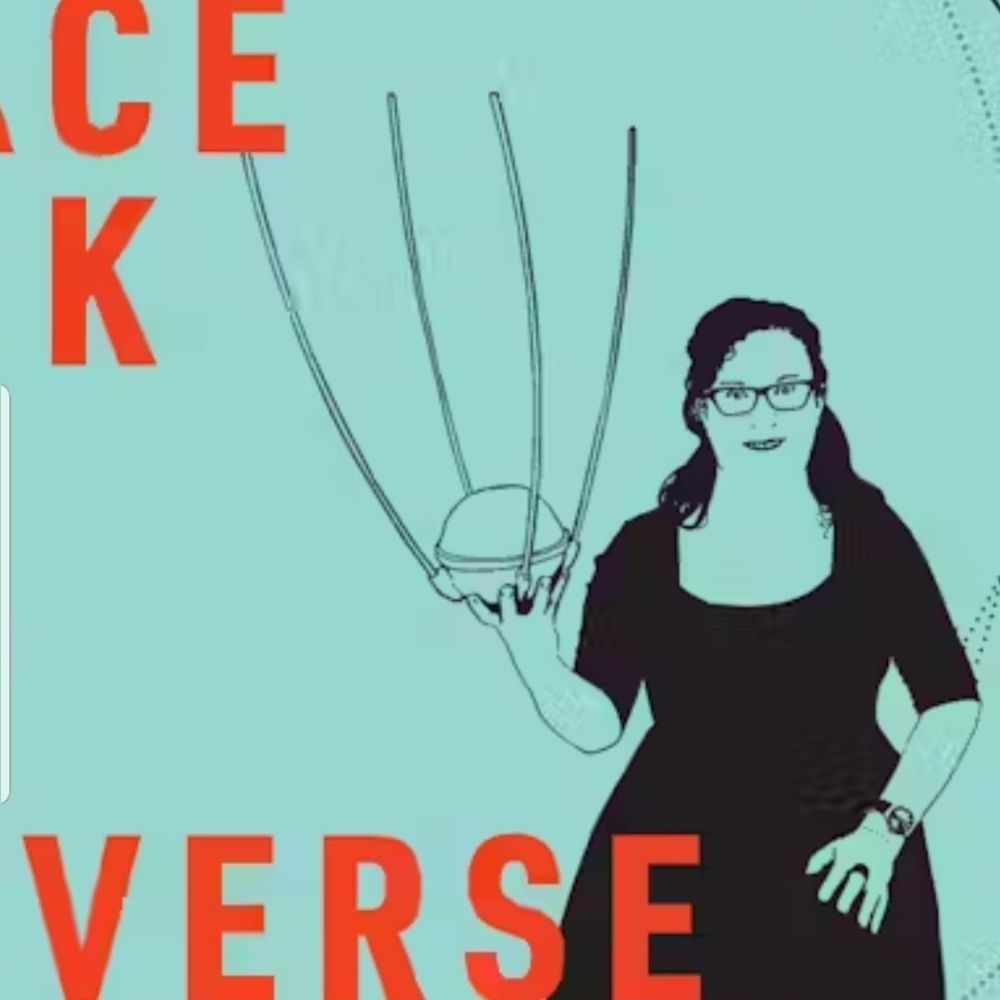
Applications are now open for the 2026 National Library of Australia Fellowships and Creative Arts Fellowships—closing 5 May 2025.
via @humanitiesau.bsky.social #AcademicSky
via @humanitiesau.bsky.social #AcademicSky

National Library of Australia Fellowships | National Library of Australia (NLA)
Financial and research support for experienced researchers in various fields and disciplines.
www.library.gov.au
April 5, 2025 at 11:11 PM
Applications are now open for the 2026 National Library of Australia Fellowships and Creative Arts Fellowships—closing 5 May 2025.
via @humanitiesau.bsky.social #AcademicSky
via @humanitiesau.bsky.social #AcademicSky
Reposted by Ellen Forsyth PhD
The first-of-its kind report by the Australian Bureau of Statistics looks beyond GDP to a broader measurement of what nature is really worth.

New report slaps an official price tag on Australia’s precious natural assets
theconversation.com
February 27, 2025 at 5:59 AM
The first-of-its kind report by the Australian Bureau of Statistics looks beyond GDP to a broader measurement of what nature is really worth.
I just subscribed to The Process is the Point! buttondown.com/lissertations because I want to read more about library metadata

The Process is the Point
An irregular newsletter about library metadata and the forces that shape it.
buttondown.com
February 25, 2025 at 7:59 PM
I just subscribed to The Process is the Point! buttondown.com/lissertations because I want to read more about library metadata
Reposted by Ellen Forsyth PhD

Jane’s world – fans and admirers pick their favourite Austen characters

Jane’s world – fans and admirers pick their favourite Austen characters
Helen Fielding, David Baddiel, Nicola Sturgeon and other cultural figures celebrate the great writer’s 250th birthday
www.theguardian.com
February 16, 2025 at 8:06 AM
Jane’s world – fans and admirers pick their favourite Austen characters
Another flower ... www.youtube.com/live/1lbPzCz...

9pm Update on Stink
YouTube video by Botanic Gardens of Sydney
www.youtube.com
February 8, 2025 at 10:37 AM
Another flower ... www.youtube.com/live/1lbPzCz...
National Film and Sound Archive has restored Cyclone Tracy: Darwin Christmas 1974 to 4K www.nfsa.gov.au/latest/city-...?
www.nfsa.gov.au
February 1, 2025 at 1:21 AM
National Film and Sound Archive has restored Cyclone Tracy: Darwin Christmas 1974 to 4K www.nfsa.gov.au/latest/city-...?
…about interest in a flower (I have visited her)
‘Putricia for president’: Sydney’s blooming corpse flower becomes a cult hero – to those who can’t smell her

‘Putricia for president’: Sydney’s blooming corpse flower becomes a cult hero – to those who can’t smell her
Acronyms, in-jokes and online fan clubs spring up as viewers across the globe prepare for Sydney’s first corpse bloom in 15 years – from a safe distance
* Get our breaking news email, free app or daily news podcast
In a Sydney greenhouse, a tall…
www.theguardian.com
January 22, 2025 at 10:52 AM
…about interest in a flower (I have visited her)
Reposted by Ellen Forsyth PhD

In case you missed this last week and fancy a general feel-good pick-me-up about libraries and / or some thoughts about how NYPL's research might be used to inform a marketing and brand strategy:
>>> www.ned-potter.com/blog/refuge-...
>>> www.ned-potter.com/blog/refuge-...
January 14, 2025 at 1:42 PM
In case you missed this last week and fancy a general feel-good pick-me-up about libraries and / or some thoughts about how NYPL's research might be used to inform a marketing and brand strategy:
>>> www.ned-potter.com/blog/refuge-...
>>> www.ned-potter.com/blog/refuge-...
Reposted by Ellen Forsyth PhD
And of course, there's a Public Libraries Starter pack too. go.bsky.app/53n84ms
Remember you can use these like Lists if you wish - they default to the People tab when you click on them, but you can click the Posts tab too.
Remember you can use these like Lists if you wish - they default to the People tab when you click on them, but you can click the Posts tab too.
January 16, 2025 at 3:10 PM
And of course, there's a Public Libraries Starter pack too. go.bsky.app/53n84ms
Remember you can use these like Lists if you wish - they default to the People tab when you click on them, but you can click the Posts tab too.
Remember you can use these like Lists if you wish - they default to the People tab when you click on them, but you can click the Posts tab too.
Reposted by Ellen Forsyth PhD

Kurt Whyte is often sent videos of people with what they think are "harmless tree snakes" but they're actually deadly eastern browns.

'It's very easy to misidentify': Snake catchers warn against untrained handling
Kurt Whyte is often sent videos of people with what they think are "harmless tree snakes" but they're actually deadly eastern browns.
www.abc.net.au
January 18, 2025 at 9:38 PM
Kurt Whyte is often sent videos of people with what they think are "harmless tree snakes" but they're actually deadly eastern browns.