




Sebastian Mathea
@chasingkinases.bsky.social
Kinase and GTPase enthusiast - cyclist - open society proponent
Pinned

Developing biologics that modulate LRRK2 features:
# Cellular kinase activity
# Filament formation
# Overcome preferred orientation in cryo-EM
@asapresearch.bsky.social
www.jbc.org/article/S002...
# Cellular kinase activity
# Filament formation
# Overcome preferred orientation in cryo-EM
@asapresearch.bsky.social
www.jbc.org/article/S002...
Reposted by Sebastian Mathea

Native Flow-Induced Dispersion Analysis – Mass Spectrometry Enables Automated, Multiplexed Ligand Screening from Conventional, Nonvolatile Buffers #AC pubs.acs.org/doi/10.1021/...

Native Flow-Induced Dispersion Analysis – Mass Spectrometry Enables Automated, Multiplexed Ligand Screening from Conventional, Nonvolatile Buffers
Native electrospray ionization mass spectrometry has become an important method for the discovery and validation of noncovalent ligands for therapeutic targets. As a label-free method combining high sensitivity and chemical specificity, it is ideally suited for this application. However, the performance of the method is severely impacted by the presence of nonvolatile buffers and salts, and there is a risk of ion suppression if a target protein is coincubated with multiple candidate ligands. These factors, along with the fairly labor-intensive nature, required operator skill, and limited throughput of most implementations, represent significant obstacles to the widespread adoption of native mass spectrometry-based ligand discovery. Here, we demonstrate the combination of flow-induced dispersion analysis with native mass spectrometry for screening of ligands for an E3 ligase and two kinases of pharmacological relevance. Importantly, this approach avoids ion suppression and formation of salt adducts without the need for offline desalting or buffer exchange, and each multiplexed measurement of a sample consisting of a target protein and a mixture of more than 20 candidate ligands took only a few minutes. Because the method is largely automated, this screening technology represents a potentially important step toward making native mass spectrometry a mainstream biophysical technique in drug discovery.
pubs.acs.org
May 6, 2025 at 7:32 AM
Native Flow-Induced Dispersion Analysis – Mass Spectrometry Enables Automated, Multiplexed Ligand Screening from Conventional, Nonvolatile Buffers #AC pubs.acs.org/doi/10.1021/...
Reposted by Sebastian Mathea

PPM1M, a LRRK2-counteracting, phosphoRab12-preferring phosphatase with potential link to Parkinsons disease https://www.biorxiv.org/content/10.1101/2025.03.19.644182v1
March 20, 2025 at 3:30 AM
PPM1M, a LRRK2-counteracting, phosphoRab12-preferring phosphatase with potential link to Parkinsons disease https://www.biorxiv.org/content/10.1101/2025.03.19.644182v1
Reposted by Sebastian Mathea
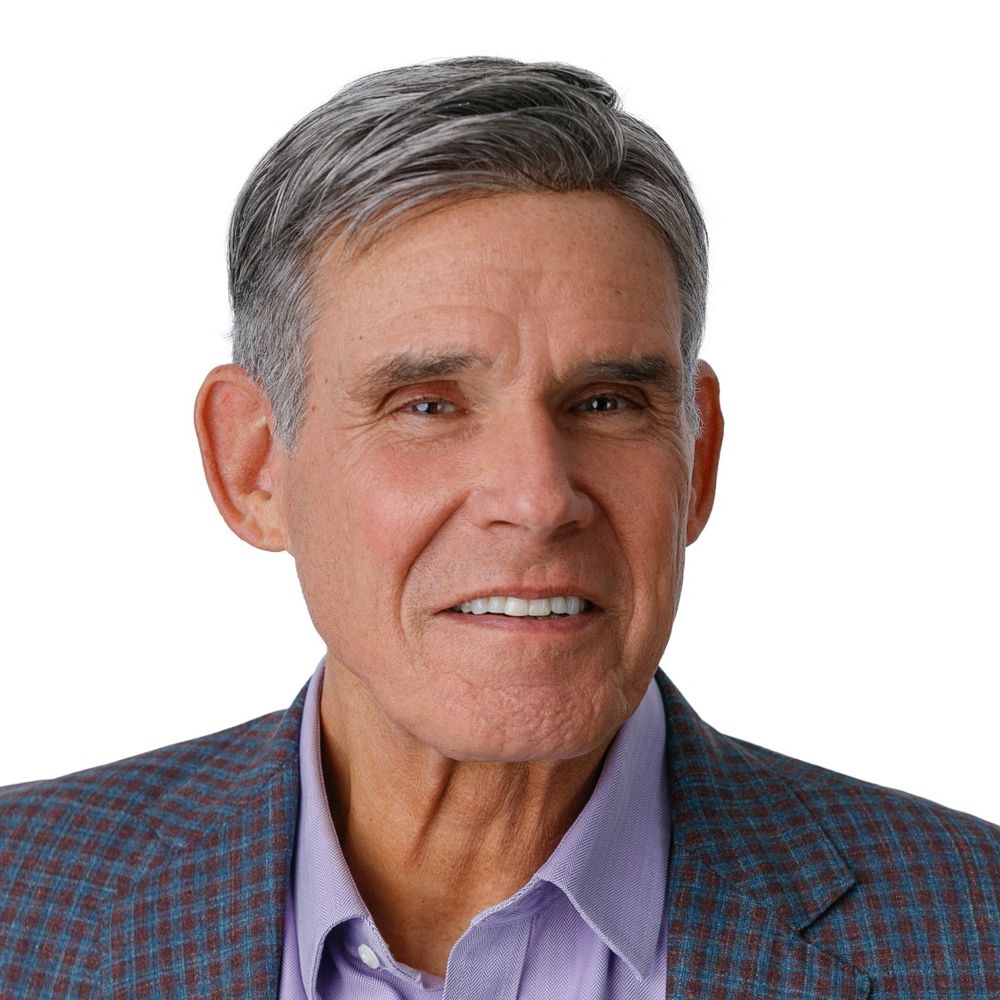
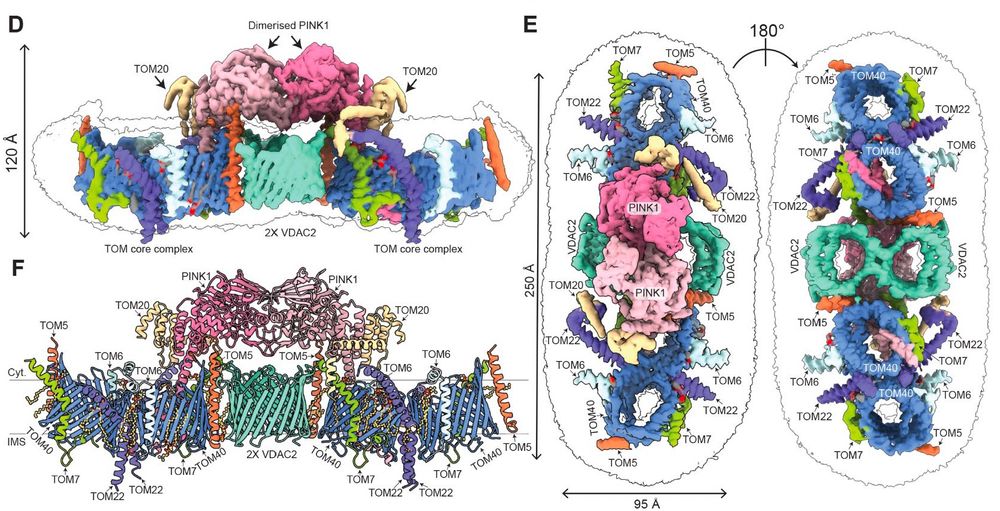
More than 2 decades ago the PINK1 protein was found to be linked to Parkinson's disease, but its structure and how it was activated was not known. Until @science.org today. A triumph for cryo-EM and structural biology, introducing new targets for drug intervention.
www.science.org/doi/10.1126/...
www.science.org/doi/10.1126/...
March 13, 2025 at 11:19 PM
More than 2 decades ago the PINK1 protein was found to be linked to Parkinson's disease, but its structure and how it was activated was not known. Until @science.org today. A triumph for cryo-EM and structural biology, introducing new targets for drug intervention.
www.science.org/doi/10.1126/...
www.science.org/doi/10.1126/...
There are 16 random mutations - aim was to stabilize the recombinant kinase domain - the variant can be expressed in E. coli (in contrast to WT BRAF).
So structures of human braf in the PDB sometimes have a long list of mutations. Blast search indicates it's not another species. Papers don't seem to acknowledge it. What could it be? E.g., 4CQE: I543A,I544S,I551K,Q562R,L588N,V600E,K630S,F667E,Y673S,A688R,L706S,Q709R,S713E,L716E,S720E,P722S,K723G
March 12, 2025 at 11:45 AM
There are 16 random mutations - aim was to stabilize the recombinant kinase domain - the variant can be expressed in E. coli (in contrast to WT BRAF).
Reposted by Sebastian Mathea

Another step in the DOGE apocalypse: pubmed has gone missing (at the moment): pubmed.ncbi.nlm.nih.gov

PubMed
PubMed® comprises more than 37 million citations for biomedical literature from MEDLINE, life science journals, and online books. Citations may include links to full text content from PubMed Central a...
pubmed.ncbi.nlm.nih.gov
March 1, 2025 at 11:45 PM
Another step in the DOGE apocalypse: pubmed has gone missing (at the moment): pubmed.ncbi.nlm.nih.gov
Reposted by Sebastian Mathea

Aberrant increases in kinase activity of LRKK2 are associated with #PD. In this study, CRN Team Reck-Peterson designed & tested the first LRRK2-selective type-II kinase inhibitors 🧪
🔗 Check out the full #preprint: www.biorxiv.org/content/10.1...
🔗 Check out the full #preprint: www.biorxiv.org/content/10.1...

February 28, 2025 at 4:28 PM
Aberrant increases in kinase activity of LRKK2 are associated with #PD. In this study, CRN Team Reck-Peterson designed & tested the first LRRK2-selective type-II kinase inhibitors 🧪
🔗 Check out the full #preprint: www.biorxiv.org/content/10.1...
🔗 Check out the full #preprint: www.biorxiv.org/content/10.1...
Reposted by Sebastian Mathea
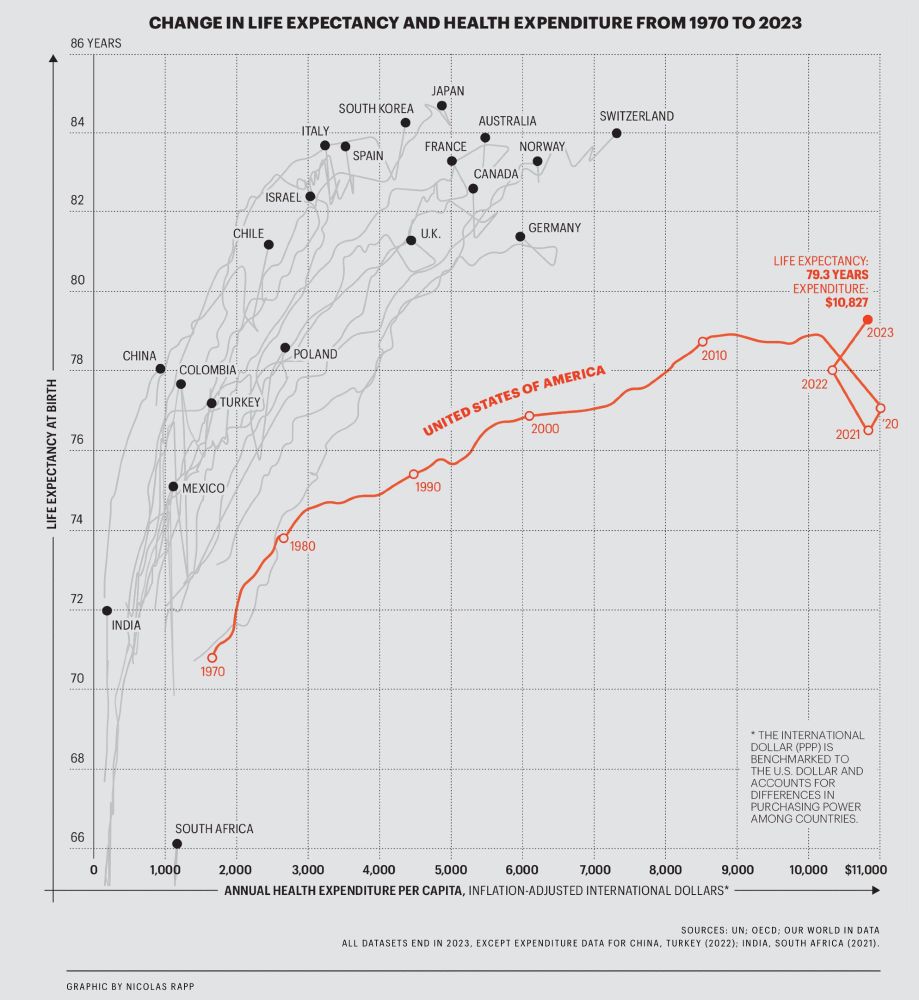
An update with latest data available for graph of life expectancy vs health care expenditures per capita for 20 countries and one outlier.
February 3, 2025 at 3:19 PM
An update with latest data available for graph of life expectancy vs health care expenditures per capita for 20 countries and one outlier.
Reposted by Sebastian Mathea


Reposted by Sebastian Mathea

Excited to share that dosing has begun in the Denali Phase 2a "BEACON" study of the investigational therapeutic BIIB122 in Parkinson's disease patients that carry a variant in LRRK2!
investors.denalitherapeutics.com/news-release...
investors.denalitherapeutics.com/news-release...
Denali Therapeutics Announces First Participant Dosed in Phase 2a Study of LRRK2 Inhibitor, BIIB122, in LRRK2-Associated Parkinson’s Disease | Denali Therapeutics
The Investor Relations website contains information about Denali Therapeutics's business for stockholders, potential investors, and financial analysts.
investors.denalitherapeutics.com
December 5, 2024 at 8:07 PM
Excited to share that dosing has begun in the Denali Phase 2a "BEACON" study of the investigational therapeutic BIIB122 in Parkinson's disease patients that carry a variant in LRRK2!
investors.denalitherapeutics.com/news-release...
investors.denalitherapeutics.com/news-release...
Reposted by Sebastian Mathea

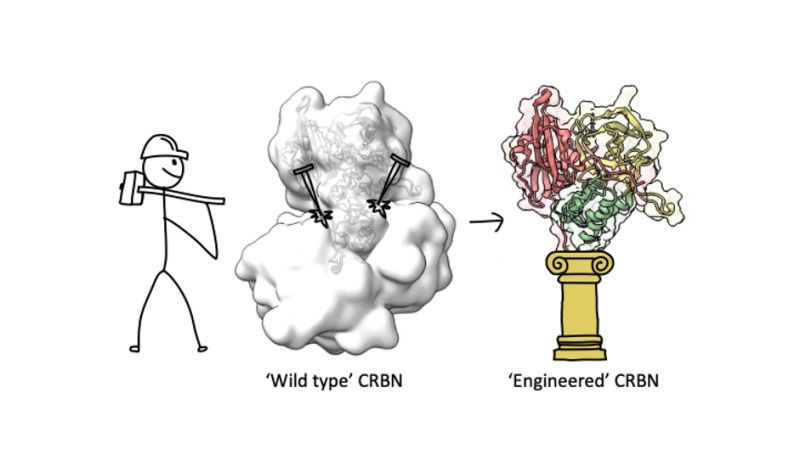
‘Easy to handle’ Cereblon – a new tool for drug discovery and molecular glue screening 👍
www.sciencedirect.com/science/arti...
Congrats to the Đikić lab and Merck KGaA, in collaboration with Enamine Ltd, the Nowak Lab, the Langer Lab and iBET 😀
#CRBN #TPD #PROTAC
www.sciencedirect.com/science/arti...
Congrats to the Đikić lab and Merck KGaA, in collaboration with Enamine Ltd, the Nowak Lab, the Langer Lab and iBET 😀
#CRBN #TPD #PROTAC
November 28, 2024 at 7:31 AM
‘Easy to handle’ Cereblon – a new tool for drug discovery and molecular glue screening 👍
www.sciencedirect.com/science/arti...
Congrats to the Đikić lab and Merck KGaA, in collaboration with Enamine Ltd, the Nowak Lab, the Langer Lab and iBET 😀
#CRBN #TPD #PROTAC
www.sciencedirect.com/science/arti...
Congrats to the Đikić lab and Merck KGaA, in collaboration with Enamine Ltd, the Nowak Lab, the Langer Lab and iBET 😀
#CRBN #TPD #PROTAC
Reposted by Sebastian Mathea
For my first post on Bluesky, here is our BioID map of RAB GTPases! It was a collective effort from many in the lab initiated by Benoît, Raphaëlle, and Dominique and followed up extensively by Véronique! I'll happily share the associated data if anyone is interested. www.biorxiv.org/content/10.1...

A Proximity MAP of RAB GTPases
RAB GTPases are the most abundant family of small GTPases and regulate multiple aspects of membrane trafficking events, from cargo sorting to vesicle budding, transport, docking, and fusion. To regula...
www.biorxiv.org
November 21, 2024 at 1:32 PM
For my first post on Bluesky, here is our BioID map of RAB GTPases! It was a collective effort from many in the lab initiated by Benoît, Raphaëlle, and Dominique and followed up extensively by Véronique! I'll happily share the associated data if anyone is interested. www.biorxiv.org/content/10.1...
Consoling: Chatting with AI can weaken beliefs in conspiracy narratives.
Suspicion: AI may be capable of tricking us into any belief...
www.science.org/doi/10.1126/...
Suspicion: AI may be capable of tricking us into any belief...
www.science.org/doi/10.1126/...
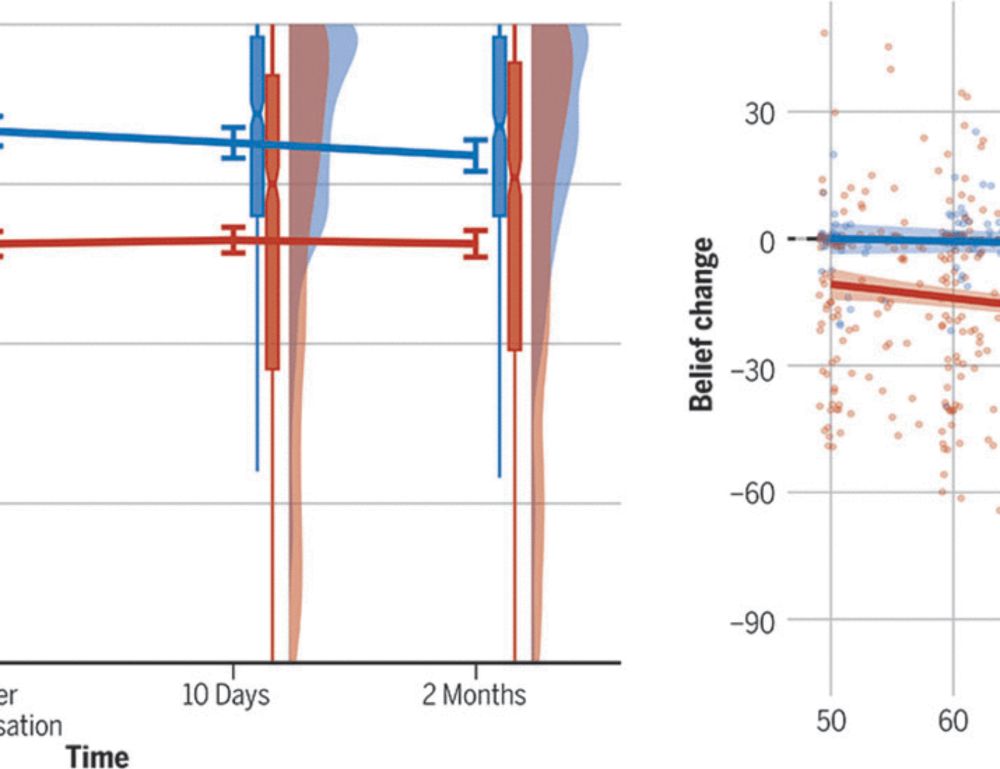
Durably reducing conspiracy beliefs through dialogues with AI
Conspiracy theory beliefs are notoriously persistent. Influential hypotheses propose that they fulfill important psychological needs, thus resisting counterevidence. Yet previous failures in correctin...
www.science.org
September 16, 2024 at 8:47 AM
Consoling: Chatting with AI can weaken beliefs in conspiracy narratives.
Suspicion: AI may be capable of tricking us into any belief...
www.science.org/doi/10.1126/...
Suspicion: AI may be capable of tricking us into any belief...
www.science.org/doi/10.1126/...
Reposted by Sebastian Mathea

MAGE-A3 degraders from the @craigmcrews.bsky.social
lab. Nice example of how ligand discovery with DEL screening can mesh into degrader workflows.
lab. Nice example of how ligand discovery with DEL screening can mesh into degrader workflows.
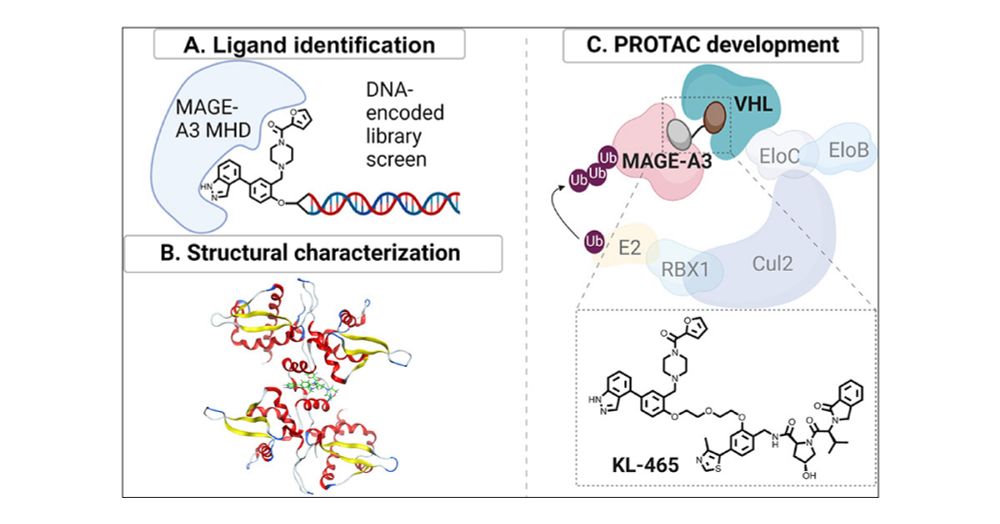
Development of Ligands and Degraders Targeting MAGE-A3
Type I melanoma antigen (MAGE) family members are detected in numerous tumor types, and expression is correlated with poor prognosis, high tumor grade, and increased metastasis. Type I MAGE proteins a...
pubs.acs.org
September 3, 2024 at 11:11 AM
MAGE-A3 degraders from the @craigmcrews.bsky.social
lab. Nice example of how ligand discovery with DEL screening can mesh into degrader workflows.
lab. Nice example of how ligand discovery with DEL screening can mesh into degrader workflows.
Reposted by Sebastian Mathea

We definitely don’t know all the ins and outs of degrading proteins as a therapeutic mode. But every year more stuff gets clearer:

Protein Degradation in Focus
www.science.org
July 30, 2024 at 1:28 PM
We definitely don’t know all the ins and outs of degrading proteins as a therapeutic mode. But every year more stuff gets clearer:
Reposted by Sebastian Mathea
I’m growing tired of seeing “Hook effect” in the literature instead of “hook effect” — ffs people, it’s named after the shape of the dose-response curve, not everyone’s favorite pirate 🤦♂️

Hook Peterpan GIF
ALT: Hook Peterpan GIF
media.tenor.com
July 22, 2024 at 12:31 AM
I’m growing tired of seeing “Hook effect” in the literature instead of “hook effect” — ffs people, it’s named after the shape of the dose-response curve, not everyone’s favorite pirate 🤦♂️
Developing biologics that modulate LRRK2 features:
# Cellular kinase activity
# Filament formation
# Overcome preferred orientation in cryo-EM
@asapresearch.bsky.social
www.jbc.org/article/S002...
# Cellular kinase activity
# Filament formation
# Overcome preferred orientation in cryo-EM
@asapresearch.bsky.social
www.jbc.org/article/S002...
June 13, 2024 at 2:10 PM
Developing biologics that modulate LRRK2 features:
# Cellular kinase activity
# Filament formation
# Overcome preferred orientation in cryo-EM
@asapresearch.bsky.social
www.jbc.org/article/S002...
# Cellular kinase activity
# Filament formation
# Overcome preferred orientation in cryo-EM
@asapresearch.bsky.social
www.jbc.org/article/S002...
Reposted by Sebastian Mathea
New preprint available on Mechanism of human PINK1 activation at the TOM complex in a reconstituted system. Great collaboration featuring ASAP Project Manager, Sebastian Mathea and other researchers. Check it out! 🧪
www.biorxiv.org/content/10.1...
www.biorxiv.org/content/10.1...

December 27, 2023 at 8:20 PM
New preprint available on Mechanism of human PINK1 activation at the TOM complex in a reconstituted system. Great collaboration featuring ASAP Project Manager, Sebastian Mathea and other researchers. Check it out! 🧪
www.biorxiv.org/content/10.1...
www.biorxiv.org/content/10.1...