



aiġne
@aighne.bsky.social
Re-learning Irish. Coffee bore. Binged on great novels at the wrong age.
Reposted by aiġne

I spoke with people who know things to explore what Ireland misses out on because we have turned our national feast day - dedicated to a remarkable foreigner who made his home here and stood up to slave traders - into a caricature of tackiness
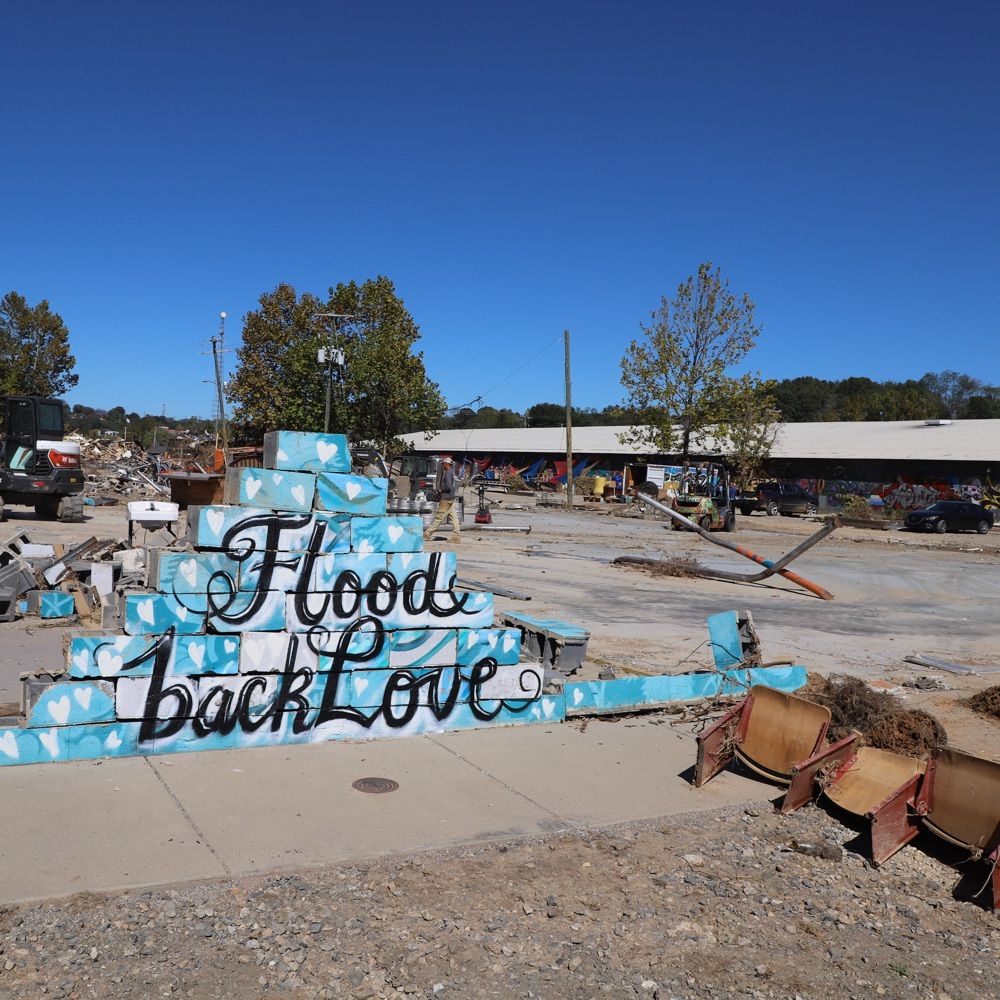
Thousands of tourists flock to Ireland for St. Patrick’s Day. But one figure is missing: #StPatricks.
#StPatricksDay
www.americamagazine.org/faith/2025/0...
#StPatricksDay
www.americamagazine.org/faith/2025/0...
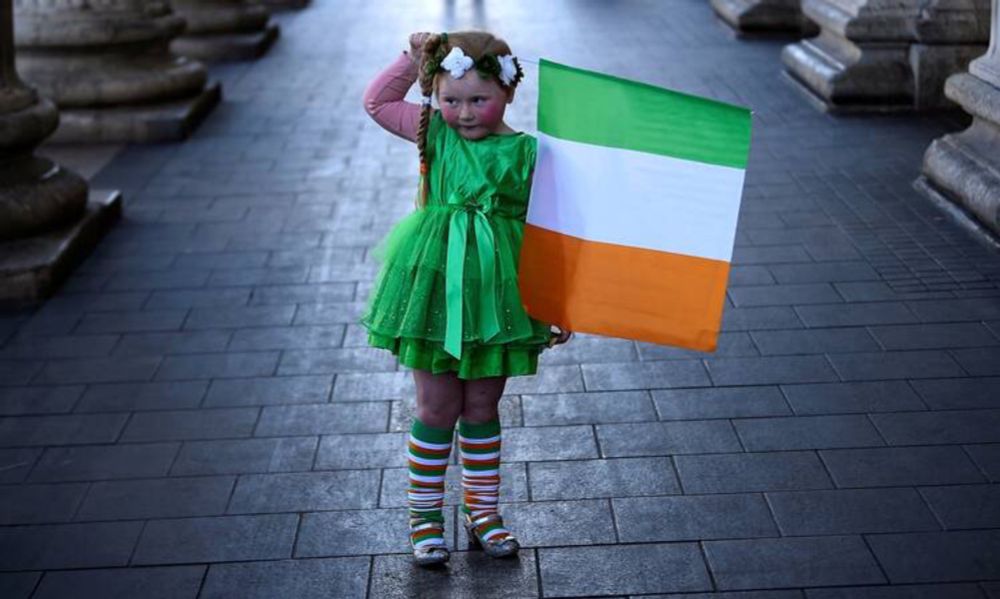
Thousands of tourists flock to Ireland for St. Patrick’s Day. But one figure is missing: St. Patrick.
Tens of thousands of tourists flock to Ireland each year for the St. Patrick’s Day Festival. But in the midst of the concerts, parades and art installations, one figure is strikingly absent—Patrick hi...
www.americamagazine.org
March 13, 2025 at 7:52 AM
I spoke with people who know things to explore what Ireland misses out on because we have turned our national feast day - dedicated to a remarkable foreigner who made his home here and stood up to slave traders - into a caricature of tackiness
Reposted by aiġne

The English words 'no' and 'no' don't have the same origin.
'No', the opposite of 'yes', comes from West-Germanic *naiw ("never").
'No' as in 'no pain, no gain' arose as a variant of 'none' and stems from *nain ("not any").
They only share the n-, from *ne ("not").
Click to learn more:
1/
'No', the opposite of 'yes', comes from West-Germanic *naiw ("never").
'No' as in 'no pain, no gain' arose as a variant of 'none' and stems from *nain ("not any").
They only share the n-, from *ne ("not").
Click to learn more:
1/

January 15, 2025 at 5:59 PM
The English words 'no' and 'no' don't have the same origin.
'No', the opposite of 'yes', comes from West-Germanic *naiw ("never").
'No' as in 'no pain, no gain' arose as a variant of 'none' and stems from *nain ("not any").
They only share the n-, from *ne ("not").
Click to learn more:
1/
'No', the opposite of 'yes', comes from West-Germanic *naiw ("never").
'No' as in 'no pain, no gain' arose as a variant of 'none' and stems from *nain ("not any").
They only share the n-, from *ne ("not").
Click to learn more:
1/
Reposted by aiġne

Foclóir an lae:
🌨️ #Sneachta
🧊 Oighear
❄️ Sioc
🌫️ Ceo seaca
🏔️ Sneachta ar thalamh ard
⛄ BOULI
🥶 Préachta
⚠️ Rabhadh aimsire
🌡️ Teocht íseal
🫖 Pota tae
☕ Cupán tae
🥣 Anraith
🍲 Stobhach
🛏️ Leaba
🛋️ Tolg
💻 Seinnteoir TG4
🔥 Tine
📺 Teilifís
🧥 Cóta
🧣 Scairf
🧤 Lámhainní
🧦 Stocaí te
🌨️ #Sneachta
🧊 Oighear
❄️ Sioc
🌫️ Ceo seaca
🏔️ Sneachta ar thalamh ard
⛄ BOULI
🥶 Préachta
⚠️ Rabhadh aimsire
🌡️ Teocht íseal
🫖 Pota tae
☕ Cupán tae
🥣 Anraith
🍲 Stobhach
🛏️ Leaba
🛋️ Tolg
💻 Seinnteoir TG4
🔥 Tine
📺 Teilifís
🧥 Cóta
🧣 Scairf
🧤 Lámhainní
🧦 Stocaí te
January 8, 2025 at 5:02 PM
Foclóir an lae:
🌨️ #Sneachta
🧊 Oighear
❄️ Sioc
🌫️ Ceo seaca
🏔️ Sneachta ar thalamh ard
⛄ BOULI
🥶 Préachta
⚠️ Rabhadh aimsire
🌡️ Teocht íseal
🫖 Pota tae
☕ Cupán tae
🥣 Anraith
🍲 Stobhach
🛏️ Leaba
🛋️ Tolg
💻 Seinnteoir TG4
🔥 Tine
📺 Teilifís
🧥 Cóta
🧣 Scairf
🧤 Lámhainní
🧦 Stocaí te
🌨️ #Sneachta
🧊 Oighear
❄️ Sioc
🌫️ Ceo seaca
🏔️ Sneachta ar thalamh ard
⛄ BOULI
🥶 Préachta
⚠️ Rabhadh aimsire
🌡️ Teocht íseal
🫖 Pota tae
☕ Cupán tae
🥣 Anraith
🍲 Stobhach
🛏️ Leaba
🛋️ Tolg
💻 Seinnteoir TG4
🔥 Tine
📺 Teilifís
🧥 Cóta
🧣 Scairf
🧤 Lámhainní
🧦 Stocaí te
Reposted by aiġne

I like English compound words in which one part has an unobvious history that connects it to equivalent words elsewhere in Europe, such as:
- the 'pea-' in 'peacock' < Latin pāvō (> It. pavone)
- the 'chick-' in 'chickpea' < Latin cicer (> It. cece)
- the '-pie' in 'magpie' < Latin pīca (> Fr. pie)
- the 'pea-' in 'peacock' < Latin pāvō (> It. pavone)
- the 'chick-' in 'chickpea' < Latin cicer (> It. cece)
- the '-pie' in 'magpie' < Latin pīca (> Fr. pie)
January 4, 2025 at 6:05 PM
I like English compound words in which one part has an unobvious history that connects it to equivalent words elsewhere in Europe, such as:
- the 'pea-' in 'peacock' < Latin pāvō (> It. pavone)
- the 'chick-' in 'chickpea' < Latin cicer (> It. cece)
- the '-pie' in 'magpie' < Latin pīca (> Fr. pie)
- the 'pea-' in 'peacock' < Latin pāvō (> It. pavone)
- the 'chick-' in 'chickpea' < Latin cicer (> It. cece)
- the '-pie' in 'magpie' < Latin pīca (> Fr. pie)
Reposted by aiġne
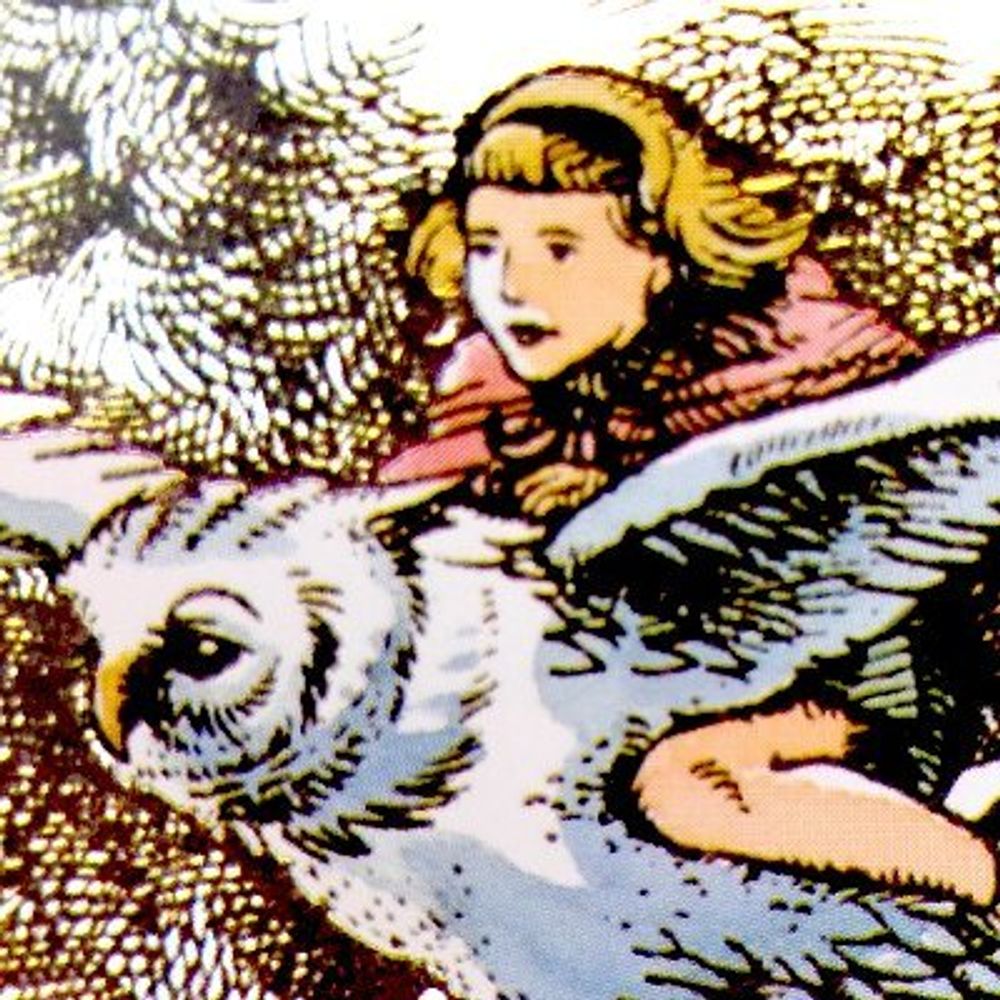
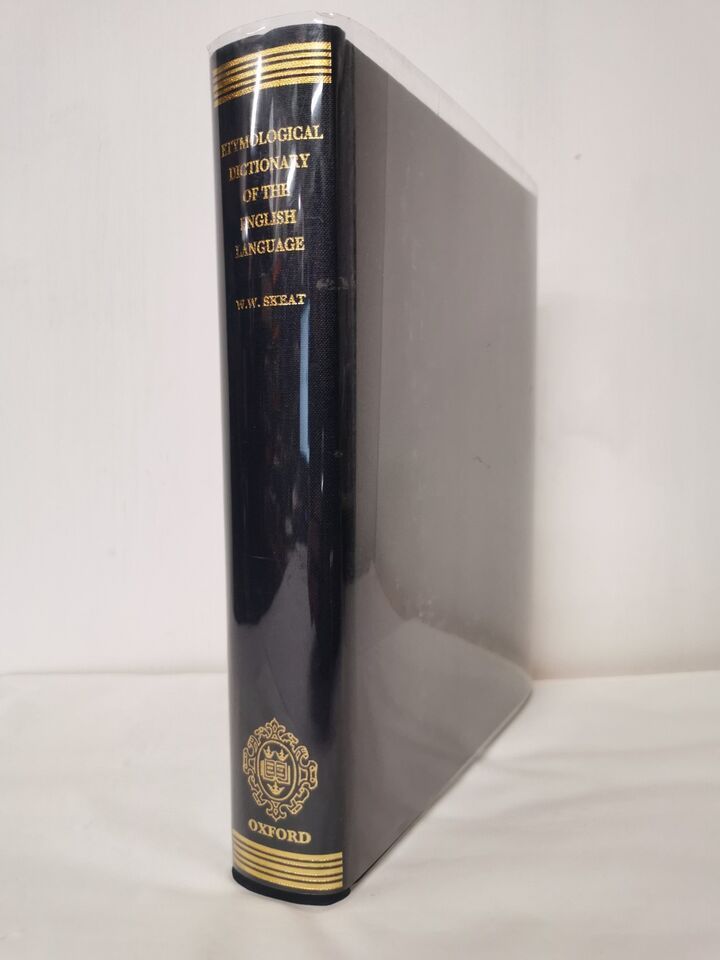
Etymological Dictionary of the English Language, by Walter Skeat. Skeat was offered the job of supervising the OED but turned it down so he could write this, still the best dictionary of English word origins. He’s also sly and sarcastic, like a Mr Norrell of linguistics.
January 3, 2025 at 10:25 PM
Etymological Dictionary of the English Language, by Walter Skeat. Skeat was offered the job of supervising the OED but turned it down so he could write this, still the best dictionary of English word origins. He’s also sly and sarcastic, like a Mr Norrell of linguistics.
Reposted by aiġne
Corr na Lárach sa Chabhán
Cornalara Cavan
www.logainm.ie/ga/3847
'corr' = Rounded hill, hump.
'láir' (gs. lárach) = Mare.
'the round hill of the mare(s)'
Féach 'Featured themes':
'Capaill, eich, gearráin is láracha'
'Horses, steeds, geldings and mares'
www.logainm.ie/en/themes
Cornalara Cavan
www.logainm.ie/ga/3847
'corr' = Rounded hill, hump.
'láir' (gs. lárach) = Mare.
'the round hill of the mare(s)'
Féach 'Featured themes':
'Capaill, eich, gearráin is láracha'
'Horses, steeds, geldings and mares'
www.logainm.ie/en/themes

December 5, 2024 at 12:08 PM
Corr na Lárach sa Chabhán
Cornalara Cavan
www.logainm.ie/ga/3847
'corr' = Rounded hill, hump.
'láir' (gs. lárach) = Mare.
'the round hill of the mare(s)'
Féach 'Featured themes':
'Capaill, eich, gearráin is láracha'
'Horses, steeds, geldings and mares'
www.logainm.ie/en/themes
Cornalara Cavan
www.logainm.ie/ga/3847
'corr' = Rounded hill, hump.
'láir' (gs. lárach) = Mare.
'the round hill of the mare(s)'
Féach 'Featured themes':
'Capaill, eich, gearráin is láracha'
'Horses, steeds, geldings and mares'
www.logainm.ie/en/themes
Reposted by aiġne
The /k/ sound at the end of 'seek' is unexpected, given that its Old English ancestor sēcan was most likely pronounced with a /t͡ʃ/.
The modern /k/ has been explained as an Old Norse influence in northern English dialects, and the expected /t͡ʃ/ consonant can still be heard in 'beseech'.
The modern /k/ has been explained as an Old Norse influence in northern English dialects, and the expected /t͡ʃ/ consonant can still be heard in 'beseech'.
November 29, 2024 at 5:16 PM
The /k/ sound at the end of 'seek' is unexpected, given that its Old English ancestor sēcan was most likely pronounced with a /t͡ʃ/.
The modern /k/ has been explained as an Old Norse influence in northern English dialects, and the expected /t͡ʃ/ consonant can still be heard in 'beseech'.
The modern /k/ has been explained as an Old Norse influence in northern English dialects, and the expected /t͡ʃ/ consonant can still be heard in 'beseech'.
Reposted by aiġne
Spéisiúil go leor, tá leasú déanta ar an bpolasaí, ach níl leasú déanta ar “Trasnsport” fós.
November 28, 2024 at 4:41 PM
Spéisiúil go leor, tá leasú déanta ar an bpolasaí, ach níl leasú déanta ar “Trasnsport” fós.
Reposted by aiġne
The word 'lana' (wool) in languages such as Spanish is etymologically related to English 'wool'.
For words to be related, they don't have to look like each other.
Instead, you have to be able to trace them back to the same ancestor through regular sound changes - and that's what linguists did:
For words to be related, they don't have to look like each other.
Instead, you have to be able to trace them back to the same ancestor through regular sound changes - and that's what linguists did:

November 24, 2024 at 6:55 PM
The word 'lana' (wool) in languages such as Spanish is etymologically related to English 'wool'.
For words to be related, they don't have to look like each other.
Instead, you have to be able to trace them back to the same ancestor through regular sound changes - and that's what linguists did:
For words to be related, they don't have to look like each other.
Instead, you have to be able to trace them back to the same ancestor through regular sound changes - and that's what linguists did:
Reposted by aiġne

🔔
Only 1️⃣ week to go
to the 𝗢𝗹𝗱 𝗜𝗿𝗶𝘀𝗵 𝗔𝗱𝘃𝗲𝗻𝘁 𝗖𝗮𝗹𝗲𝗻𝗱𝗮𝗿 𝟮𝟬𝟮𝟰,
brought to you again by @dhaydenceltic.bsky.social & myself.
The 2️⃣ of us will guide you through
3️⃣ millennia of ogam (4ᵗʰ-21ˢᵗ centuries)
to celebrate 4️⃣ years of the OG(H)AM Project (ogham.glasgow.ac.uk).
🔔
📷: T. O'Neill
Only 1️⃣ week to go
to the 𝗢𝗹𝗱 𝗜𝗿𝗶𝘀𝗵 𝗔𝗱𝘃𝗲𝗻𝘁 𝗖𝗮𝗹𝗲𝗻𝗱𝗮𝗿 𝟮𝟬𝟮𝟰,
brought to you again by @dhaydenceltic.bsky.social & myself.
The 2️⃣ of us will guide you through
3️⃣ millennia of ogam (4ᵗʰ-21ˢᵗ centuries)
to celebrate 4️⃣ years of the OG(H)AM Project (ogham.glasgow.ac.uk).
🔔
📷: T. O'Neill

November 24, 2024 at 8:31 AM
🔔
Only 1️⃣ week to go
to the 𝗢𝗹𝗱 𝗜𝗿𝗶𝘀𝗵 𝗔𝗱𝘃𝗲𝗻𝘁 𝗖𝗮𝗹𝗲𝗻𝗱𝗮𝗿 𝟮𝟬𝟮𝟰,
brought to you again by @dhaydenceltic.bsky.social & myself.
The 2️⃣ of us will guide you through
3️⃣ millennia of ogam (4ᵗʰ-21ˢᵗ centuries)
to celebrate 4️⃣ years of the OG(H)AM Project (ogham.glasgow.ac.uk).
🔔
📷: T. O'Neill
Only 1️⃣ week to go
to the 𝗢𝗹𝗱 𝗜𝗿𝗶𝘀𝗵 𝗔𝗱𝘃𝗲𝗻𝘁 𝗖𝗮𝗹𝗲𝗻𝗱𝗮𝗿 𝟮𝟬𝟮𝟰,
brought to you again by @dhaydenceltic.bsky.social & myself.
The 2️⃣ of us will guide you through
3️⃣ millennia of ogam (4ᵗʰ-21ˢᵗ centuries)
to celebrate 4️⃣ years of the OG(H)AM Project (ogham.glasgow.ac.uk).
🔔
📷: T. O'Neill
Gach ceann?
Ba chóir seirbhís ar nós an Luas a leathnú amach chuig gach ceann de na 26 contae, dár le Éire Neamhspleách static1.squarespace.com/static/64cdf...

November 22, 2024 at 4:05 PM
Gach ceann?
Reposted by aiġne
Níl aon dabht ach go bhfuil sé seo fíor. Tá fíor-dhrogall ar na páirtíthe sonraí a thabhairt faoi cén príorachtaí a bheadh acu dhá dtárlódh sé seo, áfach.


November 21, 2024 at 7:23 AM
Níl aon dabht ach go bhfuil sé seo fíor. Tá fíor-dhrogall ar na páirtíthe sonraí a thabhairt faoi cén príorachtaí a bheadh acu dhá dtárlódh sé seo, áfach.
Reposted by aiġne
Ailt an tSneachta i nDún na nGall
Altatraght Donegal
logainm.ie/ga/16148
''𝒂𝒊𝒍𝒕, 𝒂𝒍𝒕, 𝒂𝒍𝒍𝒕'' = steep-sided glen, ravine.
'𝒔𝒏𝒆𝒂𝒄𝒉𝒕𝒂' = snow❄️
'the ravine of the snow'
#sneachta #snow
Altatraght Donegal
logainm.ie/ga/16148
''𝒂𝒊𝒍𝒕, 𝒂𝒍𝒕, 𝒂𝒍𝒍𝒕'' = steep-sided glen, ravine.
'𝒔𝒏𝒆𝒂𝒄𝒉𝒕𝒂' = snow❄️
'the ravine of the snow'
#sneachta #snow

November 21, 2024 at 9:33 AM
Ailt an tSneachta i nDún na nGall
Altatraght Donegal
logainm.ie/ga/16148
''𝒂𝒊𝒍𝒕, 𝒂𝒍𝒕, 𝒂𝒍𝒍𝒕'' = steep-sided glen, ravine.
'𝒔𝒏𝒆𝒂𝒄𝒉𝒕𝒂' = snow❄️
'the ravine of the snow'
#sneachta #snow
Altatraght Donegal
logainm.ie/ga/16148
''𝒂𝒊𝒍𝒕, 𝒂𝒍𝒕, 𝒂𝒍𝒍𝒕'' = steep-sided glen, ravine.
'𝒔𝒏𝒆𝒂𝒄𝒉𝒕𝒂' = snow❄️
'the ravine of the snow'
#sneachta #snow
The cosy charm of 20th century detective fiction.
Hercule Poirot had it exactly right: stay warm, ride trains, keep a mug of hot cocoa on the night stand and pick the sort of career where people regularly invite you to visit their lavish country estates.
November 21, 2024 at 5:36 PM
The cosy charm of 20th century detective fiction.
Thought I'd do a bracing pre-work review of adjectives in the genitive case before breakfast. Turned out there are 5 forms after masculine nouns and 6 forms after feminine nouns.
Too much like work. 🤯 I sought out Duolingo instead.
Too much like work. 🤯 I sought out Duolingo instead.
November 21, 2024 at 5:35 PM
Thought I'd do a bracing pre-work review of adjectives in the genitive case before breakfast. Turned out there are 5 forms after masculine nouns and 6 forms after feminine nouns.
Too much like work. 🤯 I sought out Duolingo instead.
Too much like work. 🤯 I sought out Duolingo instead.
Has a voiced /v/ sound in some dialects of Irish English.
The /f/ sound in the middle of 'nephew' seems like a case of spelling influencing pronunciation
The evidence from Middle English and French (today: neveu) points to a voiced /v/ sound, but after English writers added a P to its spelling to resemble Latin nepōs, it started to be pronounced like a PH
The evidence from Middle English and French (today: neveu) points to a voiced /v/ sound, but after English writers added a P to its spelling to resemble Latin nepōs, it started to be pronounced like a PH
November 19, 2024 at 5:58 PM
Has a voiced /v/ sound in some dialects of Irish English.
Reposted by aiġne
The /f/ sound in the middle of 'nephew' seems like a case of spelling influencing pronunciation
The evidence from Middle English and French (today: neveu) points to a voiced /v/ sound, but after English writers added a P to its spelling to resemble Latin nepōs, it started to be pronounced like a PH
The evidence from Middle English and French (today: neveu) points to a voiced /v/ sound, but after English writers added a P to its spelling to resemble Latin nepōs, it started to be pronounced like a PH
November 19, 2024 at 3:32 PM
The /f/ sound in the middle of 'nephew' seems like a case of spelling influencing pronunciation
The evidence from Middle English and French (today: neveu) points to a voiced /v/ sound, but after English writers added a P to its spelling to resemble Latin nepōs, it started to be pronounced like a PH
The evidence from Middle English and French (today: neveu) points to a voiced /v/ sound, but after English writers added a P to its spelling to resemble Latin nepōs, it started to be pronounced like a PH
Reposted by aiġne
The word 'not' has a fascinating history.
'Not' comes from a Germanic combination of three words: *ne aiw wiht, lit. "not a thing whatsoever".
This also became 'naught/nought'.
German 'nicht' and Dutch 'niet' have the same origin.
Click to hear their evolutions:
Thread: 1/
'Not' comes from a Germanic combination of three words: *ne aiw wiht, lit. "not a thing whatsoever".
This also became 'naught/nought'.
German 'nicht' and Dutch 'niet' have the same origin.
Click to hear their evolutions:
Thread: 1/
November 17, 2024 at 4:18 PM
The word 'not' has a fascinating history.
'Not' comes from a Germanic combination of three words: *ne aiw wiht, lit. "not a thing whatsoever".
This also became 'naught/nought'.
German 'nicht' and Dutch 'niet' have the same origin.
Click to hear their evolutions:
Thread: 1/
'Not' comes from a Germanic combination of three words: *ne aiw wiht, lit. "not a thing whatsoever".
This also became 'naught/nought'.
German 'nicht' and Dutch 'niet' have the same origin.
Click to hear their evolutions:
Thread: 1/
Connecting new words with grammatical forms of words you already know is very satisfying.
So is learning a new item of vocabulary and then encountering it everywhere. It happened to me this week with the word 'cuimsitheach'
So is learning a new item of vocabulary and then encountering it everywhere. It happened to me this week with the word 'cuimsitheach'
Got a paper bag yesterday with this Irish proverb written on it:
Is fearr an tsláinte ná na táinte.
Táinte here means wealth as measured in cattle or sheep. It's the plural of the word táin, familiar from the Táin Bó Cuailgne.
See: www.teanglann.ie/en/t%C3%A1in
Is fearr an tsláinte ná na táinte.
Táinte here means wealth as measured in cattle or sheep. It's the plural of the word táin, familiar from the Táin Bó Cuailgne.
See: www.teanglann.ie/en/t%C3%A1in

Foclóir Gaeilge–Béarla (Ó Dónaill): táin
Everything about 'táin' in the Ó Dónaill Irish-English Dictionary
www.teanglann.ie
November 17, 2024 at 5:41 PM
Connecting new words with grammatical forms of words you already know is very satisfying.
So is learning a new item of vocabulary and then encountering it everywhere. It happened to me this week with the word 'cuimsitheach'
So is learning a new item of vocabulary and then encountering it everywhere. It happened to me this week with the word 'cuimsitheach'
A random YouTube suggestion turned out to be full of gems.
www.youtube.com/watch?v=gbC5...
www.youtube.com/watch?v=gbC5...

Ulster (North of Ireland) Pronunciation with Professor John Harris
YouTube video by Simon Roper
www.youtube.com
November 16, 2024 at 11:48 PM
A random YouTube suggestion turned out to be full of gems.
www.youtube.com/watch?v=gbC5...
www.youtube.com/watch?v=gbC5...
Got a paper bag yesterday with this Irish proverb written on it:
Is fearr an tsláinte ná na táinte.
Táinte here means wealth as measured in cattle or sheep. It's the plural of the word táin, familiar from the Táin Bó Cuailgne.
See: www.teanglann.ie/en/t%C3%A1in
Is fearr an tsláinte ná na táinte.
Táinte here means wealth as measured in cattle or sheep. It's the plural of the word táin, familiar from the Táin Bó Cuailgne.
See: www.teanglann.ie/en/t%C3%A1in
Foclóir Gaeilge–Béarla (Ó Dónaill): táin
Everything about 'táin' in the Ó Dónaill Irish-English Dictionary
www.teanglann.ie
November 16, 2024 at 11:39 AM
Got a paper bag yesterday with this Irish proverb written on it:
Is fearr an tsláinte ná na táinte.
Táinte here means wealth as measured in cattle or sheep. It's the plural of the word táin, familiar from the Táin Bó Cuailgne.
See: www.teanglann.ie/en/t%C3%A1in
Is fearr an tsláinte ná na táinte.
Táinte here means wealth as measured in cattle or sheep. It's the plural of the word táin, familiar from the Táin Bó Cuailgne.
See: www.teanglann.ie/en/t%C3%A1in
Reposted by aiġne
After an unexpected hiatus, I'm pleased and relieved to say that a new episode of ALILI is out!!
This episode sees a return to Old English, but this time as introduced by expert teacher Colin Gorrie. Have a listen!
Spotify: open.spotify.com/episode/4qOJ...
Acast: shows.acast.com/a-language-i...
This episode sees a return to Old English, but this time as introduced by expert teacher Colin Gorrie. Have a listen!
Spotify: open.spotify.com/episode/4qOJ...
Acast: shows.acast.com/a-language-i...

Old English and Colin Gorrie
A Language I Love Is... · Episode
open.spotify.com
October 22, 2024 at 3:23 PM
After an unexpected hiatus, I'm pleased and relieved to say that a new episode of ALILI is out!!
This episode sees a return to Old English, but this time as introduced by expert teacher Colin Gorrie. Have a listen!
Spotify: open.spotify.com/episode/4qOJ...
Acast: shows.acast.com/a-language-i...
This episode sees a return to Old English, but this time as introduced by expert teacher Colin Gorrie. Have a listen!
Spotify: open.spotify.com/episode/4qOJ...
Acast: shows.acast.com/a-language-i...