


Stein Aerts
@steinaerts.bsky.social
Computational biologist interested in deciphering the genomic regulatory code at vib.ai
Introducing IZIKAI. ✨
My son, Juul Aerts, is on vocals and piano, and the band just dropped their debut single, "Spark."
🎧 Listen to "Spark" here: open.spotify.com/track/7D8KxZ...
📸 Follow their journey: www.instagram.com/izikai__/
#IZIKAI #ProudDad
My son, Juul Aerts, is on vocals and piano, and the band just dropped their debut single, "Spark."
🎧 Listen to "Spark" here: open.spotify.com/track/7D8KxZ...
📸 Follow their journey: www.instagram.com/izikai__/
#IZIKAI #ProudDad

Spark
open.spotify.com
January 30, 2026 at 7:41 AM
Introducing IZIKAI. ✨
My son, Juul Aerts, is on vocals and piano, and the band just dropped their debut single, "Spark."
🎧 Listen to "Spark" here: open.spotify.com/track/7D8KxZ...
📸 Follow their journey: www.instagram.com/izikai__/
#IZIKAI #ProudDad
My son, Juul Aerts, is on vocals and piano, and the band just dropped their debut single, "Spark."
🎧 Listen to "Spark" here: open.spotify.com/track/7D8KxZ...
📸 Follow their journey: www.instagram.com/izikai__/
#IZIKAI #ProudDad
Reposted by Stein Aerts

Outstanding @science.org study on the evolution of gene regulation shaping
#cerebellum development 🧪🧠🧬
@ioansarr.bsky.social @marisepp.bsky.social @tyamadat.bsky.social @steinaerts.bsky.social @kaessmannlab.bsky.social
www.science.org/doi/10.1126/...
#cerebellum development 🧪🧠🧬
@ioansarr.bsky.social @marisepp.bsky.social @tyamadat.bsky.social @steinaerts.bsky.social @kaessmannlab.bsky.social
www.science.org/doi/10.1126/...

The evolution of gene regulation in mammalian cerebellum development
Gene regulatory changes are considered major drivers of evolutionary innovations, including the cerebellum’s expansion during human evolution, yet they remain largely unexplored. In this study, we com...
www.science.org
January 30, 2026 at 7:10 AM
Outstanding @science.org study on the evolution of gene regulation shaping
#cerebellum development 🧪🧠🧬
@ioansarr.bsky.social @marisepp.bsky.social @tyamadat.bsky.social @steinaerts.bsky.social @kaessmannlab.bsky.social
www.science.org/doi/10.1126/...
#cerebellum development 🧪🧠🧬
@ioansarr.bsky.social @marisepp.bsky.social @tyamadat.bsky.social @steinaerts.bsky.social @kaessmannlab.bsky.social
www.science.org/doi/10.1126/...
Big congrats to the entire Kaessmann lab for this spectacular achievement and beautiful insights. It was a great honour to contribute to this study and to host Ioannis in our lab, an absolutely brilliant scientist. Evolution of genomic enhancers controlling neuronal cell types is just too cool..

We are thrilled that our study on the evolution of gene regulation in mammalian cerebellum development – led by @ioansarr.bsky.social, @marisepp.bsky.social and @tyamadat.bsky.social, in collaboration with @steinaerts.bsky.social – is now out in @ScienceMagazine! www.science.org/doi/10.1126/...
January 29, 2026 at 7:36 PM
Big congrats to the entire Kaessmann lab for this spectacular achievement and beautiful insights. It was a great honour to contribute to this study and to host Ioannis in our lab, an absolutely brilliant scientist. Evolution of genomic enhancers controlling neuronal cell types is just too cool..
Reposted by Stein Aerts
Paper alert! 💻 How many cells do you need to train reliable deep learning models in regulatory genomics? We asked how data quality, sequencing depth, and dataset size affect training of sequence-to-function models from scATAC-seq. Out now www.nature.com/articles/s41...
(details below)
(details below)
Evaluating single-cell ATAC-seq atlasing technologies using sequence-to-function modeling - Nature Communications
Generating high-quality training data for machine learning is costly. Here, authors include sequence-to-function modeling in benchmarking of custom and commercial droplet-based scATAC platforms, and r...
www.nature.com
January 29, 2026 at 2:08 PM
Paper alert! 💻 How many cells do you need to train reliable deep learning models in regulatory genomics? We asked how data quality, sequencing depth, and dataset size affect training of sequence-to-function models from scATAC-seq. Out now www.nature.com/articles/s41...
(details below)
(details below)
Hydrop-v2 is now published ! Allows generating cheap scATAC-seq training data for enhancer modeling with CREsted. Make sure to check out the 600K cell atlas of the last 4 hours of Drosophila embryo development. Fun to use bioML for technology benchmarking :)
Paper alert! 💻 How many cells do you need to train reliable deep learning models in regulatory genomics? We asked how data quality, sequencing depth, and dataset size affect training of sequence-to-function models from scATAC-seq. Out now www.nature.com/articles/s41...
(details below)
(details below)
Evaluating single-cell ATAC-seq atlasing technologies using sequence-to-function modeling - Nature Communications
Generating high-quality training data for machine learning is costly. Here, authors include sequence-to-function modeling in benchmarking of custom and commercial droplet-based scATAC platforms, and r...
www.nature.com
January 29, 2026 at 6:57 PM
Hydrop-v2 is now published ! Allows generating cheap scATAC-seq training data for enhancer modeling with CREsted. Make sure to check out the 600K cell atlas of the last 4 hours of Drosophila embryo development. Fun to use bioML for technology benchmarking :)
Reposted by Stein Aerts

🚀 Proudly introducing the VIB-KU Leuven Center For Neuroscience, a merger of the two former VIB research centers VIB-KU Leuven Center for Brain & Disease Research and Neuro-Electronics Research Flanders (NERF)! Our new motto: Bold Science, Real Impact.
www.youtube.com/watch?v=uhaq...
www.youtube.com/watch?v=uhaq...

VIB-KU Leuven Center for Neuroscience
YouTube video by VIB-KU Leuven Center for Neuroscience
www.youtube.com
January 27, 2026 at 3:33 PM
🚀 Proudly introducing the VIB-KU Leuven Center For Neuroscience, a merger of the two former VIB research centers VIB-KU Leuven Center for Brain & Disease Research and Neuro-Electronics Research Flanders (NERF)! Our new motto: Bold Science, Real Impact.
www.youtube.com/watch?v=uhaq...
www.youtube.com/watch?v=uhaq...
Reposted by Stein Aerts

New preprint from the lab and wonderful work by Seppe de Winter:
System-wide extraction of cis-regulatory rules from sequence-to-function models in human neural development
www.biorxiv.org/content/10.6...
System-wide extraction of cis-regulatory rules from sequence-to-function models in human neural development
www.biorxiv.org/content/10.6...
www.biorxiv.org
January 15, 2026 at 8:31 AM
New preprint from the lab and wonderful work by Seppe de Winter:
System-wide extraction of cis-regulatory rules from sequence-to-function models in human neural development
www.biorxiv.org/content/10.6...
System-wide extraction of cis-regulatory rules from sequence-to-function models in human neural development
www.biorxiv.org/content/10.6...
Reposted by Stein Aerts
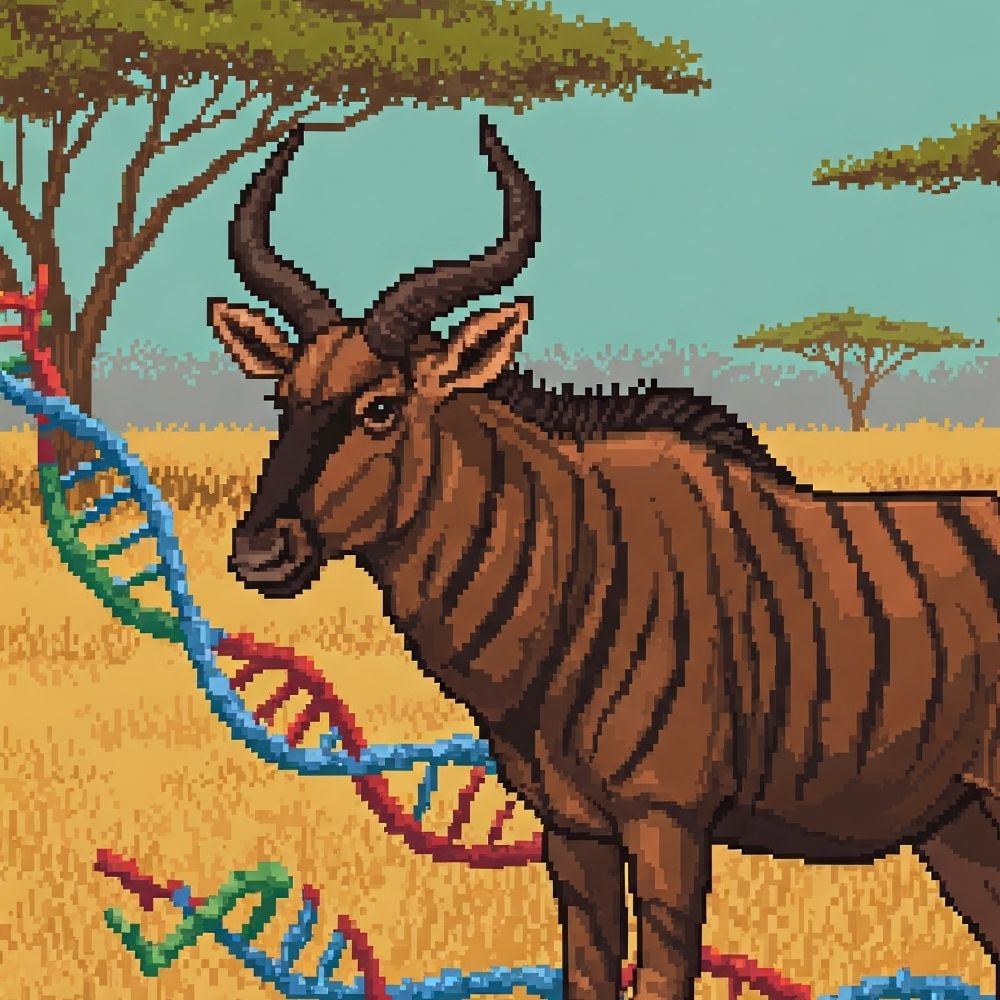
To test the sufficiency of the TF-MINDI extracted enhancer code rules we turn to synthetic enhancer design in facial mesenchyme cells. A homeobox-ebox dimer motif (Coordinator) has been shown to be instrumental for this cell type. TF-MINDI identified Coordinator instances at varying affinities.

January 15, 2026 at 11:57 AM
To test the sufficiency of the TF-MINDI extracted enhancer code rules we turn to synthetic enhancer design in facial mesenchyme cells. A homeobox-ebox dimer motif (Coordinator) has been shown to be instrumental for this cell type. TF-MINDI identified Coordinator instances at varying affinities.
Reposted by Stein Aerts
We validate the TF-MINDI instances using ChIP-seq data in PBMC. Showing that TF-MINDI is more accurate compared to traditional motif enrichment analysis tools.

January 15, 2026 at 11:57 AM
We validate the TF-MINDI instances using ChIP-seq data in PBMC. Showing that TF-MINDI is more accurate compared to traditional motif enrichment analysis tools.
Reposted by Stein Aerts
TF-MINDI is out! A new method to learn cis-regulatory codes through rich embeddings of TF binding sites. TF-MINDI decomposes motif neighbourhoods, and works downstream of any sequence-to-function deep learning model. We deeply study the enhancer code in human neural development, check out the thread

January 15, 2026 at 12:32 PM
TF-MINDI is out! A new method to learn cis-regulatory codes through rich embeddings of TF binding sites. TF-MINDI decomposes motif neighbourhoods, and works downstream of any sequence-to-function deep learning model. We deeply study the enhancer code in human neural development, check out the thread
Reposted by Stein Aerts
Check out the preprint: doi.org/10.64898/202... and the TF-MINDI package: github.com/aertslab/TF-MINDI. With @lukasmahieu.bsky.social ’s help this has become an amazing and user-friendly package, please give it a try and provide feedback.

System-wide extraction of cis-regulatory rules from sequence-to-function models in human neural development
The genomic cis-regulatory code (CRC) underlies spatiotemporal specificity of gene expression. While sequence-to-function (S2F) models can accurately encode the CRC of transcriptional enhancers, decod...
doi.org
January 15, 2026 at 11:57 AM
Check out the preprint: doi.org/10.64898/202... and the TF-MINDI package: github.com/aertslab/TF-MINDI. With @lukasmahieu.bsky.social ’s help this has become an amazing and user-friendly package, please give it a try and provide feedback.
Reposted by Stein Aerts
To obtain high dimensional embeddings of S2F identified motifs, annotate TFBS across cell-type specific peaks and model TFBS co-occurrences we developed a new python package named TF-MINDI. Resulting in > 400k annotated TFBS instances across the genome (each dot in the tSNE below is one instance).

January 15, 2026 at 11:57 AM
To obtain high dimensional embeddings of S2F identified motifs, annotate TFBS across cell-type specific peaks and model TFBS co-occurrences we developed a new python package named TF-MINDI. Resulting in > 400k annotated TFBS instances across the genome (each dot in the tSNE below is one instance).
Reposted by Stein Aerts
We are thrilled to share our new pre-print: “System-wide extraction of cis-regulatory rules from sequence-to-function models in human neural development”. S2F-deeplearning models can accurately encode enhancers, yet decoding these models into human-interpretable rules remains a major challenge.
January 15, 2026 at 11:57 AM
We are thrilled to share our new pre-print: “System-wide extraction of cis-regulatory rules from sequence-to-function models in human neural development”. S2F-deeplearning models can accurately encode enhancers, yet decoding these models into human-interpretable rules remains a major challenge.
TF-MINDI is out! A new method to learn cis-regulatory codes through rich embeddings of TF binding sites. TF-MINDI decomposes motif neighbourhoods, and works downstream of any sequence-to-function deep learning model. We deeply study the enhancer code in human neural development, check out the thread
January 15, 2026 at 12:32 PM
TF-MINDI is out! A new method to learn cis-regulatory codes through rich embeddings of TF binding sites. TF-MINDI decomposes motif neighbourhoods, and works downstream of any sequence-to-function deep learning model. We deeply study the enhancer code in human neural development, check out the thread
Reposted by Stein Aerts
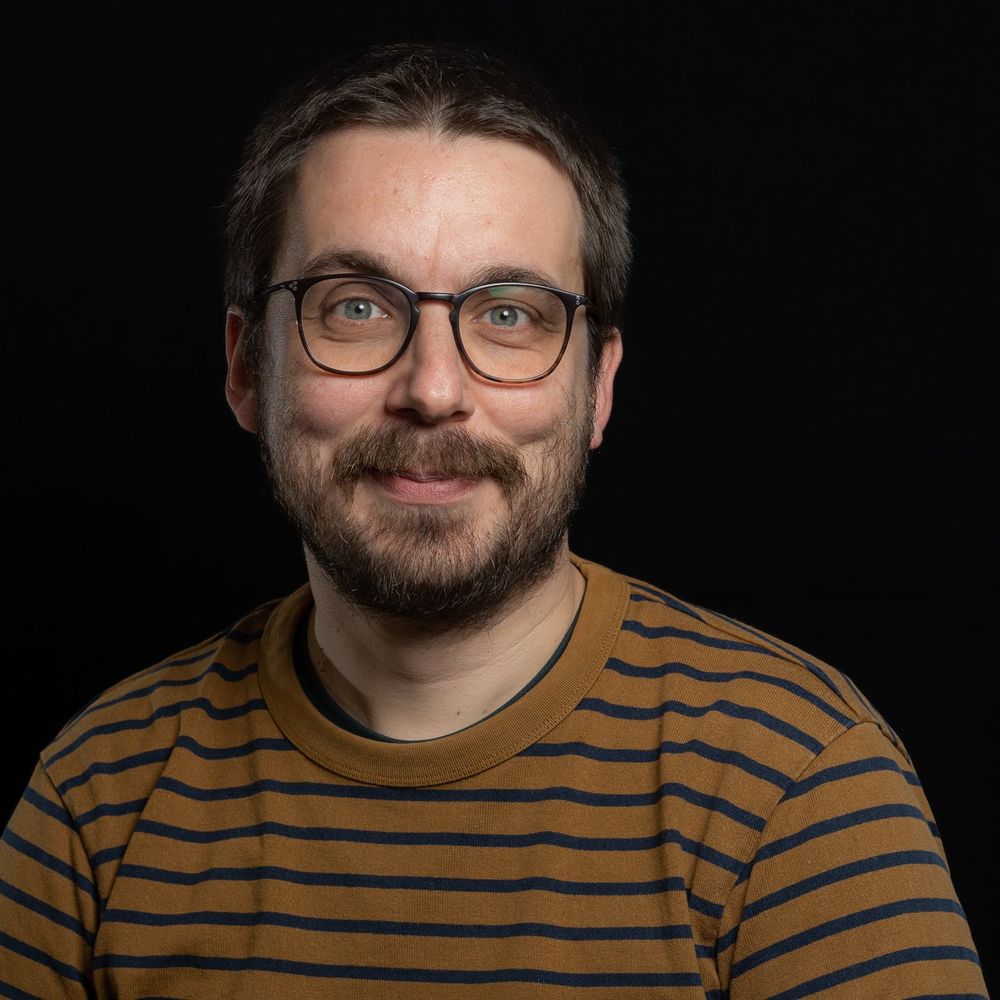
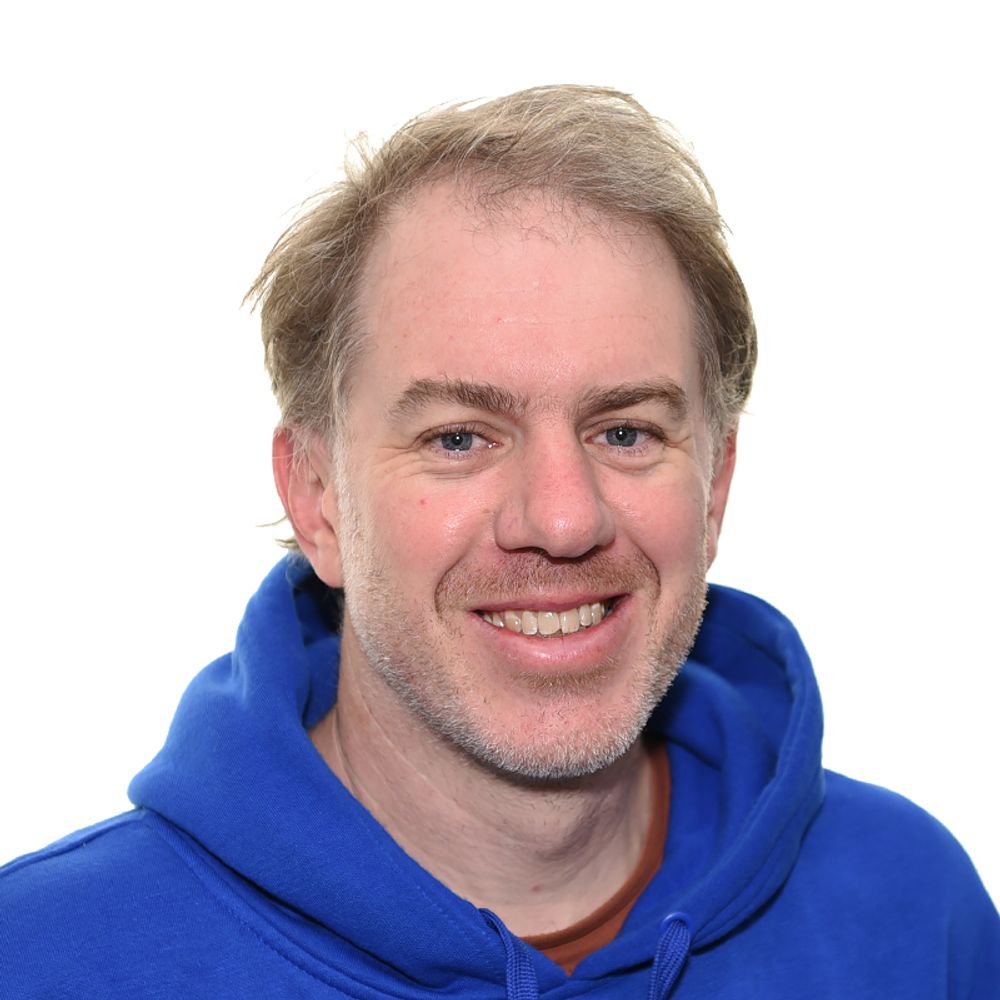
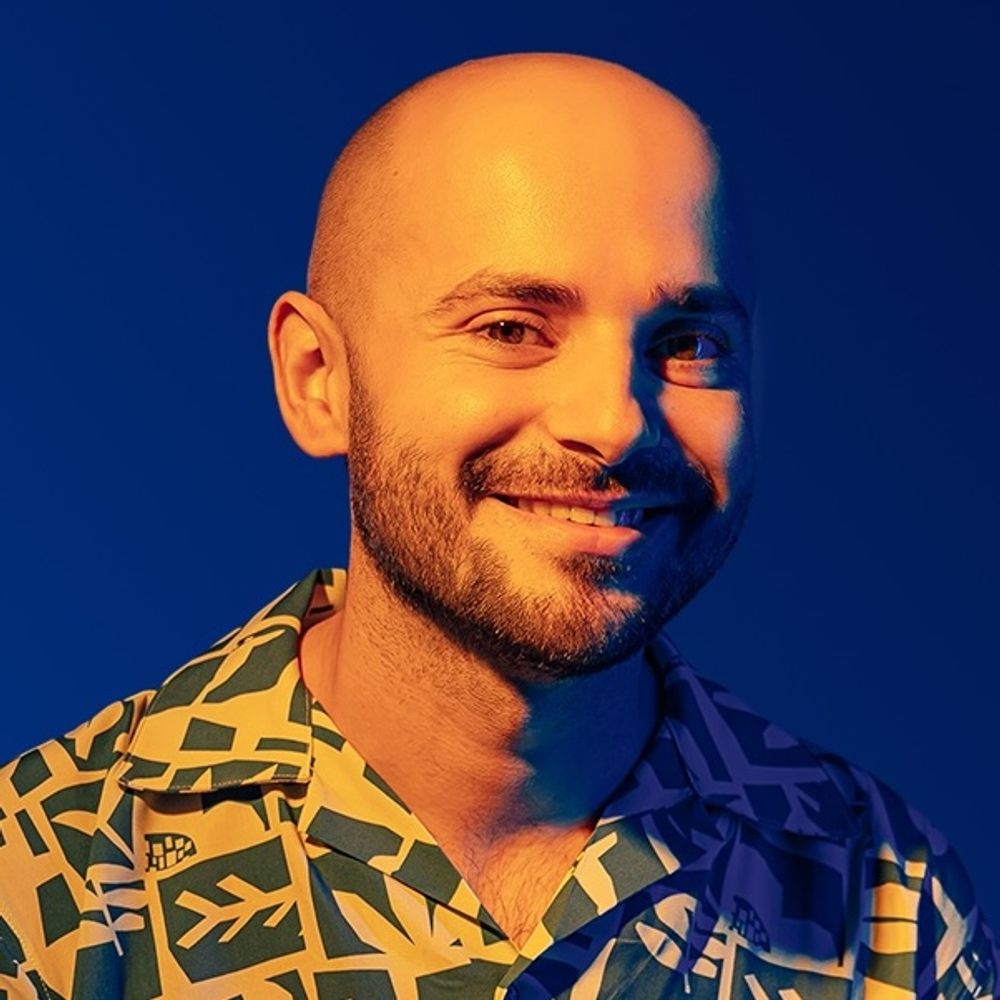
This is the happy face of four researchers embarking on a cool scientific collaboration backed by 7-years of structural financing!
Congrats @steinaerts.bsky.social, @joanampereira.bsky.social, @ppjgoncalves.bsky.social, and Maarten De Vos on your Methusalem grant.
https://tinyurl.com/nvcardzy
Congrats @steinaerts.bsky.social, @joanampereira.bsky.social, @ppjgoncalves.bsky.social, and Maarten De Vos on your Methusalem grant.
https://tinyurl.com/nvcardzy

January 6, 2026 at 7:23 PM
This is the happy face of four researchers embarking on a cool scientific collaboration backed by 7-years of structural financing!
Congrats @steinaerts.bsky.social, @joanampereira.bsky.social, @ppjgoncalves.bsky.social, and Maarten De Vos on your Methusalem grant.
https://tinyurl.com/nvcardzy
Congrats @steinaerts.bsky.social, @joanampereira.bsky.social, @ppjgoncalves.bsky.social, and Maarten De Vos on your Methusalem grant.
https://tinyurl.com/nvcardzy
Reposted by Stein Aerts
Open Senior Bioinformatician position at
@sangerinstitute.bsky.social
Tree of Life, to work on the Biodiversity Cell Atlas initiative with @marakat.bsky.social and me.
📅 Apply by January 18
🔗 sanger.wd103.myworkdayjobs.com/en-US/Wellco...
Please share with anyone who might be interested!
@sangerinstitute.bsky.social
Tree of Life, to work on the Biodiversity Cell Atlas initiative with @marakat.bsky.social and me.
📅 Apply by January 18
🔗 sanger.wd103.myworkdayjobs.com/en-US/Wellco...
Please share with anyone who might be interested!
Senior Bioinformatician - Biodiversity Cell Atlas
Do you want to help us improve human health and understand life on Earth? Make your mark by shaping the future to enable or deliver life-changing science to solve some of humanity’s greatest challenge...
sanger.wd103.myworkdayjobs.com
January 2, 2026 at 1:12 PM
Open Senior Bioinformatician position at
@sangerinstitute.bsky.social
Tree of Life, to work on the Biodiversity Cell Atlas initiative with @marakat.bsky.social and me.
📅 Apply by January 18
🔗 sanger.wd103.myworkdayjobs.com/en-US/Wellco...
Please share with anyone who might be interested!
@sangerinstitute.bsky.social
Tree of Life, to work on the Biodiversity Cell Atlas initiative with @marakat.bsky.social and me.
📅 Apply by January 18
🔗 sanger.wd103.myworkdayjobs.com/en-US/Wellco...
Please share with anyone who might be interested!
Reposted by Stein Aerts
Looking to start your lab in generative biology / AI?
Come join us at the @sangerinstitute.bsky.social
Sanger is core-funded so you can generate data at scale to train the next generation of models and understanding. Design/Engineering/Chemistry/Proteins/Pathways!
pls RT
tinyurl.com/GenGenFaculty
Come join us at the @sangerinstitute.bsky.social
Sanger is core-funded so you can generate data at scale to train the next generation of models and understanding. Design/Engineering/Chemistry/Proteins/Pathways!
pls RT
tinyurl.com/GenGenFaculty
Group Leader - Generative Biology and AI
Do you want to help us improve human health and understand life on Earth? Make your mark by shaping the future to enable or deliver life-changing science to solve some of humanity’s greatest challenge...
tinyurl.com
January 1, 2026 at 12:08 PM
Looking to start your lab in generative biology / AI?
Come join us at the @sangerinstitute.bsky.social
Sanger is core-funded so you can generate data at scale to train the next generation of models and understanding. Design/Engineering/Chemistry/Proteins/Pathways!
pls RT
tinyurl.com/GenGenFaculty
Come join us at the @sangerinstitute.bsky.social
Sanger is core-funded so you can generate data at scale to train the next generation of models and understanding. Design/Engineering/Chemistry/Proteins/Pathways!
pls RT
tinyurl.com/GenGenFaculty
Reposted by Stein Aerts
Do transcriptional activators work on any promoter? Our data says no. 🙅♂️
Despite driving ~2/3 of mammalian genes, CpG island (CGI) promoters have remained a puzzle. We identified >50 activators that are exclusively compatible with this promoter class. 🧬
Despite driving ~2/3 of mammalian genes, CpG island (CGI) promoters have remained a puzzle. We identified >50 activators that are exclusively compatible with this promoter class. 🧬
December 29, 2025 at 7:30 PM
Do transcriptional activators work on any promoter? Our data says no. 🙅♂️
Despite driving ~2/3 of mammalian genes, CpG island (CGI) promoters have remained a puzzle. We identified >50 activators that are exclusively compatible with this promoter class. 🧬
Despite driving ~2/3 of mammalian genes, CpG island (CGI) promoters have remained a puzzle. We identified >50 activators that are exclusively compatible with this promoter class. 🧬
Reposted by Stein Aerts

Our preprint "Predictive design of tissue-specific mammalian enhancers that function in vivo in the mouse embryo" is on bioRxiv: www.biorxiv.org/content/10.6... . Amazing collaboration by @shenzhichen1999.bsky.social, Vincent Loubiere (@impvienna.bsky.social,@viennabiocenter.bsky.social),... (1/2)

Predictive design of tissue-specific mammalian enhancers that function in vivo in the mouse embryo
Enhancers control tissue-specific gene expression across metazoans. Although deep learning has enabled enhancer prediction and design in mammalian cell lines and invertebrate systems, it remains uncle...
www.biorxiv.org
December 24, 2025 at 3:06 PM
Our preprint "Predictive design of tissue-specific mammalian enhancers that function in vivo in the mouse embryo" is on bioRxiv: www.biorxiv.org/content/10.6... . Amazing collaboration by @shenzhichen1999.bsky.social, Vincent Loubiere (@impvienna.bsky.social,@viennabiocenter.bsky.social),... (1/2)
Reposted by Stein Aerts
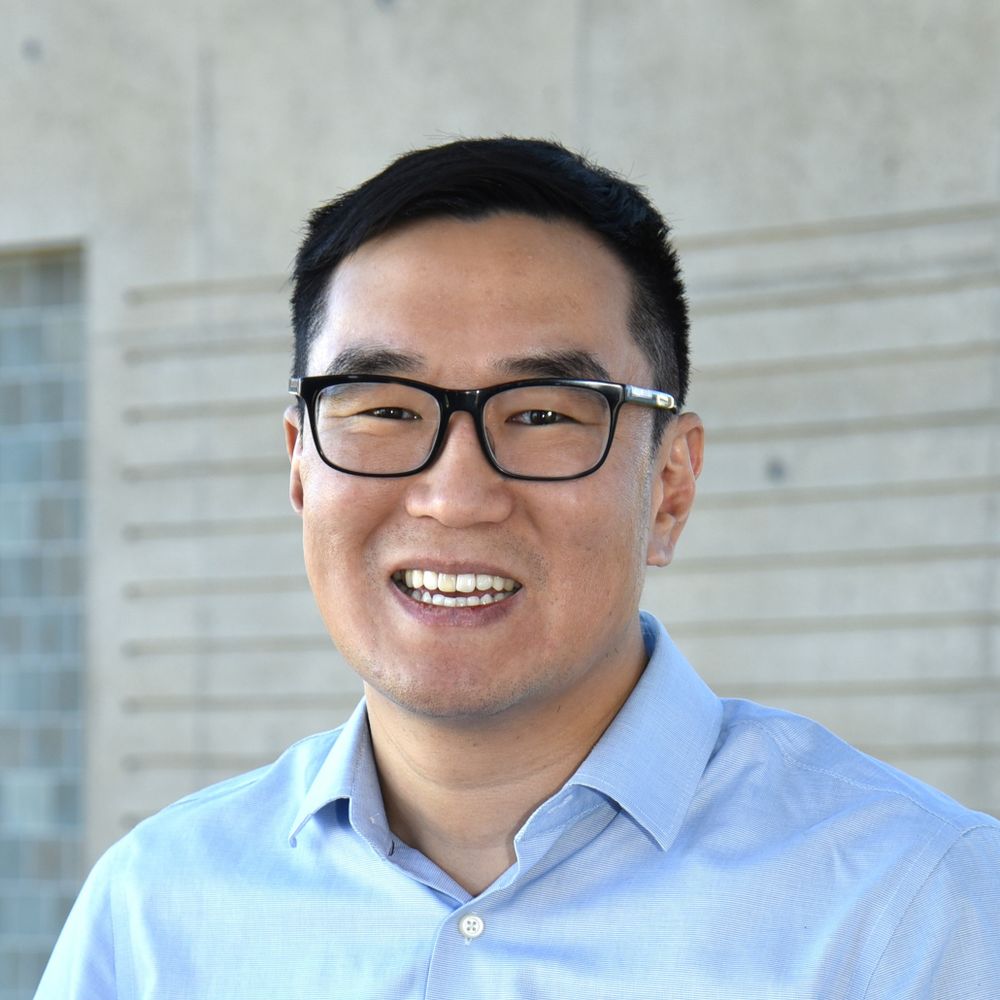
Not that long ago, in vivo mouse enhancer design was a dream. Today, it's a reality! Using transfer deep learning to design de novo synthetic embryonic enhancers active in the heart, limb, and CNS. Great collab with @alex-stark.bsky.social lab! @ucibiosci.bsky.social @impvienna.bsky.social

December 24, 2025 at 3:51 PM
Not that long ago, in vivo mouse enhancer design was a dream. Today, it's a reality! Using transfer deep learning to design de novo synthetic embryonic enhancers active in the heart, limb, and CNS. Great collab with @alex-stark.bsky.social lab! @ucibiosci.bsky.social @impvienna.bsky.social
Reposted by Stein Aerts
Excited to share the final version of our study on Nematostella cell type regulatory programs. Part of our @erc.europa.eu StG project, this was a challenging 5-year effort extraodinarily led by @aelek.bsky.social and @martaig.bsky.social.
www.nature.com/articles/s41...
www.nature.com/articles/s41...

Decoding cnidarian cell type gene regulation - Nature Ecology & Evolution
This study reconstructs the gene regulatory networks that define cell types in the sea anemone Nematostella vectensis, providing a valuable resource for comparative regulatory genomics and the evoluti...
www.nature.com
December 22, 2025 at 10:12 AM
Excited to share the final version of our study on Nematostella cell type regulatory programs. Part of our @erc.europa.eu StG project, this was a challenging 5-year effort extraodinarily led by @aelek.bsky.social and @martaig.bsky.social.
www.nature.com/articles/s41...
www.nature.com/articles/s41...
Reposted by Stein Aerts

Lovely Xmas gift 🎄—our paper is out today in @natecoevo.nature.com www.nature.com/articles/s41...! Huge thanks to everyone who made it possible, especially @aelek.bsky.social and @arnausebe.bsky.social

Decoding cnidarian cell type gene regulation - Nature Ecology & Evolution
This study reconstructs the gene regulatory networks that define cell types in the sea anemone Nematostella vectensis, providing a valuable resource for comparative regulatory genomics and the evoluti...
www.nature.com
December 22, 2025 at 11:10 AM
Lovely Xmas gift 🎄—our paper is out today in @natecoevo.nature.com www.nature.com/articles/s41...! Huge thanks to everyone who made it possible, especially @aelek.bsky.social and @arnausebe.bsky.social
Reposted by Stein Aerts

Join us for the AI & Biology conference in beautiful Suzhou, China, Apr 20–23, 2026! A place to spark dialogue about the future of AI × biology.
We invite abstract submissions from all intersecting fields (deadline Feb 13).
Please help spread the word!
www.csh-asia.org?content/3008
We invite abstract submissions from all intersecting fields (deadline Feb 13).
Please help spread the word!
www.csh-asia.org?content/3008
WELCOME-Meetings-Cold Spring Harbor Asia
www.csh-asia.org
December 4, 2025 at 5:50 AM
Join us for the AI & Biology conference in beautiful Suzhou, China, Apr 20–23, 2026! A place to spark dialogue about the future of AI × biology.
We invite abstract submissions from all intersecting fields (deadline Feb 13).
Please help spread the word!
www.csh-asia.org?content/3008
We invite abstract submissions from all intersecting fields (deadline Feb 13).
Please help spread the word!
www.csh-asia.org?content/3008
Reposted by Stein Aerts
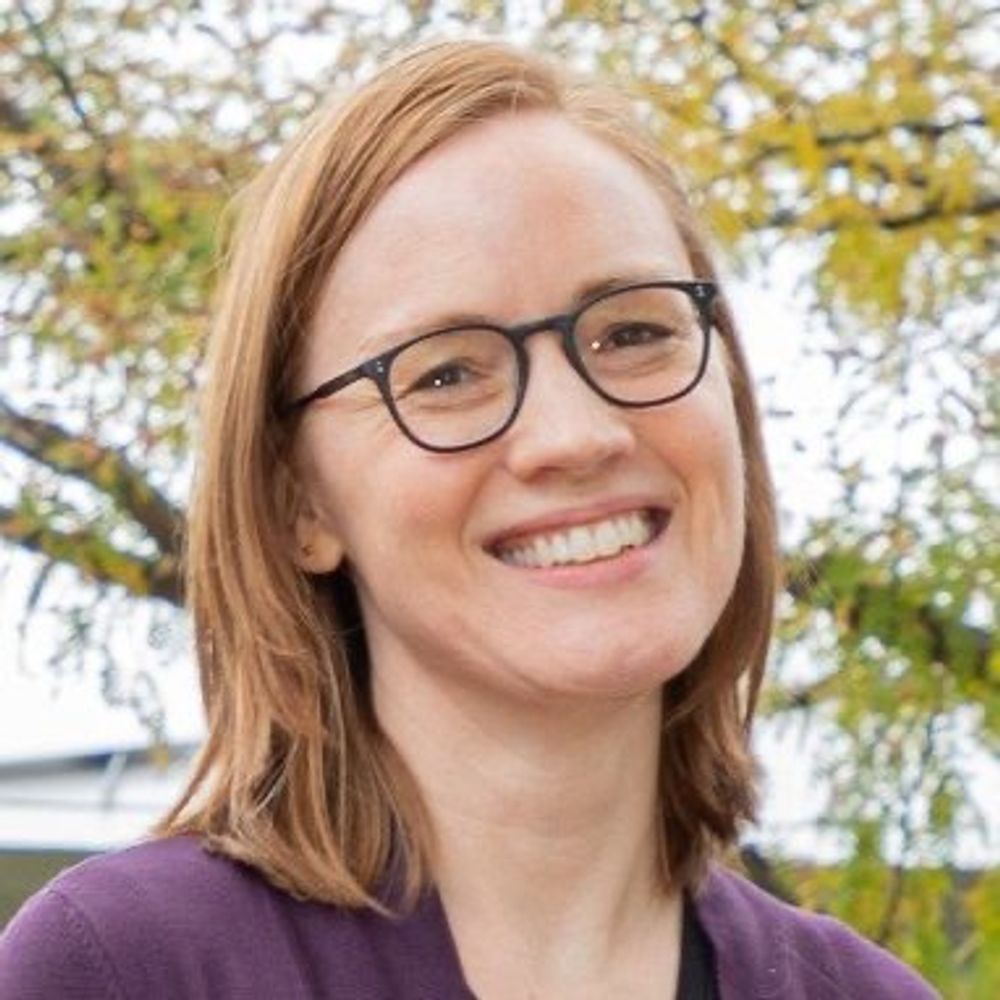
Please consider attending and RT. Great lineup of speakers!

Registration is OPEN for #SRCKC26: Development, Regulatory Genomics & AI! Organized by Neşet Özel, @juliazeitlinger.bsky.social, & @saukaspengler.bsky.social.
Join us April 22–24 in #KansasCity to explore cis-regulatory logic, genomics & #AI.
📅 Register now: bit.ly/4rMvVoI
Join us April 22–24 in #KansasCity to explore cis-regulatory logic, genomics & #AI.
📅 Register now: bit.ly/4rMvVoI

December 18, 2025 at 9:20 PM
Please consider attending and RT. Great lineup of speakers!
Reposted by Stein Aerts

@nature.com asked me to write an op-ed on the perspective of the AI reviewing process, prompted by the recent partnership between @biorxivpreprint.bsky.social and @qedscience.bsky.social
Hope my perspective adds value to the conversation.
www.nature.com/articles/d41...
Hope my perspective adds value to the conversation.
www.nature.com/articles/d41...

AI reviewers are here — we are not ready
Artificial intelligence promises rapid and polite feedback on papers — but we must first review the reviewer.
www.nature.com
December 3, 2025 at 10:56 AM
@nature.com asked me to write an op-ed on the perspective of the AI reviewing process, prompted by the recent partnership between @biorxivpreprint.bsky.social and @qedscience.bsky.social
Hope my perspective adds value to the conversation.
www.nature.com/articles/d41...
Hope my perspective adds value to the conversation.
www.nature.com/articles/d41...