




James Winters
@replicatedtypo.bsky.social
Simulating sci-fi novels and calling it cultural evolution
Centre for Culture and Evolution | Brunel University London | https://j-winters.github.io
Centre for Culture and Evolution | Brunel University London | https://j-winters.github.io
Pinned
James Winters
@replicatedtypo.bsky.social
· Aug 15

Modelling the emergence of open-ended technological evolution
Humans stand alone in terms of their potential to collectively and cumulatively improve technologies in an open-ended manner. This open-endedness provides societies with the ability to continually exp...
arxiv.org
🚨🚨 New preprint 📜 with Mathieu Charbonneau (@matcharbonneau.bsky.social): Modelling the emergence of open-ended technological evolution (arxiv.org/abs/2508.04828). Feedback welcomed! #Evolution #Technology #Culture #OpenEnded #TechnologicalEvolution #CulturalEvolution 🧵: 1/29
Reposted by James Winters
1/ New paper from @brunelpsy.bsky.social CCE in Evolution & Human Behavior looks at secularisation in Mauritius 🇲🇺
Nachita Rosun, @matthewmgervais.bsky.social and @aiyanakoka.bsky.social have been testing big theories outside the usual Western settings 🌏
🔗 👇
Nachita Rosun, @matthewmgervais.bsky.social and @aiyanakoka.bsky.social have been testing big theories outside the usual Western settings 🌏
🔗 👇

Existential security and the cultural evolution of secularisation in Mauritius
Despite the central role of religion in human history and its continued global growth, an increasing number of individuals identify as secular or athe…
www.sciencedirect.com
February 5, 2026 at 2:36 PM
1/ New paper from @brunelpsy.bsky.social CCE in Evolution & Human Behavior looks at secularisation in Mauritius 🇲🇺
Nachita Rosun, @matthewmgervais.bsky.social and @aiyanakoka.bsky.social have been testing big theories outside the usual Western settings 🌏
🔗 👇
Nachita Rosun, @matthewmgervais.bsky.social and @aiyanakoka.bsky.social have been testing big theories outside the usual Western settings 🌏
🔗 👇
Reposted by James Winters
Many thanks also to @elena-moos.bsky.social, who just joined bsky. Elena was the master knapper in the new study who made the application of the new method possible.
Follow Elena, and I am sure you'll see amazing stone tools (and even dice!) made by her.
Follow Elena, and I am sure you'll see amazing stone tools (and even dice!) made by her.

Thank you to all involved and all who helped (e.g. @ctennie.bsky.social, @sahelanthrope.bsky.social)
Find all the details here, and be sure to check our FAQ section (e.g. regarding late Acheulean handaxe shapes) in the supplemental info: www.sciencedirect.com/science/article/pii/S0305440326000154
Find all the details here, and be sure to check our FAQ section (e.g. regarding late Acheulean handaxe shapes) in the supplemental info: www.sciencedirect.com/science/article/pii/S0305440326000154

Stone tool shaping without direct cultural transmission
While environment and biology play important roles, the complexity and variability of human life today depends in many ways on special cultural proces…
www.sciencedirect.com
February 5, 2026 at 7:05 AM
Many thanks also to @elena-moos.bsky.social, who just joined bsky. Elena was the master knapper in the new study who made the application of the new method possible.
Follow Elena, and I am sure you'll see amazing stone tools (and even dice!) made by her.
Follow Elena, and I am sure you'll see amazing stone tools (and even dice!) made by her.
Reposted by James Winters

Demographic shifts, inter-group contact and environmental conditions drive language extinction and diversification.
#linguistics
#linguistics

January 28, 2026 at 9:31 PM
Demographic shifts, inter-group contact and environmental conditions drive language extinction and diversification.
#linguistics
#linguistics
Reposted by James Winters

Delighted that @conradhackett.bsky.social will be visiting Brunel to give us a talk on “Is the world becoming more religious or less religious?”, this Thursday 29 January. All welcome, talk will be live-streamed 😊

📢 Talk announcement bringing together @brunelcce.bsky.social and CCN research centres! 📢
Dr Conrad Hackett (Pew Research Center) joins us on 📆29th Jan, 2-4pm to unpack the latest global religion survey and how it diverges from Pew’s influential 2015 projections 🌍📊
Open to all! 🔓
Dr Conrad Hackett (Pew Research Center) joins us on 📆29th Jan, 2-4pm to unpack the latest global religion survey and how it diverges from Pew’s influential 2015 projections 🌍📊
Open to all! 🔓

January 27, 2026 at 9:08 AM
Delighted that @conradhackett.bsky.social will be visiting Brunel to give us a talk on “Is the world becoming more religious or less religious?”, this Thursday 29 January. All welcome, talk will be live-streamed 😊
Reposted by James Winters

Post 1/13 📢🧵
Call for activities proposals !
You are invited to submit proposals for three activities to be held during the upcoming CES2026 conference:
Call for activities proposals !
You are invited to submit proposals for three activities to be held during the upcoming CES2026 conference:
January 23, 2026 at 4:35 PM
Post 1/13 📢🧵
Call for activities proposals !
You are invited to submit proposals for three activities to be held during the upcoming CES2026 conference:
Call for activities proposals !
You are invited to submit proposals for three activities to be held during the upcoming CES2026 conference:
Reposted by James Winters
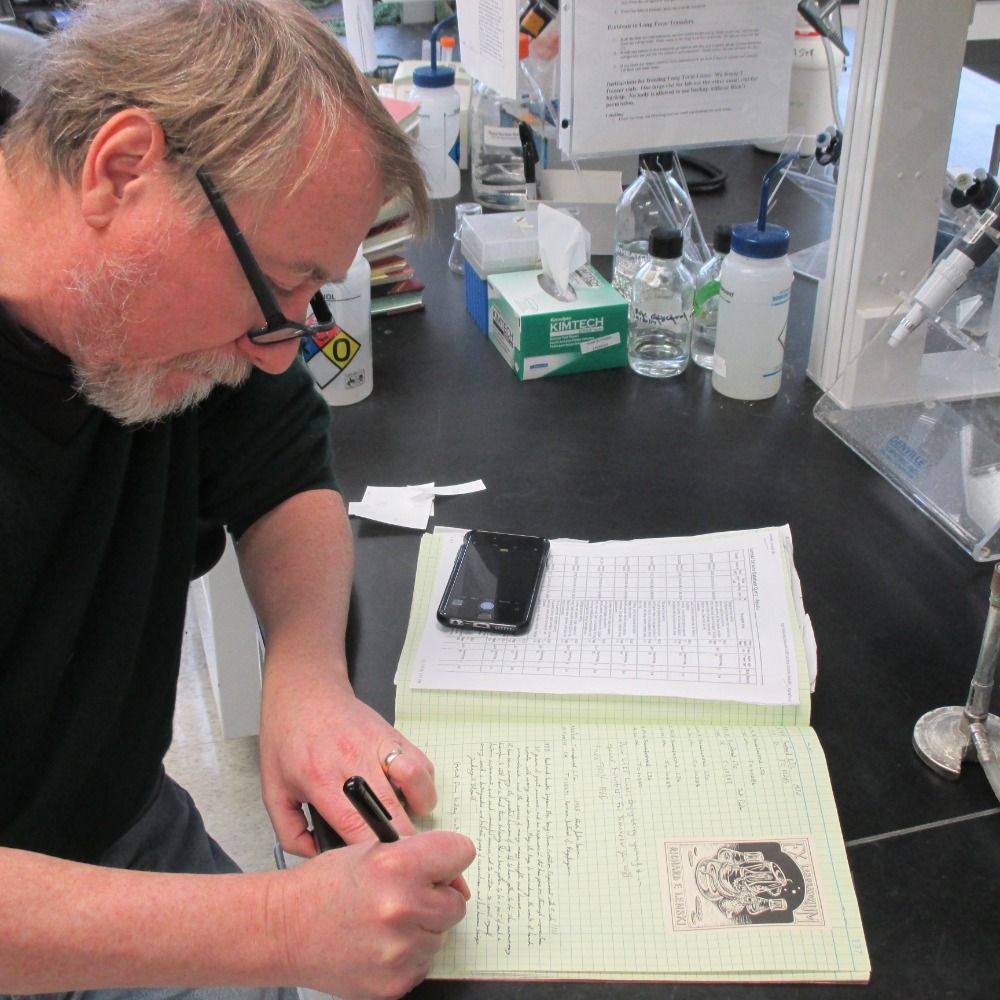
Looking for something new to integrate into an #evolution or #microbiology course? Useful for lectures, labs, homework?
Have a look at our STEPS program, which simulates bacterial evolution, including the #LTEE. Easy web-based interface & lab manual w/ exercises to help develop students' intuition.
Have a look at our STEPS program, which simulates bacterial evolution, including the #LTEE. Easy web-based interface & lab manual w/ exercises to help develop students' intuition.
Excited to share new #program, STEPS, which can simulate #dynamics of the E. coli Long-Term Evolution Experiment (#LTEE) or other microbes in serial transfer regime.
telliamedrevisited.wordpress.com/2025/08/12/s...
STEPS developed by @devinmlake.bsky.social, Zachary Matson, Minako Izutsu, and me.
telliamedrevisited.wordpress.com/2025/08/12/s...
STEPS developed by @devinmlake.bsky.social, Zachary Matson, Minako Izutsu, and me.

STEPS To It
Announcing a new program, called STEPS, to simulate the dynamics of evolving microbial populations.
telliamedrevisited.wordpress.com
January 20, 2026 at 4:12 PM
Looking for something new to integrate into an #evolution or #microbiology course? Useful for lectures, labs, homework?
Have a look at our STEPS program, which simulates bacterial evolution, including the #LTEE. Easy web-based interface & lab manual w/ exercises to help develop students' intuition.
Have a look at our STEPS program, which simulates bacterial evolution, including the #LTEE. Easy web-based interface & lab manual w/ exercises to help develop students' intuition.
Reposted by James Winters

Who here nostalgic for Reader?

January 20, 2026 at 11:21 PM
Who here nostalgic for Reader?
Reposted by James Winters
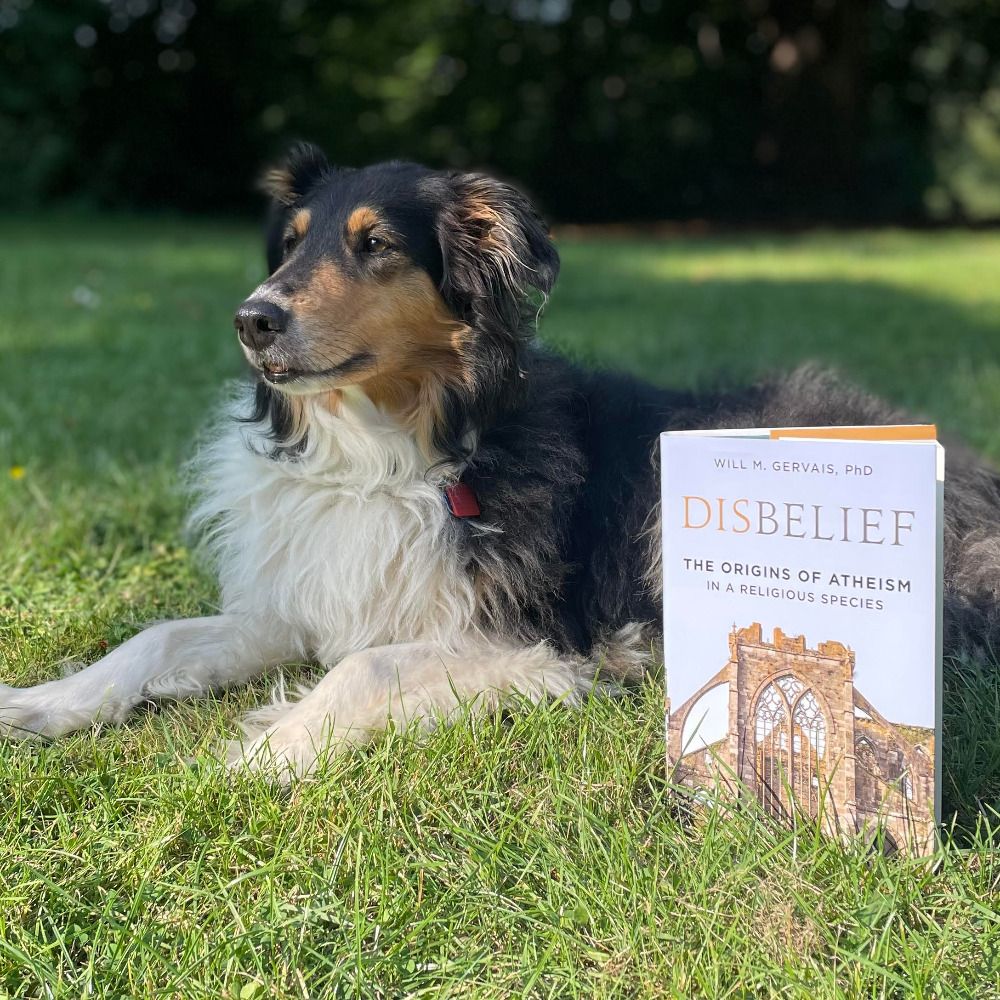
Dusted off the ol' blog after years of heavy disuse because I'm h*ckin' excited to tell y'all about some of the exciting things we're trying in our stats/methods/skills curriculum at Brunel!
Read! Share! Tell us what you think!
#psychscisky 🧪 #philsci #methodology #teaching
Read! Share! Tell us what you think!
#psychscisky 🧪 #philsci #methodology #teaching

Don’t Send A Magician To Do A Scientist’s Job: A New Blog Series About Our Experiments In Teaching Science to Young Scientists — Will Gervais
We’re doing some exciting and innovative things with our methods, stats, and skills curriculum and we want to tell y’all about it! Debuting our new bespoke 9-module statistics, methods, and skills cu...
willgervais.com
January 19, 2026 at 11:55 AM
Dusted off the ol' blog after years of heavy disuse because I'm h*ckin' excited to tell y'all about some of the exciting things we're trying in our stats/methods/skills curriculum at Brunel!
Read! Share! Tell us what you think!
#psychscisky 🧪 #philsci #methodology #teaching
Read! Share! Tell us what you think!
#psychscisky 🧪 #philsci #methodology #teaching
Reposted by James Winters
We are pleased to announce that the first LEVANTE data release is now publicly available!
To access and download the pilot data, follow instructions on researcher.levante-network.org/data. This data release accompanies the preprint linked in the thread.
To access and download the pilot data, follow instructions on researcher.levante-network.org/data. This data release accompanies the preprint linked in the thread.
January 12, 2026 at 10:57 PM
We are pleased to announce that the first LEVANTE data release is now publicly available!
To access and download the pilot data, follow instructions on researcher.levante-network.org/data. This data release accompanies the preprint linked in the thread.
To access and download the pilot data, follow instructions on researcher.levante-network.org/data. This data release accompanies the preprint linked in the thread.
Reposted by James Winters

In our new preprint, @chrisvonrueden.bsky.social and I argue that "equality" is a red herring. To understand hunter-gatherer political organization, we must focus on process, not outcome.
Got something to contribute? BBS is accepting commentary proposals!
resolve.cambridge.org/core/journal...
Got something to contribute? BBS is accepting commentary proposals!
resolve.cambridge.org/core/journal...
January 12, 2026 at 2:48 PM
In our new preprint, @chrisvonrueden.bsky.social and I argue that "equality" is a red herring. To understand hunter-gatherer political organization, we must focus on process, not outcome.
Got something to contribute? BBS is accepting commentary proposals!
resolve.cambridge.org/core/journal...
Got something to contribute? BBS is accepting commentary proposals!
resolve.cambridge.org/core/journal...
Reposted by James Winters

1. My new preprint has its own bluesky account. Why? The problems facing social media & scientific publishing are similar: both are dominated by powerful oligopolies. The @atproto.com tech underlying bluesky that aims to solve the social media prob might also help solve the scientific pub prob 🧪 🧵

1. Preprint: Menopause averted a midlife energetic crisis with help from older children and parents: A simulation study. zenodo.org/records/1814...
Menopause is rare, known to occur only in humans and toothed whales: 🧵
Menopause is rare, known to occur only in humans and toothed whales: 🧵

January 6, 2026 at 3:12 PM
1. My new preprint has its own bluesky account. Why? The problems facing social media & scientific publishing are similar: both are dominated by powerful oligopolies. The @atproto.com tech underlying bluesky that aims to solve the social media prob might also help solve the scientific pub prob 🧪 🧵
Reposted by James Winters

Proc B with @sampassmore.bsky.social! We used simulations to explore the innovation strategies of speed climbers 🧗♀️ Innovation is higher among slower athletes and lower when the population size is larger, and the overall balance of innovation and copying appears to be suboptimal 🔗 bit.ly/499QjZM

Simulation-based inference with deep learning suggests speed climbers combine innovation and copying to improve performance
Abstract. In the Olympic sport of speed climbing, athletes compete to reach the top of a 15 m wall as quickly as possible. Since the standardization of the
bit.ly
January 8, 2026 at 2:00 PM
Proc B with @sampassmore.bsky.social! We used simulations to explore the innovation strategies of speed climbers 🧗♀️ Innovation is higher among slower athletes and lower when the population size is larger, and the overall balance of innovation and copying appears to be suboptimal 🔗 bit.ly/499QjZM
Reposted by James Winters
New article in Hunter Gatherer Research!
Foraging societies practice consensus-based politics. We conduct a xc review and argue that it helps to boost collective intelligence.
Consensus, cooperation and collective intelligence in foraging societies
liverpooluniversitypress.co.uk/doi/10.3828/...
Foraging societies practice consensus-based politics. We conduct a xc review and argue that it helps to boost collective intelligence.
Consensus, cooperation and collective intelligence in foraging societies
liverpooluniversitypress.co.uk/doi/10.3828/...

Consensus, cooperation and collective intelligence in foraging societies | Hunter Gatherer Research
Consensus-based collective decision-making is a common feature of political life in hunter-gatherer (forager) societies. In this paper, we ask why. Synthesising evidence from anthropology and experimental social psychology, we argue that consensus-based ...
liverpooluniversitypress.co.uk
January 6, 2026 at 3:58 PM
New article in Hunter Gatherer Research!
Foraging societies practice consensus-based politics. We conduct a xc review and argue that it helps to boost collective intelligence.
Consensus, cooperation and collective intelligence in foraging societies
liverpooluniversitypress.co.uk/doi/10.3828/...
Foraging societies practice consensus-based politics. We conduct a xc review and argue that it helps to boost collective intelligence.
Consensus, cooperation and collective intelligence in foraging societies
liverpooluniversitypress.co.uk/doi/10.3828/...
Reposted by James Winters
Happy new year! I wanted to share my new Python package called chatter that streamlines the process of applying AI/ML models to animal communication 🦜🦇🐋🐵👨🌾 masonyoungblood.github.io/chatter/
January 2, 2026 at 4:59 PM
Happy new year! I wanted to share my new Python package called chatter that streamlines the process of applying AI/ML models to animal communication 🦜🦇🐋🐵👨🌾 masonyoungblood.github.io/chatter/
Reposted by James Winters

"Why agent-based modeling could happen in economics. Eventually." Good piece by @mikemakowsky.bsky.social
economistwritingeveryday.com/2025/12/29/p...
I'd argue that the "new era of theory" is already underway, though, led not by economists, but by comp social sci/cultural evolution folks.
economistwritingeveryday.com/2025/12/29/p...
I'd argue that the "new era of theory" is already underway, though, led not by economists, but by comp social sci/cultural evolution folks.

Part II: Why agent-based modeling could happen in economics. Eventually.
Three years ago I ruminated on why agent-based modeling never got any real traction in economics. It got a suprising amount of attention and I continue to receive emails about it to this day. I too…
economistwritingeveryday.com
December 30, 2025 at 12:11 AM
"Why agent-based modeling could happen in economics. Eventually." Good piece by @mikemakowsky.bsky.social
economistwritingeveryday.com/2025/12/29/p...
I'd argue that the "new era of theory" is already underway, though, led not by economists, but by comp social sci/cultural evolution folks.
economistwritingeveryday.com/2025/12/29/p...
I'd argue that the "new era of theory" is already underway, though, led not by economists, but by comp social sci/cultural evolution folks.
Reposted by James Winters
My co-authors and I are happy to present our framework "Collective Intelligence as Collective Information Processing (CIP)."
Here we propose decomposing different information processing mechanisms to unify disparate phenomena traditionally classified as "collective intelligence."
Here we propose decomposing different information processing mechanisms to unify disparate phenomena traditionally classified as "collective intelligence."


December 30, 2025 at 6:35 PM
My co-authors and I are happy to present our framework "Collective Intelligence as Collective Information Processing (CIP)."
Here we propose decomposing different information processing mechanisms to unify disparate phenomena traditionally classified as "collective intelligence."
Here we propose decomposing different information processing mechanisms to unify disparate phenomena traditionally classified as "collective intelligence."
Reposted by James Winters

Goal selection through the lens of subjective functions:
arxiv.org/abs/2512.15948
I welcome any feedback on these preliminary ideas.
arxiv.org/abs/2512.15948
I welcome any feedback on these preliminary ideas.

Subjective functions
Where do objective functions come from? How do we select what goals to pursue? Human intelligence is adept at synthesizing new objective functions on the fly. How does this work, and can we endow arti...
arxiv.org
December 19, 2025 at 3:15 AM
Goal selection through the lens of subjective functions:
arxiv.org/abs/2512.15948
I welcome any feedback on these preliminary ideas.
arxiv.org/abs/2512.15948
I welcome any feedback on these preliminary ideas.
Reposted by James Winters

🎉🍾 very excited to see this out before 2025 ends doi.org/10.1111/2041... with Will Hoppitt in @methodsinecoevol.bsky.social. This paper is an overview of our new R package STbayes, a user-friendly toolkit for performing Bayesian NBDA analyses. @cbehav.bsky.social @mpi-animalbehav.bsky.social

STbayes: An R package for creating, fitting and understanding Bayesian models of social transmission
A critical consequence of joining social groups is the possibility of social transmission of information related to novel behaviours or resources. Network-based diffusion analysis (NBDA) has emerg...
doi.org
December 20, 2025 at 8:55 AM
🎉🍾 very excited to see this out before 2025 ends doi.org/10.1111/2041... with Will Hoppitt in @methodsinecoevol.bsky.social. This paper is an overview of our new R package STbayes, a user-friendly toolkit for performing Bayesian NBDA analyses. @cbehav.bsky.social @mpi-animalbehav.bsky.social
Reposted by James Winters
1/ In a recent @britishacademy.bsky.social video @rebeccasear.bsky.social from @brunelpsy.bsky.social takes a clear-eyed look at the 21st‑century rise of eugenics - an ideology that should have been left behind, yet is now re‑emerging in a number of troubling ways ⚠️🧬 🧪
Watch the full talk here 🎥👇
Watch the full talk here 🎥👇

The 21st Century Resurgence of Eugenics
YouTube video by The British Academy
www.youtube.com
December 15, 2025 at 1:48 PM
1/ In a recent @britishacademy.bsky.social video @rebeccasear.bsky.social from @brunelpsy.bsky.social takes a clear-eyed look at the 21st‑century rise of eugenics - an ideology that should have been left behind, yet is now re‑emerging in a number of troubling ways ⚠️🧬 🧪
Watch the full talk here 🎥👇
Watch the full talk here 🎥👇
Reposted by James Winters

This week, we talk to @hugoreasoning.bsky.social about all things "epistemic". Are we gullible and prone to misinformation? Are we vigilant in favor of our interests? Enjoy the wide-ranging conversation!
www.podbean.com/eas/pb-wphps...
podcasts.apple.com/us/podcast/e...
youtu.be/nf42LNg6y-A
www.podbean.com/eas/pb-wphps...
podcasts.apple.com/us/podcast/e...
youtu.be/nf42LNg6y-A

Reasoning and Epistemic Vigilance with Hugo Mercier
YouTube video by Evolutionary Psychology (The Podcast)
youtu.be
December 9, 2025 at 7:35 PM
This week, we talk to @hugoreasoning.bsky.social about all things "epistemic". Are we gullible and prone to misinformation? Are we vigilant in favor of our interests? Enjoy the wide-ranging conversation!
www.podbean.com/eas/pb-wphps...
podcasts.apple.com/us/podcast/e...
youtu.be/nf42LNg6y-A
www.podbean.com/eas/pb-wphps...
podcasts.apple.com/us/podcast/e...
youtu.be/nf42LNg6y-A
Reposted by James Winters
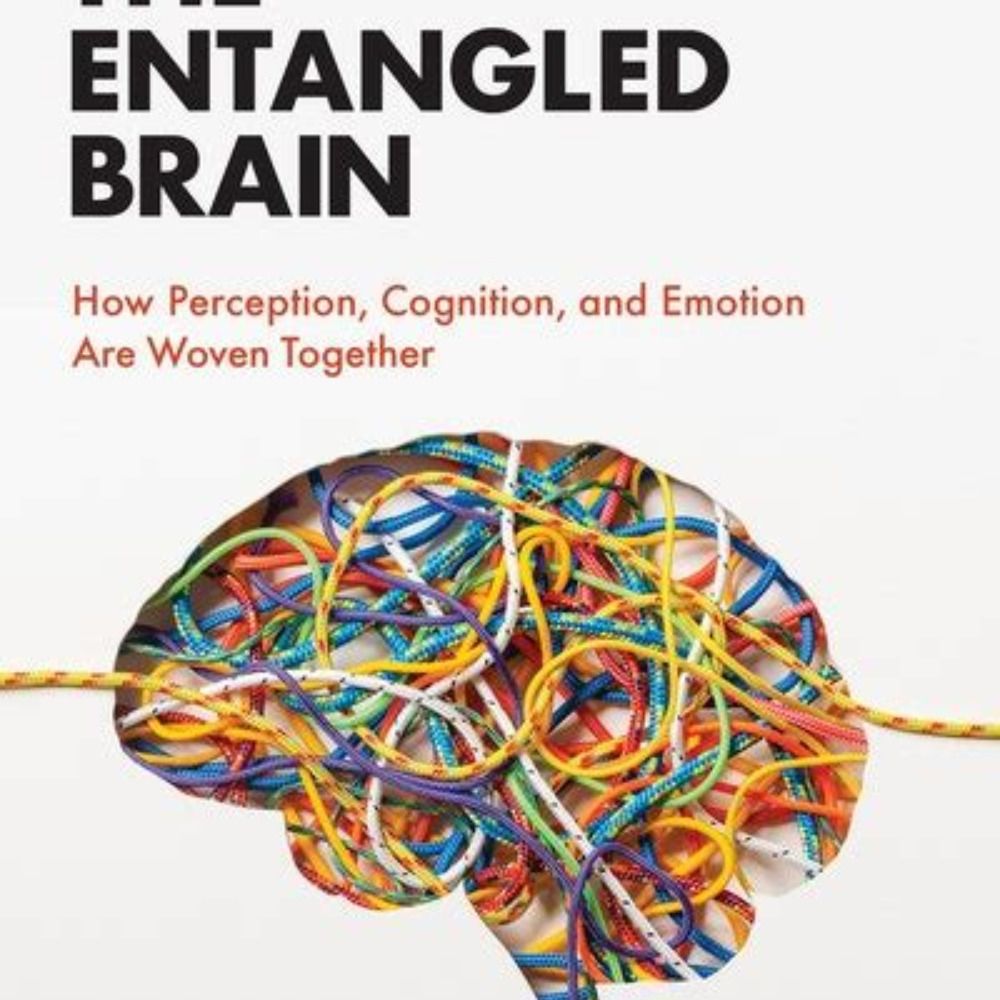
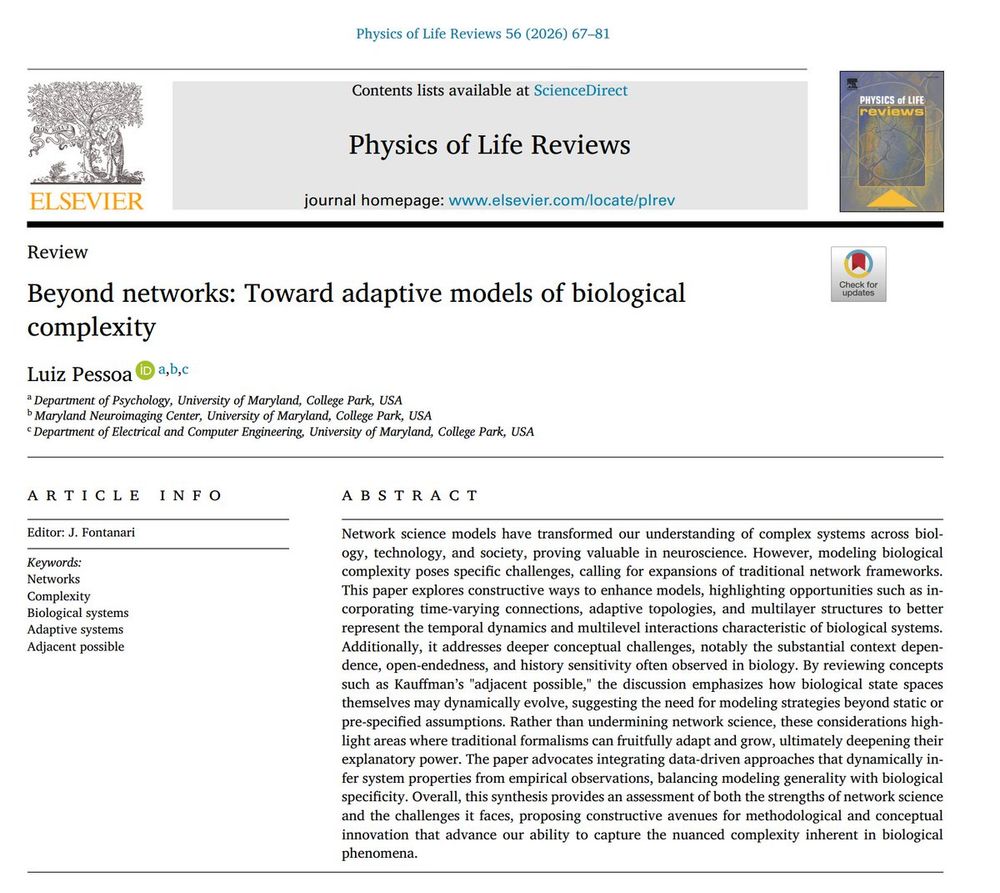
𝗕𝗲𝘆𝗼𝗻𝗱 𝗻𝗲𝘁𝘄𝗼𝗿𝗸𝘀: 𝗧𝗼𝘄𝗮𝗿𝗱 𝗮𝗱𝗮𝗽𝘁𝗶𝘃𝗲 𝗺𝗼𝗱𝗲𝗹𝘀 𝗼𝗳 𝗯𝗶𝗼𝗹𝗼𝗴𝗶𝗰𝗮𝗹 𝗰𝗼𝗺𝗽𝗹𝗲𝘅𝗶𝘁𝘆
Discusses how more standard network models miss key points of brain complexity. And some more radical points at the end.
Wrote paper having in mind younger researchers more open to new ideas :-)
#neuroskyence
doi.org/10.1016/j.pl...
Discusses how more standard network models miss key points of brain complexity. And some more radical points at the end.
Wrote paper having in mind younger researchers more open to new ideas :-)
#neuroskyence
doi.org/10.1016/j.pl...
December 8, 2025 at 6:13 PM
𝗕𝗲𝘆𝗼𝗻𝗱 𝗻𝗲𝘁𝘄𝗼𝗿𝗸𝘀: 𝗧𝗼𝘄𝗮𝗿𝗱 𝗮𝗱𝗮𝗽𝘁𝗶𝘃𝗲 𝗺𝗼𝗱𝗲𝗹𝘀 𝗼𝗳 𝗯𝗶𝗼𝗹𝗼𝗴𝗶𝗰𝗮𝗹 𝗰𝗼𝗺𝗽𝗹𝗲𝘅𝗶𝘁𝘆
Discusses how more standard network models miss key points of brain complexity. And some more radical points at the end.
Wrote paper having in mind younger researchers more open to new ideas :-)
#neuroskyence
doi.org/10.1016/j.pl...
Discusses how more standard network models miss key points of brain complexity. And some more radical points at the end.
Wrote paper having in mind younger researchers more open to new ideas :-)
#neuroskyence
doi.org/10.1016/j.pl...
Reposted by James Winters

Oleg Sobchuk @sobchuk.bsky.social
@cudanlab.bsky.social
"Evolution of Literature and the Arts."
www.youtube.com/watch?v=zLnZ...
@cudanlab.bsky.social
"Evolution of Literature and the Arts."
www.youtube.com/watch?v=zLnZ...

Oleg Sobchuk: Evolution of Literature and the Arts.
YouTube video by CUDANLab
www.youtube.com
December 8, 2025 at 9:04 PM
Oleg Sobchuk @sobchuk.bsky.social
@cudanlab.bsky.social
"Evolution of Literature and the Arts."
www.youtube.com/watch?v=zLnZ...
@cudanlab.bsky.social
"Evolution of Literature and the Arts."
www.youtube.com/watch?v=zLnZ...
Reposted by James Winters

This will be screened, along with a Q and A with the director and Hrdy herself, at the 2026 HBES meeting at UM6P in Rabat! Deadline for applying: January 15th @hbes2026.bsky.social

An outstanding and beautifully filmed documentary inspired by Sarah Hrdy’s “Father Time”, exploring the physiological and emotional changes men experience when becoming fathers and their deep evolutionary roots.
Streaming here until Feb 5, 2026 (French only for now):
www.arte.tv/fr/videos/11...
Streaming here until Feb 5, 2026 (French only for now):
www.arte.tv/fr/videos/11...

Paternité, une métamorphose décryptée - Regarder le documentaire complet | ARTE
Devenir père est une aventure dans la vie d’un homme, mais aussi une métamorphose physiologique que la science commence tout juste à révéler. Enquête sur les racines biologiques de la paternité à part...
www.arte.tv
December 8, 2025 at 7:35 PM
This will be screened, along with a Q and A with the director and Hrdy herself, at the 2026 HBES meeting at UM6P in Rabat! Deadline for applying: January 15th @hbes2026.bsky.social
Reposted by James Winters
God bless Szamado.
He's completely correct and has been soldiering away at this for years - but the complexity of the topic is just slightly too high to outcompete Zahavi's (misleading) golf analogy.
academic.oup.com/jeb/advance-...
He's completely correct and has been soldiering away at this for years - but the complexity of the topic is just slightly too high to outcompete Zahavi's (misleading) golf analogy.
academic.oup.com/jeb/advance-...

A general signalling theory: why honest signals are explained by trade-offs rather than costs or handicaps
Abstract. Honest signals have long posed a challenge for evolutionary biologists to explain. Here we propose a general Darwinian theory of signalling, Sign
academic.oup.com
December 5, 2025 at 8:45 AM
God bless Szamado.
He's completely correct and has been soldiering away at this for years - but the complexity of the topic is just slightly too high to outcompete Zahavi's (misleading) golf analogy.
academic.oup.com/jeb/advance-...
He's completely correct and has been soldiering away at this for years - but the complexity of the topic is just slightly too high to outcompete Zahavi's (misleading) golf analogy.
academic.oup.com/jeb/advance-...
Reposted by James Winters
In a new Review for @cp-trendscognsci.bsky.social -- and my first first-authored paper! -- @manvir.bsky.social and I argue that experience shapes the emergence and evolution of seemingly extraordinary beliefs.
www.sciencedirect.com/science/arti...
www.sciencedirect.com/science/arti...

How experience shapes extraordinary beliefs
The ubiquity of extraordinary beliefs across human societies, such as conspiracy theories, pseudoscience, and supernatural beliefs, is a long-standing…
www.sciencedirect.com
December 2, 2025 at 3:32 PM
In a new Review for @cp-trendscognsci.bsky.social -- and my first first-authored paper! -- @manvir.bsky.social and I argue that experience shapes the emergence and evolution of seemingly extraordinary beliefs.
www.sciencedirect.com/science/arti...
www.sciencedirect.com/science/arti...