




Mo Ebrahimkhani
@moebr.bsky.social
Scientist - interested in how embryo builds itself.
Reposted by Mo Ebrahimkhani
🤩 Very excited to share our new work! We have derived euploid and aneuploid trophoblast organoids and extra-embryonic mesoderm cell lines from early human embryos. In doing so, we have characterised the tissue requirements for their specification. If you want to know more, continue reading….
August 9, 2025 at 8:03 AM
🤩 Very excited to share our new work! We have derived euploid and aneuploid trophoblast organoids and extra-embryonic mesoderm cell lines from early human embryos. In doing so, we have characterised the tissue requirements for their specification. If you want to know more, continue reading….
Reposted by Mo Ebrahimkhani

A big thanks to all authors, especially Professor Naihe Jing and Penglei Shen for guiding our embryo model into organogenesis, and to our PhD students Jiahui Huang and Wei Guan for their efforts. And of course, to Huanhuan Li, the driving force behind this work.( 3/3)

August 7, 2025 at 3:58 PM
A big thanks to all authors, especially Professor Naihe Jing and Penglei Shen for guiding our embryo model into organogenesis, and to our PhD students Jiahui Huang and Wei Guan for their efforts. And of course, to Huanhuan Li, the driving force behind this work.( 3/3)
Reposted by Mo Ebrahimkhani
Starting from PSCs, a brief reprogramming step gives rise to “embryo founder-like cells” (EFCs). EFCs segregate embryonic and extraembryonic lineages and self-organize to closely mirror natural embryo development, both morphologically and at the molecular level.
authors.elsevier.com/sd/article/S...
authors.elsevier.com/sd/article/S...
ScienceDirect.com | Science, health and medical journals, full text articles and books.
authors.elsevier.com
August 7, 2025 at 3:58 PM
Starting from PSCs, a brief reprogramming step gives rise to “embryo founder-like cells” (EFCs). EFCs segregate embryonic and extraembryonic lineages and self-organize to closely mirror natural embryo development, both morphologically and at the molecular level.
authors.elsevier.com/sd/article/S...
authors.elsevier.com/sd/article/S...
Reposted by Mo Ebrahimkhani
Very happy to share the work of Huanhuan Li et al. While not a natural embryo, you might not have known that if I hadn’t told you. (1/3)
August 7, 2025 at 3:58 PM
Very happy to share the work of Huanhuan Li et al. While not a natural embryo, you might not have known that if I hadn’t told you. (1/3)
Reposted by Mo Ebrahimkhani
Research highlight from Cell Stem Cell: Parasympathetic neurons derived from human pluripotent stem cells model human diseases and development
www.cell.com/cell-stem-ce...
www.cell.com/cell-stem-ce...
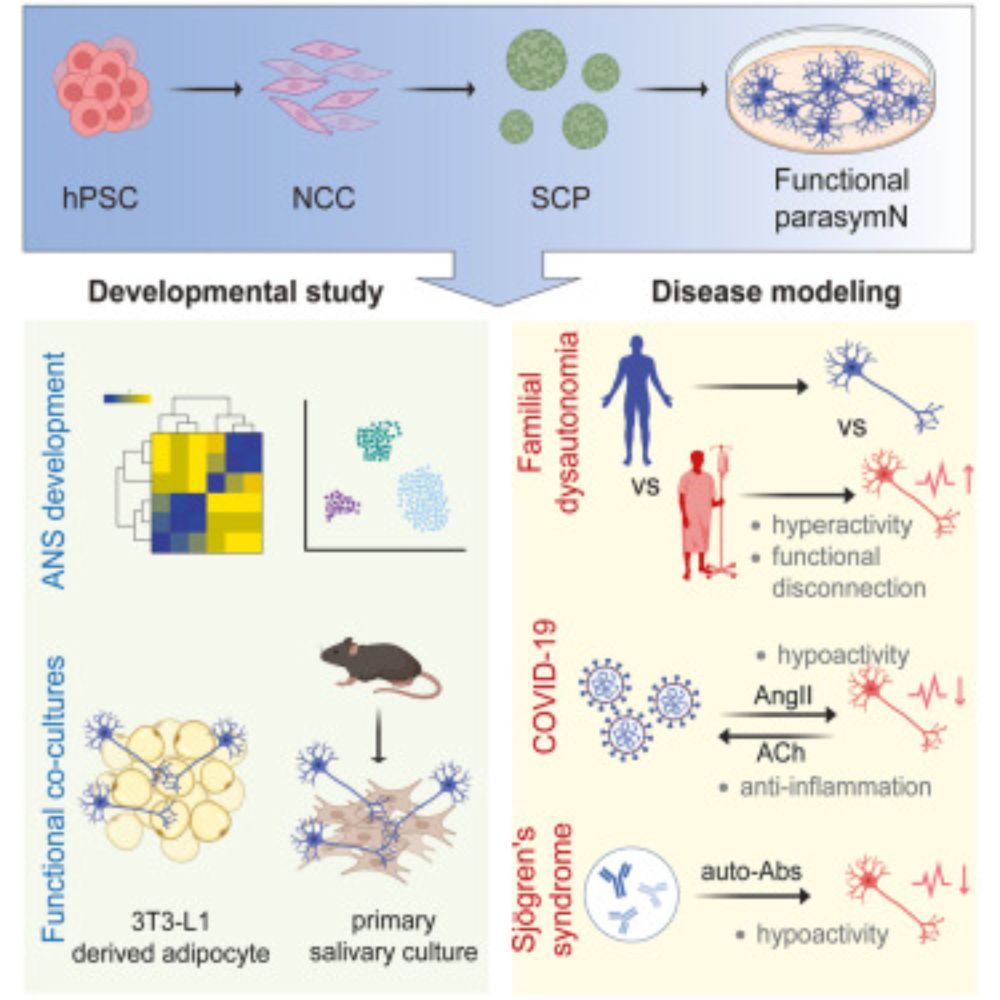
Parasympathetic neurons derived from human pluripotent stem cells model human diseases and development
Wu et al. differentiate hPSC-derived Schwann cell precursors into functional parasympathetic
neurons. These parasympathetic neurons are employed to study specific defects in the
genetic autonomic diso...
www.cell.com
July 30, 2025 at 10:09 AM
Research highlight from Cell Stem Cell: Parasympathetic neurons derived from human pluripotent stem cells model human diseases and development
www.cell.com/cell-stem-ce...
www.cell.com/cell-stem-ce...

Reposted by Mo Ebrahimkhani

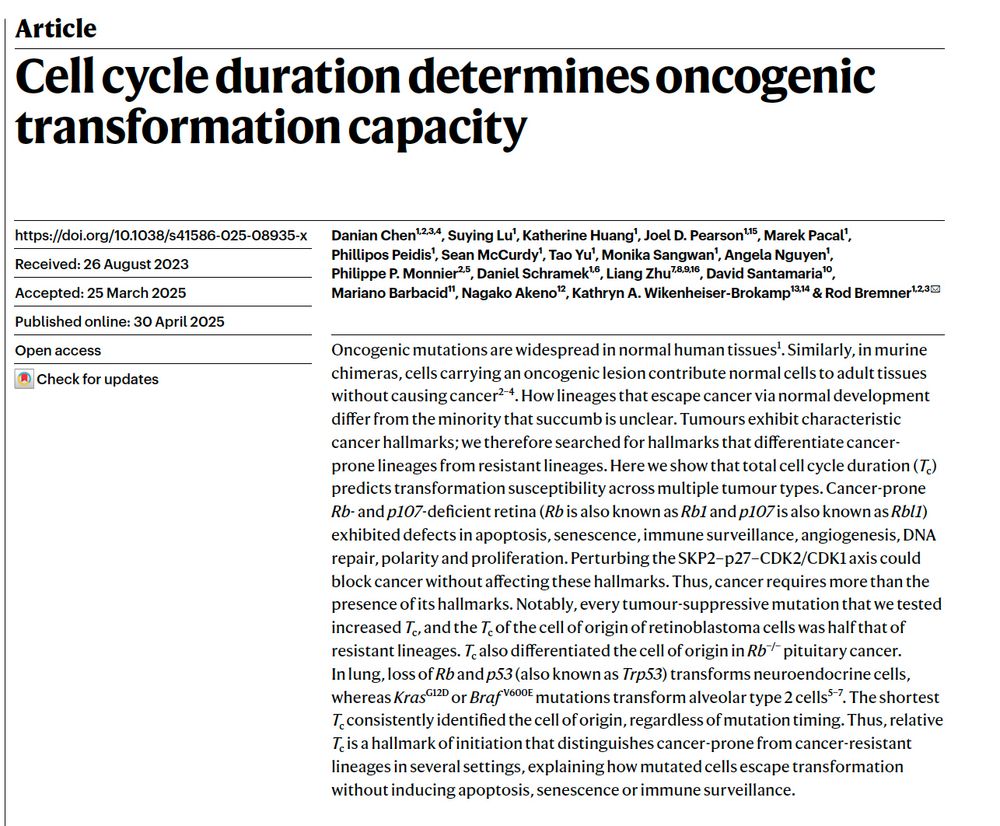
A recent paper reveals a surprising insight. The length of the cell cycle in a particular tissue determines the oncogenic transformation capacity of particular oncogenes, with tissues with shorter cell cycles most susceptible 3/n
July 26, 2025 at 2:14 PM
A recent paper reveals a surprising insight. The length of the cell cycle in a particular tissue determines the oncogenic transformation capacity of particular oncogenes, with tissues with shorter cell cycles most susceptible 3/n
Reposted by Mo Ebrahimkhani
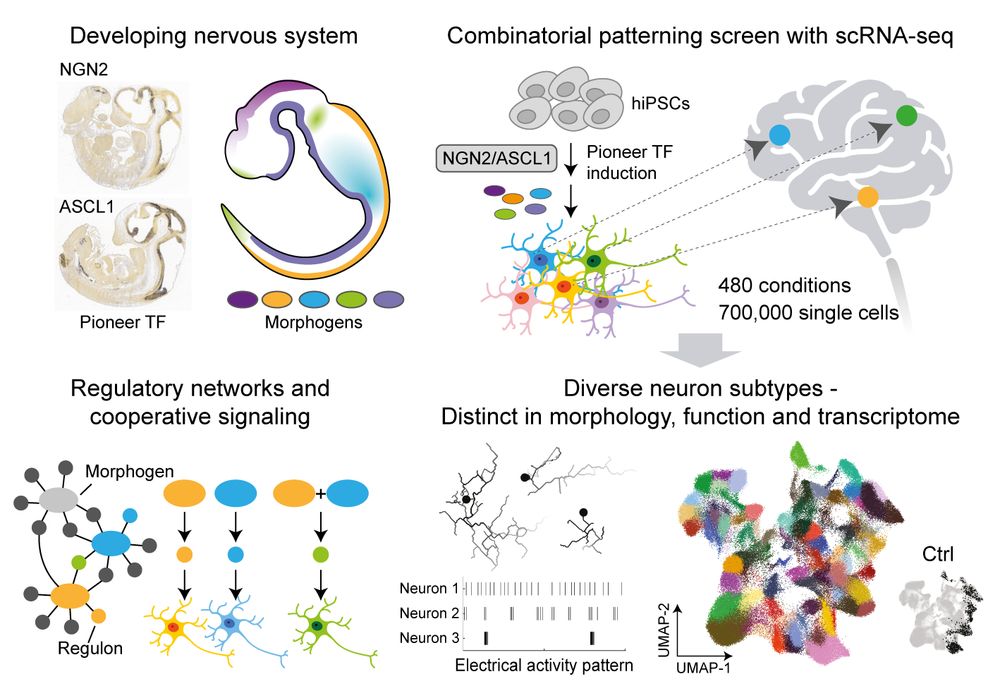
Neuron programming! Pro-neural TFs + 480 morphogen conditions + scRNA-seq --> Diverse iN subtypes of forebrain, midbrain, hindbrain, spinal cord, and PNS. @hsiuchuanlin.bsky.social @jasperjanssens.bsky.social and Treutlein Lab! @science.org www.science.org/doi/10.1126/... #NGN2 #ASCL1
July 11, 2025 at 8:59 PM
Neuron programming! Pro-neural TFs + 480 morphogen conditions + scRNA-seq --> Diverse iN subtypes of forebrain, midbrain, hindbrain, spinal cord, and PNS. @hsiuchuanlin.bsky.social @jasperjanssens.bsky.social and Treutlein Lab! @science.org www.science.org/doi/10.1126/... #NGN2 #ASCL1

Reposted by Mo Ebrahimkhani

New preprint: How do cells measure time? In human development, pluripotent epiblast cells pause for about two weeks before differentiating into more specialised cell types. We show that this timing is controlled by a transcriptional clock that works like an hourglass. www.biorxiv.org/content/10.1...
A transcriptional clock of the human pluripotency transition
Developmental timing differs strikingly between mammals. All embryonic and some placental lineages emerge from the pluripotent epiblast in a temporally defined sequence, lasting about two weeks in the...
www.biorxiv.org
March 19, 2025 at 11:30 AM
New preprint: How do cells measure time? In human development, pluripotent epiblast cells pause for about two weeks before differentiating into more specialised cell types. We show that this timing is controlled by a transcriptional clock that works like an hourglass. www.biorxiv.org/content/10.1...
Reposted by Mo Ebrahimkhani

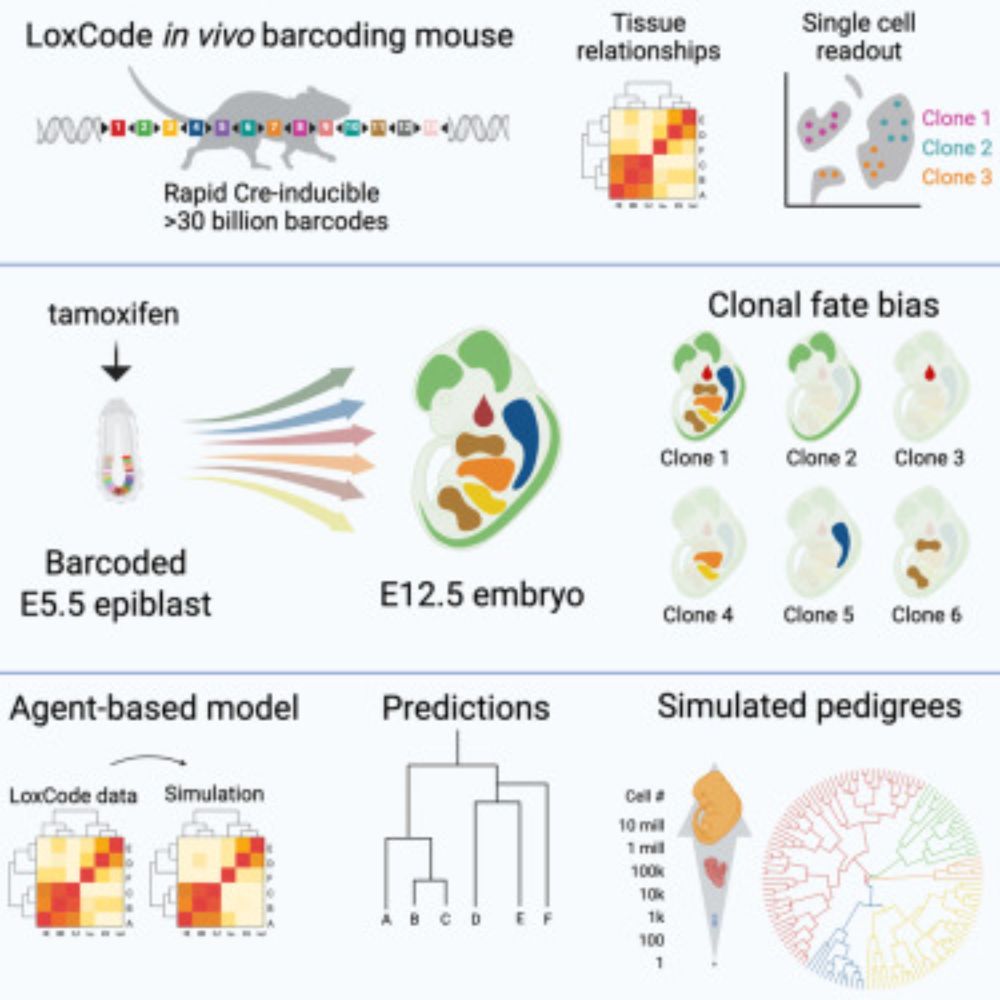
A triumph of perseverance from twitterless Tom Weber, Christine Biben and the team, our in vivo barcoding "LoxCode mouse" used to resolve epiblast fate to fetal organs is finally published in @cellpress.bsky.social and available through @jacksonlab.bsky.social www.sciencedirect.com/science/arti...
LoxCode in vivo barcoding reveals epiblast clonal fate bias to fetal organs
Much remains to be learned about the clonal fate of mammalian epiblast cells. Here, we develop high-diversity Cre recombinase-driven LoxCode barcoding…
www.sciencedirect.com
May 16, 2025 at 4:32 AM
A triumph of perseverance from twitterless Tom Weber, Christine Biben and the team, our in vivo barcoding "LoxCode mouse" used to resolve epiblast fate to fetal organs is finally published in @cellpress.bsky.social and available through @jacksonlab.bsky.social www.sciencedirect.com/science/arti...
Reposted by Mo Ebrahimkhani

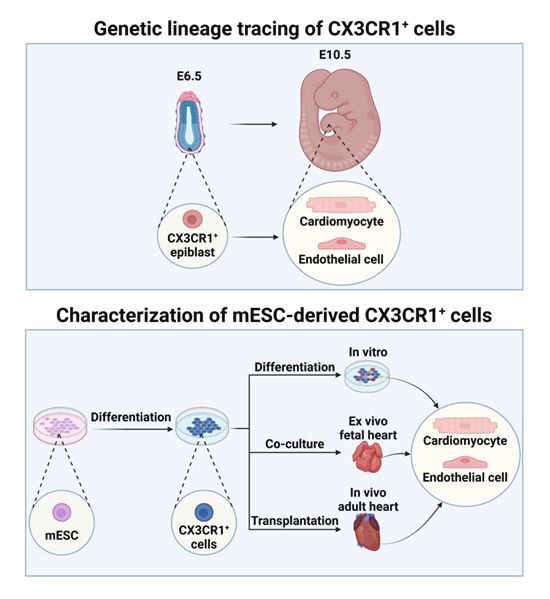
Embryonic CX3CR1+ cells constitute a multipotent epiblast-derived progenitor population that contributes not only to the formation of tissue-resident macrophages, but also of cardiomyocytes and heart endothelial cells
Young-sup Yoon and coworkers
www.embopress.org/doi/full/10....
Young-sup Yoon and coworkers
www.embopress.org/doi/full/10....
June 24, 2025 at 7:55 AM
Embryonic CX3CR1+ cells constitute a multipotent epiblast-derived progenitor population that contributes not only to the formation of tissue-resident macrophages, but also of cardiomyocytes and heart endothelial cells
Young-sup Yoon and coworkers
www.embopress.org/doi/full/10....
Young-sup Yoon and coworkers
www.embopress.org/doi/full/10....
Reposted by Mo Ebrahimkhani

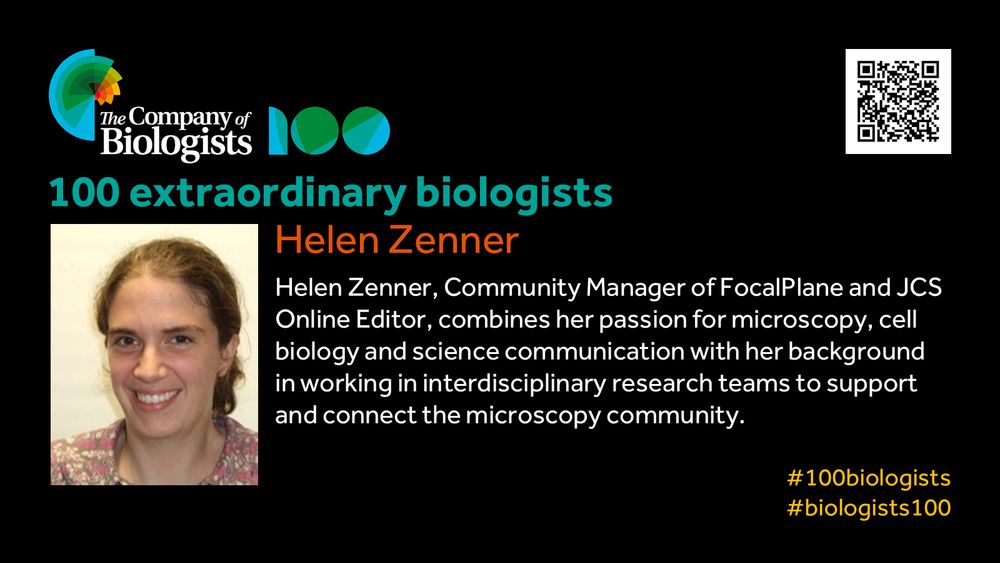
This week, we are highlighting Helen Zenner, Community Manager of @focalplane.bsky.social and @jcellsci.bsky.social Online Editor, as an extraordinary biologist. #100biologists
@helenzsci.bsky.social
@helenzsci.bsky.social
July 10, 2025 at 2:09 PM
This week, we are highlighting Helen Zenner, Community Manager of @focalplane.bsky.social and @jcellsci.bsky.social Online Editor, as an extraordinary biologist. #100biologists
@helenzsci.bsky.social
@helenzsci.bsky.social
Reposted by Mo Ebrahimkhani
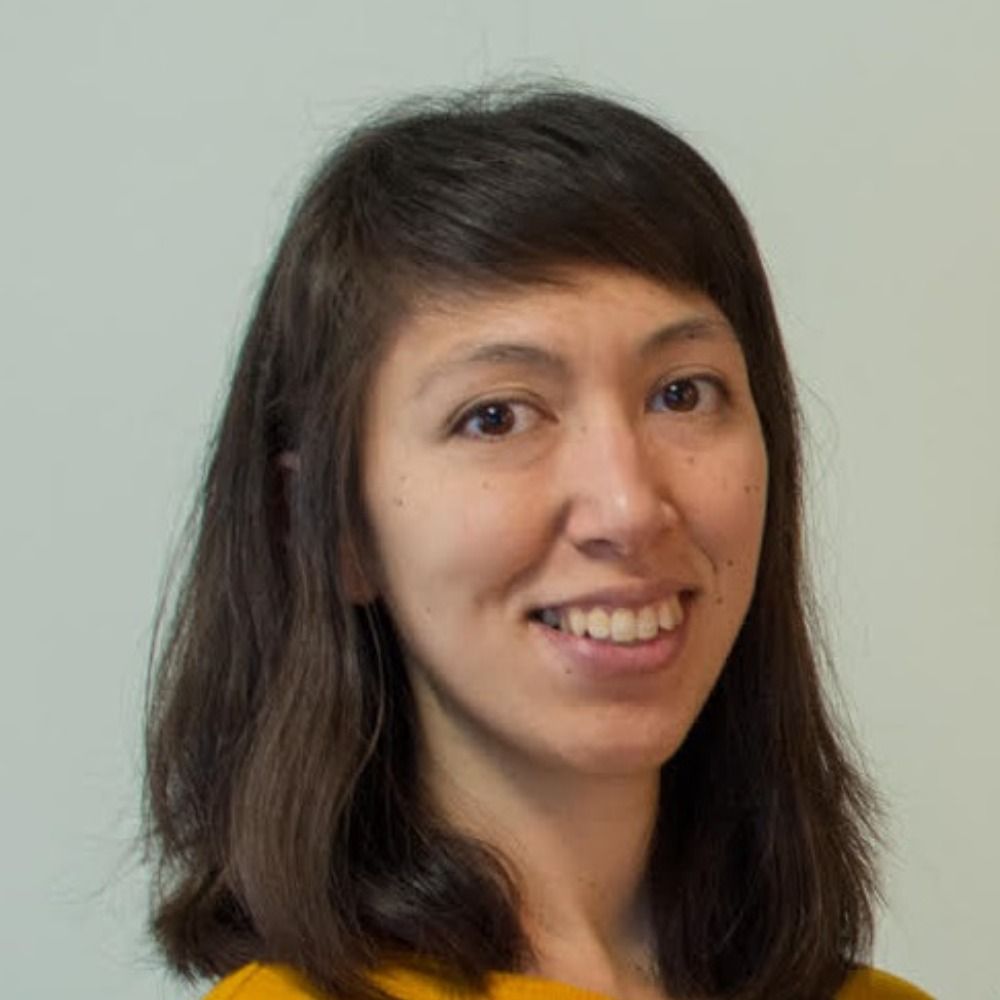
Sometimes authors summarize their responses to 3-6 major points raised by the reviewers in their resub cover letters or at the top of their rebuttal letters. This is so super helpful to editors, because it brings us right up to speed after not having read the paper/reviews for months. THANKS!!
July 9, 2025 at 4:15 PM
Sometimes authors summarize their responses to 3-6 major points raised by the reviewers in their resub cover letters or at the top of their rebuttal letters. This is so super helpful to editors, because it brings us right up to speed after not having read the paper/reviews for months. THANKS!!

July 10, 2025 at 10:39 PM

3D reconstruction of a human Carnegie stage 9 embryo provides a snapshot of early body plan formation www.sciencedirect.com/science/arti...

3D reconstruction of a human Carnegie stage 9 embryo provides a snapshot of early body plan formation
The Carnegie stage 9 (CS9) embryo is a pivotal phase signifying the conclusion of gastrulation and the onset of early organogenesis, crucial for initi…
www.sciencedirect.com
July 8, 2025 at 10:21 PM
3D reconstruction of a human Carnegie stage 9 embryo provides a snapshot of early body plan formation www.sciencedirect.com/science/arti...
Reposted by Mo Ebrahimkhani
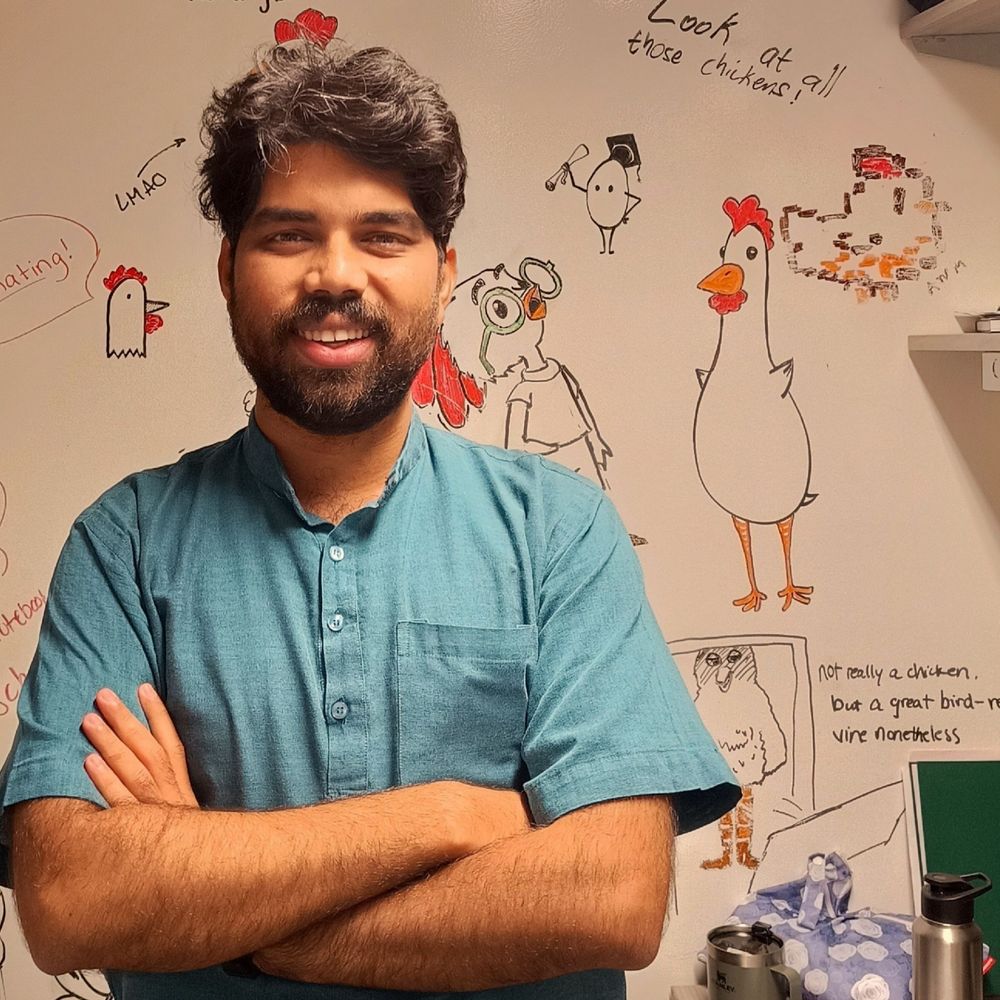
Have you ever thought about inflating tissues?
Or maybe quickly deflating those inflated tissues?
New #EpithelialMechanics pre-print: doi.org/10.1101/2025...
🧵 with pressure control, multiscale buckling, controlled wrinkling
Or maybe quickly deflating those inflated tissues?
New #EpithelialMechanics pre-print: doi.org/10.1101/2025...
🧵 with pressure control, multiscale buckling, controlled wrinkling
July 3, 2025 at 2:23 PM
Have you ever thought about inflating tissues?
Or maybe quickly deflating those inflated tissues?
New #EpithelialMechanics pre-print: doi.org/10.1101/2025...
🧵 with pressure control, multiscale buckling, controlled wrinkling
Or maybe quickly deflating those inflated tissues?
New #EpithelialMechanics pre-print: doi.org/10.1101/2025...
🧵 with pressure control, multiscale buckling, controlled wrinkling
Reposted by Mo Ebrahimkhani
Multiomic profiling reveals that prostaglandin E2 reverses aged muscle stem cell dysfunction, leading to increased regeneration and strength
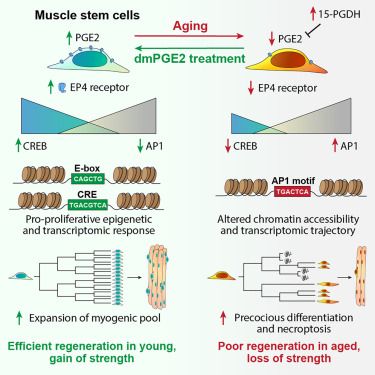
Multiomic profiling reveals that prostaglandin E2 reverses aged muscle stem cell dysfunction, leading to increased regeneration and strength
Wang et al. uncover that aged muscle stem cells have blunted PGE2-EP4 signaling that is critical for their regenerative function. Treatment with exogenous PGE2 reverses age-related defects in muscle stem cells and imparts an epigenetic response that enhances their capacity for repair after injury and transplantation.
dlvr.it
July 4, 2025 at 2:10 PM
Multiomic profiling reveals that prostaglandin E2 reverses aged muscle stem cell dysfunction, leading to increased regeneration and strength
Reposted by Mo Ebrahimkhani
Online Now! Establishing dorsal-ventral patterning in human neural tube organoids with synthetic organizers #stemcells
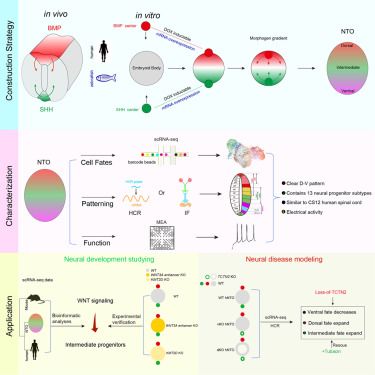
Establishing dorsal-ventral patterning in human neural tube organoids with synthetic organizers
Luo et al. developed a method to generate dorsal-ventral (D-V) patterned neural tube organoids (NTOs) from both zebrafish and human pluripotent stem cells (hPSCs) by engineering opposing BMP and SHH signaling centers. The human NTOs recapitulate the full complement of 13 neural progenitor subtypes arranged along the D-V axis, with transcriptomic profiling revealing high similarity to the human embryonic spinal cord at Carnegie stage 12.
dlvr.it
May 14, 2025 at 7:09 PM
Online Now! Establishing dorsal-ventral patterning in human neural tube organoids with synthetic organizers #stemcells
Reposted by Mo Ebrahimkhani
Online Now! HBO1 functions as an epigenetic barrier to hepatocyte plasticity and reprogramming during liver injury #stemcells
HBO1 functions as an epigenetic barrier to hepatocyte plasticity and reprogramming during liver injury
In the liver, hepatocytes can convert to biliary epithelial cells (BECs) after injury. YAP/TEAD activation triggers chromatin changes during this process. HBO1, a protein that modifies histones, acts as a barrier to reprogramming by limiting chromatin accessibility. Depleting HBO1 accelerates conversion, making it a potential therapeutic target for cholangiopathies.
dlvr.it
May 21, 2025 at 7:09 PM
Online Now! HBO1 functions as an epigenetic barrier to hepatocyte plasticity and reprogramming during liver injury #stemcells


Reposted by Mo Ebrahimkhani

Mark your calendars for our western/evening 🌙 session seminar next week!
We’ll have a 🐁 double feature with:
Kate Cavanaugh @katecavanaugh.bsky.social and
Vera Van der Weijden @vvdw.bsky.social
🗓️ Thursday, March 20th at
⏰ 10:30 PDT (!) / 13:30 EDT (!) / 17:30 UTC / 17:30 GMT / 18:30 CET
We’ll have a 🐁 double feature with:
Kate Cavanaugh @katecavanaugh.bsky.social and
Vera Van der Weijden @vvdw.bsky.social
🗓️ Thursday, March 20th at
⏰ 10:30 PDT (!) / 13:30 EDT (!) / 17:30 UTC / 17:30 GMT / 18:30 CET

March 14, 2025 at 11:21 PM
Mark your calendars for our western/evening 🌙 session seminar next week!
We’ll have a 🐁 double feature with:
Kate Cavanaugh @katecavanaugh.bsky.social and
Vera Van der Weijden @vvdw.bsky.social
🗓️ Thursday, March 20th at
⏰ 10:30 PDT (!) / 13:30 EDT (!) / 17:30 UTC / 17:30 GMT / 18:30 CET
We’ll have a 🐁 double feature with:
Kate Cavanaugh @katecavanaugh.bsky.social and
Vera Van der Weijden @vvdw.bsky.social
🗓️ Thursday, March 20th at
⏰ 10:30 PDT (!) / 13:30 EDT (!) / 17:30 UTC / 17:30 GMT / 18:30 CET
Reposted by Mo Ebrahimkhani
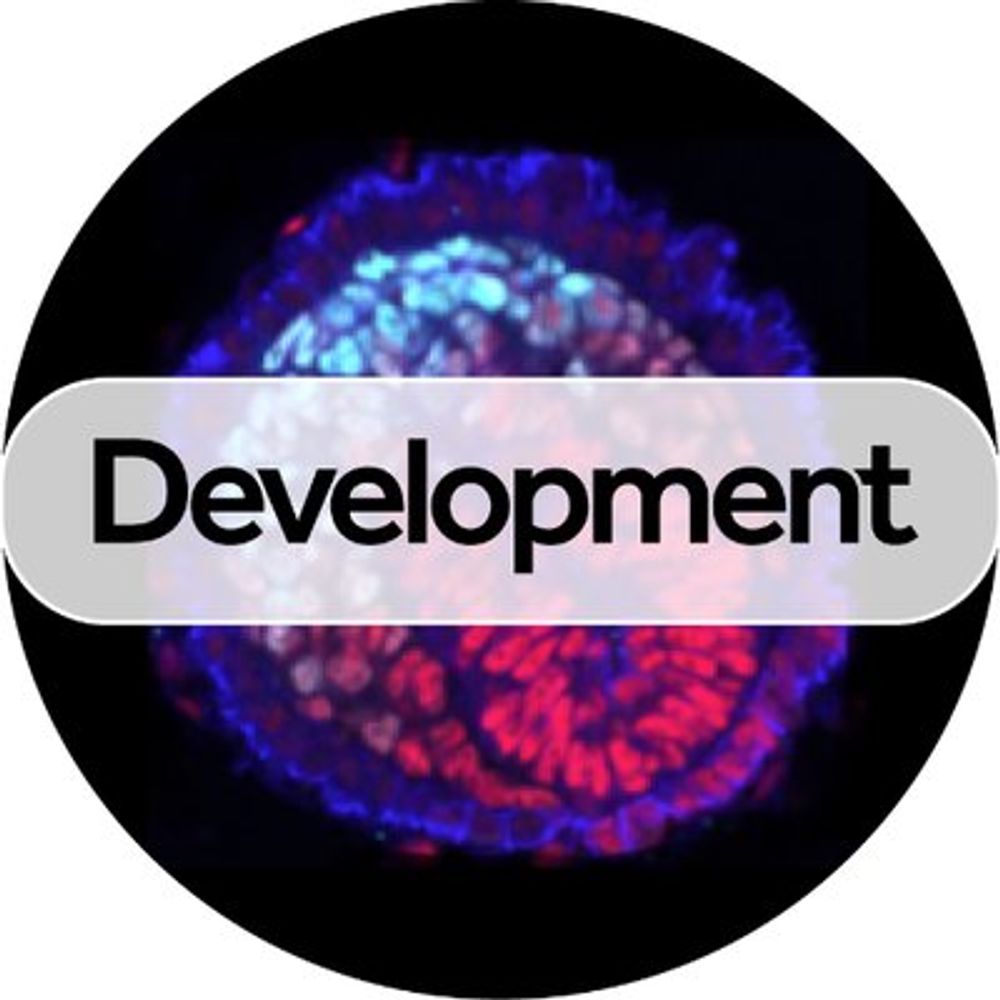
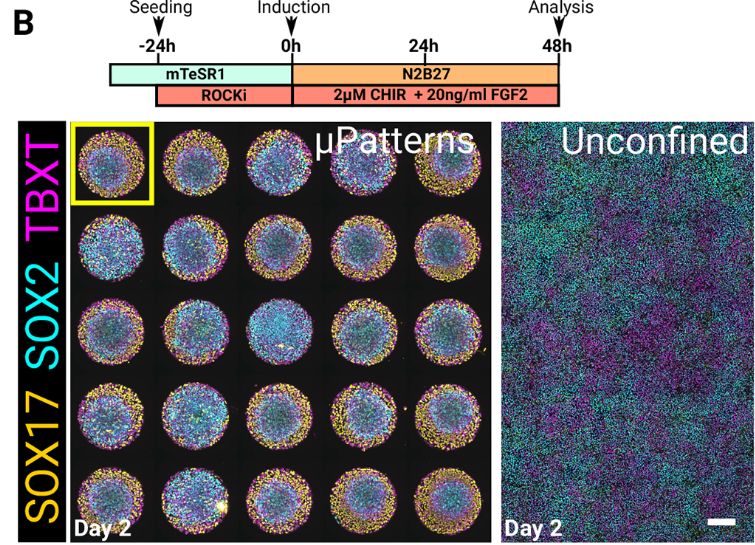
In vitro modelling of anterior primitive streak patterning with human pluripotent stem cells identifies the path to notochord progenitors
Read this #OpenAccess Research Article by Miguel Robles-Garcia, Guillaume Blin and colleagues @edinburgh-uni.bsky.social:
https://buff.ly/3ZMtzc6
Read this #OpenAccess Research Article by Miguel Robles-Garcia, Guillaume Blin and colleagues @edinburgh-uni.bsky.social:
https://buff.ly/3ZMtzc6
December 19, 2024 at 4:31 PM
In vitro modelling of anterior primitive streak patterning with human pluripotent stem cells identifies the path to notochord progenitors
Read this #OpenAccess Research Article by Miguel Robles-Garcia, Guillaume Blin and colleagues @edinburgh-uni.bsky.social:
https://buff.ly/3ZMtzc6
Read this #OpenAccess Research Article by Miguel Robles-Garcia, Guillaume Blin and colleagues @edinburgh-uni.bsky.social:
https://buff.ly/3ZMtzc6