



Iana V. Kim
@ianakim.bsky.social
Postdoctoral researcher in the Sebe-Pedros and Marti-Renom Labs at CRG. Transposable elements enthusiast, passionate about piRNAs, 3D genomes, and Star Trek 🖖
Reposted by Iana V. Kim

Our eLetter github.com/caseywdunn/s... responding to a recent Science paper was just posted. The paper found more genes with consistent support for sponge-sister than ctenophore-sister. We found several technical issues that, when corrected, reverse the conclusions and recover ctenophore-sister.

January 9, 2026 at 11:44 AM
Our eLetter github.com/caseywdunn/s... responding to a recent Science paper was just posted. The paper found more genes with consistent support for sponge-sister than ctenophore-sister. We found several technical issues that, when corrected, reverse the conclusions and recover ctenophore-sister.
Reposted by Iana V. Kim

Nature research paper: An expanded registry of candidate cis-regulatory elements
go.nature.com/4pAbARf
go.nature.com/4pAbARf

An expanded registry of candidate cis-regulatory elements - Nature
The existing ENCODE registry of candidate human and mouse cis-regulatory elements is expanded with the addition of new ENCODE data, integrating new functional data as well as new cell and tissue types.
go.nature.com
January 9, 2026 at 4:25 PM
Nature research paper: An expanded registry of candidate cis-regulatory elements
go.nature.com/4pAbARf
go.nature.com/4pAbARf
Check out this beautiful work from our lab and discover how some corals adapted to live without symbionts 🪸https://www.nature.com/articles/s41586-025-09623-6 !!! Huge congratulations to Shani Levy and @xgrau.bsky.social. It was a privilege for me to contribute to your project 🙏
October 27, 2025 at 10:06 AM
Check out this beautiful work from our lab and discover how some corals adapted to live without symbionts 🪸https://www.nature.com/articles/s41586-025-09623-6 !!! Huge congratulations to Shani Levy and @xgrau.bsky.social. It was a privilege for me to contribute to your project 🙏
Really grateful to see our work featured by @quantamagazine.bsky.social in this piece on the evolution of genome regulation. Huge thanks to @philipcball.bsky.social for such a beautifully written article.
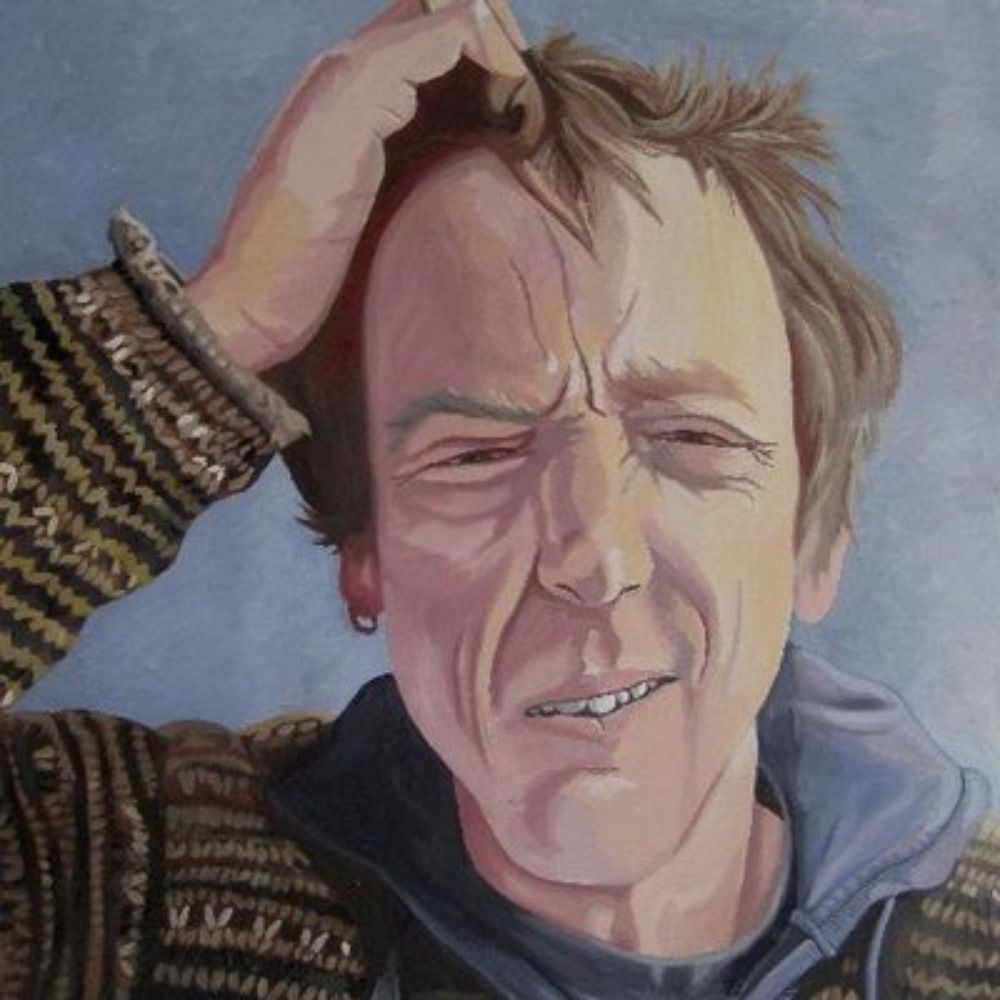
I adored writing this piece. It brings together several of the things preoccupying me right now, like chromatin organization and gene regulation. There's so much more to be said on that. Also, these marine critters look gorgeous.
www.quantamagazine.org/loops-of-dna...
www.quantamagazine.org/loops-of-dna...

Loops of DNA Equipped Ancient Life To Become Complex | Quanta Magazine
New work shows that physical folding of the genome to control genes located far away may have been an early evolutionary development.
www.quantamagazine.org
October 8, 2025 at 8:49 PM
Really grateful to see our work featured by @quantamagazine.bsky.social in this piece on the evolution of genome regulation. Huge thanks to @philipcball.bsky.social for such a beautifully written article.
Reposted by Iana V. Kim

A thoughtful and beautifully written @quantamagazine.bsky.social article about genome regulatory innovation at the origin of animals. Featuring some of our work and highlighting key open questions. Thanks to @philipcball.bsky.social for this fantastic piece.
I adored writing this piece. It brings together several of the things preoccupying me right now, like chromatin organization and gene regulation. There's so much more to be said on that. Also, these marine critters look gorgeous.
www.quantamagazine.org/loops-of-dna...
www.quantamagazine.org/loops-of-dna...
Loops of DNA Equipped Ancient Life To Become Complex | Quanta Magazine
New work shows that physical folding of the genome to control genes located far away may have been an early evolutionary development.
www.quantamagazine.org
October 8, 2025 at 7:04 PM
A thoughtful and beautifully written @quantamagazine.bsky.social article about genome regulatory innovation at the origin of animals. Featuring some of our work and highlighting key open questions. Thanks to @philipcball.bsky.social for this fantastic piece.
Reposted by Iana V. Kim

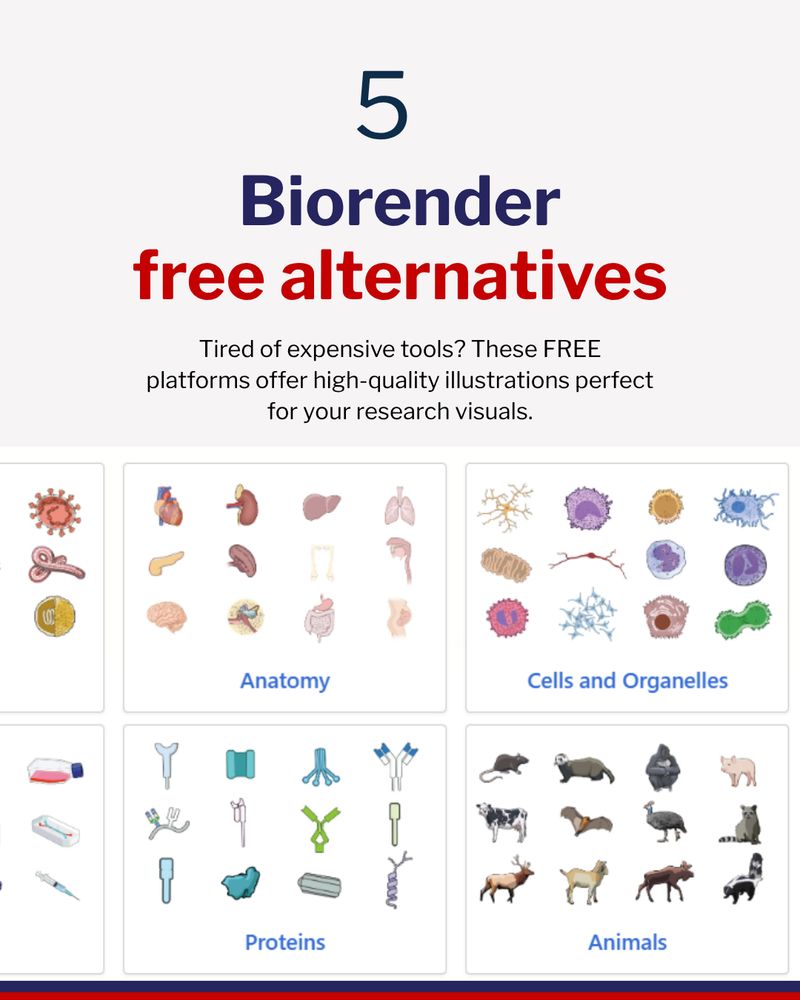
🧵5 Top Free Alternatives to BioRender for Scientific Illustrations!
These five websites offer free scientific illustrations for biologists. Great for presentations, research papers and other research communication needs.
Save and share the post!
These five websites offer free scientific illustrations for biologists. Great for presentations, research papers and other research communication needs.
Save and share the post!
May 13, 2025 at 7:55 PM
🧵5 Top Free Alternatives to BioRender for Scientific Illustrations!
These five websites offer free scientific illustrations for biologists. Great for presentations, research papers and other research communication needs.
Save and share the post!
These five websites offer free scientific illustrations for biologists. Great for presentations, research papers and other research communication needs.
Save and share the post!
Reposted by Iana V. Kim

After nearly twenty years in the making, our attempt at understanding what makes the chaetognath phylum so unique has finally been published! www.nature.com/articles/s41...
with #LauraPiovani @dariagavr.bsky.social @alexdemendoza.bsky.social @chemamd.bsky.social and others /1
with #LauraPiovani @dariagavr.bsky.social @alexdemendoza.bsky.social @chemamd.bsky.social and others /1

The genomic origin of the unique chaetognath body plan - Nature
Genomic, single-cell transcriptomic and epigenetic analyses show that chaetognaths, following extensive gene loss in the gnathiferan lineage, relied on newly evolved genes and lineage-specific tandem ...
www.nature.com
August 13, 2025 at 4:38 PM
After nearly twenty years in the making, our attempt at understanding what makes the chaetognath phylum so unique has finally been published! www.nature.com/articles/s41...
with #LauraPiovani @dariagavr.bsky.social @alexdemendoza.bsky.social @chemamd.bsky.social and others /1
with #LauraPiovani @dariagavr.bsky.social @alexdemendoza.bsky.social @chemamd.bsky.social and others /1
Reposted by Iana V. Kim
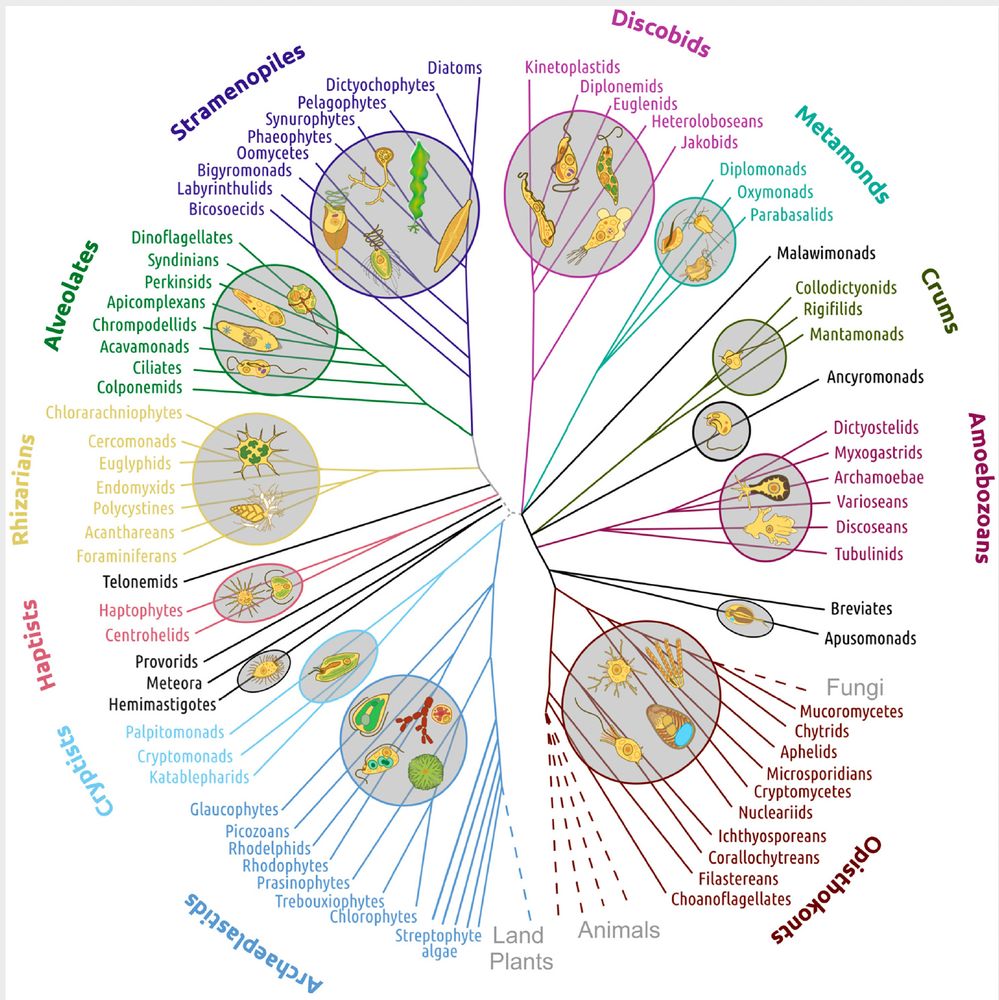
Updating my intro slides with this fantastic figure now! (And maybe I'll add an extra dashed line for my beloved bryophytes)

Happy to have contributed to this great article: #Protist genomics: key to understanding eukaryotic evolution. Congrats Alexandra Schoenle et al. #ProtistsOnSky
authors.elsevier.com/sd/article/S...
authors.elsevier.com/sd/article/S...
June 13, 2025 at 7:47 AM
Updating my intro slides with this fantastic figure now! (And maybe I'll add an extra dashed line for my beloved bryophytes)
Reposted by Iana V. Kim
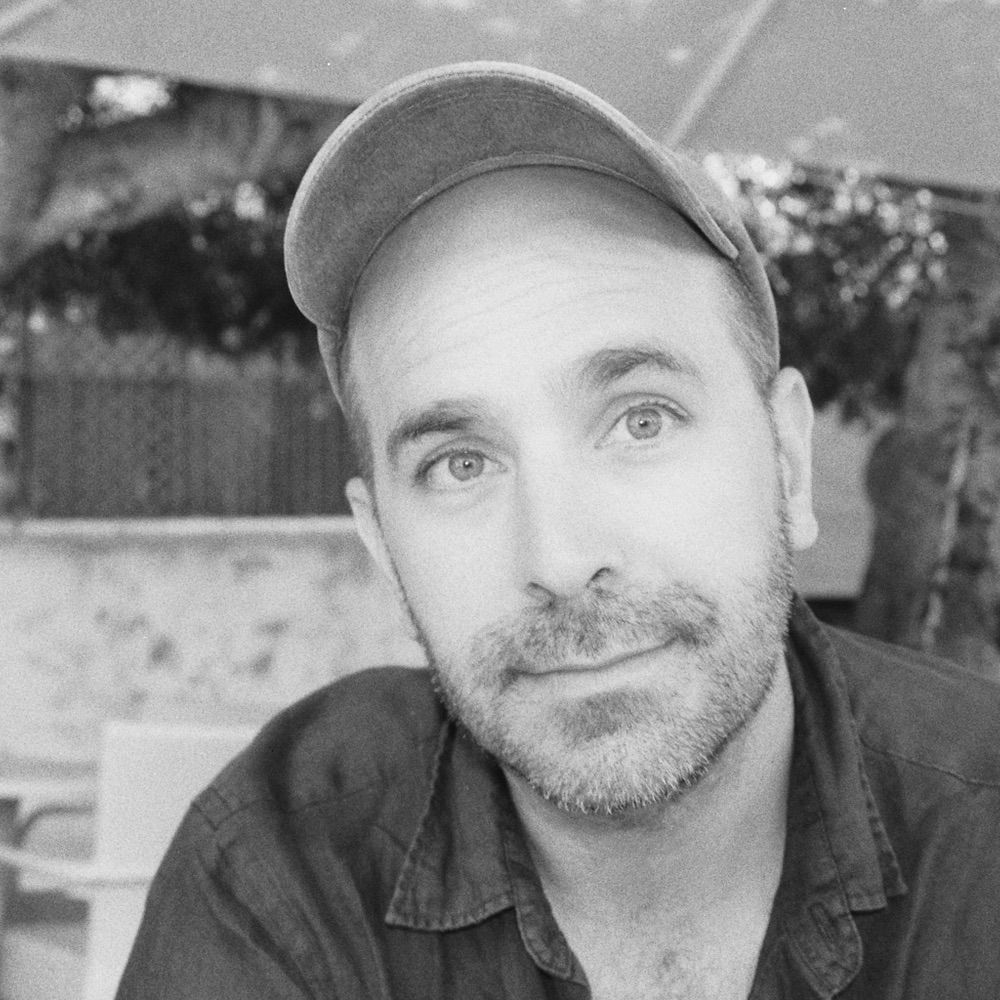
How to find Evolutionary Conserved Enhancers in 2025? 🐣-🐭
Check out our paper - fresh off the press!!!
We find widespread functional conservation of enhancers in absence of sequence homology
Including: a bioinformatic tool to map sequence-diverged enhancers!
rdcu.be/enVDN
github.com/tobiaszehnde...
Check out our paper - fresh off the press!!!
We find widespread functional conservation of enhancers in absence of sequence homology
Including: a bioinformatic tool to map sequence-diverged enhancers!
rdcu.be/enVDN
github.com/tobiaszehnde...
Conservation of regulatory elements with highly diverged sequences across large evolutionary distances
Nature Genetics - Combining functional genomic data from mouse and chicken with a synteny-based strategy identifies positionally conserved cis-regulatory elements in the absence of direct sequence...
rdcu.be
May 27, 2025 at 12:19 PM
How to find Evolutionary Conserved Enhancers in 2025? 🐣-🐭
Check out our paper - fresh off the press!!!
We find widespread functional conservation of enhancers in absence of sequence homology
Including: a bioinformatic tool to map sequence-diverged enhancers!
rdcu.be/enVDN
github.com/tobiaszehnde...
Check out our paper - fresh off the press!!!
We find widespread functional conservation of enhancers in absence of sequence homology
Including: a bioinformatic tool to map sequence-diverged enhancers!
rdcu.be/enVDN
github.com/tobiaszehnde...
Reposted by Iana V. Kim
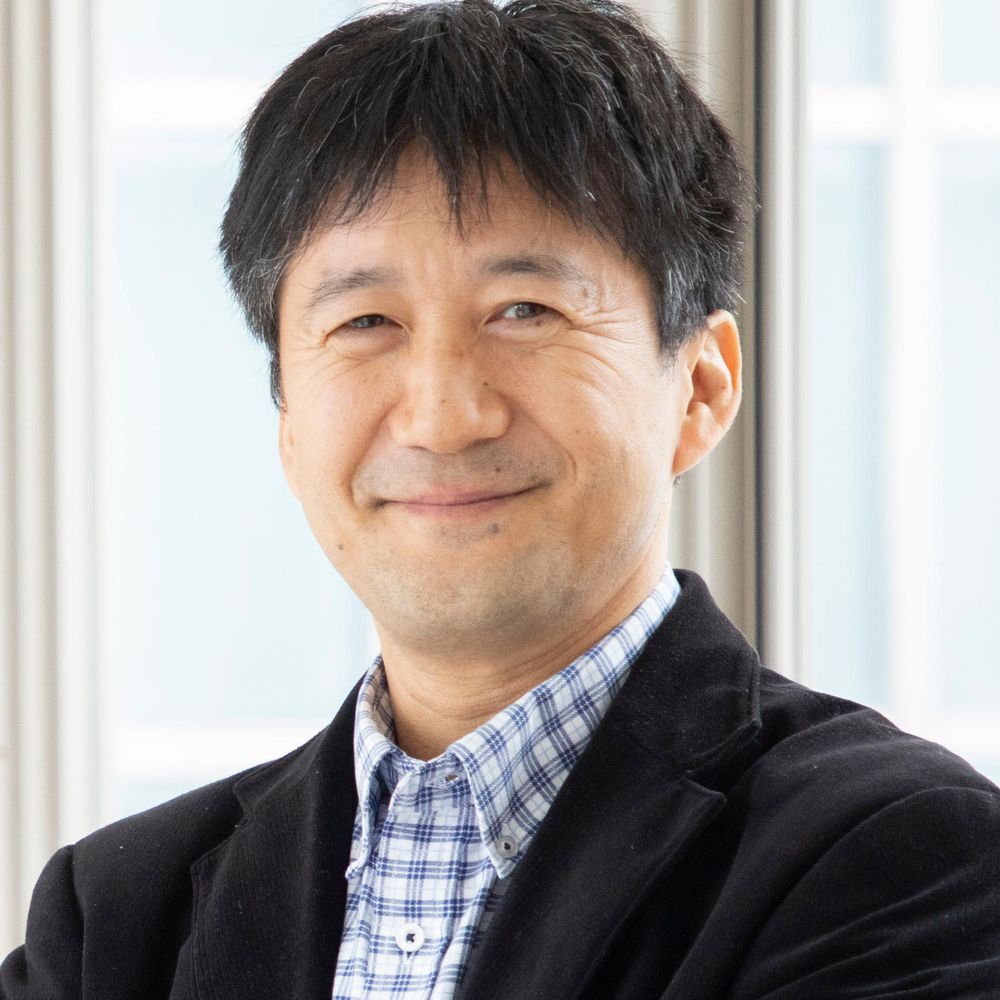
Our new paper is out@ScienceAdvances👇
www.science.org/doi/10.1126/...
🧬Our Repli-Histo labeling marks nucleosomes in euchromatin and heterochromatin in live human cells.
🔍 @katsuminami.bsky.social et al. have developed a chromatin behavior atlas within the nucleus. 1/2
www.science.org/doi/10.1126/...
🧬Our Repli-Histo labeling marks nucleosomes in euchromatin and heterochromatin in live human cells.
🔍 @katsuminami.bsky.social et al. have developed a chromatin behavior atlas within the nucleus. 1/2
March 29, 2025 at 1:06 AM
Our new paper is out@ScienceAdvances👇
www.science.org/doi/10.1126/...
🧬Our Repli-Histo labeling marks nucleosomes in euchromatin and heterochromatin in live human cells.
🔍 @katsuminami.bsky.social et al. have developed a chromatin behavior atlas within the nucleus. 1/2
www.science.org/doi/10.1126/...
🧬Our Repli-Histo labeling marks nucleosomes in euchromatin and heterochromatin in live human cells.
🔍 @katsuminami.bsky.social et al. have developed a chromatin behavior atlas within the nucleus. 1/2
I’m very excited to share our work on the early evolution of animal regulatory genome architecture - the main project of my postdoc, carried out across two wonderful and inspirational labs of @arnausebe.bsky.social and @mamartirenom.bsky.social. www.nature.com/articles/s41...
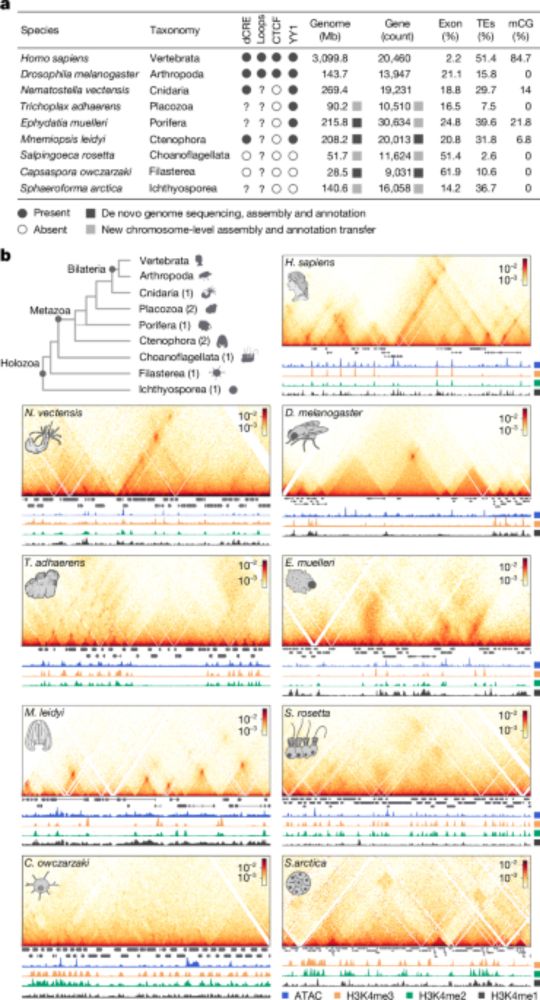
Chromatin loops are an ancestral hallmark of the animal regulatory genome - Nature
The physical organization of the genome in non-bilaterian animals and their closest unicellular relatives is characterized; comparative analysis shows chromatin looping is a conserved feature of ...
www.nature.com
May 7, 2025 at 3:23 PM
I’m very excited to share our work on the early evolution of animal regulatory genome architecture - the main project of my postdoc, carried out across two wonderful and inspirational labs of @arnausebe.bsky.social and @mamartirenom.bsky.social. www.nature.com/articles/s41...
Reposted by Iana V. Kim

💥🥳 At long last, our latest paper is out!
Gag proteins of endogenous retroviruses are required for zebrafish development
www.pnas.org/doi/10.1073/...
Led heroically by Sylvia Chang & @jonowells.bsky.social
A study which has changed the way I think of #transposons! No less! 🧵 1/n
Gag proteins of endogenous retroviruses are required for zebrafish development
www.pnas.org/doi/10.1073/...
Led heroically by Sylvia Chang & @jonowells.bsky.social
A study which has changed the way I think of #transposons! No less! 🧵 1/n
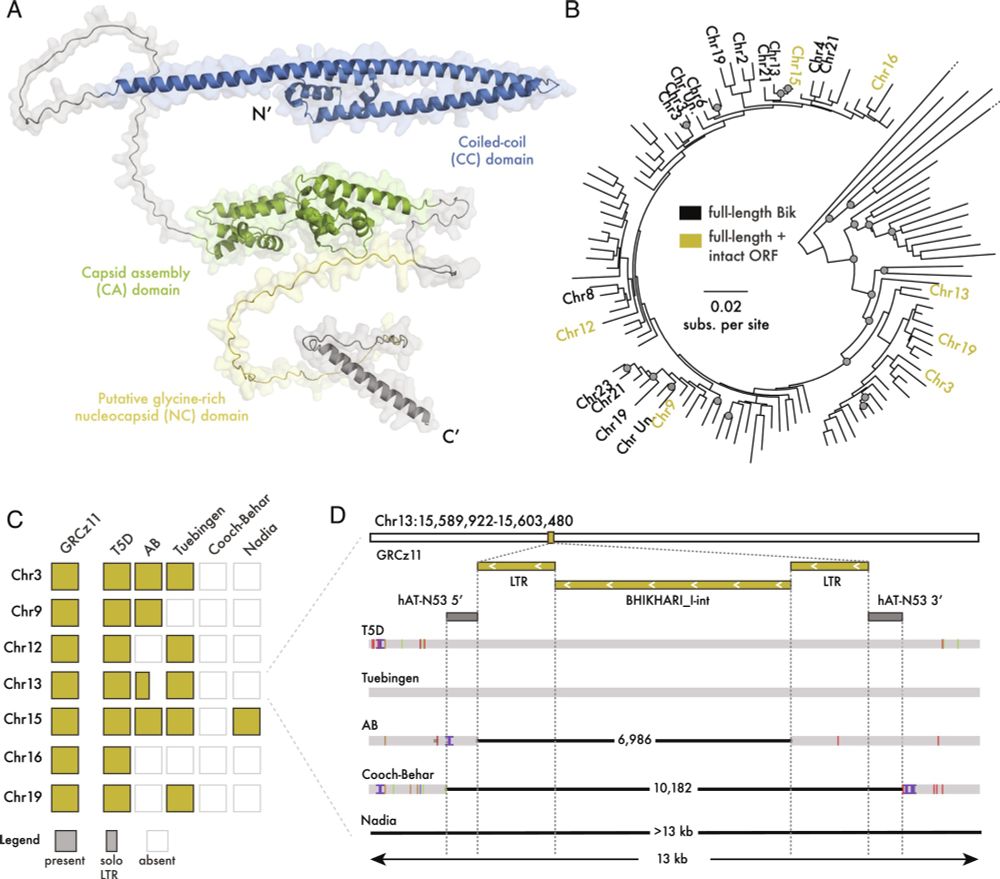
Gag proteins encoded by endogenous retroviruses are required for zebrafish development | PNAS
Transposable elements (TEs) make up the bulk of eukaryotic genomes and examples abound
of TE-derived sequences repurposed for organismal function. ...
www.pnas.org
April 30, 2025 at 10:45 AM
💥🥳 At long last, our latest paper is out!
Gag proteins of endogenous retroviruses are required for zebrafish development
www.pnas.org/doi/10.1073/...
Led heroically by Sylvia Chang & @jonowells.bsky.social
A study which has changed the way I think of #transposons! No less! 🧵 1/n
Gag proteins of endogenous retroviruses are required for zebrafish development
www.pnas.org/doi/10.1073/...
Led heroically by Sylvia Chang & @jonowells.bsky.social
A study which has changed the way I think of #transposons! No less! 🧵 1/n
Reposted by Iana V. Kim

wow, telomeric transposons in bacteria with linear chromosomes! (of course this was first figured out in flies, inc by Bob Levis, who i was happy to see few days ago at the fly meeting). 🪰
www.science.org/doi/10.1126/...
www.sciencedirect.com/science/arti...
www.sciencedirect.com/science/arti...
www.science.org/doi/10.1126/...
www.sciencedirect.com/science/arti...
www.sciencedirect.com/science/arti...
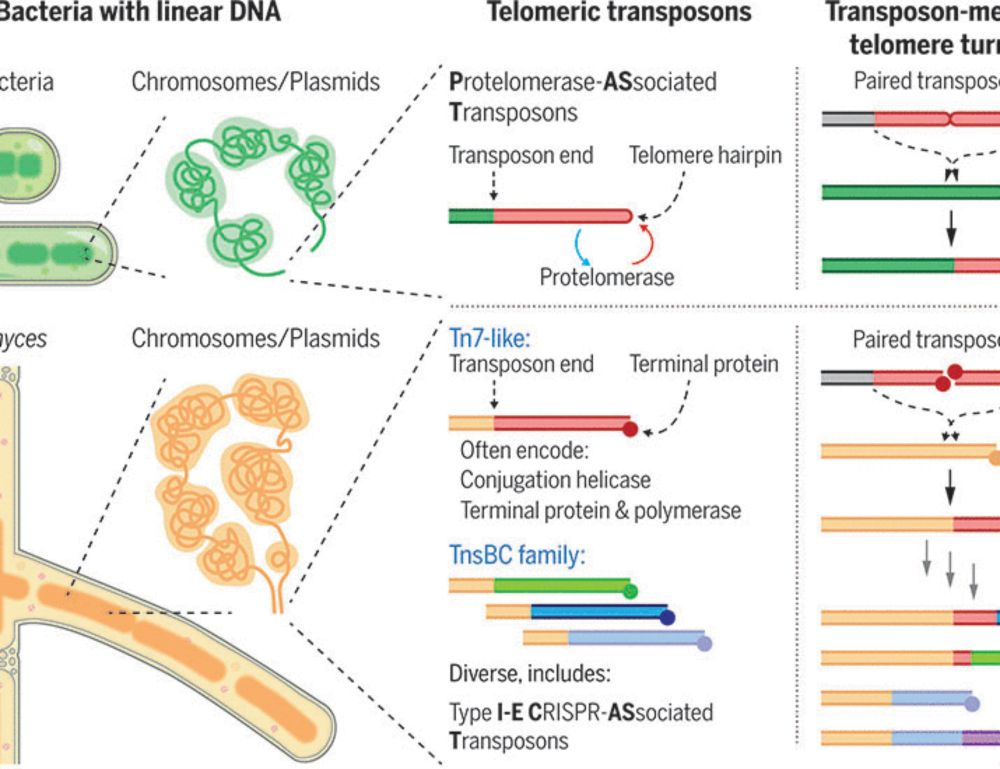
Telomeric transposons are pervasive in linear bacterial genomes
Eukaryotes have linear DNA, and their telomeres are hotspots for transposons, which in some cases took over telomere maintenance. We identified several families of independently evolved telomeric tran...
www.science.org
March 27, 2025 at 8:55 PM
wow, telomeric transposons in bacteria with linear chromosomes! (of course this was first figured out in flies, inc by Bob Levis, who i was happy to see few days ago at the fly meeting). 🪰
www.science.org/doi/10.1126/...
www.sciencedirect.com/science/arti...
www.sciencedirect.com/science/arti...
www.science.org/doi/10.1126/...
www.sciencedirect.com/science/arti...
www.sciencedirect.com/science/arti...
Have you ever wondered😰 which antibodies work best for profiling histone modifications, especially if you don't work with 🐁🪰? Thanks to the incredible effort of @crisnava.bsky.social and @seanamontgomery.bsky.social , who tested dozens of antibodies, we now have the answer. This and much more 👇
Excited to share this story from the “Chromatin Dream Team” in the @arnausebe.bsky.social lab on chromatin evo across eukaryotes! 12 histone mark profiles from 12 species, including rhizarians, discobans, and cryptomonads. Read on to see what we found! www.biorxiv.org/content/10.1... 1/n
Diversity and evolution of chromatin regulatory states across eukaryotes
Histone post-translational modifications (hPTMs) are key regulators of chromatin states, influencing gene expression, epigenetic memory, and transposable element repression across eukaryotic genomes. ...
www.biorxiv.org
March 19, 2025 at 1:49 PM
Have you ever wondered😰 which antibodies work best for profiling histone modifications, especially if you don't work with 🐁🪰? Thanks to the incredible effort of @crisnava.bsky.social and @seanamontgomery.bsky.social , who tested dozens of antibodies, we now have the answer. This and much more 👇
Organizing the Symposium #CRGBIpostdocs with you all was such a great experience!live long and prosper, friends🖖
♥️ Huge thanks to my co-organizers Hanane, Yoon Hee, Jaya, Dev, Misha, @dpyunc.bsky.social @vpapadog.bsky.social @ianakim.bsky.social @aidaronu.bsky.social @joebowness.bsky.social for sharing this journey—your support, dedication, and friendship made all the difference! Our network is expanded 😎
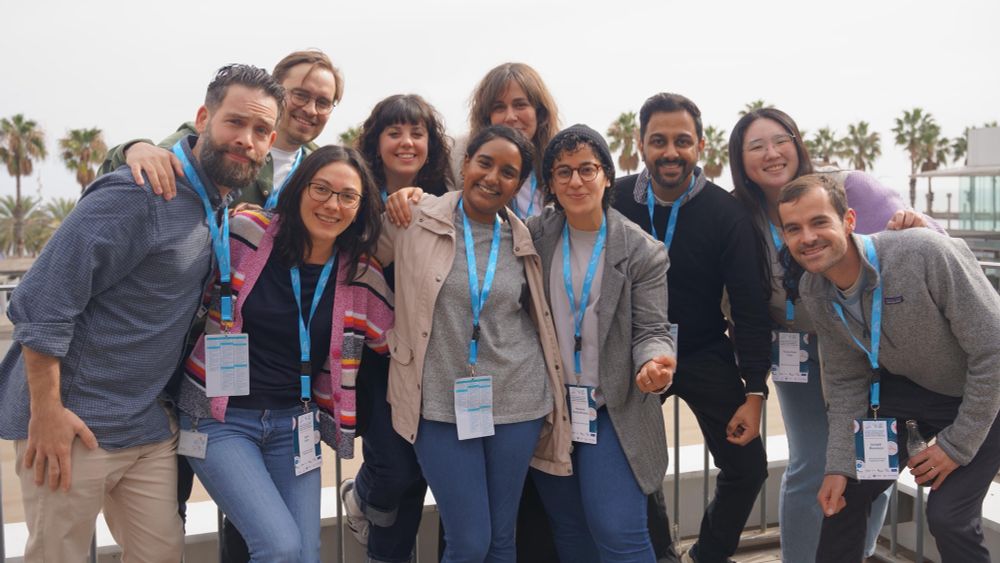
March 3, 2025 at 7:01 AM
Organizing the Symposium #CRGBIpostdocs with you all was such a great experience!live long and prosper, friends🖖
It was a truly engaging and incredible event 🎊! I feel like the "for postdocs by postdocs" format played a lot of role in bringing us together and making it such an unforgettable conference!Chiara @azzichia.bsky.social , thank you for writing such a great wrap up!!! I couldn't agree more!
🎉 That’s a wrap! The International CRG-BI Postdoc Symposium has come to an end after three incredible days of inspiring talks, engaging discussions, and valuable connections. I have to say I couldn’t be happier! #CRGBIpostdocs
A 🧵 below 👇🏼
A 🧵 below 👇🏼
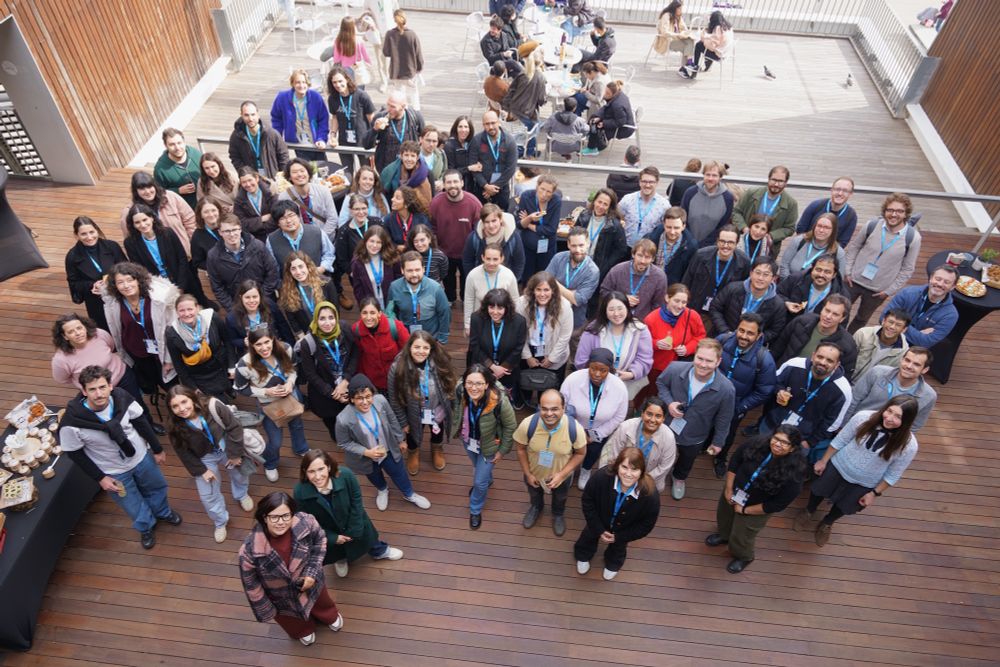

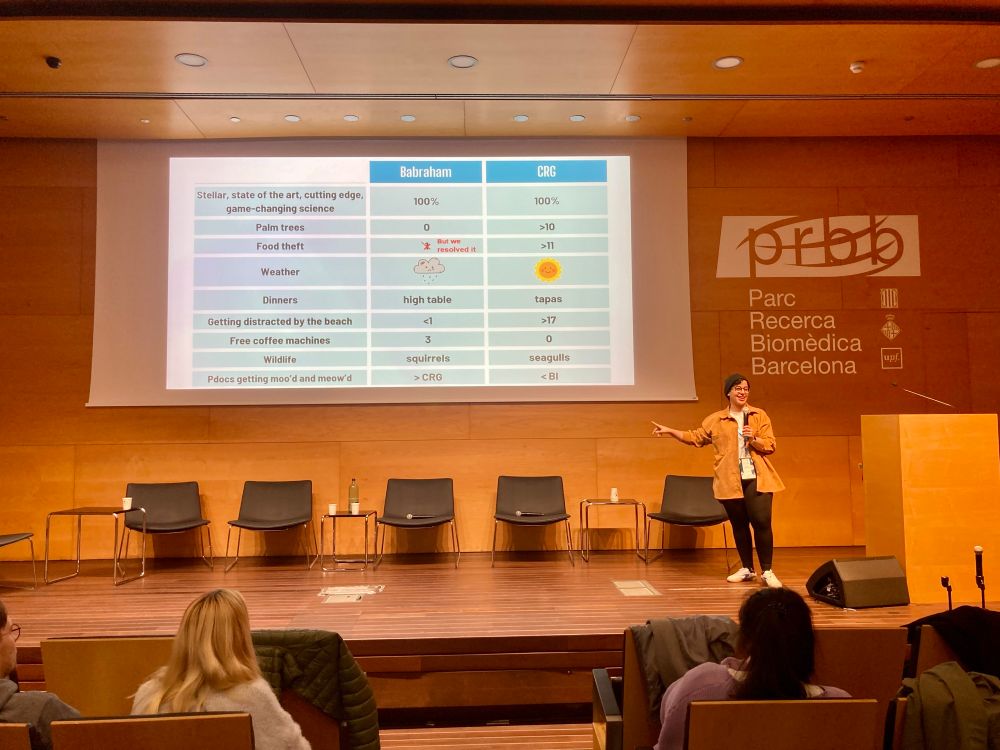
March 3, 2025 at 6:49 AM
It was a truly engaging and incredible event 🎊! I feel like the "for postdocs by postdocs" format played a lot of role in bringing us together and making it such an unforgettable conference!Chiara @azzichia.bsky.social , thank you for writing such a great wrap up!!! I couldn't agree more!
Such an inspiring discussion on how to disseminate science. It's all about making your research seen, heard and felt! Huge thanks to the panel members #CRGBIpostdocs @crg.eu @babrahaminst.bsky.social

February 27, 2025 at 1:34 PM
Such an inspiring discussion on how to disseminate science. It's all about making your research seen, heard and felt! Huge thanks to the panel members #CRGBIpostdocs @crg.eu @babrahaminst.bsky.social
Reposted by Iana V. Kim
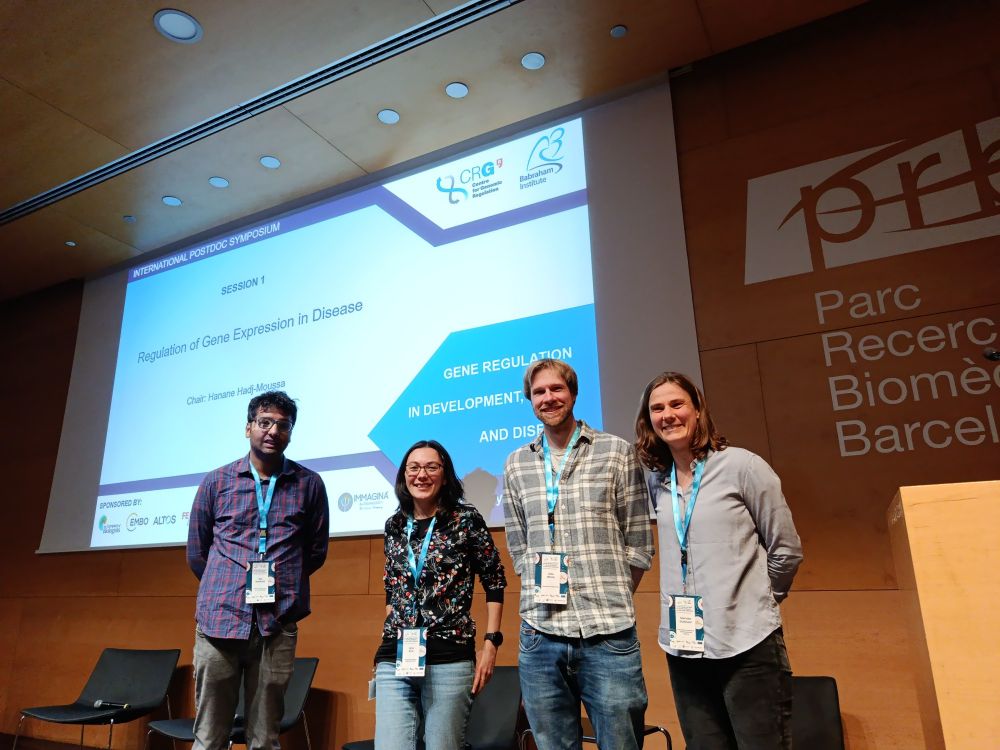
Wonderful first session at #CRGBIpostdocs Huge thank you to our keynote speaker @mariekeoudelaar.bsky.social (@mpi-nat.bsky.social) and short talk presenters Alex Whale (@babrahaminst.bsky.social) , @ianakim.bsky.social (crg.eu) and Raj Sewduth (@viblifesciences.bsky.social, @eu-life.bsky.social) 👩🔬👨🔬
February 26, 2025 at 5:22 PM
Wonderful first session at #CRGBIpostdocs Huge thank you to our keynote speaker @mariekeoudelaar.bsky.social (@mpi-nat.bsky.social) and short talk presenters Alex Whale (@babrahaminst.bsky.social) , @ianakim.bsky.social (crg.eu) and Raj Sewduth (@viblifesciences.bsky.social, @eu-life.bsky.social) 👩🔬👨🔬
Reposted by Iana V. Kim

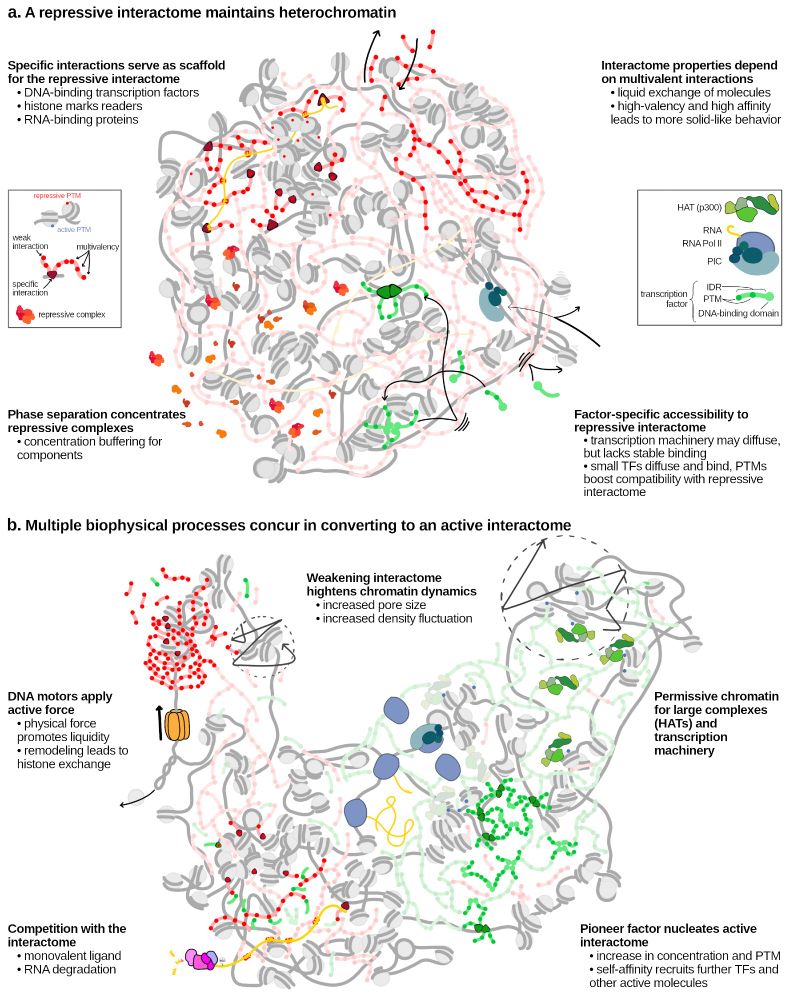
We often speak about chromatin as being accessible or inaccessible, but what does it mean? We wrote a short review on this, 🔬 focused:
sciencedirect.com/science/arti...
A big thank you to Tom Fillot for his efforts on this and to
@hansen_lab
@marcelonollmann
for their help as editors.
sciencedirect.com/science/arti...
A big thank you to Tom Fillot for his efforts on this and to
@hansen_lab
@marcelonollmann
for their help as editors.
December 20, 2024 at 3:46 PM
We often speak about chromatin as being accessible or inaccessible, but what does it mean? We wrote a short review on this, 🔬 focused:
sciencedirect.com/science/arti...
A big thank you to Tom Fillot for his efforts on this and to
@hansen_lab
@marcelonollmann
for their help as editors.
sciencedirect.com/science/arti...
A big thank you to Tom Fillot for his efforts on this and to
@hansen_lab
@marcelonollmann
for their help as editors.
Reposted by Iana V. Kim
We have two open PhD positions in my group at @crg.eu.
We are seeking candidates with a background in computational and/or molecular biology, and with a broad interest in evolutionary biology, gene regulation, and comparative genomics.
📅Apply before January 12 here: www.crg.eu/en/content/t...
We are seeking candidates with a background in computational and/or molecular biology, and with a broad interest in evolutionary biology, gene regulation, and comparative genomics.
📅Apply before January 12 here: www.crg.eu/en/content/t...
November 25, 2024 at 3:11 PM
We have two open PhD positions in my group at @crg.eu.
We are seeking candidates with a background in computational and/or molecular biology, and with a broad interest in evolutionary biology, gene regulation, and comparative genomics.
📅Apply before January 12 here: www.crg.eu/en/content/t...
We are seeking candidates with a background in computational and/or molecular biology, and with a broad interest in evolutionary biology, gene regulation, and comparative genomics.
📅Apply before January 12 here: www.crg.eu/en/content/t...
Reposted by Iana V. Kim
Tracking transposable element (TE) activity in genomics data can be a pain, but there are solutions! Our lab built TEtranscripts -- which we've updated to work for small RNAs (TEsmall), bulk RNA at the locus level (TElocal), and in single-cell data (TEsingle). Check it out!
www.mghlab.org/software
www.mghlab.org/software

November 18, 2024 at 11:14 PM
Tracking transposable element (TE) activity in genomics data can be a pain, but there are solutions! Our lab built TEtranscripts -- which we've updated to work for small RNAs (TEsmall), bulk RNA at the locus level (TElocal), and in single-cell data (TEsingle). Check it out!
www.mghlab.org/software
www.mghlab.org/software
Reposted by Iana V. Kim
Leonid Mirny and I wrote this for all interested in chromosomes: "The chromosome folding problem and how cells solve it"
www.cell.com/action/showP...
www.cell.com/action/showP...
www.cell.com
November 14, 2024 at 4:02 PM
Leonid Mirny and I wrote this for all interested in chromosomes: "The chromosome folding problem and how cells solve it"
www.cell.com/action/showP...
www.cell.com/action/showP...