


@fewill26.bsky.social
Yes!
New way to help: donate Delta Skymiles to get people home to Minnesota if they're released from detention in Texas.

Okay! This has already inspired a bunch of DMs, so I made a page on the website. If you have 50,000+ Skymiles and would be willing to book flights to get someone home, please fill this out.
February 1, 2026 at 8:22 PM
Yes!
Reposted
Because these international grocers need your support now more than ever, especially during these times, here’s a guide to the international grocers of the Twin Cities that I wrote for @racketmn.com: racketmn.com/guide-intern...

A Guide to the International Grocers of the Twin Cities - Racket
The Twin Cities is home to over 40 international grocers, and they deserve your dollars, too.
racketmn.com
January 18, 2026 at 3:49 PM
Because these international grocers need your support now more than ever, especially during these times, here’s a guide to the international grocers of the Twin Cities that I wrote for @racketmn.com: racketmn.com/guide-intern...
UMN epigenetics flashtalk competition is underway! Full room to cheer on our trainees! Great idea by Natalia Tretyakova from @umnmedchem.bsky.social @umnchemistry.bsky.social
January 16, 2026 at 8:28 PM
UMN epigenetics flashtalk competition is underway! Full room to cheer on our trainees! Great idea by Natalia Tretyakova from @umnmedchem.bsky.social @umnchemistry.bsky.social
Research Corp is amazing. So grateful for the support of this research and my students! @umnchemistry.bsky.social

RCSA has awarded $800,000 to 11 #CottrellScholars through its RCSA Bridge Awards, an emergency initiative to help stabilize strong research programs that have experienced disruptions due to abrupt changes to their federal funding.

RCSA Bridge Awards
Research Corporation for Science Advancement has awarded $800,000 to 11 Cottrell Scholars through its RCSA Bridge Awards, an emergency initiative to help stabilize strong research programs that have e...
rescorp.org
January 14, 2026 at 10:05 PM
Research Corp is amazing. So grateful for the support of this research and my students! @umnchemistry.bsky.social
Excited about this work. Lots of cool potential directions

Exciting @biorxivpreprint.bsky.social by the group of Gunda Georg. They developed a tissue-specific PROTAC that recruits the E3 ligase scaffolding protein MAGEA11 that is highly expressed in many cancers and otherwise only in sperm and placenta. www.biorxiv.org/cont...
#TPD #ChemSky #ChemBio
#TPD #ChemSky #ChemBio

Design of Tissue-Selective PROTACs Through Recruiting E3 Ligase Scaffolding Protein MAGEA11
Proteolysis targeting chimeras (PROTACs) are an emerging therapeutic modality that induces protein degradation by recruiting E3 ligases. Most reported PROTACs recruit ubiquitously expressed E3 ligases, such as cereblon and the von Hippel-Lindau tumor suppressor. Of the additional 600+ E3 ligases, recruiting those with tissue-restricted expression is attractive for increasing the specificity of PROTACs. To this end, tissue-specific E3 ligases or E3 ligase-associated proteins that can be recruited for targeted protein degradation need to be identified. This work describes the first reported PROTAC that recruits the tissue-specific E3 ligase scaffolding protein MAGEA11. As an initial demonstration, a library of bromodomain and extra-terminal domain (BET)-targeting PROTACs that recruit MAGEA11 was synthesized. The library was screened in osteosarcoma U2OS cells, identifying lead compound 105B. 105B potently degrades BET proteins in U2OS osteosarcoma cell lines (BRD4 DC50 = 0.130 nM, Dmax = 78%) and KYSE180 esophageal squamous cell carcinoma cell lines (DC50 = 40 nM, Dmax = 70%), but shows no degradation in non-cancerous, MAGEA11-deficient HEK293T cells. Mechanistic studies confirmed 105B’s dependence on the ubiquitin-proteasome system and engagement of both MAGEA11 and BRD4. 105B decreased levels of BET-regulated gene products c-Myc, RUNX2, and KRT14; however, improvements are still necessary to affect selective cytotoxicity. This work reports the first example of a PROTAC recruiting a tissue-specific E3 ligase for cancer-restricted degradation of BET proteins and highlights the need for further development of MAGEA11-recruiting degraders.
### Competing Interest Statement
The authors have declared no competing interest.
* BCL-xL
: B-cell lymphoma extra-large
BET
: Bromodomain and extra-terminal domain
BD1, BD2
: Bromodomain 1, bromodomain 2
BRD2, BRD3, BRD4, BRDT
: Bromodomain-containing proteins 2, 3, 4, and testis-specific (T)
c-Myc
: Myc proto-oncogene protein
DC50
: Half-maximal degradation concentration
DHFR
: Dihydrofolate reductase
Dmax
: Maximum degradation achieved
DMSO
: Dimethyl sulfoxide
E2F1
: E2F transcription factor 1
ESCC
: Esophageal squamous cell carcinoma
HER2
: Human epidermal growth factor receptor 2
HUWE1
: HECT, UBA, and WWE domain-containing E3 ubiquitin-protein ligase 1
IAP
: Inhibitor of apoptosis protein
Ki
: Inhibition constant
KRT14
: Keratin 14
MAGE
: Melanoma antigen gene family
MAGEA11
: Melanoma antigen family member A11
PEG
: Polyethylene glycol
PHOTAC
: Photo-controllable proteolysis-targeting chimera
PCF11
: Cleavage and polyadenylation factor 11
POI
: Protein of interest
PROTAC
: Proteolysis-targeting chimera
RUNX2
: Runt-related transcription factor 2
VHL
: von Hippel–Lindau tumor suppressor protein
National Institutes of Health, https://ror.org/01cwqze88, R35 GM140837-01, 5T32GM132029-06, T32GM008347
www.biorxiv.org
December 23, 2025 at 5:01 AM
Excited about this work. Lots of cool potential directions
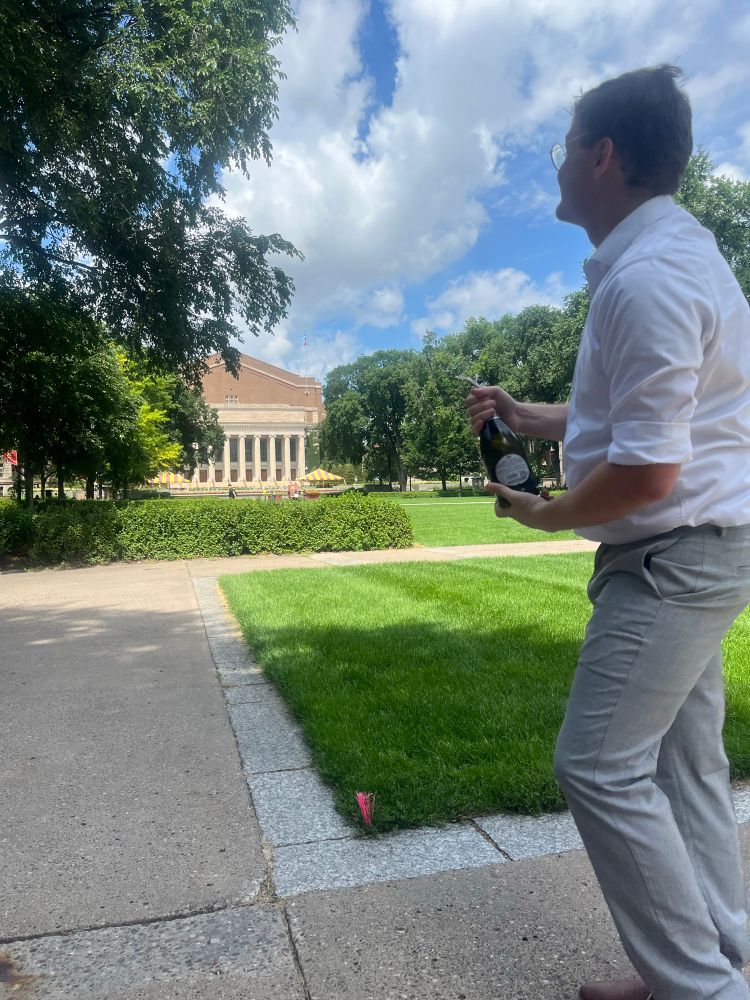
PhD defense day is always a great time to celebrate student accomplishments (awesome job Dr Cole Scholtz) and nab a new group pic!

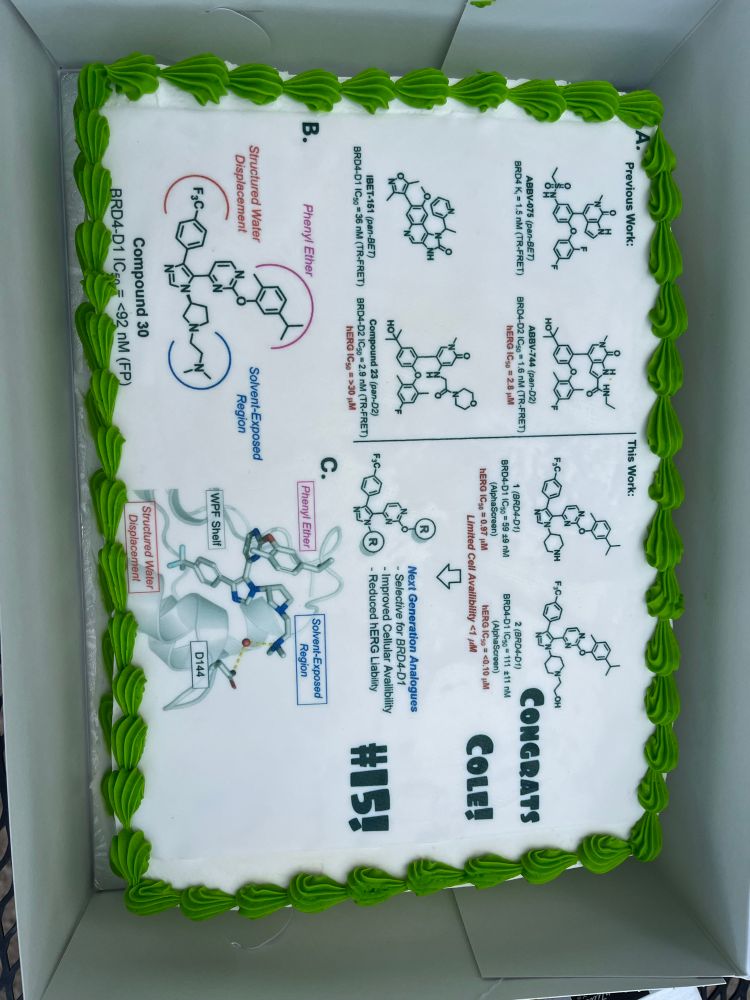
July 24, 2025 at 7:50 PM
PhD defense day is always a great time to celebrate student accomplishments (awesome job Dr Cole Scholtz) and nab a new group pic!
Annual July 4th coffee sale with Linus. Almost go time!

July 4, 2025 at 2:31 AM
Annual July 4th coffee sale with Linus. Almost go time!
Call for papers for a new special issue on covalent modulators. Consider submitting to ACS Med. Chem. Lett, J. Med. Chem. or ACS Chem. Biol.! pubs.acs.org/page/si/cova...
Exploring Covalent Modulators in Drug Discovery and Chemical Biology
pubs.acs.org
June 29, 2025 at 9:41 PM
Call for papers for a new special issue on covalent modulators. Consider submitting to ACS Med. Chem. Lett, J. Med. Chem. or ACS Chem. Biol.! pubs.acs.org/page/si/cova...
Got mine. Get 'em while they last
Bioorganic GRC is set! I got tired of the lack of swag so made a couple of unofficial tees. Order one if you want to support the conference (or simply enjoy strange looks in grocery stores).
Spirit: chembio-shop.fourthwall.com/products/grc...
World Tour: chembio-shop.fourthwall.com/products/spi...
Spirit: chembio-shop.fourthwall.com/products/grc...
World Tour: chembio-shop.fourthwall.com/products/spi...
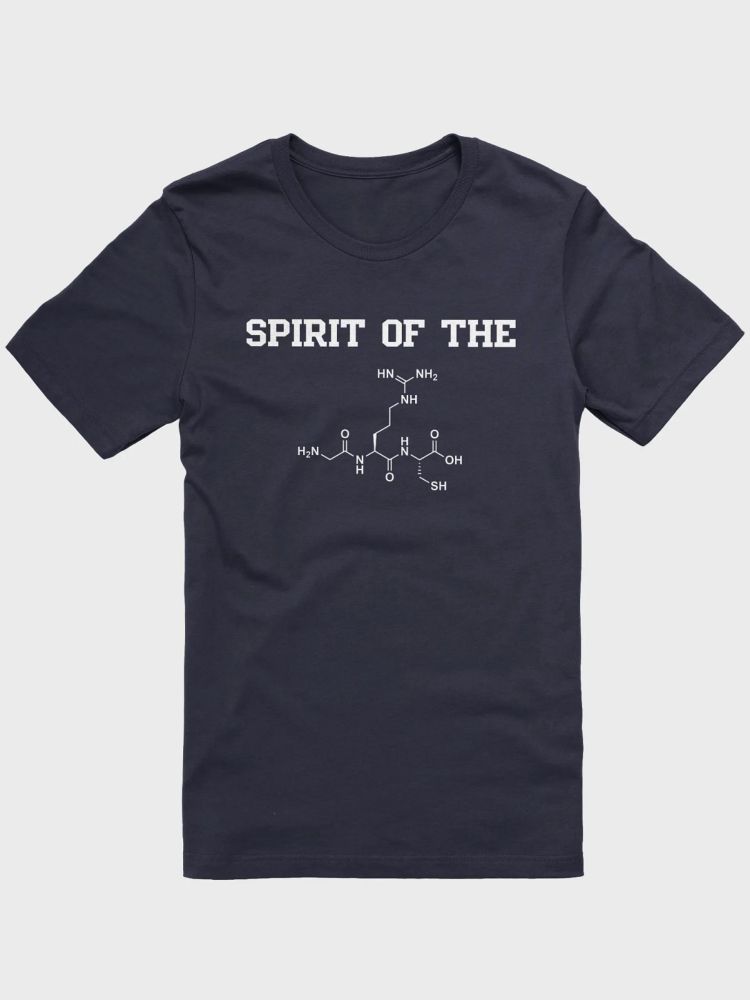
Spirit
Preliminary score: ND
chembio-shop.fourthwall.com
June 4, 2025 at 2:49 AM
Got mine. Get 'em while they last
Dont' forget to register for the 2025 Portoghese Lectureship Webinar on June 12th!
web.cvent.com/event/668f0f...
web.cvent.com/event/668f0f...
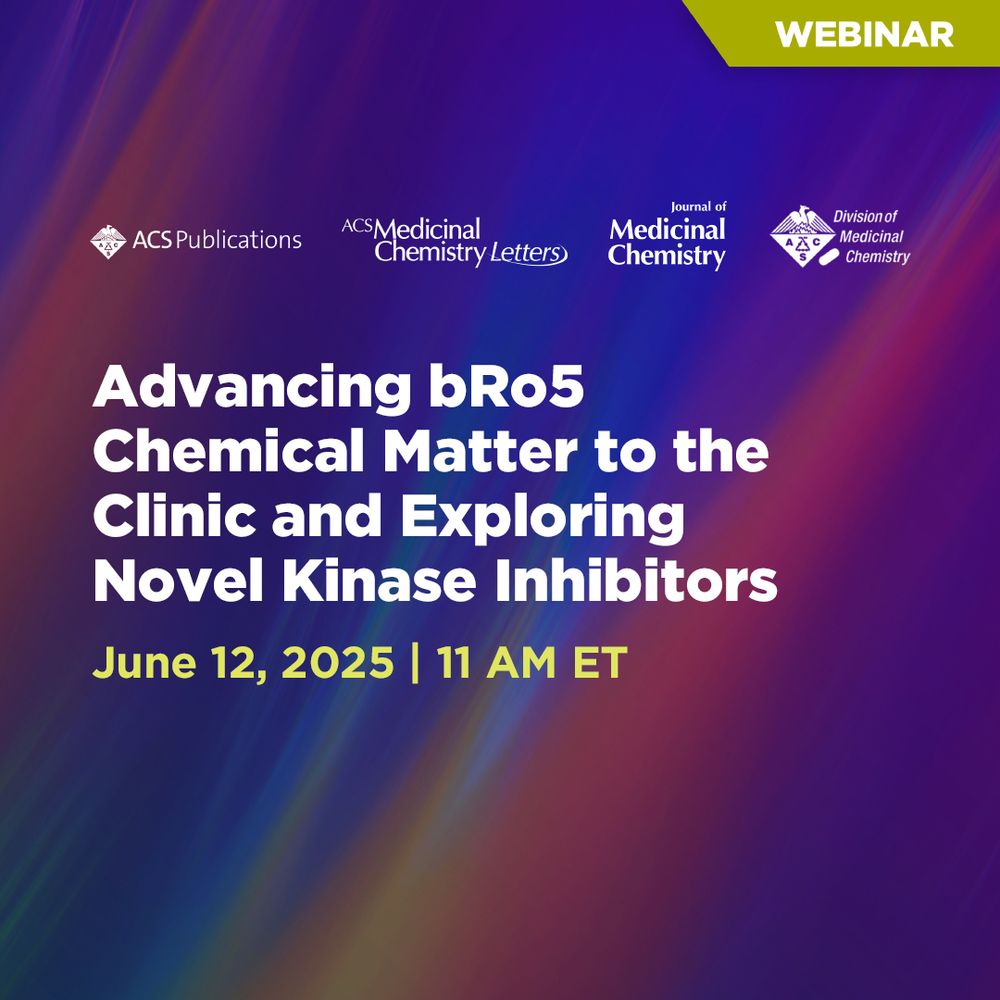
May 27, 2025 at 5:17 PM
Dont' forget to register for the 2025 Portoghese Lectureship Webinar on June 12th!
web.cvent.com/event/668f0f...
web.cvent.com/event/668f0f...
Reposted
Everyone in the past was neurotypical, which is how we got things like this single-author, eight-volume encyclopedia of ferns

May 6, 2025 at 1:20 PM
Everyone in the past was neurotypical, which is how we got things like this single-author, eight-volume encyclopedia of ferns
ACS MEDI degrader/induced proximity webinar about to start. Don't miss out!
May 7, 2025 at 5:27 PM
ACS MEDI degrader/induced proximity webinar about to start. Don't miss out!
This was a great collaboration with our UMN chemistry team and @mayoclinic.org collaborators, including Vijay Shah ad Harmeet Malhi @umnchemistry.bsky.social
And its finally out! Check out my recent article investigating the role of BRD4 in inflammation. But what excites me the most: we explore the safety side of things, and reduce the risk of BET side effects by >50 fold through more selective molecules.
pubs.acs.org/doi/10.1021/...
#chemsky
pubs.acs.org/doi/10.1021/...
#chemsky

Efficacy and Toxicity Analysis of Selective BET Bromodomain Inhibitors in Models of Inflammatory Liver Disease
BET bromodomain inhibitors demonstrate significant promise as anti-inflammatory agents. However, clinical data demonstrated that nonselective BET bromodomain inhibitors led to significant dose-limitin...
pubs.acs.org
April 16, 2025 at 3:00 AM
This was a great collaboration with our UMN chemistry team and @mayoclinic.org collaborators, including Vijay Shah ad Harmeet Malhi @umnchemistry.bsky.social
What are work retreats good for? Registering your first start up. Excited to take the plunge with Vijay Shah and Harmeet Malhi @mayoclinic.org for our LLC, BromoThera

March 8, 2025 at 11:07 PM
What are work retreats good for? Registering your first start up. Excited to take the plunge with Vijay Shah and Harmeet Malhi @mayoclinic.org for our LLC, BromoThera
Interesting read on the funding decline for medicinal chemistr projects. Might also help if JACS would support publishing more high impact med chem papers versus sending to J. Med. Chem. pubs.acs.org/doi/10.1021/...
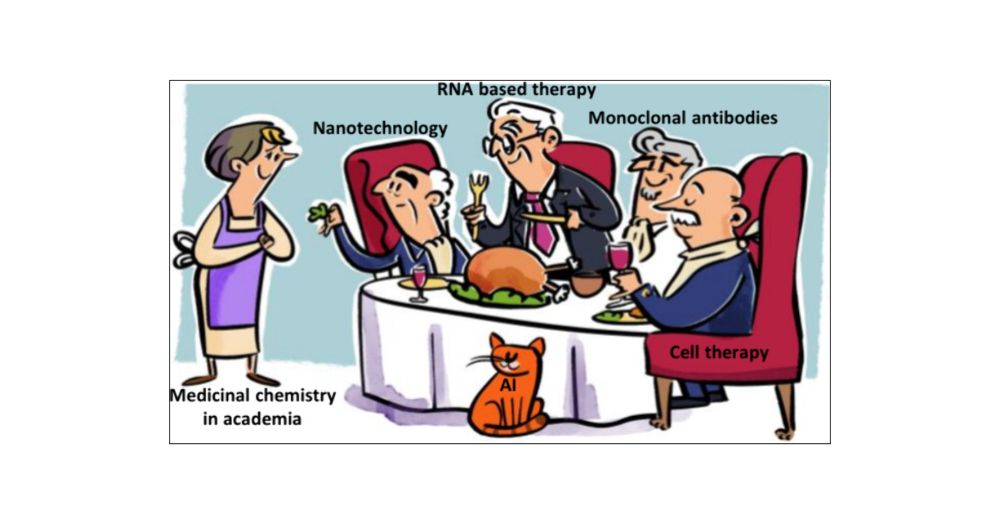
Evaluation of the Recent Dynamics for Funding Medicinal Chemistry Projects in Academia. Results of a Survey Conducted by IUPAC Division VII (Chemistry and Human Health)
Data collected from scholars across twenty-three countries over the past decade (2010–2019) reveals a 40% decrease in financial support for medicinal chemistry projects. The decline is especially notable among projects focused on small organic molecules. This drop in grants indicates a troubling trend that could jeopardize future drug development by undermining research in this crucial field. The reduction in funding not only affects ongoing research but also threatens the education and training of future medicinal chemists, potentially leading to a shortage of skilled professionals in the pharmaceutical industry. To counteract this negative trend, it is imperative for funding agencies, the pharmaceutical sector, and government bodies to take immediate action. Strengthening financial support is essential to sustain innovation in drug development and ensure the continued advancement of medicinal chemistry as a vital academic and practical discipline.
pubs.acs.org
February 21, 2025 at 2:43 PM
Interesting read on the funding decline for medicinal chemistr projects. Might also help if JACS would support publishing more high impact med chem papers versus sending to J. Med. Chem. pubs.acs.org/doi/10.1021/...
After a month of prep work, just received the news that the my NIH study section is cancelled for tomorrow. My heart goes out to all of the PIs who are waiting on the news for their proposals. This is also very unsettling for NIH funding in general
February 19, 2025 at 8:22 PM
After a month of prep work, just received the news that the my NIH study section is cancelled for tomorrow. My heart goes out to all of the PIs who are waiting on the news for their proposals. This is also very unsettling for NIH funding in general
Check out the newest virtual special issue at ACS Med Chem Lett and J. Med. Chem. highlighting the many faces of medicinal chemistry! pubs.acs.org/page/si/many... Editorial from Ashley Adams, Lori Ferrins, and Anna Junker @pubs.acs.org

Many Faces of Medicinal Chemistry
Published research on topics of current scientific interest.
pubs.acs.org
February 12, 2025 at 10:03 PM
Check out the newest virtual special issue at ACS Med Chem Lett and J. Med. Chem. highlighting the many faces of medicinal chemistry! pubs.acs.org/page/si/many... Editorial from Ashley Adams, Lori Ferrins, and Anna Junker @pubs.acs.org
A thoughtful summary of what was glaringly absent from the recent NIH notice
🧪⚛️ Here is a writeup about how university research works in the US, how indirect costs figure into this, what is going on and what the consequences may be. nanoscale.blogspot.com/2025/02/indi...
Indirect costs + potential unintended consequences
It's been another exciting week where I feel compelled to write about the practice of university-based research in the US. I've written ab...
nanoscale.blogspot.com
February 8, 2025 at 6:49 PM
A thoughtful summary of what was glaringly absent from the recent NIH notice
Reposted
“The impact of the collective executive orders and directives appears devastating.” scim.ag/40ureTO
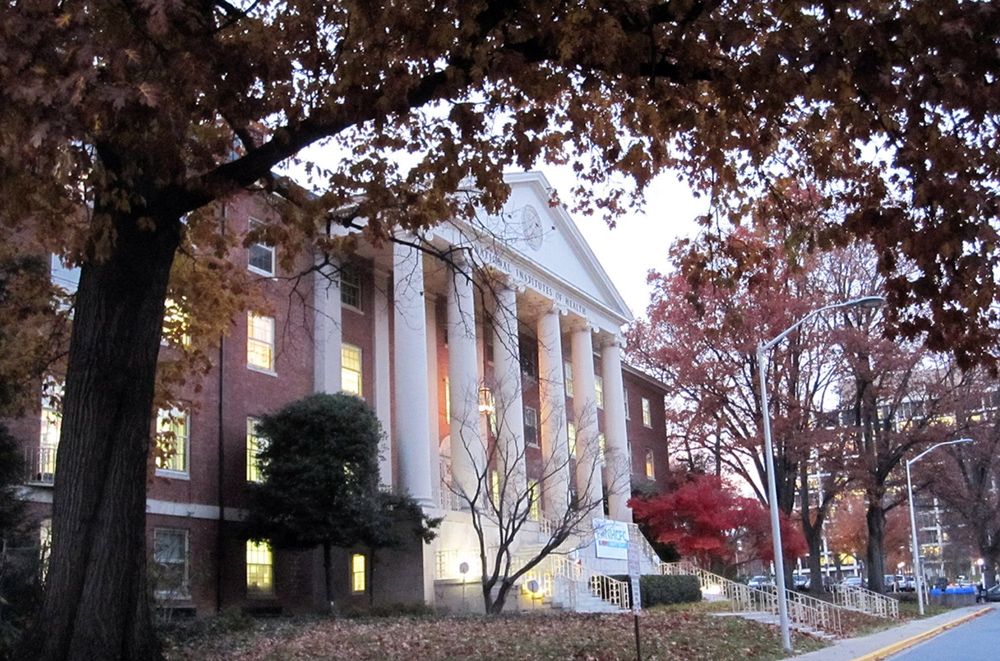
Trump hits NIH with ‘devastating’ freezes on meetings, travel, communications, and hiring
Researchers facing
scim.ag
January 22, 2025 at 11:28 PM
“The impact of the collective executive orders and directives appears devastating.” scim.ag/40ureTO
I finished up my NIH study sectionreviews today. I do this 3 times a year and it takes me about 3-4 weeks of part time effort. Im proud of this work, as it helps make the scientific enterprise better, amplifying good ideas, while providing critical feedback to others to make their science better.
February 8, 2025 at 5:52 PM
I finished up my NIH study sectionreviews today. I do this 3 times a year and it takes me about 3-4 weeks of part time effort. Im proud of this work, as it helps make the scientific enterprise better, amplifying good ideas, while providing critical feedback to others to make their science better.
For Chemical Biologists and Medicinal Chemists thinking about an engaging GRC-checkout the line-up for : www.grc.org/high-through... Chaired by @briandna.bsky.social and Deb Rothman. Still spots left for the GRC and GRS!
2025 High Throughput Chemistry and Chemical Biology Conference GRC
The 2025 Gordon Research Conference on High Throughput Chemistry and Chemical Biology will be held in New London, New Hampshire. Apply today to reserve your spot.
www.grc.org
February 2, 2025 at 10:11 PM
For Chemical Biologists and Medicinal Chemists thinking about an engaging GRC-checkout the line-up for : www.grc.org/high-through... Chaired by @briandna.bsky.social and Deb Rothman. Still spots left for the GRC and GRS!
Reposted

Only a few days left, and only a few seats left - do not miss this exceptional PSL Chemical Biology Symposium in Paris, with a fantastic lineup - Register now!!! We will be happy to meet you there - Deadline January 31st!!! www.pslchembiol.com

Paris, 27 - 28 February 2025
www.pslchembiol.com
January 25, 2025 at 7:32 PM
Only a few days left, and only a few seats left - do not miss this exceptional PSL Chemical Biology Symposium in Paris, with a fantastic lineup - Register now!!! We will be happy to meet you there - Deadline January 31st!!! www.pslchembiol.com
VERITAC-2 primary endpoint data collection is on Jan 31 this week. Could be quite a milestone day for the PROTAC community!
January 26, 2025 at 10:20 PM
VERITAC-2 primary endpoint data collection is on Jan 31 this week. Could be quite a milestone day for the PROTAC community!
Reposted

#NIH #medsky #scisky #researchsky #cdc #hhs #biosky #chemsky #4thReich
The losses we’re experiencing right now… he’s destroying years and years, possibly decades of work in some cases
www.cnn.com/2025/01/24/h...
The losses we’re experiencing right now… he’s destroying years and years, possibly decades of work in some cases
www.cnn.com/2025/01/24/h...

Scientists at NIH can’t purchase supplies for their studies after Trump administration pauses outside communications | CNN
Scientists at the National Institutes of Health have been told the communications pause announced by the Trump Administration earlier this week includes a pause on all purchasing, including supplies f...
www.cnn.com
January 26, 2025 at 3:31 PM
#NIH #medsky #scisky #researchsky #cdc #hhs #biosky #chemsky #4thReich
The losses we’re experiencing right now… he’s destroying years and years, possibly decades of work in some cases
www.cnn.com/2025/01/24/h...
The losses we’re experiencing right now… he’s destroying years and years, possibly decades of work in some cases
www.cnn.com/2025/01/24/h...