



BioInteractive
@biointeractive.bsky.social
Free resources for science education
Real science, real stories, and real data to engage students in exploring the living world.
Real science, real stories, and real data to engage students in exploring the living world.
Reposted by BioInteractive

Science teacher & HHMI BioInteractive Ambassador Samuel Washington Jr. draws students in with more than textbooks. “At first, kids love science—bugs, their bodies, the outdoors—but if you don’t tap into that natural curiosity, they lose it." Via @neatoday.bsky.social bit.ly/4pD1w9W 📸Shea Kastriner


January 22, 2026 at 6:13 PM
Science teacher & HHMI BioInteractive Ambassador Samuel Washington Jr. draws students in with more than textbooks. “At first, kids love science—bugs, their bodies, the outdoors—but if you don’t tap into that natural curiosity, they lose it." Via @neatoday.bsky.social bit.ly/4pD1w9W 📸Shea Kastriner
Reposted by BioInteractive

What is science? And why do we need it? In this episode of Crash Course Scientific Thinking with host @hankgreen.bsky.social, we explore how cognitive bias shapes the way we think about the world, and how scientific thinking can help us overcome it. youtu.be/d2r7Bk1NlgU

Introduction to Cognitive Bias: Crash Course Scientific Thinking #1
YouTube video by CrashCourse
youtu.be
January 20, 2026 at 11:17 PM
What is science? And why do we need it? In this episode of Crash Course Scientific Thinking with host @hankgreen.bsky.social, we explore how cognitive bias shapes the way we think about the world, and how scientific thinking can help us overcome it. youtu.be/d2r7Bk1NlgU
Reposted by BioInteractive
Hank Green will be lending his passion for science to the Crash Course screen as host of Crash Course Scientific Thinking. @hankgreen.bsky.social will be joined by special correspondent Sage "The Bad Naturalist" to help us understand foundational principles of scientific thought youtu.be/Y45KrixWRNg

Crash Course Scientific Thinking Preview
YouTube video by CrashCourse
youtu.be
January 13, 2026 at 5:38 PM
Hank Green will be lending his passion for science to the Crash Course screen as host of Crash Course Scientific Thinking. @hankgreen.bsky.social will be joined by special correspondent Sage "The Bad Naturalist" to help us understand foundational principles of scientific thought youtu.be/Y45KrixWRNg
Some exciting news from our friends at @thecrashcourse.bsky.social! And don't worry — we'll have classroom resources to accompany this series sometime this year. 💚💚💚
Coming soon: Crash Course Scientific Thinking. This 7-epsiode miniseries in partnership with HHMI Biointeractive will help understand peer review, consensus, what makes sources reliable (or not), and what “correlation doesn’t equal causation” actually means. Watch the course preview 1/13!

January 7, 2026 at 2:52 PM
Some exciting news from our friends at @thecrashcourse.bsky.social! And don't worry — we'll have classroom resources to accompany this series sometime this year. 💚💚💚
Reposted by BioInteractive
NYE fireworks < neurons expressing iGluSnFR3!
Developed at our Janelia Research Campus, iGluSnFR3 is a fluorescent sensor designed to rapidly detect & image glutamate — our brains' main chemical messenger — allowing researchers to observe (dazzling) neural communication as it happens. 🎆
Developed at our Janelia Research Campus, iGluSnFR3 is a fluorescent sensor designed to rapidly detect & image glutamate — our brains' main chemical messenger — allowing researchers to observe (dazzling) neural communication as it happens. 🎆
December 31, 2025 at 4:49 PM
NYE fireworks < neurons expressing iGluSnFR3!
Developed at our Janelia Research Campus, iGluSnFR3 is a fluorescent sensor designed to rapidly detect & image glutamate — our brains' main chemical messenger — allowing researchers to observe (dazzling) neural communication as it happens. 🎆
Developed at our Janelia Research Campus, iGluSnFR3 is a fluorescent sensor designed to rapidly detect & image glutamate — our brains' main chemical messenger — allowing researchers to observe (dazzling) neural communication as it happens. 🎆
Reposted by BioInteractive
"Having this experience … allowed me to explore my interests, goals, & work towards what I want to do in the future.” — Ariana Rodriguez, Summer Undergraduate Research Program alum 🧪
Rising junior or senior? Apply by Dec. 22 — no lab experience required! bit.ly/CechFellows
Rising junior or senior? Apply by Dec. 22 — no lab experience required! bit.ly/CechFellows
December 9, 2025 at 6:17 PM
"Having this experience … allowed me to explore my interests, goals, & work towards what I want to do in the future.” — Ariana Rodriguez, Summer Undergraduate Research Program alum 🧪
Rising junior or senior? Apply by Dec. 22 — no lab experience required! bit.ly/CechFellows
Rising junior or senior? Apply by Dec. 22 — no lab experience required! bit.ly/CechFellows
Reposted by BioInteractive
A perfect model for coming together this season: mouse skeletal muscles undergoing fusion, obviously.
In this mesmerizing confocal microscopy video, nuclei are labeled in green & cell bodies are labeled in red. Credit: Yue Lu, Elizabeth Chen Lab, University of Texas Southwestern Medical Center
In this mesmerizing confocal microscopy video, nuclei are labeled in green & cell bodies are labeled in red. Credit: Yue Lu, Elizabeth Chen Lab, University of Texas Southwestern Medical Center
November 28, 2025 at 9:18 PM
A perfect model for coming together this season: mouse skeletal muscles undergoing fusion, obviously.
In this mesmerizing confocal microscopy video, nuclei are labeled in green & cell bodies are labeled in red. Credit: Yue Lu, Elizabeth Chen Lab, University of Texas Southwestern Medical Center
In this mesmerizing confocal microscopy video, nuclei are labeled in green & cell bodies are labeled in red. Credit: Yue Lu, Elizabeth Chen Lab, University of Texas Southwestern Medical Center
🔬Attention undergraduate educators! Please share this exciting research and mentorship opportunity with your students. 🔬 #AcademicSky
Calling all rising juniors & seniors: Interested in biological or biomedical research? Applications for our ’26 Summer Undergraduate Research Experience Program are now open! Nine weeks, hands-on research, & mentorship from some of the nation’s top scientists — learn more: bit.ly/CechFellows

Summer Undergraduate Research Experience | HHMI
The Cech Fellows Program is a paid, nine-week summer research experience empowering the next generation of scientific leaders.
bit.ly
November 18, 2025 at 4:57 PM
🔬Attention undergraduate educators! Please share this exciting research and mentorship opportunity with your students. 🔬 #AcademicSky
Because of ongoing issues with Cloudflare, the BioInteractive website may be temporarily unavailable. Thank you for your patience.
November 18, 2025 at 2:43 PM
Because of ongoing issues with Cloudflare, the BioInteractive website may be temporarily unavailable. Thank you for your patience.
Reposted by BioInteractive
The world’s “most dangerous animal” just got easier to study 🦟
HHMI’s @leslievosshall.bsky.social & #VosshallLab at @rockefeller.edu have built the 1st cellular atlas of Aedes aegypti, mapping everything from legs to antennae. Available now to all researchers, & the public: bit.ly/4oO4MzB
HHMI’s @leslievosshall.bsky.social & #VosshallLab at @rockefeller.edu have built the 1st cellular atlas of Aedes aegypti, mapping everything from legs to antennae. Available now to all researchers, & the public: bit.ly/4oO4MzB

Researchers release the world’s first head-to-toe cellular atlas of the mosquito - News
The atlas makes the most dangerous animal in the world a lot easier to study—and perhaps defeat one day.
bit.ly
November 3, 2025 at 6:50 PM
The world’s “most dangerous animal” just got easier to study 🦟
HHMI’s @leslievosshall.bsky.social & #VosshallLab at @rockefeller.edu have built the 1st cellular atlas of Aedes aegypti, mapping everything from legs to antennae. Available now to all researchers, & the public: bit.ly/4oO4MzB
HHMI’s @leslievosshall.bsky.social & #VosshallLab at @rockefeller.edu have built the 1st cellular atlas of Aedes aegypti, mapping everything from legs to antennae. Available now to all researchers, & the public: bit.ly/4oO4MzB
Reposted by BioInteractive

The first detailed look at how mosquitoes mate from @leslievosshall.bsky.social's lab reverses the assumption that male mosquitoes control the process, finding that a subtle female behavior dictates whether mating will take place or not. @currentbiology.bsky.social
More here: https://bit.ly/4huwEpL
More here: https://bit.ly/4huwEpL

October 28, 2025 at 4:23 PM
The first detailed look at how mosquitoes mate from @leslievosshall.bsky.social's lab reverses the assumption that male mosquitoes control the process, finding that a subtle female behavior dictates whether mating will take place or not. @currentbiology.bsky.social
More here: https://bit.ly/4huwEpL
More here: https://bit.ly/4huwEpL
Reposted by BioInteractive
4 HHMI Investigators have been elected to the @nam.edu!
Election to the Academy is considered one of the highest honors in the fields of health and medicine. Learn how these investigators are advancing our understanding of biology and human health: hhmi.news/4oxodfS #NAMmtg
Election to the Academy is considered one of the highest honors in the fields of health and medicine. Learn how these investigators are advancing our understanding of biology and human health: hhmi.news/4oxodfS #NAMmtg

October 20, 2025 at 6:12 PM
4 HHMI Investigators have been elected to the @nam.edu!
Election to the Academy is considered one of the highest honors in the fields of health and medicine. Learn how these investigators are advancing our understanding of biology and human health: hhmi.news/4oxodfS #NAMmtg
Election to the Academy is considered one of the highest honors in the fields of health and medicine. Learn how these investigators are advancing our understanding of biology and human health: hhmi.news/4oxodfS #NAMmtg
We are aware that the BioInteractive site may be loading slowly for some users (or not loading at all). We are working to address this issue. Thank you for your patience!
September 2, 2025 at 3:47 PM
We are aware that the BioInteractive site may be loading slowly for some users (or not loading at all). We are working to address this issue. Thank you for your patience!
New to BioInteractive and not sure where to start? If you'd like free resources for the life science classroom, join us for a workshop will introduce you to our materials and connect you with a community of life science educators. www.biointeractive.org/professional...
Unlocking the Power of BioInteractive: Empowering Teachers with Dynamic Tools for Engaging Science Education
www.biointeractive.org
July 22, 2025 at 1:49 PM
New to BioInteractive and not sure where to start? If you'd like free resources for the life science classroom, join us for a workshop will introduce you to our materials and connect you with a community of life science educators. www.biointeractive.org/professional...
Reposted by BioInteractive
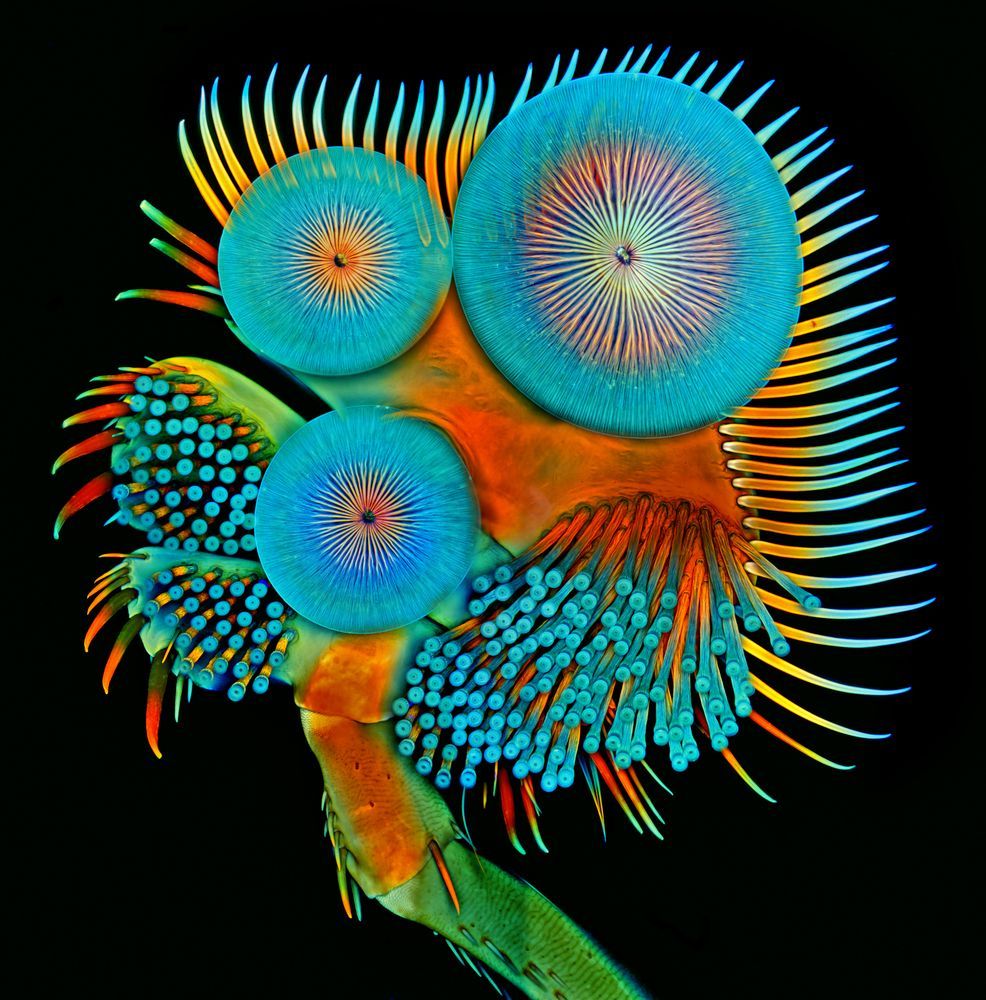
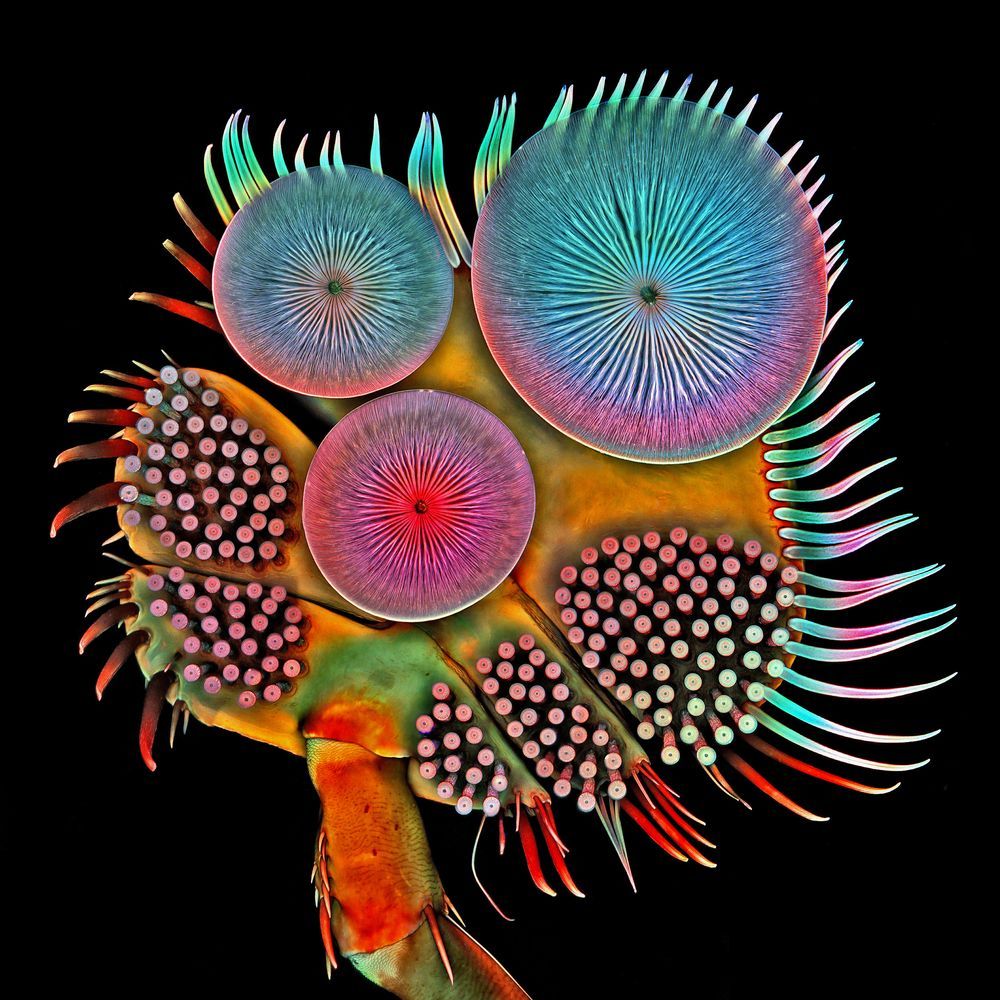
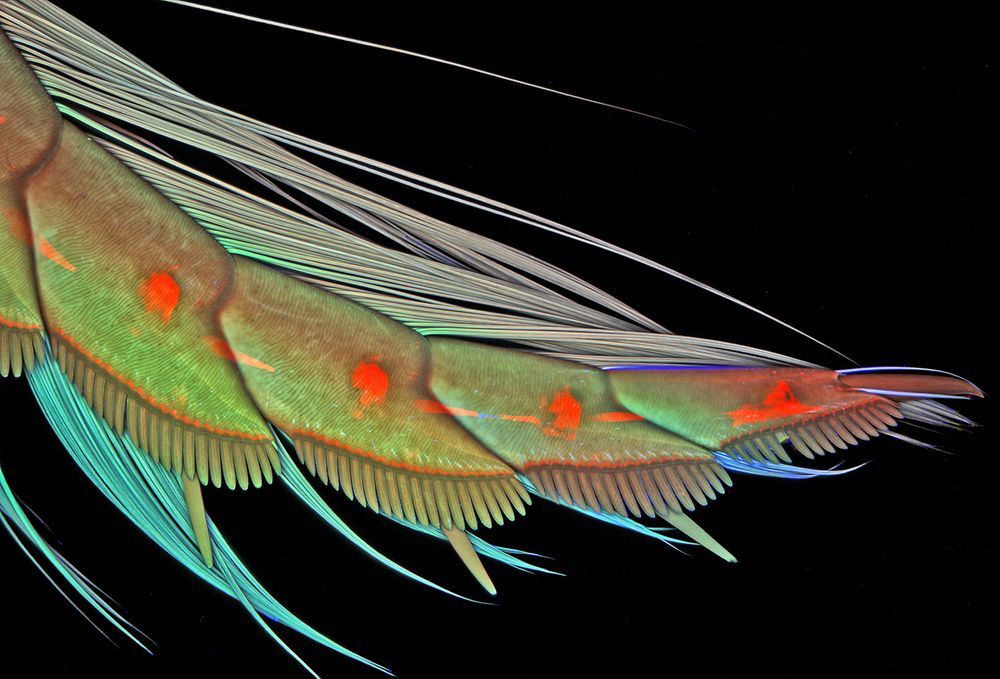
Igor Siwanowicz created these images of the underside of the front foot of a male diving beetle. You can see suction cups that are used during mating, as well as a broad plate and exterior spines that aid in swimming.
July 15, 2025 at 4:15 PM
Igor Siwanowicz created these images of the underside of the front foot of a male diving beetle. You can see suction cups that are used during mating, as well as a broad plate and exterior spines that aid in swimming.
Reposted by BioInteractive

📣Last Call to all librarians! Don't miss your chance to apply for “Flight Path” and bring fun, engaging, FREE resources about the science of bird migration to your library.
Applications are open until July 10.
Apply Today: community.starnetlibraries.org/flightpathap...
Applications are open until July 10.
Apply Today: community.starnetlibraries.org/flightpathap...

July 7, 2025 at 7:36 PM
📣Last Call to all librarians! Don't miss your chance to apply for “Flight Path” and bring fun, engaging, FREE resources about the science of bird migration to your library.
Applications are open until July 10.
Apply Today: community.starnetlibraries.org/flightpathap...
Applications are open until July 10.
Apply Today: community.starnetlibraries.org/flightpathap...
Reposted by BioInteractive
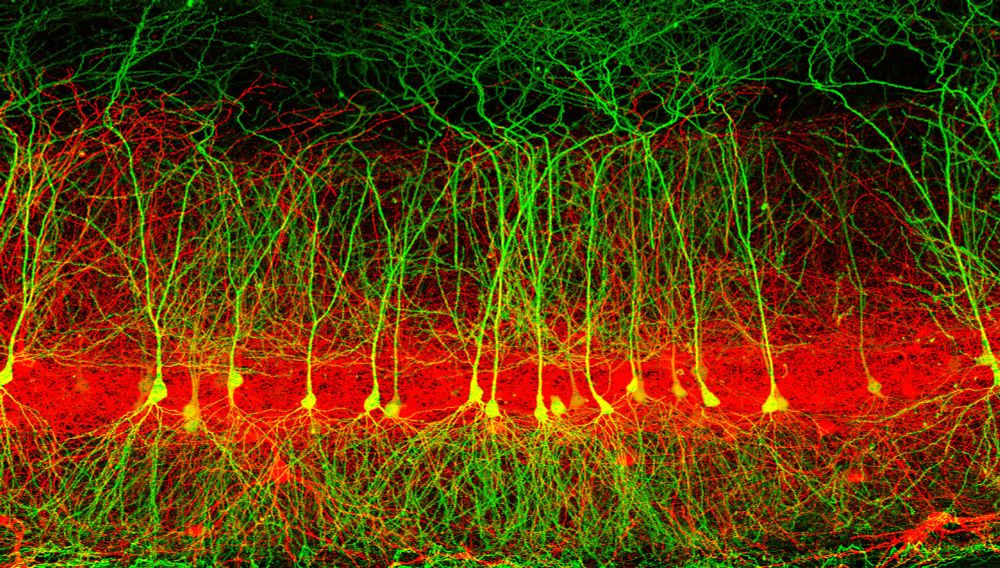
This fiery mixture of red and green neurons in the brain of a mouse shows how interconnected different types of neurons can be. Shown in green are the excitatory pyramidal neurons, and in red are inhibitory interneurons.
Credit: Nelson Spruston and Erik Bloss, @hhmijanelia.bsky.social
Credit: Nelson Spruston and Erik Bloss, @hhmijanelia.bsky.social
June 17, 2025 at 5:41 PM
This fiery mixture of red and green neurons in the brain of a mouse shows how interconnected different types of neurons can be. Shown in green are the excitatory pyramidal neurons, and in red are inhibitory interneurons.
Credit: Nelson Spruston and Erik Bloss, @hhmijanelia.bsky.social
Credit: Nelson Spruston and Erik Bloss, @hhmijanelia.bsky.social
Reposted by BioInteractive

🖥️ STIM, a new tool developed at Janelia & @mdc-berlin.bsky.social, aligns sections of irregularly spaced 2D spatial transcriptomics data & renders them as images to reconstruct 3D volumes of gene expression, allowing researchers to see how all genes are expressed & organized in 3D tissue. 🧬
June 13, 2025 at 2:55 PM
🖥️ STIM, a new tool developed at Janelia & @mdc-berlin.bsky.social, aligns sections of irregularly spaced 2D spatial transcriptomics data & renders them as images to reconstruct 3D volumes of gene expression, allowing researchers to see how all genes are expressed & organized in 3D tissue. 🧬
Reposted by BioInteractive
The spore, the merrier. 🌿
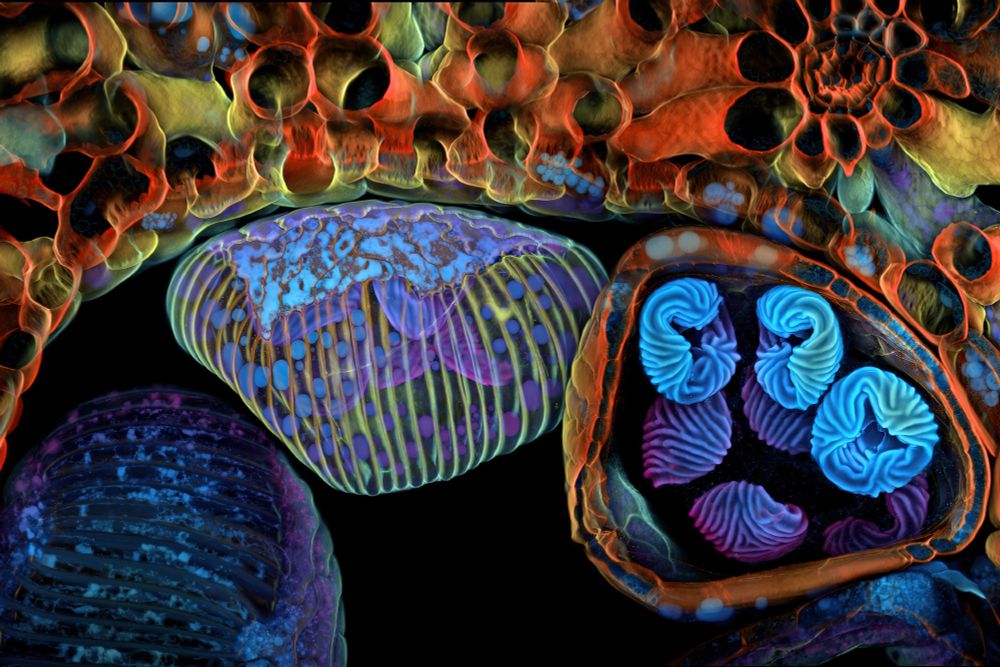
This image shows a cross section through the reproductive region of a fern (Ceratopteris richardii), revealing its intricate internal structures. The blue and purple ovals are spores, which ferns use to reproduce and spread.
This image shows a cross section through the reproductive region of a fern (Ceratopteris richardii), revealing its intricate internal structures. The blue and purple ovals are spores, which ferns use to reproduce and spread.
May 30, 2025 at 4:32 PM
The spore, the merrier. 🌿
This image shows a cross section through the reproductive region of a fern (Ceratopteris richardii), revealing its intricate internal structures. The blue and purple ovals are spores, which ferns use to reproduce and spread.
This image shows a cross section through the reproductive region of a fern (Ceratopteris richardii), revealing its intricate internal structures. The blue and purple ovals are spores, which ferns use to reproduce and spread.
Reposted by BioInteractive
On the sidelines no more: New research from @hhmijanelia.bsky.social shows astrocytes are active players in neuromodulation.
Read more: bit.ly/4jaNyJi
Read more: bit.ly/4jaNyJi
May 21, 2025 at 2:56 PM
On the sidelines no more: New research from @hhmijanelia.bsky.social shows astrocytes are active players in neuromodulation.
Read more: bit.ly/4jaNyJi
Read more: bit.ly/4jaNyJi
Reposted by BioInteractive
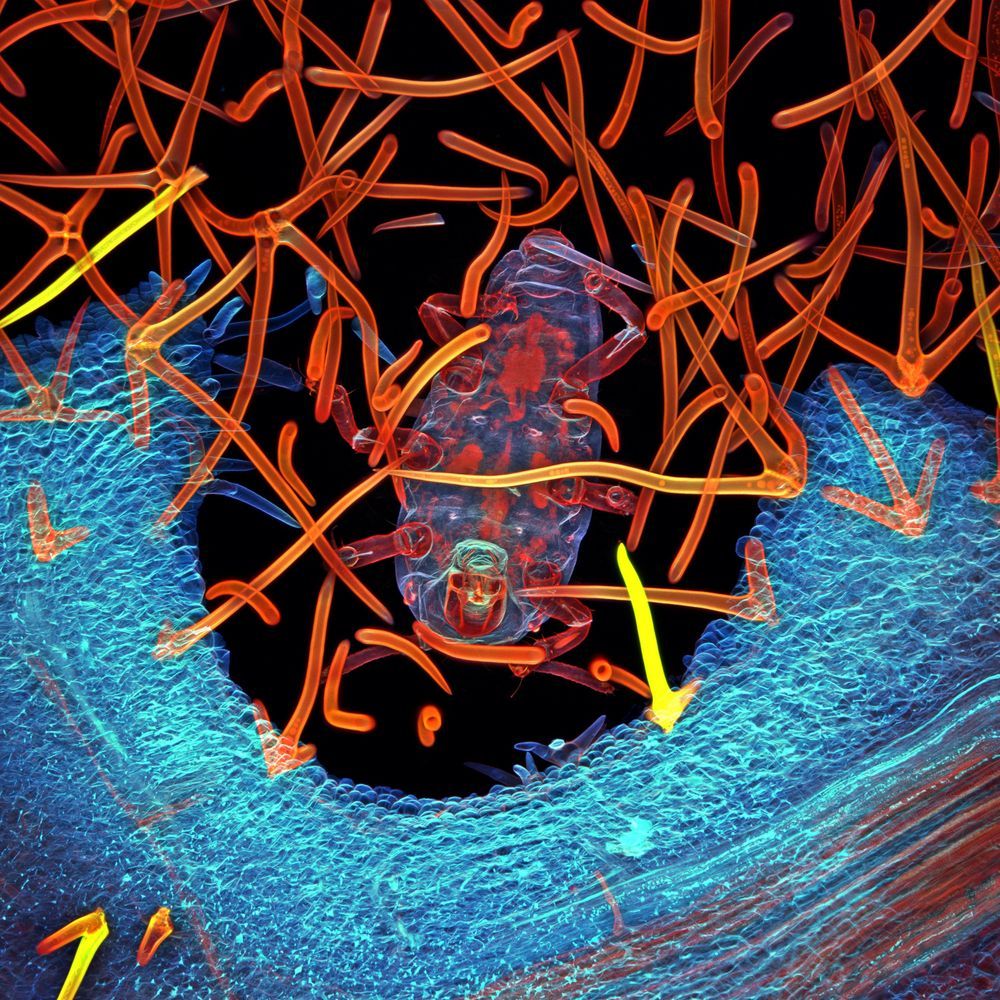
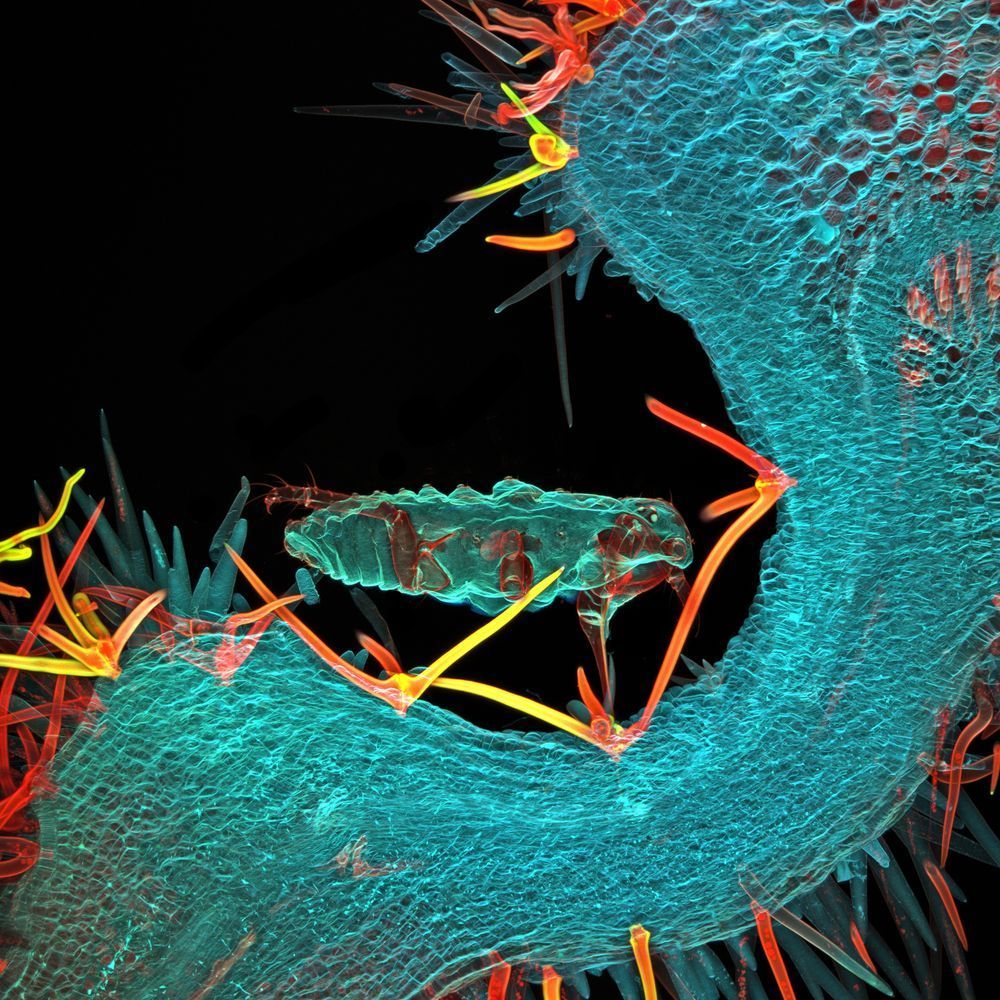
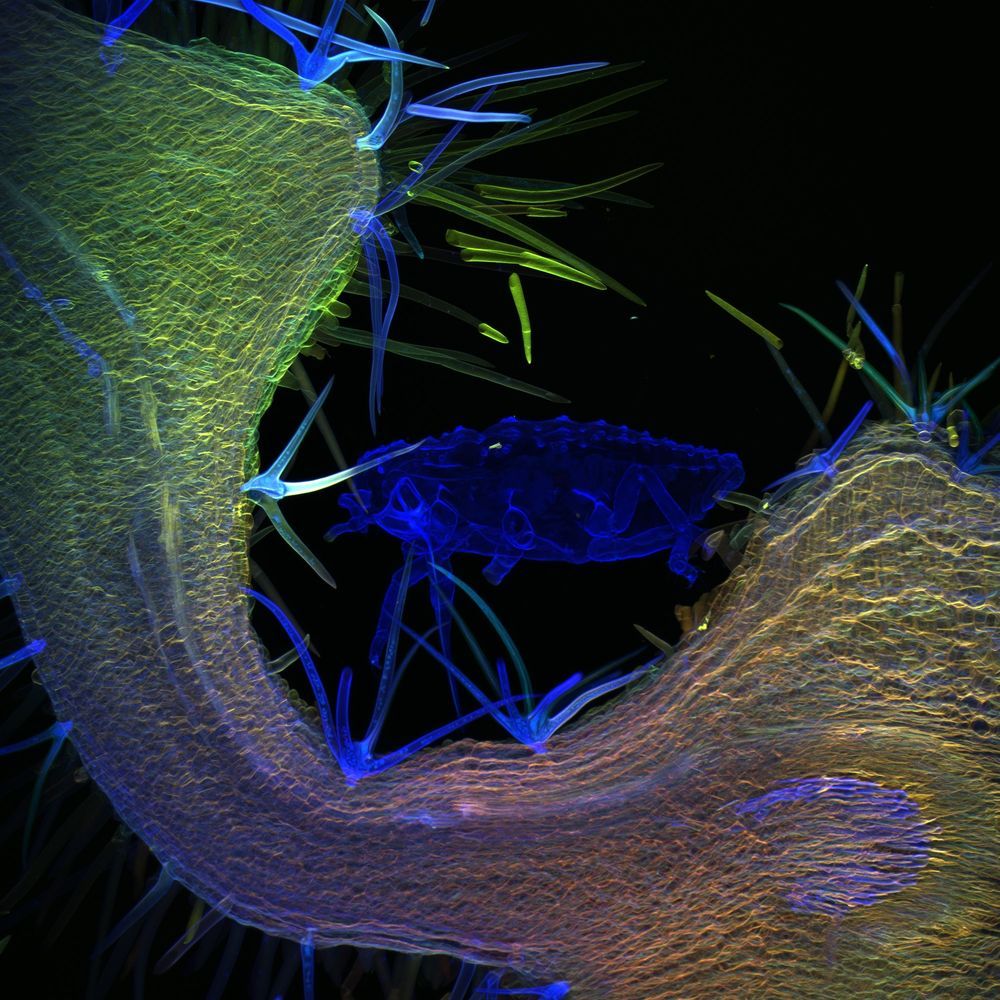
David Stern and Igor Siwanowicz @hhmijanelia.bsky.social, created this image which shows a female aphid nymph that just started inducing the formation of a gall in the tissues of a budding witch hazel leaf.
May 19, 2025 at 3:37 PM
David Stern and Igor Siwanowicz @hhmijanelia.bsky.social, created this image which shows a female aphid nymph that just started inducing the formation of a gall in the tissues of a budding witch hazel leaf.
Reposted by BioInteractive
Are you are someone you know looking for high-quality, free science teaching resources?
@biointeractive.bsky.social is now on LinkedIn — follow them for classroom-ready tools, award-winning videos, & free professional development for educators.
linkedin.com/showcase/biointeractive 👈 #Science
@biointeractive.bsky.social is now on LinkedIn — follow them for classroom-ready tools, award-winning videos, & free professional development for educators.
linkedin.com/showcase/biointeractive 👈 #Science
May 15, 2025 at 2:42 PM
Are you are someone you know looking for high-quality, free science teaching resources?
@biointeractive.bsky.social is now on LinkedIn — follow them for classroom-ready tools, award-winning videos, & free professional development for educators.
linkedin.com/showcase/biointeractive 👈 #Science
@biointeractive.bsky.social is now on LinkedIn — follow them for classroom-ready tools, award-winning videos, & free professional development for educators.
linkedin.com/showcase/biointeractive 👈 #Science
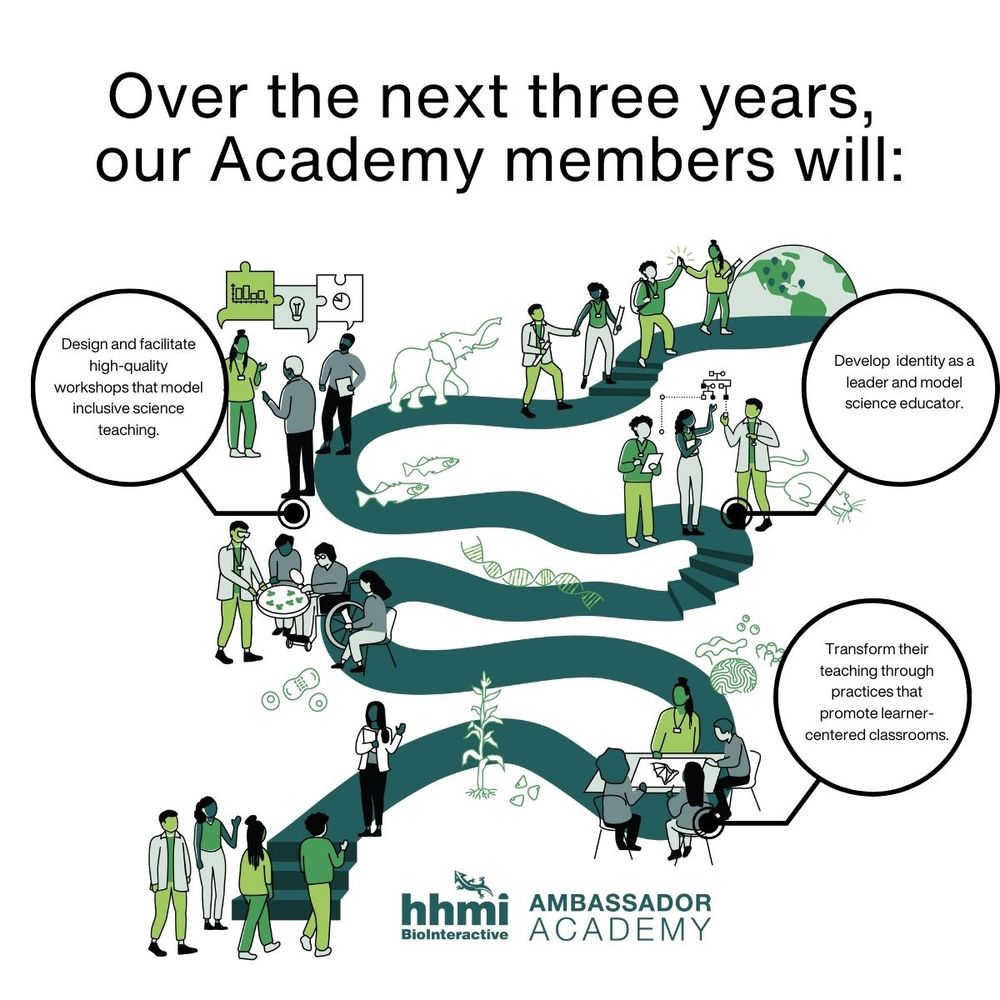
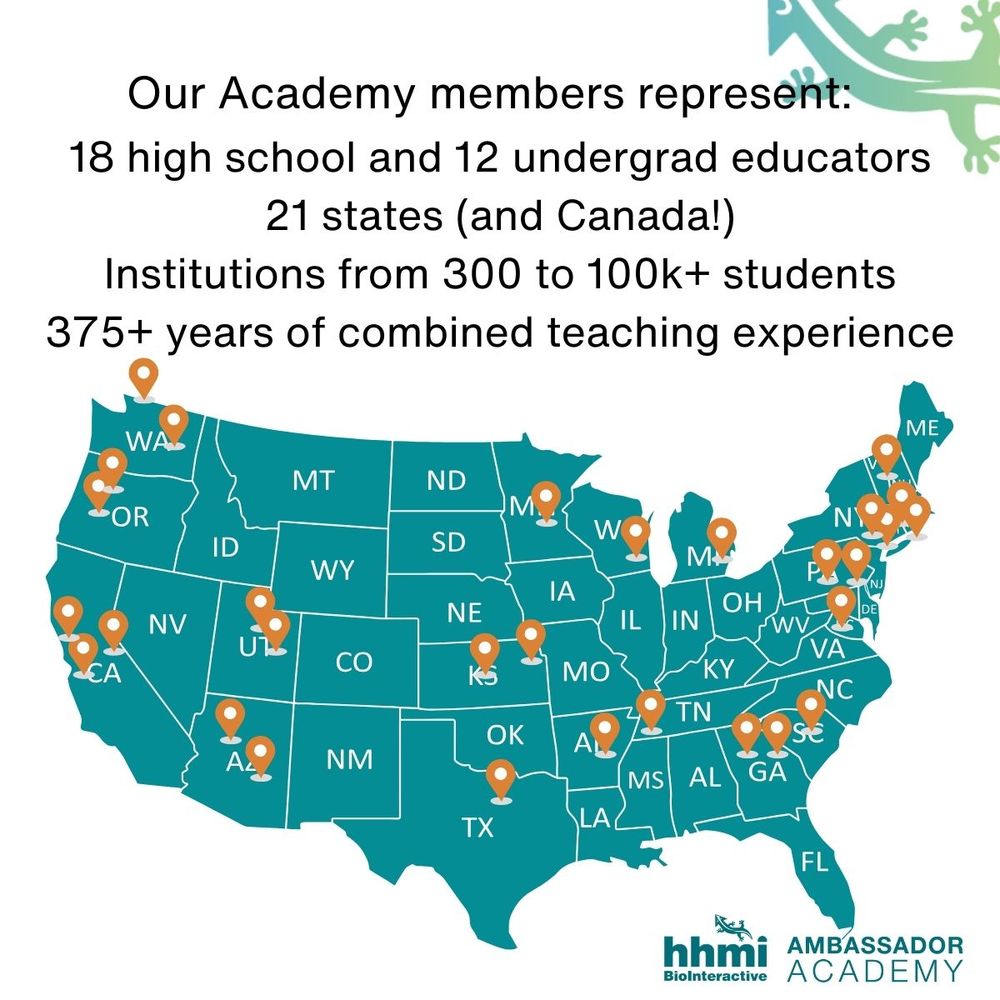
🗣️🗣️🗣️Announcing the second HHMI BioInteractive Ambassador Academy Cohort! 🗣️🗣️🗣️
These educators will engage in a three-year program on utilizing evidence-based practices and facilitating workshops for other educators. Join us in congratulating them! www.biointeractive.org/professional...
These educators will engage in a three-year program on utilizing evidence-based practices and facilitating workshops for other educators. Join us in congratulating them! www.biointeractive.org/professional...
May 12, 2025 at 3:42 PM
🗣️🗣️🗣️Announcing the second HHMI BioInteractive Ambassador Academy Cohort! 🗣️🗣️🗣️
These educators will engage in a three-year program on utilizing evidence-based practices and facilitating workshops for other educators. Join us in congratulating them! www.biointeractive.org/professional...
These educators will engage in a three-year program on utilizing evidence-based practices and facilitating workshops for other educators. Join us in congratulating them! www.biointeractive.org/professional...
Reposted by BioInteractive
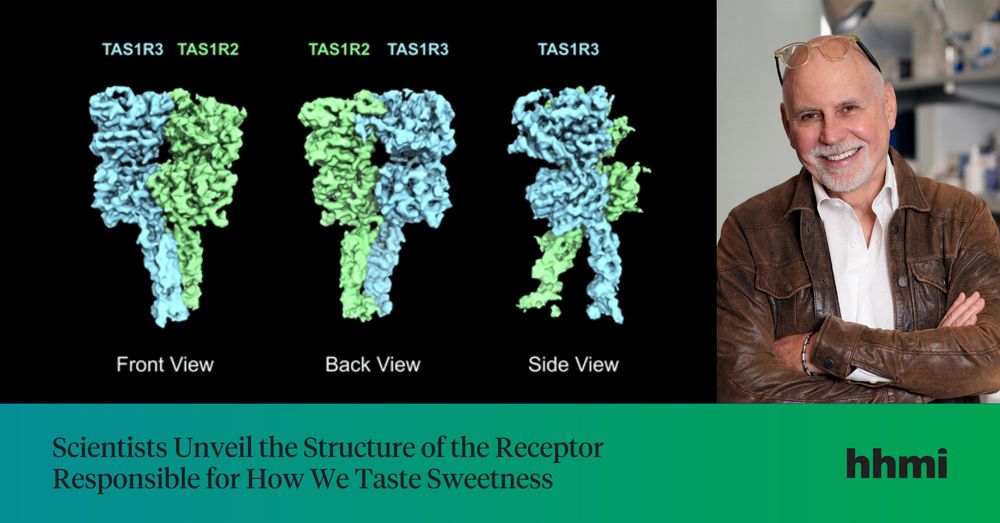
How do we taste sweetness?
HHMI Investigator Charles Zuker’s lab at @columbiauniversity.bsky.social just revealed the structure of the human sweet receptor. This discovery could help cut sugar without cutting taste—unlocking big possibilities for the future of food.
Read more: hhmi.news/3F0plr4
HHMI Investigator Charles Zuker’s lab at @columbiauniversity.bsky.social just revealed the structure of the human sweet receptor. This discovery could help cut sugar without cutting taste—unlocking big possibilities for the future of food.
Read more: hhmi.news/3F0plr4
May 8, 2025 at 1:04 PM
How do we taste sweetness?
HHMI Investigator Charles Zuker’s lab at @columbiauniversity.bsky.social just revealed the structure of the human sweet receptor. This discovery could help cut sugar without cutting taste—unlocking big possibilities for the future of food.
Read more: hhmi.news/3F0plr4
HHMI Investigator Charles Zuker’s lab at @columbiauniversity.bsky.social just revealed the structure of the human sweet receptor. This discovery could help cut sugar without cutting taste—unlocking big possibilities for the future of food.
Read more: hhmi.news/3F0plr4