


Pravin chavda
@pravin1964.bsky.social
Reposted by Pravin chavda

The new CERN Courier looks ahead, to the future of particle physics - and back to the outstanding year of 1964. The story of quarkonia spans all six decades, and its final chapter is now being written. Plus: data preservation, X17, dark energy and more.
cerncourier.com/p/magazine/
cerncourier.com/p/magazine/

Magazine – CERN Courier
cerncourier.com
September 9, 2025 at 9:03 AM
The new CERN Courier looks ahead, to the future of particle physics - and back to the outstanding year of 1964. The story of quarkonia spans all six decades, and its final chapter is now being written. Plus: data preservation, X17, dark energy and more.
cerncourier.com/p/magazine/
cerncourier.com/p/magazine/
Reposted by Pravin chavda

Spectacular: Star cluster NGC 1755 resembles a pinch of salt strewn on a jet-black tablecloth in this image. It's 120 light-years from side to side
Despite this impressive breadth, NGC 1755 is in the smaller class of star clusters
(Credit: ESA/Hubble & NASA, A. Milone, G. Gilmore)
Despite this impressive breadth, NGC 1755 is in the smaller class of star clusters
(Credit: ESA/Hubble & NASA, A. Milone, G. Gilmore)

September 6, 2025 at 4:17 PM
Spectacular: Star cluster NGC 1755 resembles a pinch of salt strewn on a jet-black tablecloth in this image. It's 120 light-years from side to side
Despite this impressive breadth, NGC 1755 is in the smaller class of star clusters
(Credit: ESA/Hubble & NASA, A. Milone, G. Gilmore)
Despite this impressive breadth, NGC 1755 is in the smaller class of star clusters
(Credit: ESA/Hubble & NASA, A. Milone, G. Gilmore)
Reposted by Pravin chavda
Extremely rare Solar halo spotted during sunrise 🌅

February 17, 2025 at 10:19 AM
Extremely rare Solar halo spotted during sunrise 🌅
Reposted by Pravin chavda

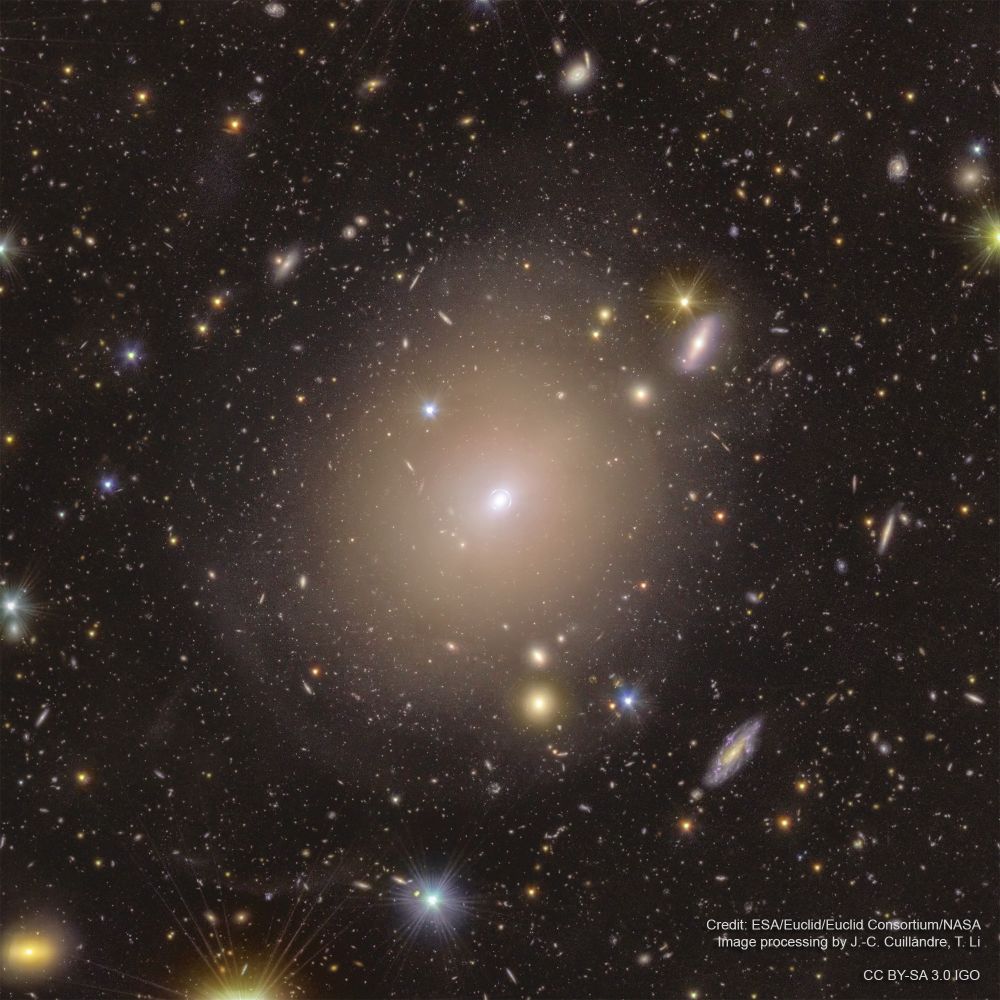
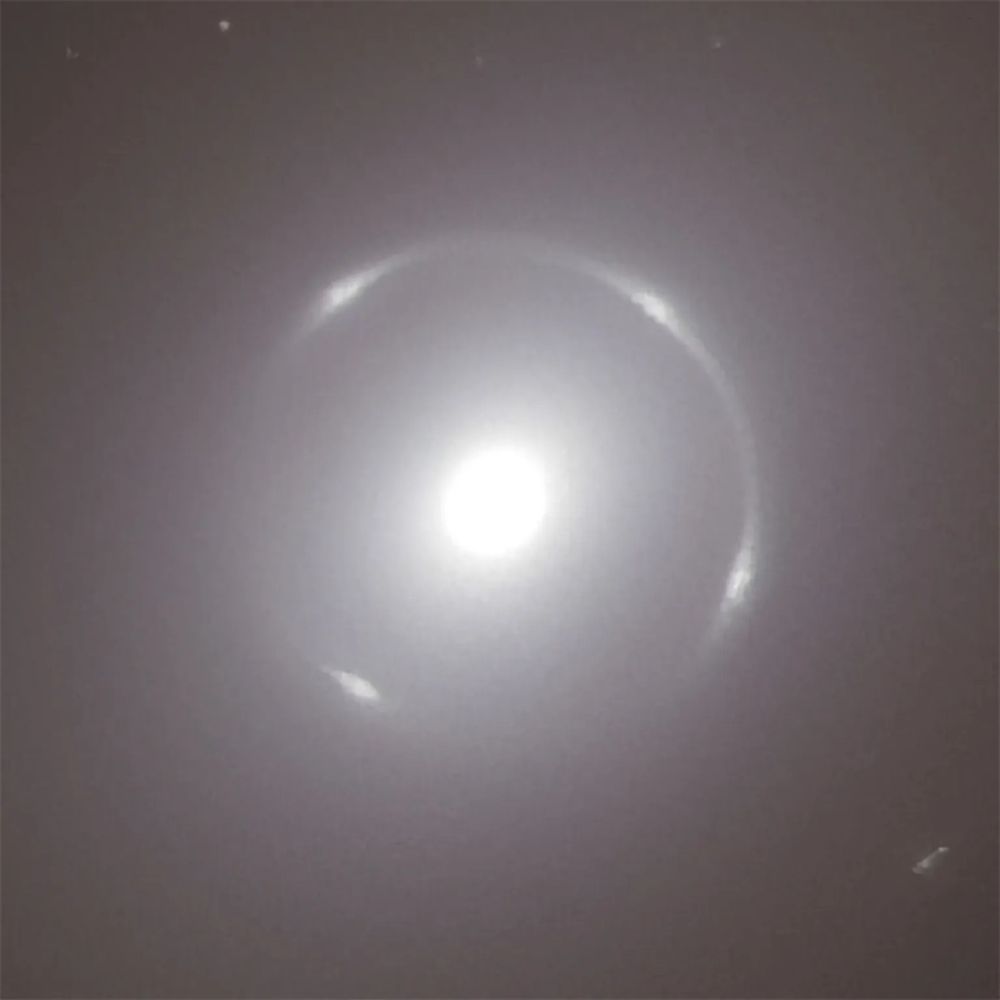
if you zoom into this image from euclid, you can see a beautiful einstein ring at the center of the galaxy ngc 6505 🌌
February 10, 2025 at 9:21 PM
if you zoom into this image from euclid, you can see a beautiful einstein ring at the center of the galaxy ngc 6505 🌌
Reposted by Pravin chavda

🔭 The Universe is a dusty place.
This NASA/ESA Hubble Space Telescope picture shows swirling clouds of gas and dust near the Tarantula Nebula, the most productive star-forming region in the nearby Universe, home to the most massive stars known.
This NASA/ESA Hubble Space Telescope picture shows swirling clouds of gas and dust near the Tarantula Nebula, the most productive star-forming region in the nearby Universe, home to the most massive stars known.

February 10, 2025 at 2:04 PM
🔭 The Universe is a dusty place.
This NASA/ESA Hubble Space Telescope picture shows swirling clouds of gas and dust near the Tarantula Nebula, the most productive star-forming region in the nearby Universe, home to the most massive stars known.
This NASA/ESA Hubble Space Telescope picture shows swirling clouds of gas and dust near the Tarantula Nebula, the most productive star-forming region in the nearby Universe, home to the most massive stars known.
Reposted by Pravin chavda
these webb/hubble images are truly incredible. the fact that we can see the universe in different wavelengths of light and spot so many unseen details is mind-blowing 🌌


February 9, 2025 at 3:23 AM
these webb/hubble images are truly incredible. the fact that we can see the universe in different wavelengths of light and spot so many unseen details is mind-blowing 🌌
Reposted by Pravin chavda

A clear 'Bluesky' Thursday afternoon Moon. Crisp and cold! 65% waxing gibbous #astronomy #astrophotography @stormhour.bsky.social @photohour.bsky.social

February 6, 2025 at 3:51 PM
A clear 'Bluesky' Thursday afternoon Moon. Crisp and cold! 65% waxing gibbous #astronomy #astrophotography @stormhour.bsky.social @photohour.bsky.social
Reposted by Pravin chavda

#NASARoman will calculate the expansion rate of our universe by searching for gravitationally lensed supernovas, which are exceedingly rare events. 🔭 🧪

NASA's Roman to Use Rare Events to Calculate Expansion Rate of Universe
www.stsci.edu
February 6, 2025 at 5:11 PM
#NASARoman will calculate the expansion rate of our universe by searching for gravitationally lensed supernovas, which are exceedingly rare events. 🔭 🧪
Reposted by Pravin chavda

Why scientists are counting tiny marine creatures from Space. 🧪 www.bbc.co.uk/news/article...

Why scientists are counting tiny Antarctic krill from Space
Differences in seawater colour could reveal how tiny Antarctic creatures are faring in a warming world.
www.bbc.co.uk
February 4, 2025 at 4:24 AM
Why scientists are counting tiny marine creatures from Space. 🧪 www.bbc.co.uk/news/article...
Reposted by Pravin chavda

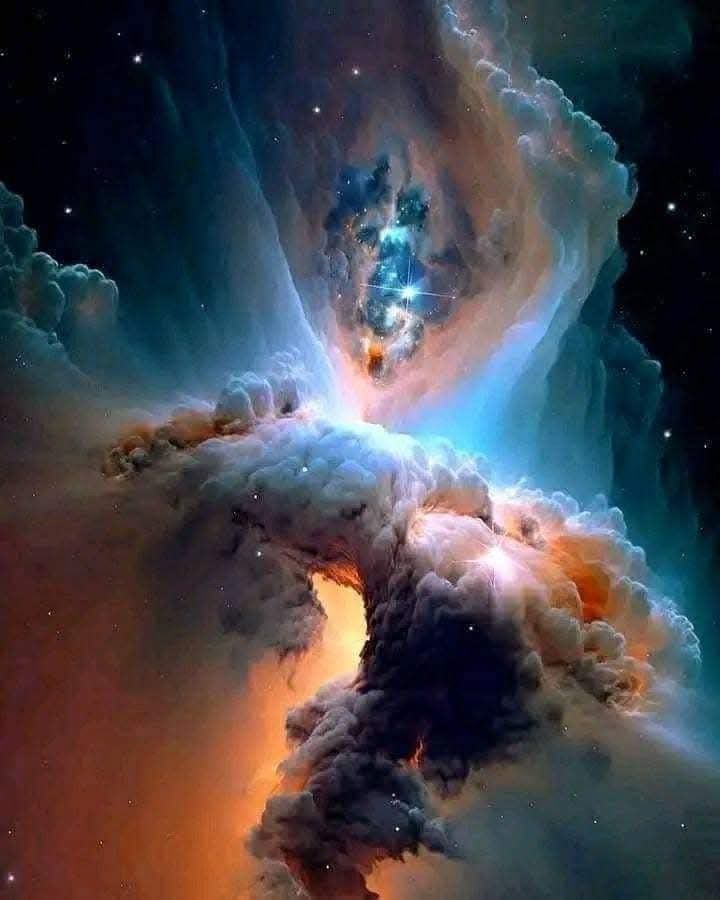
The fact that this exists around us but we got stuck on this stupid planet with a bunch of man babies trying to work out their grievances is just so annoying.
January 31, 2025 at 3:58 AM
The fact that this exists around us but we got stuck on this stupid planet with a bunch of man babies trying to work out their grievances is just so annoying.
Reposted by Pravin chavda
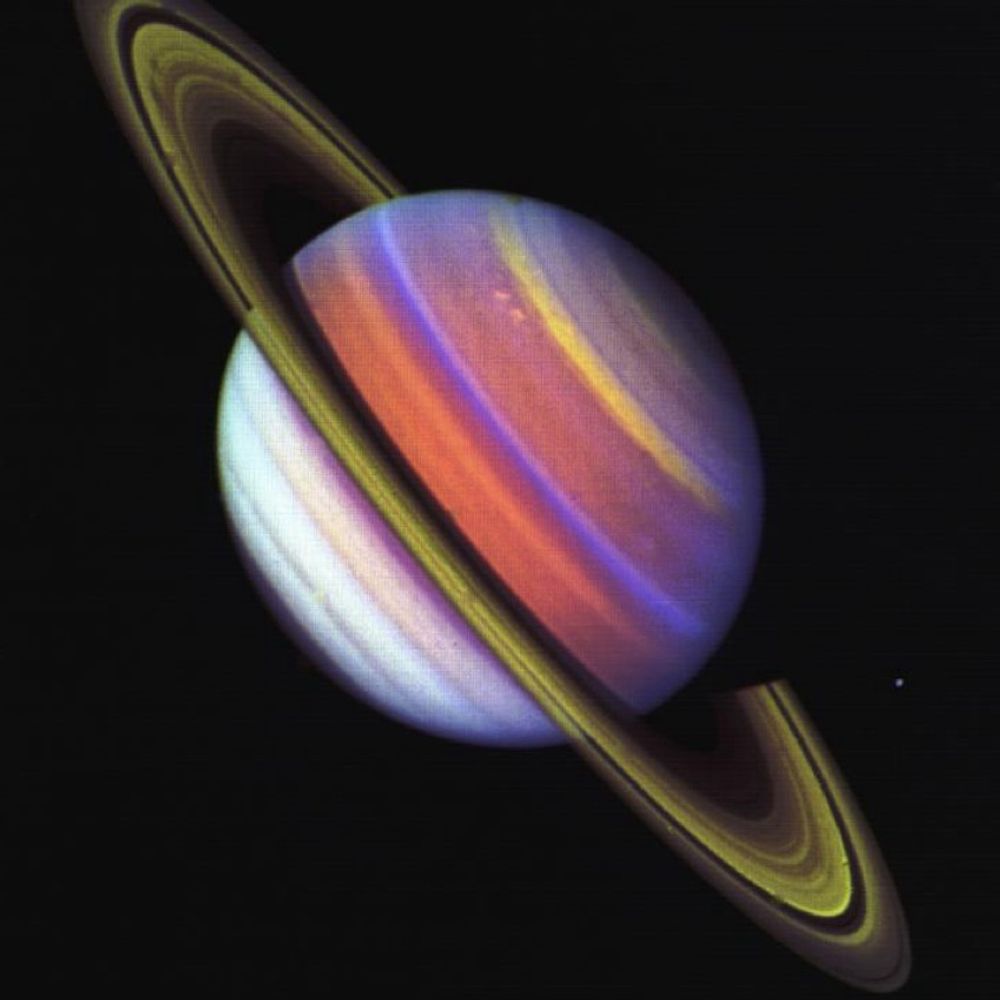
🔭 Comet G3 ATLAS: a Tail and a Telescope
Image Credit & Copyright: Yuri Beletsky (Carnegie Las Campanas Observatory, TWAN)
apod.nasa.gov/apod/ap25012...
Image Credit & Copyright: Yuri Beletsky (Carnegie Las Campanas Observatory, TWAN)
apod.nasa.gov/apod/ap25012...

January 24, 2025 at 8:00 AM
🔭 Comet G3 ATLAS: a Tail and a Telescope
Image Credit & Copyright: Yuri Beletsky (Carnegie Las Campanas Observatory, TWAN)
apod.nasa.gov/apod/ap25012...
Image Credit & Copyright: Yuri Beletsky (Carnegie Las Campanas Observatory, TWAN)
apod.nasa.gov/apod/ap25012...
Reposted by Pravin chavda
🚀 One year ago today, ESA project astronaut Marcus Wandt from Sweden became the first of a new generation of ESA astronauts to fly to the International Space Station with #AxiomSpace. He pioneered fast-track, short-duration missions for more science, tech and education. Do you know who's next? 😉
January 18, 2025 at 3:19 PM
🚀 One year ago today, ESA project astronaut Marcus Wandt from Sweden became the first of a new generation of ESA astronauts to fly to the International Space Station with #AxiomSpace. He pioneered fast-track, short-duration missions for more science, tech and education. Do you know who's next? 😉
Reposted by Pravin chavda
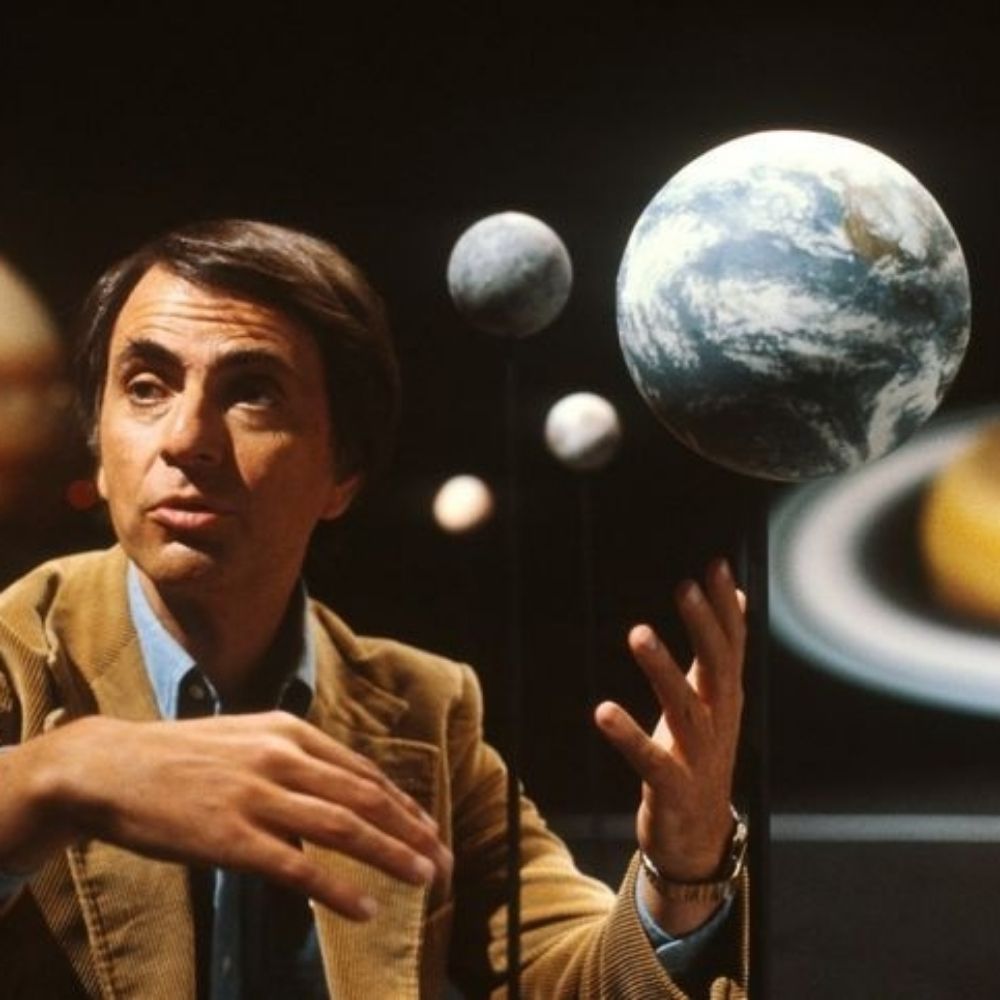
The Horsehead Nebula (also known as Barnard 33) is a small dark nebula in the constellation Orion. The nebula is located just to the south of Alnitak, the easternmost star of Orion’s Belt, and is part of the much larger Orion Molecular Cloud Complex.
Credit: NASA/ESA & Hubble
Credit: NASA/ESA & Hubble

January 17, 2025 at 4:07 AM
The Horsehead Nebula (also known as Barnard 33) is a small dark nebula in the constellation Orion. The nebula is located just to the south of Alnitak, the easternmost star of Orion’s Belt, and is part of the much larger Orion Molecular Cloud Complex.
Credit: NASA/ESA & Hubble
Credit: NASA/ESA & Hubble
Reposted by Pravin chavda
The Pillars of Creation, towering columns of gas and dust in the Eagle Nebula, captured in stunning detail by the James Webb Space Telescope. These pillars are stellar nurseries where new stars are born, located about 6,500 light-years away.
Credit: NASA, ESA, CSA, STScI.
Credit: NASA, ESA, CSA, STScI.

January 15, 2025 at 6:29 PM
The Pillars of Creation, towering columns of gas and dust in the Eagle Nebula, captured in stunning detail by the James Webb Space Telescope. These pillars are stellar nurseries where new stars are born, located about 6,500 light-years away.
Credit: NASA, ESA, CSA, STScI.
Credit: NASA, ESA, CSA, STScI.
Reposted by Pravin chavda
Astronaut 'stuck' in space ventures outside. 🔭 🧪 www.bbc.co.uk/news/article...

Astronaut Sunita Williams embarks on first of two spacewalks
NASA astronaut Suni Williams, one of two astronauts stuck on the International Space Station, has completed her first spacewalk since arriving
www.bbc.co.uk
January 16, 2025 at 3:23 PM
Astronaut 'stuck' in space ventures outside. 🔭 🧪 www.bbc.co.uk/news/article...
Reposted by Pravin chavda
📽️ Relax and enjoy #BepiColombo’s views as it flew gracefully around Mercury on 7-8 January 2025.
🎼Playing in the background is 'The Hebrides Overture' by Felix Mendelssohn - can you guess why? 🔭
🎼Playing in the background is 'The Hebrides Overture' by Felix Mendelssohn - can you guess why? 🔭

Timelapse of BepiColombo's sixth Mercury flyby
YouTube video by European Space Agency, ESA
www.youtube.com
January 14, 2025 at 3:26 PM
📽️ Relax and enjoy #BepiColombo’s views as it flew gracefully around Mercury on 7-8 January 2025.
🎼Playing in the background is 'The Hebrides Overture' by Felix Mendelssohn - can you guess why? 🔭
🎼Playing in the background is 'The Hebrides Overture' by Felix Mendelssohn - can you guess why? 🔭
Reposted by Pravin chavda
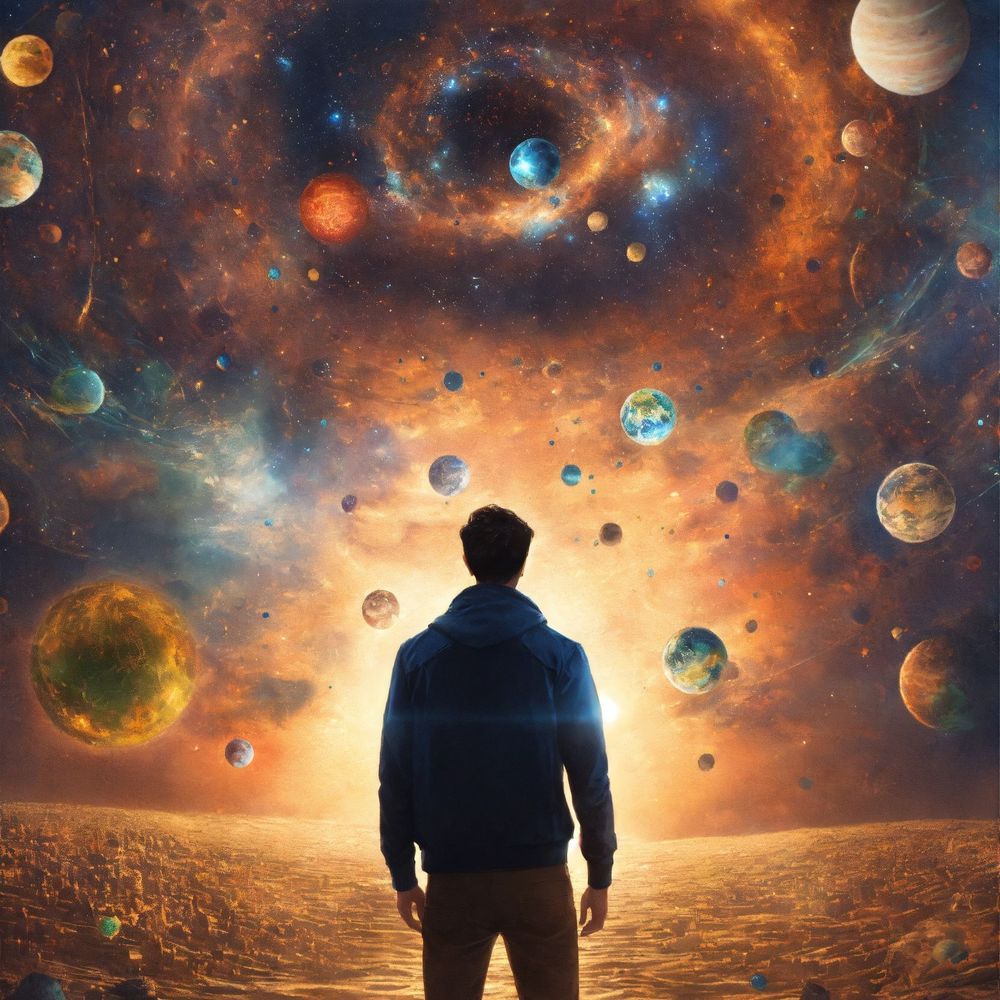
Pismis 24, an open star cluster around 8,000 light-years away in the core of the NGC 6357 nebula in the constellation Scorpius.
Image Credit: NASA, ESA, and J. Maíz Apellániz, et al
Image Credit: NASA, ESA, and J. Maíz Apellániz, et al

January 10, 2025 at 6:16 AM
Pismis 24, an open star cluster around 8,000 light-years away in the core of the NGC 6357 nebula in the constellation Scorpius.
Image Credit: NASA, ESA, and J. Maíz Apellániz, et al
Image Credit: NASA, ESA, and J. Maíz Apellániz, et al
Reposted by Pravin chavda
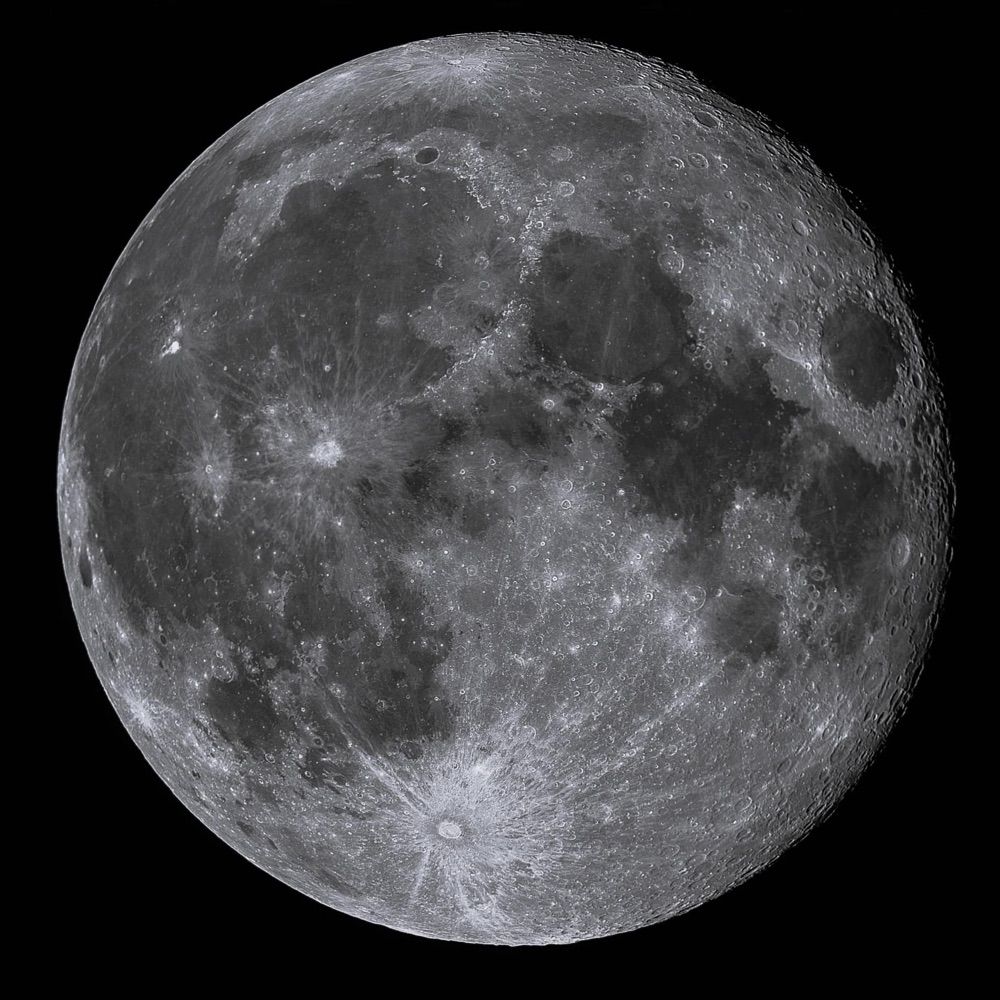
Ever looked up and spotted a twinkling gem? That’s Capella, just 42 light-years away, made up of not one, but two giant stars locked in an eternal dance! It’s one of the brightest stars in our night sky! #astronomy @kat-astro-bot.bsky.social

January 10, 2025 at 6:16 PM
Ever looked up and spotted a twinkling gem? That’s Capella, just 42 light-years away, made up of not one, but two giant stars locked in an eternal dance! It’s one of the brightest stars in our night sky! #astronomy @kat-astro-bot.bsky.social
Reposted by Pravin chavda
Can you recognize the constellation?
📸 Jason Bonnicksen
📸 Jason Bonnicksen

January 9, 2025 at 6:41 PM
Can you recognize the constellation?
📸 Jason Bonnicksen
📸 Jason Bonnicksen
Reposted by Pravin chavda

here is the picture of the Bubble Nebula from the Hubble Space Telescope.🔭

January 4, 2025 at 1:42 PM
here is the picture of the Bubble Nebula from the Hubble Space Telescope.🔭
Reposted by Pravin chavda
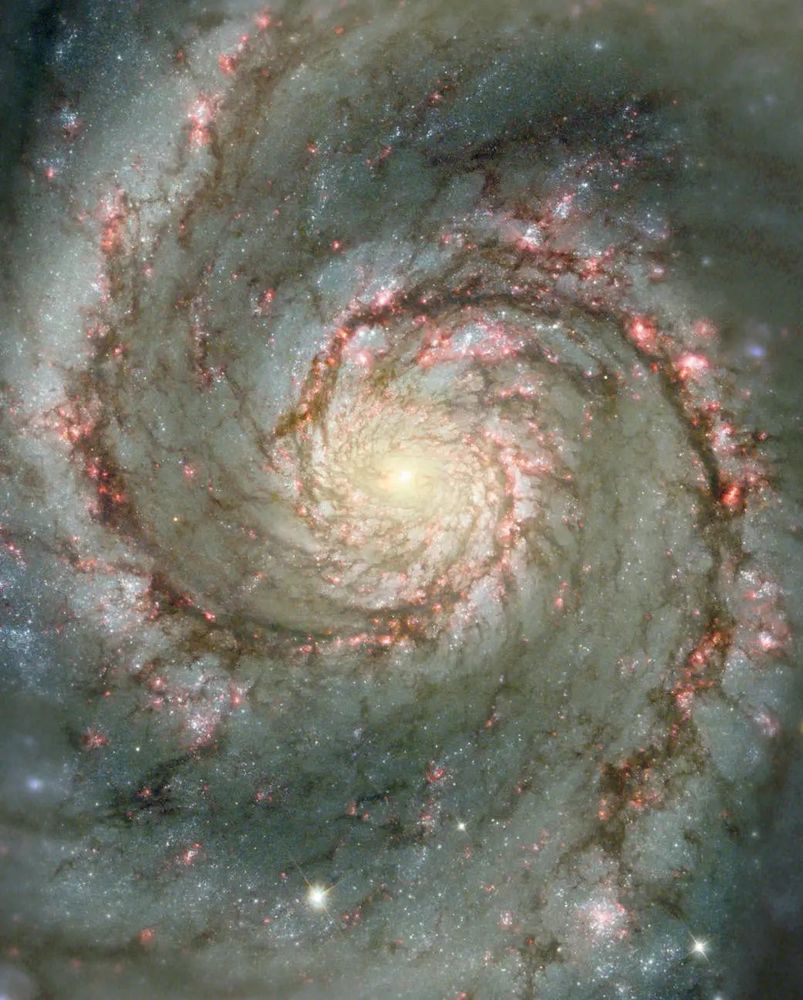
The Whirlpool Galaxy
NASA
NASA
January 1, 2025 at 11:06 AM
The Whirlpool Galaxy
NASA
NASA
Reposted by Pravin chavda
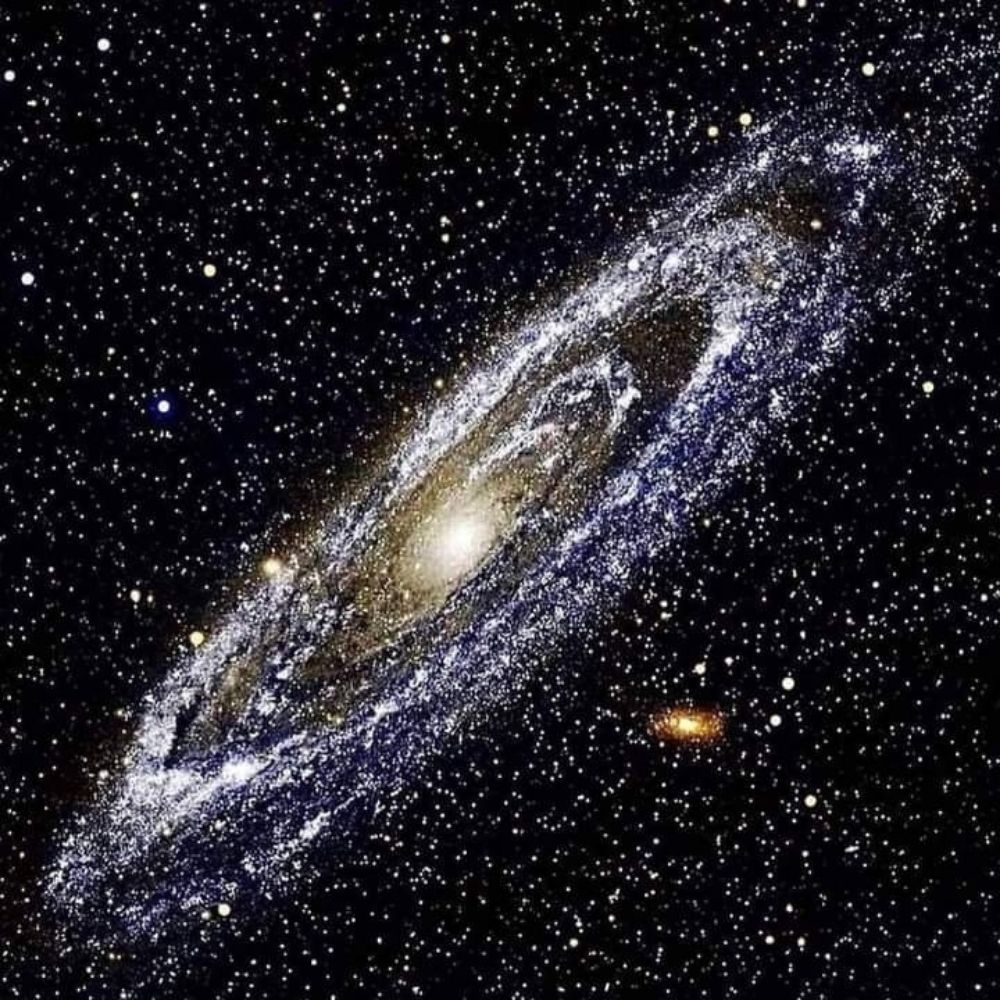
Astronomers using Hubble have discovered that the blowtorch-like jet blasting from a supermassive black hole at the core of galaxy M87 (left) seems to cause stars to erupt along its trajectory (right)

December 31, 2024 at 3:13 AM
Astronomers using Hubble have discovered that the blowtorch-like jet blasting from a supermassive black hole at the core of galaxy M87 (left) seems to cause stars to erupt along its trajectory (right)
Reposted by Pravin chavda
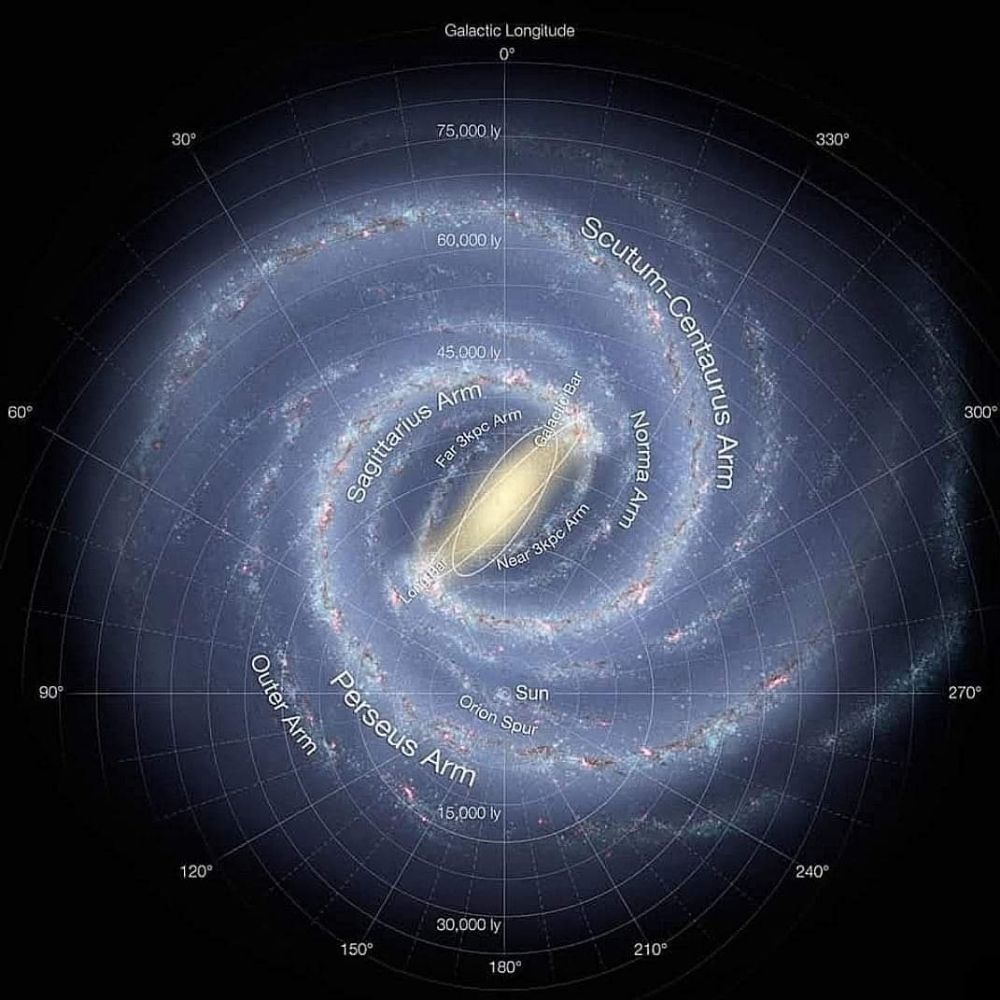
Do you think you're sitting still right now?
- You're on a planet that orbitis a star at 30km/s
- That star is orbiting the center of a galaxy at 230km/s
- That galaxy is moving trough the universe at 600km/s.
Since you started reading this, you have traveled about 3000km.
- You're on a planet that orbitis a star at 30km/s
- That star is orbiting the center of a galaxy at 230km/s
- That galaxy is moving trough the universe at 600km/s.
Since you started reading this, you have traveled about 3000km.

December 29, 2024 at 12:00 PM
Do you think you're sitting still right now?
- You're on a planet that orbitis a star at 30km/s
- That star is orbiting the center of a galaxy at 230km/s
- That galaxy is moving trough the universe at 600km/s.
Since you started reading this, you have traveled about 3000km.
- You're on a planet that orbitis a star at 30km/s
- That star is orbiting the center of a galaxy at 230km/s
- That galaxy is moving trough the universe at 600km/s.
Since you started reading this, you have traveled about 3000km.