



Reposted by Mahesh Yadav
We're back for our final seminar of 2025 with talks from @alexholehouse.bsky.social and Birthe Kragelund! 1 pm EST or 7 pm European time. If you're not already signed up, head on over to idpseminars.com to register!

December 1, 2025 at 4:01 PM
We're back for our final seminar of 2025 with talks from @alexholehouse.bsky.social and Birthe Kragelund! 1 pm EST or 7 pm European time. If you're not already signed up, head on over to idpseminars.com to register!
Reposted by Mahesh Yadav
🧪 Geometry beats chemistry: we show that self-assembly can be controlled by tuning large-scale geometric parameters rather than molecular binding energies.
PNAS: doi.org/10.1073/pnas...
Video summary: www.youtube.com/watch?v=6FS3...
#SelfAssembly #Biophysics #PhysicsOfLife
PNAS: doi.org/10.1073/pnas...
Video summary: www.youtube.com/watch?v=6FS3...
#SelfAssembly #Biophysics #PhysicsOfLife
November 27, 2025 at 4:49 PM
🧪 Geometry beats chemistry: we show that self-assembly can be controlled by tuning large-scale geometric parameters rather than molecular binding energies.
PNAS: doi.org/10.1073/pnas...
Video summary: www.youtube.com/watch?v=6FS3...
#SelfAssembly #Biophysics #PhysicsOfLife
PNAS: doi.org/10.1073/pnas...
Video summary: www.youtube.com/watch?v=6FS3...
#SelfAssembly #Biophysics #PhysicsOfLife
Reposted by Mahesh Yadav

Binding Paths: Describing Small Molecule Interactionswith Disordered Proteins via Markov State Models https://www.biorxiv.org/content/10.1101/2025.11.19.688850v1
November 19, 2025 at 4:48 PM
Binding Paths: Describing Small Molecule Interactionswith Disordered Proteins via Markov State Models https://www.biorxiv.org/content/10.1101/2025.11.19.688850v1
Reposted by Mahesh Yadav
Bayesian Inference Framework to Identify Skin Material Properties extit{in vivo} from Active Membranes https://www.biorxiv.org/content/10.1101/2025.11.11.687900v1
November 13, 2025 at 4:47 AM
Bayesian Inference Framework to Identify Skin Material Properties extit{in vivo} from Active Membranes https://www.biorxiv.org/content/10.1101/2025.11.11.687900v1
Reposted by Mahesh Yadav

🎉👏 A huge thank you to everyone who joined our Annual Retreat! Over three inspiring days, more than 100 colleagues from 16 Research Projects and 4 Service Projects filled the rooms with ideas, data, and great discussions. Here’s to another year of discovery and collaboration! 🚀

November 7, 2025 at 3:20 PM
🎉👏 A huge thank you to everyone who joined our Annual Retreat! Over three inspiring days, more than 100 colleagues from 16 Research Projects and 4 Service Projects filled the rooms with ideas, data, and great discussions. Here’s to another year of discovery and collaboration! 🚀
Reposted by Mahesh Yadav

We have observed a beautifully strange phenomenon of phase separation by human monocytes placed on soft matrix, which do it for survival.
We model it by incorporating the Cahn–Hilliard equation with a Turing mechanism of local activation/global inhibition
More here: www.nature.com/articles/s41...
We model it by incorporating the Cahn–Hilliard equation with a Turing mechanism of local activation/global inhibition
More here: www.nature.com/articles/s41...

Mechano-induced patterned domain formation by monocytes - Nature Materials
Human primary monocytes reversibly phase separate into regular, multicellular, multilayered domains on soft matrices with physiological stiffness due to local activation and global inhibition processe...
www.nature.com
November 5, 2025 at 12:41 PM
We have observed a beautifully strange phenomenon of phase separation by human monocytes placed on soft matrix, which do it for survival.
We model it by incorporating the Cahn–Hilliard equation with a Turing mechanism of local activation/global inhibition
More here: www.nature.com/articles/s41...
We model it by incorporating the Cahn–Hilliard equation with a Turing mechanism of local activation/global inhibition
More here: www.nature.com/articles/s41...
Reposted by Mahesh Yadav

Check out our latest, where we investigate the molecular origin of differences between Lys and Arg and their roles in biomolecular #condensates
@dipcehu.bsky.social
www.biorxiv.org/content/10.1...
@dipcehu.bsky.social
www.biorxiv.org/content/10.1...

October 3, 2025 at 5:21 AM
Check out our latest, where we investigate the molecular origin of differences between Lys and Arg and their roles in biomolecular #condensates
@dipcehu.bsky.social
www.biorxiv.org/content/10.1...
@dipcehu.bsky.social
www.biorxiv.org/content/10.1...
Reposted by Mahesh Yadav

🤌
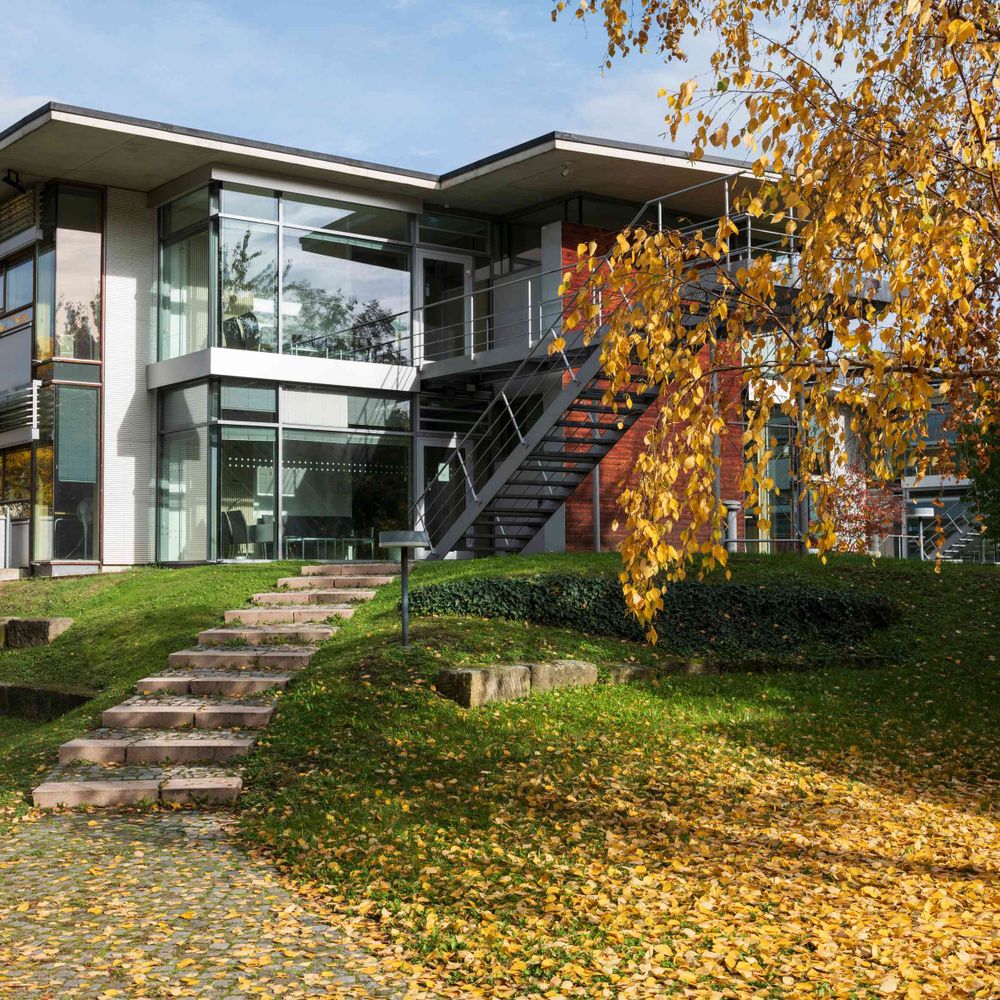
IG Nobel Prize in #Physics 2025 to @mpipks.bsky.social researchers for elucidating the phase behaviour of cacio e pepe sauce. The work highlights how physics can also be applied to solve daily-life problems!
nature.com/articles/d41586-025-03045-0
nature.com/articles/d41586-025-03045-0

Tipsy bats and perfect pasta: Ig Nobels celebrate ‘improbable’ research
The annual awards are a celebration of weird but thought-provoking science.
nature.com
September 19, 2025 at 3:05 PM
🤌
Reposted by Mahesh Yadav

Neues #Rechenzentrum auf dem Gutenberg-Campus eröffnet: Neubau beherbergt gesamte IT-Infrastruktur der #UniMainz / Sicherheit, Effizienz und Nachhaltigkeit als zentrale Aspekte der Konzeption des Rechenzentrums 👉 presse.uni-mainz.de/neues-rechen...
#Hochleistungsrechner #Supercomputer
#Hochleistungsrechner #Supercomputer


August 25, 2025 at 1:10 PM
Neues #Rechenzentrum auf dem Gutenberg-Campus eröffnet: Neubau beherbergt gesamte IT-Infrastruktur der #UniMainz / Sicherheit, Effizienz und Nachhaltigkeit als zentrale Aspekte der Konzeption des Rechenzentrums 👉 presse.uni-mainz.de/neues-rechen...
#Hochleistungsrechner #Supercomputer
#Hochleistungsrechner #Supercomputer
Reposted by Mahesh Yadav
Glad to share our latest comment published in @natchemeng.nature.com
Here, we discuss the role of biomolecular condensates as regulators of enzymatic reactions.
I hope you enjoy it!
www.nature.com/articles/s44...
Here, we discuss the role of biomolecular condensates as regulators of enzymatic reactions.
I hope you enjoy it!
www.nature.com/articles/s44...
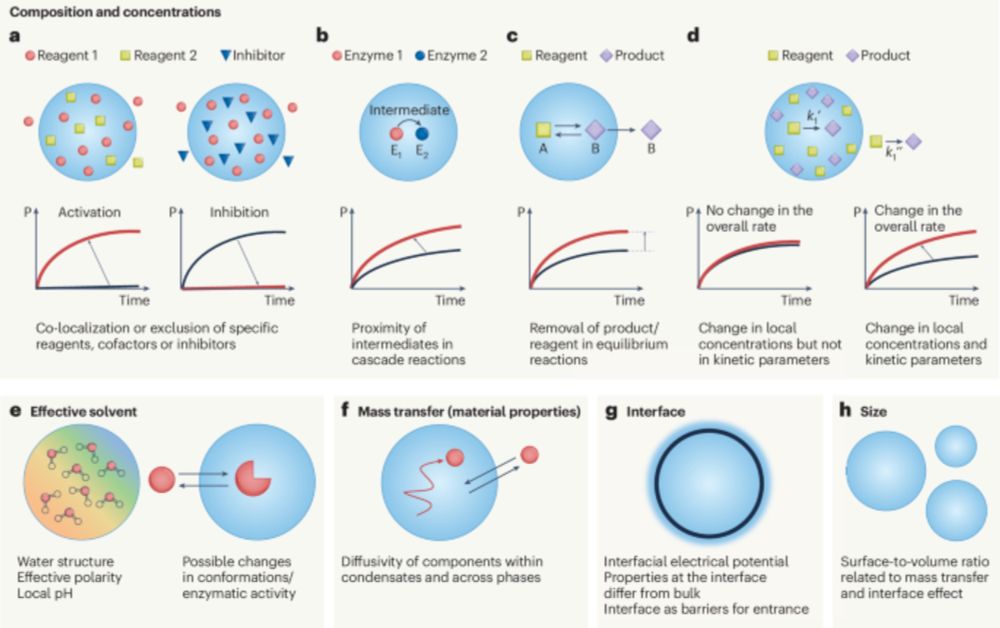
Biomolecular condensates as regulators of enzymatic reactions - Nature Chemical Engineering
Open compartments, termed biomolecular condensates, are involved in cellular reactions. This Comment highlights their ability to enhance robustness and control of reactions in space and time, going be...
www.nature.com
July 21, 2025 at 9:54 AM
Glad to share our latest comment published in @natchemeng.nature.com
Here, we discuss the role of biomolecular condensates as regulators of enzymatic reactions.
I hope you enjoy it!
www.nature.com/articles/s44...
Here, we discuss the role of biomolecular condensates as regulators of enzymatic reactions.
I hope you enjoy it!
www.nature.com/articles/s44...
Reposted by Mahesh Yadav

📣Book alert📣
Finally out with Cambridge University Press: the book by Udo Seifert on "Stochastic thermodynamics". It comprehensively covers many topics, from an introduction to statistical physics to many special subjects such as reaction networks and active particles. Highly recommended 👍👍👍
Finally out with Cambridge University Press: the book by Udo Seifert on "Stochastic thermodynamics". It comprehensively covers many topics, from an introduction to statistical physics to many special subjects such as reaction networks and active particles. Highly recommended 👍👍👍
July 17, 2025 at 3:12 PM
📣Book alert📣
Finally out with Cambridge University Press: the book by Udo Seifert on "Stochastic thermodynamics". It comprehensively covers many topics, from an introduction to statistical physics to many special subjects such as reaction networks and active particles. Highly recommended 👍👍👍
Finally out with Cambridge University Press: the book by Udo Seifert on "Stochastic thermodynamics". It comprehensively covers many topics, from an introduction to statistical physics to many special subjects such as reaction networks and active particles. Highly recommended 👍👍👍
Reposted by Mahesh Yadav
MUFASA: A Continuous-Time Stochastic Framework for Realistic Fluorescence Microscopy Simulation https://www.biorxiv.org/content/10.1101/2025.07.10.664068v1
July 15, 2025 at 11:48 PM
MUFASA: A Continuous-Time Stochastic Framework for Realistic Fluorescence Microscopy Simulation https://www.biorxiv.org/content/10.1101/2025.07.10.664068v1
Reposted by Mahesh Yadav
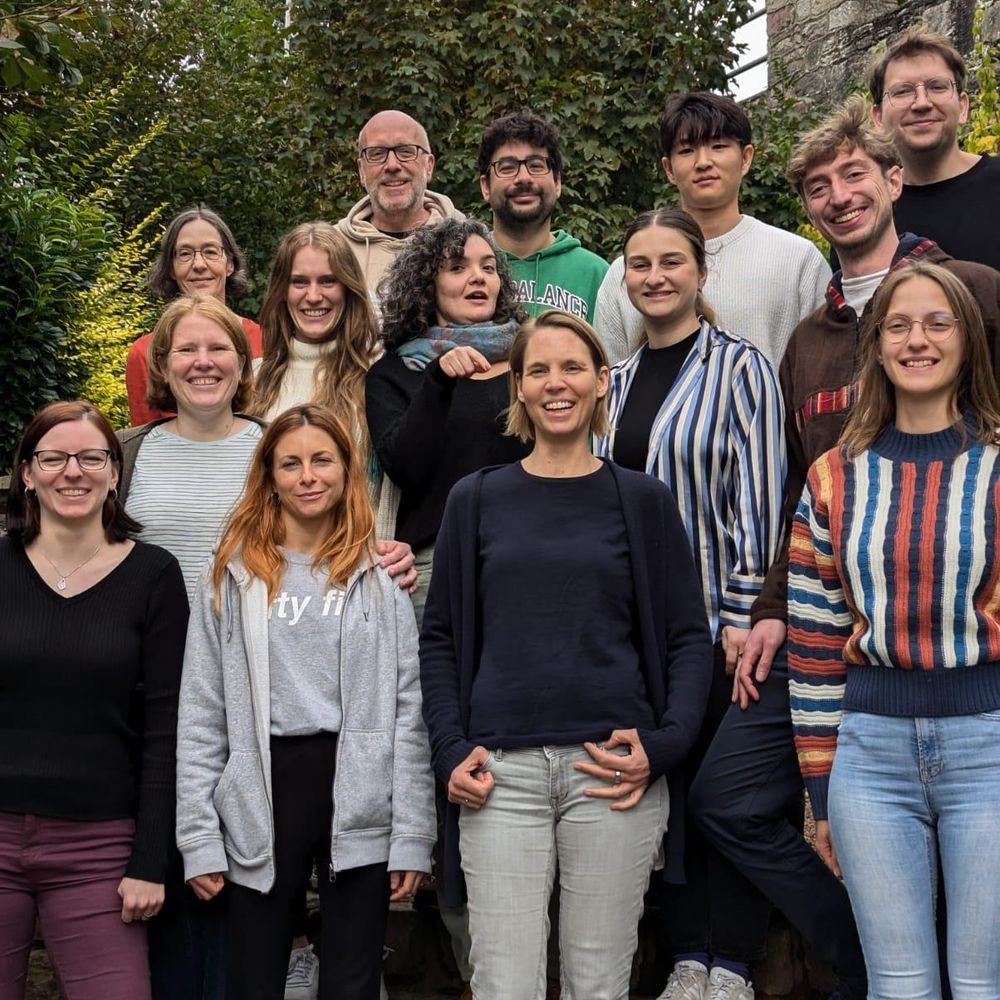
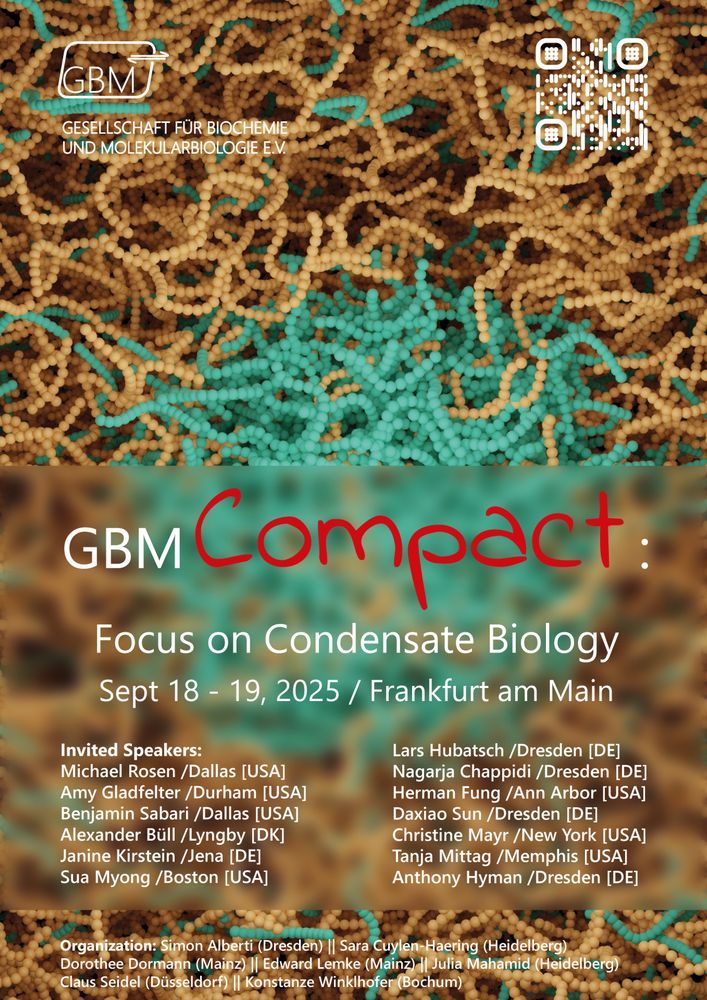
One more week to catch the early bird registration deadline and submit an abstract to this International Condensate Meeting in Frankfurt, with fantastic invited speakers!
👇
👇

Don't forget to submit your abstract for the GBM Compact Meeting - Focus on Condensate Biology! gbm-compact.org/gbm-compact-...
Did you know that young members of the GBM can apply for a travel grant until July 15? Not a GBM member? Apply here: gbm-online.de/de/mitglied....
Did you know that young members of the GBM can apply for a travel grant until July 15? Not a GBM member? Apply here: gbm-online.de/de/mitglied....
June 23, 2025 at 5:05 AM
One more week to catch the early bird registration deadline and submit an abstract to this International Condensate Meeting in Frankfurt, with fantastic invited speakers!
👇
👇

Reposted by Mahesh Yadav
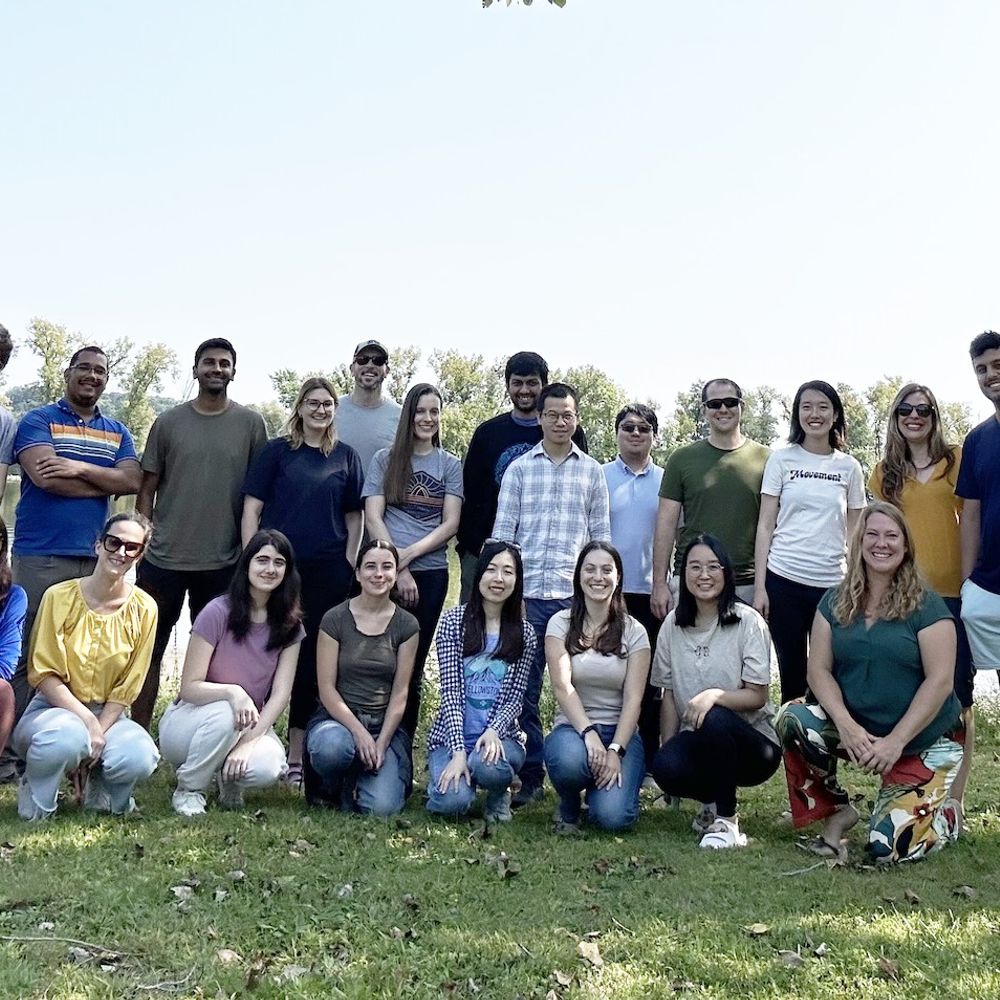
Nice article about the latest in the biomolecular condensate field, with some nice images and quotes from us. www.nature.com/articles/s41...

How to spy on condensates - Nature Methods
Scientists track how these membraneless biomolecular foci self-organize for their cellular tasks.
www.nature.com
June 25, 2025 at 3:25 AM
Nice article about the latest in the biomolecular condensate field, with some nice images and quotes from us. www.nature.com/articles/s41...
Reposted by Mahesh Yadav
Backbone Rigidity Encodes Universal Viscoelastic Signatures in Biomolecular Condensates https://www.biorxiv.org/content/10.1101/2025.06.10.658939v1
June 15, 2025 at 7:46 AM
Backbone Rigidity Encodes Universal Viscoelastic Signatures in Biomolecular Condensates https://www.biorxiv.org/content/10.1101/2025.06.10.658939v1
Reposted by Mahesh Yadav

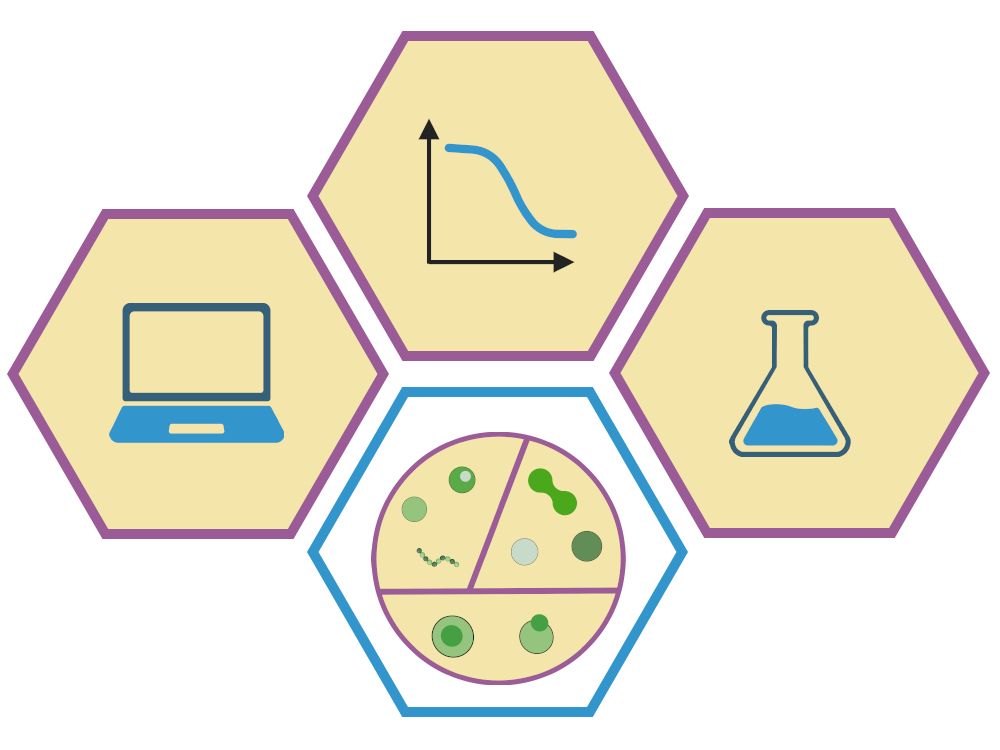
This summer in beautiful Santa Barbara we will run a 3-day conference on “Biological Physics of Biomolecular Condensates: Bridging Theory and Experiment” June 16 to 18th. Register now: www.kitp.ucsb.edu/activities/b...
March 12, 2025 at 3:58 PM
This summer in beautiful Santa Barbara we will run a 3-day conference on “Biological Physics of Biomolecular Condensates: Bridging Theory and Experiment” June 16 to 18th. Register now: www.kitp.ucsb.edu/activities/b...
Reposted by Mahesh Yadav
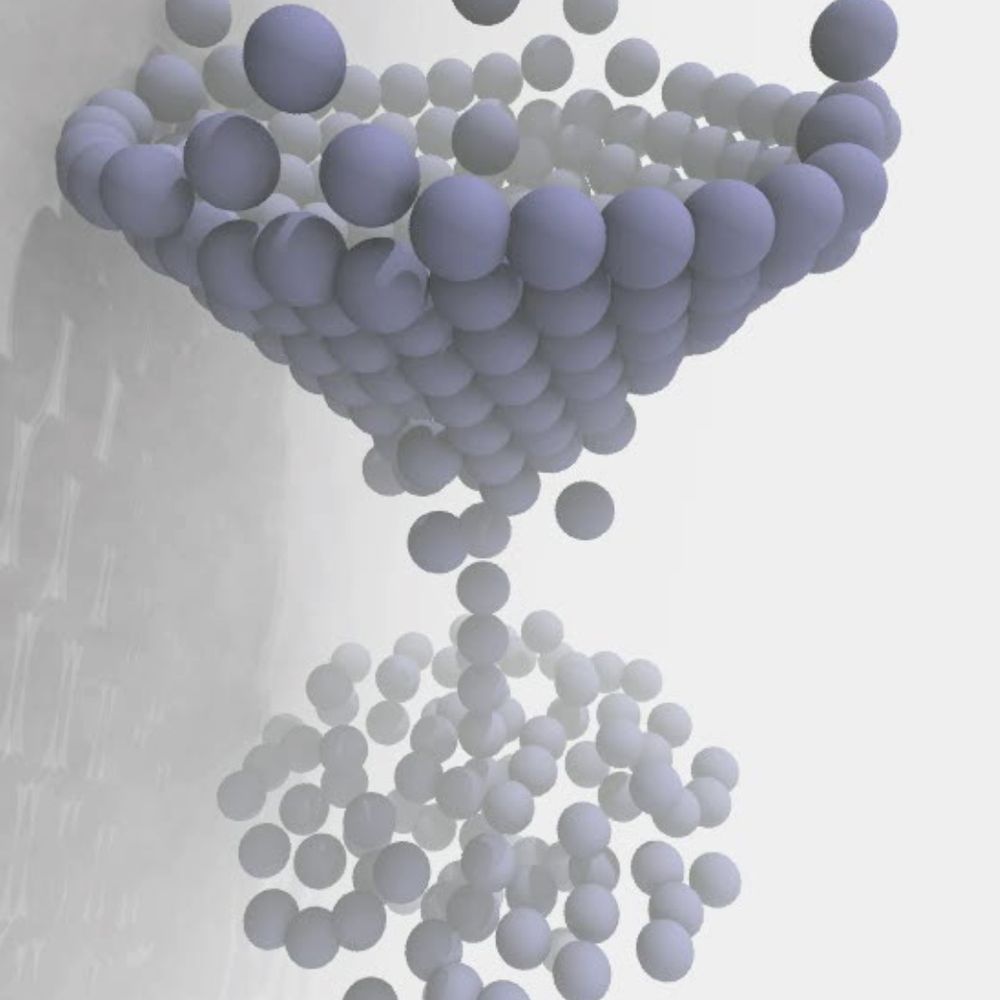
Martini 3 - IDP is out! Improved parameters for disordered proteins, great work from Liguo Wang: www.nature.com/articles/s41...
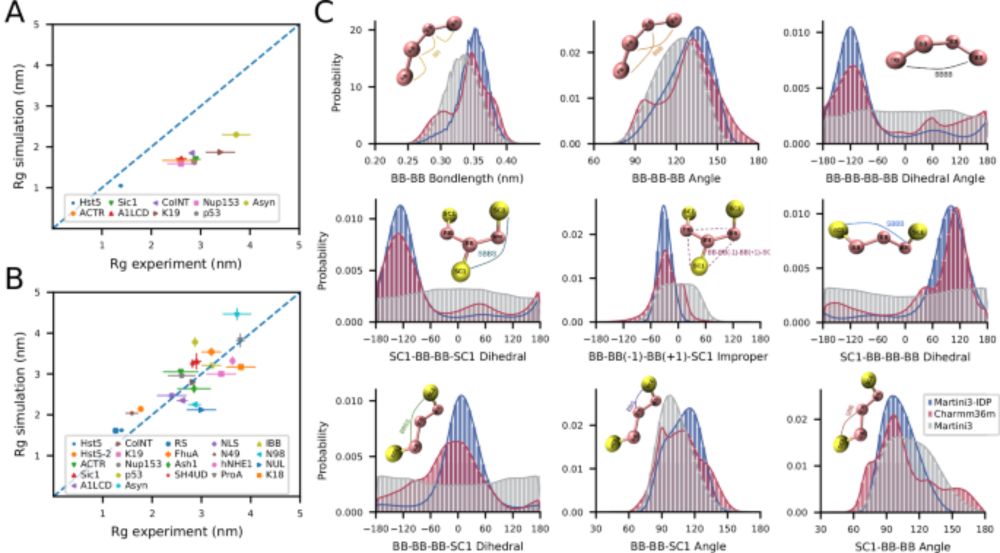
Martini3-IDP: improved Martini 3 force field for disordered proteins - Nature Communications
Here, the authors introduce Martini3-IDP, a refined model for disordered proteins that addresses prior over-compact structures. Validated across diverse systems, it captures IDP interactions and biomo...
www.nature.com
March 24, 2025 at 8:09 PM
Martini 3 - IDP is out! Improved parameters for disordered proteins, great work from Liguo Wang: www.nature.com/articles/s41...
Reposted by Mahesh Yadav
Identifying functional motifs in disordered regions is challenging. We gave it a try. Check out SHARK-capture, an alignment-free method to detect SLiMs. Congrats Chi Fung Willis Chow @swlenz.bsky.social et al. @mpi-cbg.de @csbdresden.bsky.social @poldresden.bsky.social doi.org/10.1002/pro....
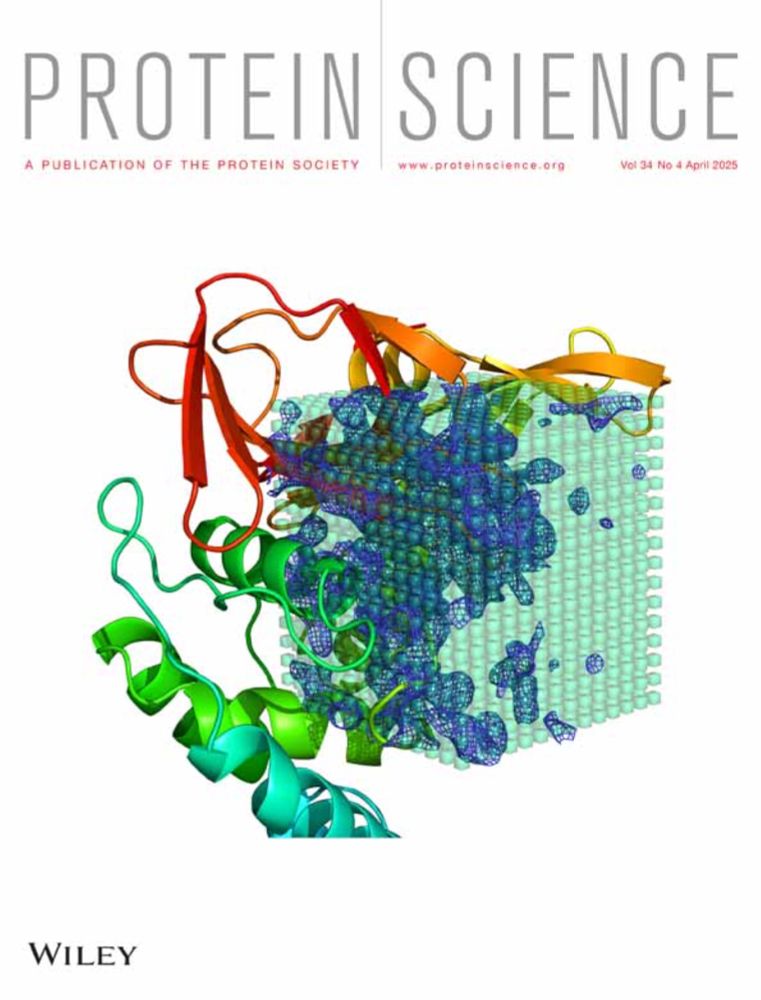
SHARK‐capture identifies functional motifs in intrinsically disordered protein regions
Increasing insights into how sequence motifs in intrinsically disordered regions (IDRs) provide functions underscore the need for systematic motif detection. Contrary to structured regions where moti...
doi.org
March 18, 2025 at 8:06 PM
Identifying functional motifs in disordered regions is challenging. We gave it a try. Check out SHARK-capture, an alignment-free method to detect SLiMs. Congrats Chi Fung Willis Chow @swlenz.bsky.social et al. @mpi-cbg.de @csbdresden.bsky.social @poldresden.bsky.social doi.org/10.1002/pro....
Reposted by Mahesh Yadav

New paper out! Why do condensates prefer some surfaces and not others? Check it out here: doi.org/10.1063/5.02...
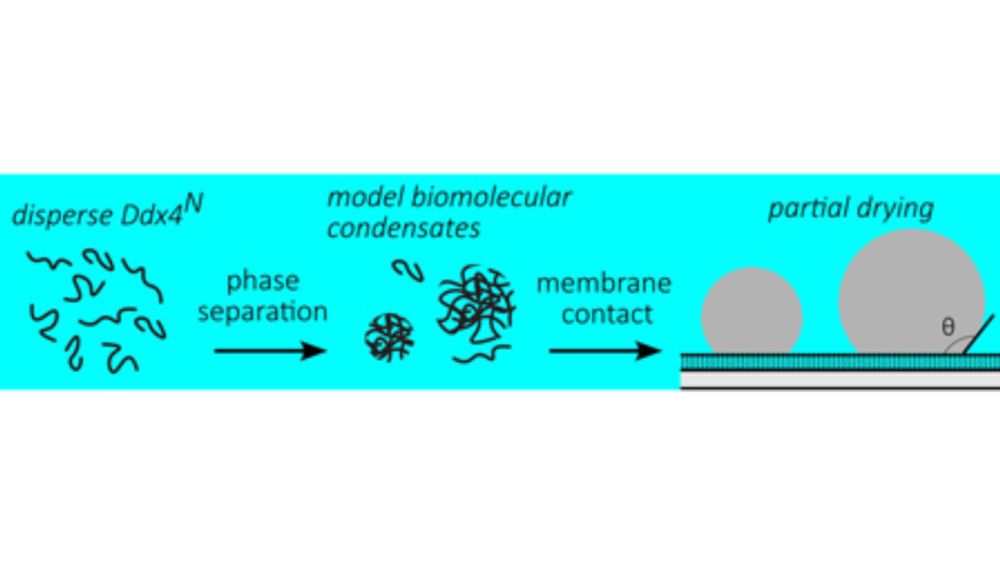
Intrinsic hydrophobicity of IDP-based biomolecular condensates drives their partial drying on membrane surfaces
The localization of biomolecular condensates to intracellular membrane surfaces has emerged as an important feature of sub-cellular organization. In this work,
doi.org
March 17, 2025 at 5:53 PM
New paper out! Why do condensates prefer some surfaces and not others? Check it out here: doi.org/10.1063/5.02...
Reposted by Mahesh Yadav
CALVADOS 🤝 PEG
Work from @asrauh.bsky.social on a simple model for polyethylene glycol to study the effects of crowding on IDPs
Work from @asrauh.bsky.social on a simple model for polyethylene glycol to study the effects of crowding on IDPs

March 6, 2025 at 10:01 PM
CALVADOS 🤝 PEG
Work from @asrauh.bsky.social on a simple model for polyethylene glycol to study the effects of crowding on IDPs
Work from @asrauh.bsky.social on a simple model for polyethylene glycol to study the effects of crowding on IDPs
A honor to meet @hummerlab.bsky.social Prof. Gerhard Hummer at IBS. @sfb1551.bsky.social

March 8, 2025 at 11:26 AM
A honor to meet @hummerlab.bsky.social Prof. Gerhard Hummer at IBS. @sfb1551.bsky.social
Reposted by Mahesh Yadav
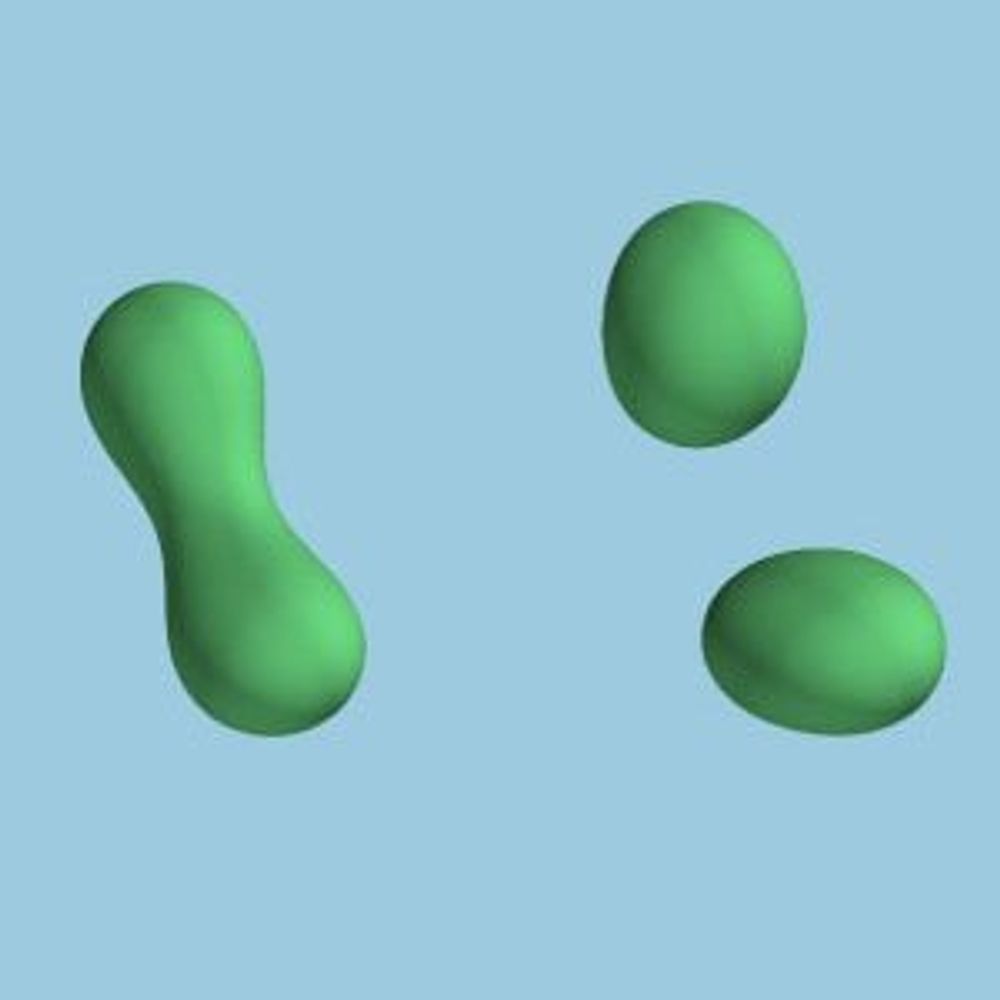
We have an open postdoc position in our group! We seek motivated and fun people with a background in theoretical biological physics to work on projects revolving around pattern formation, cell biology, and particularly #condensates. Details: www.ds.mpg.de/4078435/job_...
#TheoBiophysicsPosition
#TheoBiophysicsPosition

Postdoctoral Position (m/f/d) | Biological Physics
For the independent research group “Theory of Biological Fluids” headed by Dr. David Zwicker we seek to fill a Postdoctoral Position (m/f/d) in Biological Physics.
www.ds.mpg.de
March 3, 2025 at 7:42 AM
We have an open postdoc position in our group! We seek motivated and fun people with a background in theoretical biological physics to work on projects revolving around pattern formation, cell biology, and particularly #condensates. Details: www.ds.mpg.de/4078435/job_...
#TheoBiophysicsPosition
#TheoBiophysicsPosition
Reposted by Mahesh Yadav


Reposted by Mahesh Yadav
A new paper shows how LCD sequence patterns encode condensate dynamics and material properties.
🔹 Periodic repeats → Elasticity-dominated
🔹 Disordered sequences → Viscosity-dominated
🔹 Minimum sticker spacing is crucial for fluidity, preventing transitions to glassy states.
doi.org/10.1371/jour...
🔹 Periodic repeats → Elasticity-dominated
🔹 Disordered sequences → Viscosity-dominated
🔹 Minimum sticker spacing is crucial for fluidity, preventing transitions to glassy states.
doi.org/10.1371/jour...

February 24, 2025 at 1:38 AM
A new paper shows how LCD sequence patterns encode condensate dynamics and material properties.
🔹 Periodic repeats → Elasticity-dominated
🔹 Disordered sequences → Viscosity-dominated
🔹 Minimum sticker spacing is crucial for fluidity, preventing transitions to glassy states.
doi.org/10.1371/jour...
🔹 Periodic repeats → Elasticity-dominated
🔹 Disordered sequences → Viscosity-dominated
🔹 Minimum sticker spacing is crucial for fluidity, preventing transitions to glassy states.
doi.org/10.1371/jour...