




Rona
@livueta.bsky.social
Studying space ❤️ Physics undergrad. Here for the pretty pictures 🥹
Reposted by Rona
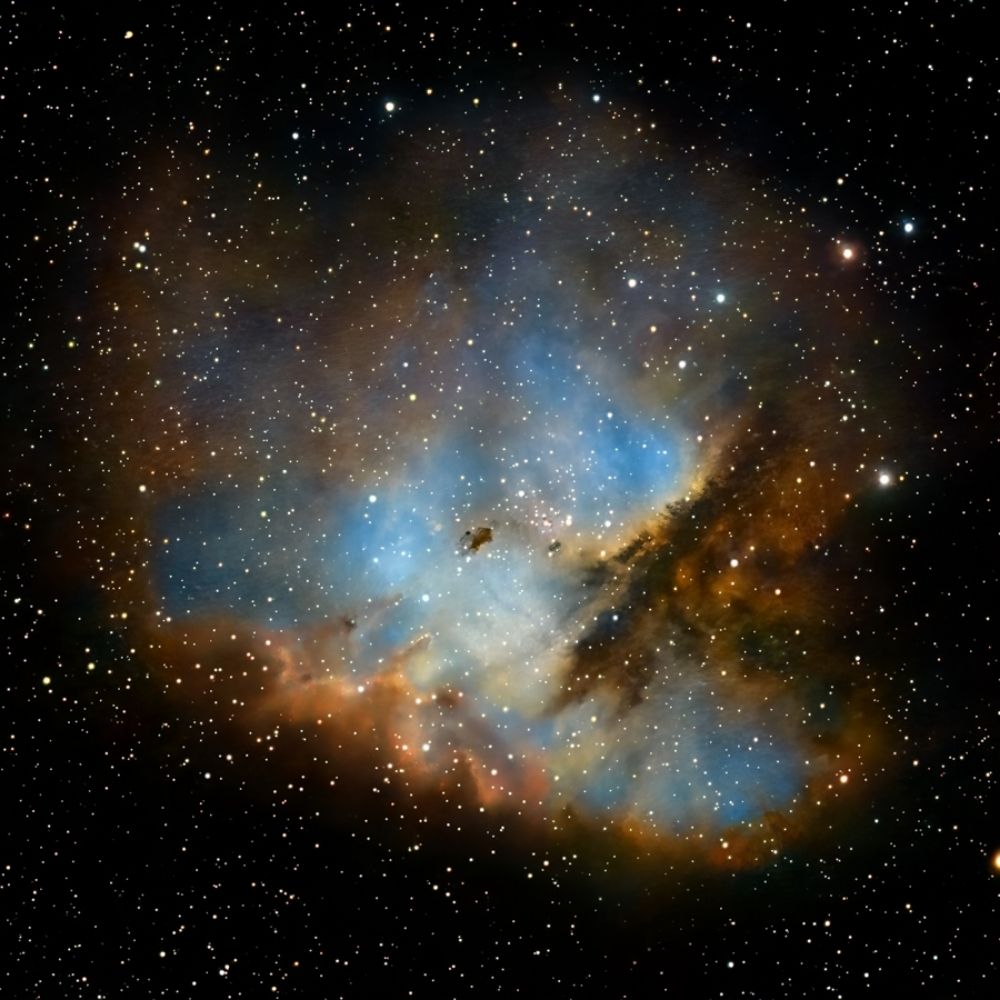
Rick's #Astrophotography Picture of the Day (from my growing collection of captures) - Wide‑Field Mosaic of NGC 7822 & SH2‑171 - 9/8/24
This region in Cepheus is a huge complex of emission nebulae and stellar nurseries and contains some of the hottest stars in our spiral arm.
This region in Cepheus is a huge complex of emission nebulae and stellar nurseries and contains some of the hottest stars in our spiral arm.

December 20, 2025 at 11:49 AM
Rick's #Astrophotography Picture of the Day (from my growing collection of captures) - Wide‑Field Mosaic of NGC 7822 & SH2‑171 - 9/8/24
This region in Cepheus is a huge complex of emission nebulae and stellar nurseries and contains some of the hottest stars in our spiral arm.
This region in Cepheus is a huge complex of emission nebulae and stellar nurseries and contains some of the hottest stars in our spiral arm.
Reposted by Rona
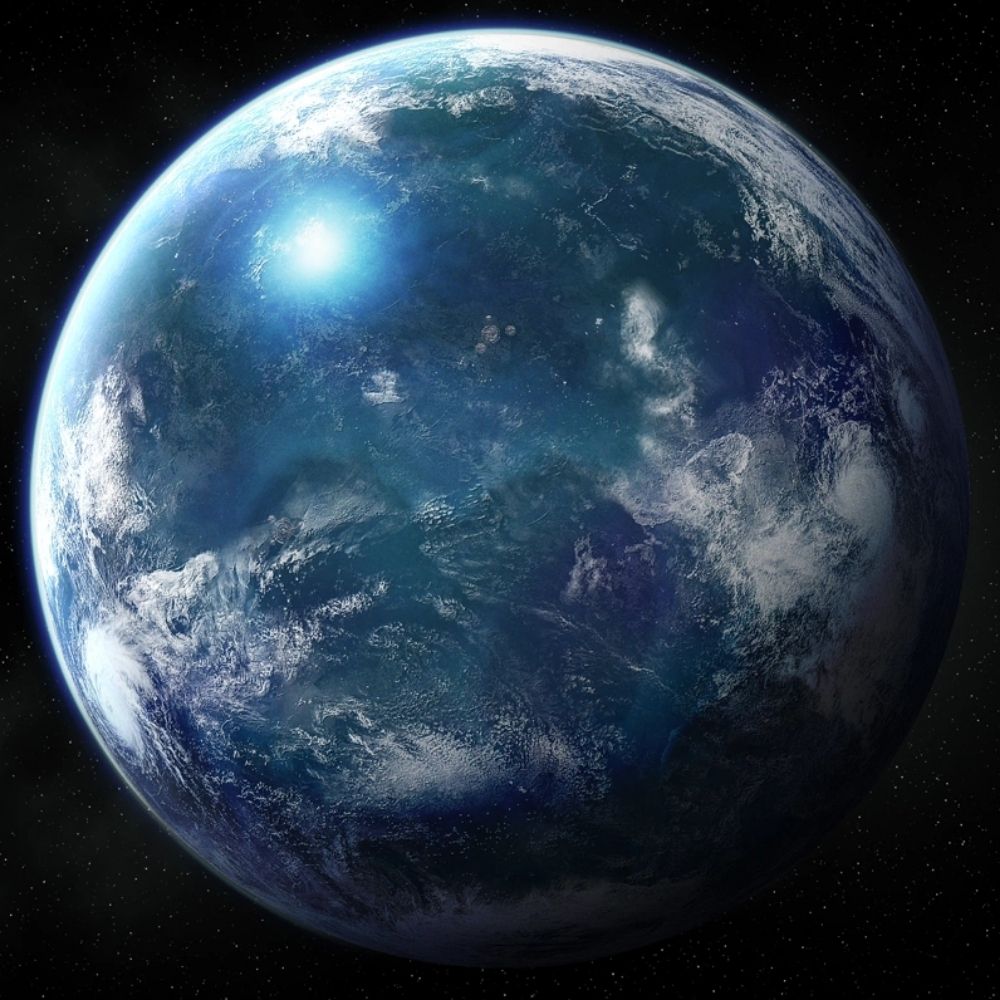
My god. It's full of stars.
This sparkling #JWST stellar scene is Westerlund 2, a young star cluster only a few million years old and containing some of the hottest, most massive stars known.
Westerlund 2 is situated within the Gum 29 stellar nursery, and is around 20,000 lightyears from home.
This sparkling #JWST stellar scene is Westerlund 2, a young star cluster only a few million years old and containing some of the hottest, most massive stars known.
Westerlund 2 is situated within the Gum 29 stellar nursery, and is around 20,000 lightyears from home.

December 20, 2025 at 1:46 AM
My god. It's full of stars.
This sparkling #JWST stellar scene is Westerlund 2, a young star cluster only a few million years old and containing some of the hottest, most massive stars known.
Westerlund 2 is situated within the Gum 29 stellar nursery, and is around 20,000 lightyears from home.
This sparkling #JWST stellar scene is Westerlund 2, a young star cluster only a few million years old and containing some of the hottest, most massive stars known.
Westerlund 2 is situated within the Gum 29 stellar nursery, and is around 20,000 lightyears from home.
Reposted by Rona

❄️ With the winter holidays around the corner, we’re unwrapping a cosmic gift early, Westerlund 2 🎁✨
This glittering star cluster is host to some of our Milky Way galaxy's hottest, brightest, and most massive stars 👉 www.esa.int/ESA_Multimed...
🔭 🧪
This glittering star cluster is host to some of our Milky Way galaxy's hottest, brightest, and most massive stars 👉 www.esa.int/ESA_Multimed...
🔭 🧪

December 19, 2025 at 9:00 AM
❄️ With the winter holidays around the corner, we’re unwrapping a cosmic gift early, Westerlund 2 🎁✨
This glittering star cluster is host to some of our Milky Way galaxy's hottest, brightest, and most massive stars 👉 www.esa.int/ESA_Multimed...
🔭 🧪
This glittering star cluster is host to some of our Milky Way galaxy's hottest, brightest, and most massive stars 👉 www.esa.int/ESA_Multimed...
🔭 🧪
Reposted by Rona

NGC 2264 is known as the Cone Nebula & the Christmas Tree Cluster & lives about 1000 ly from Earth in the constellation Monoceros. This 11 hr OSC capture was taken last February using a 102mm refractor with no filters. Finally got around to processing it in time for the holidays. 🔭 #Astrophotography

December 15, 2025 at 3:53 PM
NGC 2264 is known as the Cone Nebula & the Christmas Tree Cluster & lives about 1000 ly from Earth in the constellation Monoceros. This 11 hr OSC capture was taken last February using a 102mm refractor with no filters. Finally got around to processing it in time for the holidays. 🔭 #Astrophotography
Reposted by Rona
DYK? 16 years' worth of pictures of the week are available on our Hubble website, a testament to the incredible treasures that this NASA/ESA telescope has uncovered for us all.
Enjoy them here 👉 https://esahubble.org/images/potw/
🔭
Enjoy them here 👉 https://esahubble.org/images/potw/
🔭


November 28, 2025 at 3:04 PM
DYK? 16 years' worth of pictures of the week are available on our Hubble website, a testament to the incredible treasures that this NASA/ESA telescope has uncovered for us all.
Enjoy them here 👉 https://esahubble.org/images/potw/
🔭
Enjoy them here 👉 https://esahubble.org/images/potw/
🔭
Reposted by Rona

TODAY’S NEW HUBBLE IMAGE OF THE LOST GALAXY 🌌

November 22, 2025 at 2:40 AM
TODAY’S NEW HUBBLE IMAGE OF THE LOST GALAXY 🌌
Reposted by Rona

Scientists traced the invisible scaffolding of dark matter using over 100,000 Lyman-alpha galaxies in three eras after the Big Bang. These “cosmic fingerprints” reveal how galaxies like ours grew.
Credit: Rutgers Sci & ODIN Survey
Credit: Rutgers Sci & ODIN Survey

September 19, 2025 at 4:24 PM
Scientists traced the invisible scaffolding of dark matter using over 100,000 Lyman-alpha galaxies in three eras after the Big Bang. These “cosmic fingerprints” reveal how galaxies like ours grew.
Credit: Rutgers Sci & ODIN Survey
Credit: Rutgers Sci & ODIN Survey
Reposted by Rona
I FOUND THE FULL RESOLUTION OF THE NEW JWST IMAGE AND I’M SPEECHLESS!!!

September 5, 2025 at 12:40 AM
I FOUND THE FULL RESOLUTION OF THE NEW JWST IMAGE AND I’M SPEECHLESS!!!
Reposted by Rona

We’re here to sweep you away … with an intricate Hubble view of a star-forming region near the Tarantula Nebula. Stars form when clumps of gas become dense enough. The clumps are typically shrouded in dust, which appears dark brown here.
Credit: NASA, ESA. 🔭 🧪
Credit: NASA, ESA. 🔭 🧪

June 23, 2025 at 5:39 PM
We’re here to sweep you away … with an intricate Hubble view of a star-forming region near the Tarantula Nebula. Stars form when clumps of gas become dense enough. The clumps are typically shrouded in dust, which appears dark brown here.
Credit: NASA, ESA. 🔭 🧪
Credit: NASA, ESA. 🔭 🧪
Reposted by Rona
the human eye can’t even SEE the full image that rubin took of this portion of the sky.
it would take 400 ULTRA HD tv screens for our eyes to be able to see it.
the field of view is 45 TIMES the area of the full moon.
we are entering a new era of astronomy.
it would take 400 ULTRA HD tv screens for our eyes to be able to see it.
the field of view is 45 TIMES the area of the full moon.
we are entering a new era of astronomy.

June 23, 2025 at 3:34 PM
the human eye can’t even SEE the full image that rubin took of this portion of the sky.
it would take 400 ULTRA HD tv screens for our eyes to be able to see it.
the field of view is 45 TIMES the area of the full moon.
we are entering a new era of astronomy.
it would take 400 ULTRA HD tv screens for our eyes to be able to see it.
the field of view is 45 TIMES the area of the full moon.
we are entering a new era of astronomy.
Reposted by Rona

New blog post: Graph Neural Networks in Astrophysics
This is based on a review article I got invited to write but never had time to finish.
jwuphysics.github.io/blog/2025/06...
#astrosci 🧪🔭⚛️
This is based on a review article I got invited to write but never had time to finish.
jwuphysics.github.io/blog/2025/06...
#astrosci 🧪🔭⚛️

June 9, 2025 at 10:26 AM
New blog post: Graph Neural Networks in Astrophysics
This is based on a review article I got invited to write but never had time to finish.
jwuphysics.github.io/blog/2025/06...
#astrosci 🧪🔭⚛️
This is based on a review article I got invited to write but never had time to finish.
jwuphysics.github.io/blog/2025/06...
#astrosci 🧪🔭⚛️
Reposted by Rona
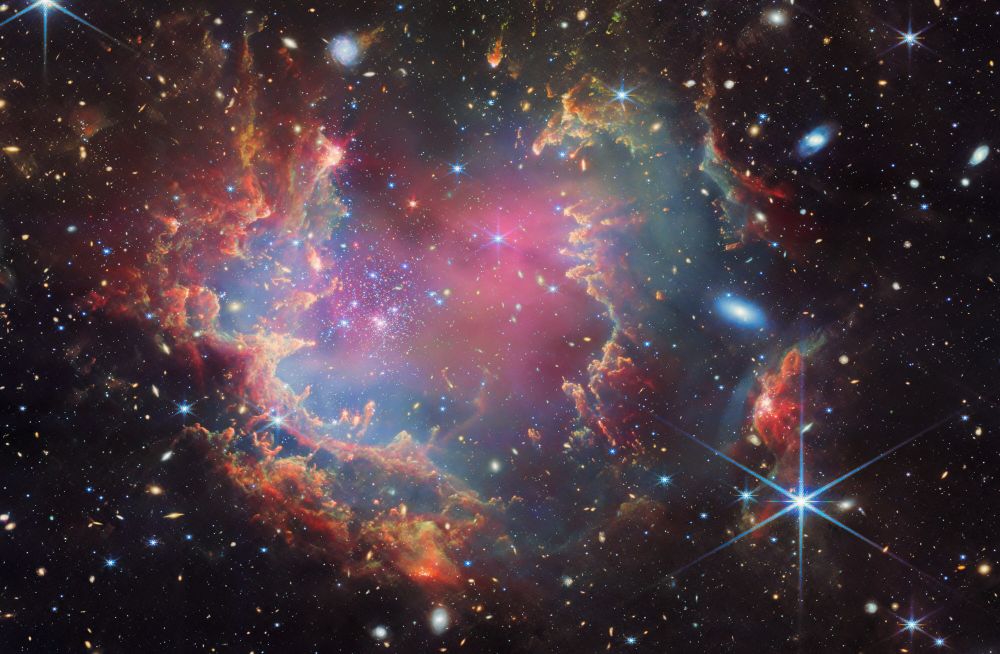
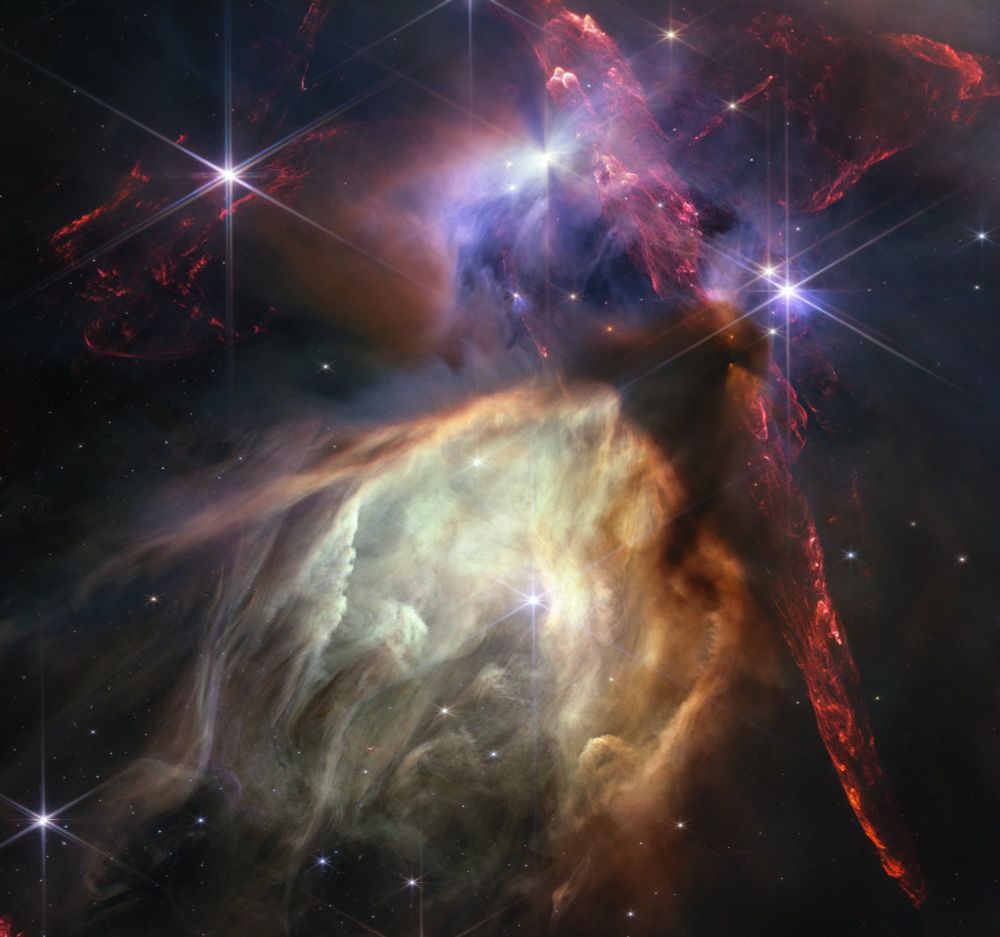
this is where i live btw


May 27, 2025 at 4:17 AM
this is where i live btw
Reposted by Rona

Last 4 #sunset shots from tonight. Didn't do bad today. Maybe I'll do some shots later on tonight if I can get my batteries charged. If not then it might be my last photos for a while. 🤷
#art #nature #belleriver #photography
#art #nature #belleriver #photography


May 25, 2025 at 1:56 AM
Last 4 #sunset shots from tonight. Didn't do bad today. Maybe I'll do some shots later on tonight if I can get my batteries charged. If not then it might be my last photos for a while. 🤷
#art #nature #belleriver #photography
#art #nature #belleriver #photography
Reposted by Rona
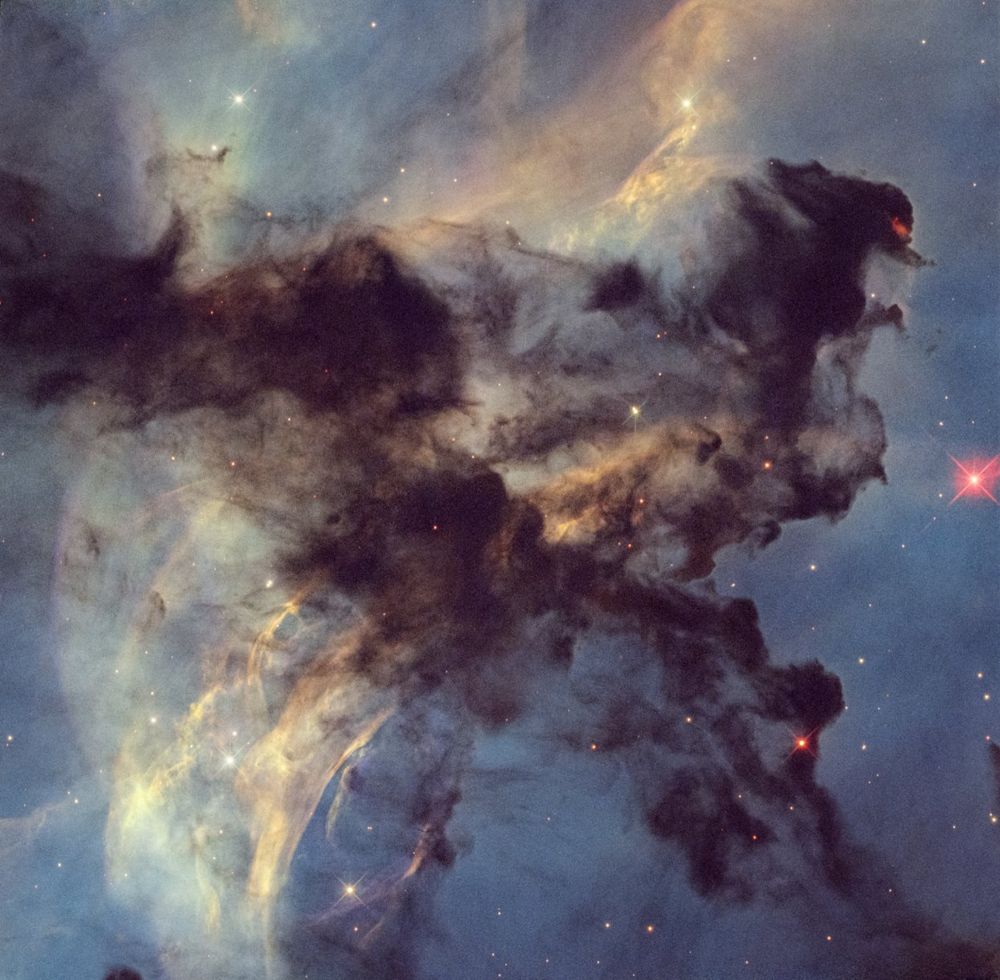
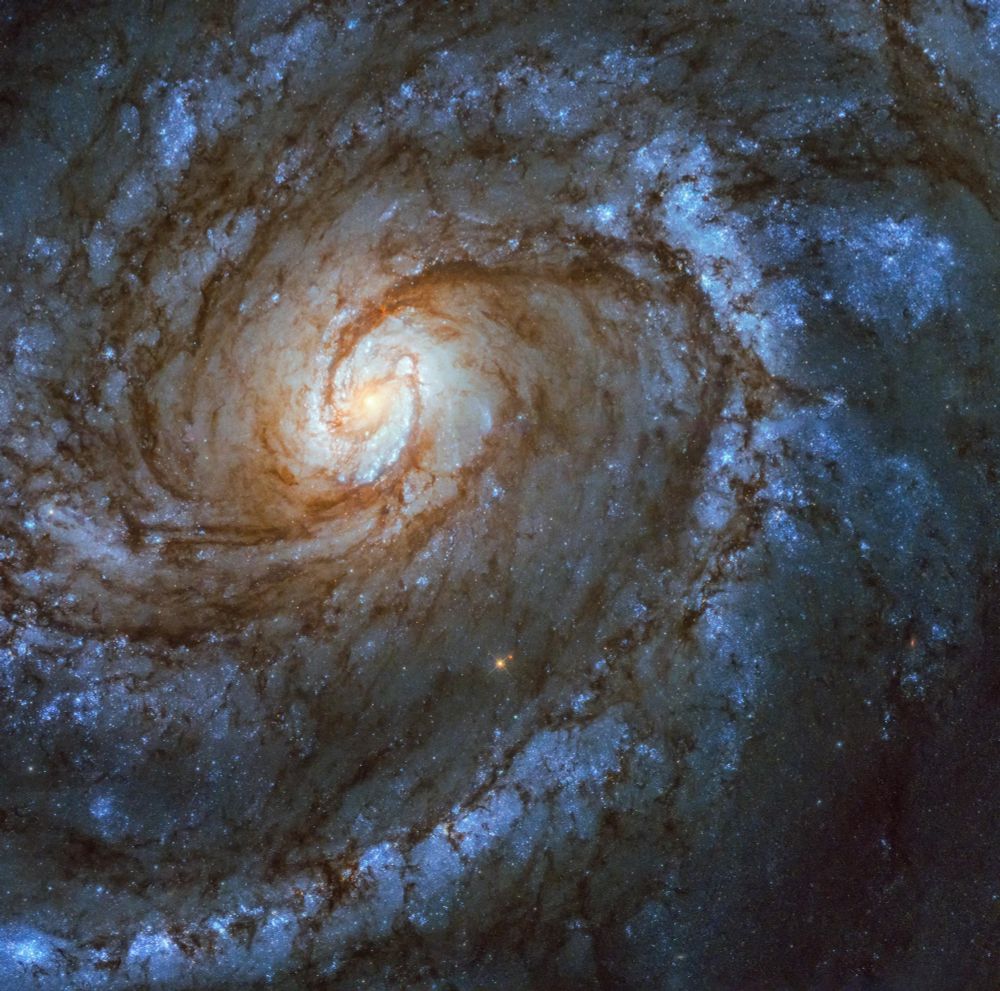
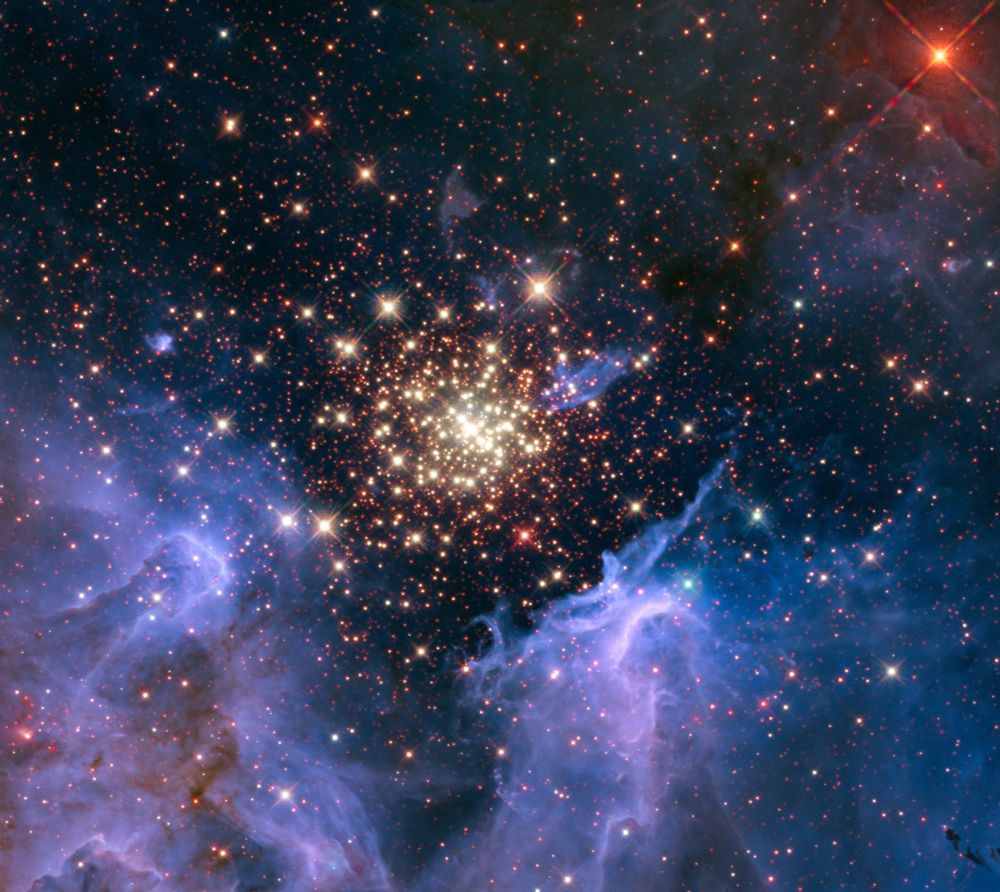
take me here so i can escape earth for a little while

May 17, 2025 at 9:29 PM
take me here so i can escape earth for a little while
Reposted by Rona
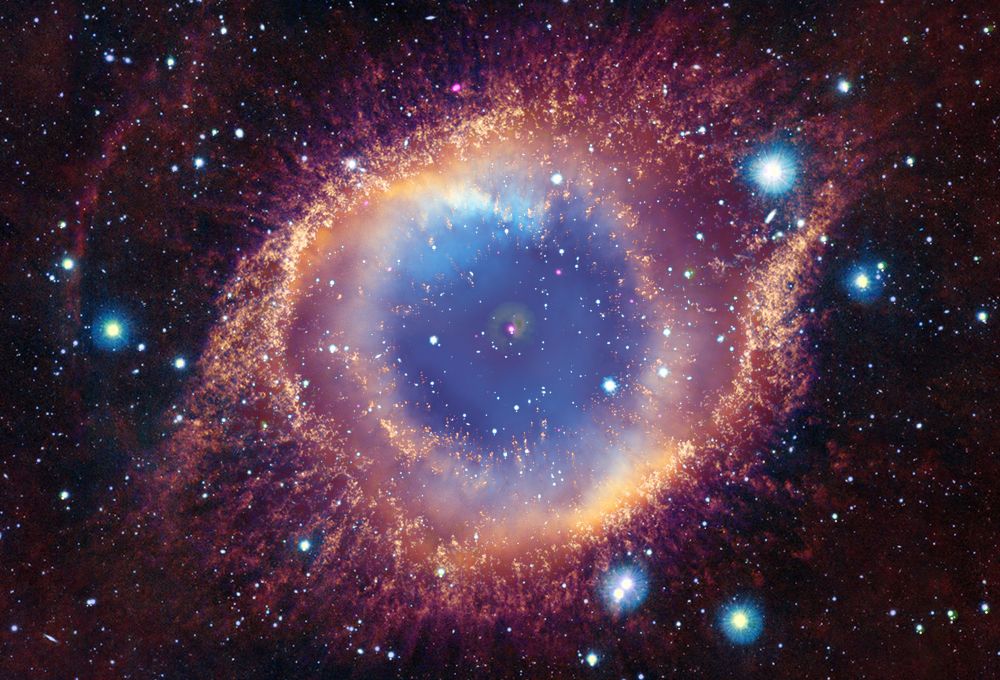
the helix nebula has always been one of my favorites cause it looks like a giant space eyeball
May 13, 2025 at 1:33 AM
the helix nebula has always been one of my favorites cause it looks like a giant space eyeball
Reposted by Rona
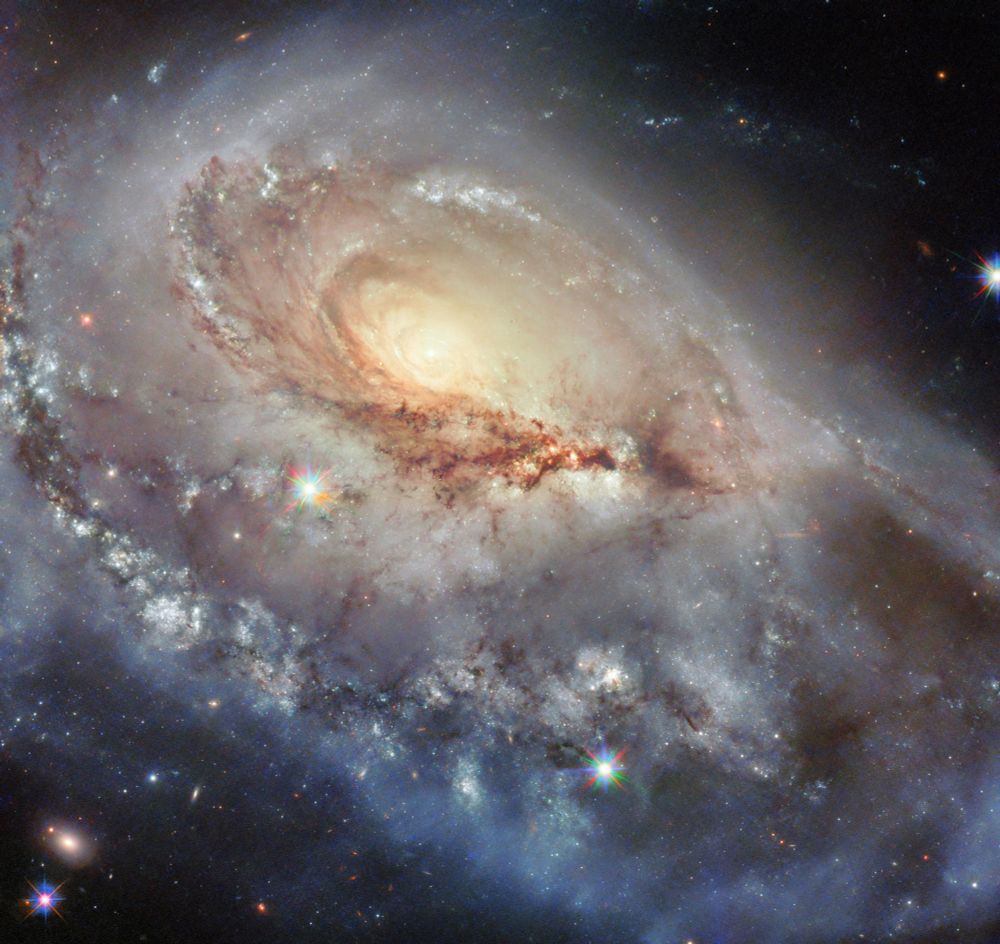
literally me if i was a galaxy


May 8, 2025 at 3:48 AM
literally me if i was a galaxy
Reposted by Rona
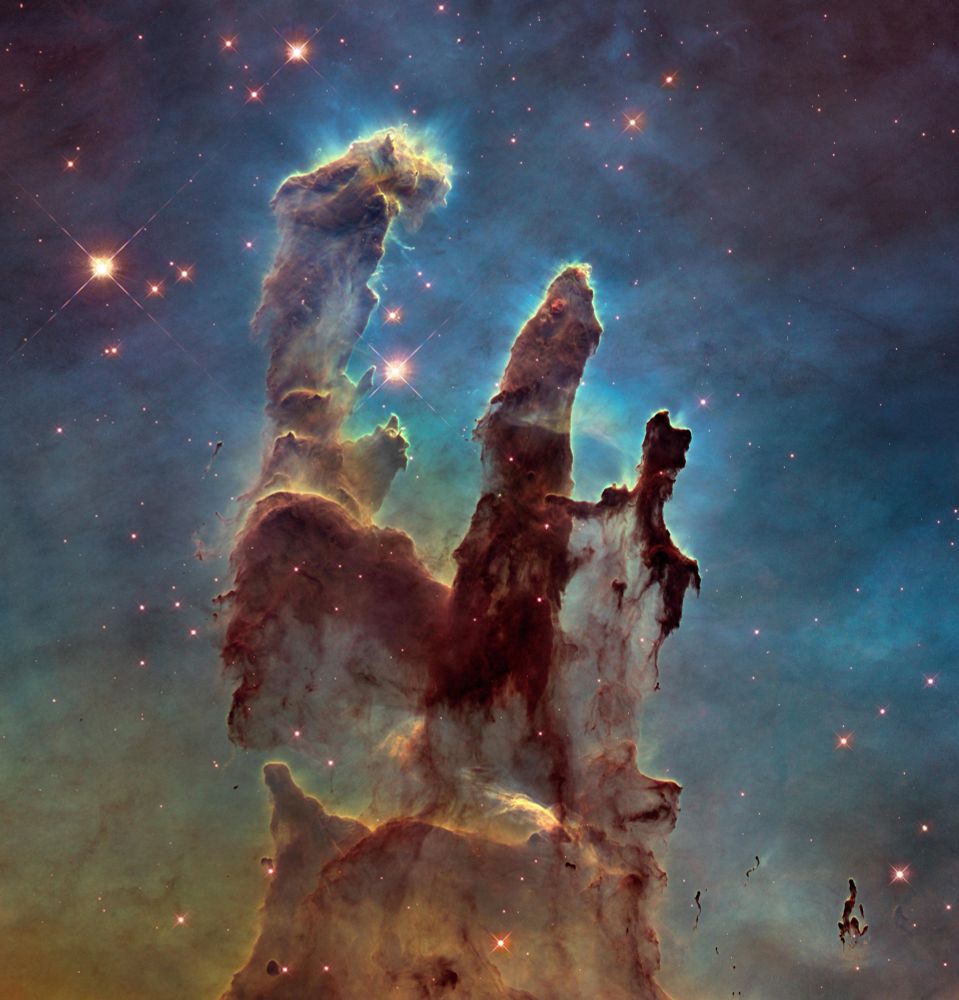
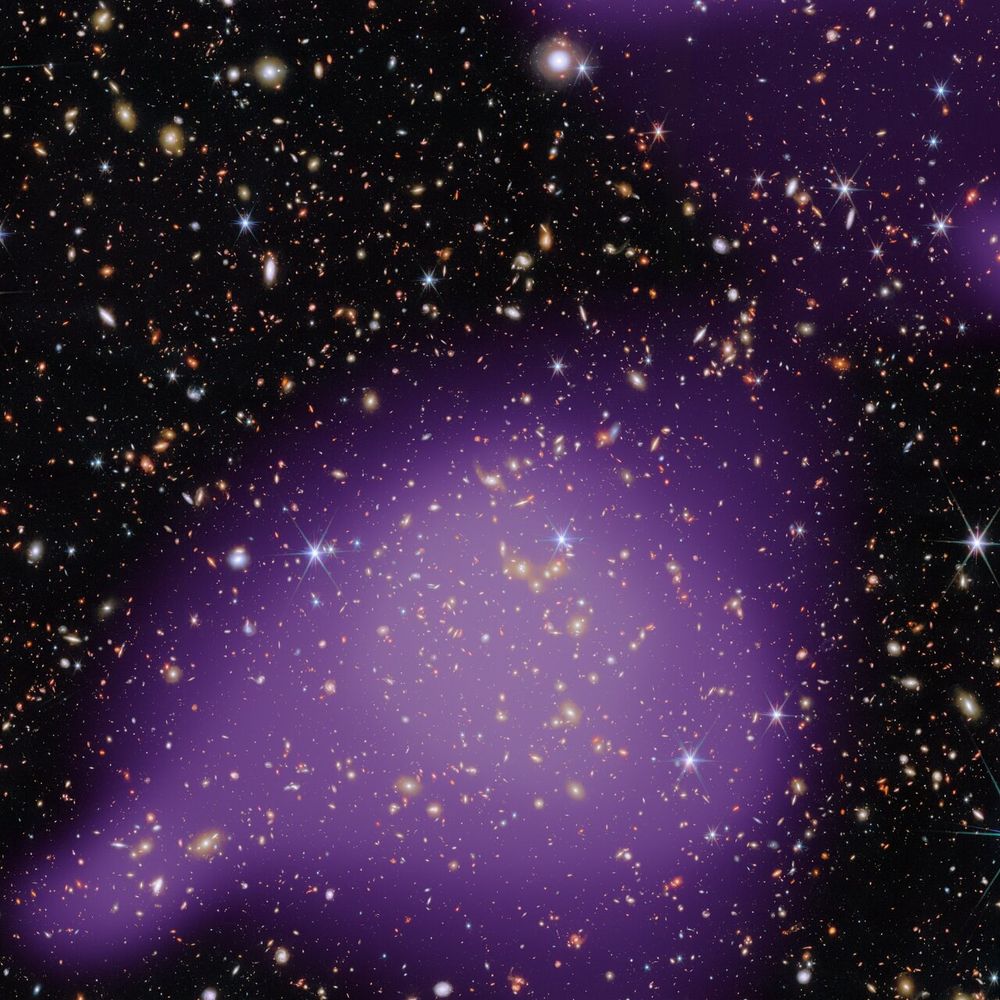
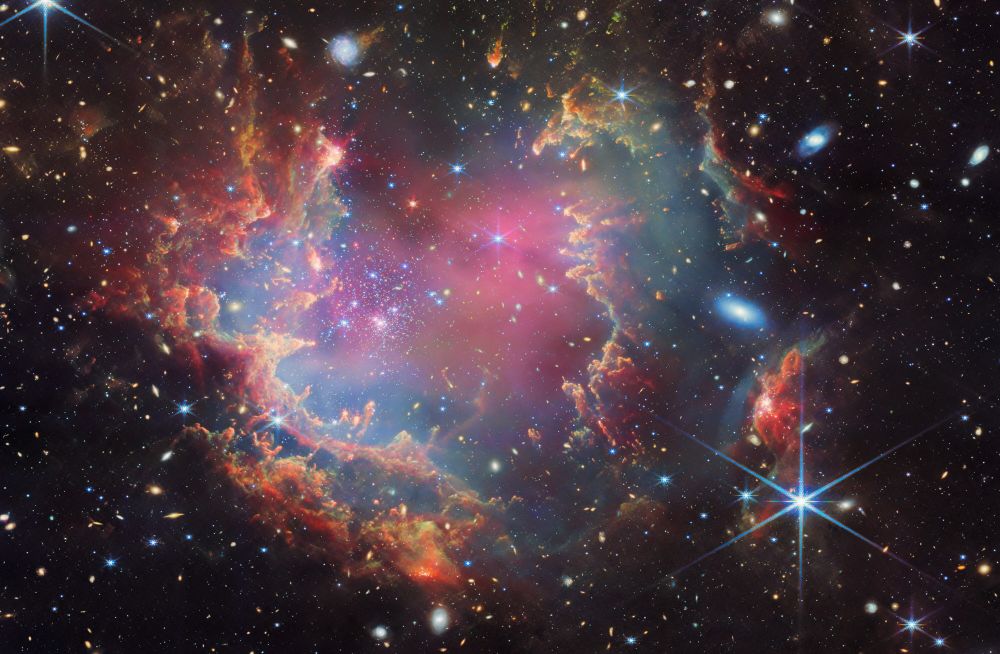
HAPPY NATIONAL SPACE DAY!!!!
May 2, 2025 at 11:42 PM
HAPPY NATIONAL SPACE DAY!!!!
Reposted by Rona
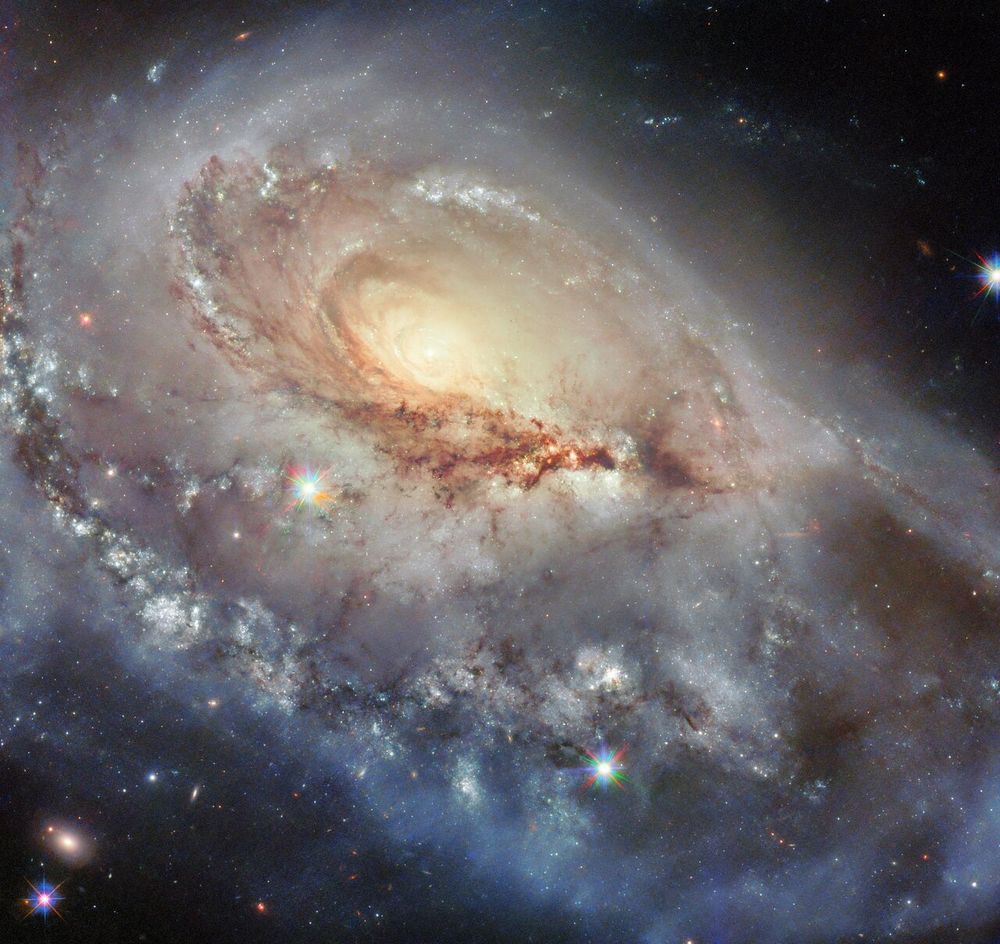
this is one of those space images that’s “so beautiful it looks like a painting” 🌌
April 28, 2025 at 10:40 PM
this is one of those space images that’s “so beautiful it looks like a painting” 🌌
Reposted by Rona
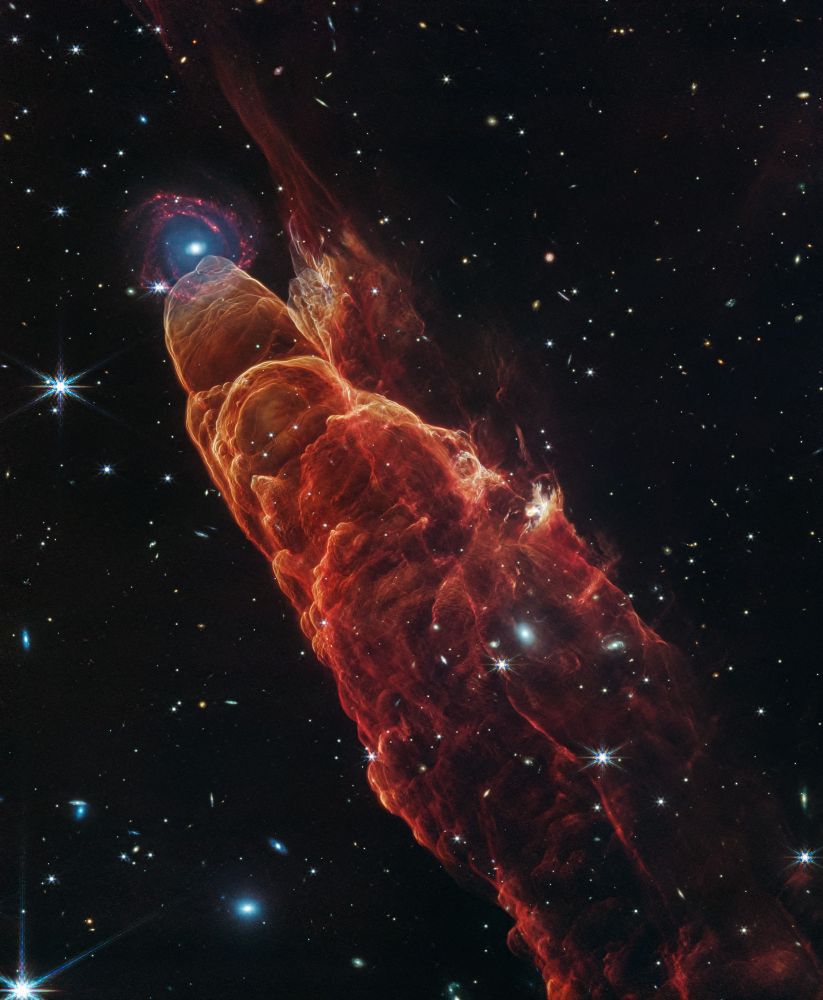
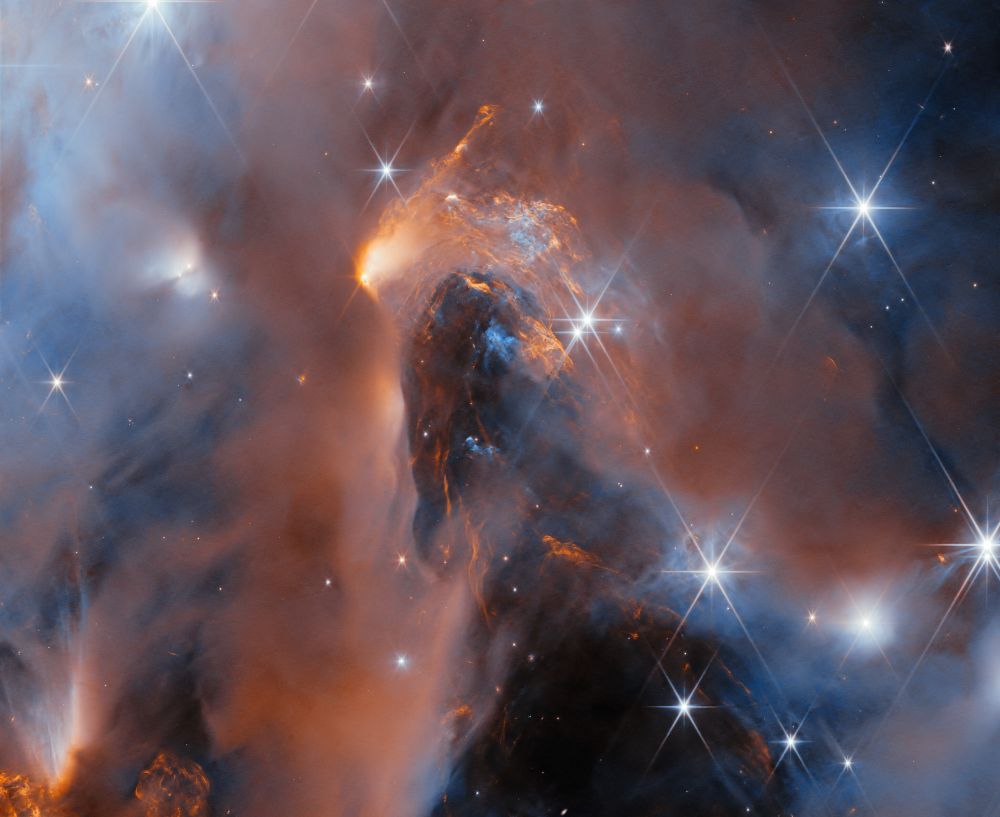
i need some space… and maybe you do too
April 18, 2025 at 2:31 AM
i need some space… and maybe you do too
Reposted by Rona
There is a huge, hexagonal storm system at the north pole of Saturn.
It's 29,000 km across—more than twice the diameter of Earth.
Credit: NASA/JPL-Caltech/SSI/Kevin M. Gill (@kevinmgill.bsky.social)
It's 29,000 km across—more than twice the diameter of Earth.
Credit: NASA/JPL-Caltech/SSI/Kevin M. Gill (@kevinmgill.bsky.social)

April 8, 2025 at 1:12 AM
There is a huge, hexagonal storm system at the north pole of Saturn.
It's 29,000 km across—more than twice the diameter of Earth.
Credit: NASA/JPL-Caltech/SSI/Kevin M. Gill (@kevinmgill.bsky.social)
It's 29,000 km across—more than twice the diameter of Earth.
Credit: NASA/JPL-Caltech/SSI/Kevin M. Gill (@kevinmgill.bsky.social)
Reposted by Rona
WOW WOW WOW LOOK AT THIS BEAUTIFUL NEW HUBBLE IMAGE OF NGC 346!!! 🌌

April 5, 2025 at 7:45 PM
WOW WOW WOW LOOK AT THIS BEAUTIFUL NEW HUBBLE IMAGE OF NGC 346!!! 🌌

Reposted by Rona
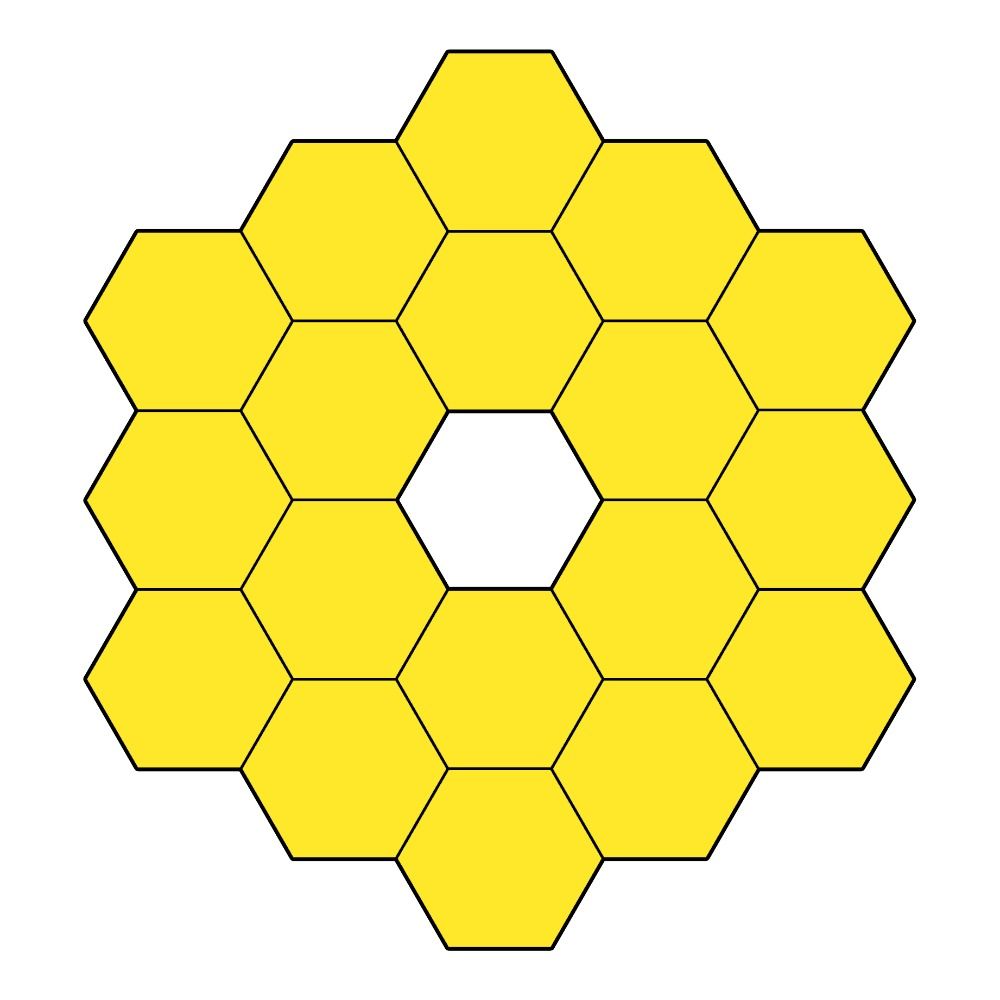
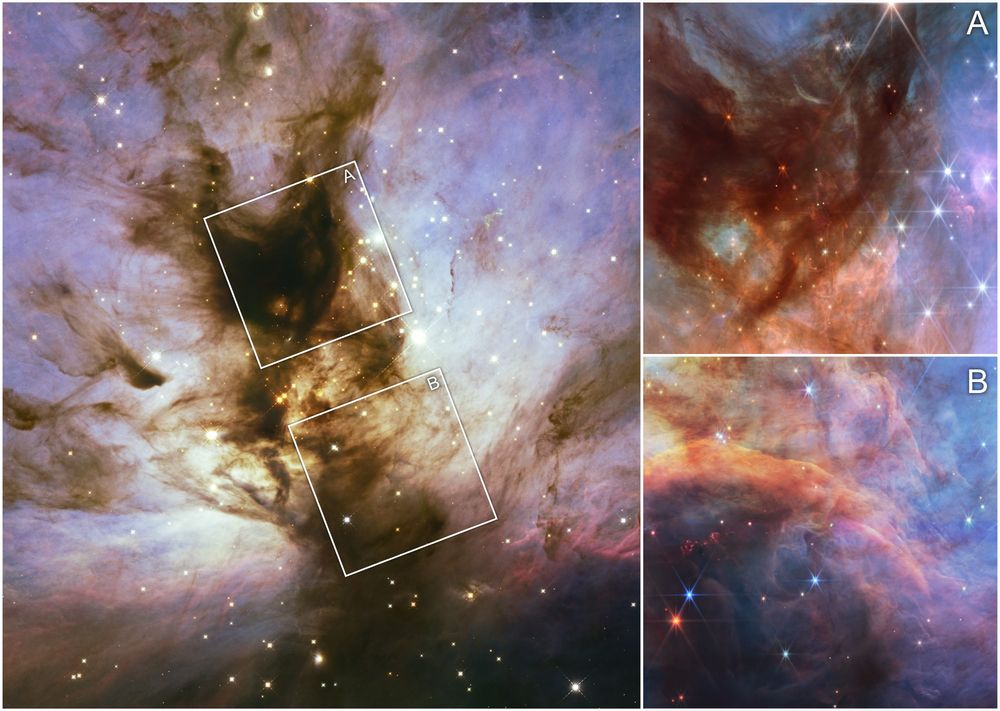
New JWST image: portions of Flame nebula (right).
science.nasa.gov/missions/web...
NASA, ESA, CSA, STScI, Michael Meyer (University of Michigan), Matthew De Furio (UT Austin), Massimo Robberto (STScI), Alyssa Pagan (STScI)
science.nasa.gov/missions/web...
NASA, ESA, CSA, STScI, Michael Meyer (University of Michigan), Matthew De Furio (UT Austin), Massimo Robberto (STScI), Alyssa Pagan (STScI)
March 10, 2025 at 9:15 PM
New JWST image: portions of Flame nebula (right).
science.nasa.gov/missions/web...
NASA, ESA, CSA, STScI, Michael Meyer (University of Michigan), Matthew De Furio (UT Austin), Massimo Robberto (STScI), Alyssa Pagan (STScI)
science.nasa.gov/missions/web...
NASA, ESA, CSA, STScI, Michael Meyer (University of Michigan), Matthew De Furio (UT Austin), Massimo Robberto (STScI), Alyssa Pagan (STScI)
Reposted by Rona
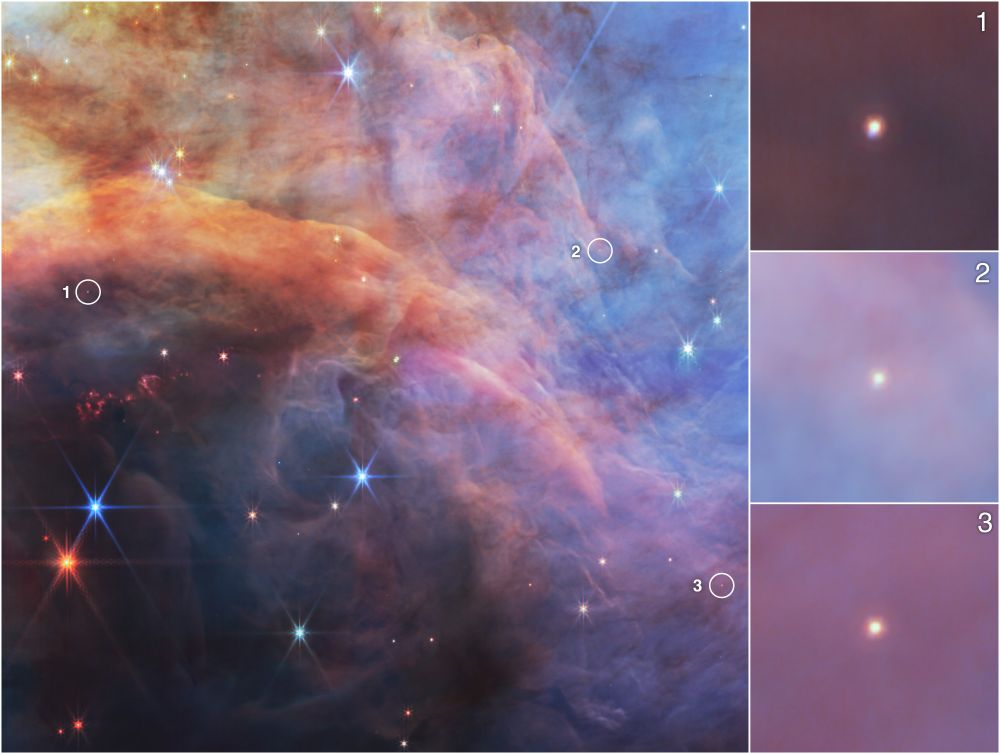
Low Mass Objects within the Flame Nebula in Infrared Light, in the new JWST image.
NASA, ESA, CSA, STScI, M. Meyer (University of Michigan)
NASA, ESA, CSA, STScI, M. Meyer (University of Michigan)
March 10, 2025 at 9:16 PM
Low Mass Objects within the Flame Nebula in Infrared Light, in the new JWST image.
NASA, ESA, CSA, STScI, M. Meyer (University of Michigan)
NASA, ESA, CSA, STScI, M. Meyer (University of Michigan)
Reposted by Rona
The bright blue spiral galaxy NGC 6951, 78 million light-years away in Cepheus, has a starry history and a supermassive black hole at its core. It has hosted six supernovae in 25 years. Hubble captured this stunning image in visible and infrared light.
Credit: NASA,ESA,Hubble, A. Filippenko et al
Credit: NASA,ESA,Hubble, A. Filippenko et al

March 9, 2025 at 4:19 PM
The bright blue spiral galaxy NGC 6951, 78 million light-years away in Cepheus, has a starry history and a supermassive black hole at its core. It has hosted six supernovae in 25 years. Hubble captured this stunning image in visible and infrared light.
Credit: NASA,ESA,Hubble, A. Filippenko et al
Credit: NASA,ESA,Hubble, A. Filippenko et al