




Leo Fernandino
@lfernandino.bsky.social
Professor and cognitive neuroscientist. Functional neuroimaging of concept representation and language-based communication.
Reposted by Leo Fernandino
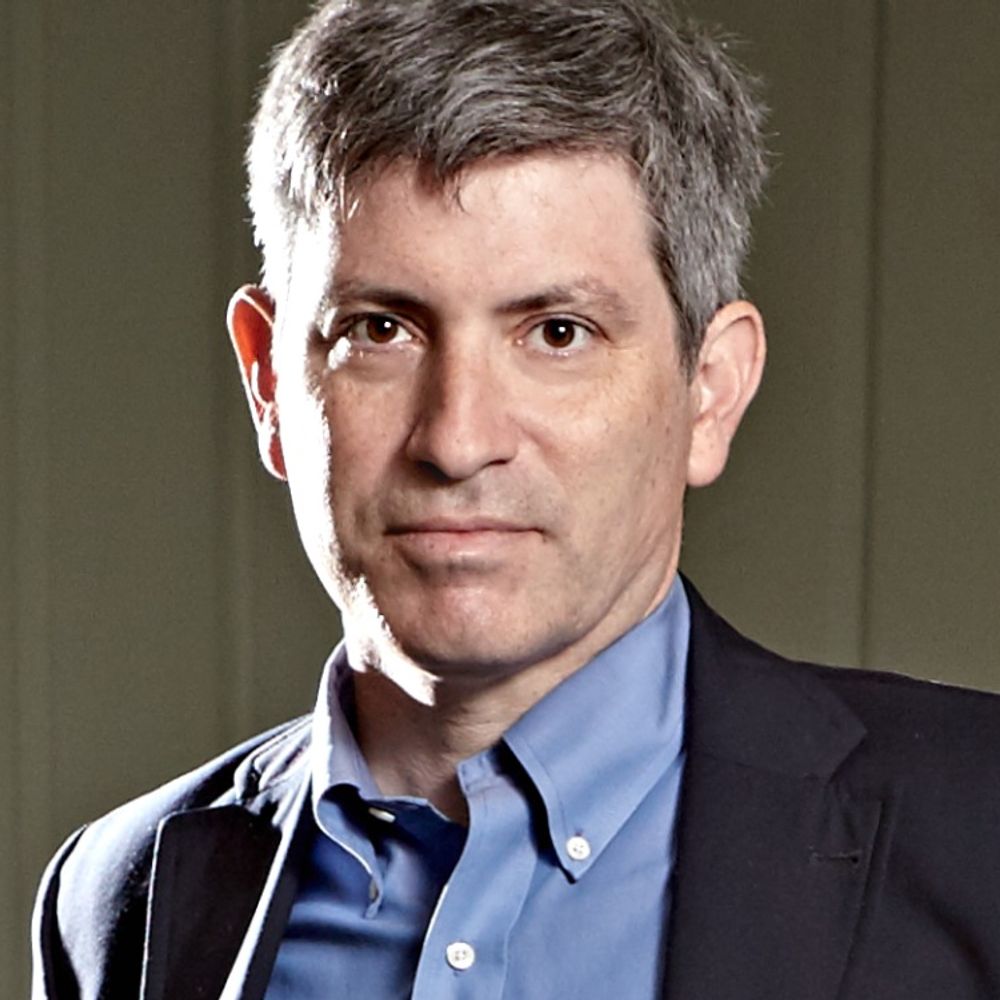
Today my @nytimes.com colleagues and I are launching a new series called Lost Science. We interview US scientists who can no longer discover something new about our world, thanks to this year‘s cuts. Here is my first interview with a scientist who studied bees and fires. Gift link: nyti.ms/3IWXbiE
nyti.ms
October 8, 2025 at 11:29 PM
Today my @nytimes.com colleagues and I are launching a new series called Lost Science. We interview US scientists who can no longer discover something new about our world, thanks to this year‘s cuts. Here is my first interview with a scientist who studied bees and fires. Gift link: nyti.ms/3IWXbiE
Different kinds of concepts—from concrete objects to social events—can be decoded from brain activity based on the same interpretable code:
doi.org/10.1523/jneuro…
PDF: tinyurl.com/msr3zzrd
doi.org/10.1523/jneuro…
PDF: tinyurl.com/msr3zzrd

October 9, 2025 at 2:17 AM
Different kinds of concepts—from concrete objects to social events—can be decoded from brain activity based on the same interpretable code:
doi.org/10.1523/jneuro…
PDF: tinyurl.com/msr3zzrd
doi.org/10.1523/jneuro…
PDF: tinyurl.com/msr3zzrd
Reposted by Leo Fernandino


Reposted by Leo Fernandino

Really enjoyed my weekend read on 𝐚𝐜𝐭𝐢𝐯𝐞 𝐟𝐢𝐥𝐭𝐞𝐫𝐢𝐧𝐠: local recurrence amplifies natural input patterns and suppresses stray activity. This review beautifully argues that sensory cortex itself is a site of memory and prediction. Food for thought on hallucinations!
#neuroskyence #neuroscience
#neuroskyence #neuroscience

The brain is incredibly densely connected. Human cerebral cortex may have as many as *one trillion* connections.
Most of those cortical connections are recurrent, inside each area. What do they do?
New paper from me in Annual Reviews: 🧪 🧠📈 1/
www.annualreviews.org/content/jour...
Most of those cortical connections are recurrent, inside each area. What do they do?
New paper from me in Annual Reviews: 🧪 🧠📈 1/
www.annualreviews.org/content/jour...
Active Filtering: A Predictive Function of Recurrent Circuits of Sensory Cortex | Annual Reviews
Our brains encode many features of the sensory world into memories: We can sing along with songs we have heard before, interpret spoken and written language composed of words we have learned, and reco...
www.annualreviews.org
September 27, 2025 at 3:12 PM
Really enjoyed my weekend read on 𝐚𝐜𝐭𝐢𝐯𝐞 𝐟𝐢𝐥𝐭𝐞𝐫𝐢𝐧𝐠: local recurrence amplifies natural input patterns and suppresses stray activity. This review beautifully argues that sensory cortex itself is a site of memory and prediction. Food for thought on hallucinations!
#neuroskyence #neuroscience
#neuroskyence #neuroscience
Reposted by Leo Fernandino
Cortical networks with multiple interneuron types generate oscillatory patterns during predictive coding
doi.org/10.1371/jour...
#neuroscience
doi.org/10.1371/jour...
#neuroscience

Cortical networks with multiple interneuron types generate oscillatory patterns during predictive coding
Author summary Predictive coding (PC) suggests that the brain constantly generates expectations about the world and updates these expectations based on incoming sensory input. While being a prominent ...
doi.org
September 25, 2025 at 6:52 PM
Cortical networks with multiple interneuron types generate oscillatory patterns during predictive coding
doi.org/10.1371/jour...
#neuroscience
doi.org/10.1371/jour...
#neuroscience