



@kgammon.bsky.social
Reposted

Fellow nondriver in the NYT 😄
@danzep.bsky.social
@danzep.bsky.social

Opinion | Europe Built Trains. America Built Highways and Regret.
www.nytimes.com
May 19, 2025 at 1:30 AM
Fellow nondriver in the NYT 😄
@danzep.bsky.social
@danzep.bsky.social
Reposted

More evidence supporting the theory that one reason business owners overestimate the number of customers who drive is because the only customers who complain to them about about traffic and parking are drivers.
nyc.streetsblog.org/2025/03/10/c...
nyc.streetsblog.org/2025/03/10/c...
![“It’s mostly comments I get from the people that do drive in, but it isn’t going to be that significant,” Kaufman admitted. “People won't come in, or they’ll wait until they are coming [to Manhattan] to see a show or do something else. I had a couple of people who said they went to see the doctor and figured they’d come down and get pickles. They’re not going to do the one trip, they’re going to combine their trips. There's less traffic, I agree, but is it worth it?”](https://cdn.bsky.app/img/feed_thumbnail/plain/did:plc:rdistsjuqdr5yakpv3ryfgws/bafkreibr55vpkfcdq2fovcjngnw7m2x3rudqd4x45rkgngzg33alxfk5k4@jpeg)
March 10, 2025 at 1:27 PM
More evidence supporting the theory that one reason business owners overestimate the number of customers who drive is because the only customers who complain to them about about traffic and parking are drivers.
nyc.streetsblog.org/2025/03/10/c...
nyc.streetsblog.org/2025/03/10/c...
Reposted

A typical European car is parked 92% of the time. It spends 1/5th of its driving time looking for parking. Its 5 seats only move 1.5 people. 86% of its fuel never reaches the wheels, and most of the energy that does, moves the car, not the people.
Sound efficient?
HT @ellenmacarthurfdn.bsky.social
Sound efficient?
HT @ellenmacarthurfdn.bsky.social

March 10, 2025 at 7:36 AM
A typical European car is parked 92% of the time. It spends 1/5th of its driving time looking for parking. Its 5 seats only move 1.5 people. 86% of its fuel never reaches the wheels, and most of the energy that does, moves the car, not the people.
Sound efficient?
HT @ellenmacarthurfdn.bsky.social
Sound efficient?
HT @ellenmacarthurfdn.bsky.social
Reposted

Even without a spike from tariffs, the cost of car ownership (gas, insurance, maintenance, and the car itself) jumped 44% from 2007 to 2023. (Source: www.bts.gov/content/aver...)
Americans pay a massive surcharge for living in a car-dependent nation.
Americans pay a massive surcharge for living in a car-dependent nation.

March 3, 2025 at 7:45 PM
Even without a spike from tariffs, the cost of car ownership (gas, insurance, maintenance, and the car itself) jumped 44% from 2007 to 2023. (Source: www.bts.gov/content/aver...)
Americans pay a massive surcharge for living in a car-dependent nation.
Americans pay a massive surcharge for living in a car-dependent nation.
Reposted

In Washington last year, a traffic crash killed or seriously injured someone every 2.7 hours, but I've never seen a TV news station claim that even a single horrific crash "highlights the dangers" of roadway travel.

February 18, 2025 at 4:57 PM
In Washington last year, a traffic crash killed or seriously injured someone every 2.7 hours, but I've never seen a TV news station claim that even a single horrific crash "highlights the dangers" of roadway travel.
Reposted

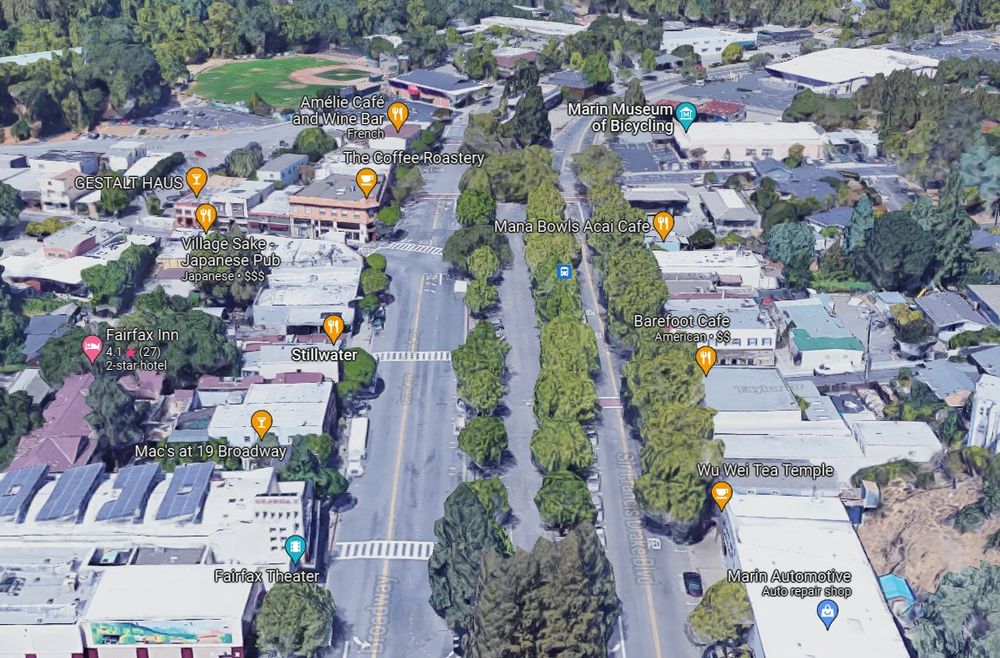
I will never not be upset by the allocation of public space in downtown Fairfax, CA.
Fully 85% of the public right-of-way is devoted to the movement or storage of cars.
Fully 85% of the public right-of-way is devoted to the movement or storage of cars.


February 18, 2025 at 10:16 PM
I will never not be upset by the allocation of public space in downtown Fairfax, CA.
Fully 85% of the public right-of-way is devoted to the movement or storage of cars.
Fully 85% of the public right-of-way is devoted to the movement or storage of cars.
Reposted
Every single parent in America knows that the biggest day-to-day threat to their kid is getting run over by a car.
And yet, 99% of them just shrug their shoulders and say, "well, I guess we gotta buy a huge car and never let them walk/bike anywhere."
And yet, 99% of them just shrug their shoulders and say, "well, I guess we gotta buy a huge car and never let them walk/bike anywhere."

Car crashes have been the leading cause of child traumatic injury and death—by far—for decades. The ratio of crash injuries* to gun injuries is ~33:1. Most crash injuries and deaths occur while doing an ordinary thing.
* Trips to emergency room. Does not count non ED injuries.
* Trips to emergency room. Does not count non ED injuries.
February 18, 2025 at 4:46 PM
Every single parent in America knows that the biggest day-to-day threat to their kid is getting run over by a car.
And yet, 99% of them just shrug their shoulders and say, "well, I guess we gotta buy a huge car and never let them walk/bike anywhere."
And yet, 99% of them just shrug their shoulders and say, "well, I guess we gotta buy a huge car and never let them walk/bike anywhere."
Reposted
This is important — closing Central #Madrid to cars over holidays resulted in a 9.5% boost in retail spending on its main shopping street: STUDY.
There was also a 71% drop in air pollution.
Via @carltonreid.com in @forbes.com. #citymakingmath #citiesforpeople www.forbes.com/sites/carlto...
There was also a 71% drop in air pollution.
Via @carltonreid.com in @forbes.com. #citymakingmath #citiesforpeople www.forbes.com/sites/carlto...
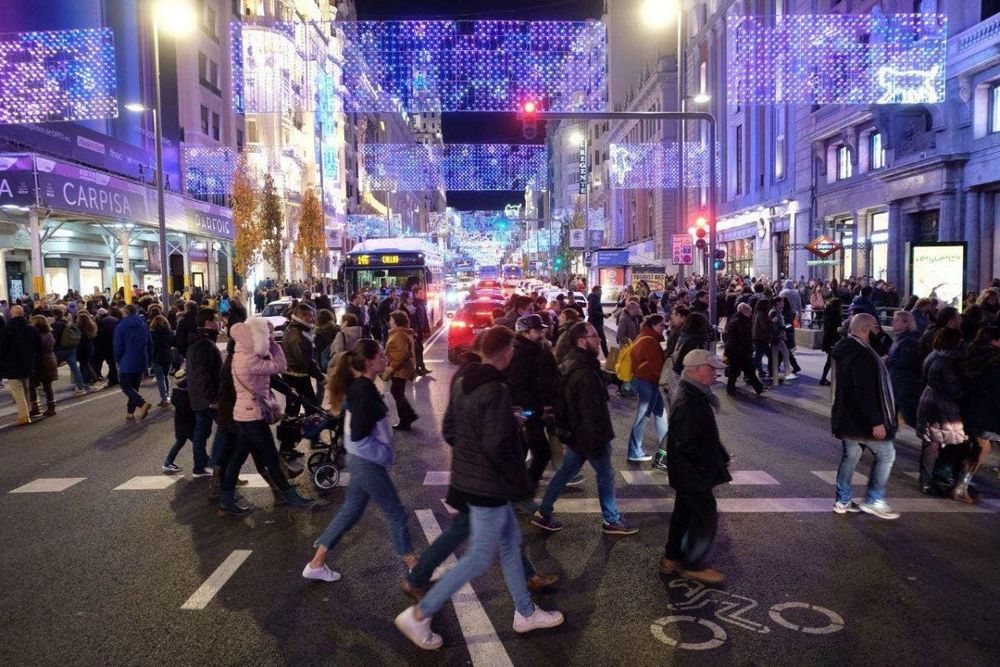
Closing Central Madrid To Cars Resulted In 9.5% Boost To Retail Spending, Finds Bank Analysis
City of Madrid significantly boosted the takings of its shops and restaurants last Christmas by banning cars from the CBD, finds an analysis by Spain's second largest bank.
www.forbes.com
February 12, 2025 at 8:35 PM
This is important — closing Central #Madrid to cars over holidays resulted in a 9.5% boost in retail spending on its main shopping street: STUDY.
There was also a 71% drop in air pollution.
Via @carltonreid.com in @forbes.com. #citymakingmath #citiesforpeople www.forbes.com/sites/carlto...
There was also a 71% drop in air pollution.
Via @carltonreid.com in @forbes.com. #citymakingmath #citiesforpeople www.forbes.com/sites/carlto...
Reposted

This could be every waterfront freeway in the USA…
(Paris, EmmanuelSPV)
(Paris, EmmanuelSPV)
February 12, 2025 at 4:43 PM
This could be every waterfront freeway in the USA…
(Paris, EmmanuelSPV)
(Paris, EmmanuelSPV)
Reposted

I remain mystified why anyone would not want to have train service that could connect New York and Washington in 52 minutes or a 59 minute Chicago-Detroit train.
www.cnn.com/travel/china...
www.cnn.com/travel/china...

China breaks its own record for ‘the world’s fastest high speed train’ | CNN
The CR450 prototype can reportedly hit speeds of 450 kilometers (281 miles) per hour.
www.cnn.com
February 10, 2025 at 9:22 PM
I remain mystified why anyone would not want to have train service that could connect New York and Washington in 52 minutes or a 59 minute Chicago-Detroit train.
www.cnn.com/travel/china...
www.cnn.com/travel/china...
Reposted
“…this extreme car dependence is affecting Americans’ quality of life, with a new study finding there is a tipping point at which more driving leads to deeper unhappiness…having to drive for more than 50% of the time for out-of-home activities is linked to a decrease in life satisfaction.”
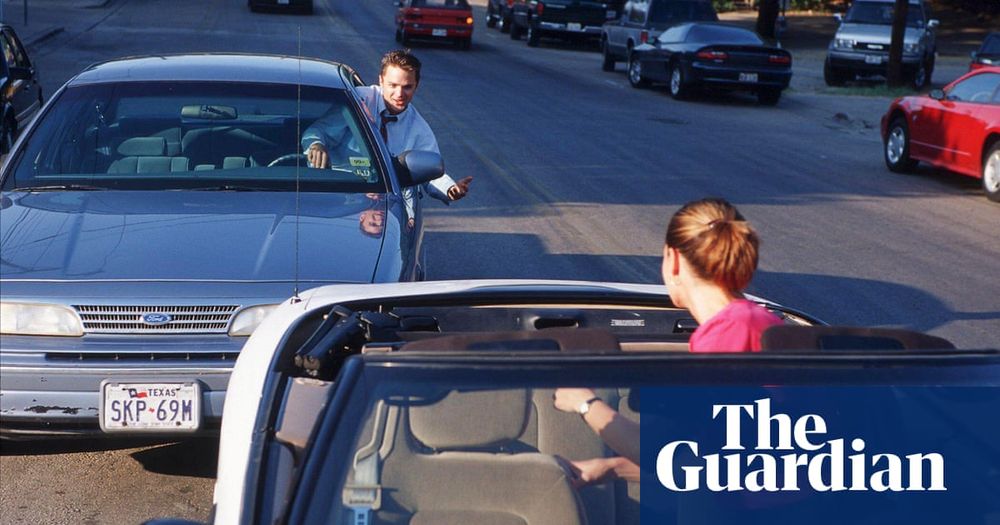
How extreme car dependency is driving Americans to unhappiness
A car is often essential in the US but while owning a vehicle is better than not for life satisfaction, a study has found, having to drive too much sends happiness plummeting
www.theguardian.com
February 10, 2025 at 5:45 AM
“…this extreme car dependence is affecting Americans’ quality of life, with a new study finding there is a tipping point at which more driving leads to deeper unhappiness…having to drive for more than 50% of the time for out-of-home activities is linked to a decrease in life satisfaction.”
Reposted
One of the many attacks by opponents against de-congestion pricing in New York was that it will “kill Broadway.” Like most such attacks, this one was wrong too. In fact it’s probably helping Broadway. Again, not a surprise. Via @nyc.streetsblog.org
nyc.streetsblog.org/2025/02/05/w...
nyc.streetsblog.org/2025/02/05/w...

Wind in their Sales: Congestion Pricing is No 'Toll' on the Broadway Box Office - Streetsblog New York City
Despite doom prognostications, congestion pricing has not hurt Broadway's bottom line a bit — and, in fact, may be boosting it.
nyc.streetsblog.org
February 8, 2025 at 6:06 PM
One of the many attacks by opponents against de-congestion pricing in New York was that it will “kill Broadway.” Like most such attacks, this one was wrong too. In fact it’s probably helping Broadway. Again, not a surprise. Via @nyc.streetsblog.org
nyc.streetsblog.org/2025/02/05/w...
nyc.streetsblog.org/2025/02/05/w...
Reposted
Never forget, for many years #Uber insisted loudly that it would reduce traffic in cities. Instead, Uber drivers cruise without passengers 40% of the time. Uber and Lyft no longer claim they reduce traffic. They now admit they increase congestion.
So much for “making cities better…”
Via @wsj.com
So much for “making cities better…”
Via @wsj.com

The Ride-Hail Utopia That Got Stuck in Traffic
Uber and Lyft said they would ease congestion. Instead they made it worse.
www.wsj.com
February 4, 2025 at 5:01 AM
Reposted
Short answer: Yes
"Using a car for over 50% of out-of-home activities lowers life satisfaction."
doi.org/10.1016/j.tb...
"Using a car for over 50% of out-of-home activities lowers life satisfaction."
doi.org/10.1016/j.tb...

February 4, 2025 at 4:49 PM
Short answer: Yes
"Using a car for over 50% of out-of-home activities lowers life satisfaction."
doi.org/10.1016/j.tb...
"Using a car for over 50% of out-of-home activities lowers life satisfaction."
doi.org/10.1016/j.tb...
Reposted
Imagine if your city did urban transformations like this. The 18th arrondissement of Paris, before and after, 2020 to 2024. Think about how that neighbourhood would feel after this change. How YOUR neighbourhood would feel.
It can be. Just takes vision & leadership.
HT @emmanuelspv.bsky.social
It can be. Just takes vision & leadership.
HT @emmanuelspv.bsky.social

February 4, 2025 at 5:52 AM
Imagine if your city did urban transformations like this. The 18th arrondissement of Paris, before and after, 2020 to 2024. Think about how that neighbourhood would feel after this change. How YOUR neighbourhood would feel.
It can be. Just takes vision & leadership.
HT @emmanuelspv.bsky.social
It can be. Just takes vision & leadership.
HT @emmanuelspv.bsky.social
Reposted
One of the most successful pedestrian streets in the world, the Strøget in Copenhagen, was filled with cars until a 2 year pedestrianization pilot project in 1962. The opposition argued “no cars means no business,” but the street has been a massive retail success, the city’s busiest shopping street.

February 1, 2025 at 5:07 PM
One of the most successful pedestrian streets in the world, the Strøget in Copenhagen, was filled with cars until a 2 year pedestrianization pilot project in 1962. The opposition argued “no cars means no business,” but the street has been a massive retail success, the city’s busiest shopping street.
Reposted
“Copenhagen reported that 62% of its residents are now commuting to work or school by bike — an increase from 52% in 2015 & 36% in 2012, when the City Council launched a 14-year-plan to improve the quality, safety & comfort of cycling.”
#Copenhagen chose. They keep choosing even better every year.
#Copenhagen chose. They keep choosing even better every year.
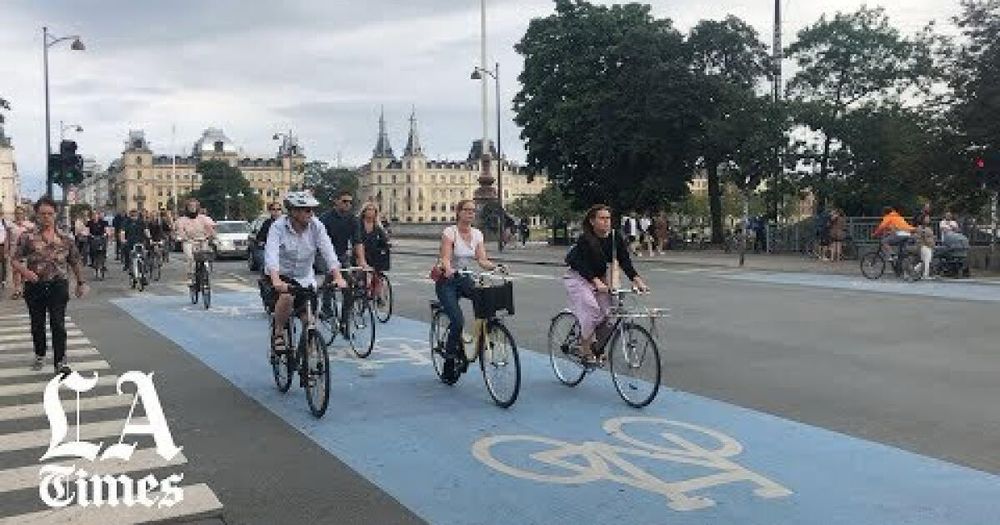
Copenhagen has taken bicycle commuting to a whole new level
Cycling has been a part of that good life in Copenhagen for decades. In recent years, it has enjoyed yet another unfathomable surge in popularity — taken to the next level thanks to constantly improvi...
www.latimes.com
February 1, 2025 at 4:55 AM
“Copenhagen reported that 62% of its residents are now commuting to work or school by bike — an increase from 52% in 2015 & 36% in 2012, when the City Council launched a 14-year-plan to improve the quality, safety & comfort of cycling.”
#Copenhagen chose. They keep choosing even better every year.
#Copenhagen chose. They keep choosing even better every year.
Reposted


Reposted

Read

I wrote something based on @andycraig.bsky.social's oped about the new "free speech crisis" specifically calling out how the biggest attackers of free speech use the language of free speech to suppress the speech of others. www.techdirt.com/2025/01/31/t...

The Faux Free Speech Warriors Attacking Free Speech
There’s a particularly insidious and cynical form of censorship gaining prominence in America: the weaponization of “free speech” rhetoric, combined with abuses of the judicial sy…
www.techdirt.com
January 31, 2025 at 9:10 PM
Read
Reposted

One of the greatest manipulations of our urban environments in the last century was making the masses dependent on a few thousand pounds of steel to go from A to B for the most basic of everyday needs.

January 31, 2025 at 3:03 PM
One of the greatest manipulations of our urban environments in the last century was making the masses dependent on a few thousand pounds of steel to go from A to B for the most basic of everyday needs.
Reposted
“One mile on a bike is a $.42 economic gain to society, one mile driving is a $.20 loss.”
“Which means that Copenhagen, a city of 1.2 million people, saves $357 million a year on health costs because something like 80% of its population commutes by bike.” #CityMakingMath
grist.org/biking/one-m...
“Which means that Copenhagen, a city of 1.2 million people, saves $357 million a year on health costs because something like 80% of its population commutes by bike.” #CityMakingMath
grist.org/biking/one-m...

One mile on a bike is a $.42 economic gain to society, one mile driving is a $.20 loss
Copenhagen, the bicycle-friendliest place on the planet, publishes a biannual Bicycle Account, and buried in its pages is a rather astonishing fact.
grist.org
January 30, 2025 at 7:10 AM
“One mile on a bike is a $.42 economic gain to society, one mile driving is a $.20 loss.”
“Which means that Copenhagen, a city of 1.2 million people, saves $357 million a year on health costs because something like 80% of its population commutes by bike.” #CityMakingMath
grist.org/biking/one-m...
“Which means that Copenhagen, a city of 1.2 million people, saves $357 million a year on health costs because something like 80% of its population commutes by bike.” #CityMakingMath
grist.org/biking/one-m...
Reposted

Americans will go on vacation to a place that isn’t a car sewer, walk and take public transit for 8-12 hrs. a day, notice a change in their health, and attribute it to “they must not have the Illuminati chemicals here”

Ainsley Earhardt makes a case for RFK Jr: "When you go to Europe, the food is delicious. It's so fresh. And you don't gain weight if you eat a big bowl of pasta. So we want that to come here to America."
January 29, 2025 at 4:08 PM
Americans will go on vacation to a place that isn’t a car sewer, walk and take public transit for 8-12 hrs. a day, notice a change in their health, and attribute it to “they must not have the Illuminati chemicals here”
Reposted
There’s no evidence that vaccines cause autism.
You know what there IS evidence of, when it comes to causal factors for autism?
Air pollution.
So cars. Including tail pipes, tire particles, brake pads.
And fossil fuel energy-related pollution, industrial pollution, etc.
And not just autism.
You know what there IS evidence of, when it comes to causal factors for autism?
Air pollution.
So cars. Including tail pipes, tire particles, brake pads.
And fossil fuel energy-related pollution, industrial pollution, etc.
And not just autism.
January 29, 2025 at 5:55 AM
There’s no evidence that vaccines cause autism.
You know what there IS evidence of, when it comes to causal factors for autism?
Air pollution.
So cars. Including tail pipes, tire particles, brake pads.
And fossil fuel energy-related pollution, industrial pollution, etc.
And not just autism.
You know what there IS evidence of, when it comes to causal factors for autism?
Air pollution.
So cars. Including tail pipes, tire particles, brake pads.
And fossil fuel energy-related pollution, industrial pollution, etc.
And not just autism.
Reposted

Max capacity passengers per hour:
* Boring Co’s Vegas Loop: 4,500
* NYC subway 6 train: 105,000
* Boring Co’s Vegas Loop: 4,500
* NYC subway 6 train: 105,000

January 27, 2025 at 12:21 PM
Max capacity passengers per hour:
* Boring Co’s Vegas Loop: 4,500
* NYC subway 6 train: 105,000
* Boring Co’s Vegas Loop: 4,500
* NYC subway 6 train: 105,000
Reposted
If someone chooses to live in a smaller home in the inner city in part to avoid a long commute, they generally don’t pressure society to build them a bigger house with more stuff. So if you choose a bigger stuff-filled house in the suburbs, don’t expect society to build you a fast car commute.

January 27, 2025 at 4:45 AM
If someone chooses to live in a smaller home in the inner city in part to avoid a long commute, they generally don’t pressure society to build them a bigger house with more stuff. So if you choose a bigger stuff-filled house in the suburbs, don’t expect society to build you a fast car commute.