



Eliano dos Santos
@elianods.bsky.social
Ageing scientist. From bedside @NOVA Medical School 🩺 to bench @CochemeLab @Imperial College London 🔬🪰 to new bench @Kings College London ❤️🧫🐁. Exploring acid-base balance in ageing and disease.
Reposted by Eliano dos Santos

Thanks for posting these photos - really enjoyed participating at the #GERF2025 festival this summer! Our #FutureFoodLive demo featured PhD student alumnus Eliano and his research on #pH in #ageing, as well as delicious pretzels baked live on stage!
🥨👨🍳🥼🧪👩🔬
🥨👨🍳🥼🧪👩🔬
This Summer, as part of Great Exhibition Road Festival, we were lucky to have our own @cochemelab.bsky.social highlighted in the Future Food Live tent!
To demonstrate the importance of pH the incredibly talented Jethro made pretzels which require boiling in alkali water before baking.
To demonstrate the importance of pH the incredibly talented Jethro made pretzels which require boiling in alkali water before baking.


August 15, 2025 at 6:53 PM
Thanks for posting these photos - really enjoyed participating at the #GERF2025 festival this summer! Our #FutureFoodLive demo featured PhD student alumnus Eliano and his research on #pH in #ageing, as well as delicious pretzels baked live on stage!
🥨👨🍳🥼🧪👩🔬
🥨👨🍳🥼🧪👩🔬
I’m running (walking really) the Royal Parks half marathon tomorrow to raise funds for the BHF and bring awareness to ageing as a modifiable risk factor for cardiovascular disease. Please donate here: www.justgiving.com/page/young-a...
❤️
❤️

Young at heart
Help Eliano Santos raise money to support British Heart Foundation
www.justgiving.com
October 11, 2025 at 1:24 PM
I’m running (walking really) the Royal Parks half marathon tomorrow to raise funds for the BHF and bring awareness to ageing as a modifiable risk factor for cardiovascular disease. Please donate here: www.justgiving.com/page/young-a...
❤️
❤️
Reposted by Eliano dos Santos
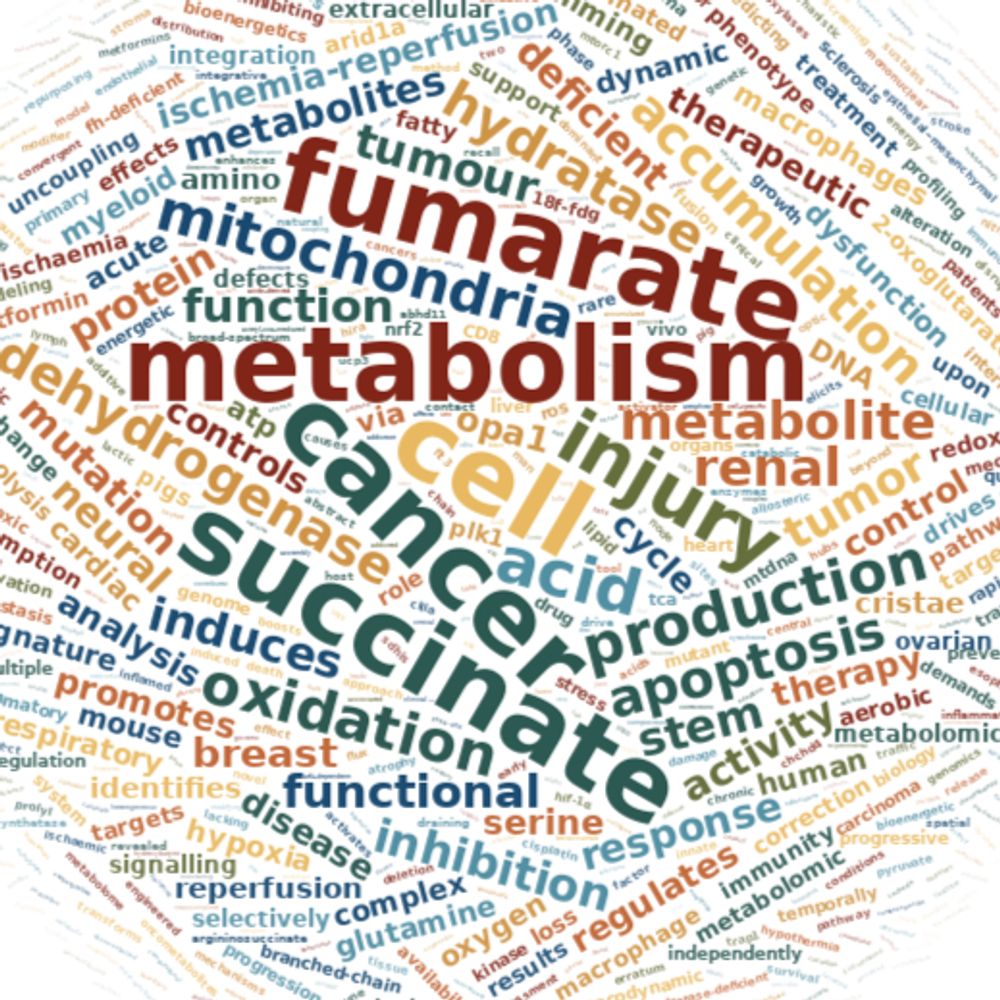
Acidosis orchestrates adaptations of energy metabolism in tumors | Science www.science.org/doi/10.1126/...

Acidosis orchestrates adaptations of energy metabolism in tumors
Malignant tumors are characterized by diverse metabolic stresses, including nutrient shortages, hypoxia, and buildup of metabolic by-products. To understand how cancer cells adapt to such challenges, ...
www.science.org
October 10, 2025 at 8:08 AM
Acidosis orchestrates adaptations of energy metabolism in tumors | Science www.science.org/doi/10.1126/...
Reposted by Eliano dos Santos

Excited to share our latest work at Cabreiro lab!
Chemotherapy modulation by a cancer-associated microbiota metabolite
www.cell.com/cell-systems...
Here's what we discovered 🧵
Chemotherapy modulation by a cancer-associated microbiota metabolite
www.cell.com/cell-systems...
Here's what we discovered 🧵

Chemotherapy modulation by a cancer-associated microbiota metabolite
Martinez-Martinez et al. combine a host-microbe-drug-nutrient screen with multi-omics
to reveal how the cancer-associated microbiota modulates chemotherapy. They identify
2-methylisocitrate, a microbi...
www.cell.com
September 10, 2025 at 7:28 PM
Excited to share our latest work at Cabreiro lab!
Chemotherapy modulation by a cancer-associated microbiota metabolite
www.cell.com/cell-systems...
Here's what we discovered 🧵
Chemotherapy modulation by a cancer-associated microbiota metabolite
www.cell.com/cell-systems...
Here's what we discovered 🧵
Reposted by Eliano dos Santos

🚀 Introducing CroAGE – a #NextGenerationEU project advancing regulatory & comparative genomics in 🇭🇷 Croatia! We study gene promoters to understand how they control development & how tumours disrupt transcription.
🔗 croage.eu/en
🔗 croage.eu/en
CroAGE
CroAge Project, Founded by the Europe Union
croage.eu
July 20, 2025 at 10:06 AM
🚀 Introducing CroAGE – a #NextGenerationEU project advancing regulatory & comparative genomics in 🇭🇷 Croatia! We study gene promoters to understand how they control development & how tumours disrupt transcription.
🔗 croage.eu/en
🔗 croage.eu/en
Reposted by Eliano dos Santos

New preprint - varied routes to ⬆️ infection susceptibility over age - via bona fide immunosenescence, but also often via reduced tolerance 🪰🕰️🦠☠️
⬆️ risk to die from infection predicts lifespan in males. Great group effort from the lab!
www.biorxiv.org/content/10.1...
⬆️ risk to die from infection predicts lifespan in males. Great group effort from the lab!
www.biorxiv.org/content/10.1...

Different ways to die: harnessing variation in Drosophila reveals loss of tolerance and resistance over age and sex-specific association between infection susceptibility and lifespan
It is widely accepted that susceptibility to infection increases with age. The reason often invoked is the dysregulation of the immune system, which is both cause and consequence of ageing. However, w...
www.biorxiv.org
July 11, 2025 at 2:02 PM
New preprint - varied routes to ⬆️ infection susceptibility over age - via bona fide immunosenescence, but also often via reduced tolerance 🪰🕰️🦠☠️
⬆️ risk to die from infection predicts lifespan in males. Great group effort from the lab!
www.biorxiv.org/content/10.1...
⬆️ risk to die from infection predicts lifespan in males. Great group effort from the lab!
www.biorxiv.org/content/10.1...
Reposted by Eliano dos Santos

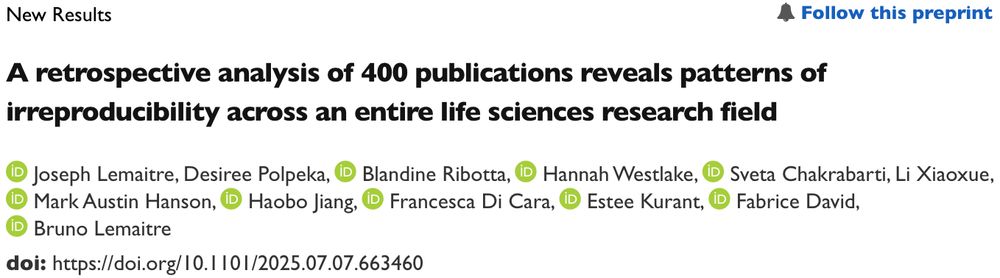
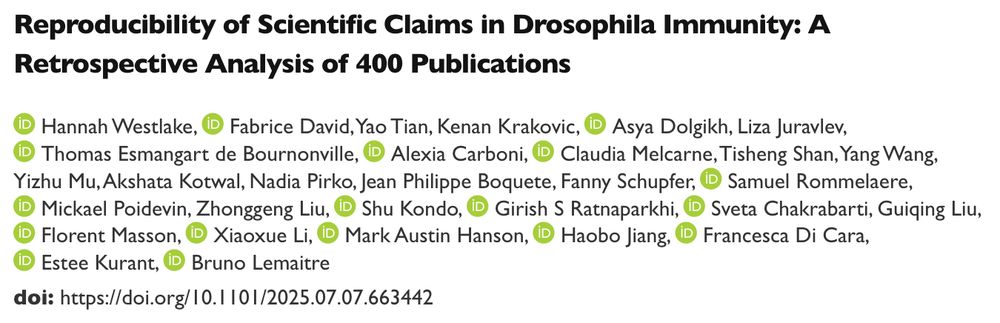
The "reproducibility crisis" in science constantly makes headlines. Repro efforts are often limited. What if you could assess reproducibility of an entire field?
That's what @brunolemaitre.bsky.social et al. have done. Fly immunity is highly replicable & offers lessons for #metascience
A 🧵 1/n
That's what @brunolemaitre.bsky.social et al. have done. Fly immunity is highly replicable & offers lessons for #metascience
A 🧵 1/n
July 10, 2025 at 8:23 AM
The "reproducibility crisis" in science constantly makes headlines. Repro efforts are often limited. What if you could assess reproducibility of an entire field?
That's what @brunolemaitre.bsky.social et al. have done. Fly immunity is highly replicable & offers lessons for #metascience
A 🧵 1/n
That's what @brunolemaitre.bsky.social et al. have done. Fly immunity is highly replicable & offers lessons for #metascience
A 🧵 1/n
Reposted by Eliano dos Santos
Check out the #LMSnews story on the @mrc-lms.bsky.social website about our latest study published in @natcomms.nature.com!
Illustrated by multi-talented first author #postdoc #painter @claudialennicke.bsky.social 💛 #redox #cysteine #sciart
Illustrated by multi-talented first author #postdoc #painter @claudialennicke.bsky.social 💛 #redox #cysteine #sciart
Researchers at the LMS have extended the lifespan of female fruit flies by boosting the levels of an enzyme which breaks down the reactive oxidant, hydrogen peroxide, inside cells. This highlights the role of hydrogen peroxide as an important cell signalling molecule.

‘Redox control’ of metabolism improves health and delays ageing in fruit flies
Researchers at the MRC Laboratory of Medical Sciences (LMS) have extended the lifespan of female fruit flies by boosting the levels of an enzyme which breaks down the reactive oxidant, hydrogen peroxi...
lms.mrc.ac.uk
June 27, 2025 at 11:32 AM
Check out the #LMSnews story on the @mrc-lms.bsky.social website about our latest study published in @natcomms.nature.com!
Illustrated by multi-talented first author #postdoc #painter @claudialennicke.bsky.social 💛 #redox #cysteine #sciart
Illustrated by multi-talented first author #postdoc #painter @claudialennicke.bsky.social 💛 #redox #cysteine #sciart
Reposted by Eliano dos Santos
🎉Excited to share our latest paper, published in Nature Communications!🎉
"Enhancing autophagy by redox regulation extends lifespan in Drosophila"
#redox #metabolism #ageing #Drosophila
@natcomms.nature.com @mrc-lms.bsky.social
doi.org/10.1038/s414...
"Enhancing autophagy by redox regulation extends lifespan in Drosophila"
#redox #metabolism #ageing #Drosophila
@natcomms.nature.com @mrc-lms.bsky.social
doi.org/10.1038/s414...
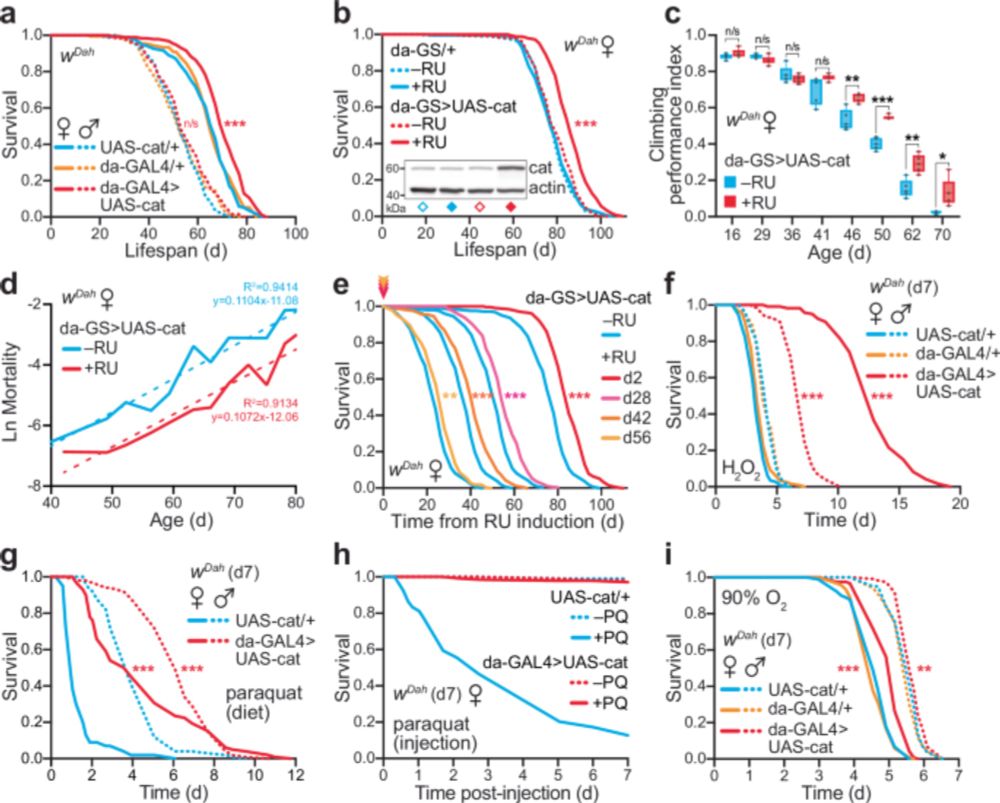
Enhancing autophagy by redox regulation extends lifespan in Drosophila - Nature Communications
Redox signalling is emerging as an important regulator of metabolism and physiology, which is dysregulated in ageing and disease. Here, the authors show that redox regulation of a key redox sensitive ...
doi.org
June 27, 2025 at 11:21 AM
🎉Excited to share our latest paper, published in Nature Communications!🎉
"Enhancing autophagy by redox regulation extends lifespan in Drosophila"
#redox #metabolism #ageing #Drosophila
@natcomms.nature.com @mrc-lms.bsky.social
doi.org/10.1038/s414...
"Enhancing autophagy by redox regulation extends lifespan in Drosophila"
#redox #metabolism #ageing #Drosophila
@natcomms.nature.com @mrc-lms.bsky.social
doi.org/10.1038/s414...
Reposted by Eliano dos Santos

The MIMIC lab is hiring a Postdoctoral Research Associate to join my team at @Cambridge_Uni!
Exploration and engineering DNA-mimicking proteins (wet-lab position.) 🧬
Details: www.jobs.cam.ac.uk/job/50652/
Please get in touch / circulate !
Exploration and engineering DNA-mimicking proteins (wet-lab position.) 🧬
Details: www.jobs.cam.ac.uk/job/50652/
Please get in touch / circulate !
Research Associate (Fixed Term) - Job Opportunities - University of Cambridge
Research Associate (Fixed Term) in the Department of Genetics at the University of Cambridge.
www.jobs.cam.ac.uk
March 22, 2025 at 3:54 PM
The MIMIC lab is hiring a Postdoctoral Research Associate to join my team at @Cambridge_Uni!
Exploration and engineering DNA-mimicking proteins (wet-lab position.) 🧬
Details: www.jobs.cam.ac.uk/job/50652/
Please get in touch / circulate !
Exploration and engineering DNA-mimicking proteins (wet-lab position.) 🧬
Details: www.jobs.cam.ac.uk/job/50652/
Please get in touch / circulate !
Reposted by Eliano dos Santos

Lab’s latest: (mouse) mums grow their guts during pregnancy and lactation: www.cell.com/cell/fulltex...
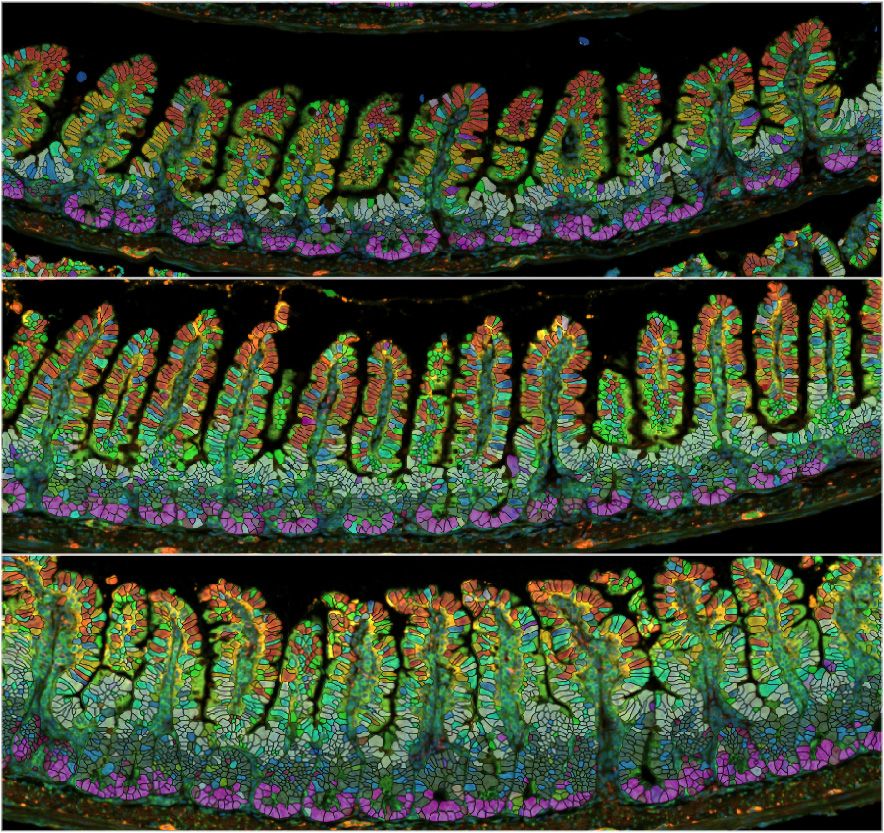
March 19, 2025 at 5:31 PM
Lab’s latest: (mouse) mums grow their guts during pregnancy and lactation: www.cell.com/cell/fulltex...
Reposted by Eliano dos Santos
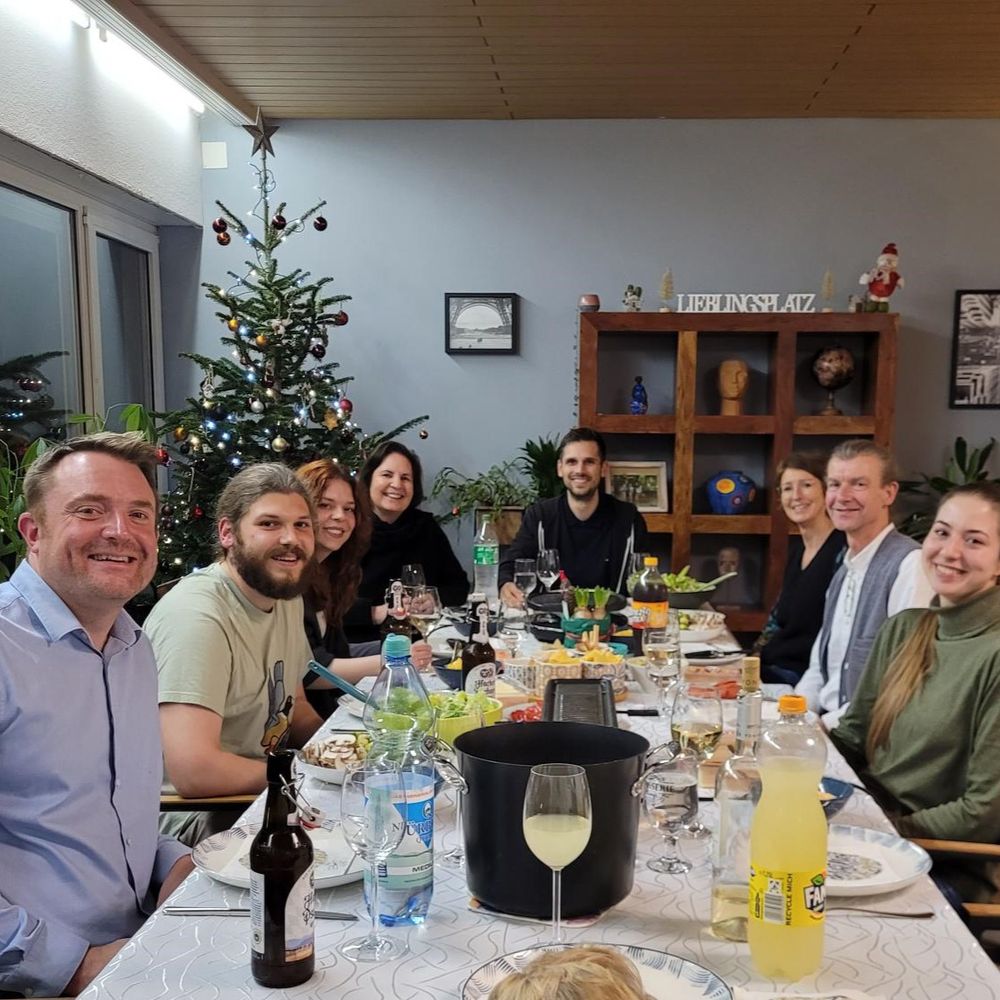
Our first post on Bluesky!
1/ We are excited to share our latest work, showing that heterooligomerisation drives structural plasticity of Prx1-type peroxiredoxins.
www.biorxiv.org/content/10.1...
Another fantastic collaboration with the Marcel Deponte lab and Joris Messens lab!
1/ We are excited to share our latest work, showing that heterooligomerisation drives structural plasticity of Prx1-type peroxiredoxins.
www.biorxiv.org/content/10.1...
Another fantastic collaboration with the Marcel Deponte lab and Joris Messens lab!

Heterooligomerization drives structural plasticity of eukaryotic peroxiredoxins
Peroxiredoxins are highly conserved thiol peroxidases essential for peroxide detoxification, redox signaling, and chaperone activity. Prx1/AhpC-type peroxiredoxins are found throughout the eukaryotic ...
www.biorxiv.org
March 11, 2025 at 8:57 AM
Our first post on Bluesky!
1/ We are excited to share our latest work, showing that heterooligomerisation drives structural plasticity of Prx1-type peroxiredoxins.
www.biorxiv.org/content/10.1...
Another fantastic collaboration with the Marcel Deponte lab and Joris Messens lab!
1/ We are excited to share our latest work, showing that heterooligomerisation drives structural plasticity of Prx1-type peroxiredoxins.
www.biorxiv.org/content/10.1...
Another fantastic collaboration with the Marcel Deponte lab and Joris Messens lab!
Reposted by Eliano dos Santos
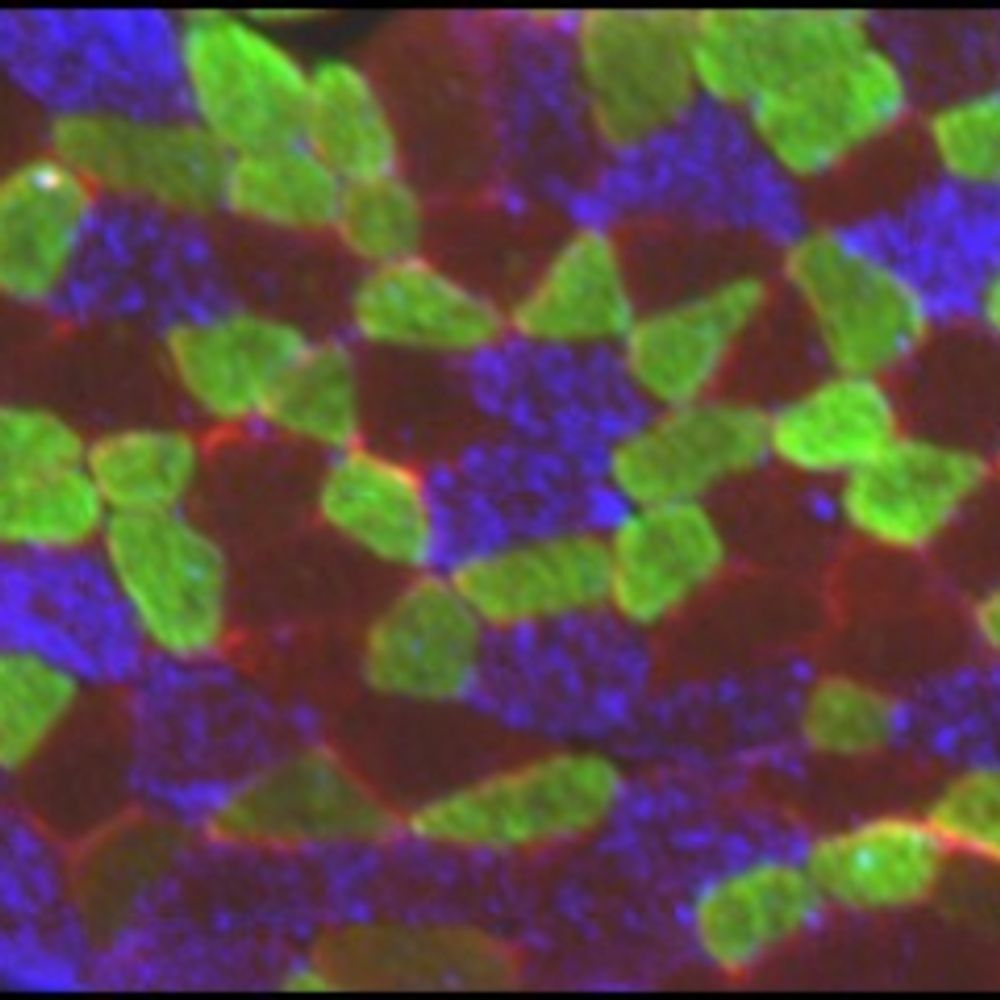
Cellular and molecular contractile function in aged human skeletal muscle is altered by phosphate and acidosis and partially reversed with an ATP analog
journals.physiology.org/doi/abs/10.1...
journals.physiology.org/doi/abs/10.1...

Cellular and molecular contractile function in aged human skeletal muscle is altered by phosphate and acidosis and partially reversed with an ATP analog | American Journal of Physiology-Cell Physiology | American Physiological Society
Skeletal muscle fatigue occurs, in part, from accumulation of hydrogen (H+) and phosphate (Pi); however, the molecular basis through which these ions inhibit function is not fully understood. Therefore, we examined the effects of these metabolites on myosin-actin cross-bridge kinetics and mechanical properties in skeletal muscle fibers from older (65-75 years) adults. Slow-contracting myosin heavy chain (MHC) I and fast-contracting MHC IIA fibers were examined under control (5 mM Pi, pH 7.0) and fatigue (30 mM Pi, pH 6.2) conditions at maximal calcium-activation (5 mM ATP) and rigor (0 mM ATP). In MHC I and IIA fibers, fatigue decreased force per fiber size (23-37%), which was accompanied by reduced strongly bound myosin head characteristics (number and/or stiffness; 21-47%) and slower cross-bridge kinetics (longer myosin attachment times (22-46%) and reduced rates of force production (20-33%)) compared with control. MHC I myofilaments became stiffer with fatigue, a potential mechanism to increase force production. In rigor, which causes the myosin that can bind actin to be strongly bound, fatigue decreased force per fiber size (32-33%) in MHC I and IIA fibers, indicating less force was generated per cross-bridge. By replacing ATP with 2-deoxy-ATP (dATP), the fatigue-induced slowing of cross-bridge kinetics in MHC I and IIA fibers was reversed and reduced force production in MHC I fibers was partially improved, revealing potential mechanisms to help mitigate fatigue in older adults. Overall, our results identify novel fiber type-specific changes in cross-bridge kinetics, force per cross-bridge, and myofilament stiffness that help explain fatigue in older adults.
journals.physiology.org
March 6, 2025 at 4:38 PM
Cellular and molecular contractile function in aged human skeletal muscle is altered by phosphate and acidosis and partially reversed with an ATP analog
journals.physiology.org/doi/abs/10.1...
journals.physiology.org/doi/abs/10.1...
Reposted by Eliano dos Santos

Reposted by Eliano dos Santos
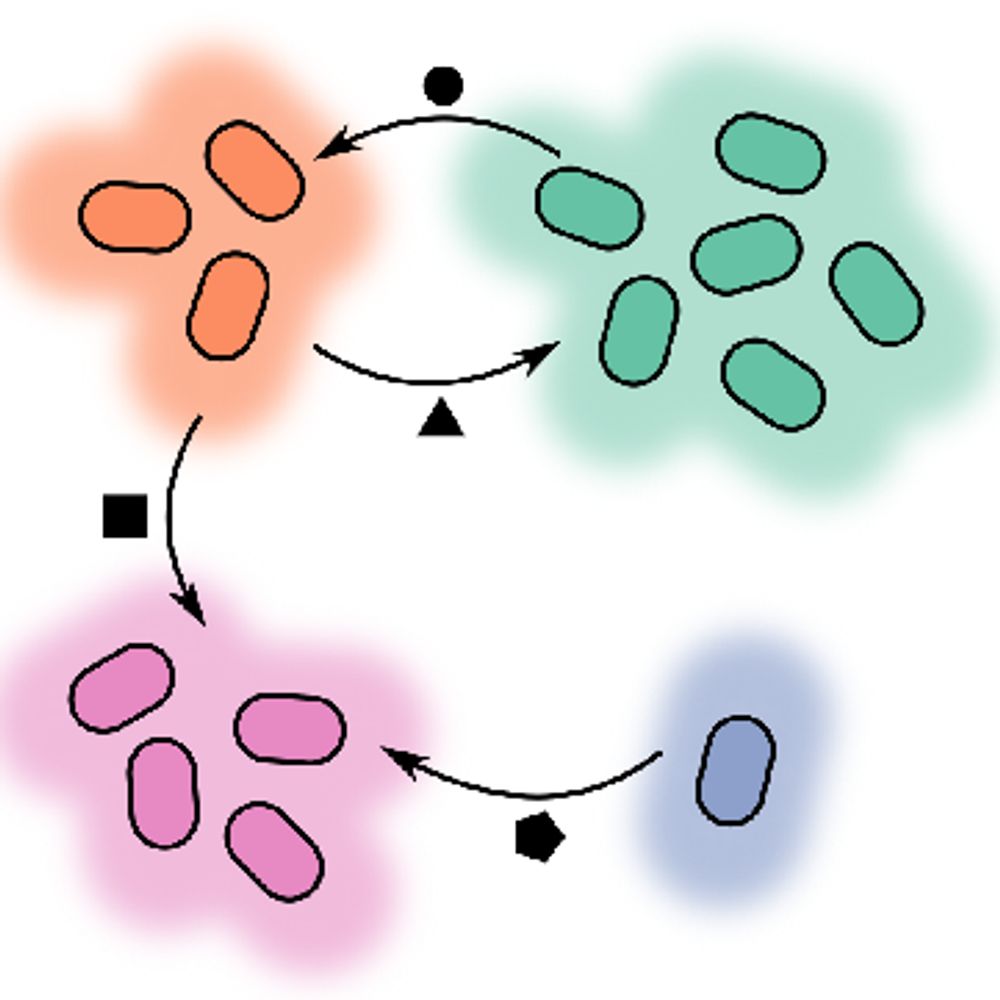
Accelerated aging in organs is linked to increased prevalence of disease - in most cases these diseases are not restricted to a specific organ showing systemic effects of aging: www.thelancet.com/journals/lan...
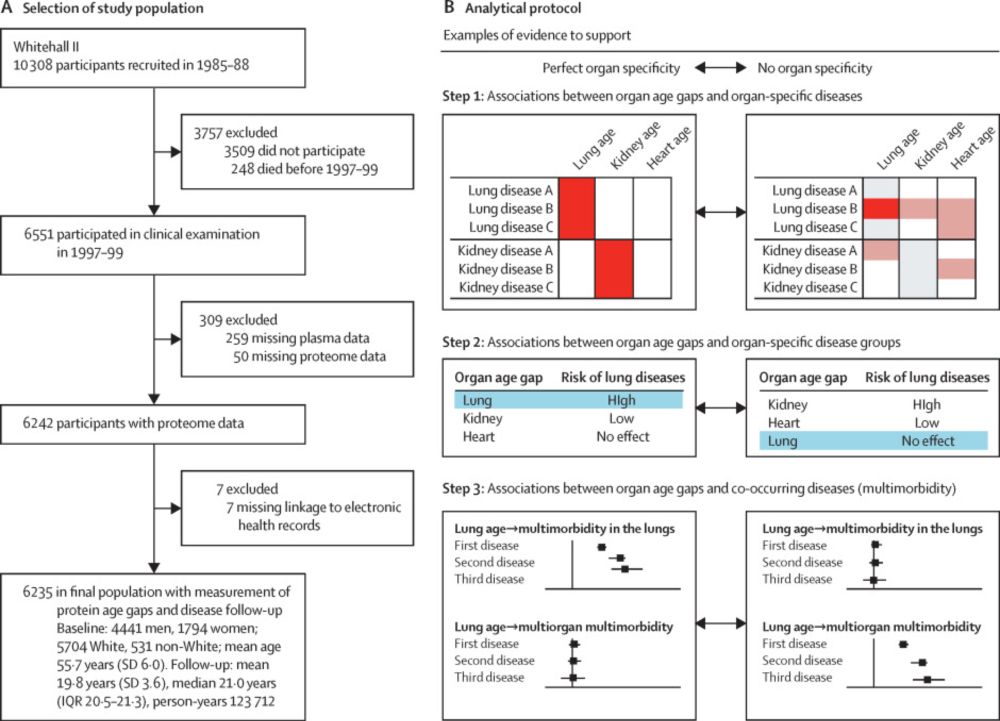
Proteomic organ-specific ageing signatures and 20-year risk of age-related diseases: the Whitehall II observational cohort study
Advanced proteomic organ ageing is associated with the long-term risk of age-related
diseases. In most cases, faster ageing of a specific organ increases susceptibility
to morbidity affecting multiple...
www.thelancet.com
February 26, 2025 at 8:41 AM
Accelerated aging in organs is linked to increased prevalence of disease - in most cases these diseases are not restricted to a specific organ showing systemic effects of aging: www.thelancet.com/journals/lan...
Reposted by Eliano dos Santos

RESEARCH | J Tang, T Guo, Y Chen, J Zheng (Westlake Univ, Sun Yat-sen Univ, CN) et al.:
This study maps the #proteome of several thousand individuals over a 9-year period to identify potential biomarkers of #ageing and of age-associated diseases.
https://bit.ly/4bbJJ4a
This study maps the #proteome of several thousand individuals over a 9-year period to identify potential biomarkers of #ageing and of age-associated diseases.
https://bit.ly/4bbJJ4a

Longitudinal serum proteome mapping reveals biomarkers for healthy ageing and related cardiometabolic diseases - Nature Metabolism
Tang, Yue, Xu and colleagues map the proteome of several thousand individuals over a 9-year period to identify potential biomarkers of ageing and of age-associated diseases.
bit.ly
February 21, 2025 at 8:28 PM
RESEARCH | J Tang, T Guo, Y Chen, J Zheng (Westlake Univ, Sun Yat-sen Univ, CN) et al.:
This study maps the #proteome of several thousand individuals over a 9-year period to identify potential biomarkers of #ageing and of age-associated diseases.
https://bit.ly/4bbJJ4a
This study maps the #proteome of several thousand individuals over a 9-year period to identify potential biomarkers of #ageing and of age-associated diseases.
https://bit.ly/4bbJJ4a
Reposted by Eliano dos Santos

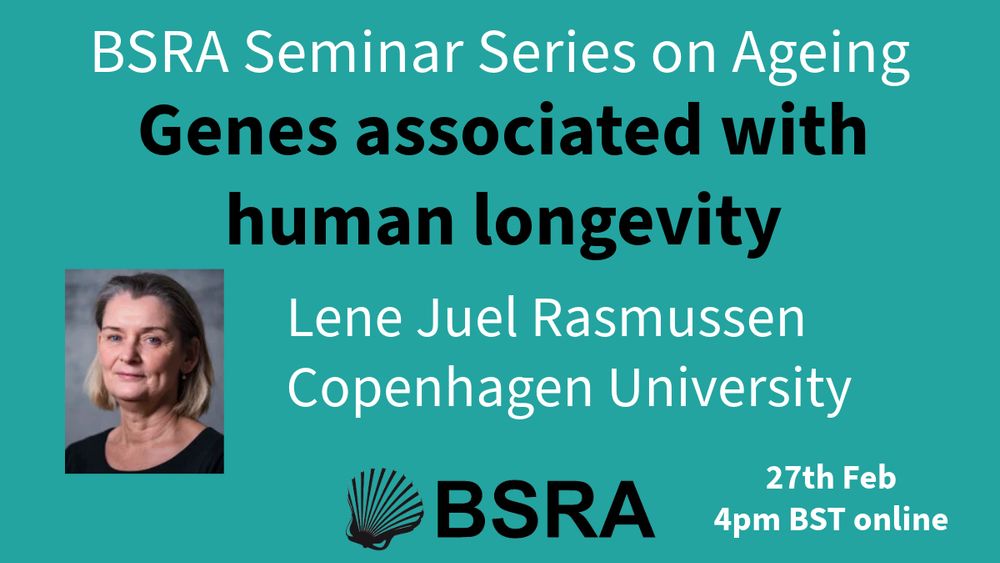
Are you coming to our next BSRA seminar? Prof Lene Juel Rasmussen, Copenhagen University will be speaking on Genes Associated with Human Longevity.
Spread the word, invite a friend, tell your students. Let's make this one our biggest!
4pm, 27th Feb online
bsra.org.uk/events/semin...
Spread the word, invite a friend, tell your students. Let's make this one our biggest!
4pm, 27th Feb online
bsra.org.uk/events/semin...
February 14, 2025 at 6:05 PM
Are you coming to our next BSRA seminar? Prof Lene Juel Rasmussen, Copenhagen University will be speaking on Genes Associated with Human Longevity.
Spread the word, invite a friend, tell your students. Let's make this one our biggest!
4pm, 27th Feb online
bsra.org.uk/events/semin...
Spread the word, invite a friend, tell your students. Let's make this one our biggest!
4pm, 27th Feb online
bsra.org.uk/events/semin...
Reposted by Eliano dos Santos

❤️Three year fully-funded post-CCT fellowship in Cardiac imaging / AI at @mrc-lms.bsky.social and @imperialcollegeldn.bsky.social. The Chain Florey Transition to Independence scheme offers a unique opportunity for early career clinicians. Closes 2nd March! www.imperial.ac.uk/jobs/search-...
February 11, 2025 at 8:21 AM
❤️Three year fully-funded post-CCT fellowship in Cardiac imaging / AI at @mrc-lms.bsky.social and @imperialcollegeldn.bsky.social. The Chain Florey Transition to Independence scheme offers a unique opportunity for early career clinicians. Closes 2nd March! www.imperial.ac.uk/jobs/search-...
Reposted by Eliano dos Santos
CONSENSUS STATEMENT | Jonathan Brestoff, Keshav Singh (@mitoscientist.bsky.social) and colleagues bring us a#ConsensusStatement with a framework and recommendations for studying mitochondrial transfer and transplantation.
https://bit.ly/4hzkjPT
https://bit.ly/4hzkjPT
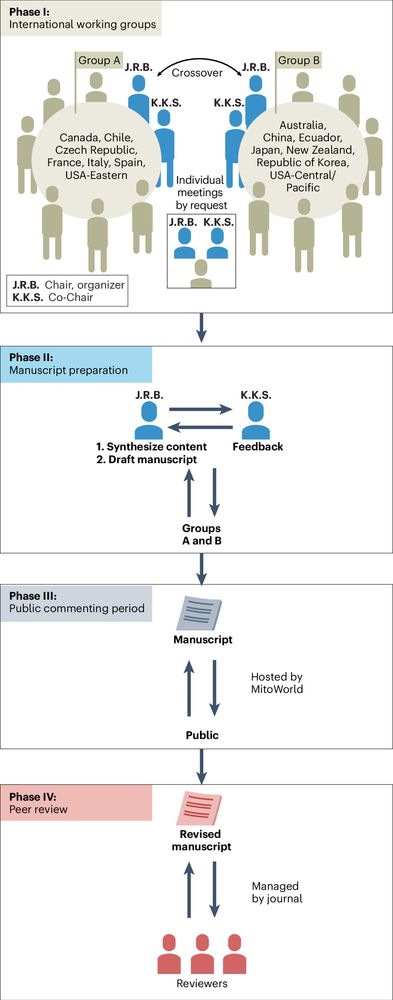
Recommendations for mitochondria transfer and transplantation nomenclature and characterization - Nature Metabolism
This Consensus Statement provides a nomenclature framework and experimental recommendations for studying mitochondrial transfer and transplantation.
bit.ly
January 30, 2025 at 5:31 PM
CONSENSUS STATEMENT | Jonathan Brestoff, Keshav Singh (@mitoscientist.bsky.social) and colleagues bring us a#ConsensusStatement with a framework and recommendations for studying mitochondrial transfer and transplantation.
https://bit.ly/4hzkjPT
https://bit.ly/4hzkjPT
Reposted by Eliano dos Santos
Today's the day! Our 2025 seminar series kicks off with @dweinkove.bsky.social, Chair of BSRA & Professor at @durhamuniversity.bsky.social with a seminar on 'Meeting the challenges of ageing: a biological approach'.
BSRA Member? Instructions on your email. Non-member? Join our mailing list!
BSRA Member? Instructions on your email. Non-member? Join our mailing list!
January 30, 2025 at 1:04 PM
Today's the day! Our 2025 seminar series kicks off with @dweinkove.bsky.social, Chair of BSRA & Professor at @durhamuniversity.bsky.social with a seminar on 'Meeting the challenges of ageing: a biological approach'.
BSRA Member? Instructions on your email. Non-member? Join our mailing list!
BSRA Member? Instructions on your email. Non-member? Join our mailing list!
Having taken part a couple of years ago, I could not recommend this course enough!
Apply to get daily talks about proper ageing research, work/play in the lab alongside great scientists, and go on a boat tour to collect some exotic species (or keep your eyes closed the whole time not to vomit) 🧑🔬⛵️
Apply to get daily talks about proper ageing research, work/play in the lab alongside great scientists, and go on a boat tour to collect some exotic species (or keep your eyes closed the whole time not to vomit) 🧑🔬⛵️
January 28, 2025 at 11:14 PM
Having taken part a couple of years ago, I could not recommend this course enough!
Apply to get daily talks about proper ageing research, work/play in the lab alongside great scientists, and go on a boat tour to collect some exotic species (or keep your eyes closed the whole time not to vomit) 🧑🔬⛵️
Apply to get daily talks about proper ageing research, work/play in the lab alongside great scientists, and go on a boat tour to collect some exotic species (or keep your eyes closed the whole time not to vomit) 🧑🔬⛵️
Reposted by Eliano dos Santos

Introducing Human Domainome v1, the largest and most comprehensive library of human protein variants to date, which maps the effects of +500K mutations across 522 domains. The study by @benlehner.bsky.social and Toni Beltran is out now in @nature.com. Illustration by @queralttolosa.bsky.social.

January 8, 2025 at 4:09 PM
Introducing Human Domainome v1, the largest and most comprehensive library of human protein variants to date, which maps the effects of +500K mutations across 522 domains. The study by @benlehner.bsky.social and Toni Beltran is out now in @nature.com. Illustration by @queralttolosa.bsky.social.
Reposted by Eliano dos Santos

New research from Steve Cutty and @alexisbarr.bsky.social published in the British Journal of Cancer shows the protein p21 promotes survival in lung cancer cells strengthening the rationale for targeting p21 as a cancer treatment. This work was also funded by @cancerresearchuk.org

Blocking the cell cycle inhibitor p21 prevents regrowth in lung cancer cells
Blocking the activity of a protein called p21 stops lung cancer cells entering a ‘sleep-like’ state that allows them to survive chemotherapy. Blocking p21 causes more cancer cells to die and reduces t...
lms.mrc.ac.uk
January 3, 2025 at 11:33 AM
New research from Steve Cutty and @alexisbarr.bsky.social published in the British Journal of Cancer shows the protein p21 promotes survival in lung cancer cells strengthening the rationale for targeting p21 as a cancer treatment. This work was also funded by @cancerresearchuk.org
Reposted by Eliano dos Santos

New PI positions @mrc-lms.bsky.social 👀 It's truly a great place to start a lab, definitely worth a look if you're on the job market. Please share with your networks!
We’re delighted to share our recruitment brochure for our current Programme Leader Track vacancies at the MRC Laboratory of Medical Sciences.
You can download the brochure on our vacancy web page 👇
lms.mrc.ac.uk/work/vacanci...
You can download the brochure on our vacancy web page 👇
lms.mrc.ac.uk/work/vacanci...
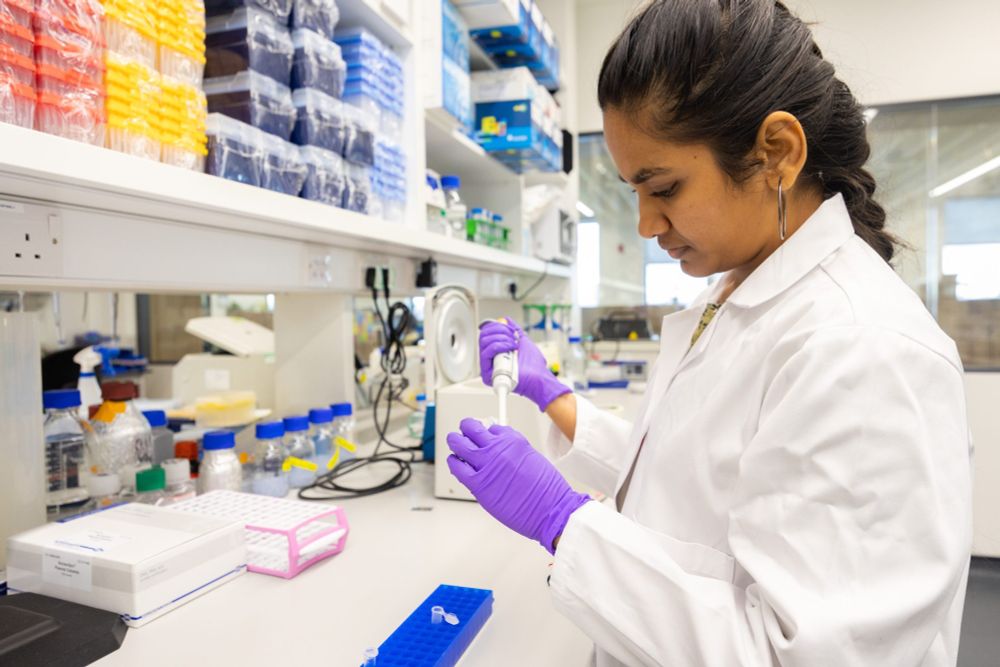
Programme Leader Track - MRC Laboratory of Medical Sciences
Programme Leader Track appointments are an open-ended contract, which comprises a six-year advanced career development scheme after which you will be considered for promotion to Programme Leader.
lms.mrc.ac.uk
December 19, 2024 at 8:05 PM
New PI positions @mrc-lms.bsky.social 👀 It's truly a great place to start a lab, definitely worth a look if you're on the job market. Please share with your networks!
Reposted by Eliano dos Santos
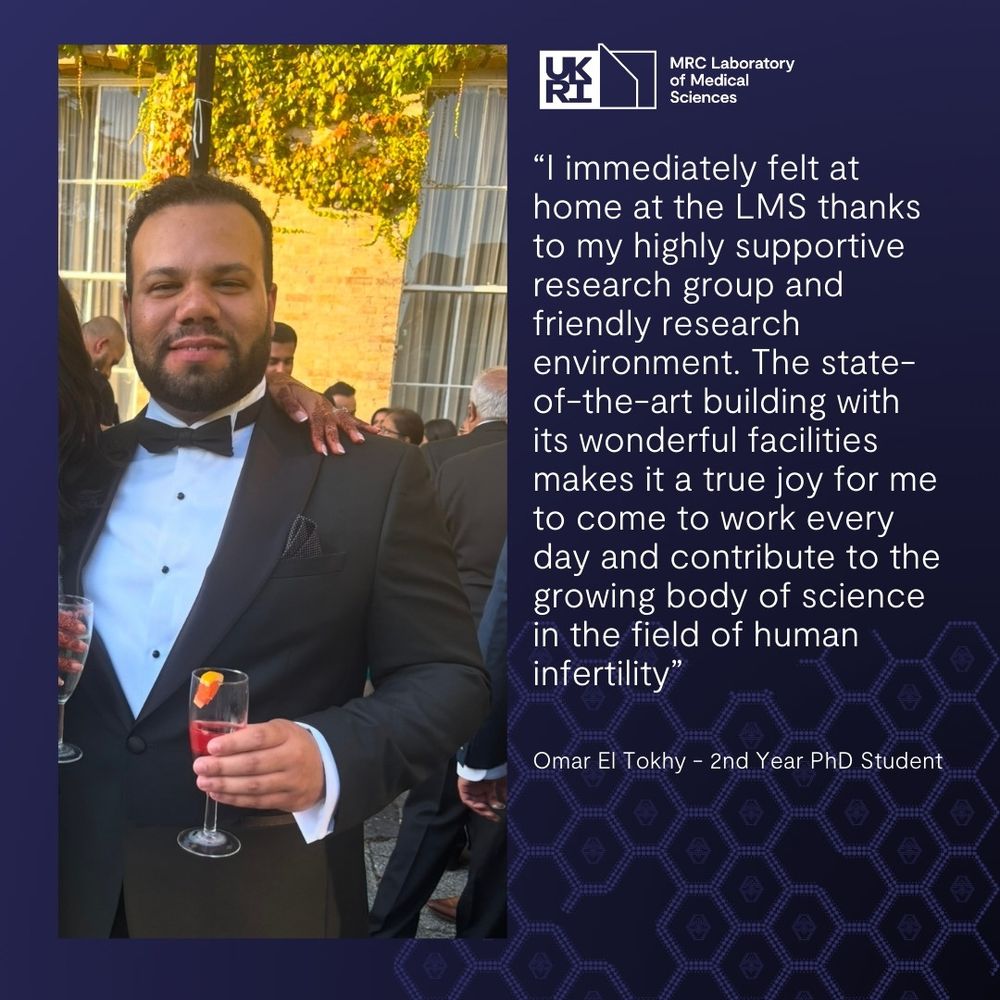
The deadline to apply for our PhD studentships is fast approaching!
If you’d like to study a PhD at the LMS make sure to get your applications in by the 6th of December!
If our world class science isn't convincing enough, then hear what our students have to say
lms.mrc.ac.uk/work-and-stu...
If you’d like to study a PhD at the LMS make sure to get your applications in by the 6th of December!
If our world class science isn't convincing enough, then hear what our students have to say
lms.mrc.ac.uk/work-and-stu...
December 4, 2024 at 12:50 PM
The deadline to apply for our PhD studentships is fast approaching!
If you’d like to study a PhD at the LMS make sure to get your applications in by the 6th of December!
If our world class science isn't convincing enough, then hear what our students have to say
lms.mrc.ac.uk/work-and-stu...
If you’d like to study a PhD at the LMS make sure to get your applications in by the 6th of December!
If our world class science isn't convincing enough, then hear what our students have to say
lms.mrc.ac.uk/work-and-stu...