



Brian
@brianb402.bsky.social
Reposted by Brian

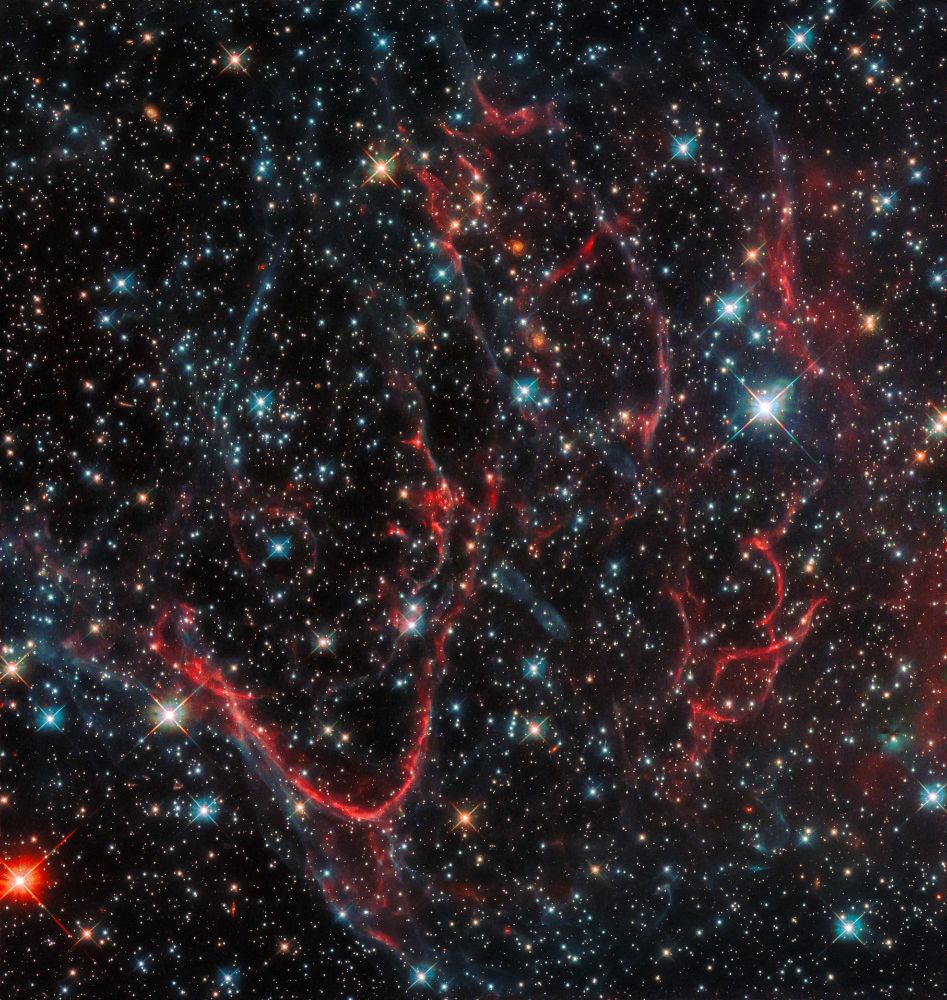
Fascinating: SNR 0454-67.2, a supernova remnant in the LMC. Likely born from a Type Ia explosion, it features red filaments amid dark clouds. Such supernovae shine with consistent brightness, making them vital “standard candles” for gauging cosmic distances.
(Credit: ESA/Hubble, NASA)
(Credit: ESA/Hubble, NASA)
August 10, 2025 at 5:03 PM
Fascinating: SNR 0454-67.2, a supernova remnant in the LMC. Likely born from a Type Ia explosion, it features red filaments amid dark clouds. Such supernovae shine with consistent brightness, making them vital “standard candles” for gauging cosmic distances.
(Credit: ESA/Hubble, NASA)
(Credit: ESA/Hubble, NASA)
Reposted by Brian

Neutron stars spin up to 716 times per second - Start exploring universe with Award Winning Telescopes--> https://www.jameswebbdiscovery.com/top-10-telescopes-telescopeadvisor-awards-2025 or beginners choice--> https://amzn.to/45dxlOF #Astronomy #AmazonAffiliate #NASA #Space

100 Fascinating Facts about Neutron Stars
100 Fascinating Facts about Neutron Stars
www.jameswebbdiscovery.com
August 10, 2025 at 3:58 AM
Neutron stars spin up to 716 times per second - Start exploring universe with Award Winning Telescopes--> https://www.jameswebbdiscovery.com/top-10-telescopes-telescopeadvisor-awards-2025 or beginners choice--> https://amzn.to/45dxlOF #Astronomy #AmazonAffiliate #NASA #Space
Reposted by Brian
Beautiful NGC 3147.
Processed JWST/NIRCam data by @thocarp.bsky.social
www.flickr.com/photos/19746...
Processed JWST/NIRCam data by @thocarp.bsky.social
www.flickr.com/photos/19746...

February 24, 2025 at 5:43 PM
Beautiful NGC 3147.
Processed JWST/NIRCam data by @thocarp.bsky.social
www.flickr.com/photos/19746...
Processed JWST/NIRCam data by @thocarp.bsky.social
www.flickr.com/photos/19746...
Reposted by Brian

NEW HUBBLE IMAGE OF THE VEIL NEBULA AND IT’S GORGEOUS!!! 🌌✨

February 24, 2025 at 7:24 PM
NEW HUBBLE IMAGE OF THE VEIL NEBULA AND IT’S GORGEOUS!!! 🌌✨
Reposted by Brian

Reposted by Brian
Webb’s MIRI captures Arp 107, revealing a supermassive black hole shaping the spiral galaxy. Young stars shine blue, forming in clouds of dusty silicates creating intricate patterns.
Image Credit: #NASA, #ESA, CSA, STScI
🔭 #Space #Astronomy
Image Credit: #NASA, #ESA, CSA, STScI
🔭 #Space #Astronomy

February 17, 2025 at 12:21 PM
Webb’s MIRI captures Arp 107, revealing a supermassive black hole shaping the spiral galaxy. Young stars shine blue, forming in clouds of dusty silicates creating intricate patterns.
Image Credit: #NASA, #ESA, CSA, STScI
🔭 #Space #Astronomy
Image Credit: #NASA, #ESA, CSA, STScI
🔭 #Space #Astronomy
Reposted by Brian

In a galaxy far far away.........

February 14, 2025 at 12:44 PM
In a galaxy far far away.........
Reposted by Brian

NGC 247 with the 2.5m INT - From Ángel López-Sánchez - https://flic.kr/p/2kDR8cf

February 14, 2025 at 2:00 AM
NGC 247 with the 2.5m INT - From Ángel López-Sánchez - https://flic.kr/p/2kDR8cf
Reposted by Brian
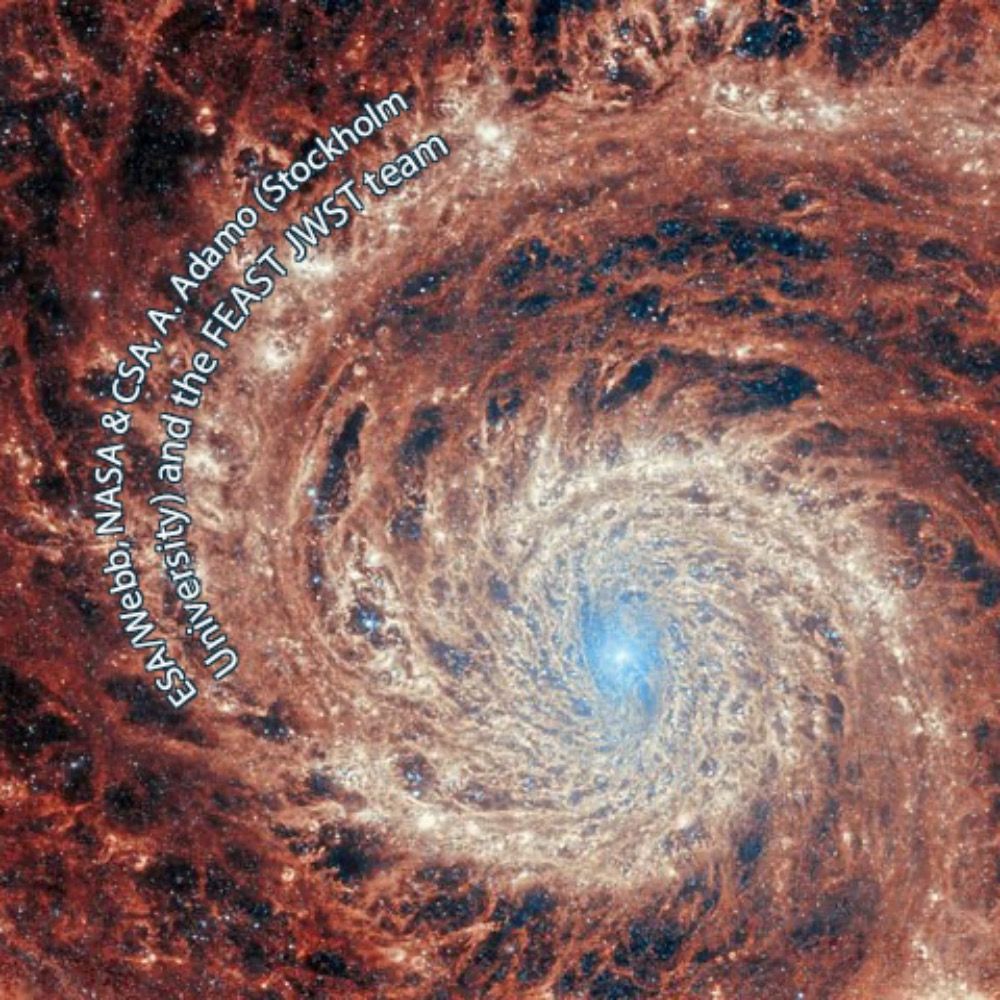
A spiral galaxy, observed with the Apache Point 2.5m Telescope in the SDSS survey.
It is at redshift 0.028 (lookback time 397.0 million years) with coordinates (167.23819, 26.59614).
45 volunteers classified this galaxy in Galaxy Zoo 2.
It is at redshift 0.028 (lookback time 397.0 million years) with coordinates (167.23819, 26.59614).
45 volunteers classified this galaxy in Galaxy Zoo 2.

February 13, 2025 at 3:15 AM
A spiral galaxy, observed with the Apache Point 2.5m Telescope in the SDSS survey.
It is at redshift 0.028 (lookback time 397.0 million years) with coordinates (167.23819, 26.59614).
45 volunteers classified this galaxy in Galaxy Zoo 2.
It is at redshift 0.028 (lookback time 397.0 million years) with coordinates (167.23819, 26.59614).
45 volunteers classified this galaxy in Galaxy Zoo 2.
Reposted by Brian

A propos of nothing, here's a digital painting from a few years ago - a rainbow version of my nebula inspired by the heart nebula.
🐡
🐡

February 12, 2025 at 9:54 PM
A propos of nothing, here's a digital painting from a few years ago - a rainbow version of my nebula inspired by the heart nebula.
🐡
🐡
Reposted by Brian

👀
Don’t forget to look up…
Don’t forget to look up…

January 31, 2025 at 4:40 AM
👀
Don’t forget to look up…
Don’t forget to look up…
Reposted by Brian

Sending love and healing to all the families who have lost loved ones in the plane tragedy yesterday.

January 31, 2025 at 3:36 AM
Sending love and healing to all the families who have lost loved ones in the plane tragedy yesterday.
Reposted by Brian
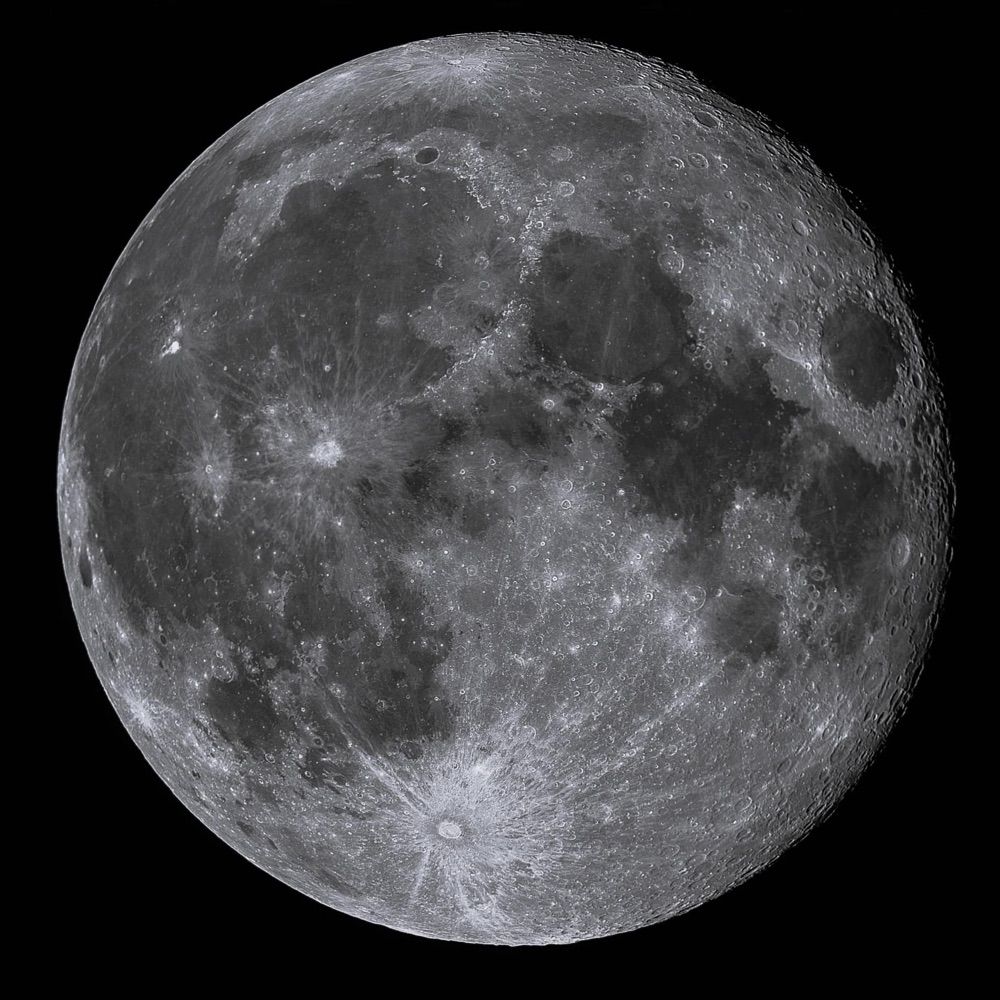
Bodes Galaxy was one of the first galaxies that I imaged when I first started my journey into #astrophotography nearly three years ago. This is the first time that I have actually achieved an image that I really like. I hope you like it too! #astronomy @kat-astro-bot.bsky.social

January 30, 2025 at 7:11 AM
Bodes Galaxy was one of the first galaxies that I imaged when I first started my journey into #astrophotography nearly three years ago. This is the first time that I have actually achieved an image that I really like. I hope you like it too! #astronomy @kat-astro-bot.bsky.social
Reposted by Brian
A spiral galaxy, observed with the Apache Point 2.5m Telescope in the SDSS survey.
It is at redshift 0.039 (lookback time 549.7 million years) with coordinates (236.50760, 5.13703).
33 volunteers classified this galaxy in Galaxy Zoo 2.
It is at redshift 0.039 (lookback time 549.7 million years) with coordinates (236.50760, 5.13703).
33 volunteers classified this galaxy in Galaxy Zoo 2.

January 31, 2025 at 12:54 AM
A spiral galaxy, observed with the Apache Point 2.5m Telescope in the SDSS survey.
It is at redshift 0.039 (lookback time 549.7 million years) with coordinates (236.50760, 5.13703).
33 volunteers classified this galaxy in Galaxy Zoo 2.
It is at redshift 0.039 (lookback time 549.7 million years) with coordinates (236.50760, 5.13703).
33 volunteers classified this galaxy in Galaxy Zoo 2.
Reposted by Brian
High quality image of one of the heaviest and most luminous stars in the known universe (Hubble).
Processing: Judy Schimdt.
www.flickr.com/photos/geckz...
🔭 🧪
Processing: Judy Schimdt.
www.flickr.com/photos/geckz...
🔭 🧪

January 30, 2025 at 5:35 PM
High quality image of one of the heaviest and most luminous stars in the known universe (Hubble).
Processing: Judy Schimdt.
www.flickr.com/photos/geckz...
🔭 🧪
Processing: Judy Schimdt.
www.flickr.com/photos/geckz...
🔭 🧪
Reposted by Brian
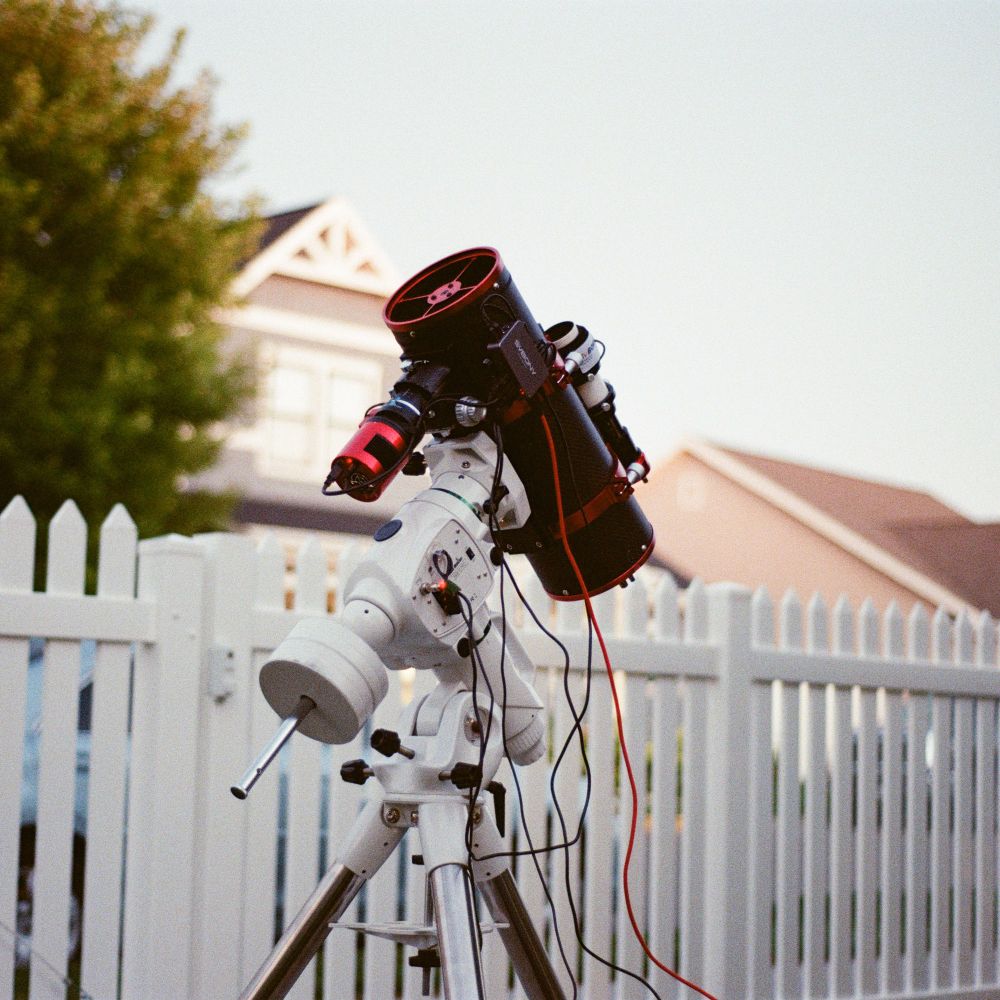
I spent another 2 nights on the Pleiades over the past couple nights and was able to pull some fainter dust lanes over my previous attempt! The 7 sisters are so majestic 😍
Total time: 14hrs
Scope: AT72edii
Mount: Sky Watcher Eq6-R Pro
Camera: ZWO ASI533mc Pro
#astrophotography #astronomy
Total time: 14hrs
Scope: AT72edii
Mount: Sky Watcher Eq6-R Pro
Camera: ZWO ASI533mc Pro
#astrophotography #astronomy

January 29, 2025 at 4:45 PM
I spent another 2 nights on the Pleiades over the past couple nights and was able to pull some fainter dust lanes over my previous attempt! The 7 sisters are so majestic 😍
Total time: 14hrs
Scope: AT72edii
Mount: Sky Watcher Eq6-R Pro
Camera: ZWO ASI533mc Pro
#astrophotography #astronomy
Total time: 14hrs
Scope: AT72edii
Mount: Sky Watcher Eq6-R Pro
Camera: ZWO ASI533mc Pro
#astrophotography #astronomy
Reposted by Brian

A rare cartwheel galaxy
PGC-2248
Photo credit James Webb Space Telescope
Constellation Sculptor
Discovered 1941 by Fritz Zwicky
Distance 500 light years
Once a normal spiral galaxy it collided perfectly (bulls eye) with another galaxy who's shock wave created this unique structure.
PGC-2248
Photo credit James Webb Space Telescope
Constellation Sculptor
Discovered 1941 by Fritz Zwicky
Distance 500 light years
Once a normal spiral galaxy it collided perfectly (bulls eye) with another galaxy who's shock wave created this unique structure.

January 29, 2025 at 3:49 AM
A rare cartwheel galaxy
PGC-2248
Photo credit James Webb Space Telescope
Constellation Sculptor
Discovered 1941 by Fritz Zwicky
Distance 500 light years
Once a normal spiral galaxy it collided perfectly (bulls eye) with another galaxy who's shock wave created this unique structure.
PGC-2248
Photo credit James Webb Space Telescope
Constellation Sculptor
Discovered 1941 by Fritz Zwicky
Distance 500 light years
Once a normal spiral galaxy it collided perfectly (bulls eye) with another galaxy who's shock wave created this unique structure.
Reposted by Brian


Reposted by Brian

"Pleiades last night, shot as a mosaic for wider field, 150 minutes of integration on Bortle 4 skies. DeNoised in the Seestar app then lightly edited in Lightroom.
I've been using this scope for a week and love it!"
Ralph Ceseña
I've been using this scope for a week and love it!"
Ralph Ceseña

January 27, 2025 at 2:31 AM
"Pleiades last night, shot as a mosaic for wider field, 150 minutes of integration on Bortle 4 skies. DeNoised in the Seestar app then lightly edited in Lightroom.
I've been using this scope for a week and love it!"
Ralph Ceseña
I've been using this scope for a week and love it!"
Ralph Ceseña
Reposted by Brian
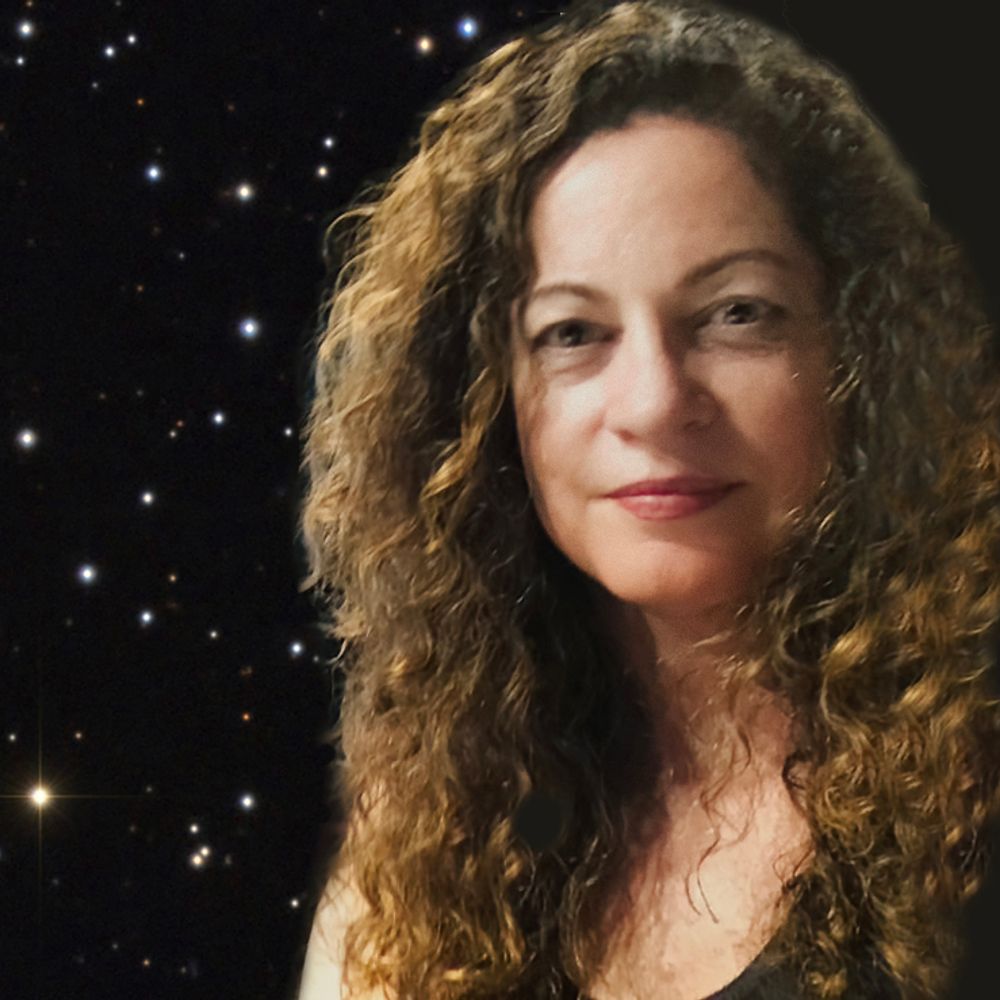
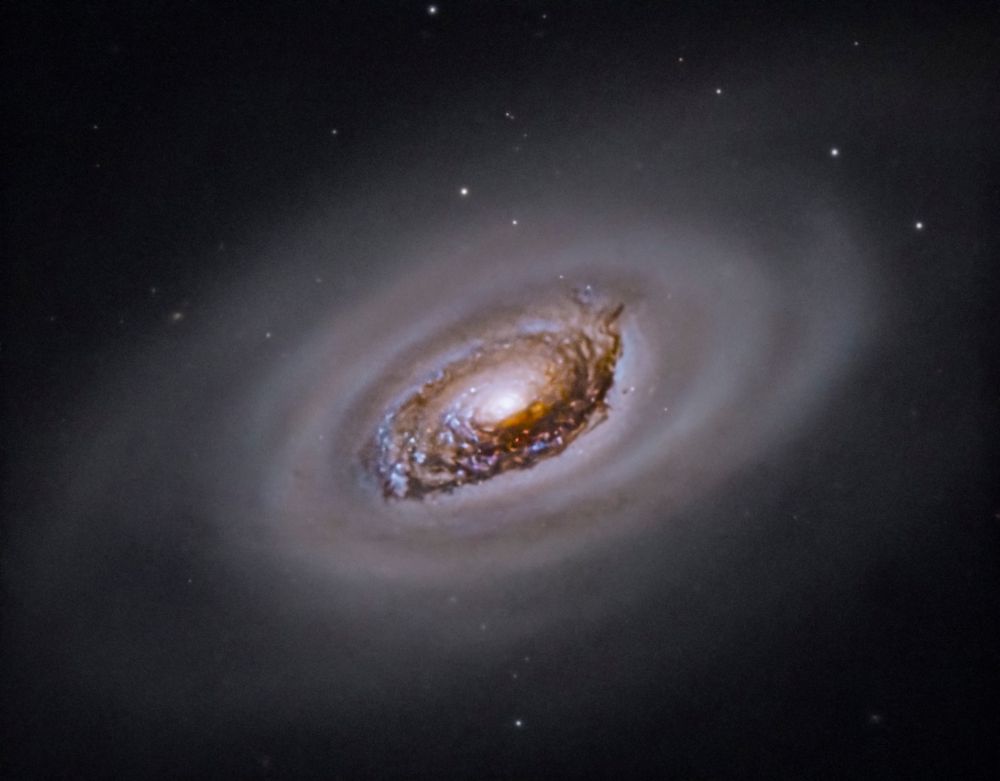
A long ago collision of two galaxies stirred up this far off star system called the Black Eye Galaxy (M64) and resulted in all this dark galactic dust obscuring the active starburst core. I photographed this using a 16 inch vintage telescope and modern ccd camera
#astrophotography #space #galaxies
#astrophotography #space #galaxies
January 26, 2025 at 3:29 AM
A long ago collision of two galaxies stirred up this far off star system called the Black Eye Galaxy (M64) and resulted in all this dark galactic dust obscuring the active starburst core. I photographed this using a 16 inch vintage telescope and modern ccd camera
#astrophotography #space #galaxies
#astrophotography #space #galaxies
Reposted by Brian
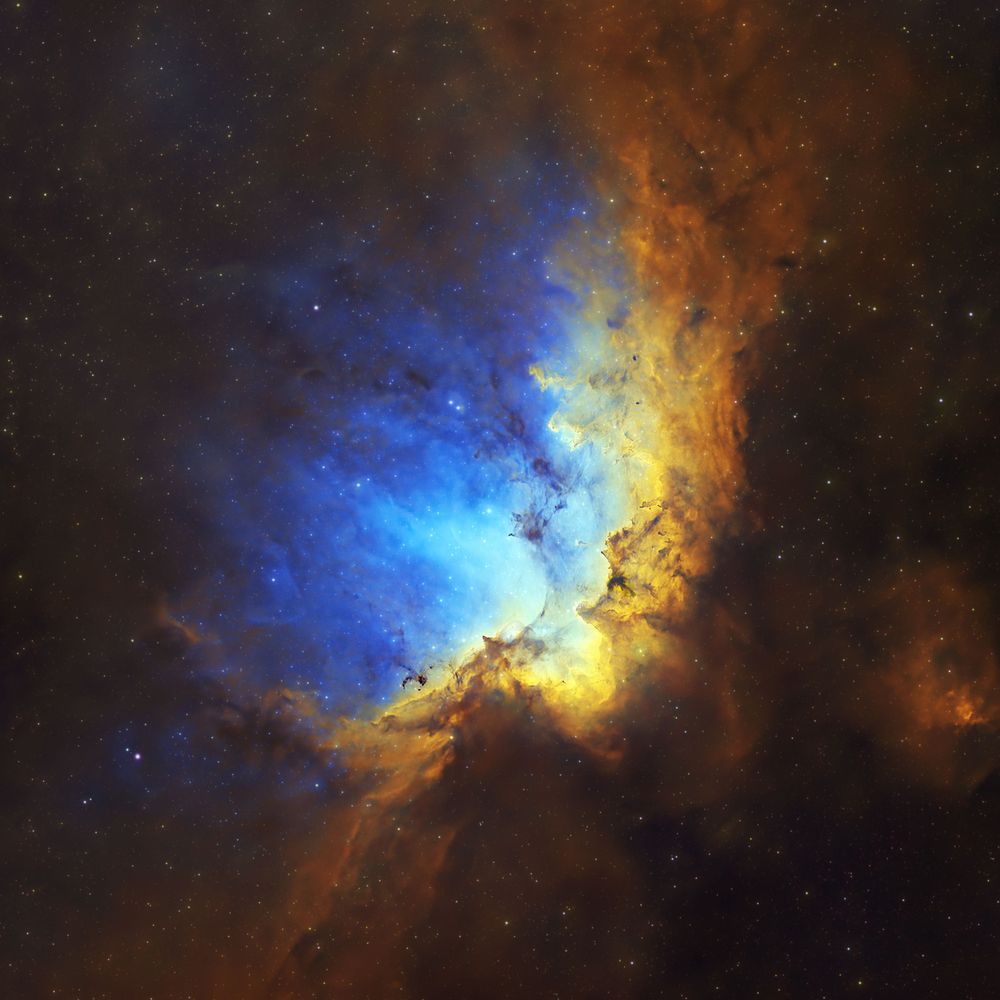
The California nebula in Perseus. Just over ten hours of narrow band data shot from Spain in Sept 23, using the Redcat51. The hydrogen gas in the nebula is glowing due to the energy from the nearby star Menkib. #Astronomy #Astrophotography

January 26, 2025 at 3:30 PM
The California nebula in Perseus. Just over ten hours of narrow band data shot from Spain in Sept 23, using the Redcat51. The hydrogen gas in the nebula is glowing due to the energy from the nearby star Menkib. #Astronomy #Astrophotography
Reposted by Brian

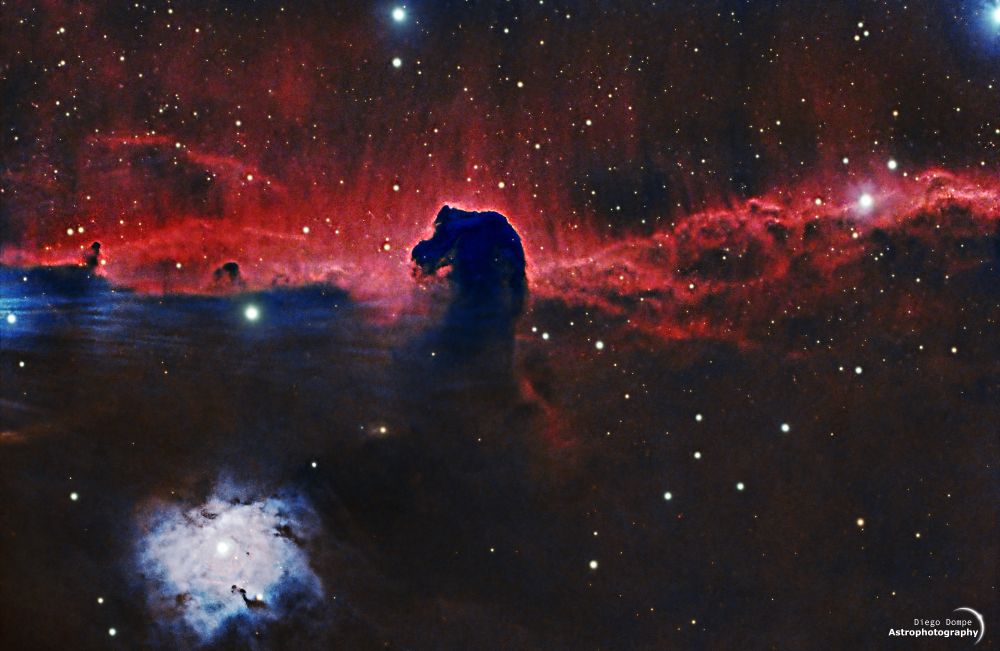
Almost 6h of data on the Horsehead nebula with the C11 w reducer. 🔭 #Astrophotography
January 26, 2025 at 10:19 PM
Almost 6h of data on the Horsehead nebula with the C11 w reducer. 🔭 #Astrophotography
Reposted by Brian
NGC 2024 (Flame Nebula) by NIRCam.
Processed by @thocarp.bsky.social
www.flickr.com/photos/19746...
🔭 🧪
Processed by @thocarp.bsky.social
www.flickr.com/photos/19746...
🔭 🧪

January 26, 2025 at 12:23 PM
NGC 2024 (Flame Nebula) by NIRCam.
Processed by @thocarp.bsky.social
www.flickr.com/photos/19746...
🔭 🧪
Processed by @thocarp.bsky.social
www.flickr.com/photos/19746...
🔭 🧪