



@angelayaya.bsky.social
Reposted

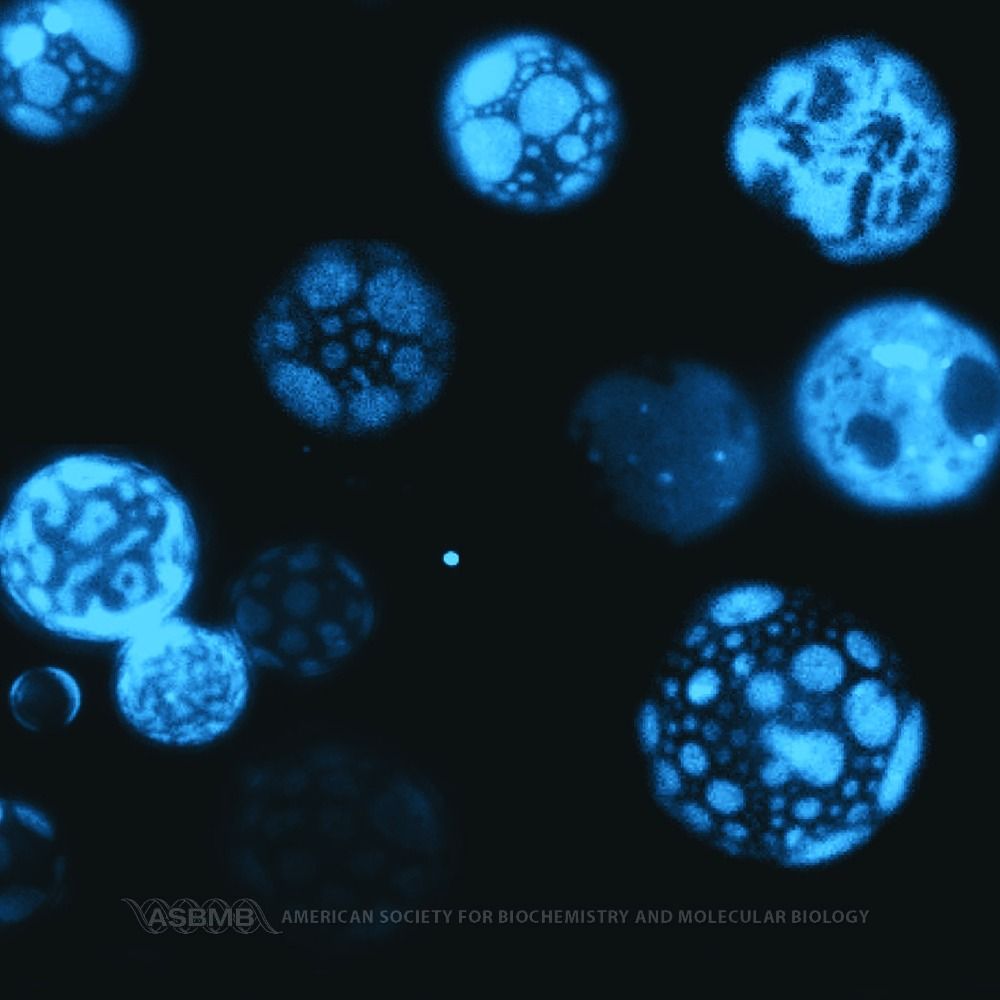
PIKfyve governs endoplasmic reticulum-lysosome contacts to modulate endoplasmic reticulum dynamics https://www.biorxiv.org/content/10.1101/2025.07.15.664974v1
July 16, 2025 at 3:32 PM
PIKfyve governs endoplasmic reticulum-lysosome contacts to modulate endoplasmic reticulum dynamics https://www.biorxiv.org/content/10.1101/2025.07.15.664974v1

Reposted

febs.onlinelibrary.wiley.com/share/R5XEX7...
Activating AMPK improves pathological phenotypes due to mtDNA depletion
Activating AMPK improves pathological phenotypes due to mtDNA depletion

February 7, 2025 at 10:53 PM
febs.onlinelibrary.wiley.com/share/R5XEX7...
Activating AMPK improves pathological phenotypes due to mtDNA depletion
Activating AMPK improves pathological phenotypes due to mtDNA depletion
Reposted

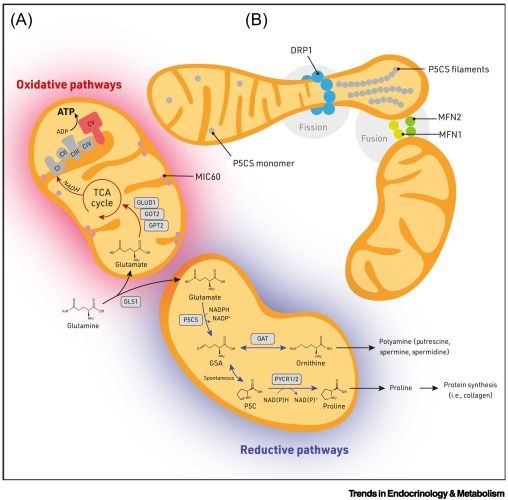
☕This year Granath-Panelo and Kajimura reviewed evidence of #mitochondria heterogeneity in different contexts and discussed how mitochondrial malleability contributes to cell fate determination and tissue remodeling.
👉https://rdcu.be/d5gHT
www.nature.com/articles/s41...
👉https://rdcu.be/d5gHT
www.nature.com/articles/s41...

Mitochondrial heterogeneity and adaptations to cellular needs - Nature Cell Biology
Granath-Panelo and Kajimura review emerging evidence of mitochondrial heterogeneity in different contexts and discuss how mitochondrial malleability contributes to cell fate determination and tissue r...
www.nature.com
December 30, 2024 at 7:44 PM
☕This year Granath-Panelo and Kajimura reviewed evidence of #mitochondria heterogeneity in different contexts and discussed how mitochondrial malleability contributes to cell fate determination and tissue remodeling.
👉https://rdcu.be/d5gHT
www.nature.com/articles/s41...
👉https://rdcu.be/d5gHT
www.nature.com/articles/s41...
Reposted

Interesting paper showing that asymmetrical methylation of two H3 sister histones in the same nucleosome recruit chromatin remodeling proteins associated with cellular differentiation www.sciencedirect.com/science/arti...

Nucleosomal asymmetry shapes histone mark binding and promotes poising at bivalent domains
Promoters of developmental genes in embryonic stem cells (ESCs) are marked by histone H3 lysine 4 trimethylation (H3K4me3) and H3K27me3 in an asymmetr…
www.sciencedirect.com
December 30, 2024 at 12:26 AM
Interesting paper showing that asymmetrical methylation of two H3 sister histones in the same nucleosome recruit chromatin remodeling proteins associated with cellular differentiation www.sciencedirect.com/science/arti...
Reposted

Reposted

Excited to reveal specific reactive oxygen species as sentinel molecules that control localized protein degradation at #mitochondria to adjust electron transport chain abundance, with many implications for the role of ROS in development and disease.
www.cell.com/molecular-ce...
www.cell.com/molecular-ce...
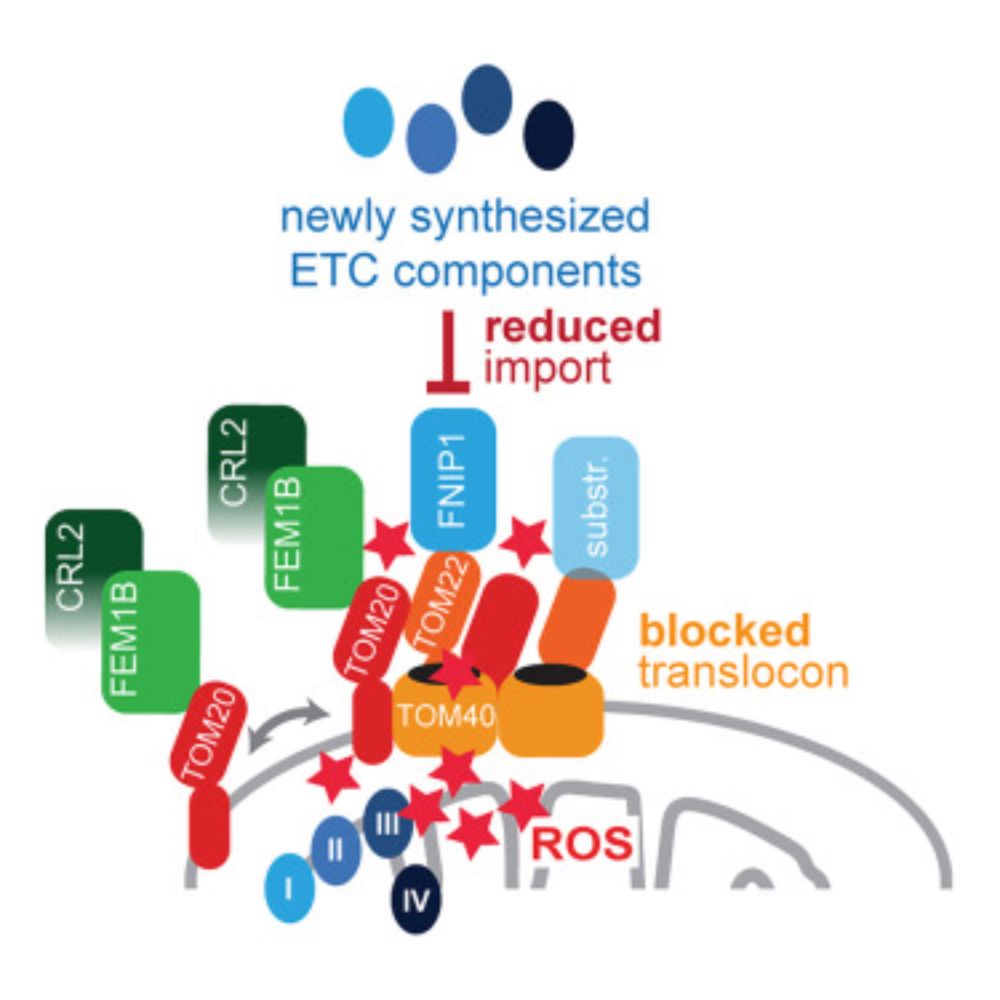
Reactive oxygen species control protein degradation at the mitochondrial import gate
This work identifies reactive oxygen species released by the electron transport chain as sentinel molecules that regulate localized protein degradation at mitochondrial TOM complexes, a mechanism that controls mitochondrial protein import and adjusts the abundance of the electron transport chain to cellular needs.
www.cell.com
December 6, 2024 at 7:07 AM
Excited to reveal specific reactive oxygen species as sentinel molecules that control localized protein degradation at #mitochondria to adjust electron transport chain abundance, with many implications for the role of ROS in development and disease.
www.cell.com/molecular-ce...
www.cell.com/molecular-ce...
Reposted
H3-H4 histone dimers act as copper reductase. This is important because ETC and SOD1 require bio-usable Cu+ for function. This article shows a new mechanism by which chromatin histones can affect the cell metabolism via a new role in metal processing #redoxepigenetics www.science.org/doi/10.1126/...

The histone H3-H4 tetramer is a copper reductase enzyme
A eukaryotic histone complex can package DNA but is also a cupric reductase that provides biousable Cu1+ for the cell.
www.science.org
December 1, 2024 at 1:34 PM
H3-H4 histone dimers act as copper reductase. This is important because ETC and SOD1 require bio-usable Cu+ for function. This article shows a new mechanism by which chromatin histones can affect the cell metabolism via a new role in metal processing #redoxepigenetics www.science.org/doi/10.1126/...