




Alsitrea
@alsitrea.bsky.social
🐍 Animals & Nature | 🔗Web dev. | 23yo.
Profile📸 → anniroenkae & arnie-chou
Profile📸 → anniroenkae & arnie-chou
Pinned
Alsitrea
@alsitrea.bsky.social
· Aug 10

The Reptile Hobby is Under ATTACK! feat. Responsible Reptile Keeping
YouTube video by Tropical Tutorials
youtu.be
A very detailed podcast about why some laws that are currently being investigated in many countries in the name of "animal welfare" would actually make things way worse
youtu.be/x6-oD7xqtyU
#herps (maybe #addHerper? I don't know I don't post much at all but thought this was worth sharing)
youtu.be/x6-oD7xqtyU
#herps (maybe #addHerper? I don't know I don't post much at all but thought this was worth sharing)
Reposted by Alsitrea

🐍Mangrove snake (Boiga dendrophila).
Max size 250 cm (8'2").
Mildly venomous.
Rear-fanged.
Found in Cambodia, Indonesia, Malaysia, Myanmar, the Philippines, Singapore, Thailand, and Vietnam.
Considered Least Concern by the IUCN.
📷by kuritafsheen77 on Freepik
Max size 250 cm (8'2").
Mildly venomous.
Rear-fanged.
Found in Cambodia, Indonesia, Malaysia, Myanmar, the Philippines, Singapore, Thailand, and Vietnam.
Considered Least Concern by the IUCN.
📷by kuritafsheen77 on Freepik

November 29, 2025 at 11:45 PM
🐍Mangrove snake (Boiga dendrophila).
Max size 250 cm (8'2").
Mildly venomous.
Rear-fanged.
Found in Cambodia, Indonesia, Malaysia, Myanmar, the Philippines, Singapore, Thailand, and Vietnam.
Considered Least Concern by the IUCN.
📷by kuritafsheen77 on Freepik
Max size 250 cm (8'2").
Mildly venomous.
Rear-fanged.
Found in Cambodia, Indonesia, Malaysia, Myanmar, the Philippines, Singapore, Thailand, and Vietnam.
Considered Least Concern by the IUCN.
📷by kuritafsheen77 on Freepik
Reposted by Alsitrea
Young male Stimson's Python, a species in the Antaresia group aka the "hobbit" pythons. Smaller and chiller than most of their snake cousins from a land infamous for its dangerous serpents, Australia.
#herps #antaresia #pythons #australianherps #golden #dwarf #hobbit #basking
#herps #antaresia #pythons #australianherps #golden #dwarf #hobbit #basking

November 28, 2025 at 11:29 PM
Young male Stimson's Python, a species in the Antaresia group aka the "hobbit" pythons. Smaller and chiller than most of their snake cousins from a land infamous for its dangerous serpents, Australia.
#herps #antaresia #pythons #australianherps #golden #dwarf #hobbit #basking
#herps #antaresia #pythons #australianherps #golden #dwarf #hobbit #basking
Reposted by Alsitrea

Asked Sergeant Colon what he was up to. He said he was just hanging around. 🐍
#herp #ballpythonsofbluesky
#herp #ballpythonsofbluesky
November 12, 2025 at 5:33 PM
Asked Sergeant Colon what he was up to. He said he was just hanging around. 🐍
#herp #ballpythonsofbluesky
#herp #ballpythonsofbluesky
Reposted by Alsitrea
🦎Emerald Tree Monitor (Varanus prasinus).
Max. length 100 cm (39.4").
Found on the island of New Guinea as well as on several islands in the vicinity.
Eats large insects/invertebrates, small birds and mammals.
Considered Least Concern by the IUCN.
📷by wirestock on Freepik
Max. length 100 cm (39.4").
Found on the island of New Guinea as well as on several islands in the vicinity.
Eats large insects/invertebrates, small birds and mammals.
Considered Least Concern by the IUCN.
📷by wirestock on Freepik

November 17, 2025 at 4:53 AM
🦎Emerald Tree Monitor (Varanus prasinus).
Max. length 100 cm (39.4").
Found on the island of New Guinea as well as on several islands in the vicinity.
Eats large insects/invertebrates, small birds and mammals.
Considered Least Concern by the IUCN.
📷by wirestock on Freepik
Max. length 100 cm (39.4").
Found on the island of New Guinea as well as on several islands in the vicinity.
Eats large insects/invertebrates, small birds and mammals.
Considered Least Concern by the IUCN.
📷by wirestock on Freepik
Reposted by Alsitrea

Jamps are the best* 😍🐍
*Well, the best I could afford, anyway. Some of these super dwarfs cost serious money! Jamps are very underrated though.
*Well, the best I could afford, anyway. Some of these super dwarfs cost serious money! Jamps are very underrated though.

November 10, 2025 at 7:14 PM
Jamps are the best* 😍🐍
*Well, the best I could afford, anyway. Some of these super dwarfs cost serious money! Jamps are very underrated though.
*Well, the best I could afford, anyway. Some of these super dwarfs cost serious money! Jamps are very underrated though.
Reposted by Alsitrea
🐍Jungle carpet python (Morelia spilota cheynei).
This subspecies has a max. size of ~2.6 m (~8'6"), but is usually smaller. Females tend to be larger than males.
Found in rainforests in northeastern Queensland, Australia.
📷by david-clode-unsplash
This subspecies has a max. size of ~2.6 m (~8'6"), but is usually smaller. Females tend to be larger than males.
Found in rainforests in northeastern Queensland, Australia.
📷by david-clode-unsplash
November 13, 2025 at 4:57 AM
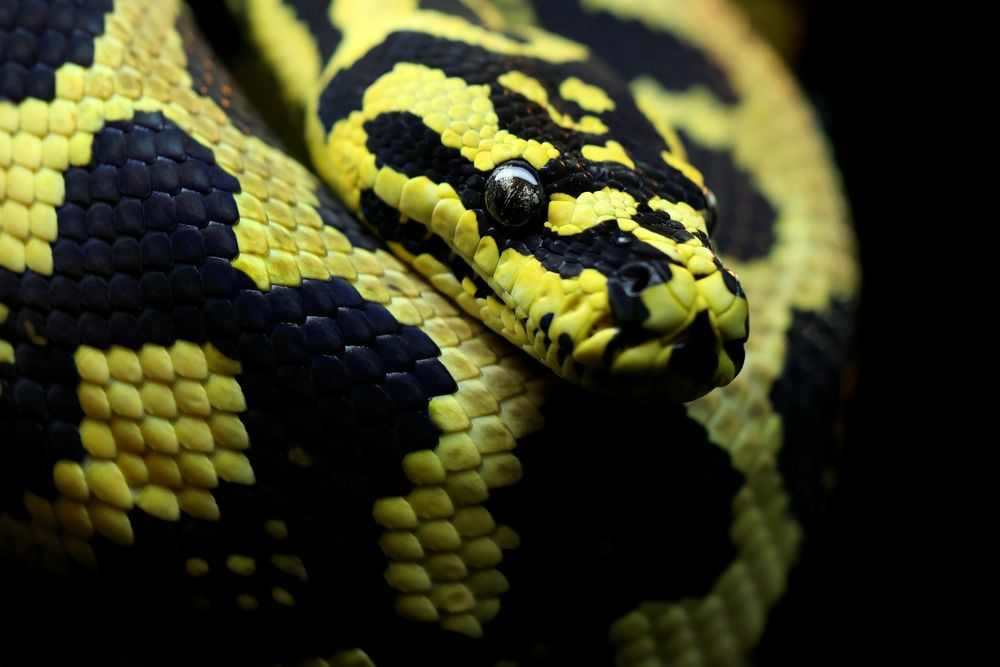
🐍Jungle carpet python (Morelia spilota cheynei).
This subspecies has a max. size of ~2.6 m (~8'6"), but is usually smaller. Females tend to be larger than males.
Found in rainforests in northeastern Queensland, Australia.
📷by david-clode-unsplash
This subspecies has a max. size of ~2.6 m (~8'6"), but is usually smaller. Females tend to be larger than males.
Found in rainforests in northeastern Queensland, Australia.
📷by david-clode-unsplash
Reposted by Alsitrea
🐸Blue poison dart frog (Dendrobates tinctorius "azureus").
Max size males ~4 cm (~1.6"), females ~4.5 cm (~1.8").
Females may physically fight over a calling male.
Found in southern Suriname and across the border with Brazil.
Not evaluated by the IUCN.
📷by William Warby on Pexels
Max size males ~4 cm (~1.6"), females ~4.5 cm (~1.8").
Females may physically fight over a calling male.
Found in southern Suriname and across the border with Brazil.
Not evaluated by the IUCN.
📷by William Warby on Pexels

November 6, 2025 at 4:32 AM
🐸Blue poison dart frog (Dendrobates tinctorius "azureus").
Max size males ~4 cm (~1.6"), females ~4.5 cm (~1.8").
Females may physically fight over a calling male.
Found in southern Suriname and across the border with Brazil.
Not evaluated by the IUCN.
📷by William Warby on Pexels
Max size males ~4 cm (~1.6"), females ~4.5 cm (~1.8").
Females may physically fight over a calling male.
Found in southern Suriname and across the border with Brazil.
Not evaluated by the IUCN.
📷by William Warby on Pexels
Reposted by Alsitrea
🐸Juvenile eastern newt (Notophthalmus viridescens) - also known as a red eft.
Max. size ~127 mm (~5").
As the colour suggests, it is poisonous.
Found in eastern parts of both Canada and the US.
Considered Least Concern by the IUCN.
📷by Asha Taylor on Unsplash
Max. size ~127 mm (~5").
As the colour suggests, it is poisonous.
Found in eastern parts of both Canada and the US.
Considered Least Concern by the IUCN.
📷by Asha Taylor on Unsplash

October 15, 2025 at 11:46 PM
🐸Juvenile eastern newt (Notophthalmus viridescens) - also known as a red eft.
Max. size ~127 mm (~5").
As the colour suggests, it is poisonous.
Found in eastern parts of both Canada and the US.
Considered Least Concern by the IUCN.
📷by Asha Taylor on Unsplash
Max. size ~127 mm (~5").
As the colour suggests, it is poisonous.
Found in eastern parts of both Canada and the US.
Considered Least Concern by the IUCN.
📷by Asha Taylor on Unsplash

Reposted by Alsitrea

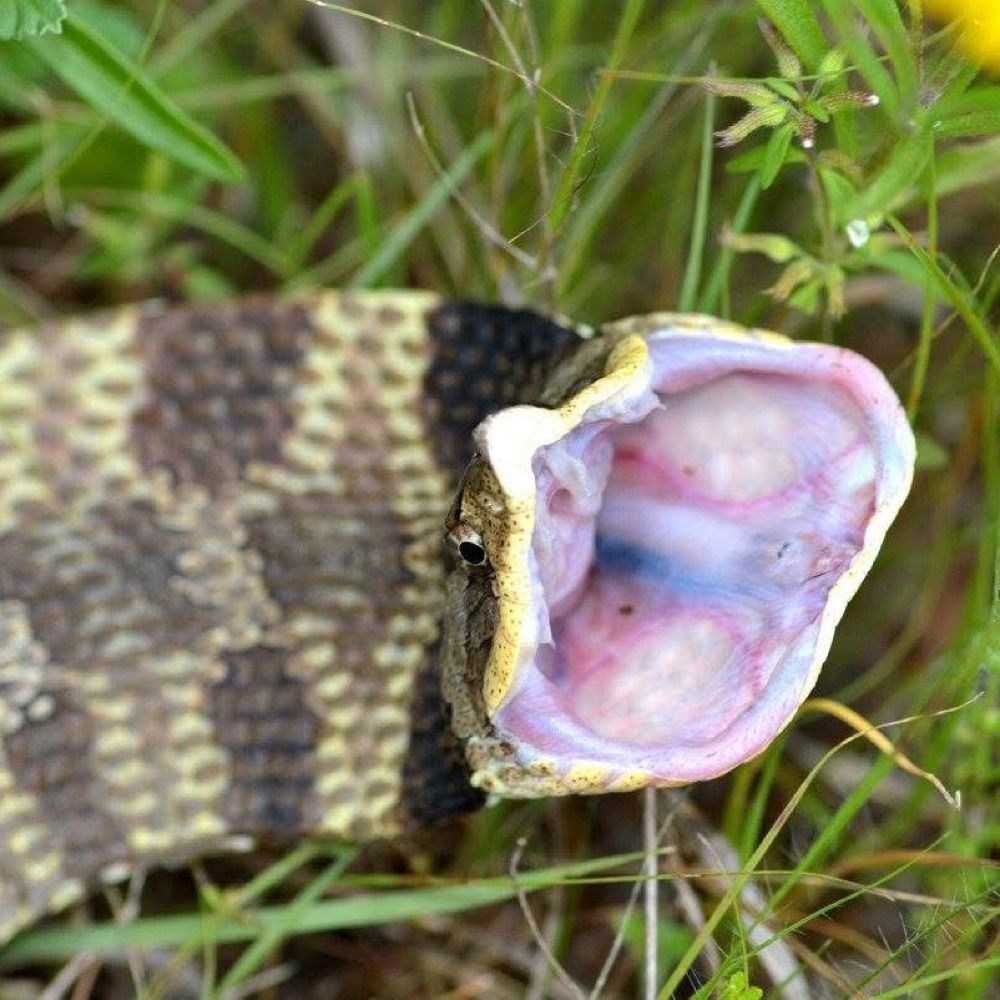
🐍 Asp viper, Vipera aspis

October 12, 2025 at 6:18 PM
🐍 Asp viper, Vipera aspis
Reposted by Alsitrea

had a friend stop by for a visit this morning 🕷️☀️


October 6, 2025 at 3:50 PM
had a friend stop by for a visit this morning 🕷️☀️
Reposted by Alsitrea
🦎
The South Morocco lizard-fingered Gecko, Saurodactylus mauritanicus.
A beautiful little critter 🤩
The South Morocco lizard-fingered Gecko, Saurodactylus mauritanicus.
A beautiful little critter 🤩


October 4, 2025 at 1:13 PM
🦎
The South Morocco lizard-fingered Gecko, Saurodactylus mauritanicus.
A beautiful little critter 🤩
The South Morocco lizard-fingered Gecko, Saurodactylus mauritanicus.
A beautiful little critter 🤩
Reposted by Alsitrea
🐍Boa constrictor (Boa constrictor) in HSt. Louis Zoo.
Max size 396 cm (13').
Younger specimens are arboreal, older ones tend to be more terrestrial.
Mostly nocturnal.
Found in most of South America above 35°S.
Considered Least Concern by the IUCN.
📷by thegaminghyena.bsky.social
Max size 396 cm (13').
Younger specimens are arboreal, older ones tend to be more terrestrial.
Mostly nocturnal.
Found in most of South America above 35°S.
Considered Least Concern by the IUCN.
📷by thegaminghyena.bsky.social

September 15, 2025 at 11:38 PM
🐍Boa constrictor (Boa constrictor) in HSt. Louis Zoo.
Max size 396 cm (13').
Younger specimens are arboreal, older ones tend to be more terrestrial.
Mostly nocturnal.
Found in most of South America above 35°S.
Considered Least Concern by the IUCN.
📷by thegaminghyena.bsky.social
Max size 396 cm (13').
Younger specimens are arboreal, older ones tend to be more terrestrial.
Mostly nocturnal.
Found in most of South America above 35°S.
Considered Least Concern by the IUCN.
📷by thegaminghyena.bsky.social
Reposted by Alsitrea

Online age verification is not like "showing ID to buy alcohol" because
a) the liquor store doesn't get to scan your ID and store a digital copy of it forever in a database that will inevitably get hacked
b) you don't have to show ID to go to the library because they have cocktail recipe books
a) the liquor store doesn't get to scan your ID and store a digital copy of it forever in a database that will inevitably get hacked
b) you don't have to show ID to go to the library because they have cocktail recipe books
August 25, 2025 at 11:14 PM
Online age verification is not like "showing ID to buy alcohol" because
a) the liquor store doesn't get to scan your ID and store a digital copy of it forever in a database that will inevitably get hacked
b) you don't have to show ID to go to the library because they have cocktail recipe books
a) the liquor store doesn't get to scan your ID and store a digital copy of it forever in a database that will inevitably get hacked
b) you don't have to show ID to go to the library because they have cocktail recipe books
Reposted by Alsitrea
🦎Crocodile monitor (Varanus salvadorii).
Max size 255 cm (8'4.4").
Found on the island of New Guinea.
Threatened by habitat destruction and is hunted by native people.
Considered Least Concern by the IUCN.
📷by Roshan Patel, Smithsonian's National Zoo
Max size 255 cm (8'4.4").
Found on the island of New Guinea.
Threatened by habitat destruction and is hunted by native people.
Considered Least Concern by the IUCN.
📷by Roshan Patel, Smithsonian's National Zoo

August 30, 2025 at 12:00 AM
🦎Crocodile monitor (Varanus salvadorii).
Max size 255 cm (8'4.4").
Found on the island of New Guinea.
Threatened by habitat destruction and is hunted by native people.
Considered Least Concern by the IUCN.
📷by Roshan Patel, Smithsonian's National Zoo
Max size 255 cm (8'4.4").
Found on the island of New Guinea.
Threatened by habitat destruction and is hunted by native people.
Considered Least Concern by the IUCN.
📷by Roshan Patel, Smithsonian's National Zoo
Reposted by Alsitrea
🐸Green and black poison dart frog (Dendrobates auratus).
Max. size 4.2cm (1.7"). Females are slightly larger than males.
Found in Nicaragua, Costa Rica, Panama and Colombia.
Males fight for territories during mating season.
Considered Least Concern by the IUCN.
📷by Jean Paul Montanaro on Pexels
Max. size 4.2cm (1.7"). Females are slightly larger than males.
Found in Nicaragua, Costa Rica, Panama and Colombia.
Males fight for territories during mating season.
Considered Least Concern by the IUCN.
📷by Jean Paul Montanaro on Pexels

August 18, 2025 at 11:17 PM
🐸Green and black poison dart frog (Dendrobates auratus).
Max. size 4.2cm (1.7"). Females are slightly larger than males.
Found in Nicaragua, Costa Rica, Panama and Colombia.
Males fight for territories during mating season.
Considered Least Concern by the IUCN.
📷by Jean Paul Montanaro on Pexels
Max. size 4.2cm (1.7"). Females are slightly larger than males.
Found in Nicaragua, Costa Rica, Panama and Colombia.
Males fight for territories during mating season.
Considered Least Concern by the IUCN.
📷by Jean Paul Montanaro on Pexels
Reposted by Alsitrea
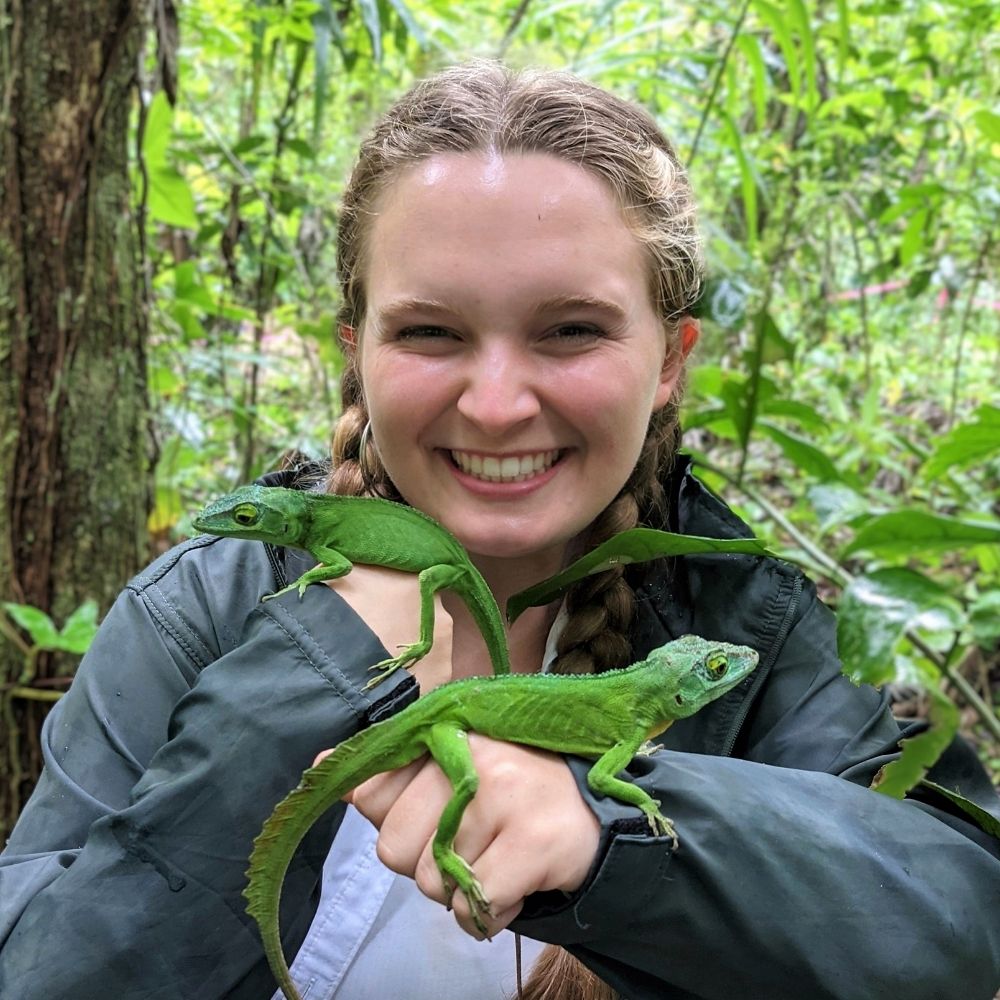
Eek so cute!!
Garter snake (Thamnophis sirtalis) near Ithaca, NY 🐍
Garter snake (Thamnophis sirtalis) near Ithaca, NY 🐍

August 18, 2025 at 11:10 PM
Eek so cute!!
Garter snake (Thamnophis sirtalis) near Ithaca, NY 🐍
Garter snake (Thamnophis sirtalis) near Ithaca, NY 🐍
A very detailed podcast about why some laws that are currently being investigated in many countries in the name of "animal welfare" would actually make things way worse
youtu.be/x6-oD7xqtyU
#herps (maybe #addHerper? I don't know I don't post much at all but thought this was worth sharing)
youtu.be/x6-oD7xqtyU
#herps (maybe #addHerper? I don't know I don't post much at all but thought this was worth sharing)
The Reptile Hobby is Under ATTACK! feat. Responsible Reptile Keeping
YouTube video by Tropical Tutorials
youtu.be
August 10, 2025 at 12:13 PM
A very detailed podcast about why some laws that are currently being investigated in many countries in the name of "animal welfare" would actually make things way worse
youtu.be/x6-oD7xqtyU
#herps (maybe #addHerper? I don't know I don't post much at all but thought this was worth sharing)
youtu.be/x6-oD7xqtyU
#herps (maybe #addHerper? I don't know I don't post much at all but thought this was worth sharing)
Reposted by Alsitrea
🦎Emerald Tree Monitor (Varanus prasinus) in Cairns Aquarium.
Max. length 100 cm (39.4").
Found on the island of New Guinea as well as several islands in the vicinity.
Eats large insects/invertebrates, small birds and mammals.
Considered Least Concern by the IUCN.
📷by David Clode on Unsplash.
Max. length 100 cm (39.4").
Found on the island of New Guinea as well as several islands in the vicinity.
Eats large insects/invertebrates, small birds and mammals.
Considered Least Concern by the IUCN.
📷by David Clode on Unsplash.

June 14, 2025 at 5:00 AM
🦎Emerald Tree Monitor (Varanus prasinus) in Cairns Aquarium.
Max. length 100 cm (39.4").
Found on the island of New Guinea as well as several islands in the vicinity.
Eats large insects/invertebrates, small birds and mammals.
Considered Least Concern by the IUCN.
📷by David Clode on Unsplash.
Max. length 100 cm (39.4").
Found on the island of New Guinea as well as several islands in the vicinity.
Eats large insects/invertebrates, small birds and mammals.
Considered Least Concern by the IUCN.
📷by David Clode on Unsplash.
Reposted by Alsitrea
🐍Reticulated python (Malayopython reticulatus).
Max. confirmed length 695 cm (22'10").
Found in South and Southeast Asia from India in the west to the Philippines in the East.
Considered Least Concern by the IUCN.
📷by kuritafsheen77 on Freepik
Max. confirmed length 695 cm (22'10").
Found in South and Southeast Asia from India in the west to the Philippines in the East.
Considered Least Concern by the IUCN.
📷by kuritafsheen77 on Freepik

July 11, 2025 at 5:27 AM
🐍Reticulated python (Malayopython reticulatus).
Max. confirmed length 695 cm (22'10").
Found in South and Southeast Asia from India in the west to the Philippines in the East.
Considered Least Concern by the IUCN.
📷by kuritafsheen77 on Freepik
Max. confirmed length 695 cm (22'10").
Found in South and Southeast Asia from India in the west to the Philippines in the East.
Considered Least Concern by the IUCN.
📷by kuritafsheen77 on Freepik
Reposted by Alsitrea
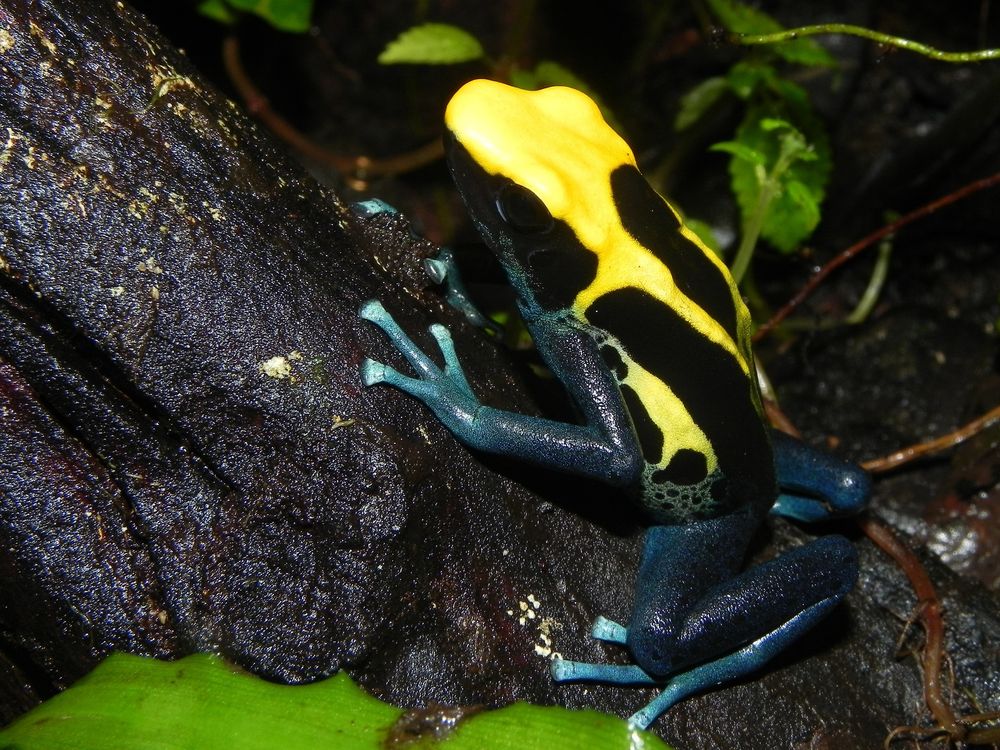
🐸Dyeing poison frog (Dendrobates tinctorius).
Some variants will grow to 7 cm (2.8"). Females tend to be larger than males.
Found in Guyana, Suriname, French Guiana and in the northernmost part of Brazil.
Considered Least Concern by the IUCN.
📷by jonathanstegemann on Pixabay
Some variants will grow to 7 cm (2.8"). Females tend to be larger than males.
Found in Guyana, Suriname, French Guiana and in the northernmost part of Brazil.
Considered Least Concern by the IUCN.
📷by jonathanstegemann on Pixabay
August 1, 2025 at 11:36 PM
🐸Dyeing poison frog (Dendrobates tinctorius).
Some variants will grow to 7 cm (2.8"). Females tend to be larger than males.
Found in Guyana, Suriname, French Guiana and in the northernmost part of Brazil.
Considered Least Concern by the IUCN.
📷by jonathanstegemann on Pixabay
Some variants will grow to 7 cm (2.8"). Females tend to be larger than males.
Found in Guyana, Suriname, French Guiana and in the northernmost part of Brazil.
Considered Least Concern by the IUCN.
📷by jonathanstegemann on Pixabay
Reposted by Alsitrea
🐍Carpet python (Morelia spilota) in Kuranda Koala Gardens.
Max size 425 cm (14'11") but usually smaller.
Found in eastern, southwestern and northern Australia as well as in and around Western New Guinea and Papua New Guinea.
Considered Least Concern by the IUCN.
📷by David Clode on unsplash
Max size 425 cm (14'11") but usually smaller.
Found in eastern, southwestern and northern Australia as well as in and around Western New Guinea and Papua New Guinea.
Considered Least Concern by the IUCN.
📷by David Clode on unsplash

June 17, 2025 at 11:17 PM
🐍Carpet python (Morelia spilota) in Kuranda Koala Gardens.
Max size 425 cm (14'11") but usually smaller.
Found in eastern, southwestern and northern Australia as well as in and around Western New Guinea and Papua New Guinea.
Considered Least Concern by the IUCN.
📷by David Clode on unsplash
Max size 425 cm (14'11") but usually smaller.
Found in eastern, southwestern and northern Australia as well as in and around Western New Guinea and Papua New Guinea.
Considered Least Concern by the IUCN.
📷by David Clode on unsplash
Reposted by Alsitrea
🐍Amethystine python (Simalia amethistina).
Max. length more than 550 cm (18'), but about 400 cm (13'1") is more common.
Found in Indonesia and Papua New Guinea.
Considered Least Concern by the IUCN.
📷by zoosnow on Pixabay
Max. length more than 550 cm (18'), but about 400 cm (13'1") is more common.
Found in Indonesia and Papua New Guinea.
Considered Least Concern by the IUCN.
📷by zoosnow on Pixabay

March 27, 2025 at 3:04 AM
🐍Amethystine python (Simalia amethistina).
Max. length more than 550 cm (18'), but about 400 cm (13'1") is more common.
Found in Indonesia and Papua New Guinea.
Considered Least Concern by the IUCN.
📷by zoosnow on Pixabay
Max. length more than 550 cm (18'), but about 400 cm (13'1") is more common.
Found in Indonesia and Papua New Guinea.
Considered Least Concern by the IUCN.
📷by zoosnow on Pixabay
Reposted by Alsitrea
🐍Mangrove snake (Boiga dendrophila).
Max size 250 cm (8'2").
Mildly venomous.
Rear-fanged.
Found in Cambodia, Indonesia, Malaysia, Myanmar, the Philippines, Singapore, Thailand, and Vietnam.
Considered Least Concern by the IUCN.
📷by kuritafsheen77 on Freepik
Max size 250 cm (8'2").
Mildly venomous.
Rear-fanged.
Found in Cambodia, Indonesia, Malaysia, Myanmar, the Philippines, Singapore, Thailand, and Vietnam.
Considered Least Concern by the IUCN.
📷by kuritafsheen77 on Freepik

April 23, 2025 at 12:55 AM
🐍Mangrove snake (Boiga dendrophila).
Max size 250 cm (8'2").
Mildly venomous.
Rear-fanged.
Found in Cambodia, Indonesia, Malaysia, Myanmar, the Philippines, Singapore, Thailand, and Vietnam.
Considered Least Concern by the IUCN.
📷by kuritafsheen77 on Freepik
Max size 250 cm (8'2").
Mildly venomous.
Rear-fanged.
Found in Cambodia, Indonesia, Malaysia, Myanmar, the Philippines, Singapore, Thailand, and Vietnam.
Considered Least Concern by the IUCN.
📷by kuritafsheen77 on Freepik
Reposted by Alsitrea

We also were greeted by a friendly face! I see this cutie every year, p sure she lives under the patio. 🐍

April 22, 2025 at 2:21 AM
We also were greeted by a friendly face! I see this cutie every year, p sure she lives under the patio. 🐍